
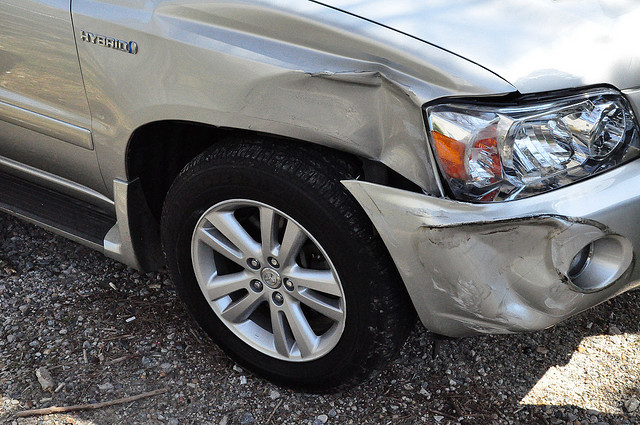
 Having a car accident is a very upsetting, stressful situation. Being prepared and knowing what to do can make things a little bit easier. Make sure you know which host parent to call in case of an accident.
Make sure you have all the necessary documents in your car glove box. Read this post on What to Keep in the Car Glove Box for a detailed list.
If you have an accident: (from Edmunds.com)
- Keep Safety First. Drivers involved in minor accidents with no serious injuries should move cars to the side of the road and out of the way of oncoming traffic. Leaving cars parked in the middle of the road or busy intersections can result in additional accidents and injuries. If a car cannot be moved, drivers and passengers should remain in the cars with seatbelts fastened for everyone’s safety until help arrives. Make sure to turn on hazard lights and set out cones, flares, or warning triangles if possible.
- Exchange Information. Print this Car Accident Emergency Form to keep in the car. After the accident, exchange the following information: name, address, phone number, insurance company, policy number, driver license number, and license plate number for the driver and the owner of each vehicle. If the driver’s name is different from the name of the insured, establish what the relationship is and take down the name and address for each individual. Also make a written description of each car, including year, make, model and color — and the exact location of the collision and how it happened. Finally, be polite but don’t tell the other drivers or the police that the accident was your fault, even if you think it was.
- Photograph and Document the Accident. Use your camera to document the damage to all the vehicles. Keep in mind that you want your photos to show the overall context of the accident so that you can make your case to a claims adjuster. If there were witnesses, try to get their contact information; they may be able to help you if the other drivers dispute your version of what happened.
Image: cygnus921 (Flickr)
 1. Make Friends – Don’t wait for other au pairs to reach out to you, reach out to them. There are lots of other new au pairs who are feeling the same way you are right now. Set a goal to reach out to one of them each day. Some will respond and some will not. Don’t let that discourage you. No one will ever be mad at you for sending them a message to say hello or ask if they want to do something together. Make friends from various countries and you will also get a chance to practice your English skills together.
 The winter has it’s own kind of beauty, but when the days are short and it’s cold outside, some people feel less energetic or even sad. The cold weather can make you feel like staying indoors. For some au pairs, those conditions can cause homesickness to resurface.
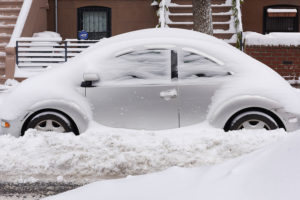 The best advice for driving in bad winter weather is not to drive at all, if you can avoid it. Don’t go out until the snow plows and sanding trucks have had a chance to do their work, and allow yourself extra time to reach your destination.

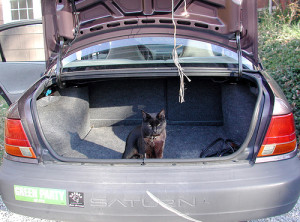 What should you have in the trunk of your car in case of an emergency?
 Swords, knives, and other costume accessories should be short, soft, and flexible.
 Avoid trick-or-treating alone. Walk in groups or with a trusted adult.
 Fasten reflective tape to costumes and bags to help drivers see you.
 Examine all treats for choking hazards and tampering before eating them. Limit the amount of treats you eat.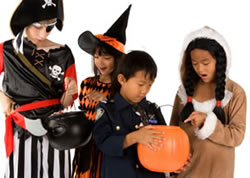
 Hold a flashlight while trick-or-treating to help you see and others see you. WALK and don’t run from house to house.
 Look both ways before crossing the street. Use crosswalks wherever possible.
 Only walk on sidewalks whenever possible, or on the far edge of the road facing traffic to stay safe.
 Wear well-fitting masks, costumes, and shoes to avoid blocked vision, trips, and falls.
 Never walk near lit candles or luminaries. Be sure to wear flame-resistant costumes.