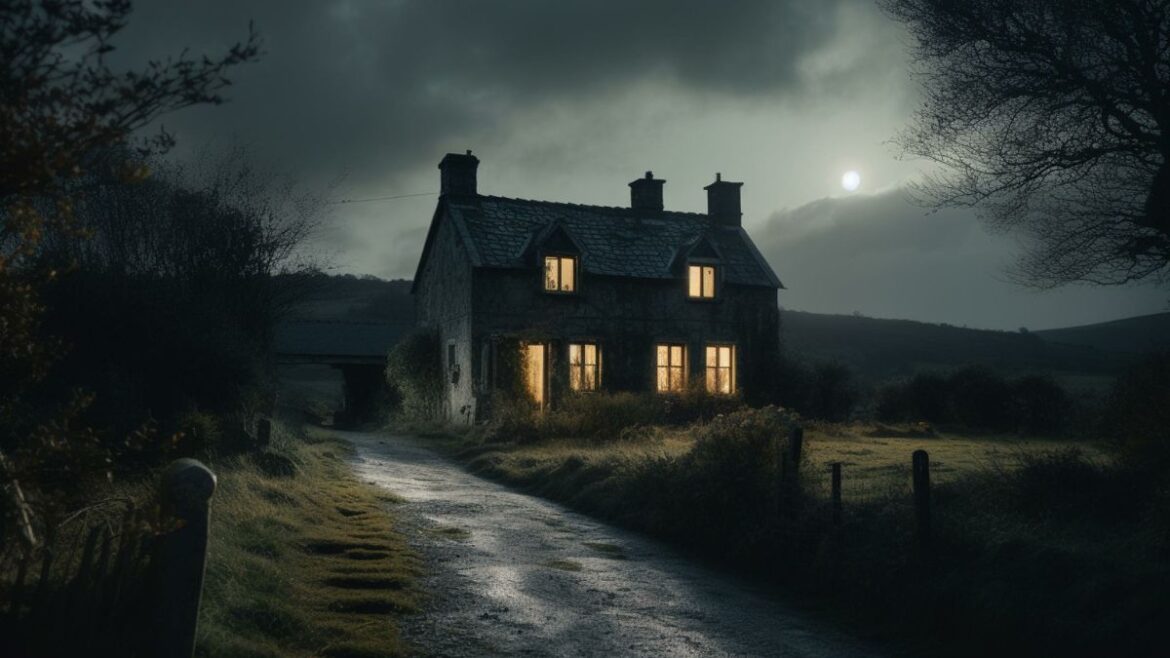
Halloween is one of America’s most recognizable holidays. Each year, children dress in costumes, carve jack-o’-lanterns, collect candy, and gather for spooky celebrations with friends and family. While these traditions may feel firmly tied to modern Halloween, many can be traced back hundreds or even thousands of years.
The modern Halloween celebration developed over centuries through a blend of Celtic traditions, Christian observances, folklore, immigration, and community customs. Understanding where these traditions come from can help children appreciate how holidays evolve as cultures, beliefs, and communities influence one another over time.
Explore the fascinating history of Halloween and discover how ancient traditions shaped the holiday we celebrate with our kids and loved ones today.
Samhain: The Ancient Festival Behind Halloween
Many historians trace Halloween’s earliest roots to Samhain (pronounced “sow-in”), an ancient Celtic festival celebrated in Ireland, Scotland, and other parts of the Celtic world.
Samhain marked the end of the harvest season as well as the beginning of winter and the Celtic new year. Communities gathered to celebrate the completed harvest, prepare for the colder months ahead, and recognize the changing of the seasons—along with an important shift in the alignment between the physical and spiritual worlds…
According to traditional beliefs, Samhain was a time when the boundary between the physical world and the spirit world became thinner. People believed that on the night of October 31st, spirits and other supernatural beings could more easily cross into the human world. Folklore, storytelling, and protective customs often centered around these beliefs, many of which would later influence Halloween activities and traditions.
How Christian Observances Shaped the Holiday
As Christianity spread throughout Celtic regions, existing traditions often blended with Christian observances that occurred around the same time. Some historians believe that certain Christian holidays were used as church-approved replacements of existing Celtic rites.
In the eighth century, All Saints’ Day, a Christian feast honoring saints and martyrs, was officially moved from May 13th to November 1st. The evening before All Saints’ Day (October 31st) became known as All Hallows’ Eve, with “hallows” meaning saints or holy people. Over time, “All Hallows’ Eve” became “Halloween.”
November 2nd was later observed as All Souls’ Day, a day dedicated to remembering and praying for the faithful departed. Together, these observances created a three-day period known in some Christian traditions as Allhallowtide.
Over time, the traditions of Samhain and Allhallowtide increasingly intertwined, contributing to the development of the largely secular Halloween celebration that families across the U.S. and the wider world enjoy today.
Why Do We Wear Costumes on Halloween?
The tradition of wearing costumes, masks, or disguises on Halloween is also rooted in early Samhain traditions. Historians believe these costumes may have been connected to beliefs about wandering spirits and supernatural beings.
For example, some people thought that disguising themselves in masks after dark would protect them from wayward ghosts, who would mistake them for fellow spirits and pass them by. Accounts of Samhain celebrations also describe participants (especially Druids and fortune-tellers) wearing costumes made from animal skins and other natural materials, an early example of the costume traditions associated with Halloween today.
Later, in parts of Britain and Ireland, a tradition known as mumming or guising developed. Participants dressed in costume and visited homes to perform songs, poems, or small acts of entertainment in exchange for food or treats.
While today’s superheroes, movie characters, monsters, and princess costumes look very different, the tradition of dressing up and assuming a temporary new identity has been part of Halloween’s story for hundreds of years.
Where Did Trick-or-Treating Come From?
The origins of trick-or-treating are connected to several older customs. During the Middle Ages, some Christians practiced “souling,” going door-to-door to offer prayers for the deceased in exchange for small biscuit-like cakes called soul cakes.
Centuries later, the guising and mumming traditions in Scotland and Ireland introduced costumes and disguises to door-to-door customs, with participants reciting poems, singing songs, telling jokes, and dancing for their neighbors, who often rewarded them with small treats in return.
As Irish and Scottish immigrants brought Halloween customs to North America, these traditions continued to evolve. The holiday also became associated with neighborhood pranks and mischief, prompting many communities in the early twentieth century to encourage children to visit homes for treats instead of “tricks.” This helped channel Halloween energy into a more organized (and less destructive) tradition.
The Story Behind the Jack-o’-Lantern
Before pumpkins became one of Halloween’s most recognizable symbols, people in Ireland carved lanterns from turnips, potatoes, and other root vegetables.
The practice is attributed to the folktale of Stingy Jack. According to the legend, Jack had tricked the Devil multiple times and was unable to enter either Heaven or Hell when he died, leaving him doomed to roam the earth with a lantern made from a carved-out turnip lit by a single ember.
When Irish immigrants arrived in North America, they discovered that pumpkins were an excellent stand-in for turnips. Not only were they more plentiful, but their large size and softer insides made them perfect for carving faces. Over time, pumpkins replaced root vegetables and became the jack-o’-lanterns we know today.
Interested in learning more? Explore our blog post: Pumpkin Traditions Around the World: Jack-o’-Lanterns Are Just the Start!
How Halloween Became an American Holiday
Although many Halloween traditions originated in Europe, the holiday evolved into something distinctly American starting in the nineteenth century. During the wave of Irish immigration that followed the Great Famine, large numbers of Irish and Scottish immigrants came to the U.S., bringing Halloween customs with them.
Early American Halloween celebrations featured large bonfires, storytelling, harvest celebrations, and fortune-telling games. Halloween also developed a reputation for mischief, with pranksters removing gates, hiding wagons, and causing other neighborhood disturbances. At the same time, the nineteenth-century Spiritualism movement fueled interest in ghosts and communication with the dead, adding another supernatural element to Halloween celebrations.
During the early twentieth century, many communities began promoting the family-friendly Halloween traditions we now recognize: organized parties, parades, and children’s activities as an alternative to the destructive pranks. As these events grew in popularity and changed with time, Halloween gradually became the costume-filled, candy-packed, trick-or-treating holiday American families know and love.
Sharing Halloween History Through Cultural Exchange
Learning about Halloween’s history can remind children that traditions don’t appear overnight. Holidays evolve over centuries as different cultures contribute stories, customs, beliefs, and celebrations.
For families who host an au pair, conversations about Halloween’s origins can lead naturally into discussions about fall traditions in other countries. An au pair may be familiar with harvest festivals, remembrance traditions, autumn celebrations, or local folklore that developed differently from Halloween but share similar themes of community, storytelling, and seasonal change.
These conversations can help children see that holidays are often shaped by cultural exchange, adaptation, and the sharing of traditions across generations.
Ready to discover the benefits of hosting an au pair for yourself? Au Pair in America® is here to help!
Halloween may look very different today than it did centuries ago, but many familiar customs still carry traces of the people and traditions that came before. Costumes, trick-or-treating, jack-o’-lanterns, and ghost stories all reflect a long history of storytelling, celebration, and community.
For families who host an au pair with Au Pair in America®, holidays like Halloween can become opportunities to learn not only about the past but also about how different cultures celebrate the season today. Sharing new traditions and fresh perspectives helps children develop curiosity about the wider world while creating meaningful family experiences along the way.
