Tag Archives: Au Pair in America

Activities-to-Keep-Your-Kids-Busy-This-Summer-1Top Ten – How to Manage Longer Days with Children – When School is out and
APs should always check with their host parents to seek approval for any childcare activities.

10. Start A Summer Scrapbook!

Include drawings, pictures, and journal entries of activities from the summer. It will be special because children and their au pair created it together. This could be a hard version, a computer generated one, a movie of daily clips set to music…..they could even make 2 copies – one for her and one for them to keep!

9. Have a picnic!

Spread the planning and preparation across a few days to get them excited!
First, decide on a location, and have a few choices from which the children can pick. For example, their backyard, a town park or near a pond. Include a rain plan – will they choose an alternate in door solution or go on another date? Create ballots and let them vote!

Make the picnic ‘basket’ —- use a plain box and let the children decorate it!
Then, decide on a menu — look up recipes and shop for the ingredients together….prepare anything that can be done ahead of time — and then when it is “the day,” finish the picnic packing and go!

8. Switch It UP

Have dinner for breakfast and breakfast for dinner! Plan the menu and prepare together!
Who doesn’t like pancakes for dinner???? (If your host parents don’t, then ignore this one!)

7. Have a Pajama Day!

Plan an indoor PJ day. Choose books to read, cookies to make, a movie to watch, indoor tent with blankets and go! Think of it as a snow day (on a rainy day) in the summer!

6. Two websites with nifty ideas!
Scavenger Hunt

Bubble Mania

5. Park it!

Make a list of area parks. After each visit, have the children critique it….what was good, what did they like about it….what didn’t they like? Create a chart with applicable headings including a rating system. At the end of their comparison, their chart will show them where they like to go for what activities, etc. This is a great hand down tool as well for subsequent au pairs or the parents themselves!

4. Taste Test Day!

Buy several brands of vanilla – and try one bite of each and see what they like best! Or do flavors – let the children choose! Different versions….yogurt tasting, cheese/crackers, salsas or red vs. green grapes!

3. Make a Diorama!

Have children re-create a scene from their favorite book, zoo or outing.

Make a Diorama

2. Have a home book club!

Everyone read the same book – and compare your thoughts on it.
Here are some ideas: http://www.scholastic.com/ups/campaigns/src- 2015

1. AP Day!

Once a week — have a Day dedicated to the AP’s country! Eat some foods from her country…and have share typical summer activities you did growing up. You can read the children a book in your native language as well as teach them how to sing and count! As the children get the hang of it – they can make a list of things they would like you to teach or tell them.

EARTH DAY

Mobilize the Earth. Earth Day. 4.22.15

Earth-Day-Bulletin-Board1On April 22, more than one billion people around the globe will participate in Earth Day 2012 and help Mobilize the Earth™. People of all nationalities and backgrounds will voice their appreciation for the planet and demand its protection. Together we will stand united for a sustainable future and call upon individuals, organizations, and governments to do their part.

Attend a local Earth Day event and join one of our Earth Day campaigns as we collect A Billion Acts of Green® and elevate the importance of environmental issues around the world. Together we will Mobilize the Earth™ on April 22 and demand change

Each year, Earth Day — April 22 — marks the anniversary of what many consider the birth of the modern environmental movement in 1970.

The height of hippie and flower-child culture in the United States, 1970 brought the death of Jimi Hendrix, the last Beatles album, and Simon & Garfunkel’s “Bridge Over Troubled Water”. Protest was the order of the day, but saving the planet was not the cause. War raged in Vietnam, and students nationwide increasingly opposed it.

At the time, Americans were slurping leaded gas through massive V8 sedans. Industry belched out smoke and sludge with little fear of legal consequences or bad press. Air pollution was commonly accepted as the smell of prosperity. “Environment” was a word that appeared more often in spelling bees than on the evening news.  Although mainstream America remained oblivious to environmental concerns, the stage had been set for change by the publication of Rachel Carson’s New York Times bestseller Silent Spring in 1962.  The book represented a watershed moment for the modern environmental movement, selling more than 500,000 copies in 24 countries and, up until that moment, more than any other person, Ms. Carson raised public awareness and concern for living organisms, the environment and public health.

Earth Day 1970 capitalized on the emerging consciousness, channeling the energy of the anti-war protest movement and putting environmental concerns front and center.

Believe it or not! Spring is here!

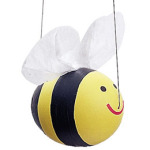
bee-easter-egg-craft-photo-260-FF0302EGGA03

Easter Eggs: Bee Egg

With this project, kids blow an egg, then turn it into a flying wonder. All you need is a raw egg, paint, craft supplies, and fishing line for hanging the egg. The best part? This blown-egg creature will keep indefinitely.

Materials

  • eggs
  • newsprint
  • egg dye
  • paper towels
  • birthday candles or crayons
  • red and black acrylic or tempera paint
  • brushes
  • white tissue
  • glue

Instructions
  1. Blow the Egg: Wash and dry the raw egg. Cover your table with newsprint and set out bowls, pushpins, and paper towels. Shake the egg to break the yolk. Next, pierce the top and bottom with a pushpin, making the hole on the wider end a bit larger. Position the egg over the bowl and blow through the small hole, allowing the inside of the egg to seep into the bowl. Set the empty egg, with the large hole down, in an egg carton to dry. Be sure children wash their hands after handling raw egg.
  2. Degg-orate the Egg: Let the kids paint half of the egg, stand it atop a bottle cap to dry (use a hair dryer to speed things up), then paint the other half. Centering the face on either hole, paint on features with contrasting colors. Paint your bee bright yellow, then paint on a red smile, black eyes, and black stripes. Glue on white tissue paper wings.
  3. Take Flight: Tape a long length of fishing line to the end of an unfolded paper clip. Starting at the small hole, thread the line through the decorated egg and out the large hole. To keep your flying critter upright, tape the fishing line just above the hole in the critter’s back. Hang it from the ceiling or an egg tree.

Grow a Grassapillar

Grassapillar Celebrate the arrival of spring by bringing this fuzzy critter to life.Begin by mixing 3/4 cup of potting soil and 2 tablespoons of grass seed in a bowl. Add water to moisten the mixture, then set it aside.Cut away a three-cup section of an egg carton, then trim the section along the longer edges so that your grassapillar will look the same from both sides. With a permanent marker, draw a face on one end as shown. Gently spoon the seed mixture into the cups.
Set your creation on a dish in a brightly lit spot and keep the soil moist. The grass should sprout in about a week.

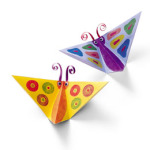
origami-butterfly-craft-photo-260-FF0399KDCOTA02Origami Butterfly

Origami, Japan’s traditional craft of paper-folding, has been used since the 10th century to sculpt animals and wrap gifts. Animals, birds, fish and insects are favorite origami subjects. After folding the butterfly featured here, you can make it flutter by pressing on its back with the tip of your finger.

Materials
  • 6 x 6-inch sheet of origami paper
  • Glue
  • 1 x 4-inch strips of origami paper or curling ribbon
  • Scissors
  • 2 googly eyes
  • Markers

X

Instructions
  1. Origami Butterfly Step 1 This colorful creature is created not by metamorphosis but by folding the origami paper in half to form a triangle.
  2. Origami Butterfly Step 2 Fold the triangle in half again.
  3. Origami Butterfly Step 3 Unfold the second triangle, then fold each side so that it crosses the center crease at a right angle.
  4. Origami Butterfly Step 4 (Continuation of above directions.)
  5. Origami Butterfly Step 5 Unfold. Glue on the strips for antennae and curl them using the edge of a scissor. Glue on the googly eyes and decorate with markers.
Christmas Party 2014

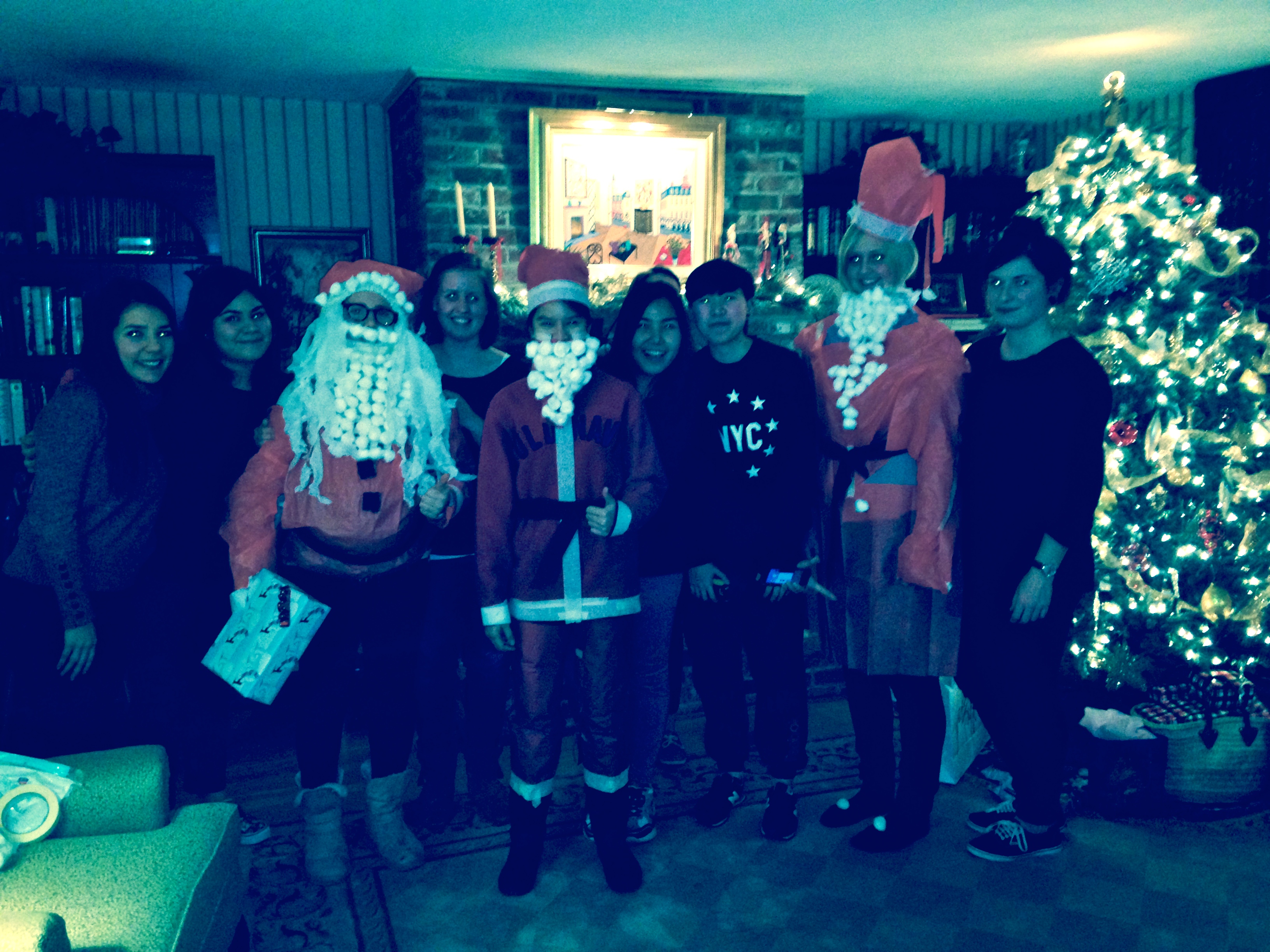
IMG_1354IMG_1366Our Holiday Party was held at my home.   Au Pairs brought dishes from their country to serve with a full turkey dinner.  There was a traditional Yankee Swap after which everyone was  divided into teams and were given tissue paper, cotton balls, streamers and masking tape to create a Santa.  The results were amazing!

Link

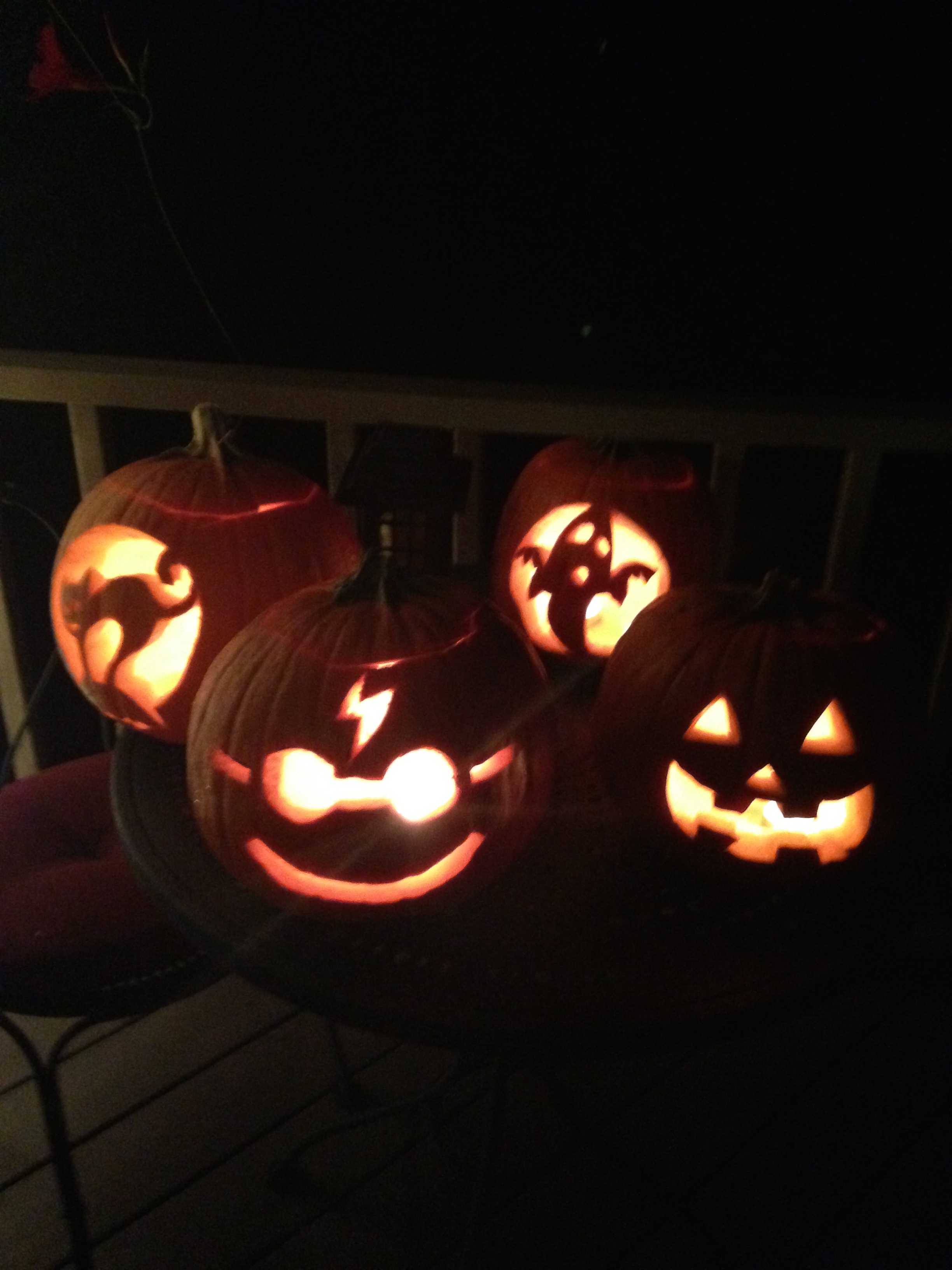
IMG_1204Our October meeting was a first for many of the au pairs.   They had never carved a pumpkin and never tasted pumpkin pie!   GIrls got to do both.   As for the pie – it was a success!

The pumpkin carvings were just AMAZING!

Click here for pictures

Halloween is Coming!!!

Goblins and Ghosts stay safe!

images

  1. Make sure to inspect the children’s Trick Or Treat candy to make sure everything is in a sealed wrapper and appears safe.
  2. Small children should not eat hard candy because of chocking.
  3. Children should be supervised when they go Trick-or-Treating.  Many parents will come home early from work on the day to go with their children.  Check with Host Parents about this.

Halloween Safety Tips for Drivers

Halloween is a wonderful holiday, but because of increased foot traffic and that Trick-or-Treaters are out at night, the potential for automobile related accidents with young pedestrians increases four times on this night according to a CDC (Center for Disease Control) study.

Streets are literally crawling with all sorts of witches, ghosts, goblins, vampires and all other sorts of costumed people. This makes for added responsibility for drivers to make sure that they drive safer than normal.

In many areas, people drive their kids into subdivisions and let them out to walk from house to house. Usually the parent follows behind in the car. This can cause traffic jams in small areas and much confusion as kids dart between cars on the streets going from house to house. A driver is already distracted because they are trying to keep an eye on their own kids and usually aren’t paying attention to much else.

Children and adults tend to be preoccupied and may not pay as much attention to safety as they should. They may not see your vehicle or just assume that you see them automatically. Stay on the defensive and you shouldn’t have a problem while driving on Halloween night

* Don’t use a cell phone or other electronic device while driving on Halloween night. You shouldn’t be doing this anyway, the rate of cell phone related auto accidents has jumped dramatically since the use of cell phones and texting has risen so high. Some states have already made laws concerning this and others are working on it.

Make sure your child carries a flashlight, glow stick or has reflective tape on their costume to make them more visible to cars. Left them know if they carry a flash light to never shine itin the eyes of a driver. This can cause blindness on the drivers part temporarily and they may not see  your child

halloween-castle-20983085Haunted Happenings in October

The month of October brings exciting activities to the city of Salem, Massachusetts. There are many activities relating to the city’s history and penchant for things macabre, including walking tours, haunted houses, trolley rides, spooky performances, exhibits, harbor cruiss and more. Visit their website for all the details: http://www.hauntedhappenings.org/

In Westford MA, visit Witches Woods   http://witchswoods.com .  Haunted Hayride and Halloween Screampark – open Thursday – Sunday  nights 6:30-10:30.

Blueberry Picking

Ripe for the picking!

Ripe for the picking!

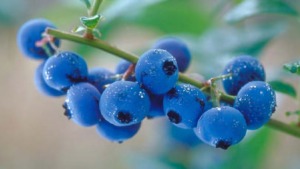
It is time for blueberries – picking is ripe!

Consider taking the kids to Honey Pot Orchard in Stow.  Not only can you pick berries in the patch, you can have fun in the Hedge and tunnel maze, and   picnic by the barnyard animals.

Honey Pot Hill

THE BLUEBERRY PATCH

The blueberry patch is open for picking with lot’s of berries.   Go to the store to get information about container sizes (which they provide) and price.   The containers take a long time to fill so if you’re  with little ones be careful about the size you buy!

Cider donuts and caramel apples made fresh daily and can also be purchased at their store.

race to the center!

race to the center!

The Hedge Maze

Go and have lots of fun getting lost in the Hedge maze, the exact replica of the famous ‘Hampton Court’ Maze in England. Great fun for the kids, ages 4 thru 11.  There is also a Tunnel maze for children (no adults) to crawl through.  All for $1.50 per person.

Barnyard Animals

At the Barnyard!

At the Barnyard!

Visit with the barnyard animals – “3 little pigs”, 10 energetic goats playing on their goat walk,
the never ending cock-a-doodle-doo
roosters,
bunnies
and ducks.

Water Safety Tips from the Red Cross

IloveSwimming Take Steps to Stay Safe Around Water

Swimming is the most popular summer activity.

Follow these safety tips whenever you are in, on or around water with you.

Make Water Safety Your Priority

  • Swim in designated areas supervised by lifeguards.
  • Always swim with a buddy; do not allow anyone to swim alone. Even at a public pool or a lifeguarded beach, use the buddy system!
  • Ensure that everyone in the family learns to swim well. Enroll in age-appropriate Red Cross water orientation and Learn-to-Swim courses.
  • Never leave a young child unattended near water and do not trust a child’s life to another child; teach children to always ask permission to go near water.
  • Have young children or inexperienced swimmers wear U.S. Coast Guard-approved life jackets around water, but do not rely on life jackets alone.
  • Establish rules for your family and enforce them without fail. For example, set limits based on each person’s ability, do not let anyone play around drains and suction fittings, and do not allow swimmers to hyperventilate before swimming under water or have breath-holding contests.
  • Even if you do not plan on swimming, be cautious around natural bodies of water including ocean shoreline, rivers and lakes. Cold temperatures, currents and underwater hazards can make a fall into these bodies of water dangerous.
  • If you go boating, wear a life jacket! Most boating fatalities occur from drowning.
  • Avoid alcohol use. Alcohol impairs judgment, balance and coordination; affects swimming and diving skills; and reduces the body’s ability to stay warm.

Prevent Unsupervised Access to the Water

  • Install and use barriers around your home pool or hot tub. Safety covers and pool alarms should be added as additional layers of protection.
  • Ensure that pool barriers enclose the entire pool area, are at least 4-feet high with gates that are self-closing, self-latching and open outward, and away from the pool. The latch should be high enough to be out of a small child’s reach.
  • If you have an above-ground or inflatable pool, remove access ladders and secure the safety cover whenever the pool is not in use.
  • Remove any structures that provide access to the pool, such as outdoor furniture, climbable trees, decorative walls and playground equipment.
  • Keep toys that are not in use away from the pool and out of sight. Toys can attract young children to the pool.

Maintain Constant Supervision

  • Actively supervise kids whenever around the water—even if lifeguards are present. Do not just drop your kids off at the public pool or leave them at the beach—designate a responsible adult to supervise.
  • Always stay within arm’s reach of young children and avoid distractions when supervising children around water.

Know What to Do in an Emergency

  • If a child is missing, check the water first. Seconds count in preventing death or disability.
  • Know how and when to call 9-1-1 or the local emergency number.
  • If you own a home pool or hot tub, have appropriate equipment, such as reaching or throwing equipment, a cell phone, life jackets and a first aid kit.
  • Enroll in Red Cross home pool safety, water safety, first aid and CPR/AED courses to learn how to prevent and respond to emergencies.

Memorial Day in the United States

To Honor our Heroes

To Honor our Heroes

Monday, May 26th

Memorial Day is observed on the last Monday of May. It was formally known as Decoration Day and commemorates all men and women, who have died in military service for the United States. Many people visit cemeteries and memorials on Memorial Day and it is traditionally seen as the start of the summer season.

Gardening & Learning about insects

banner_teddy_watering

Gardening

One way to spend time outside with the children (any age from two up) is to work in the garden. A garden is more than just plants. It’s also a home for birds, bees, butterflies, earthworms and other creatures that help the garden grow.

Children love to care for other living things, and plants are an easy choice that can give a great sense of accomplishment. Check with your host parents about where you can garden. Ideally, your little garden will have at least six hours of sun a day.

For outdoor gardening you will need to buy some seeds. If your garden has less than six hours of sun, choose seeds that can grow in “partial” sun. Select flower seeds that germinate quickly. The back of the seed packet will tell you how long before the plants sprout. Marigolds and morning glories are easy to grow and will come up quickly. Buying vegetable seeds will allow children to eat and share what they grow. Radishes are the fastest growing vegetable – from seed to salad in just three weeks. Green beans, tomatoes, summer squash and cucumbers are other good choices, but they do take longer. Be sure to plant extra seeds because not every one will germinate. This is an important lesson for children – mistakes are natural and an inevitable part of life. If you are starting late and want to make sure you will have a vegetable harvest, you can also buy small plants at a local plant nursery.

Before you plant the seeds, use a shovel, trowel or spade to loosen the soil. Remove weeds, stones and grass from the area. If the soil is very hard (like clay) or very sandy, it would be a good idea to add peat moss or compost to the soil. You will also need a hose or a watering can so that the children can water the earth when it doesn’t rain. If the plants look droopy or the soil feels dry, it is time to water. It is very important to water even before the plants sprout. It is best to water early in the morning or in the late afternoon.

Gardening includes other simple science lessons, all concepts that children can understand. Plants lean or turn towards light. Plants use water, but some of it evaporates into the air. What happens to the water that has evaporated? Without water plants will dry up and die. Plants come from other parts of the world, and sometimes their form gives clues to their origin. Can you find seeds that are native to your country?

When you go out into the garden, take care of the plants, pulling up weeds gently and also any sprouted seeds that are growing too close to another plant. But also look around and look closely at the ground to find birds and bugs that are a part of gardening. You can discuss how living things rely on plants to live, and how the plants need their animal friends. Birds spread seeds; earthworms loosen the dirt for the roots of the plants. What do bees do?

Look for books about gardening in the library. Carrot Seed by Ruth Krauss is a wonderful book for very young children. Take photographs of your gardening project. It will be surprising and satisfying to look at the starting photos at the end of the harvest. And don’t forget to put on sunscreen before you do your gardening!


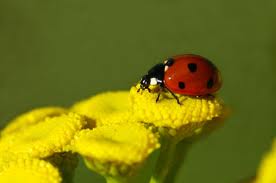
Lady Bug

Lady Bug

Learning about insects

Talking to children about insects is a fun activity in the summer when there are so many around!

Some easy facts for you to know:

  • There are more kinds of insects than any other kind of animal.
  • They live all over the world, even in ice and snow.
  • They never have more than 3 pairs of legs. If it has more, it’s not an insect!
  • All insects come from eggs.

Outside Activity: To learn more about insects, go on a hunt outside. Collect the insects you find in a jar and then examine them with a magnifying glass.

Recipe: Make a snack of “ants on a log.” Spread peanut butter on a stick of celery and then add raisins on the top.

Read: Children up to age seven will enjoy “The Very Hungry Caterpillar” by Eric Carle. Look for it in the library.

Inside activities:

  • Make a caterpillar from a cardboard egg carton cut in half lengthwise. Turn each section upside down to paint with water-based paint. Use pipe cleaners to make the antennae. Draw or glue eyes and a mouth.
  • Make a butterfly by putting small pieces of colored tissue paper in a clear sandwich bag. Seal the bag. Squeeze the bag in half with the sealed edge at the top. Twist a tie around the middle and adjust the end of the twist tie to make antennae.