Tag Archives: Summer

10 Tips for Summer Safety

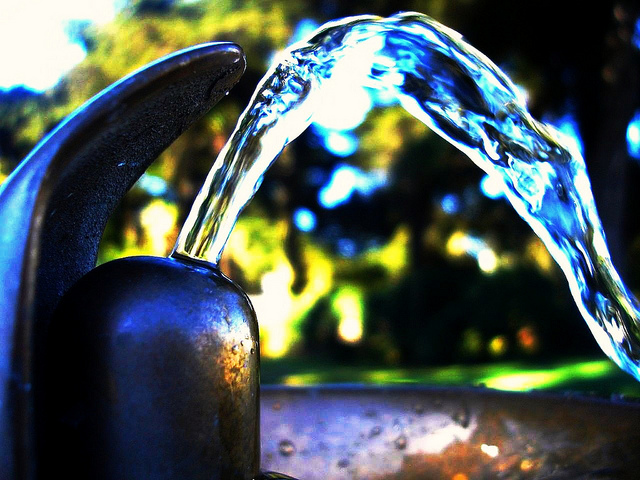
  1. Remember to bring along drinks, especially water. Try to get children to drink water every 20 minutes, when they are outside in hot weather.
  2. Pay attention to surfaces that can be hot against children’s skin, such as metal slides and other playground equipment in the sun.
  3. Safety around water is particularly important. A child can drown in just a few inches of water. Whenever you are near water you must never leave a child alone – if the phone rings, take them with you or let it ring! Always stay within arm’s reach when the children are in or near water.
  4. Young babies should be kept out of direct sunlight. Keep the baby in the shade or under a tree, umbrella or stroller canopy.
  5. Dress babies in lightweight clothing and use brimmed hats.
  6. Apply sunscreen 30 minutes before going outside, even if it appears overcast (cloudy).
  7. Try to keep children out of the sun in the middle of the day when the sun is strongest.
  8. Learn what poison ivy looks like and keep children out of it. A good rule to teach the children is “leaves of three, let it be.”
  9. Use insect repellent spray to keep away mosquitos and ticks. Ask your host parents before applying.
  10. Check for ticks when you bring children in from playing outside, especially if you’ve been in tall grass or the woods.

Photo: Scott97006 (Flickr)

SaveSave

Preventing Dehydration in Hot Weather

Dehydration means that the body lacks the necessary amount of fluid. Infants and small children are more likely to become dehydrated than older children or adults, because they can lose relatively more fluid quickly.

Here are some steps to take to make sure children remain hydrated in the summer months:

  • Encourage your child to drink plenty of water. On hot days, children should drink significantly more water than usual, as they are losing more due to the heat.
  • Do not wait until your child is thirsty to give him water. By the time they feel thirsty, they are already becoming dehydrated.
  • If your child is resistant to drinking enough water, have other liquids on hand for your child to drink throughout the day.
  • Be alert to changes in behavior. A child may act confused or more irritable when they are becoming dehydrated/overheated. Get them into cooler temperatures and drinking more fluids.
  • Dress your child in lightweight clothing in the summer months, particularly if she’ll be playing outdoors in warm weather. You may also consider clothes that are well ventilated as they do not trap heat close to the body.
  • When there are heat and/or air quality advisories because the weather is dangerously hot, you should avoid taking the children outdoors. Check with your host parents for further guidance on this topic.

Remember to follow these tips for yourself too, so you stay well hydrated.

Photo: Darwin Bell (Flickr)

Activities-to-Keep-Your-Kids-Busy-This-Summer-1Top Ten – How to Manage Longer Days with Children – When School is out and
APs should always check with their host parents to seek approval for any childcare activities.

10. Start A Summer Scrapbook!

Include drawings, pictures, and journal entries of activities from the summer. It will be special because children and their au pair created it together. This could be a hard version, a computer generated one, a movie of daily clips set to music…..they could even make 2 copies – one for her and one for them to keep!

9. Have a picnic!

Spread the planning and preparation across a few days to get them excited!
First, decide on a location, and have a few choices from which the children can pick. For example, their backyard, a town park or near a pond. Include a rain plan – will they choose an alternate in door solution or go on another date? Create ballots and let them vote!

Make the picnic ‘basket’ —- use a plain box and let the children decorate it!
Then, decide on a menu — look up recipes and shop for the ingredients together….prepare anything that can be done ahead of time — and then when it is “the day,” finish the picnic packing and go!

8. Switch It UP

Have dinner for breakfast and breakfast for dinner! Plan the menu and prepare together!
Who doesn’t like pancakes for dinner???? (If your host parents don’t, then ignore this one!)

7. Have a Pajama Day!

Plan an indoor PJ day. Choose books to read, cookies to make, a movie to watch, indoor tent with blankets and go! Think of it as a snow day (on a rainy day) in the summer!

6. Two websites with nifty ideas!
Scavenger Hunt

Bubble Mania

5. Park it!

Make a list of area parks. After each visit, have the children critique it….what was good, what did they like about it….what didn’t they like? Create a chart with applicable headings including a rating system. At the end of their comparison, their chart will show them where they like to go for what activities, etc. This is a great hand down tool as well for subsequent au pairs or the parents themselves!

4. Taste Test Day!

Buy several brands of vanilla – and try one bite of each and see what they like best! Or do flavors – let the children choose! Different versions….yogurt tasting, cheese/crackers, salsas or red vs. green grapes!

3. Make a Diorama!

Have children re-create a scene from their favorite book, zoo or outing.

Make a Diorama

2. Have a home book club!

Everyone read the same book – and compare your thoughts on it.
Here are some ideas: http://www.scholastic.com/ups/campaigns/src- 2015

1. AP Day!

Once a week — have a Day dedicated to the AP’s country! Eat some foods from her country…and have share typical summer activities you did growing up. You can read the children a book in your native language as well as teach them how to sing and count! As the children get the hang of it – they can make a list of things they would like you to teach or tell them.

Water Safety Tips from the Red Cross

IloveSwimming Take Steps to Stay Safe Around Water

Swimming is the most popular summer activity.

Follow these safety tips whenever you are in, on or around water with you.

Make Water Safety Your Priority

  • Swim in designated areas supervised by lifeguards.
  • Always swim with a buddy; do not allow anyone to swim alone. Even at a public pool or a lifeguarded beach, use the buddy system!
  • Ensure that everyone in the family learns to swim well. Enroll in age-appropriate Red Cross water orientation and Learn-to-Swim courses.
  • Never leave a young child unattended near water and do not trust a child’s life to another child; teach children to always ask permission to go near water.
  • Have young children or inexperienced swimmers wear U.S. Coast Guard-approved life jackets around water, but do not rely on life jackets alone.
  • Establish rules for your family and enforce them without fail. For example, set limits based on each person’s ability, do not let anyone play around drains and suction fittings, and do not allow swimmers to hyperventilate before swimming under water or have breath-holding contests.
  • Even if you do not plan on swimming, be cautious around natural bodies of water including ocean shoreline, rivers and lakes. Cold temperatures, currents and underwater hazards can make a fall into these bodies of water dangerous.
  • If you go boating, wear a life jacket! Most boating fatalities occur from drowning.
  • Avoid alcohol use. Alcohol impairs judgment, balance and coordination; affects swimming and diving skills; and reduces the body’s ability to stay warm.

Prevent Unsupervised Access to the Water

  • Install and use barriers around your home pool or hot tub. Safety covers and pool alarms should be added as additional layers of protection.
  • Ensure that pool barriers enclose the entire pool area, are at least 4-feet high with gates that are self-closing, self-latching and open outward, and away from the pool. The latch should be high enough to be out of a small child’s reach.
  • If you have an above-ground or inflatable pool, remove access ladders and secure the safety cover whenever the pool is not in use.
  • Remove any structures that provide access to the pool, such as outdoor furniture, climbable trees, decorative walls and playground equipment.
  • Keep toys that are not in use away from the pool and out of sight. Toys can attract young children to the pool.

Maintain Constant Supervision

  • Actively supervise kids whenever around the water—even if lifeguards are present. Do not just drop your kids off at the public pool or leave them at the beach—designate a responsible adult to supervise.
  • Always stay within arm’s reach of young children and avoid distractions when supervising children around water.

Know What to Do in an Emergency

  • If a child is missing, check the water first. Seconds count in preventing death or disability.
  • Know how and when to call 9-1-1 or the local emergency number.
  • If you own a home pool or hot tub, have appropriate equipment, such as reaching or throwing equipment, a cell phone, life jackets and a first aid kit.
  • Enroll in Red Cross home pool safety, water safety, first aid and CPR/AED courses to learn how to prevent and respond to emergencies.

Gardening & Learning about insects

banner_teddy_watering

Gardening

One way to spend time outside with the children (any age from two up) is to work in the garden. A garden is more than just plants. It’s also a home for birds, bees, butterflies, earthworms and other creatures that help the garden grow.

Children love to care for other living things, and plants are an easy choice that can give a great sense of accomplishment. Check with your host parents about where you can garden. Ideally, your little garden will have at least six hours of sun a day.

For outdoor gardening you will need to buy some seeds. If your garden has less than six hours of sun, choose seeds that can grow in “partial” sun. Select flower seeds that germinate quickly. The back of the seed packet will tell you how long before the plants sprout. Marigolds and morning glories are easy to grow and will come up quickly. Buying vegetable seeds will allow children to eat and share what they grow. Radishes are the fastest growing vegetable – from seed to salad in just three weeks. Green beans, tomatoes, summer squash and cucumbers are other good choices, but they do take longer. Be sure to plant extra seeds because not every one will germinate. This is an important lesson for children – mistakes are natural and an inevitable part of life. If you are starting late and want to make sure you will have a vegetable harvest, you can also buy small plants at a local plant nursery.

Before you plant the seeds, use a shovel, trowel or spade to loosen the soil. Remove weeds, stones and grass from the area. If the soil is very hard (like clay) or very sandy, it would be a good idea to add peat moss or compost to the soil. You will also need a hose or a watering can so that the children can water the earth when it doesn’t rain. If the plants look droopy or the soil feels dry, it is time to water. It is very important to water even before the plants sprout. It is best to water early in the morning or in the late afternoon.

Gardening includes other simple science lessons, all concepts that children can understand. Plants lean or turn towards light. Plants use water, but some of it evaporates into the air. What happens to the water that has evaporated? Without water plants will dry up and die. Plants come from other parts of the world, and sometimes their form gives clues to their origin. Can you find seeds that are native to your country?

When you go out into the garden, take care of the plants, pulling up weeds gently and also any sprouted seeds that are growing too close to another plant. But also look around and look closely at the ground to find birds and bugs that are a part of gardening. You can discuss how living things rely on plants to live, and how the plants need their animal friends. Birds spread seeds; earthworms loosen the dirt for the roots of the plants. What do bees do?

Look for books about gardening in the library. Carrot Seed by Ruth Krauss is a wonderful book for very young children. Take photographs of your gardening project. It will be surprising and satisfying to look at the starting photos at the end of the harvest. And don’t forget to put on sunscreen before you do your gardening!

Lady Bug

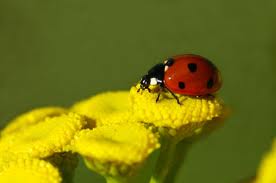
Lady Bug

Learning about insects

Talking to children about insects is a fun activity in the summer when there are so many around!

Some easy facts for you to know:

  • There are more kinds of insects than any other kind of animal.
  • They live all over the world, even in ice and snow.
  • They never have more than 3 pairs of legs. If it has more, it’s not an insect!
  • All insects come from eggs.

Outside Activity: To learn more about insects, go on a hunt outside. Collect the insects you find in a jar and then examine them with a magnifying glass.

Recipe: Make a snack of “ants on a log.” Spread peanut butter on a stick of celery and then add raisins on the top.

Read: Children up to age seven will enjoy “The Very Hungry Caterpillar” by Eric Carle. Look for it in the library.

Inside activities:

  • Make a caterpillar from a cardboard egg carton cut in half lengthwise. Turn each section upside down to paint with water-based paint. Use pipe cleaners to make the antennae. Draw or glue eyes and a mouth.
  • Make a butterfly by putting small pieces of colored tissue paper in a clear sandwich bag. Seal the bag. Squeeze the bag in half with the sealed edge at the top. Twist a tie around the middle and adjust the end of the twist tie to make antennae.

Rolling on the River in June!

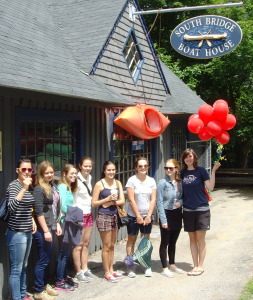
On a beautiful day over Fathers Day weekend, our group of au pairs from all over the world met at the South Bridge Boathouse in Concord to enjoy an afternoon of rowing on the Concord River. The river itself is beautiful enough, but after piling into boats and getting a push off from the dock, the boats slowly made their way upstream to the historic North Bridge for photo opportunities. Although all the boats made it to the North Bridge dock, some were speedier than others.  We welcomed some first time au pairs and said a fond farewell to Linda.   After a discussion of summer safety for children and a summer snack at the Old Manse, next to the North Bridge, it was time to row against the current back to the boat house.
Whether quickly or slowly, all boats arrived safely. Unlike past years, no rescues were necessary for missing boats!
A A few arrivals at the boat house

More Pics Here!