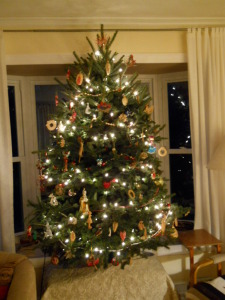
 All au pairs from DCA cluster were invited to Krystyna’s house for a party. The au pairs brought delicious food and we all sang carols in different languages.

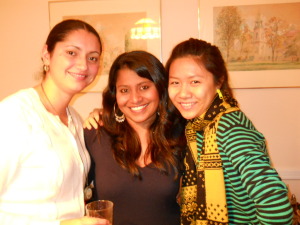
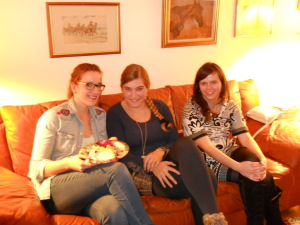
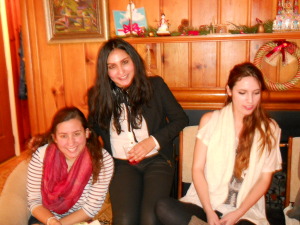
All au pairs from DCA cluster were invited to Krystyna’s house for a party. The au pairs brought delicious food and we all sang carols in different languages.
30 au pairs from Krystyna’s cluster went to the Warner Theatre to see the Nutcracker and they enjoyed it very much.
It is easy to get distracted at this time of year and when you are distracted you are at a greater risk for holiday crime. Here are some tips that are always a good idea, but especially important to remember at this time of year.


If you are planning to visit NYC during the holidays, check out all the links on the right side of the page under “Travel Links for Au Pairs.” There are lots of links with info on visiting NYC.
I just found out that Times Square has it’s own website with lots of great information. Check out the FAQs (Frequently Asked Questions) HERE
Hanukkah started on Saturday evening and will end on Sunday, December 16th.
Hanukkah is a Jewish holiday celebrated for eight days and nights. It starts on the 25th of the Jewish month of Kislev, which coincides with late November-late December on the secular calendar. In Hebrew, the word “hanukkah” means “dedication.” The name reminds us that this holiday commemorates the re-dedication of the holy Temple in Jerusalem following the Jewish victory over the Syrian-Greeks in 165 B.C.E. Here is some information to share with your au pairs.
The Hanukkah Story
In 168 B.C. the Jewish Temple was seized by Syrian-Greek soldiers and dedicated to the worship of the god Zeus. This upset the Jewish people, but many were afraid to fight back for fear of reprisals. The Syrian-Greek emperor Antiochus then made the observance of Judaism an offense punishable by death. He also ordered all Jews to worship Greek gods.
Jewish resistance began in the village of Modiin, near Jerusalem. Greek soldiers gathered the Jewish villages and told them to bow down to an idol, then eat the flesh of a pig – both practices that are forbidden to Jews. A Greek officer ordered Mattathias, a High Priest, to follow their demands, but Mattathias refused. When another villager stepped forward and offered to cooperate on Mattathias’ behalf, the High Priest became outraged. He drew his sword and killed the villager, then turned on the Greek officer and killed him too. His five sons and the other villagers then attacked the remaining soldiers, killing all of them. Mattathias and his family went into hiding in the mountains, where other Jews wishing to fight against the Greeks joined them. Eventually they succeeded in retaking their land from the Greeks. These rebels became known as the Maccabees, or Hasmoneans.
Once the Maccabees had regained control they returned to the Temple in Jerusalem. By this time it had been spiritually defiled by being used for the worship of foreign gods and also by practices such as sacrificing swine. Jewish troops were determined to purify the Temple by burning ritual oil in the Temple’s menorah for eight days. But to their dismay, they discovered that there was only one day’s worth of oil left in the Temple. They lit the menorah anyway and to their surprise the small amount of oil lasted the full eight days. The holiday is observed by the kindling of the lights of a unique candelabrum, the nine-branched Menorah, one additional light on each night of the holiday, progressing to eight on the final night. The typical Menorah consists of eight branches with an additional raised branch. The extra light is called a shamash and is given a distinct location, usually above or below the rest. The purpose of the shamash is to have a light available for use, as using the Hanukkah lights themselves is forbidden.
For fun and educational activities for children go to http://www.apples4theteacher.com/holidays/hanukkah/
Directions to play the Dreidel game. Play for Hershey kisses, a great way to have fun with the kids when they are home from school! http://www.apples4theteacher.com/holidays/hanukkah/dreidel-game.html
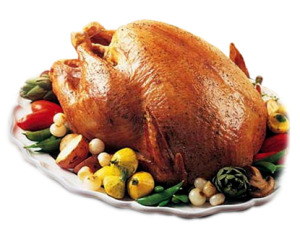
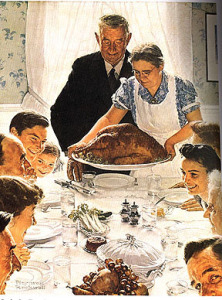
| The initial “Thanksgiving” feast, held in 1621, was really a traditional English harvest celebration. The Pilgrims shared it with the Native Americans because they had taught the colonists to plants crops and hunt wild game. Without the Native Americans, the Pilgrims may not have survived the harsh winter and been able to celebrate their first harvest of plentiful crops in the New World. The colonists’ first harvest feast lasted for three days. Food was served all at once, instead of in courses, so people ate whatever they pleased in the order that they desired. The more important members at the feast were given the best pieces of meat, while the rest of the diners ate whatever was closest to them. Since the Pilgrims didn’t use forks or plates, they ate their meal straight off the table with spoons, knives or their fingers. They used large napkins to wipe their hands and also wrapped it around food when it was too hot to hold.Nowadays, the day before the third Thursday of the month is the busiest travel day of the year (even more than Christmas). In America people of all religions, races etc. celebrate this holiday and they bring to it the foods that they enjoy at celebrations from their home countries. Turkey, mashed potatoes, sweet potatoes, pumpkin pie, stuffing, cranberry sauce are all traditional parts of a current Thanksgiving meal. It is a very important occasion for families to gat her together from all over the country.
Au Pairs please note: While host parents and other workers are off for the day, it is NOT an Au Pair holiday off of work unless an Au Pair is given that day off by the Host Family…Au Pairs are to help the family in whatever way is needed as it is a busy day but, more importantly, Au Pairs should be part of this very American holiday! This may be your only time to join in a true American Thanksgiving! Enjoy.
 |

Yom Kippur also known as the Day of Atonement is the most solemn and important of the Jewish holidays. Its central themes are atonement and repentance. Jewish people traditionally observe this holy day with a 25-hour period of fasting and intensive prayer, often spending most of the day in synagogue services.
Yom Kippur is considered one of the holiest of Jewish holidays and it is observed by many secular Jews who may not observe other holidays. Many secular Jews fast and attend synagogue on Yom Kippur, where the number of worshippers attending is often double or triple the normal attendance.
This year Yom Kippur begins at sundown this evening and ends on Wednesday evening. Please pass along a little information to your au pairs who are with Jewish families, it’s nice for them to know that this is such an important holiday.
Here are a couple of links with more information:
http://www.timeanddate.com/holidays/us/yom-kippur
http://judaism.about.com/od/holidays/a/yomkippur.htm
and for children http://www.akhlah.com/holidays/yomkippur/yomkippur.php
Posted by Joan Cleary on Sep 15, 2012 No Comments
September is Good Health Month – Here are 20 ways to enjoy more fruits, veggies , whole grains and dairy. Set the example for your host kids! 
To get the most nutrition out of your calories, choose foods packed with vitamins, minerals, fiber and other nutrients—and lower in calories. Pick fruits, vegetables, whole grains and fat-free or low-fat dairy more often. Be aware of portion sizes. Even low-calorie foods can add up when portions are larger than you need.
1. Variety abounds when using vegetables as pizza topping. Try broccoli, spinach, green peppers, tomatoes, mushrooms and zucchini.
2. Get saucy with fruit: Puree berries, apples, peaches or pears for a thick, sweet sauce on grilled or broiled seafood or poultry, or on pancakes, French toast or waffles.
3. Mix up a breakfast smoothie made with low-fat milk, frozen strawberries and a banana.
4. Heat leftover whole-grain rice with chopped apple, nuts and cinnamon.
5. Make a veggie wrap with roasted vegetables and low-fat cheese rolled in a whole-wheat tortilla.
6. Try crunchy vegetables instead of chips with your favorite dip or low-fat salad dressing.
7. Grill colorful vegetable kabobs packed with tomatoes, green and red peppers, mushrooms and onions.
8. Banana split: Top a sliced banana with a scoop of low-fat frozen yogurt. Sprinkle with a tablespoon of chopped nuts.
9. Add color to salads with baby carrots, grape tomatoes, spinach leaves or mandarin oranges.
10. Prepare instant oatmeal with low-fat or fat-free milk in place of water. Top with dried cranberries and almonds.
11. Stuff an omelet with vegetables. Turn any omelet into a hearty meal with broccoli, squash, carrots, peppers, tomatoes or onions with low-fat sharp cheddar cheese.
12. “Sandwich” in fruits and vegetables. Add pizzazz to sandwiches with sliced pineapple, apple, peppers, cucumbers and tomato as fillings.
13. Wake up to fruit. Make a habit of adding fruit to your morning oatmeal, ready-to-eat cereal, yogurt or toaster waffle.
14. Stock up: Fill your fridge with raw vegetables and fruits —“nature’s fast food”—cleaned, fresh and ready to eat.
15. Top a baked potato with beans and salsa or broccoli and low-fat cheese.
16. Microwave a cup of tomato or vegetable soup for a quick afternoon snack.
17. “Grate” complement: Add grated, shredded or chopped vegetables such as zucchini, spinach and carrots to lasagna, meat loaf, mashed potatoes, pasta sauce and rice dishes.
18. Stuff a whole grain pita with ricotta cheese and Granny Smith apple slices. Add a dash of cinnamon.
19. Make your main dish a salad of dark, leafy greens and other colorful vegetables. Add chickpeas or edamame (fresh soybeans). Top with a low-fat dress
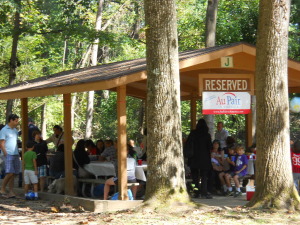
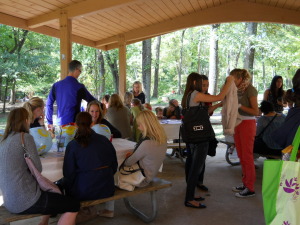
Here are some photos from a very successful picnic and Global Awareness Presentation www.globalawareness.com. Five clusters participated, weather was perfect and many families and au pairs attended.