
Category Archives: Safety and Childcare

Holiday & Vacation Reminders

“Rest and be thankful.” – William Wordsworth

Holidays and vacations are a great opportunity to rest, recharge and explore the U.S.

Memorial Day Weekend is the unofficial start of summer travel season. Here are some reminders about program rules regarding holidays and vacations.

Holidays

  • Host families are not required to give au pairs any specific holidays.
  • Each host family will make different arrangements on holidays, some au pairs will be off and others will be required to work.
  • Au pairs should not make plans for holidays without checking with your host family first.

Vacations

  • Au pairs earns 2 weeks of paid vacation during the course of her year.
  • Vacation time should be mutually agreed upon.
  • All vacation should be preplanned (at least 4 weeks in advance.)
  • All au pair’s friends and/or family visits/vacations should be pre-approved prior to purchasing tickets.
  • If an au pair travels with her host family, it should be discussed in advance whether this is the au pair’s vacation or if she is working.
  • If an au pair travels with the host family to work, the host family is required to pay for her transportation, lodging and meals.

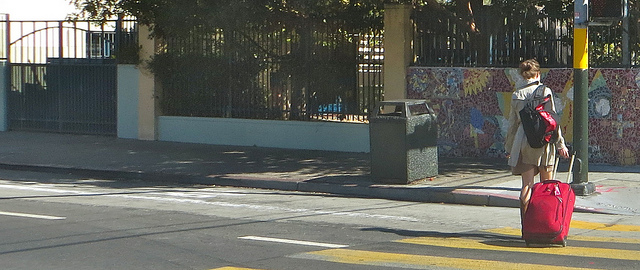
Important: If an au pair is traveling outside of the U.S., she must have her DS2019 signed (travel validation) PRIOR to her departure from the US. More information about this may be found here on the Au Pair in America website.

Photo: torbakhopper (Flickr)

Handling Expenses

Host parents often ask for suggestions on how best to handle common expenses that occur as au pairs are caring for the children.
Miscellaneous Expenses

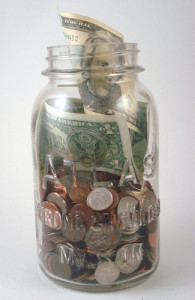
There are different ways to handle the little day to day expenses that come up.  Things like when an au pair takes the kids out for ice cream or picks up a gallon of milk.  Some families keep a cookie jar fund, a little cash that they set aside weekly or monthly for these types of expenses. Others give their au pair a prepaid debit card for this purpose. Below are some suggestions for avoiding problems with expenses.

Host Families

  • It’s important to be clear about how long this money should last and what types of expenses are approved.
  • Let the au pair know whether or not you expect receipts.

Au Pairs

  • Only spend the money on approved expenses.
  • If it is something you are not sure about, ask first.
  • Put your receipts in the cookie jar in place of the money to avoid any confusion.

Gas and Fare Cards 

Host families are responsible for the au pair’s transportation costs: to and from classes, cluster meetings and when driving the kids.

It is a good idea to figure out how much gas an au pair will use for these trips and either put gas in the car or give a gas allowance.   If your au pair is riding to classes or cluster meetings with another au pair, you should offer to share the cost of gas.

Au pairs are responsible for their own transportation at all other times.  You should replace the amount of gas used for personal use.

Photo: Andrea Travillian

Water & Summer Safety Cluster Meeting

20160612_144420_resized

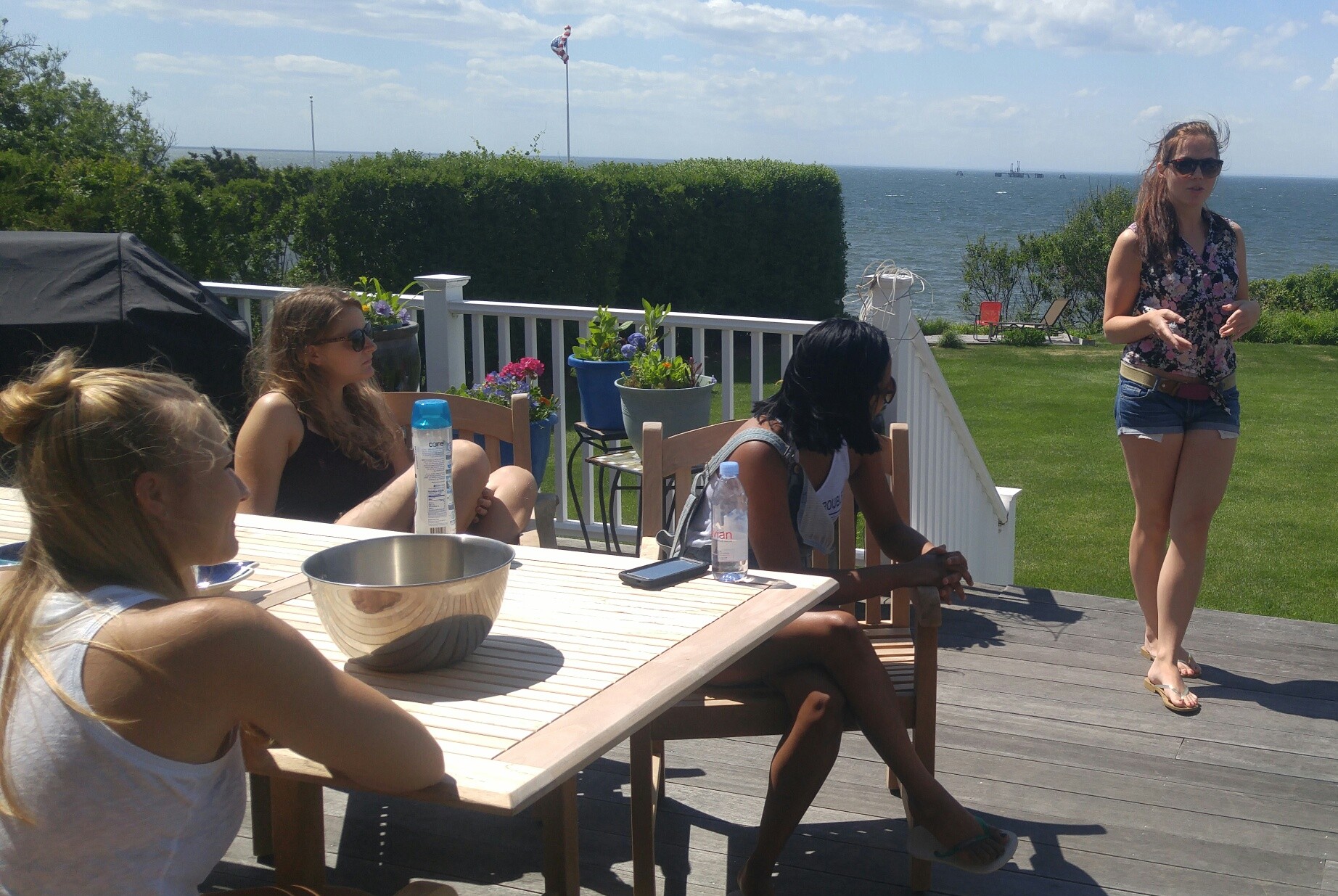
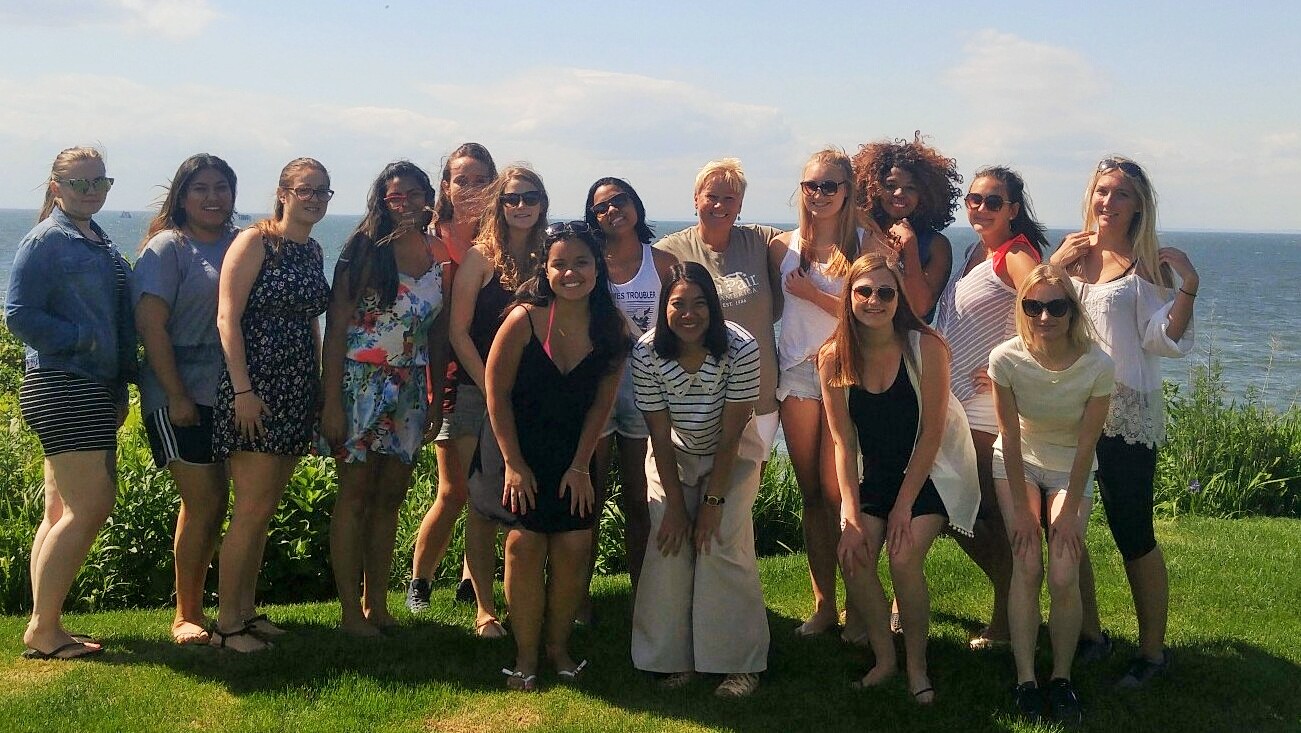
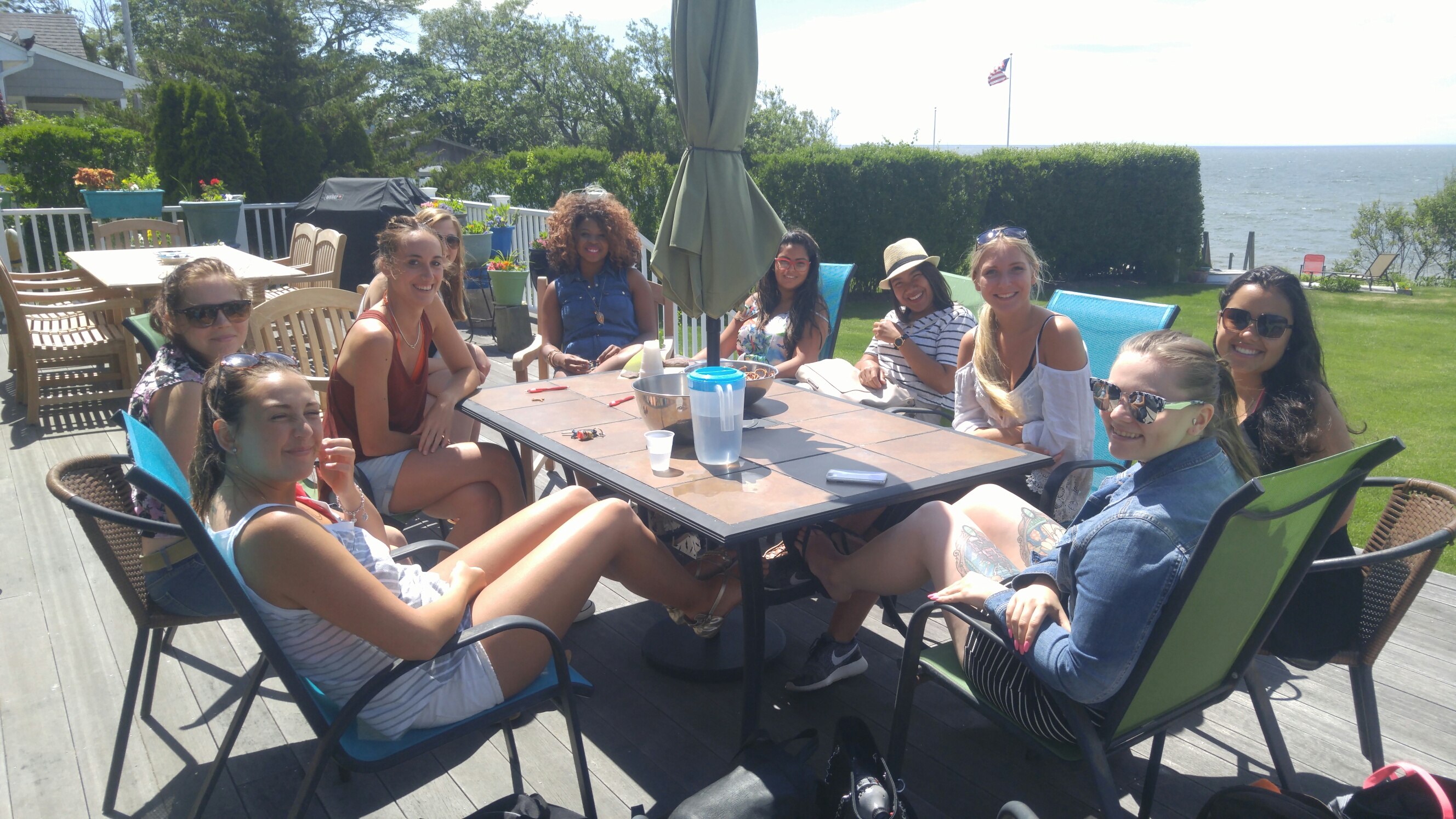
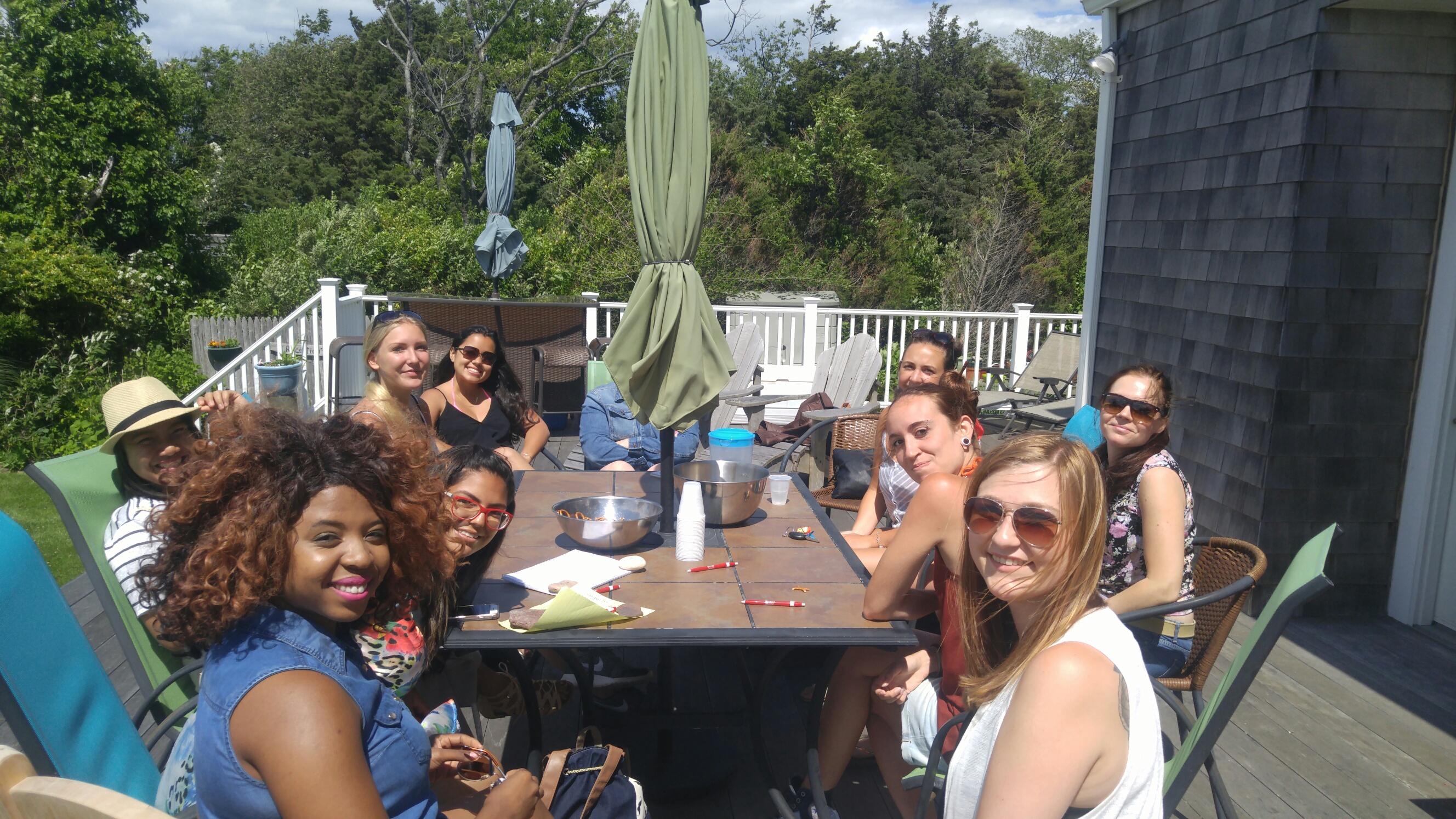
20160612_144409_resizedThis Sunday, June 12th the Suffolk County Au Pair in America Cluster learned about Water & Summer Safety.  The meeting was held on a deck overlooking the beautiful Long Island Sound.  It was a very windy day, the water was too rough to swim, but the au pairs learned about being safe around the water from their Community Counselor, Cindy Garruba, who was a swim instructor and lifeguard.

20160612_145345_resizedThey also learned about prevention and treatment of sunburn by how to use sunscreen and when to avoid the sun.  Also covered was identifying poison ivy, preventing exposure and what to do if a rash occurs.  We discussed ticks and Lyme disease.  We also discussed playground safety, and basic first aid.

20160612_145356_resizedA former au pair, Nikoleta Todtova, from Slovakia, talked about her time as an au pair, returning home and then returning to the USA with a student visa several years later.  She is currently attending a local college with a 4.0 average!

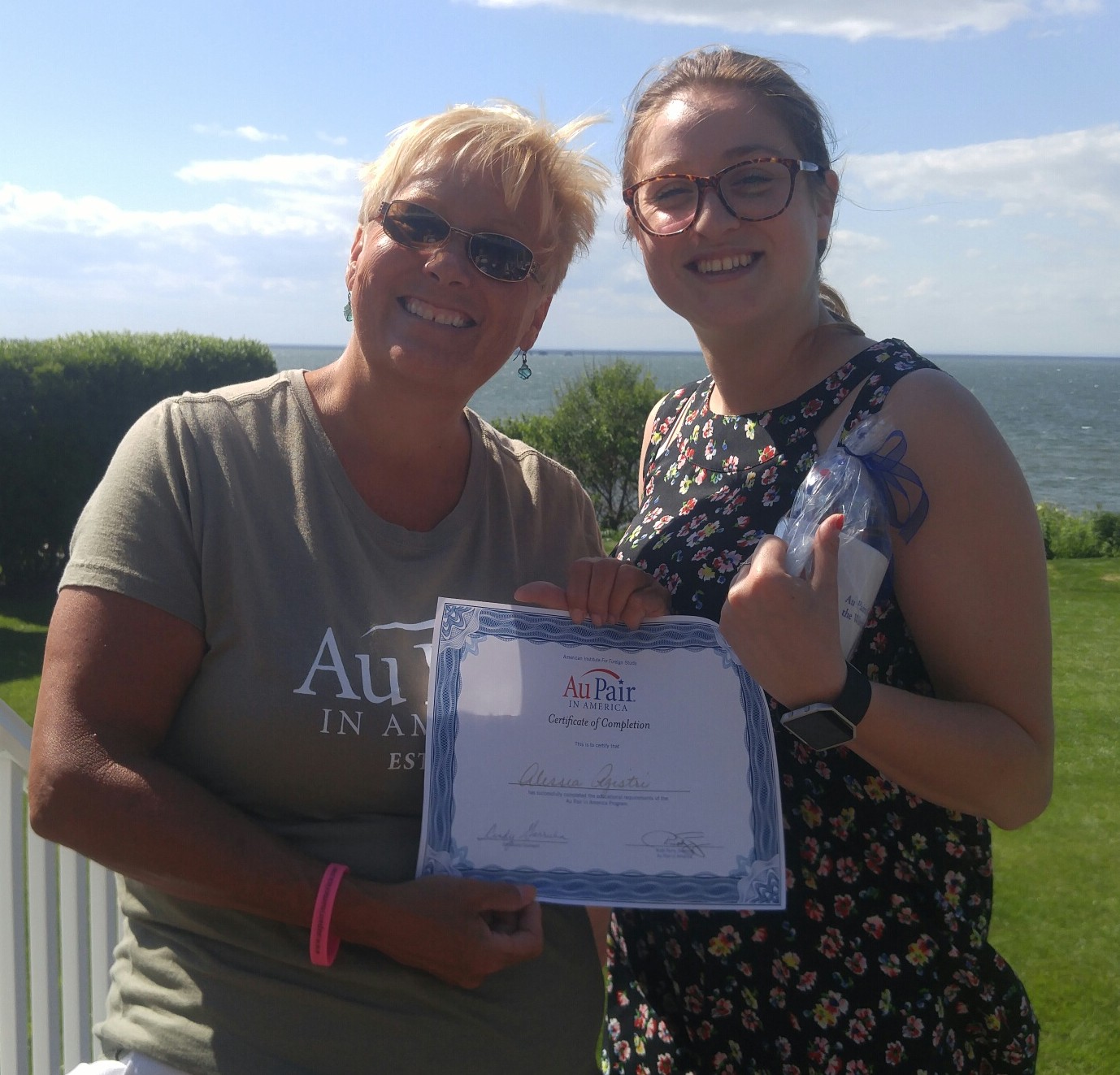
20160612_154839_resizedCindy presented Alessia  Agistri with a good bye gift and education completion certificate because she is finishing her 2 years as an Au Pair with APIA!

We finished the meeting with local strawberries on shortcake with cream.  Everyone had time to socialize before heading home.

best one

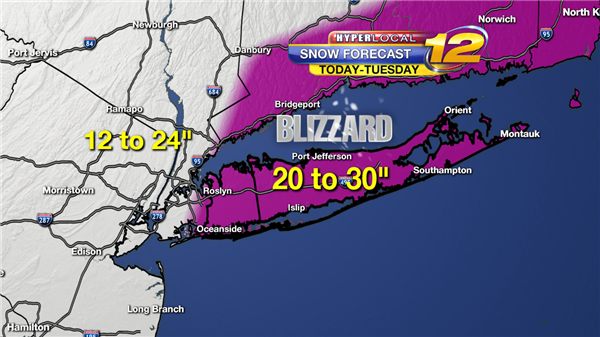
First Major Snow of 2016 Coming!


SLOT1_LIPLEASE DO NOT DRIVE DURING A SNOW STORM!

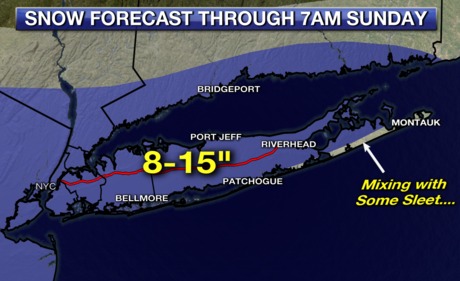
This is a major snow storm and no au pair should be driving!  Please be very careful, the snow is supposed to stop Tuesday afternoon.  The roads will get cleared, but it may take some time.  The kids will be off of school tomorrow, some schools will be sending the kids home early today.  Be prepared and enjoy the snow days at home!

STAY HOME, YOU CAN GO OUT WHEN THE STREETS ARE PLOWED, BE SAFE!!

AAA recommends the following winter driving tips:

  • Avoid driving while you’re tired. Get the proper amount of rest!!
  • Never warm up a vehicle in an enclosed area, such as a garage.
  • Make certain your tires are properly inflated.
  • Keep your gas tank at least half full to avoid gas line freeze-up.
  • If possible, avoid using your parking brake in cold, rainy and snowy weather.
  • Do not use cruise control when driving on any slippery surface (wet, ice, sand).
  • Always look and steer where you want to go.
  • Use your seat belt every time you get into your vehicle.
  • Watch weather reports and do NOT drive in bad weather is expected. If you must leave, let others know your route, destination and estimated time of arrival.
  • If you become snow-bound, stay with your vehicle. It provides temporary shelter and makes it easier for rescuers to locate you. Don’t try to walk in a severe storm.
  • Make sure the exhaust pipe isn’t clogged with snow, ice or mud. A blocked exhaust could cause deadly carbon monoxide gas to leak into the passenger compartment with the engine running.

Tips for driving in the snow:

  • Accelerate and decelerate slowly. Applying the gas slowly to accelerate is the best method for regaining traction and avoiding skids. Don’t try to get moving in a hurry. And take time to slow down for a stoplight. Remember: It takes longer to slow down on icy roads.
  • Drive slowly. Everything takes longer on snow-covered roads. Accelerating, stopping, turning – nothing happens as quickly as on dry pavement. Give yourself time to maneuver by driving slowly.
  • The normal dry pavement following distance of three to four seconds should be increased to eight to ten seconds. This increased margin of safety will provide the longer distance needed if you have to stop.
  • Know your brakes. Whether you have antilock brakes or not, the best way to stop is threshold breaking. Keep the heel of your foot on the floor and use the ball of your foot to apply firm, steady pressure on the brake pedal.
  • Don’t power up hills. Applying extra gas on snow-covered roads just starts your wheels spinning. Try to get a little inertia going before you reach the hill and let that inertia carry you to the top. As you reach the crest of the hill, reduce your speed and proceed down hill as slowly as possible.
  • Don’t stop going up a hill. There’s nothing worse than trying to get moving up a hill on an icy road. Get some inertia going on a flat roadway before you take on the hill.
  • Stay home. If you really don’t have to go out, don’t. Even if you can drive well in the snow, not everyone else can. Don’t tempt fate: If you don’t have somewhere you have to be, watch the snow from indoors.

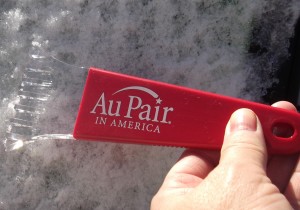
snow scraper 001Keep in your car for safety during the winter:
  • An ice scraper and brush
  • Spray de-icer
  • Cat litter – for getting out of a rut, for traction in the snow
  • Collapsible show shovel
  • Blanket
  • Cell phone – know who to call in an emergency
  • Flash light

Suffolk County Community College and Au Pair in America

20160117_135319_resized

            Suffolk County Community College is an important resource for the Suffolk Cluster of Au Pair in America. 

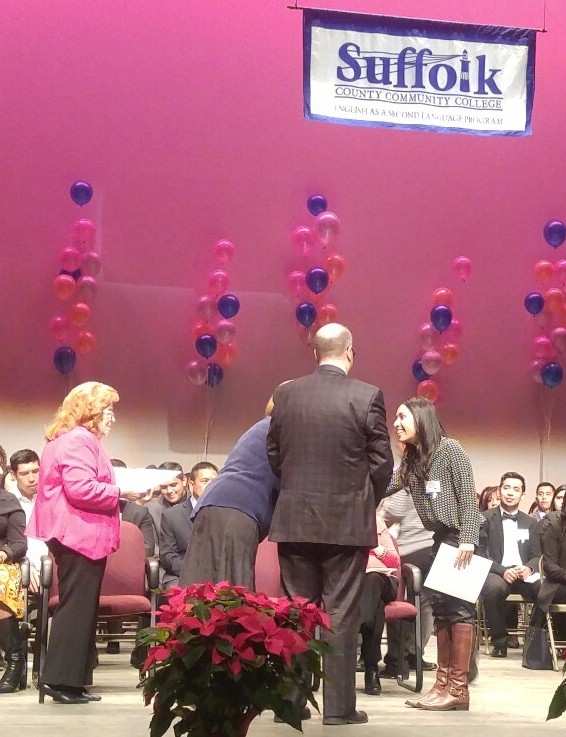
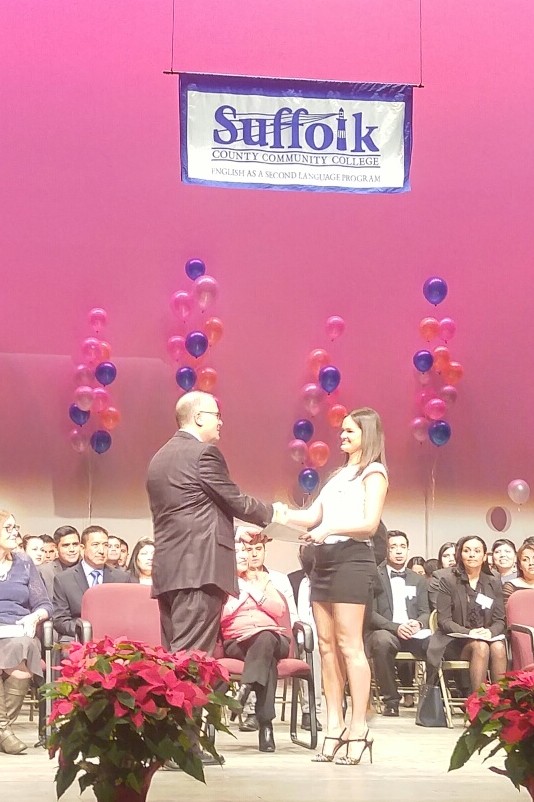
20160115_203456_resizedOn Friday evening Cindy Garruba and Kristi Halpern, two Community Counselors for Au Pair in America, attended the Suffolk County Community College ESL Graduation.  SCCC has a wonderful ESL program that has a multi-level program.  If a student passes all the levels, they are awarded with a certificate and an inspiring ceremony.  Twice a year SCCC ESL program holds this ceremony, in January and in May.  Each time, several au pairs graduate from the program.

20160115_200641_resized 20160115_201602_HDR_resizedEvery au pair is required to earn 6 credits or 72 – 80 hours at the college level.  Host families contribute toward their education financially and support their attendance through scheduled time off and transportation to school.  One semester of ESL at SCCC satisfies this requirement and the au pairs learn so much.  The school has dedicated teachers, many options for classes and three campuses in Suffolk County.

Graduating this semester were Andresa Costa, Dayanna Davilla, and Caroline Martineli dos Santos.  Several of their au pair friends joined Cindy and Kristi in the audience to cheer on their fellow au pairs!  Many of the au pairs are signed up to start classes this month at SCCC.

 Basket Ball Game at SCCC20160117_134456_resized

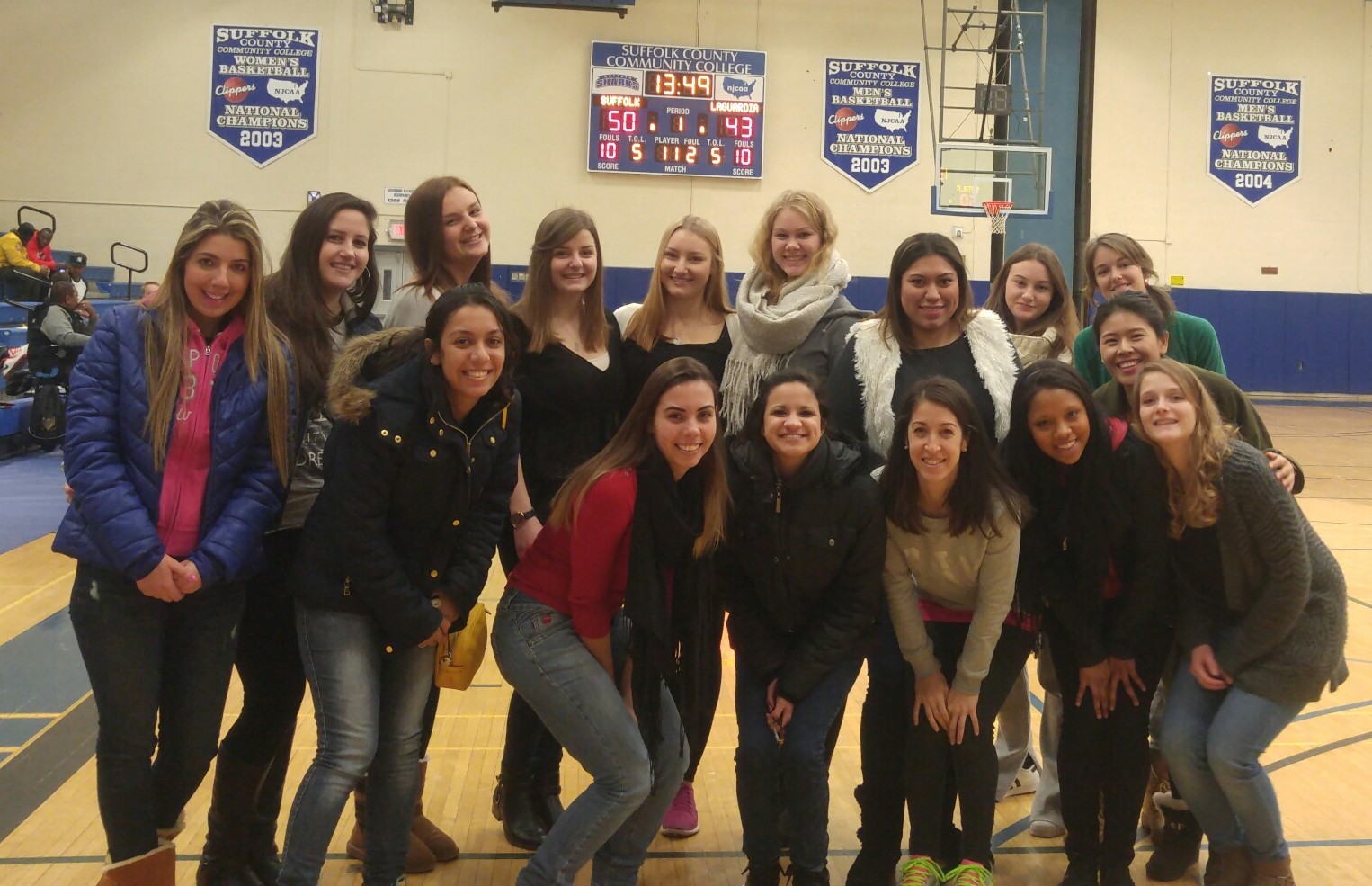
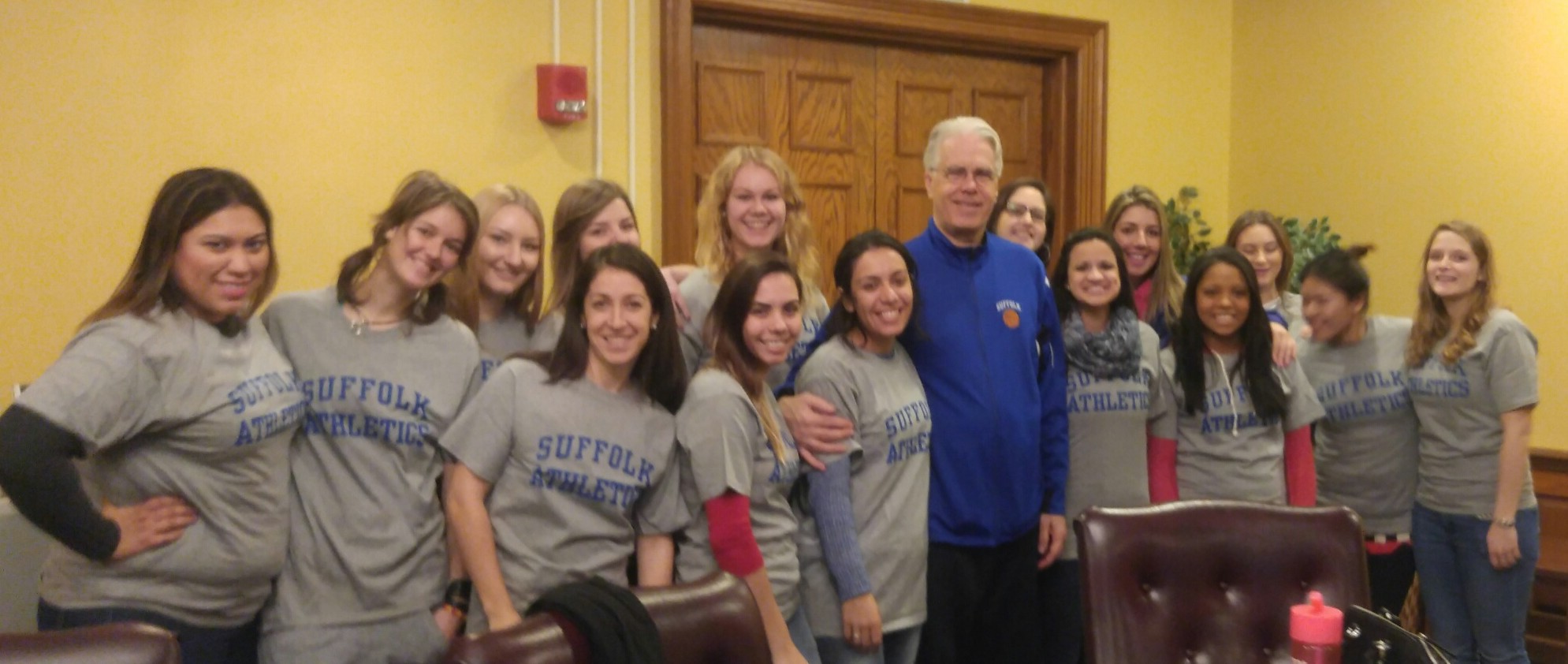
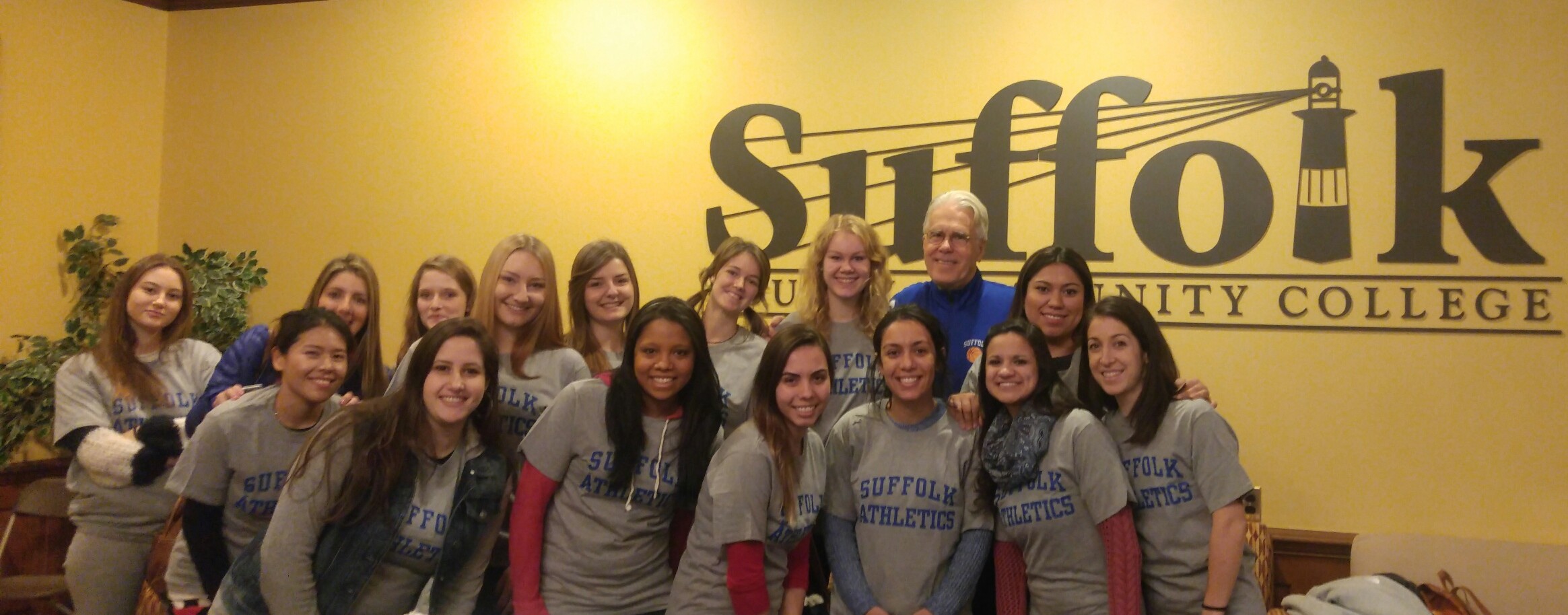
On Sunday, Cindy’s cluster attended a Boy’s Basketball game at SCCC on the Selden Campus.  The team played LaGuardia college and everyone enjoyed cheering on Suffolk’s team.  Kevin Foley, the Athletic Director of Suffolk County Community College noticed our lively group and stopped by to sit with us in the stands.  At half time, he invited us into the Alumni Room and gave each au pair a SCCC Athletic T-shirt.  The game was close but SCCC won and everyone was very excited.  As we excited the gym, the first few snowflakes of the season were falling.  Some of the au pairs had never experienced snow and that was a thrill, too.

Kevin Foley, Athletic Director of SCCC with the APIA Au Pairs

Kevin Foley, Athletic Director of SCCC with the APIA Au Pairs


Water & Summer Safety Cluster Meeting

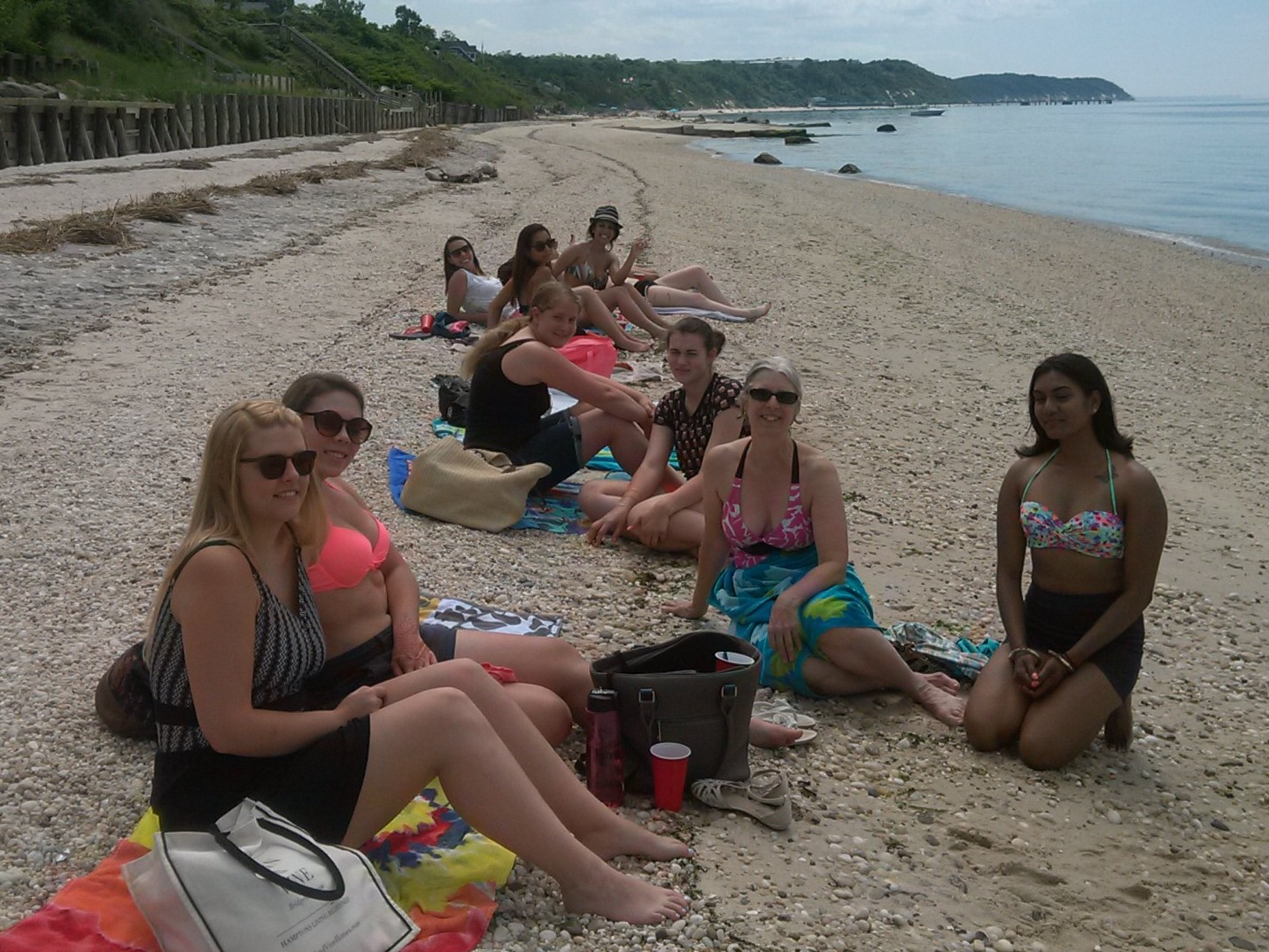
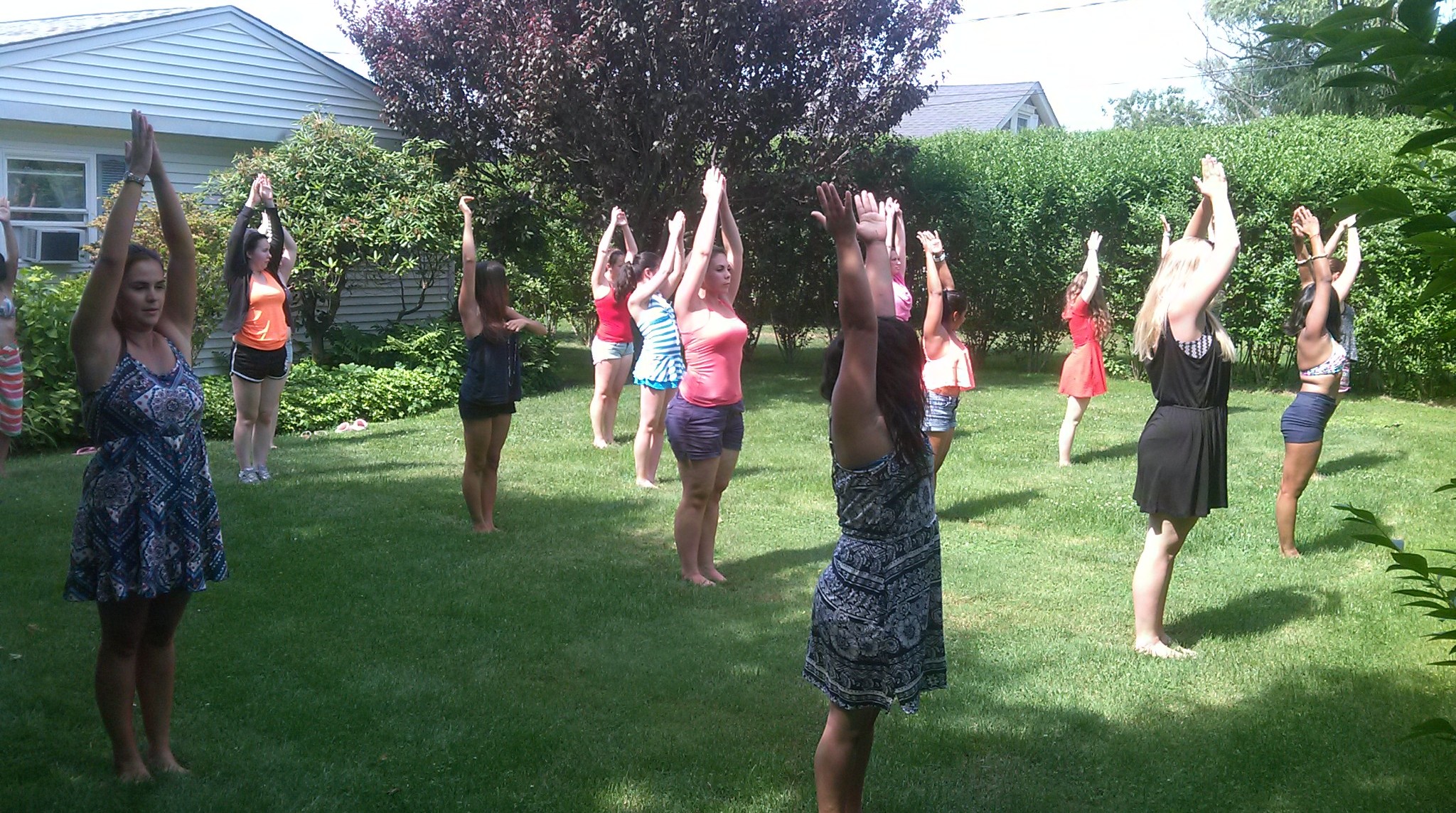
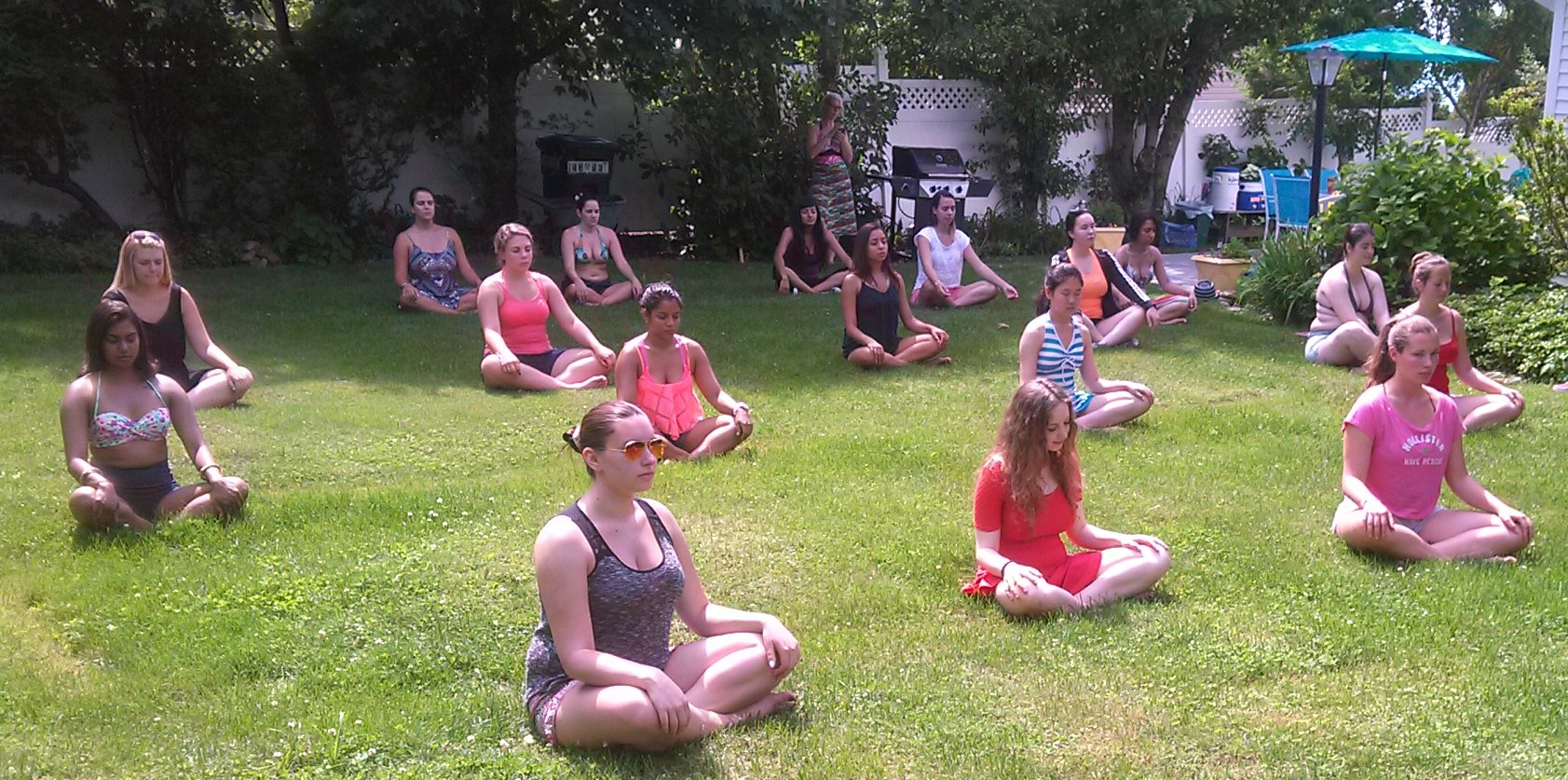
IMG_20150614_140727On Sunday, July 14th Long Island Au Pairs gathered at Community Counselor, Cindy Garruba’s beach house for the annual Water & Summer Safety Meeting.  Safe tips on watching children and themselves at pools and the beach was discussed.  Also covered was preventing sunburn by using sunscreen, avoiding high sun times of day and proper clothing.  They au pairs learned how to recognize poison ivy, preventing exposure, what to do if exposed and the care for the rash.  Cindy explained Lyme disease, the difference between a deer and dog tick, the bull’s eye rash, care and treatment.IMG_20150614_145021 (1)

The au pairs enjoyed time on the beach, each other’s company and even had a yoga class.IMG_20150614_152433

IMG_20150614_151753


We said good byes to au pairs who are heading home soon, and welcomed new au pairs! IMG_20150614_165034


IMG_20150614_170206


Everyone enjoyed an all American dessert in celebration of Flag Day, June 14th!  Strawberries and blueberries fresh from the farm stand, whipped cream and pastry shells!  Yummy!

IMG_20150614_165708


Au Pair Orientation

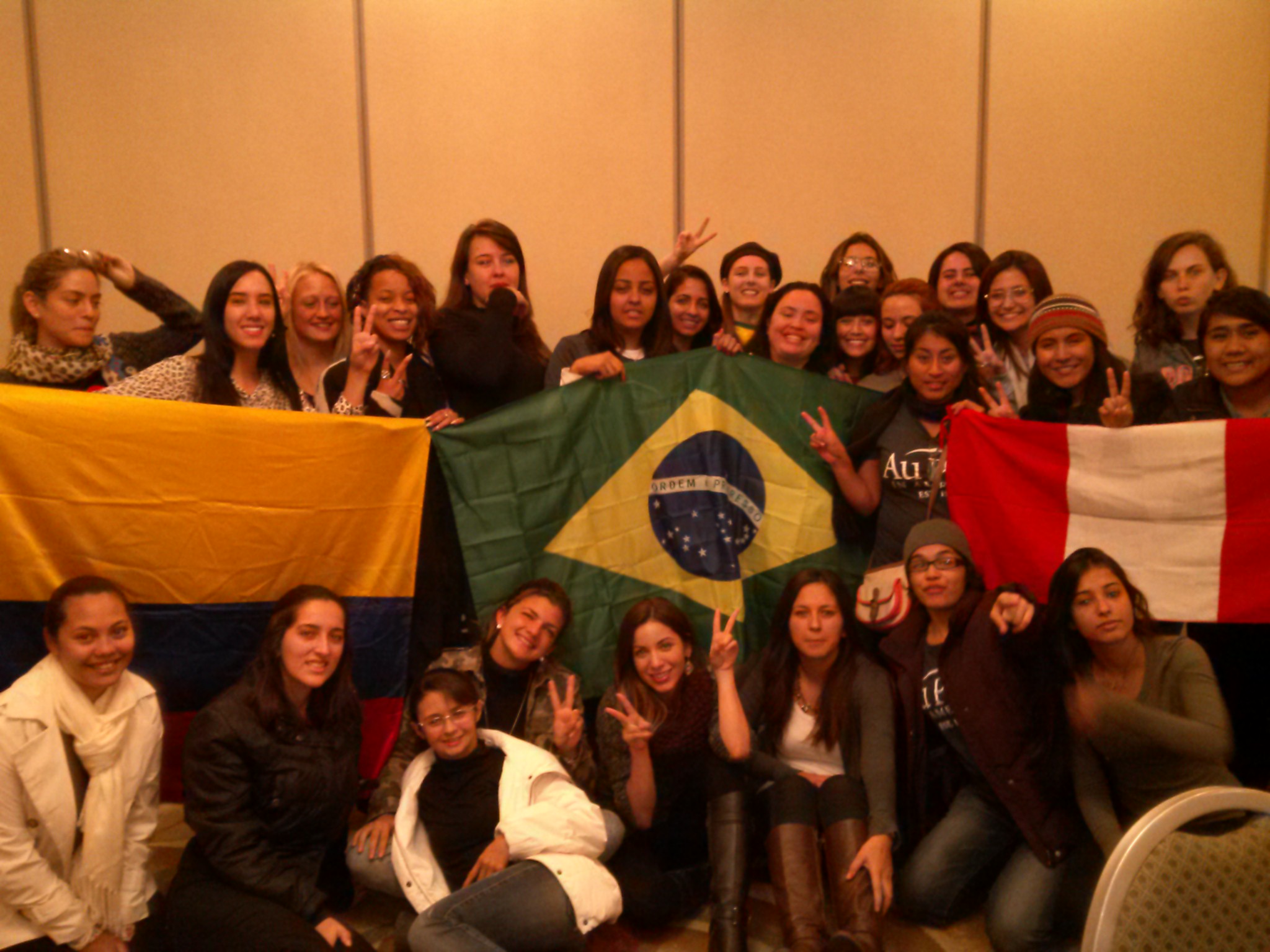
Some Au Pair in America Au Pairs at Orientation

Some Au Pair in America Au Pairs at Orientation

IMG_20150324_182651

Au Pair Orientation is an important part of the Au Pair in America program.  Every one of our au pairs goes directly to Orientation when she arrives to the USA before she travels to her host family.

We have trainers who have developed the leading au pair training program in the USA.  The program includes an Intro to the United States for the Au Pair, Cultural Adaptation, Child Care Training, American Red Cross Safety Workshop, Communication Techniques, Discipline and Management of Children.

Au Pairs stay in a beautiful hotel and can take an optional NYC Bus tour.  The trainer, the logistics coordinator and a Community Counselor are all present throughout the Orientation to assist each au pair so she makes a smooth transition to her host family.

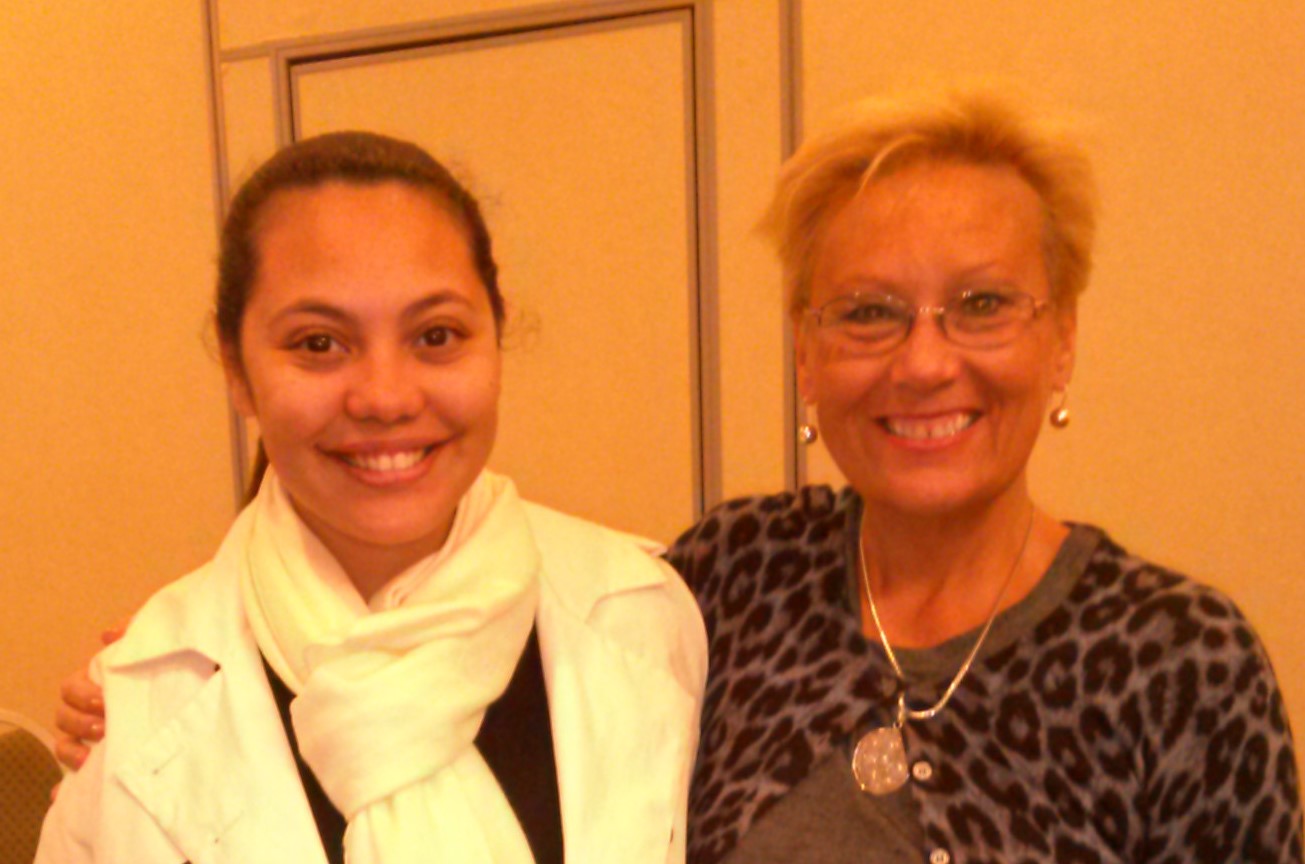
New Au Pair Nathalia from Brazil and her Community Counselor Cindy Garruba

New Au Pair Nathalia from Brazil and her Community Counselor Cindy Garruba

The final day is one of nervous excitement as the au pairs prepare to leave the comfort of the hotel and go out all over the USA to join their host families!  Au Pair in America is dedicated to preparing these wonderful young women for their important responsibilities and for cultural exchange.  Orientation is a wonderful experience for the au pairs, but the best experience is their year with their host families.

Pot Holes and Other Spring Driving Issues

pot holesWe had a long hard winter and the roads have suffered.  Please be very careful.  There are lots of pot holes which can cause damage to tires and the car as a whole!  Flooding from the melting snow is a big issue and can even hide the pot holes.  The NIGHTS still get below freezing and then the melted snow becomes ice.  The big snow piles in all the parking lots and on the sides of the road are also hazards.  They are hard to see around and also cause major flooding.  BE CAREFUL OUT THERE EVERYONE!

As the winter snow and ice begin to melt, unpleasant potholes can begin to appear and become a threat to vehicles
When winter’s snow and ice finally melt away, they invariably leave behind an unpleasant reminder of this winter’s severe storm season—potholes.
“Major winter storms have affected much of the country this season. While many motorists’ cars have made it through the winter storm season unscathed, they could still fall victim to a pothole left in its aftermath,” said John Nielsen, director, AAA Auto Repair and Buying Programs.
Potholes form when moisture collects in small holes and cracks in the road surface. As temperatures rise and fall, the moisture expands and contracts due to freezing and thawing. This breaks up the pavement and, combined with the weight of passing cars, eventually results in a pothole.

To aid motorists in protecting their vehicles from pothole damage, AAA recommends the following:

Inspect Tires – The tire is the most important cushion between a car and a pothole. Make sure tires have enough tread and are properly inflated. To check the tread depth, insert a quarter into the tread groove with Washington’s head upside down. The tread should cover part of Washington’s head. If it doesn’t, then it’s time to start shopping for new tires. When checking tire pressures, ensure they are inflated to the manufacturer’s recommended levels, which can be found in the owner’s manual or on a sticker on the driver’s door jamb. Do not use the pressure levels stamped on the sidewall of the tire.
Inspect Suspension – Make certain struts and shock absorbers are in good condition. Changes in vehicle handling, excessive vibration or uneven tire wear can indicate bad shocks or struts. Have the suspension inspected by a certified technician if you suspect problems.
Look Ahead – Make a point of checking the road ahead for potholes. An alert driver may have time to avoid potholes, so it’s important to stay focused on the road and not any distractions inside or outside the vehicle. Before swerving to avoid a pothole, check surrounding traffic to ensure this will not cause a collision or endanger nearby pedestrians or cyclists.
Slow Down – If a pothole cannot be avoided, reduce speed safely being sure to check the rearview mirror before any abrupt braking. Hitting a pothole at higher speeds greatly increases the chance of damage to tires, wheels and suspension components.
Beware of Puddles – A puddle of water can disguise a deep pothole. Use care when driving through puddles and treat them as though they may be hiding potholes.
Check Alignment – Hitting a pothole can knock a car’s wheels out of alignment and affect the steering. If a vehicle pulls to the left of right, have the wheel alignment checked by a qualified technician.
Recognize Noises/Vibrations – A hard pothole impact can dislodge wheel weights, damage a tire or wheel, and bend or even break suspension components. Any new or unusual noises or vibrations that appear after hitting a pothole should be inspected immediately by a certified technician.
To help consumers identify quality auto repair shops that can maintain and repair their vehicles, AAA established the Approved Auto Repair program as a free public service. Approved Auto Repair shops are inspected by AAA automotive specialists and must meet and maintain high professional standards for technical training, equipment, cleanliness and customer service. Customers of approved shops are continually surveyed, and every approved facility must maintain a 90 percent or higher customer satisfaction score in all areas. Consumers can locate nearby AAA Approved Auto Repair facilities online at AAA.com/Repair.
As North America’s largest motoring and leisure travel organization, AAA provides more than 52 million members with travel, insurance, financial and automotive-related services. Since its founding in 1902, the not-for-profit, fully tax-paying AAA has been a leader and advocate for the safety and security of all travelers. AAA clubs can be visited on the Internet at AAA.com.

2 Au Pairs teach First Graders about Germany

IMG_20150123_105014

Maria Tarnopolskaia and Clarissa Pfisterer

Clarissa Pfisterer and Maria Tarnopolskaia, Au Pair in America au pairs, visited Peconic Community School to teach the first grade class about Germany.  They prepared a power point and a craft for the children.

IMG_20150123_103217Clarissa’s host child, Charlotte was very excited that her au pair was teaching the class about Germany.  She had already learned a lot about Germany from Clarissa.  Charlotte is able to speak some German sentences and answered a lot of the questions the au pairs asked the students. The children learned about things invented in Germany, German foods, some German words and how to count to 5 in Germany. 1 eins   2 zwei   3 drei   4 vier   5 funf


They loved hearing that some of their favorite princess stories were from the Grimm’s Fairy Tales. IMG_20150123_103452After the power point and all the children’s questions, they painted pretzels made of clay.  They au pairs had explained that pretzels are from Germany!  One child painted her pretzel in the colors of the Germany flag.

IMG_20150123_100310The presentation by Clarissa and Maria is part to the Global Awareness program sponsored by Au Pair in America.  Au Pairs are encouraged to share their culture with American school children.  Each au pair who participates in Global Awareness prepares her own presentation.  She is supported with materials from the Global Awareness coordinator and then works with the teacher to prepare an age appropriate lesson.  Each lesson is as unique as the au pair is herself.  To learn more about Global Awareness click here.

Both Maria and Clarissa earned certificates from the Global Awareness program for their presentation.

Both Maria and Clarissa earned certificates from the Global Awareness program for their presentation.