Category Archives: Host Family Tips

Tips for the Holidays for Au Pairs and Host Families

2061311475_eb88137853

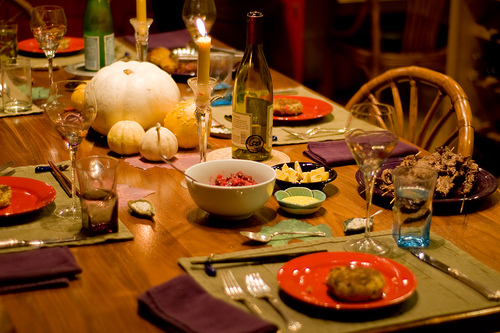
From Christine Connally, Community Counselor in MD:

Childcare focus – Check with your host parents before you buy a child a toy that requires close supervision – electrically operated toys, shooting toys and games, chemistry sets, and the like. Remember, too, that younger children may have access to toys intended for older children once the toy has been brought into the home.

Driving – Traffic tends to be heavier around the Holidays.  My best advice is to leave earlier than normal and take your time.  Be the “bigger person” and allow that one last car to slip in ahead of you.  It may avoid an accident.  Remember au pairs can be asked to pay up to $500 of the deductible for an accident.

Healthy eating – is your house filled with treats, and goodies that are tempting you?  It is the season, and you are here for a cultural exchange, so try some of the traditional sweets your host family is offering, but it is a good idea to downsize your portions – how much you eat is as important as what you eat.

Hints for success – If there is an alarm system for the house, be sure that the au pair is listed with the alarm company as a legitimate user of the alarm. Also, the au pair must know the appropriate security code in case of a false alarm.

Photo: Benjamin Chun

Halloween Health and Safety Tips

From cdc.gov

Photo: Steven Depolo

5133671503_fa9f2fc754

For many people, autumn events like Halloween and Harvest Day are fun times to dress up in costumes, go trick-or-treating, attend parties, and eat yummy treats. These events are also opportunities to provide nutritious snacks, get physical activity, and focus on safety.

Below are tips to help make the festivities fun and safe for trick-or-treaters and party guests.

Going trick-or-treating?

Alphabet letter S Swords, knives, and similar costume accessories should be short, soft, and flexible.
Alphabet letter A Avoid trick-or-treating alone. Walk in groups or with a trusted adult.
Alphabet letter F Fasten reflective tape to costumes and bags to help drivers see you.
Alphabet letter E Examine all treats for choking hazards and tampering before eating them. Limit the amount of treats you eat.
_________________________________________________________________
Alphabet letter H Hold a flashlight while trick-or-treating to help you see and others see you. Always WALK and don’t run from house to house.
Alphabet letter A Always test make-up in a small area first. Remove it before bedtime to prevent possible skin and eye irritation.
Alphabet letter L Look both ways before crossing the street. Use established crosswalks wherever possible.
Alphabet letter L Lower your risk for serious eye injury by not wearing decorative contact lenses.
Alphabet letter O Only walk on sidewalks whenever possible, or on the far edge of the road facing traffic to stay safe.
Alphabet letter W Wear well-fitting masks, costumes, and shoes to avoid blocked vision, trips, and falls.
Alphabet letter E Eat only factory-wrapped treats. Avoid eating homemade treats made by strangers.
Alphabet letter E Enter homes only if you’re with a trusted adult.
Alphabet letter N Never walk near lit candles or luminaries. Be sure to wear flame-resistant costumes.

Holiday & Vacation Reminders

“Rest and be thankful.” – William Wordsworth

Holidays and vacations are a great opportunity to rest, recharge and explore the U.S.

Memorial Day Weekend is the unofficial start of summer travel season. Here are some reminders about program rules regarding holidays and vacations.

Holidays

  • Host families are not required to give au pairs any specific holidays.
  • Each host family will make different arrangements on holidays, some au pairs will be off and others will be required to work.
  • Au pairs should not make plans for holidays without checking with your host family first.

Vacations

  • Au pairs earns 2 weeks of paid vacation during the course of her year.
  • Vacation time should be mutually agreed upon.
  • All vacation should be preplanned (at least 4 weeks in advance.)
  • All au pair’s friends and/or family visits/vacations should be pre-approved prior to purchasing tickets.
  • If an au pair travels with her host family, it should be discussed in advance whether this is the au pair’s vacation or if she is working.
  • If an au pair travels with the host family to work, the host family is required to pay for her transportation, lodging and meals.

Important: If an au pair is traveling outside of the U.S., she must have her DS2019 signed (travel validation) PRIOR to her departure from the US. More information about this may be found here on the Au Pair in America website.

Photo: torbakhopper (Flickr)

Handling Expenses

Miscellaneous Expenses

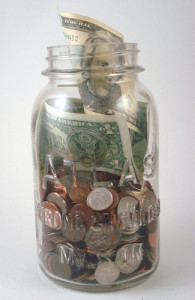
There are different ways to handle the little day to day expenses that come up.  Things like when an au pair takes the kids out for ice cream or picks up a gallon of milk.  Some families keep a cookie jar fund, a little cash that they set aside weekly or monthly for this kind of expenses.  Here are some suggestions for avoiding problems with expenses.

Host Families

  • It’s important to be clear about how long this money should last and what types of expenses are approved.
  • Let the au pair know whether or not you expect receipts.

Au Pairs

  • Only spend the money on approved expenses.
  • If it is something you are not sure about, ask first.
  • Put your receipts in the cookie jar in place of the money to avoid any confusion.

Gas and Fare Cards

Host families are responsible for the au pair’s transportation costs:

  • to and from classes and cluster meetings
  • driving the kids

It is a good idea to figure out how much gas an au pair will use for these trips and either put gas in the car or give a gas allowance.   If your au pair is riding to classes or cluster meetings with another au pair, you should offer to share the cost of gas.

Au pairs are responsible for their own transportation at all other times.  You should replace the amount of gas used for personal use.

Photo: Andrea Travillian

Flu Shots

Many au pairs and host families are looking for places to get flu shots this time of year. Au Pair insurance does not cover immunizations, but there are lots of places to get flu shots for $30 or less.  If the host family is insisting that an au pair get a seasonal flu shot and she agrees to get it, the host family would be responsible for the expense.

If you are planning to get the seasonal flu vaccine, it is recommended that you get it as early as possible.

flu_shots

Giant Pharmacy – $30

CVS Pharmacy & Minute Clinic – $31.99 and up

Walgreens Pharmacy – cost not listed on website

Rite Aid Pharmacy – cost not listed on website

Target Pharmacy & Target Clinic – cost not listed on website

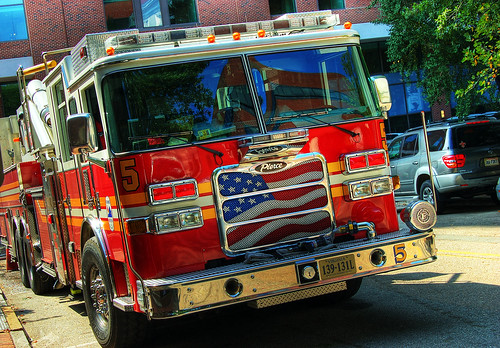
Fire Safety Week

Click here to read more Fire Safety Tips on PBS Kids

Here are some fire safety tips from PBSKids.org. Go over these fire safety tips with your children.

Be Smart

  1. Don’t touch matches. Stay away from lighters and candles, too.
  2. Don’t touch radiators or heaters. Ask a grown-up to turn a heater on or off for you. Don’t stand too close to a fireplace or wood stove, either.
  3. Don’t play with electrical cords. And don’t stick anything into an electrical socket.
  4. Don’t play around in the kitchen. If you want to cook something, be sure to check with a grown-up first.
  5. Don’t put anything over a lamp. Things thrown over a lamp (like blankets or clothing) could catch fire.

And Remember…

Stop, Drop, and Roll. If your clothing catches fire, remember to stop where you are and drop to the ground. Cover your face and mouth with your hands, and roll over and over until the flames are out.