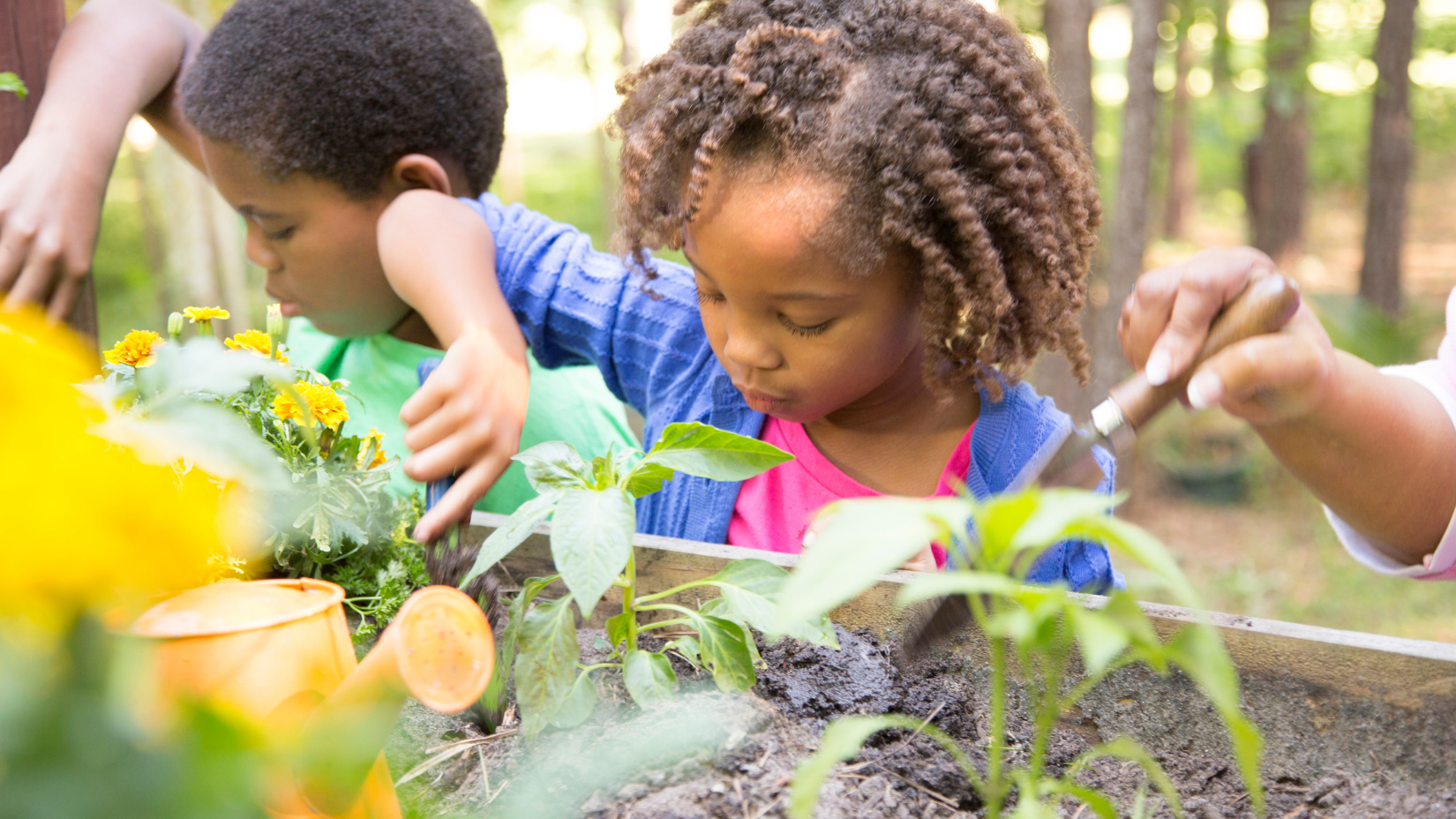
Just as the first shoots push up through the soil in spring, children feel pulled outside to play in the sun by an instinct just as natural. Outdoor spring activities are more than just fun: they build curiosity, emotional resilience, and nurture a connection to the physical world that’s more important than ever in an age marked by screens and more time spent indoors. Plus, whether you’re returning to an annual springtime family tradition or exploring a new nature-based activity, they create excellent opportunities for bonding and fun. If you’re looking for spring break ideas for families or simple ways to make the most of the season, these outdoor ideas are a great place to start.
Explore these outdoor spring activities for kids and plant the seeds to help your children grow this season.
Why Outdoor Time Boosts Child Development
The research is clear: time spent outdoors is good for children. Regular outdoor play supports physical, mental, and emotional well-being. Studies have shown that children who spend time in green spaces like gardens or wooded playgrounds demonstrate better emotional resilience, lower stress, and sharper focus. Outdoor play keeps kids’ minds and bodies moving, whether they’re walking through the forest listening to the birds or kicking a soccer ball around with friends. Nature activities for children, in particular, have a remarkable ability to engage their senses and spark curiosity in ways that structured indoor activities simply can’t.
Spring is an especially rich season for outdoor exploration. Everything is changing: the light, temperature, sounds, and smells. For children, that kind of sensory richness is deeply stimulating, and it creates natural opportunities for creativity and learning that feel like play.
Backyard Science Experiments
You don’t need a high-tech lab to have science-based fun, just some outdoor space and a curious kid. Nature offers a ready-made science classroom. As the season changes, plants begin to sprout, and weather patterns shift, spring is the perfect time to try out some simple outdoor experiments. Here are some fun backyard science experiments that you can try out as a family this spring:
- Bottle rockets: For some explosive outdoor fun, build a bottle rocket at home using an empty bottle, a cork, a flat surface (launch pad), and baking soda and vinegar for fuel. Watch as your children squeal with delight when their first rocket shoots off into the air!
- Weather monitoring: Try tracking the weather together each morning and recording temperature, cloud cover, and rainfall in a notebook. For older school-aged children, you can even get a basic barometer and use it to monitor air pressure—seeing how air pressure affects the likelihood of storms, and over time, you can encourage them to make some forecasts themselves!
- Soil and gardening experiments: Set up a simple rain gauge and observe how quickly different soil types (sandy vs. silty vs. loamy) absorb water. Then, plant identical seeds in different soil and light conditions and compare results, allowing your child to observe how various environments directly influence plant growth.
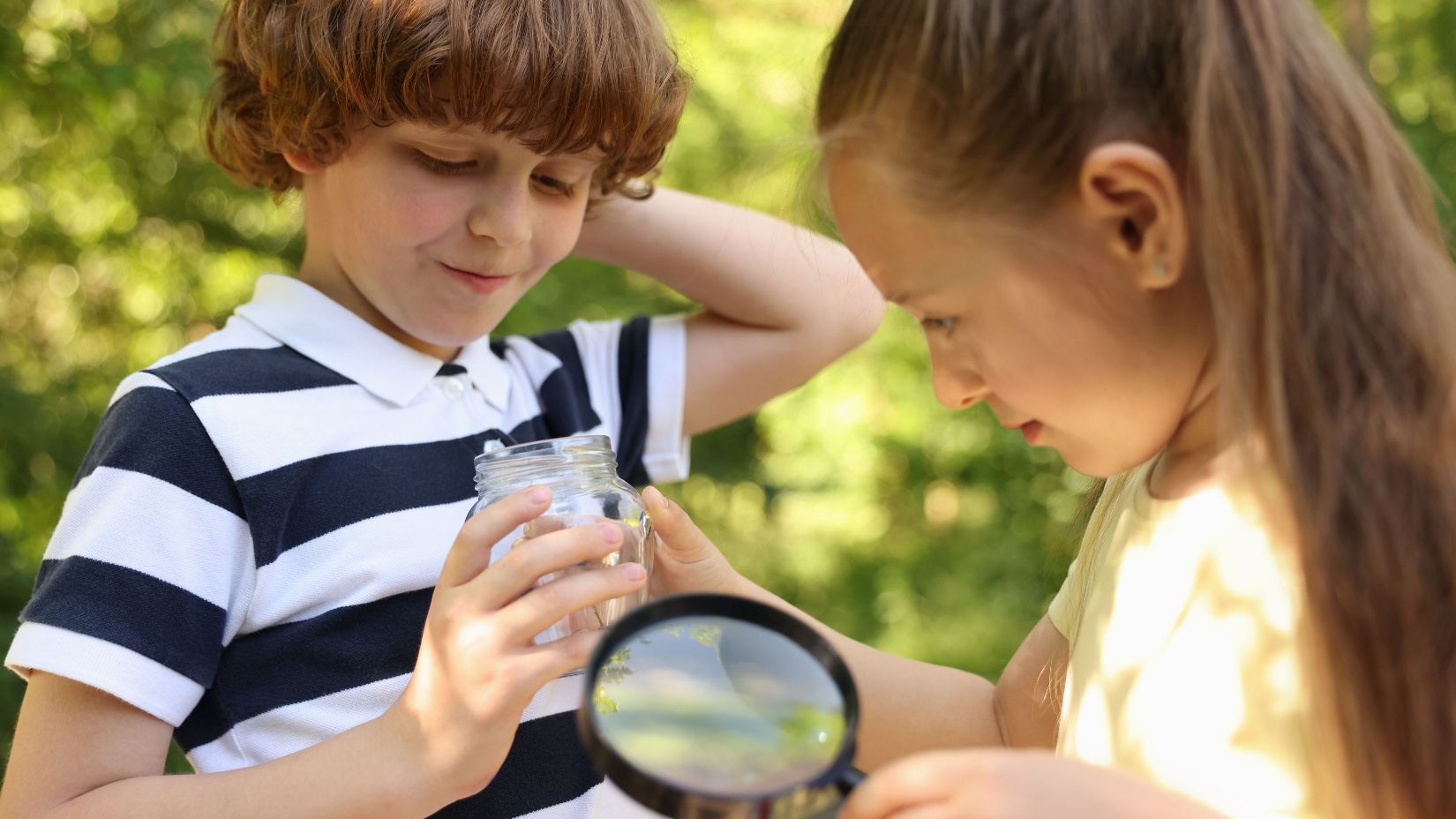
- Magnifying nature: Going outdoors with a magnifying glass to explore plant and insect life up close is a fun nature activity for kids of all ages. The patterns and details of nature are striking when viewed closely, and little bugs can truly be fascinating when given the right attention. Encourage them to ask questions and try to identify what they find.
Nature Journaling
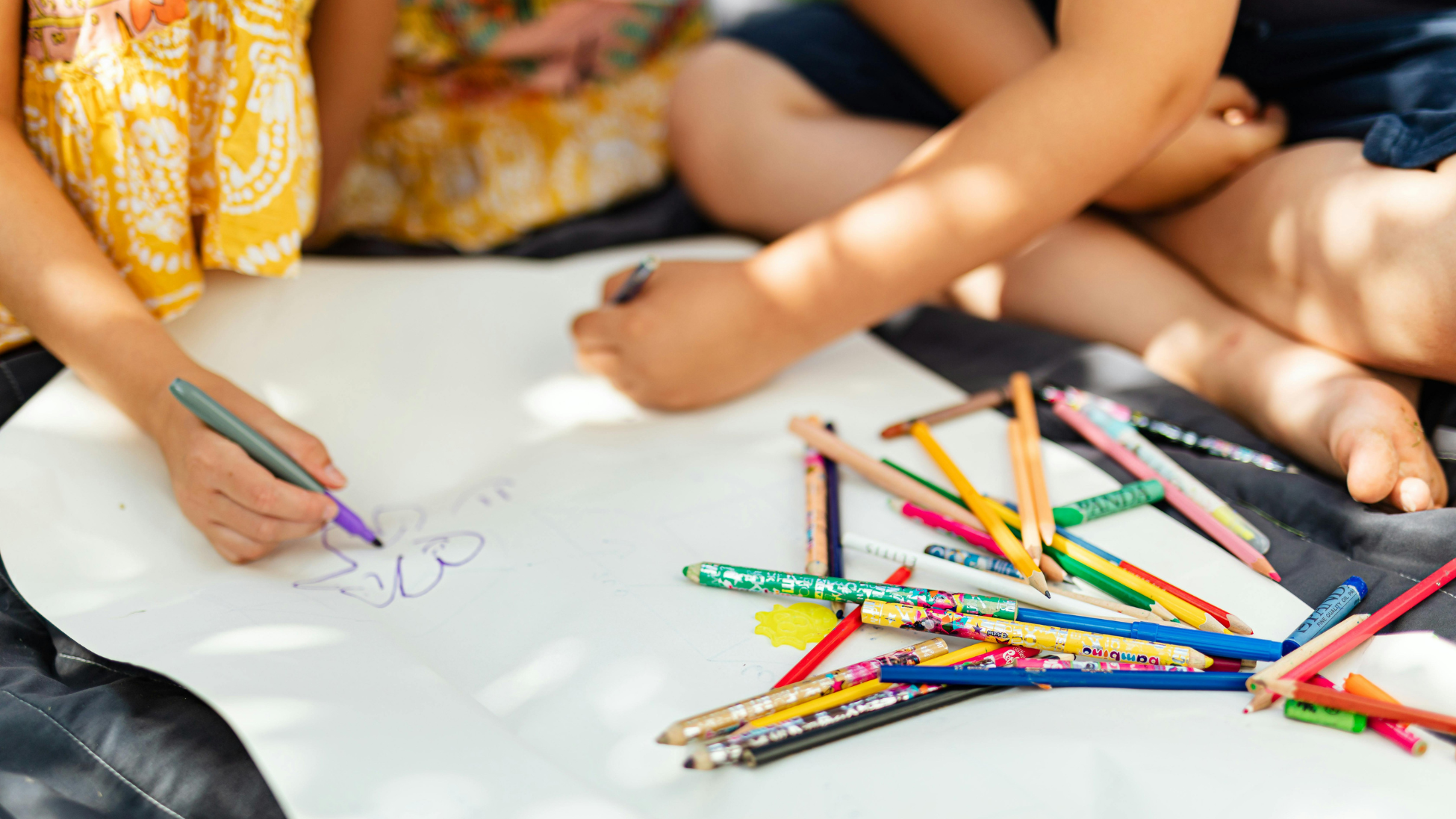
Nature journaling is one of those outdoor spring activities for kids that starts simple and grows with them—the more they put into it, the more they get out of it. All it takes is a notebook, a pencil, and a walk outside.
Encourage your children to sketch what they see: an early bud forming on a branch, the shape of a cloud, a beetle crossing the sidewalk. Older children can add written observations, dates, and locations—as much detail as they like. Over time, the journal will become a record of the season unfolding, page by page, and a keepsake they’ll want to return to.
For families who enjoyed the spring nature scavenger hunt from our 10 Simple Spring Traditions to Start with Your Kids blog post, nature journaling is a natural next step. It’s away to deepen their observational skills and give children ownership over their own discovery process. And who knows? This simple nature activity for kids could be the foundation of a lifelong passion, whether it’s drawing landscapes as an artist or studying the natural world as a future biologist.
Cultural Outdoor Games from Around the World
One of the richest outdoor spring activities for kids is also one of the most fun: learning to play games from other cultures—especially when it’s done with an au pair!Children’s outdoor games are a window into the values, humor, and creativity of the cultures that invented them, and most require nothing more than open space and a couple of people to play.
Here are a few worth trying this spring:
- Pilolo (Ghana): Pilolo is a game in which one player hides one or more small objects in a designated area, and the others must find them and return them to the starting point to earn points. The search begins when the hider shouts “Pilolo!” (meaning “time to search!”). This simple hide-and-seek game from Ghana is a perfect way to stay active and explore a backyard or public green space.
- Kubb (Sweden): Kubb is a lawn game where teams compete to knock over their opponent’s wooden blocks with throwing sticks. This traditional Swedish game is easy to learn and is great for groups of all sizes and children of mixed ages.
- Agalmata (Greece): Agalmata, meaning “statue” in Greek, is similar to the classic children’s game Red Light, Green Light. In this game, the person who’s “it” stands in the middle of an open space while the other players scatter around them on all sides, with plenty of room to run. The child who’s “it” covers their eyes and counts to at least 10, then shouts “agalmata!” at which point the children have to freeze in the pose of a famous statue (such as the Statue of Liberty or The Thinker), any child that moves (or can’t contain their laughter!) is out.
- Oonch Neech (Pakistan and North India): Meaning “high low” in Hindi, Oonch Neech is a popular children’s game played across Pakistan and North India that puts a creative twist on tag. Before each round, the player who is “it” calls out either oonch (“high”) or neech (“low”), designating whether elevated surfaces—tree stumps, rocks, logs, benches—or the ground is the safe zone where players can’t be tagged. The leader switches the safe zone throughout the game to keep everyone on their toes, tagging anyone who isn’t quick enough to adjust or is making a run from one safe zone to another.
Families hosting an au pair can turn to them to learn about a new outdoor game from their home country. Your au pair likely grew up playing unique outdoor games that never made it to American playgrounds but are no less fun for it! Asking them to teach your children will lead to genuine cultural exchange and a joyful afternoon spent learning something new.
Gardening as Cultural Exchange
Gardening is one of the most universal of all human activities, and it looks different everywhere you go. The crops people grow and the traditions surrounding planting season are as diverse as the cultures that practice them—and if you’re curious about how families around the world celebrate spring, the garden is a great place to start.
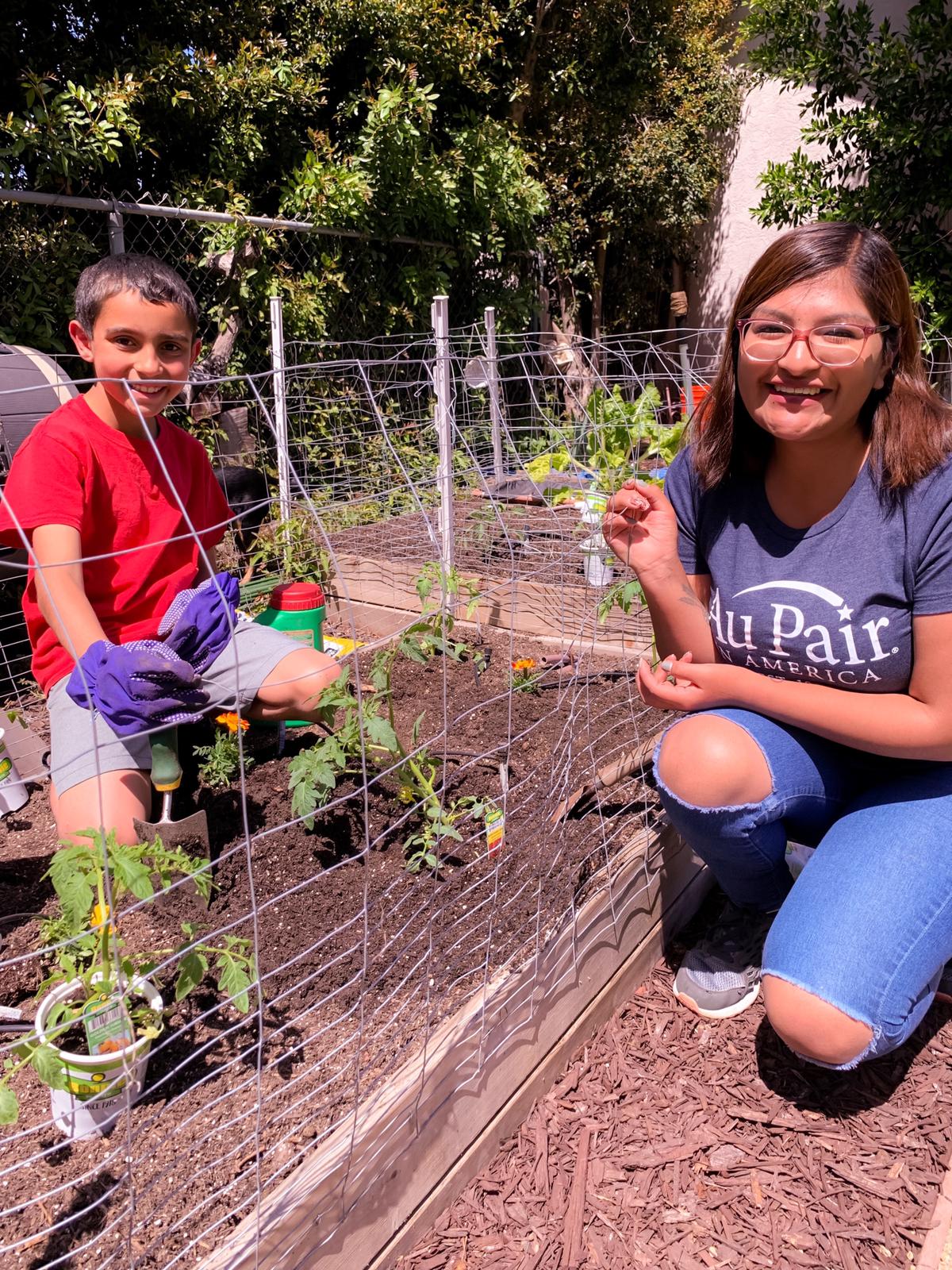
If your family is hosting an au pair, you can take this activity a step further by involving them. Ask them what’s grown in their family’s garden back home, or what fruits and vegetables are native to their region. You can try growing something together that’s new to your family. Even a small herb garden planted with seeds native to your au pair’s region of the world can become a meaningful cross-cultural project. Bonus points if you use your harvest to cook a meal from your au pair’s home country!
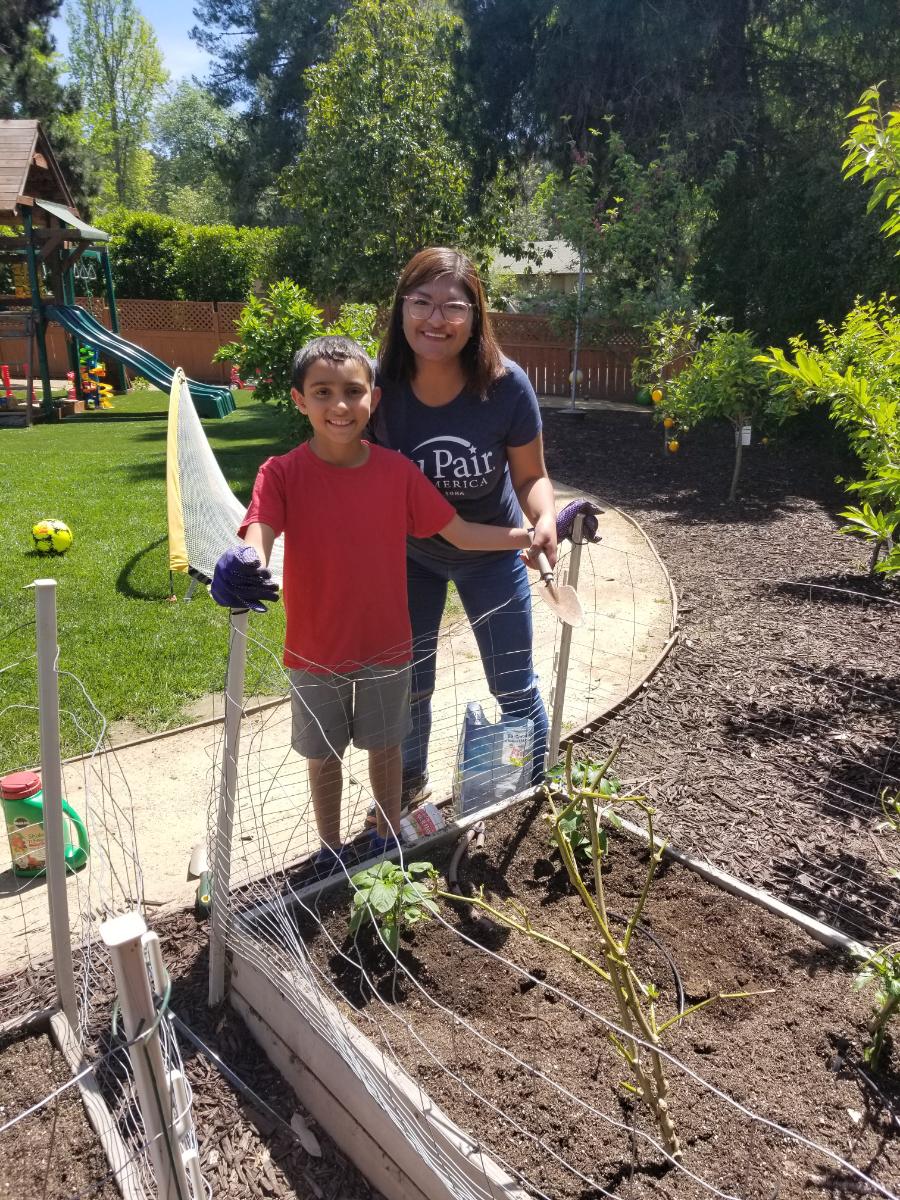
Supporting Outdoor Activities with an Au Pair
The benefits of hosting an au pair during the spring (and year-round!) are manifold. Between busy schedules with lots of pickups and a growing list of to-dos, an au pair can be the difference between a season that slips by and one you can truly enjoy with your family.
Beyond the practical support of flexible live-in childcare, au pairs bring a genuine enthusiasm for getting outside, playing with your children, and sharing their culture in an engaging way. When parents are busy, an au pair can make sure the children get the outdoor time they need to thrive. Also, many au pairs grew up with springtime celebrations, games, and activities that are entirely new to American children, so sharing them often comes naturally and can be enjoyed by everyone.
For families who want their children to grow up curious about the world, an au pair offers a real, living connection to another culture, right at home.
Host an au pair with Au Pair in America and watch your family bloom with flexible, intercultural childcare.
Spring is like nature’s childhood—it’s filled with growth, color, sunny days, and sudden storms—and neither lasts forever. The outdoor spring activities that stick with children are often simple ones based on exploration and fun: afternoons spent turning over rocks in the backyard, the kite that finally caught the wind, and the morning they pressed a flower into a notebook and wrote down what it was called. When you give your children the gift of a season spent outside, you give them something they’ll carry for long after the last petal gives way to frost.
Looking for a partner in childcare and outdoor adventure this spring? An au pair brings energy, creativity, and a whole world of new ideas to your family’s daily life—including getting your kids outside and making the most of every season.
