

Image by Tilda Rice
Rainy days and Minnesota spring go together like hot dish and tater tots. You can count on cold, windy, rainy, muddy weather well into May. So it’s best to have a plan ready. Otherwise, kids can get pretty squirrelly stuck inside!
Think about the kids you are caring for when thinking up activities. You can’t expect a super active child to sit for hours doing a jigsaw puzzle. But there are a lot of different ideas out there.
Some activities to consider:
* Teach kids a new skill. Depending on the age and interests of your kids, teach kids something they haven’t tried before. Some ideas include watercolor painting, bread baking, doing a maze, or trying yoga (go to the Cosmic Yoga YouTube channel for some great kid-oriented yoga.)
* Acting in a play. Take a favorite book and adapt it to your own use. Costumes and props are fun to create. Even if it’s just for yourselves, it’s still a fun activity.
* Go on a scavenger hunt. Make a series of clues that lead from one to another, with some kind of small prize at the end. Little kids can decode easier clues, like “Look where the eggs are kept;” older kids can be given more complicated puzzles.
* Movie and popcorn time. It can be fun to recreate the experience of going to the movies at home. Make a big bowl of popcorn and pick a fun movie, and everyone can snuggle on the couch and relax.
* Get out and play in the puddles. Dress kids in waterproof jackets and boots, grab umbrellas, and splash around out there. You can learn a lot from watching how rain falls, how puddles develop, or how raindrops fall off of leaves. Obviously, you can’t go out in a thunderstorm!
Our Pinterest page has many, many more ideas. Keep the kids occupied while the rain is falling and everyone will be in a better mood when you can finally get outside into the beautiful Minnesota springtime.
 What is Daylight Saving Time?
 Homesickness can be a problem during the holidays, even if it hasn’t been at any other time of the year. Au pairs often miss their friends and family, familiar places and their own traditions and customs. The holiday activities in the United States seem, and may actually be, different just at a time when an au pair would welcome something familiar.
 Almost everyone experiences homesickness and culture shock to some degree, when they come to live in a completely new environment. So much is different and it takes time to adjust.
 Dehydration means that the body lacks the necessary amount of fluid. Infants and small children are more likely to become dehydrated than older children or adults, because they can lose relatively more fluid quickly.
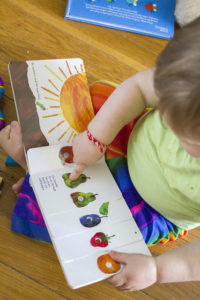 Being an au pair is an important role in a child’s life. When you are caring for a young child up to 45 hours per week, there are lots of opportunities to help them learn language. Many host parents are eager for their children to be exposed to foreign language. If this is true of your host parents, you can try the suggestions below, in both English and your native language.
 Host parents often ask for suggestions on how best to handle common expenses that occur as au pairs are caring for the children.