Category Archives: Blog

Aluska is a Global Awareness Explorer!

Our own Aluska from Brazil has being recognized as a Global  Explorer!  Aluska truly embraces the cultural exchange aspect of the au pair program.   This article highlights how Aluska is sharing her culture with her host family but also with other children in the community.  The au pair program has also allowed Aluska to  learn so much about the American way of life.  Thank you Aluska for doing your part to bring the world closer together one person and encounter at a time!

https://www.globalawareness.com/2020/03/au-pair-in-america-explorer-for-february/


Ascending our Active Volcano – September 2019

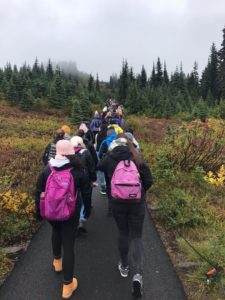
90+ APIA au pairs and community counselors left Seattle in the early morning to head up past the clouds of Mt Rainier at Paradise.  A bit of getting-to-know each other speed dating on the bus and we were off to another beautiful Fall season as a community of interculturalists, ready to support one another on this cross-cultural journey.  We didn’t have the clearest skies, but we also dodged the rain that was in the forecast.   While the beauty of the mountaintop alluded us this time, we still enjoyed the fresh air, wild flowers, wild critters (chipmunks and marmots) and beasts.  Some even caught a glimpse of a bear!!

It’s Time to Get Your Flu Shot

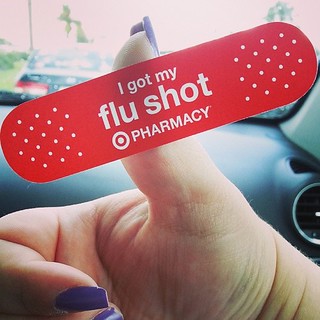
Many au pairs and host families are looking for places to get flu shots this time of year. Au Pair insurance does not cover immunizations, but there are lots of places to get flu shots for $35 or less.  If the host family is insisting that an au pair get a seasonal flu shot and she agrees to get it, the host family would be responsible for the expense.

If you are planning to get the seasonal flu vaccine, it is recommended that you get it as early as possible.

City MD, Bainbridge Island

Kitsap Public Health District – Low or no-cost flu shots.

Flu shots are also available for a fee at pharmacies such as Rite Aid, Walgreens, etc.

Photo: Jen Vargas

Going Home and New Beginnings

Most au pairs have mixed feeling about returning home. As the program end nears, there is both excitement and nerves about adjusting to life at home.

Adapting to life back home will include some of the same emotions experienced with adjusting to life in the United States, such as:

  • Homesickness (this time for your American family and friends)
  • Rejecting things that are cultural norms in your home country
  • Adapting to a new environment and routine
  • Accepting your new situation

How do you prepare for going home? While you have been away, things at home may have changed. You have certainly changed, and after adapting to the American culture, you must adapt again to your own culture. Here are some tips to consider as you prepare for the journey home:

  • Be flexible as you think about life back home, give yourself time to adjust, and don’t expect it to be easy every day.
  • Let yourself be sad and feel the loss of friends and family.
  • Reflect on your experience and acknowledge what you have gained and learned during your au pair year.
  • Focus on positive ways you have grown.
  • Make a list of the skills you have acquired or strengthened as an au pair.
  • Make your new resume!
  • You made it! Celebrate and be proud of your au pair achievements.
  • Going home is not the end of something….it’s the beginning of something new.

Make this the Best Summer Ever!

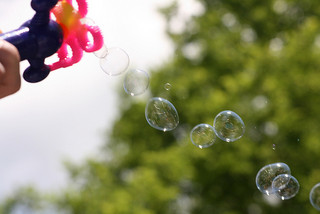
4133298507_b0f2fecd9a_nWhen the kids are out of school on summer break there are soooo many possibilities. But, if you don’t make plans, you will often end up in the house with bored kids getting into trouble and arguing with their siblings.  Make plans!

Having lots of ideas ready can minimize those problems.

Looking for fun activity ideas to get the summer started off right with your host kids?

The Au Pair in America Summer Fun Pinboard is a great place to start. Together, create a Summer Bucket List. Talk with the kids about things they would like to see and do. Even toddlers and preschoolers can contribute to the conversation. Run these plans by your host parents and clear things like how much you may spend and when is best to do some of these activities.

Photo: MissMessie (Flickr)

10 Safety Tips for Au Pairs – Staying Safe Out and About

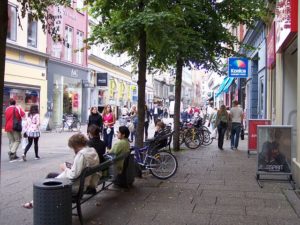
Living in Kitsap County, we can often get the sense that we are completely safe and may let our guards down.  These tips are not intended to scare you, but to make you aware of some simple things you can do to prevent being the victim of a crime.

  • Don’t read or get distracted by your cell phone while walking or standing on the street.
  • Don’t wear earbuds or headphones, while walking or jogging.
  • When you get into an Uber or Lyft, make sure the vehicle matches the description and the driver is who the app shows.
  • When riding on any public transport, try to wait in well lit areas where there are other people and try to get into a train car with other people, rather than being alone.
  • Be very careful using outside ATMs at night or in unfamiliar surroundings.
  • When walking, face the oncoming traffic. It will be harder for someone to pull you into a car and abduct you. You can also see cars coming in your lane.
  • Tell someone where you’ll be and what time you’re supposed to return, or if you will be with someone you don’t know well.
  • If you are meeting someone new for the first time, meet in a public place.
  • Don’t overload yourself with packages. If you must have your hands full, visualize how you would respond if approached, how you would get your hands free, etc.
  • Don’t wear earbuds or headphones, while walking or jogging.
  • Pay attention to what is going on around you and be aware of people near you.

Photo: Antonio Touriño

APIA Red Cross Scholarship Program

Did you know that APIA au pairs with at least 6 months left on their contracts are eligible to receive a scholarship from APIA for an American Red Cross First Aid class?  They can either have APIA enroll them directly into a class or sign up for a class and get reimbursed by APIA.  Read on to find out more! 

Classes in First Aid and CPR are available all over the country through the American Red Cross. Au pair in America will pay for the cost of a class provided an au pair has at least six months left on her visa and she takes the Adult and Pediatric First Aid/CPR/AED class.

STEP 1 ~ COURSE SELECTION 

  • For APIA to enroll a participant, the selected class must be given by the American Red Cross, and not an affiliate/partner. For instance, when choosing classes, the provider must be American Red Cross.
  • All au pairs should have 2 class choices. This will help in the event that a first choice is no longer available.
  • See Red Cross link for course locations and options.  

STEP 2 ~ SIGN UP

  • Once an au pair has decided on her class choice, she will need to fill out the Red Cross Sign Up Community Course Registration
  • This will prompt her to fill out all the necessary information needed to enroll.
  •  This document must be emailed back to Courtney Simpson at csimpson@aifs.com. She will need 4 business days to process and enroll the au pair in her selected course.
  • If an au pair wants to take a class not provided by American Red Cross, that is OK. However, APIA cannot sign her up for the course. Instead, she will have to sign up, and we will reimburse her once we have received a receipt for the class.
  • APIA will reimburse for the Adult and Pediatric First Aid/CPR/AED classes only.
  • Au pairs hoping to use the Red Cross scholarship will need to have 6 months remaining on their contract. This is to ensure that both the host family and au pair are benefitting from the scholarship.

Contact Courtney Simpson at csimpson@aifs.com if you have any questions!

Photo: Global X (Flickr)

MEgga Hunt – Fun for Kids of All Ages!

The weather certainly cooperated this year for the annual Bainbridge Island MEgga Hunt at Battle Point Park! Three of our awesome au pairs, Michelle, Jade and Raissa, volunteered their time to help  children make egg maracas, spin for loads of fun prizes and play egg-cellent games.  Hundreds of kids were on hand for the event which went beyond the ordinary with live entertainment, crafts, games, balloon clowns, face painting and of course egg hunts! Over 7,000 eggs and 80 prize eggs!  APIA was a sponsor of this much loved event.

Create a Spring Break Game Plan

“Game plan” means a strategy for how you are going to accomplish something.  In the case of keeping kids from getting bored and/or into trouble, the best way to prevent it is to keep them busy with safe, fun activities.

When there are days home from school, letting kids sit around watching TV or play video games is not the best use of their time.  Providing fun alternatives will make it much easier to pull them away from the screen.

You need to make a plan of what you will do with them each day and prepare for that. Planning is very important.  You don’t want to tell them you are going some place fun, only to arrive there and see they are not open that day or you needed to bring something and you don’t have it.

If your plan includes a craft or cooking project, make sure you have:
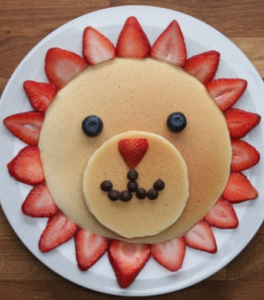
  • all the ingredients/supplies
  • recipe/directions

If your plan includes an outing to someplace fun, figure out:

  • How will you get there?
  • When you should leave?
  • How much it will cost?
  • What will you do for lunch?

Use some of these online resources to find activities and recipes:

Have a wonderful Spring Break!

Photos: vmiramontes (Flickr) & tasty.co