Yearly Archives: 2014

2015 Photo Contest for Au Pairs

We know there are great photographers out there!  Do you have a favorite shot of the year?  Please enter the APIA photo contest.  The deadline is November 5th.  Winners of each category will receive a $200 gift card and $25 for the runners up ~ the categories are:

  • Family portrait

  • Sharing Cultures

  • Helping Hands

  • Young Ones

  • Community service

  • The spirit of America

  • Best in Show


Be creative, show us what you’ve got.  Get details and everything you need to enter here:

http://www.aupairinamerica.com/pdf/photo_contest_entry_form.pdf

The winner could end up on the cover of our 2015 brochure!  🙂 


Halloween Safety Tips


Halloween can be a lot of fun but it is also a time when safety should come first. Here are some tips for next week:

  • Adult supervision is essential. Always accompany the children if they are going door to door to trick or treat
  • Try trick-or-treat-friendly homes. Ensure the children only visit houses with lights on. And, you might also suggest the houses they visit have some sort of Halloween decoration on the porch.
  • Stay outside. Make sure the children don’t go inside someone’s house. They can trick or treat on the porch.
  • Remain visible. Dress the children in bright costumes or have them wear reflective strips or carry a glow stick or flashlight.
  • Quality-check treats. Check the candy before they eat it. Throw out any candy that is not in its original wrapper or looks like it has been tampered with.
  • Say “no” to strangers. Remind the children to never accept a ride or go anywhere with a stranger.

Why Choose an Au Pair?


Flexible and Dependable Care: 
No two weeks are the same with most households. Hosting an au pair provides the flexibility and convenience you need to simplify your life. With an au pair, you will be able to create your own child care schedule of up to 10 hours per day and up to 45 hours per week. By having your child care provider living in your home, dealing with sick days, snow days and life’s little surprises has never been easier.

A Cost-Effective Solution:
You will receive 45 hours of child care for just $361 per week, regardless of how many children you have. If you have full-time school-age children we offer a 30 hour per week Educare® for just $290 per week.

When you compare the cost to other child care solutions, including a nanny or day care, you will find an au pair can be a surprisingly cost-effective solution. Choosing our Extended Payment Plan, spreading out payments several month makes it even more affordable.

Full Service:
With exceptional child care, you should expect exceptional service. You will receive comprehensive program support including assistance with selecting your au pair, coordinating logistics, providing orientation for your family and au pair, year-round local support, medical insurance for your au pair and 24/7 emergency assistance. With a quarter century of experience, we are able to accommodate and anticipate the needs of host families. Our local, professional Community Counselors reside in your area and provide daily, ongoing, local support to you and your au pair to ensure a happy and successful experience. 

Expert Matching: 
At Au Pair in America, we offer Expert Match, a flexible and effective approach to finding the caregiver that is a perfect fit for your family. You may search for your au pair with our user-friendly online search tool, our mobile app or work with our professional placement team to find the perfect au pair for your family. Should you require additional assistance, we are ready and willing to accommodate.

Large Pool of Au Pairs: 
With Au Pair in America, you will have access to the largest pool of au pairs in the world. Applicants come from more than 60 countries on five continents and our multi-tiered screening ensures that only the most exceptional and qualified au pairs are accepted. View our au pairs available now. 

An Enriching Experience: 
With Au Pair in America, your family is getting more than just great child care. Your children will receive a global education during their most formative years, learning about the world and your au pair’s culture and customs. In addition, many parents want their children to be bilingual. The constant exposure and reinforcement provided by an au pair are the best ways to immerse children in a new language

Orientation and Expert Training:
Your au pair will have recent and practical child care experience, the details of which you will be able to review in their application. In addition, all of our au pairs complete a pre-departure online training segment and attend a comprehensive four-day orientation program that features: child development training, child safety training and adaptation training.

During orientation, all of our au pairs receive exclusive Red Cross® training composed of seminars and hands-on demonstration and with training exercises for infant/child CPR and safety, plus sanitization and illness prevention.

Au Pair in America has also partnered with AAA, the nation’s most trusted name in driver safety and instruction, to offer a custom classroom course specifically designed for au pairs. Exclusively for our au pairs, the AAA driving course is one of a kind, tailored to the needs of the international driver and specific to the safety needs of driving children in a car.

Program options to fit your family:
Whether your children are infants or school aged, Au Pair in America has the solution for your family. Choose from Au Pair, Extraordinaire, or EduCare to satisfy your child care needs.

Organizational Strength; 
Au Pair in America is a division of the American Institute For Foreign Study (AIFS), which has provided educational and cultural exchange programs for more than 50 years. Our resources enable reliable visa processing, comprehensive insurance for au pairs and discounts for host families interested in any of AIFS’s renowned programs.


Pumpkin Carving Instructions

Pumpkin Carving Contest!!

Au Pairs/Host Families: Submit your pumpkin photos (of yourself, your helpers, the actual carving & final product) by November 2nd for a chance to win some special prizes!!


1. Cut a Hole in the Pumpkin

The first step is hollowing out the pumpkin. Use a keyhole saw to cut the hole. If you’ll be using a candle for illumination, you can cut the hole in the pumpkin’s top (always put the candle in a high-sided glass, and never leave unattended). For electric lights, make the hole in the bottom or side so you can hide the cord.


2. Scoop out the Flesh

Scoop Out the Flesh

Scoop out flesh, pulp, and seeds with a plaster scraper or fleshing tool.


3. Transfer Your Design

Transfer Your Design

Now it’s time to transfer your selected designs (use a pumpkin template or draw your own). Affix it to the pumpkin, and trace the design by poking holes with a needle tool or T-pin.


4. Carve the Features

Carve the Features

Remove the template and carve along the pattern with a miniature saw or linoleum carving tool.
You can also get creative with patterns and designs using pumpkin-carving tools.
If desired, place candles, small flashlights, or battery-operated light sources inside your pumpkin.

Tip: Prevent exposed areas of the pumpkin’s flesh from turning brown by applying a film of Vaseline.


5. How to Light a Pumpkin

To illuminate a carved pumpkin, use battery-operated lights, candles, or string lights. If using a candle, place it in a glass or votive holder, and cut a hole in the top/back of the pumpkin for ventilation.


October Cluster Meeting

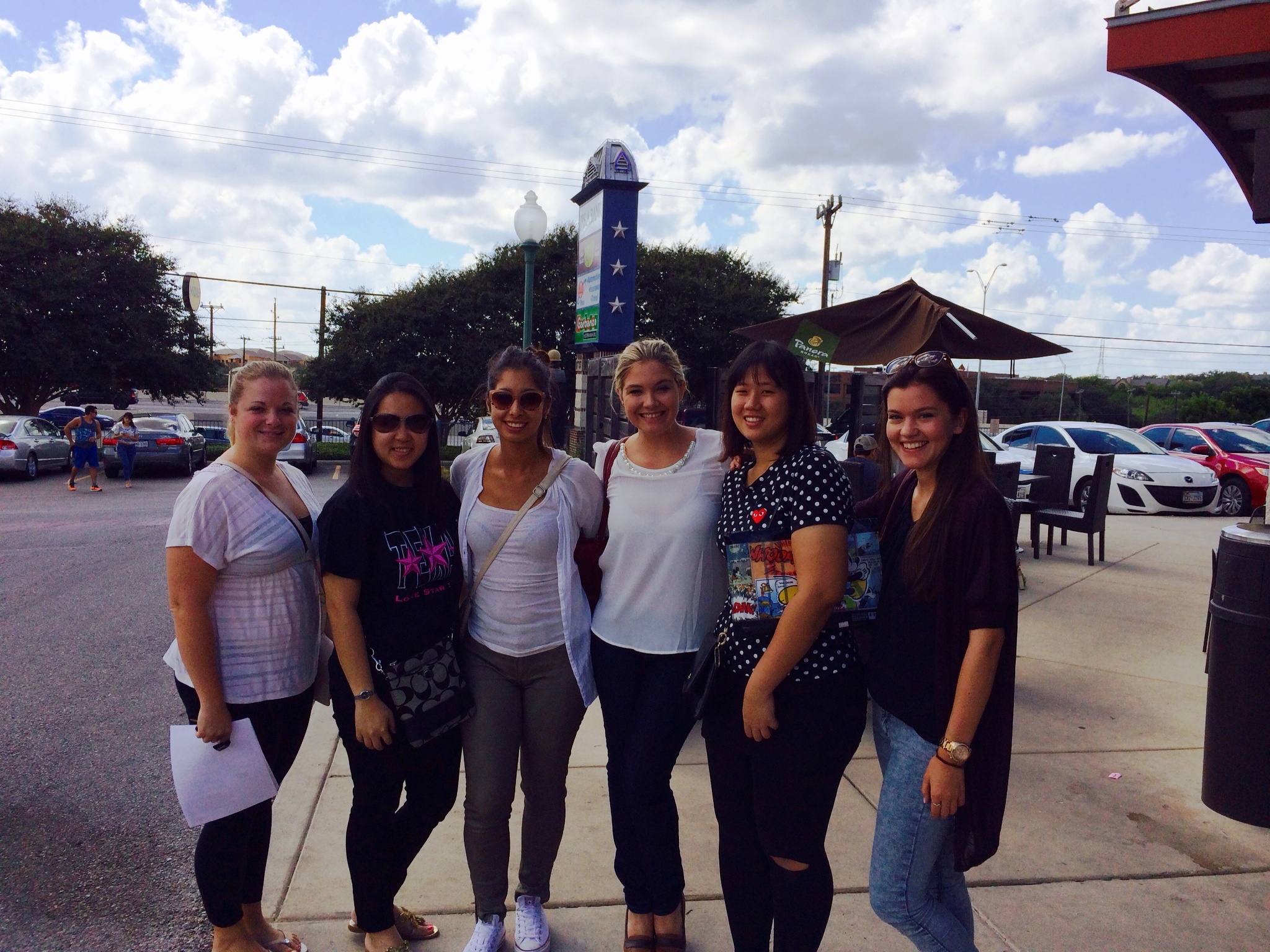
Today, we met at Panera Bread to talk about Halloween (shared some safety tips as well as “how to carve a pumpkin” instructions) and discussed the au pairs’ Global Awareness Presentations (our mission is to introduce young children to other cultures and help them form a positive first impression of people from other cultures).

We also welcomed Agnes who just arrived from Austria!! 🙂


photo 2

Left to right: Zuzana from Czech Republic, Saaynaam from Thailand, Johanna from Colombia, Annerien from South Africa, Nut from Thailand, and Agnes from Austria.


photo 1

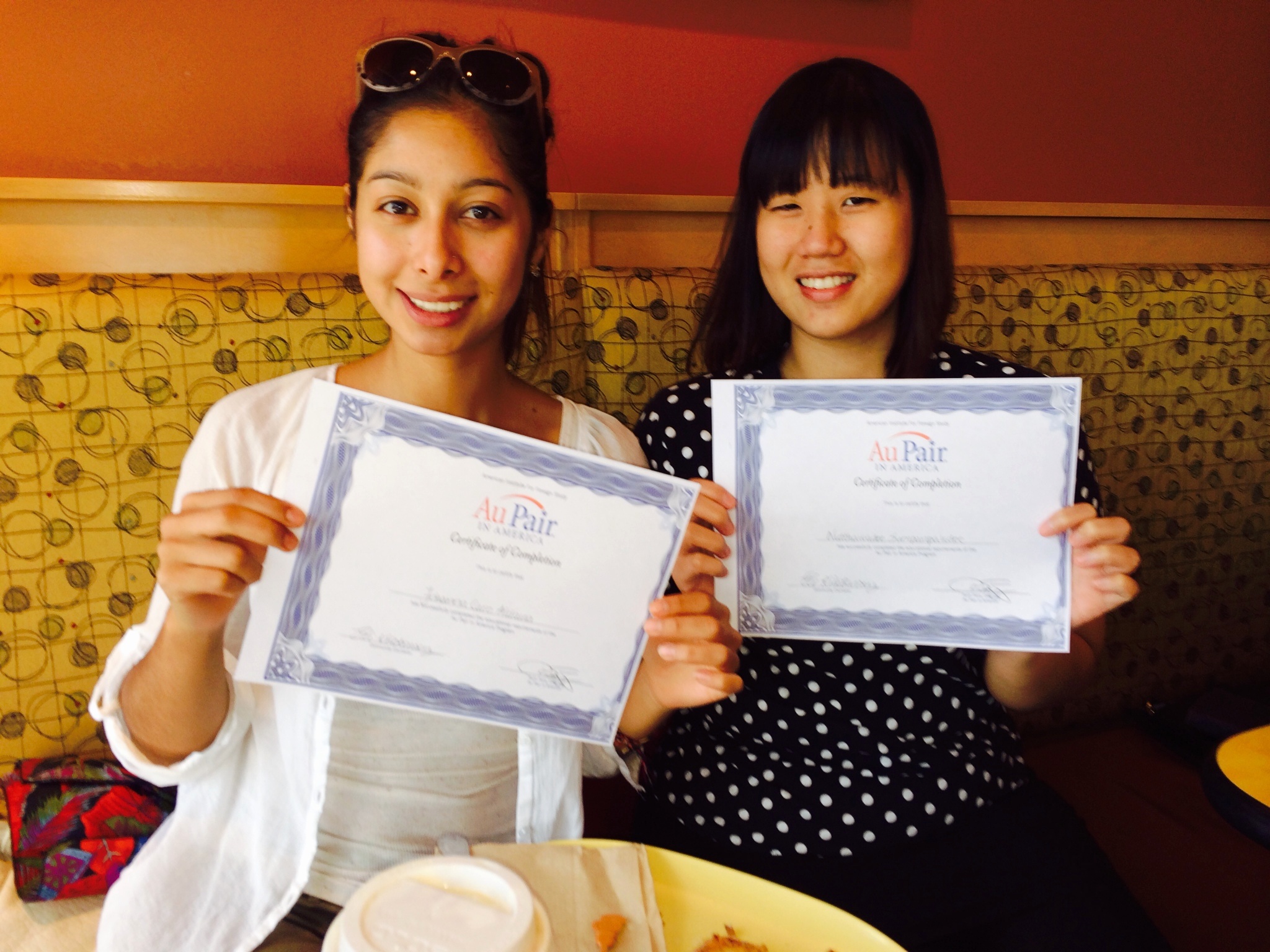
Johanna from Colombia and Nut from Thailand received their Education Certificate after fulfilling the educational component of the program (6 credits or approx. 72 classroom hours at an accredited Post-secondary institution).


…and handed out some APIA Certificates of completion!  🙂


P.S.: Don’t forget, pics for our Pumpkin Carving Contest must be submitted before November 2nd!!


Host Family Day

San Antonio host families as well as their children and au pairs got together for our annual Host Family Day this past weekend.

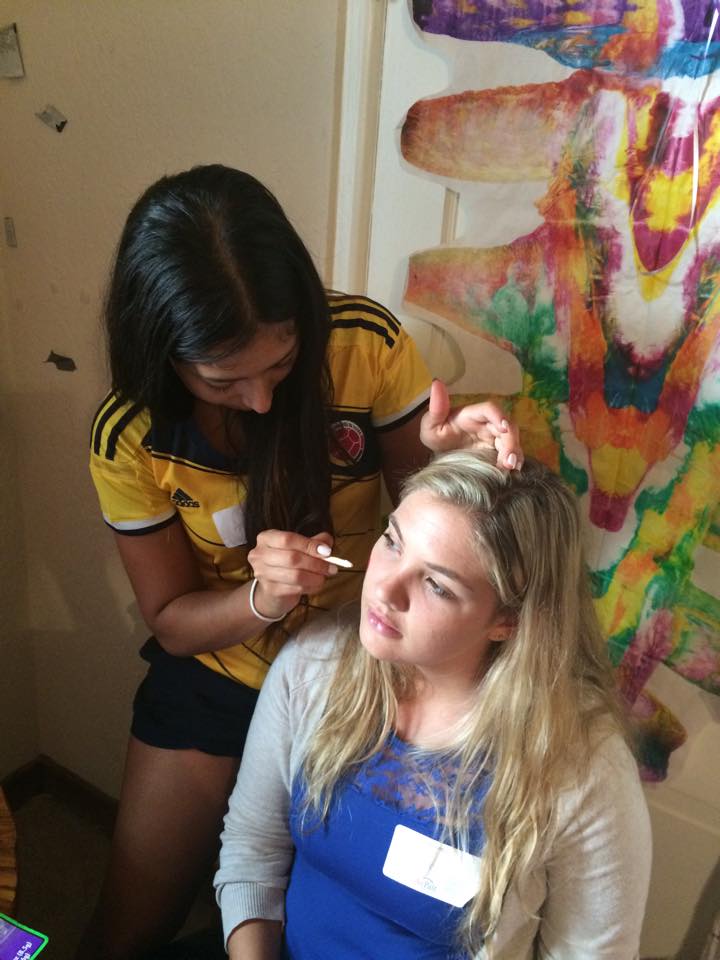
After a round of Diversity Bingo, the au pairs entertained the children with face painting, games, and cultural traditions, while the parents got to interact and share experiences.

10694862_10203650521077383_505890758_n

unnamed (2)  10717861_10203650521117384_373941668_n


1947823_10203650521197386_196437017_n  unnamed

Thanks to our wonderful au pairs, we all got to enjoy yummy country-specific dishes:
South African milk tarts, Colombian salted potatoes (with hot sauce) and guacamole, Czech strudel, and Swedish meatballs!

Needless to say, we all had a wonderful time 🙂

Become a Global Awareness Volunteer

What is a Global Awareness Presentation?

Global Awareness presentations are meant to introduce young children to people from other
countries and cultures. We want them to start forming positive first impressions of someone
from a different part of the world. We want them to go home at the end of the day and say, “I
met a lady from ______, and she was really cool!”
Each Global Awareness presentation is unique. Presentations vary depending on the ages of the children, the grade, and length of time available. A presentation for a pre-school class will be very different from one for a 5th grade class!

Here are some suggestions for presentations. Please feel free to use your own ideas, creativity and materials to create a presentation that is age-appropriate, meaningful and enjoyable for all. You can create a display board if you like filled with photos of your country. Or you can teach the children a song, a game, or a craft. There are so many things you can do, but remember, the most important part of Global Awareness is to HAVE FUN!!

Geography
Stand in front of the classroom map and show where your country is. Provide basic information such as:
· How long it took you to fly from your country to the U.S.
· Tell the children if the seasons are the same as those in the U.S. or opposite
· You may want to give them a map of your country to color.
Many children will want to tell you where they have been and where their ancestors are from.

Flag
Show the children the flag of the country and if age-appropriate, explain what the colors and
design represent.
· You can sing your national anthem.
· You can give the children a flag of your country to color
Most schools will be happy to make copies of the materials you want to hand out to the children.

Language
· Teach a mini-language lesson. The children enjoy learning basic vocabulary such as
counting, animals, foods, greetings and school-related words. How do you say,
‘school,’ ‘teacher,’ ‘class,’ ‘computer,’ backpack,’ ‘book?’

Animals– Bring in pictures of animals from your country.

Currency -Bring in money from your country. The children enjoy seeing and handling this.

Folk tales/nursery rhymes-share stories from your country.

Food/recipes-bring food from your country. But be sure to ask the teacher for permission to
bring food to the classroom. Beware of allergies!

Holidays/celebrations/customs– share holiday traditions with the children. Most teachers
enjoy a presentation with this information during the U.S. Dec. holiday season.

Native costume/dress-the children love to see what your native costume looks like. Bring it to class to show them.

Games/activities – play a game that is popular with children in your country

Music-teach the children a song or dance from your country.

Sports– What sports are popular in your country? Who are the sports heroes? What sports do
children in your country enjoy?

Remember, these are only a few ideas. Feel free to create your own presentation.
We will also send you materials to give to the children.
The children will be very excited for you to visit their classroom! 🙂
Please contact me for more information!

Glow in the Dark Mini Golf

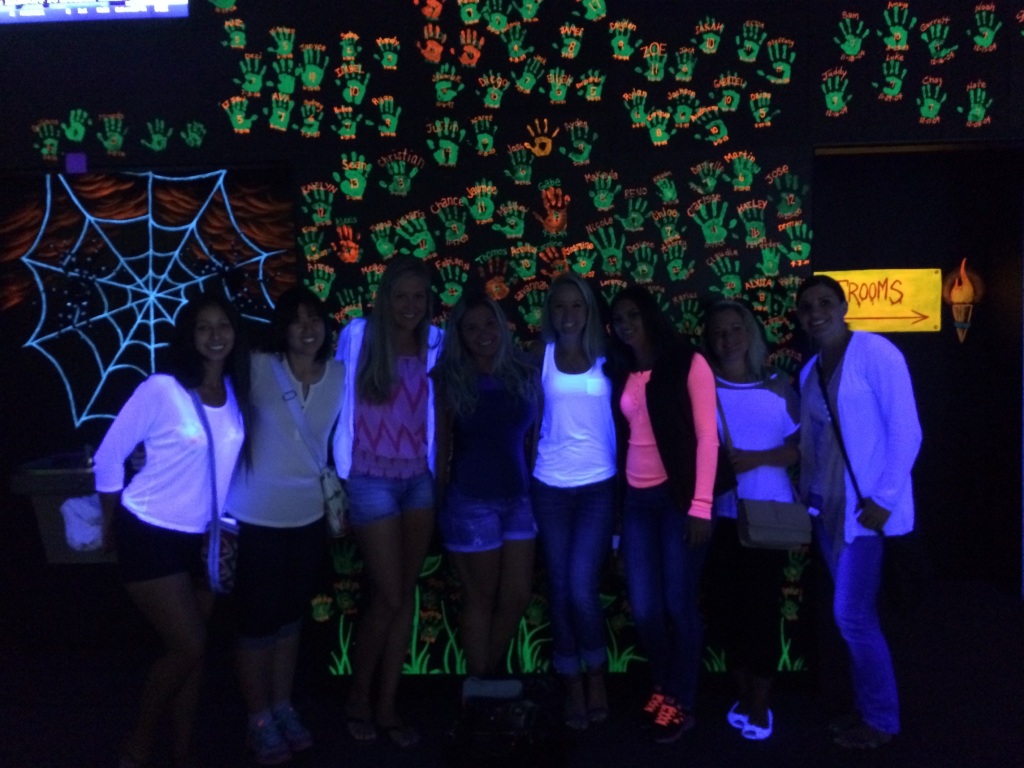
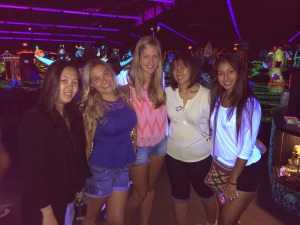
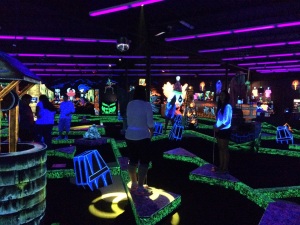
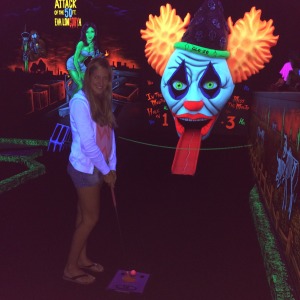
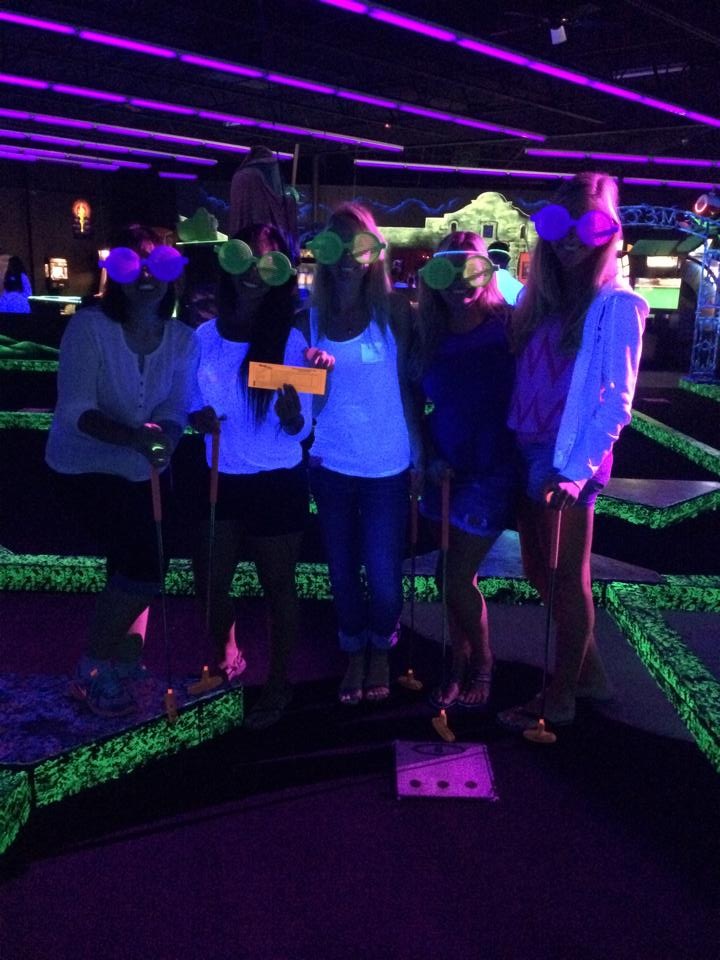
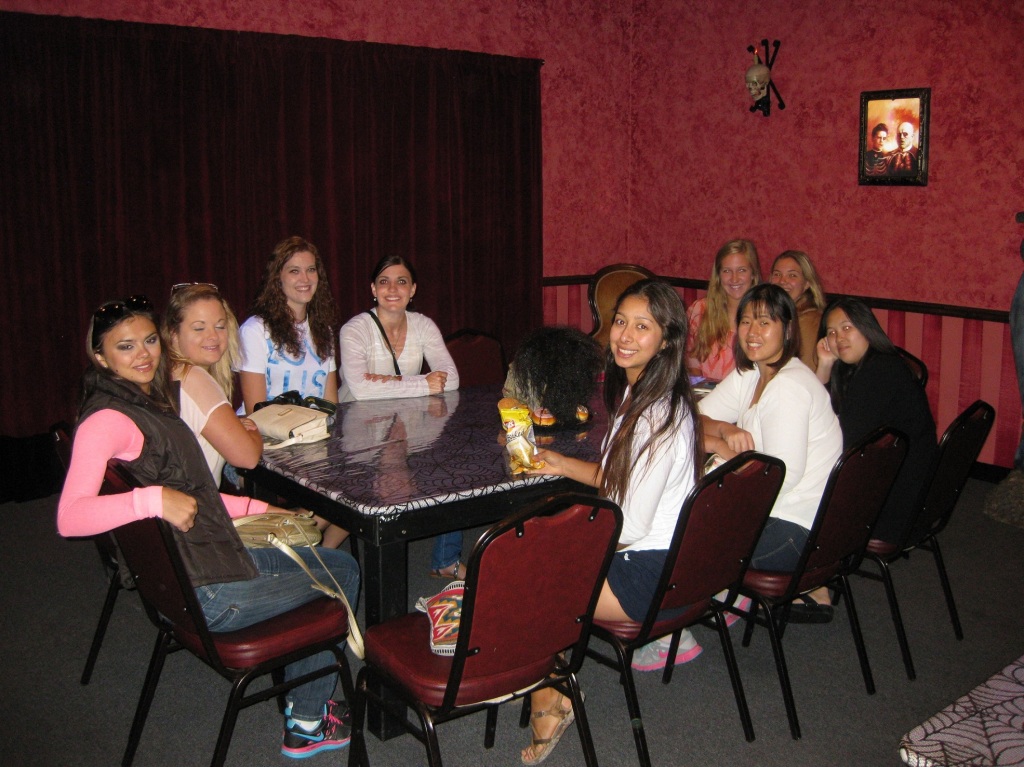
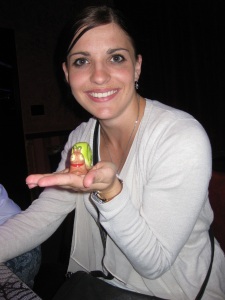
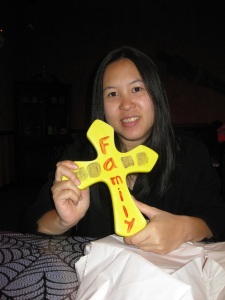
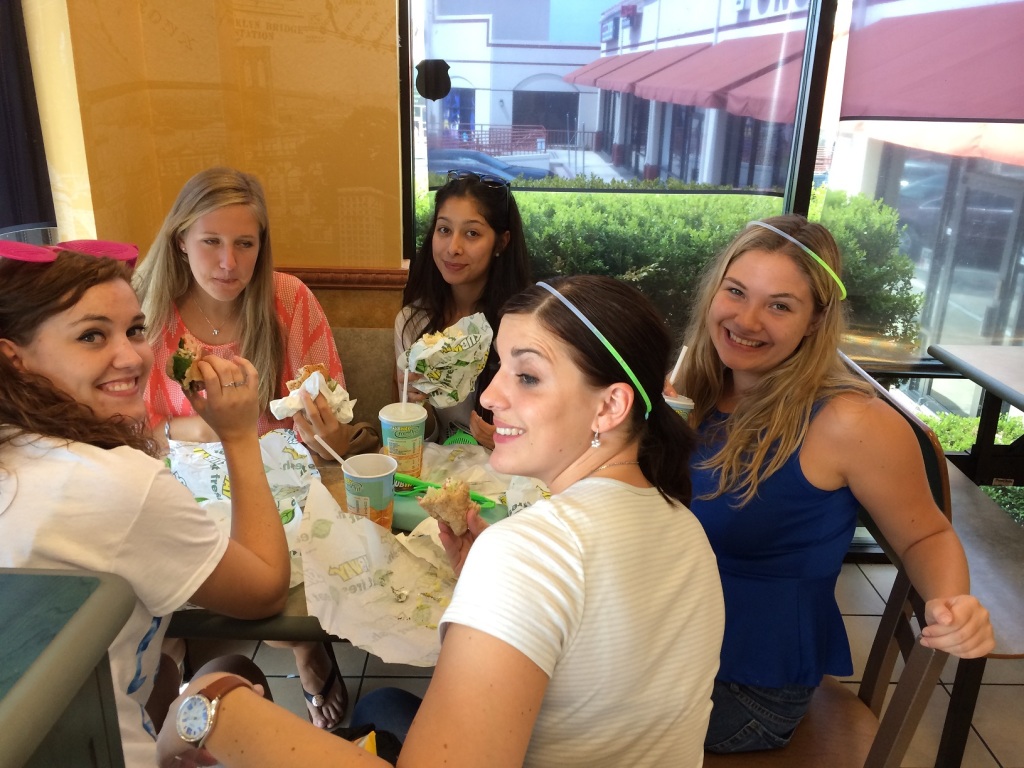
For this month’s cluster meeting we visited Monster Mini Golf (a themed glow in the dark 18 hole miniature golf course off NW Military Hwy). For many of the Au Pairs, this was their first time playing mini golf (they all did great!!) and it was a wonderful day of golf, conversation, and fun!

IMG_4805
From left to right: Johanna from Colombia, Nut from Thailand, Caroline from Sweden, Annerien from South Africa, Elena from Costa Rica (in pink), and then Zuzana and Hana from Czech Republic.

IMG_4812
IMG_4820
IMG_4844

IMG_4827
IMG_4831

IMG_4842
IMG_1199
IMG_1196 IMG_1197 IMG_1198
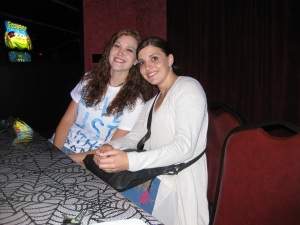
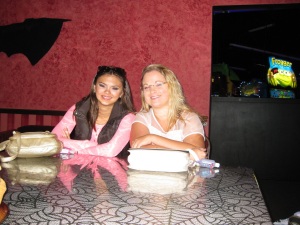
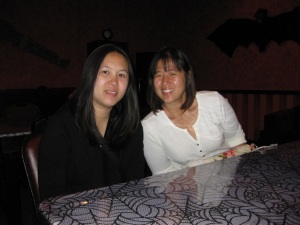
Ivet & Hana, Elena & Zuzana, and Saaynaam & Nut

IMG_1201IMG_1202IMG_1203
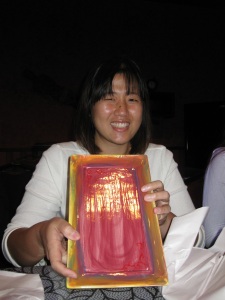
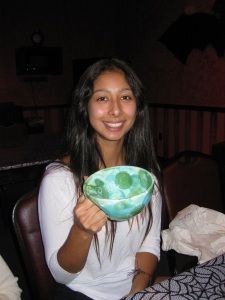
The girls showing of their Painted Plate projects 🙂

IMG_1204 IMG_1205

IMG_4832We stopped for some Subway after the game
Simple Ways to Shake Up Snack Time!!

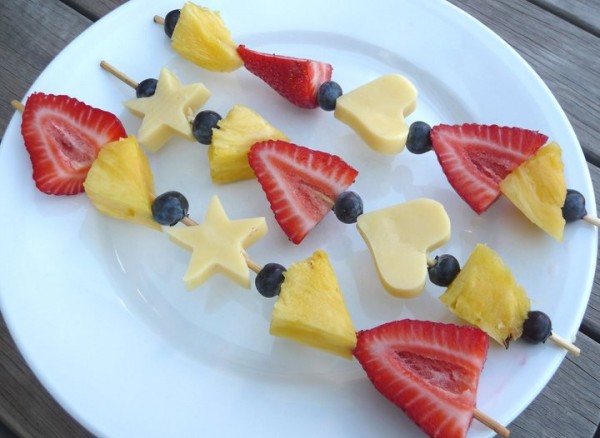
Whether it is your week for share-a-snack at school, or you are looking to tide over tiny tummies until dinner—snack attacks can leave you starved for ideas. If your crew craves something more creative than a bag of goldfish, satisfy small stomachs with a playful presentation. Here are eight simple solutions that take snacks from drab to fab—and might even introduce some new flavors to the mix.

Stick It To ‘Em

To view recipes, please visit:

http://redtri.com/eat-up-simple-ways-to-shake-up-snack-time/?utm_source=LB&utm_medium=morestoriesmissed&utm_campaign=inboundMorestoriesmissed

Caring for a Sick Child

When a child has less energy than usual, is unusually cranky, has less of an appetite, or just doesn’t seem him/herself, chances are the child is sick. Fever is a sign a child is fighting an illness or infection. Fevers are usually not serious and can be cared for at home. It is typical for younger children to run higher fevers than older children. Fevers are also often higher in the evening than in the morning. Be alert for rash, earache, stomachache or sore throat, as these may indicate more serious problems.

A child’s temperature can be taken orally, under the armpit, or with special thermometers only in the ear. Au pairs and host families should discuss the preferred method for that family. A child has a fever if the temperature is 99.4’F (37.4’C) when taken by mouth or under the arm. Be sure the thermometer is shaken down first, and left in place for 3 minutes in the mouth or 6-8 minutes in the armpit. Talk or read to the child while you are taking his/her temperature. Never leave a child alone with a thermometer.

When a child has a fever, he or she needs more rest than usual and should not be awakened. Quiet play is fine, but too much activity can aggravate a fever. Children should be dressed in light layered clothing. Liquids are very important – offer water, juice, fruit drinks, tea, popsicles, Jello or soup.

Some children might enjoy stirring their tea with a lollipop, or having soda as a special treat. Host families and au pairs should discuss appropriate medication and desired dosage. Do not offer children aspirin; consider instead acetaminophen or ibuprofen, but only with the approval of a host parent. If a child’s fever is over 103’F, a lukewarm bath might be comforting. If a child vomits, offer small amounts of liquids, but no dairy products. Within the first 24 hours the diet should be limited to clear liquids, bananas, plain white rice, applesauce and plain toast.

When children are sick they will need an extra dose of patience, attention, affection and comfort even more than they need medicine or special diets. Although basic rules and discipline should not change, a child may be more dependent on adults when he or she is ill. Extra imagination and creativity is needed to keep a sick child entertained with quiet pastimes. Children will welcome novelties – use a baking sheet as a tray to assemble a puzzle in bed or to keep crayons from rolling away; create a story with stuffed animals and a flashlight under a blanket.

Warning signs – It is time to ask for more help if a child:

• has a fever higher than 104’F (40’C)
• is very cranky, sluggish or doesn’t awaken easily
• has trouble breathing
• is confused, or vomits repeatedly
• is unable to swallow or is drooling
• has a convulsion or seizure
• has dry lips, sunken eyes, little or no urine or dark yellow urine