Category Archives: Uncategorized

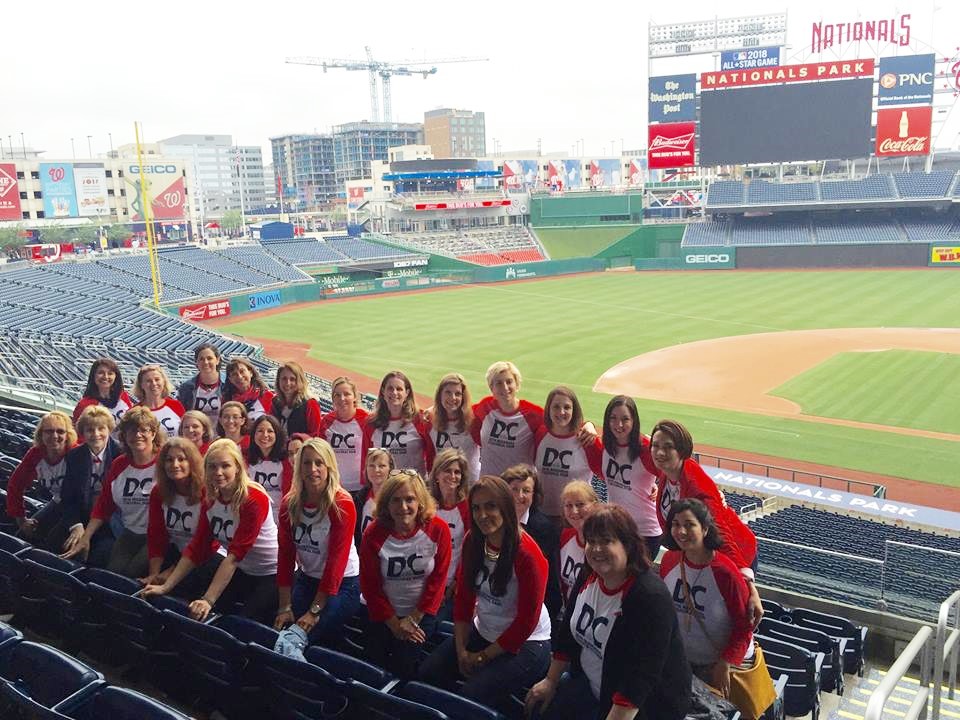
Au Pair In America is celebrating its 30th Anniversary!

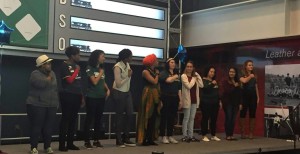
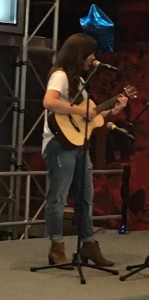
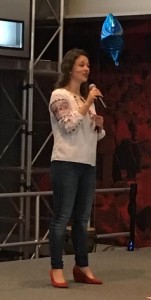
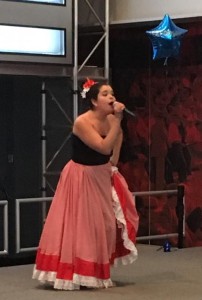
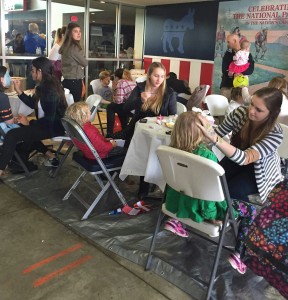
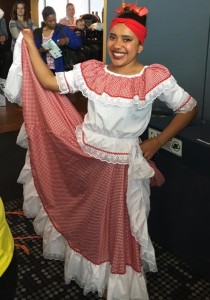
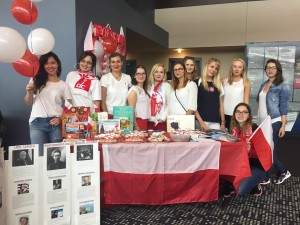
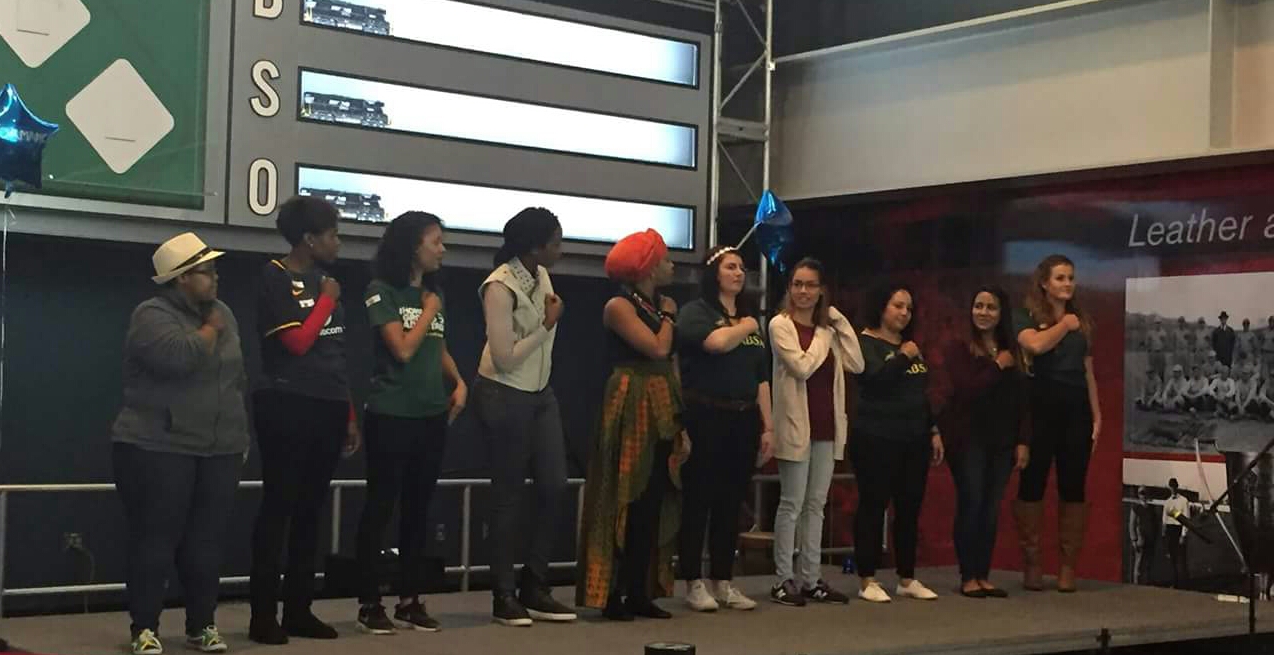
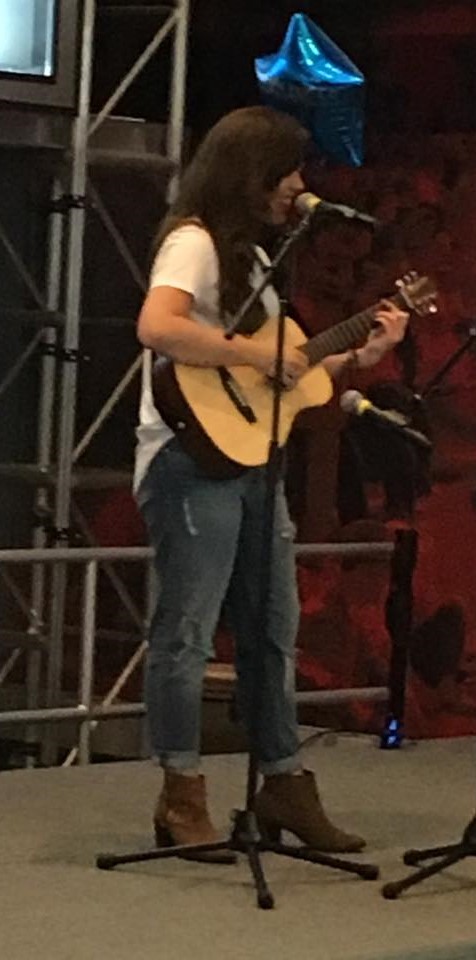
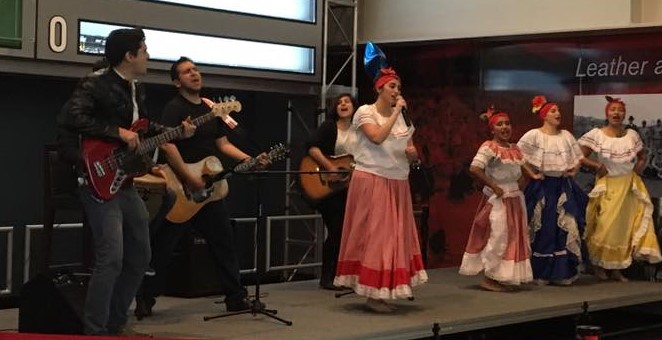
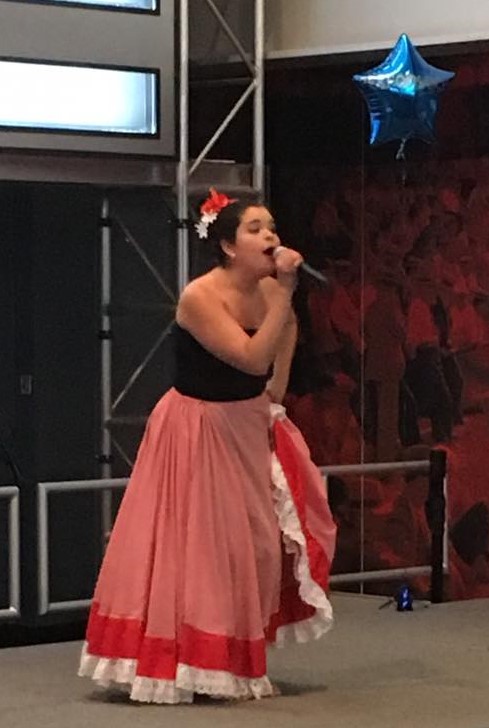
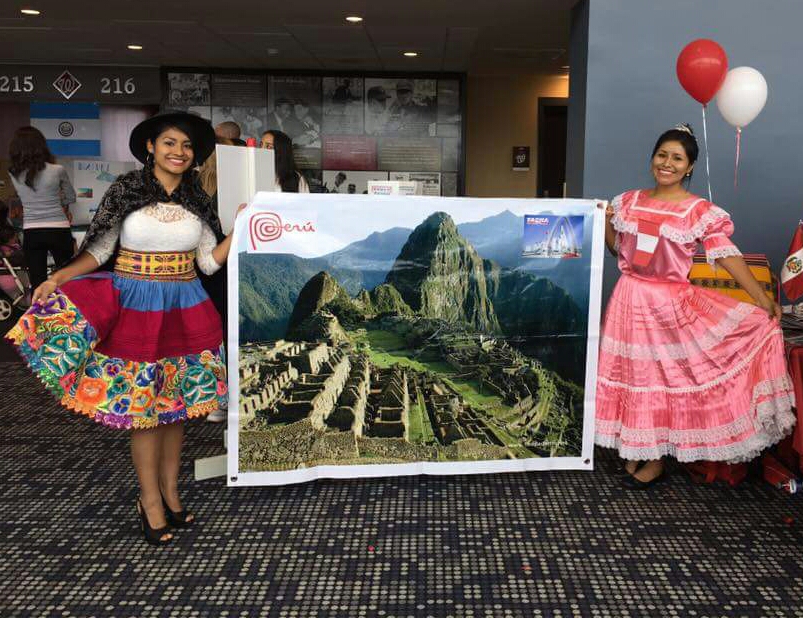
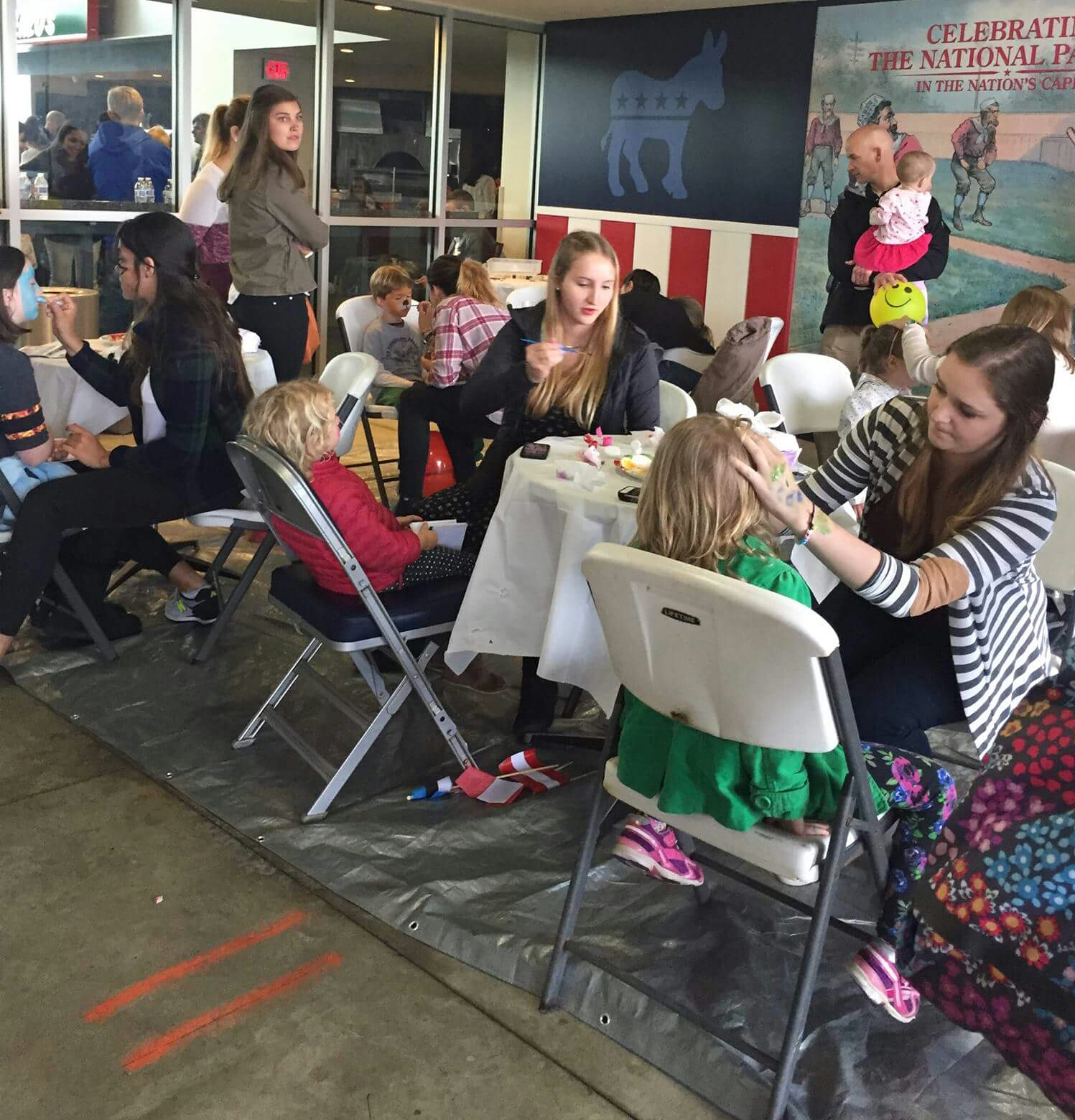
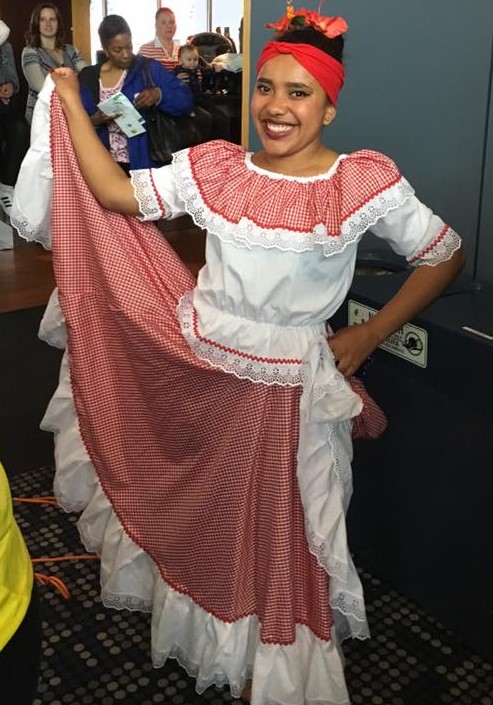
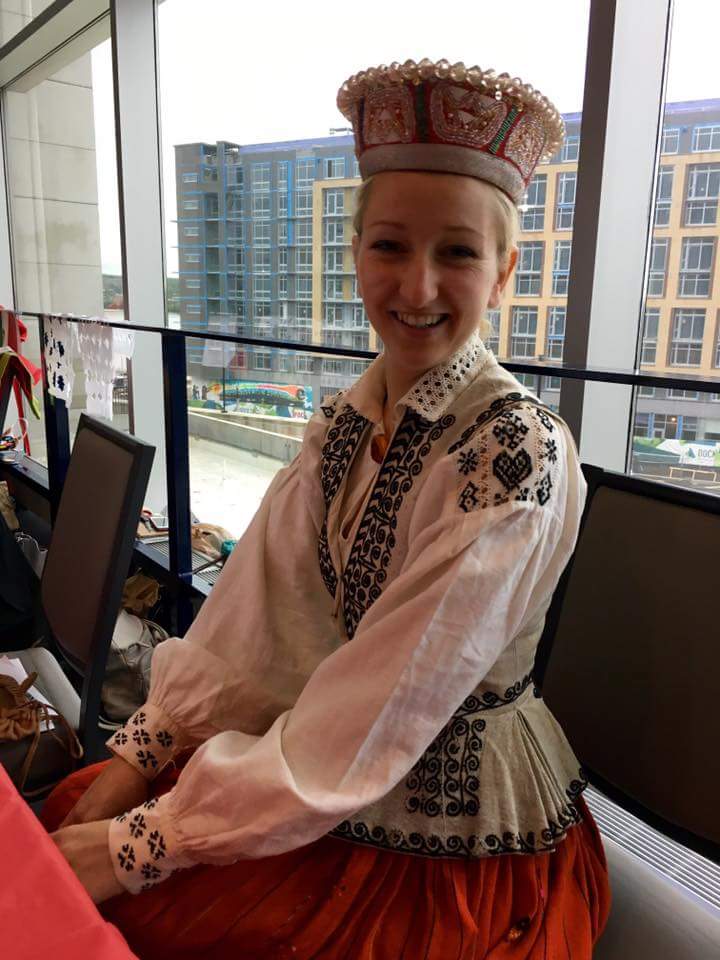
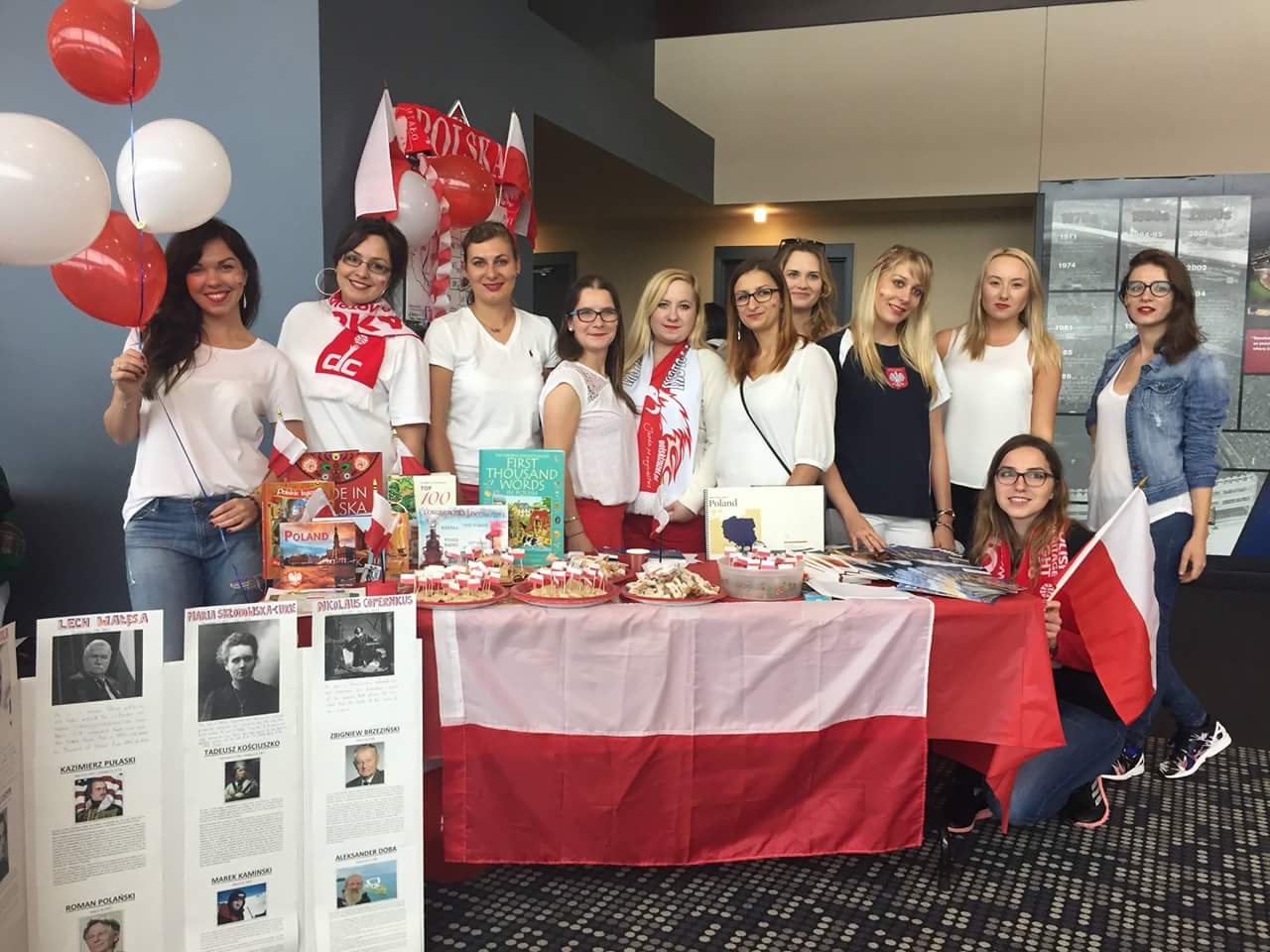
DC-metro-cutural-fair-save-the-date (1) (1)(1)Help us celebrate 30 years of Au Pair in America and the U.S. Department of State’s au pair program! You’re invited to a fun afternoon of educational country displays, performances by au pairs, a photo op, face painting, and other fun activities for children. Au Pair in America staff, host families and au pairs from over 30 countries will be in attendance. Come learn about the au pair program and enjoy a fun and educational afternoon!

Click HERE for more information


On our way to Spring!


IMG_1328


The days are starting to grow longer and warmer and children are able to spend more time outdoors. Go out and help them discover the wonders of Spring.

Put some string or yarn outside. Watch to see if it gets carried away to become part of a bird’s nest.

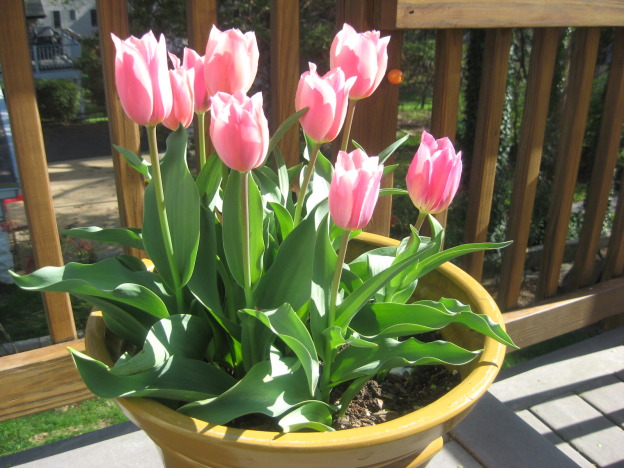
Watch for sprouts of early bulbs and look for buds on trees and bushes that are starting to swell. Cut small branches and put them in a vase of water in the house. Watch as the flowers or leaves start to unfold.

If you live near a pond , look for frog eggs or go to a nature center that has a pond. You can bring some home by putting pond water and a small clump of frog eggs in a container. Take some weeds from the pond too. About a week after they hatch , feed them fish food. When their back legs have grown put them back in the pond.

Take advantage of the spring breeze and blow bubbles, fly a kite or make a homemade pinwheel:

Draw an X  on a square piece of paper from corner to corner. Cut halfway along each line and fold alternate corners into the center. Overlap the points and connect it to a stick with a pin. A bead behind the head of the pin may help it to spin better.

Collect early Spring flowers and press them between sheets of newspaper weighted down with heavy books for a week or two. Once dry, arrange them on paper and glue them down –make greeting cards, book marks, or a picture.

SAFETY TIPS:

Children are in danger of being hit by a car if they dart out into the street while playing. Children should be supervised at all time when playing, especially in public places.

Children of all ages like to climb. They fall off play equipment and bicycles, down stairs and off furniture. Lock doors to dangerous places such as basement stairs, use gates on stairways  and window guards above the first floor.

HAVE A SAFE AND HAPPY SPRING!

SPRING BREAK IS ALMOST HERE

m4055543

Our au pairs seem to be quite on the go and will take this opportunity in the USA to travel and explore many places with or without their host families.

When traveling outside the United States, Au Pairs please make sure you have all your documents updated ( visa if needed for the country you are visiting, signed DS2019 for reentry into the United States and of course check your passport and visa to make sure it has not expired) . Let your community counselor know where and when you are traveling.

Also, if going to any of the countries/islands infected by the Zika virus, take all the precautions necessary. Click HERE to find out more about the virus and how to protect yourself.

Safe travel everyone and happy Spring Break!

TIPS FOR DRIVING IN EXTREME( AND NON-EXTREME) WEATHER

Sponsored by Ford Motor Company

Many factors can contribute to an automobile accident, and weather can set the stage for collisions. But it isn’t just inclement weather that can get the best of us while we’re on the road. Weather can affect driving at any time of the year.

The lingering effects of winter are still making vehicles susceptible to damage—just ask any driver who has cracked a wheel driving over a deep pothole. In addition, the storms this time of year bring slick roads, hail, strong wind gusts and flooding, all of which can affect your vehicle.

Here are a few weather conditions that can affect driving and some tips on how to drive in them:
Tips for driving in the rain:

  • Turn on your headlamps to help other drivers see you
  • Slow down and leave room for stopping
  • Avoid slamming on your brakes to help prevent skids
  • Don’t drive through standing water or flooded roads

When driving in fog:

  • Use low-beam headlamps to see and help others see you
  • Give yourself time to react when visibility is low
  • Avoid sudden stops in case there are vehicles behind you
  • Use the road edge or painted road marking as a guide

In sunny weather:

  • Use your visor to help block out the sun
  • Make sure your windshield is clean inside and out
  • Use your headlamps to help other drivers see you coming
  • Use lane markings as a guide when it’s too bright to see

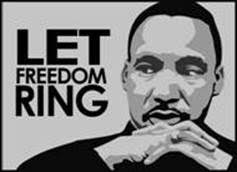
Celebrating Martin Luther King Jr.


Martin Luther King Jr. was the most important voice of the American civil rights movement, which worked for equal rights for all. He was famous for using nonviolent resistance to overcome injustice.  He also did all he could to make people realize that “all men are created equal.” Because of his great work, in 1964 King received the Nobel Peace Prize — the youngest person ever to receive this high honor. King was also a Baptist minister. He was assassinated in Memphis, Tennessee, when he was just 39 years old. His birthday is now observed as a national holiday on the third Monday in January. Congressman John Conyers first introduced legislation for a commemorative holiday four days after King was assassinated in 1968. Petitions endorsing the holiday containing six million names were submitted to Congress.  Public pressure for the holiday mounted during the 1982 and 1983 civil rights marches in Washington.  Congress passed the holiday legislation in 1983, which was then signed into law by President Ronald Reagan.

-1

“I have a dream that my four little children will one day live in a nation where they will not be judged by the color of their skin, but by the content of their character.”  – Martin Luther King

Here are some links with more information about the history of this holiday including a biography of Dr. King, a quiz for kids and a junior crossword.


http://www.infoplease.com/spot/mlkbiospot.html


http://www.infoplease.com/spot/mlkjrday1.html


To read the full I Have a dream Speech go to:

http://www.americanrhetoric.com/speeches/mlkihaveadream.htm


DECEMBER HOLIDAYS


Hanukkah (December 6 at sundown to December 14) ,Christmas (December 25) and Kwanza (December 26 TO January 1) are the major Holidays this month!

These holidays are a time of celebrating,giving and sharing. Our Arlington/Falls Church cluster is going to celebrate these holidays by attending a performance of the Nutcracker at the Warner Theatre and sharing some  Holiday Cheers at their community counselor’s home .

If you are looking to get into the holiday spirit,here are some crafts ideas,no matter what holiday you celebrate,but you can find more under seasonal crafts or under the seasonal calendar on the au pair resources site.

Pencil Can Gift For Mom Or Dad. Wash out a soup can or a juice can. Children can decorate can with paint, glue and noodles, buttons, yarn, etc. Let dry and wrap as a gift.

Make Wrapping Paper: Need plain brown wrapping paper or white tissue paper, paint, pan, and cookie cutters, apples or potatoes. Pour paint into pan. Dip cookie cutter shapes (or apples cut in half, or potatoes cut in half with a design cut into them) into paint and make prints on the paper.

Traditions: Tell the children how you celebrate special holidays in your country.

Holiday Cards: Need construction paper, markers, stickers, glitter, crayons, paint. Fold construction paper in half to create a card. Decorate. Help children write a message inside.

Chanukah

Hanukkah1

Chanukah (also spelled Hanukkah), a Jewish holiday, is known as the Festival of Lights. It is a celebration of religious freedom based on historical events that occurred more than 2100 years ago. It commemorates rebellion against oppression, the first serious attempt in history for a nation to accept religious and cultural diversity.

Chanukah is celebrated for 8 days during the winter with the lighting of candles in a special lamp called a menorah or hanukiah. It is also traditional to exchange gifts or gelt (Yiddish for money), in the form of real coins or chocolate wrapped in gold foil, and to play a game of put-and-take with a four-sided top called a dreidel. The Hebrew letters on the sides of the top stand for words which mean a great miracle happened there.

The traditional legend of the miracle of Chanukah is that a single day’s supply of oil burned for eight days in the Temple in Jerusalem. Because of this Jews eat foods fried in oil on Chanukah, most often fried potato pancakes, known at latkes, and doughnuts, called sufganiyot in Hebrew.

As the essence of Chanukah is about the acceptance of cultural diversity, it is particularly appropriate for au pairs to join in the celebration. Helping children make simple gifts for each other and for their parents, or making Chanukah decorations for the house can add to everyone’s enjoyment of the holiday.

Christmas :

images-2

Christmas or Christmas Day is a holiday observed generally on December 25 to commemorate the birth of Jesus, the central figure of Christianity. The date is not known to be the actual birthday of Jesus, and may have initially been chosen to correspond with either the day exactly nine months after some early Christians believed Jesus had been conceived, the date of the winter solstice on the ancient Roman calendar, or one of various ancient winter festivals. Christmas is central to the Christmas and holiday season, and in Christianity marks the beginning of the larger season of Christmastide, which lasts twelve days.

Although nominally a Christian holiday, Christmas is also widely celebrated by many non-Christians, and many of its popular celebratory customs have pre-Christian or secular themes and origins. Popular modern customs of the holiday include gift-giving, music, an exchange of greeting cards, church celebrations, a special meal, and the display of various decorations; including Christmas trees, lights, garlands, mistletoe, nativity scenes, and holly. In addition, several similar mythological figures, known as Saint Nicholas, Father Christmas and Santa Claus among other names, are associated with bringing gifts to children during the Christmas season.

Kwanzaa:images


Kwanzaa, or “First Fruits of the Harvest,” is an African-American and Pan-African holiday which celebrates and strengthens community, family and culture over a period of seven days. Kwanzaa begins December 26th. Each day, a principle of Kwanzaa is celebrated.

In order to appropriately cite these principles, the officialkwanzaawebsite.org describes these 7 Kwanzaa Principles, authored by Maulana Karenga, in this way:

Umoja or Unity: To strive for and maintain unity in the family, community, nation and race.

Kujichagulia or Self-Determination: To define ourselves, name ourselves, create for ourselves and speak for ourselves.

Ujima or Collective Work and Responsibility: To build and maintain our community together and make our brother’s and sister’s problems our problems and to solve them together.

Ujamaa or Cooperative Economics: To build and maintain our own stores, shops and other businesses and to profit from them together.

Nia or Purpose: To make our collective vocation the building and developing of our community in order to restore our people to their traditional greatness.

Kuumba or Creativity: To do always as much as we can, in any way we can, in order to leave our community more beautiful and beneficial than we inherited it.

Imani or Faith: To believe with all our heart in our people, our parents, our teachers, our leaders and the righteousness will victory of our struggle.

Note that the 7 Principles incorporate the words first in Swahili and then English.

DRIVING TIPS

Weather is Unpredictable, Just Like the Accidents It Can Cause.

Weather and other conditions don’t have to be a factor in accidents. Keep these tips in mind when you’re driving in any weather condition, anywhere, anytime.

  • Rainy

    • Turn on your headlamps to help other drivers see you
    • Slow down and leave room for stopping
    • Avoid slamming on your brakes to help prevent skids
    • Don’t drive through standing water or flooded roads
  • Foggy

    • Use low-beam headlamps to see and help others see you
    • Give yourself plenty of time to react when it’s hard to see
    • Avoid sudden stops in case there are vehicles behind you
    • If visibility is really low, use the road edge or painted road markings as a guide
  • Sunny

    • Use your visor to help block out the sun
    • Make sure your windshield is clean inside and out
    • Use your headlamps to help other drivers see you coming
    • Use lane markings as a guide when it’s too bright to see
  • Snowy

    • Accelerate slowly to avoid spinning on snow
    • Take your time and leave room for stopping
    • Make sure your windshield wipers work and you have washer fluid
    • Don’t drive if you don’t have to
    • Icy

      • Accelerate slowly to help keep your tires from spinning on ice
      • Take your time and leave plenty of room for stopping
      • Make sure your windshield wipers work and you have washer fluid
      • Don’t drive if you don’t have to
    • Night

      • Make sure your windshield is clean inside and out to reduce glare from other vehicles
      • Check your head- and tail-lamps to make sure they are all working
      • Pay attention to signs to help anticipate turns, stops and winding roadways
      • Give yourself plenty of time to react when it’s dark and hard to see

      TIPS SPONSORED BY FORD MOTOR COMPANY

THANKSGIVING

-2
This year,Thanksgiving will be celebrated on Thursday,November 26!

A uniquely American holiday, Thanksgiving dates back to the first European settlers in North America.
After much hardship, illness and hard work, the Pilgrims were finally able to celebrate a successful harvest which they shared with their Native American friends who had helped them through their difficult beginning in America.
Today this day is set aside to feast and to give thanks-something we can all share, as we too celebrate our cross-cultural friendships.

Some activities to share with the children :

Maple-Nut-Berry Popcorn Balls ( for children ages 3 and older): Add some chopped walnuts and raspberries, blueberries or blackberries. Add enough melted butter to lightly coat popcorn. Stir. Pour maple syrup over the warm popcorn and stir until all the corn, nuts and berries are covered. Shape the sticky corn into balls and place on a plate to refrigerate until the syrup hardens.

Thanksgiving cards and place cards: Fold a piece of paper in half, place a leaf on the inside and close the card. Use a crayon to rub lightly across the front of the card in the area where the leaf is. The shape of the leaf will appear on the outside. Remove the leaf. Write a name on the front for a place card, or a message inside for a Thanksgiving card. Older children might want to make more sophisticated designs using more than one leaf.

Make a chain of paper doll (adults should do the cutting): Fold a piece of paper back and forth over and over again with a width between folds of 2-3 inches. With the paper folded cut out a shape of a person, make sure that the hands and feet touch the fold, but don’t cut through the fold. When you unfold the paper there will be a line of people holding hands. Children ages 3-10 can color the figures to look like Pilgrims(men wore big white collars, belts with buckles, and buckles on their shoes, pants to their knees; women wore white hats and aprons over solid color dresses) or Native Americans (draw feather headdresses and brightly colored geometric patterns on their clothes).

Tree of Thanks: This Thanksgiving tree is bound to become a new holiday tradition.
Trace leaves onto autumn colored craft’s paper and cut out. Punch a hole into the stem of each paper leaf. Measure and cut a 2” length of wire or twine for each leaf. Thread it through the hole and bend the ends to make a hook for hanging. Place the tree branches in a pot or vase. Let the children or/and guests choose a leaf or two and ask them to jot down things that they are thankful for.

-1

HOMEWORK


banner_homework.jpg

Au Pairs will often help their host children with homework. Here are some important hints to help make it a great experience for all!

#1In order to do your job successfully, you must know the host parent’s rules and expectations. Ask the following questions:
When is homework to be completed?
Where is homework to be done?
What supplies are available for the student?
Where shall I be when the student is doing homework?
What about music? Is that allowed while doing homework?
How much time is expected?
What about breaks?
Who will review the homework?
What if a child does not cooperate?

#2 Sharing the rules…ask for a meeting with host parents, you and children to review rules and expectations with everyone listening.

#3 Reviewing the situation…Remember to keep your host parents informed about homework issues.What is going well and what needs to be improved

GETTING STARTED EACH DAY:

#1.Take care of the basic needs: does your child need a snack or a rest? does he/she needs to touch base with mom or dad?
#2.Help your child prioritize the day’s assignments
#3.develop a schedule for the day
#4.Have the child identify what he/she can do alone, what he/she needs help with.

GUIDING THE PROCESS…Doing the homework is your child’s job. Helping if your child is having problems is your job.
Give specific praise-“that’s a great first draft”
Give constructive criticism-“your teacher will understand your ideas better if you use your best handwriting”
Be available to answer questions, read over directions together,help your child divide a challenging task into smaller pieces,be the audience as your child practices spelling or reading.