
The changing seasons offer one of nature’s most accessible lessons in resilience—a built-in, recurring reminder that transitions are survivable and that something new always follows. For children, learning to find comfort in the rhythms of the natural world is an early and gentle way to develop emotional tools they’ll need for life’s bigger transitions too, such as a new school, a move across the country, or a sibling on the way. The same quiet confidence that helps a child greet the end of summer without dread can carry them through the moments that feel much harder to weather.
Whether you have a child who has trouble adjusting to seasonal change, or you’re simply looking for ways to help your children adapt to change more gracefully, these ideas are a great place to start.
Explore these strategies for teaching resilience to kids and helping your whole family grow through change—all year long.
Why Seasonal Transitions Affect Children
Children flourish when they have a routine. The predictability of daily life gives them a sense of safety, and when that predictability shifts—even in small ways—it can trigger anxiety, resistance, or emotional dysregulation. Seasonal transitions cause changes in light, temperature, and daily routines that can have profound effects on many children.
- The transition from winter’s calm to the excitement of spring can be overstimulating, leading to hyperactivity, mood swings, and difficulty concentrating for some children. The shifting weather, busier schedules, and onset of allergies can create emotional overload—throwing children off balance.
- While summer may be some children’s favorite season, the sudden drop out of the school routine can be jarring for others, leaving them feeling anxious or out of control.
- As summer turns to fall, it can be hard to readjust to the school schedule and get used to waning sunlight and cooler temperatures.
- Finally, the transition to winter (and the season as a whole) can be especially tough for children and parents alike. Early sunsets, more time spent indoors, and less activity after the holidays can lead to the winter blues, which may include increased irritability, lower energy, and trouble sleeping.
Helping Kids Process Change
A great first step in helping kids adapt to change is giving them the language to talk about it. Children who can put a name to their feelings (sadness, excitement, worry, etc.) are far better equipped to move through them than children who can’t. Communication is key, and giving your children the opportunity to express their emotions can have a profound impact.
Whether you’re helping your children adjust to a new season or your family is undergoing a life transition, here are a few practices that can help:
- Maintain routines: One of the best ways to help a child process a big change is to provide stability through familiar routines. When schedules shift due to a new season or major life transition, making time for the familiar—a nightly bedtime story, Friday night pizza, or a sunset walk with the dog—can go a long way.
- Remind them of upcoming change: This includes daily transitions, in addition to longer-term ones. For example, in the evening, you may gently let them know that bedtime is in an hour, and again when it’s 15 minutes away. Removing surprises can be a big help.
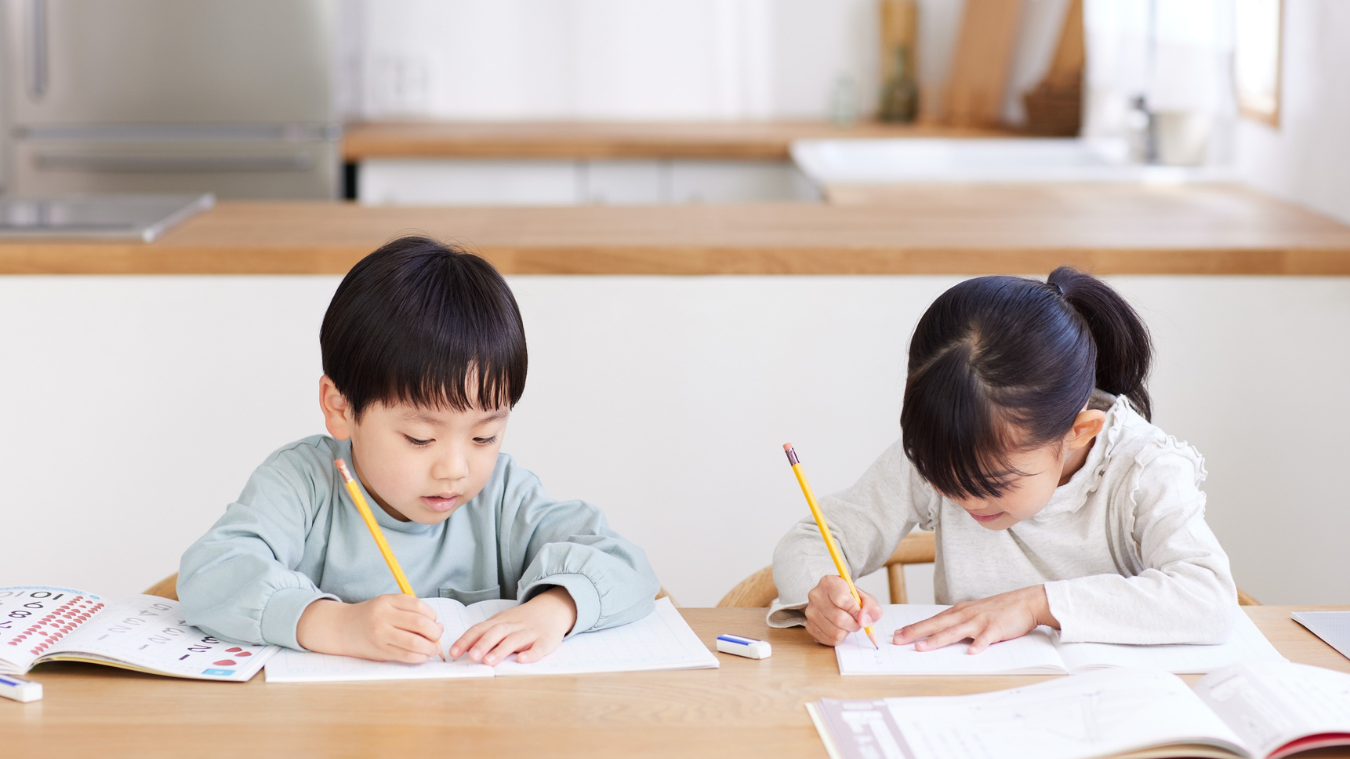
- Create a “change journal:” Invite your children to track one thing in nature that’s changing each week. This can be a few words about their favorite tree in the backyard or a weekly sketch of the garden. Over the course of the season, they’ll have a visual record of transformation that mirrors their own capacity to grow.
- This also translates easily into personal journaling, which is a particularly great tool for older school-aged children. By then, they’ll already be in the habit of observing change and writing about it or visualizing it, helping them to process their feelings on paper and have a physical record of their progress.
- Name the difficulties: When your child is struggling during a transition, resist the urge to rush past the discomfort or minimize it. Instead, acknowledge it and validate it, and encourage them to be vocal about what challenges they’re facing.
- Find good replacements: Sometimes a transition that takes something familiar away can open the door to a great alternative. For example, if your child is upset the ice rink is closed for the season, roller skating might be the perfect alternative.
- Praise good transitioning: Whether they’re visibly struggling or taking a change in stride, it’s important to verbally recognize your child for their progress. A simple acknowledgement of how well they’ve handled a transition can help them better manage future challenges down the line.
This also translates easily into personal journaling, which is a particularly great tool for older school-aged children. By then, they’ll already be in the habit of observing change and writing about it or visualizing it, helping them to process their feelings on paper and have a physical record of their progress.
- Be spontaneous: While routines are important, life should include new activities and experiences—and there’s no better time to start than during a transition. This can include trying new food (like these dishes from around the world!), exploring a different park, or trying out a new family tradition just to mix things up.
- Encourage problem-solving: Rather than presenting a solution right away, lead your child through the process of solving a problem on their own. Are they upset that the forecast may ruin their outdoor birthday plans? Ask them if they’d be open to something different. Besides playing outside, what else do they like to do with friends?
- Practice mindfulness: For people young and old, incorporating more mindfulness can be truly transformative. It doesn’t have to be some huge lifestyle change; just taking a few moments each day to step back, take some deep breaths, and pay attention to their mind, body, and surroundings can work wonders. Plus, breathing techniques can help clear the storm clouds when things get emotional.
- Let them make decisions: Within reason, allow your children to make their own choices, even when you disagree. If challenges do arise, this will help them build resilience and figure out their own solutions on their own.
Encouraging Adaptability
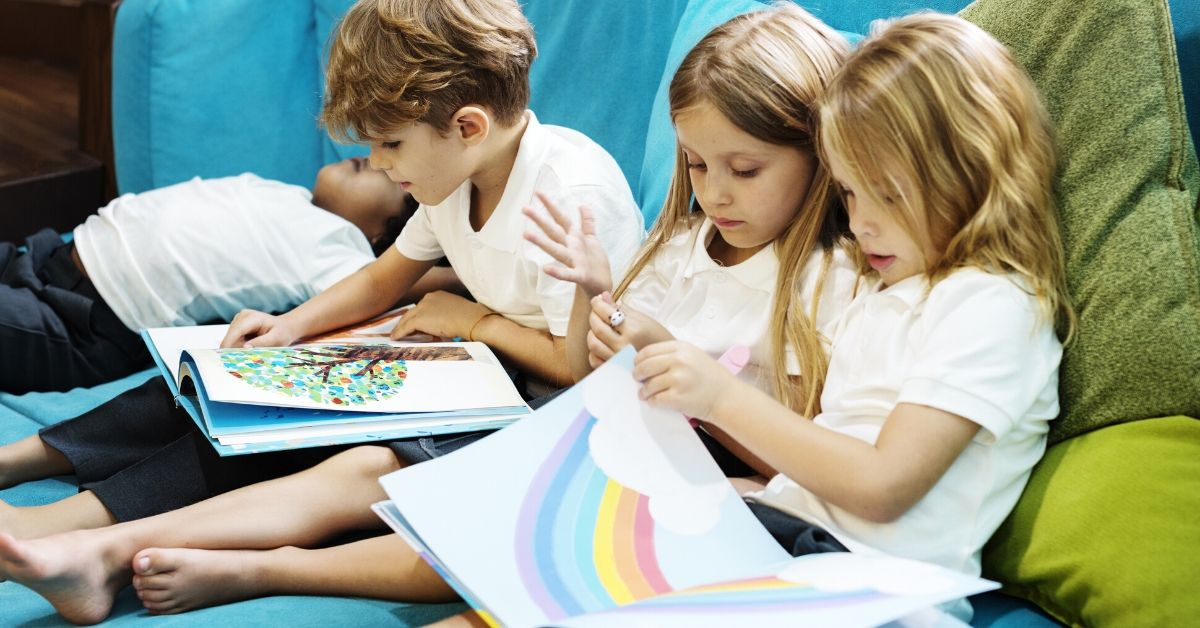
Adaptability isn’t about being unbothered by change—it’s about making small adjustments and being flexible, like a tree bending with the wind, rather than staying rigid and snapping. Children who develop some level of adaptability tend to be more confident in new situations, more empathetic toward others going through hard times, and more willing to try things that feel unfamiliar.
The cycling seasons teach us that adaptability is crucial and change is unavoidable. A child who wants to spend all day outside in the heat of summer must change their habits come winter, but ensuring these habits change requires them to adapt.
Here are some simple ways to encourage adaptability:
- Be spontaneous: While routines are important, life should include new activities and experiences—and there’s no better time to start than during a transition. This can include trying new food (like these dishes from around the world!), exploring a different park, or trying out a new family tradition just to mix things up.
- Encourage problem-solving: Rather than presenting a solution right away, lead your child through the process of solving a problem on their own. Are they upset that the forecast may ruin their outdoor birthday plans? Ask them if they’d be open to something different. Besides playing outside, what else do they like to do with friends?
- Practice mindfulness: For people young and old, incorporating more mindfulness can be truly transformative. It doesn’t have to be some huge lifestyle change; just taking a few moments each day to step back, take some deep breaths, and pay attention to their mind, body, and surroundings can work wonders. Plus, breathing techniques can help clear the storm clouds when things get emotional.
- Let them make decisions: Within reason, allow your children to make their own choices, even when you disagree. If challenges do arise, this will help them build resilience and figure out their own solutions on their own.

How Cultural Exposure Builds Flexibility
One of the most effective ways to build adaptability in children is through exposure to different cultures, perspectives, and lifestyles. Children who grow up understanding that there is more than one way to celebrate a holiday, prepare a meal, or mark the changing of a season develop a mental flexibility that serves them well beyond childhood.
Cultural exposure teaches children that difference is not a threat—it’s an invitation to learn more. A child who has learned to play a game from South Africa, tried a traditional recipe from Brazil, or heard an Irish folk tale has expanded their awareness of the world and what’s possible.
For families who want to build cultural awareness and flexibility, hosting an au pair is one of the most exciting ways to do it. When someone from another culture joins your household, cultural exchange becomes part of your everyday life. The differences in how your au pair approaches things—from daily routines to seasonal celebrations—gently stretch your children’s sense of what’s normal, and in doing so, make them more comfortable with change in general.
Spring as a Mindset
While change can be observed during every season of the year, it’s especially visible during spring—the neighborhood trees exploding with dots of green, that stubborn pile of snow finally melting on the first warm day, a flock of birds returning from their southern migration. That visibility makes spring an ideal teaching tool and can show children that change is inevitable and it’s often the start of something good. Rather than resisting change, the best way to adapt is to embrace it—to greet more sunlight and warmer temperatures with more outdoor activities and exploration or to meet the cold of winter with longer story times or a new indoor sport.
Parenting through transitions is challenging. It requires patience and consistency, a willingness to sit with uncertainty, and to remain a constant source of support amid your children’s shifting emotions. But spring also teaches that sometimes life’s biggest storms—those that threaten to wash us away—may be just what dormant roots need to grow. And no matter what, we can recognize that summer is just around the corner.
By teaching your children to adapt to change, rather than avoid it, and trust the process of growth, you provide them with lessons they’ll carry forward for many seasons to come.
This season, grow together—host an au pair with Au Pair in America.
Every parent knows that children come with their share of surprises (sick days, injuries, and unexpected schedule changes, to name just a few). While you can never eliminate uncertainty entirely, hosting an au pair is one of the most effective ways to build more flexibility into your family’s daily life. An au pair provides reliable live-in childcare that adapts to your family’s needs—but more than that, they become a natural part of your household, getting to know your children on an intimate level and showing up consistently through whatever the season brings.
As Au Pair in America host families will tell you, the benefits go beyond childcare. Every au pair arrives with new perspectives, traditions, and experiences that gently expand your children’s world, helping them grow into curious, adaptable kids who are comfortable with change and open to what’s new. This season, bend (don’t break!) with trusted intercultural childcare—right at home.
