Category Archives: Host Family Info

Avoiding Homesickness this Holiday Season

Homesickness can be a problem during the holidays, even if it hasn’t been at any other time of the year. Au pairs often miss their friends and family, familiar places and their own traditions and customs. The holiday activities in the United States seem, and may actually be, different just at a time when an au pair would welcome something familiar. 
It is common for au pairs’ emotions to be close to the surface during the holidays. Her highs are higher, her lows are lower. The enormity of what she has done–actually living in another country (which is an amazing thing when you think about it!)–hits her and throws her into a self-protective mode.

Host parents can help her through this unfamiliar territory by talking to her about what your specific family activities will be (gifts, meals, visitors, religious services, in-home traditions, or none of these, as the case may be.) In the spirit of cultural exchange, ask her if she has any favorite holiday traditions or foods that you might be able to incorporate into your family’s celebration of the season. Let her know what you will be doing, when you will be doing it, and what she can expect. Talk to her about what has to be accomplished and get her involved and interested. Don’t expect her to just “know” what needs to be done. Give her some clear, agreed upon assignments. Make her feel a part of things. And, let her know her contribution is needed and appreciated.

Photo: Sheila Sund (Flickr)

5 Thanksgiving Tips for Au Pairs & Host Parents

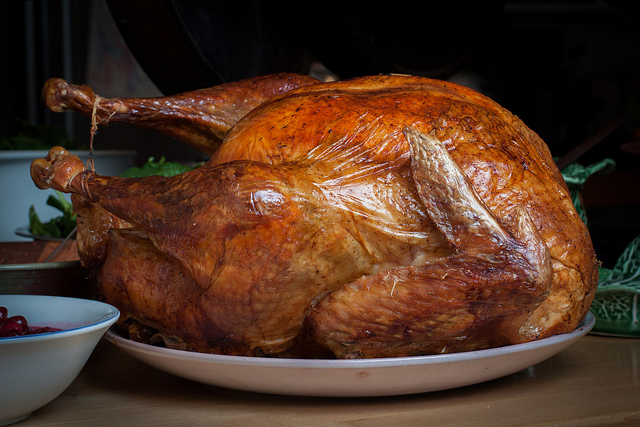
Thanksgiving is celebrated on the fourth Thursday of November each year. Even though a few other countries also celebrate Thanksgiving, it’s still considered a uniquely American holiday, one that the au pairs look forward to experiencing. You can learn more about it here.

I really enjoyed Thanksgiving with my host family. It was as I imagined! So much food to try. Everyone got dressed up and shared what they were thankful for. It was so warm and special. The next day we began to prepare for Christmas. It was magical.” Selina from Germany

Below you will find some tips to help you have a terrific Thanksgiving experience.


Host Parents

1.  Please plan to include your au pair in your Thanksgiving celebration, if at all possible. Thanksgiving with an au pair offers an opportunity to consider the relevance of the history and meaning of Thanksgiving as you compare the hospitality offered by the Native Americans to the recently arrived Pilgrims and the hospitality you offer your au pair.

2.  If you are traveling or will not be able to invite your au pair to join you for Thanksgiving, give her plenty of notice and help her make alternate plans. You don’t want to leave your au pair alone over the holiday.

Au Pairs

3.  If you are invited to attend dinner, please let your family know within 5 days of the invitation, whether you are planning to attend. It is considered rude in America to accept the invitation for dinner and then change your mind later in the month. Please be thoughtful.

4.  Make sure to discuss time off during this holiday weekend. Many host families work the Friday after Thanksgiving so do not assume you have this day off or the entire weekend. Talk to your host family, BEFORE you make any plans.

5.  If your host family is unable to include you in their Thanksgiving plans, please let me know if you have trouble making other plans. You may be able to join a friend and their host family for the holiday dinner.

Bonus Tip for the Kids

If you are looking for a fun recipe to make with your au pair, check out these turkey cupcakes. Find more fun activities and recipes on the Au Pair in America Fall Holidays pinboard.

Photo: Tim Sackton (Flickr)

Preventing Dehydration in Hot Weather

Dehydration means that the body lacks the necessary amount of fluid. Infants and small children are more likely to become dehydrated than older children or adults, because they can lose relatively more fluid quickly.

Here are some steps to take to make sure children remain hydrated in the summer months:

  • Encourage your child to drink plenty of water. On hot days, children should drink significantly more water than usual, as they are losing more due to the heat.
  • Do not wait until your child is thirsty to give him water. By the time they feel thirsty, they are already becoming dehydrated.
  • If your child is resistant to drinking enough water, have other liquids on hand for your child to drink throughout the day.
  • Be alert to changes in behavior. A child may act confused or more irritable when they are becoming dehydrated/overheated. Get them into cooler temperatures and drinking more fluids.
  • Dress your child in lightweight clothing in the summer months, particularly if she’ll be playing outdoors in warm weather. You may also consider clothes that are well ventilated as they do not trap heat close to the body.
  • When there are heat and/or air quality advisories because the weather is dangerously hot, you should avoid taking the children outdoors. Check with your host parents for further guidance on this topic.

Remember to follow these tips for yourself too, so you stay well hydrated.

Photo: Darwin Bell (Flickr)

Holiday & Vacation Reminders

“Rest and be thankful.” – William Wordsworth

Holidays and vacations are a great opportunity to rest, recharge and explore the U.S.

Memorial Day Weekend is the unofficial start of summer travel season. Here are some reminders about program rules regarding holidays and vacations.

Holidays

  • Host families are not required to give au pairs any specific holidays.
  • Each host family will make different arrangements on holidays, some au pairs will be off and others will be required to work.
  • Au pairs should not make plans for holidays without checking with your host family first.

Vacations

  • Au pairs earns 2 weeks of paid vacation during the course of her year.
  • Vacation time should be mutually agreed upon.
  • All vacation should be preplanned (at least 4 weeks in advance.)
  • All au pair’s friends and/or family visits/vacations should be pre-approved prior to purchasing tickets.
  • If an au pair travels with her host family, it should be discussed in advance whether this is the au pair’s vacation or if she is working.
  • If an au pair travels with the host family to work, the host family is required to pay for her transportation, lodging and meals.

Important: If an au pair is traveling outside of the U.S., she must have her DS2019 signed (travel validation) PRIOR to her departure from the US. More information about this may be found here on the Au Pair in America website.

Photo: torbakhopper (Flickr)

Handling Expenses

Host parents often ask for suggestions on how best to handle common expenses that occur as au pairs are caring for the children.

Miscellaneous Expenses

There are different ways to handle the little day to day expenses that come up.  Things like when an au pair takes the kids out for ice cream or picks up a gallon of milk.  Some families keep a cookie jar fund, a little cash that they set aside weekly or monthly for these types of expenses. Others give their au pair a prepaid debit card for this purpose. Below are some suggestions for avoiding problems with expenses.

Host Families

  • It’s important to be clear about how long this money should last and what types of expenses are approved.
  • Let the au pair know whether or not you expect receipts.

Au Pairs

  • Only spend the money on approved expenses.
  • If it is something you are not sure about, ask first.
  • Put your receipts in the cookie jar in place of the money to avoid any confusion.

Gas and Fare Cards 

Host families are responsible for the au pair’s transportation costs: to and from classes, cluster meetings and when driving the kids.

It is a good idea to figure out how much gas an au pair will use for these trips and either put gas in the car or give a gas allowance.   If your au pair is riding to classes or cluster meetings with another au pair, you should offer to share the cost of gas.

Au pairs are responsible for their own transportation at all other times.  You should replace the amount of gas used for personal use.

Photo: Andrea Travillian

Au Pair of the Year Award

Host families!

There is a great way to acknowledge your au pair: entering her into our Au Pair of the Year contest. The spirit of cultural exchange, community connectedness and exceptional childcare are just some of the qualities we look for in our Au Pair of the Year.  This is one of our favorite projects of the year, we get to read incredible stories and experiences that highlight our au pairs and their achievements on the program.  The requirements are basic:

  • An essay from the host family of 500-800 words
  • The au pair must have been an au pair in 2015
  • Entries should be submitted by email to aupairoftheyear@aifs.com
  • Deadline is December 31st

Winners Receive:

  • First place, round trip tickets to visit their host family within 2 years of their departure
  • 2 Runners up receive 1 roundtrip ticket
  • All nominees receive an nomination acknowledgement letter and certificate

Check out the website we have put together with all the details of the competition.  We want as many nominations as possible!

http://www.aupairinamerica.com/aupair_of_the_year/index.asp


Host Family Day at Gillette Stadium

Boston area community counselors held their annual host family day last weekend at Gillette stadium in Foxboro.  Host families and their au pairs were invited to a tailgating party before the soccer game.  We had a beautiful sunny day for it.

The annual host family day satisfies the State Department requirement for host families to attend an annual host family workshop.   It provides an opportunity for host families to connect to other families in the program and to discuss aspects of it.     For more photos please go to Host Family Day.

Boston area counselors with marketing director Blair Weinberg

Boston area counselors with marketing director Blair Weinberg

September National Prepardness Month

Au Pair in America cares about safety and has a partnership with the Red Cross. We want to help keep our families safe and prepared all year. The American Red Cross has named September as National Preparedness Month. The purpose of National Preparedness Month is to stress the importance of creating a family disaster plan in order to be prepared in case of an emergency or national disaster. Families should be prepared for all types of emergencies, this includes a fire, winter storm, tornado, hurricane, etc. Developing a national disaster  plan is extremely important for every family to have. Every household should have the following covered:

  • Where to meet if a disaster happens (be prepared to lose cell service)
  • An emergency kit prepared for the home and car

Your emergency kit should include:

  • Identification for all family members (Social Security card, passport, license, etc.)
  • First aid kit
  • Water
  • Food
  • Flashlight
  • Batteries
  • Local Maps
  • Manual can opener
  • Wrench or pliers to turn off utilities
  • Cell phone with chargers for car and basic outlet
  • Dust mask

To find more detailed information provided by FEMA click here!

Au Pair in America Annual Host Family Picnic

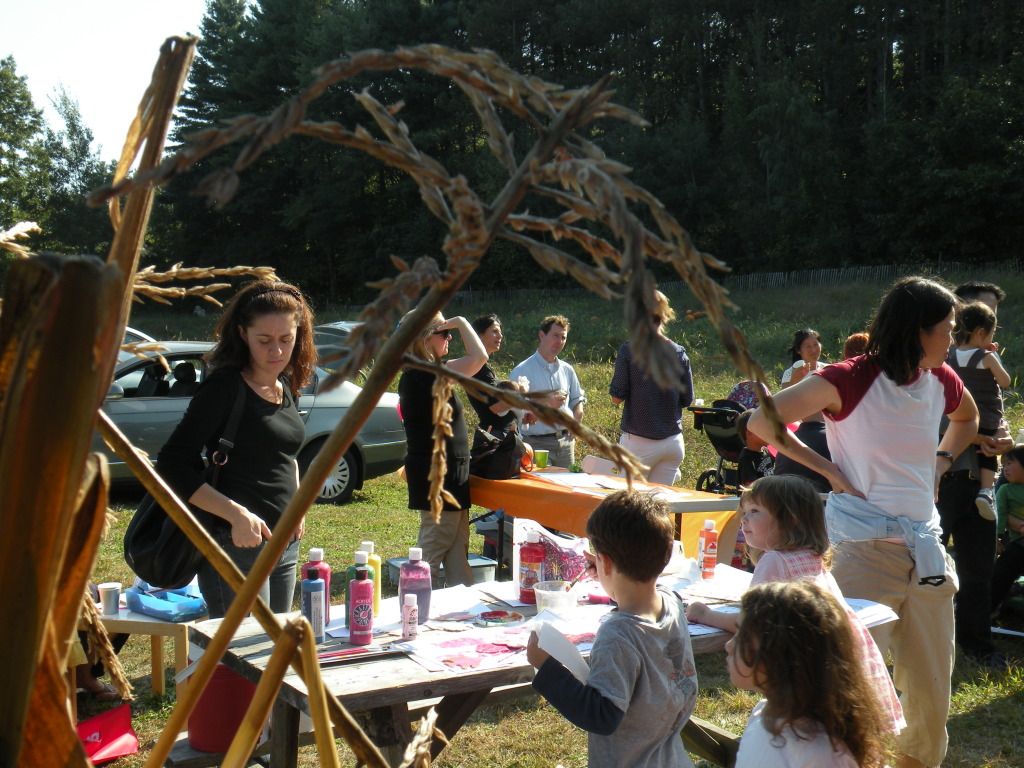
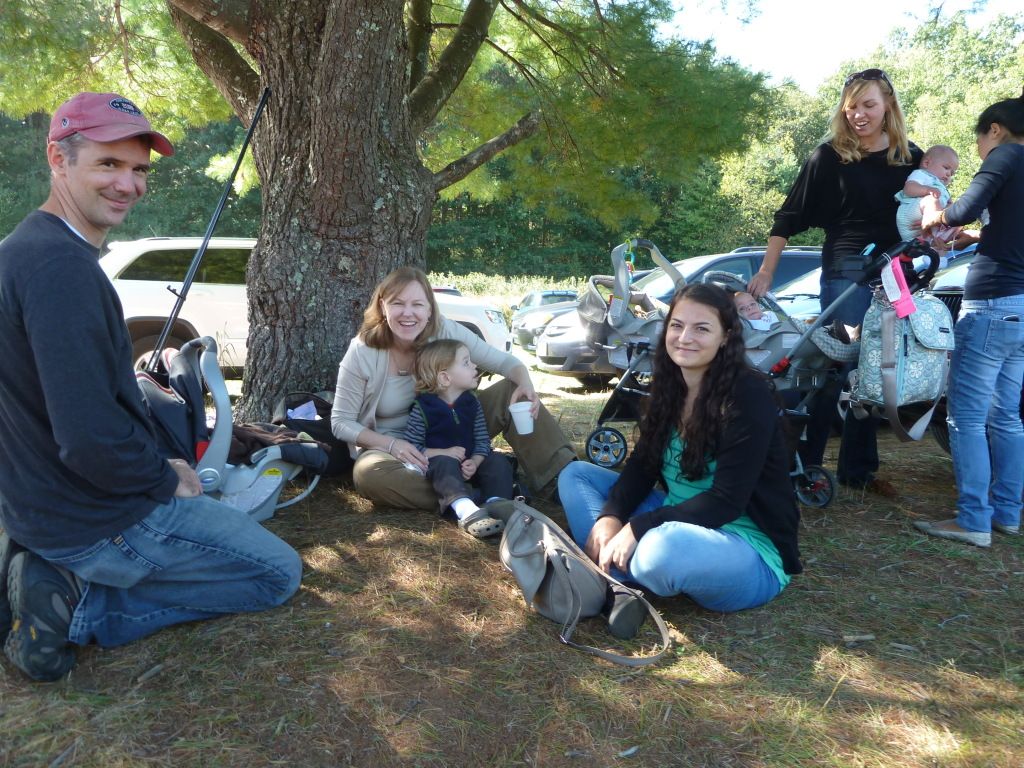
This year, 8 Boston area counselors organized the annual host family picnic at Carver Hill Orchard in Stow, MA.   This event gives host families and au pairs the opportunity to meet other families and au pairs in the program.  It also satisfies the State Department requirement to offer a host family workshop at least once per year.    We offered handouts and discussions about topics related to the host family-au pair relationship, such as the adaptation process.
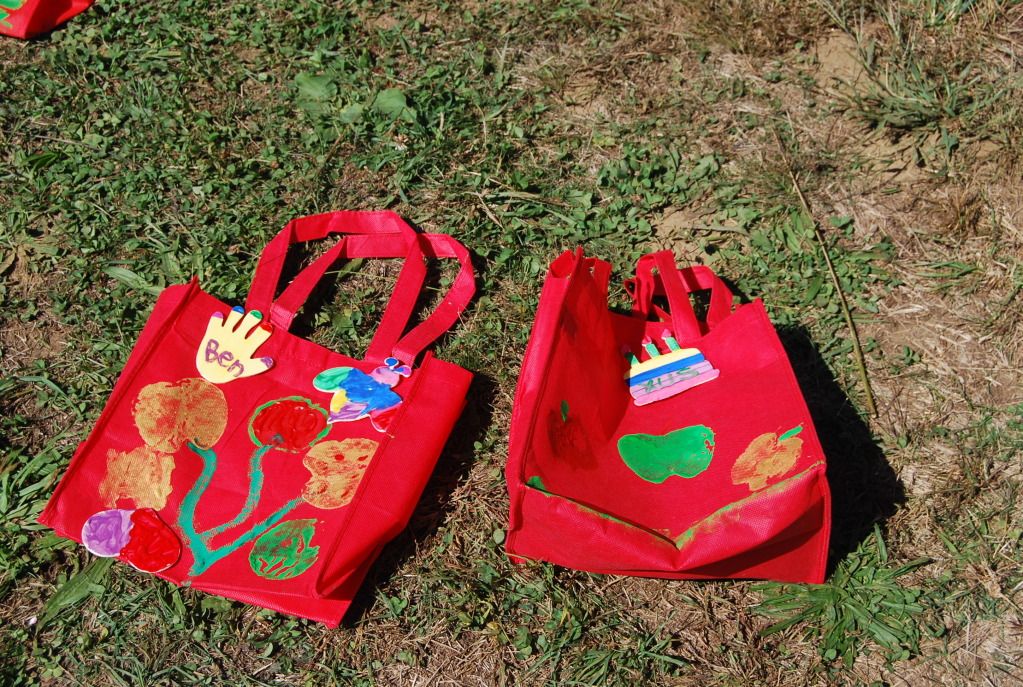
On a beautiful fall day, host families and au pairs enjoyed apple and pumpkin picking, mingling with each other as well as freshly baked cider donuts, apple cider and hayrides provided by Au Pair in America.  The children had a choice of different art tables, which included fall coloring sheets and stencils, wood cut fall stamps as well as apple prints.

Not only do events like these bring people together, but it also provides an opportunity for our host families to share this New England tradition of going out into the apple orchard in the fall with their au pairs, many of who just arrived over the summer.

For more photos of the picnic, go to Host Family Picnic 2012 and Host Family Picnic – 2012

For a slideshow of the event, please visit Host Family Picnic slideshow

The Importance Of Complying With Au Pair Program Rules and Regulations

The au pair program is a state department regulated cultural exchange program and by joining it, host families have agreed to comply with the program rules and regulations, most of which are set by the State Department.  During busy times of your life as a host family it might be tempting to make exceptions to the rules.  However, it is important to keep to the program rules and make sure that alternate arrangements are made in times of high need.

Please remember that your most important asset is your kids, and the au pair is the one watching them.  The way the au pair is treated automatically affects the way she interacts with your children.  An au pair that feels respected and like a member of the family (versus an employee) will be happier and will have more pleasant interactions with you and your children.  An au pair that is not stressed and tired because she is overworked will be more focused on the safety and well-being of your children.

Please remember that even if an au pair agreed to disregard regulations, it does not make it right.  Many au pairs might not agree, but are too afraid to speak up to you.  They are far away from their own home and you are their family away from home.  Here is a quote from one of my host mothers, Elizabeth: “It’s not a matter of Jomkwan’s willingness, we know she would probably be willing to work overtime in exchange for money or extra days off. We don’t feel comfortable violating the rules of the program. I know lots of people do it, and the au pairs go along willingly, but I think our relationship with Jomkwan has been better because we follow the rules so strictly, even though she’d probably be happy to go along with bending them now and then. We’re talking here about a young woman who is smart and responsible and resourceful, but who is also living in our house thousands of miles from her own home with a limited grasp of English. She’s also from a culture where deferring to authority is the norm. We are very sensitive to the fact that she has a diminished ability to tell us no when we make a request; following the program rules to the letter is an insurance against making her feel pressured to do things that she would rather not do.”

Here is a list of the most important program rules and regulations relating to the daily interactions with your au pair:

-Au Pair’s work hours cannot exceed 45 hours for the week.  There is no banking of hours.  If an au pair only worked 20 hours one week, she cannot be expected to work 65 the next week.

-Scheduled working hours cannot exceed 10 hours per day.  Do not leave an au pair in sole charge of a child overnight.

-Au Pair gets 1.5 days off a week, and a full weekend every month.

-Au Pair cannot alone with the children during the first 3 days after she has arrived in your home.

-Never leave an au pair in sole charge of an infant under 3 months old.

-Au Pair may not care for the children of other families unless it is an occasional playdate.

-Your au pair can be expected to do chores associated with taking care of your children.  Au pairs are not housekeepers, cooks, or maids.  They are not responsible for house cleaning.

-Provide the au pair the opportunity to attend monthly cluster meetings.

-Facilitate the opportunity for your au pair to register and take the required educational classes

-Treat the au pair like a member of your family

-Have a clear weekly schedule for the au pair that includes duties and hours.