
Category Archives: Fun Things We Do

Hints for Success – Overcoming Homesickness

Almost everyone experiences homesickness and culture shock to some degree, when they come to live in a completely new environment. So much is different and it takes time to adjust.

It is normal to miss your own family, at home. Try to remember that they support you and want you to make the most of this experience. They will enjoy learning more about the U.S., through your eyes, as you share your adventures with them.

Top 5 Tips for Dealing with Homesickness

1. Make Friends – Don’t wait for other au pairs to reach out to you, reach out to them. There are other lots of new au pairs who are feeling the same way you are right now. Set a goal to reach out to a few of them each day. Some will respond and some will not. Don’t let that discourage you. No one will ever be mad at you for sending them a message to say hello or ask if they want to do something together. Make friends from various countries and you will also get a chance to practice your English skills together.

2. Stay in touch with your home country, but not too much. Skyping or talking on the phone every day with your family and/or friends back home normally makes homesickness worse. Try emailing instead and reduce the Skype and phone calls to once a week, until you feel stronger. It’s much harder seeing the faces and hearing the voices of those you miss.

3. Get out of the house (or your room specifically) – Go to cluster meetings, have coffee or movies with other au pairs, join a gym, go to the library, go for a walk, visit the mall, get a manicure, visit a museum. If someone invites you out, say “yes.” Also, don’t be afraid to do the inviting. If your host family invites you to do things with them, say “yes.” This will help you get to know each other and contribute to your overall happiness.

4. Realize that it definitely gets better – All au pairs experience homesickness and the vast majority of them get through it, stay and have a successful year (some even extend for a second year!) So, it must get better, right? Once you get past the initial homesickness, most au pairs report how quickly the year goes by.

5. Make Plans – Create your own Au Pair Bucket List (places you want to go, new foods to try, new things to experience during your year in the U.S.) and start doing them now. Post on our cluster Facebook group to find others who may want to join you on your adventures.

Photo by:  Shimelle Laine (Flickr)

SaveSaveSaveSaveSaveSaveSaveSave

Preventing Dehydration in Hot Weather

Dehydration means that the body lacks the necessary amount of fluid. Infants and small children are more likely to become dehydrated than older children or adults, because they can lose relatively more fluid quickly.

Here are some steps to take to make sure children remain hydrated in the summer months:

  • Encourage your child to drink plenty of water. On hot days, children should drink significantly more water than usual, as they are losing more due to the heat.
  • Do not wait until your child is thirsty to give him water. By the time they feel thirsty, they are already becoming dehydrated.
  • If your child is resistant to drinking enough water, have other liquids on hand for your child to drink throughout the day.
  • Be alert to changes in behavior. A child may act confused or more irritable when they are becoming dehydrated/overheated. Get them into cooler temperatures and drinking more fluids.
  • Dress your child in lightweight clothing in the summer months, particularly if she’ll be playing outdoors in warm weather. You may also consider clothes that are well ventilated as they do not trap heat close to the body.
  • When there are heat and/or air quality advisories because the weather is dangerously hot, you should avoid taking the children outdoors. Check with your host parents for further guidance on this topic.

Remember to follow these tips for yourself too, so you stay well hydrated.

Photo: Darwin Bell (Flickr)

Holiday & Vacation Reminders

“Rest and be thankful.” – William Wordsworth

Holidays and vacations are a great opportunity to rest, recharge and explore the U.S.

Memorial Day Weekend is the unofficial start of summer travel season. Here are some reminders about program rules regarding holidays and vacations.

Holidays

  • Host families are not required to give au pairs any specific holidays.
  • Each host family will make different arrangements on holidays, some au pairs will be off and others will be required to work.
  • Au pairs should not make plans for holidays without checking with your host family first.

Vacations

  • Au pairs earns 2 weeks of paid vacation during the course of her year.
  • Vacation time should be mutually agreed upon.
  • All vacation should be preplanned (at least 4 weeks in advance.)
  • All au pair’s friends and/or family visits/vacations should be pre-approved prior to purchasing tickets.
  • If an au pair travels with her host family, it should be discussed in advance whether this is the au pair’s vacation or if she is working.
  • If an au pair travels with the host family to work, the host family is required to pay for her transportation, lodging and meals.

Important: If an au pair is traveling outside of the U.S., she must have her DS2019 signed (travel validation) PRIOR to her departure from the US. More information about this may be found here on the Au Pair in America website.

Photo: torbakhopper (Flickr)

Helping Young Children Learn Language

Being an au pair is an important role in a child’s life. When you are caring for a young child up to 45 hours per week, there are lots of opportunities to help them learn language. Many host parents are eager for their children to be exposed to foreign language. If this is true of your host parents, you can try the suggestions below, in both English and your native language.
Below are a few tips to start with, for more ideas, check out Ready at Five.

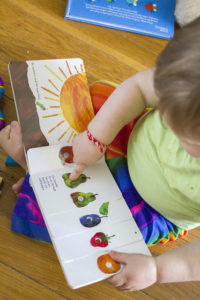
  • Read – Read to them daily, point out pictures and ask questions. Even if they can’t answer the questions, this is still modeling conversation.
  • Talk – Point out objects around them, names of their body parts, explain what you are doing and places you are going. Long before babies can speak, they benefit greatly from being spoken to.
  • Sing – You can sing childhood classics or make up your own silly songs. If you are looking for song ideas, HERE is a great website with lists of songs, lyrics and links to YouTube videos* of the songs.  Children’s music is also available at the public library and even on iTunes.
  • Words – As children move from toddlers to preschoolers begin to point out written language.
  • Writing – Toddlers and preschoolers can begin to learn pre-writing skills by drawing with crayons or doing finger paints.

*The American Academy of Pediatrics recommends no screen time for babies under 18 months of age. For children 18 months to 5 years they recommend no more than 1 hour of high quality content. You can play the songs on youtube for the audio and not necessarily show the screen to the child.

Photo: Quinn Dombrowski (Flickr)

Handling Expenses

Host parents often ask for suggestions on how best to handle common expenses that occur as au pairs are caring for the children.
Miscellaneous Expenses

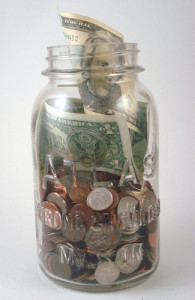
There are different ways to handle the little day to day expenses that come up.  Things like when an au pair takes the kids out for ice cream or picks up a gallon of milk.  Some families keep a cookie jar fund, a little cash that they set aside weekly or monthly for these types of expenses. Others give their au pair a prepaid debit card for this purpose. Below are some suggestions for avoiding problems with expenses.

Host Families

  • It’s important to be clear about how long this money should last and what types of expenses are approved.
  • Let the au pair know whether or not you expect receipts.

Au Pairs

  • Only spend the money on approved expenses.
  • If it is something you are not sure about, ask first.
  • Put your receipts in the cookie jar in place of the money to avoid any confusion.

Gas and Fare Cards 

Host families are responsible for the au pair’s transportation costs: to and from classes, cluster meetings and when driving the kids.

It is a good idea to figure out how much gas an au pair will use for these trips and either put gas in the car or give a gas allowance.   If your au pair is riding to classes or cluster meetings with another au pair, you should offer to share the cost of gas.

Au pairs are responsible for their own transportation at all other times.  You should replace the amount of gas used for personal use.

Photo: Andrea Travillian

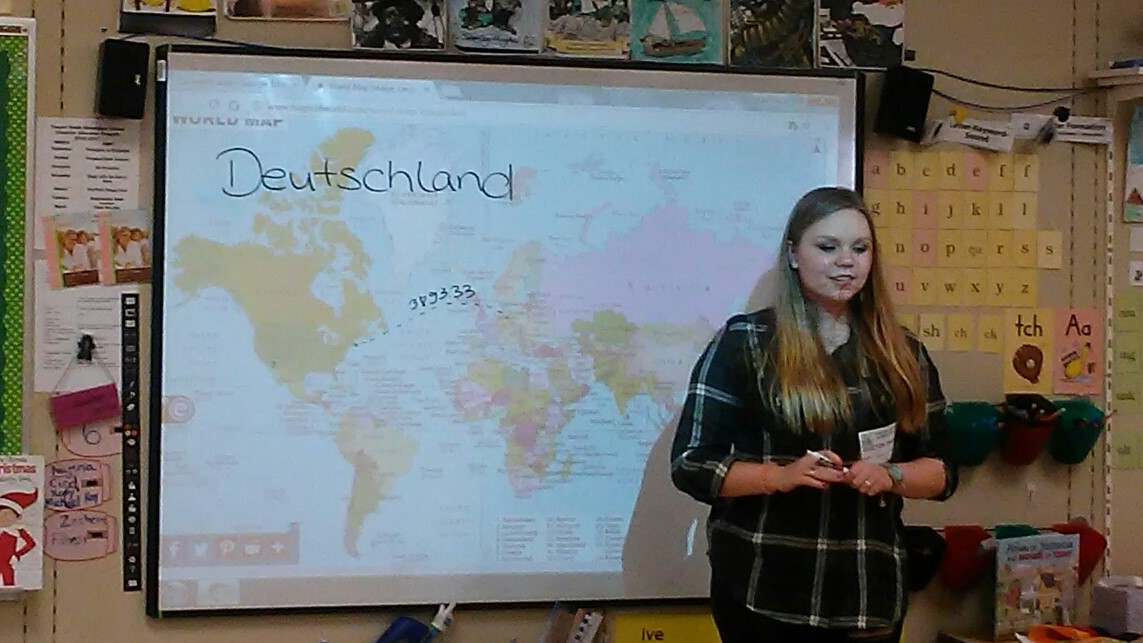
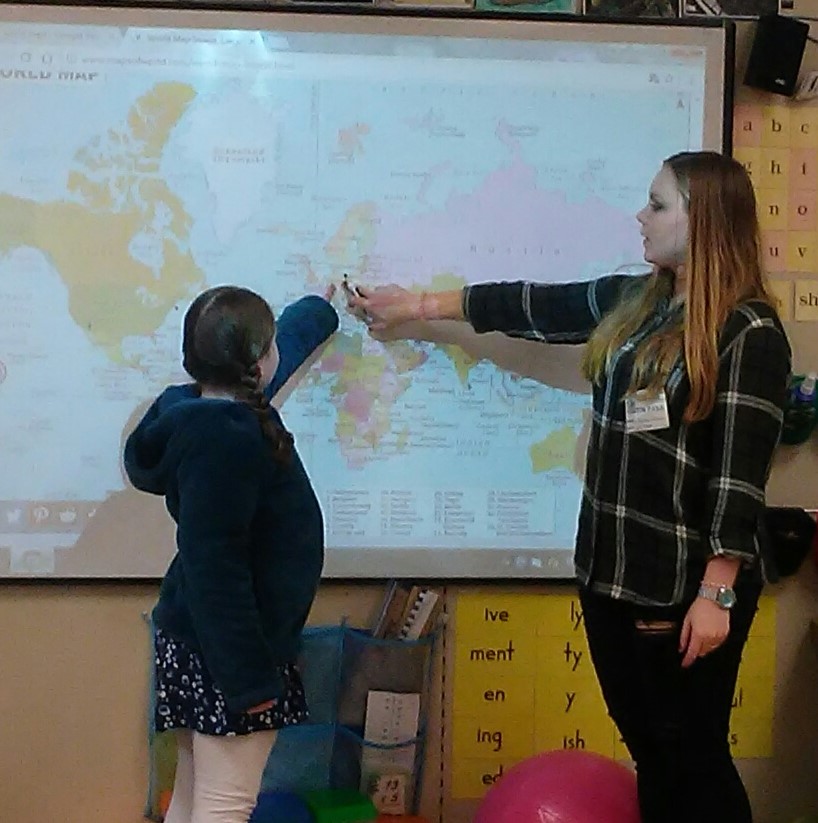
A Global Awareness Lesson on Germany

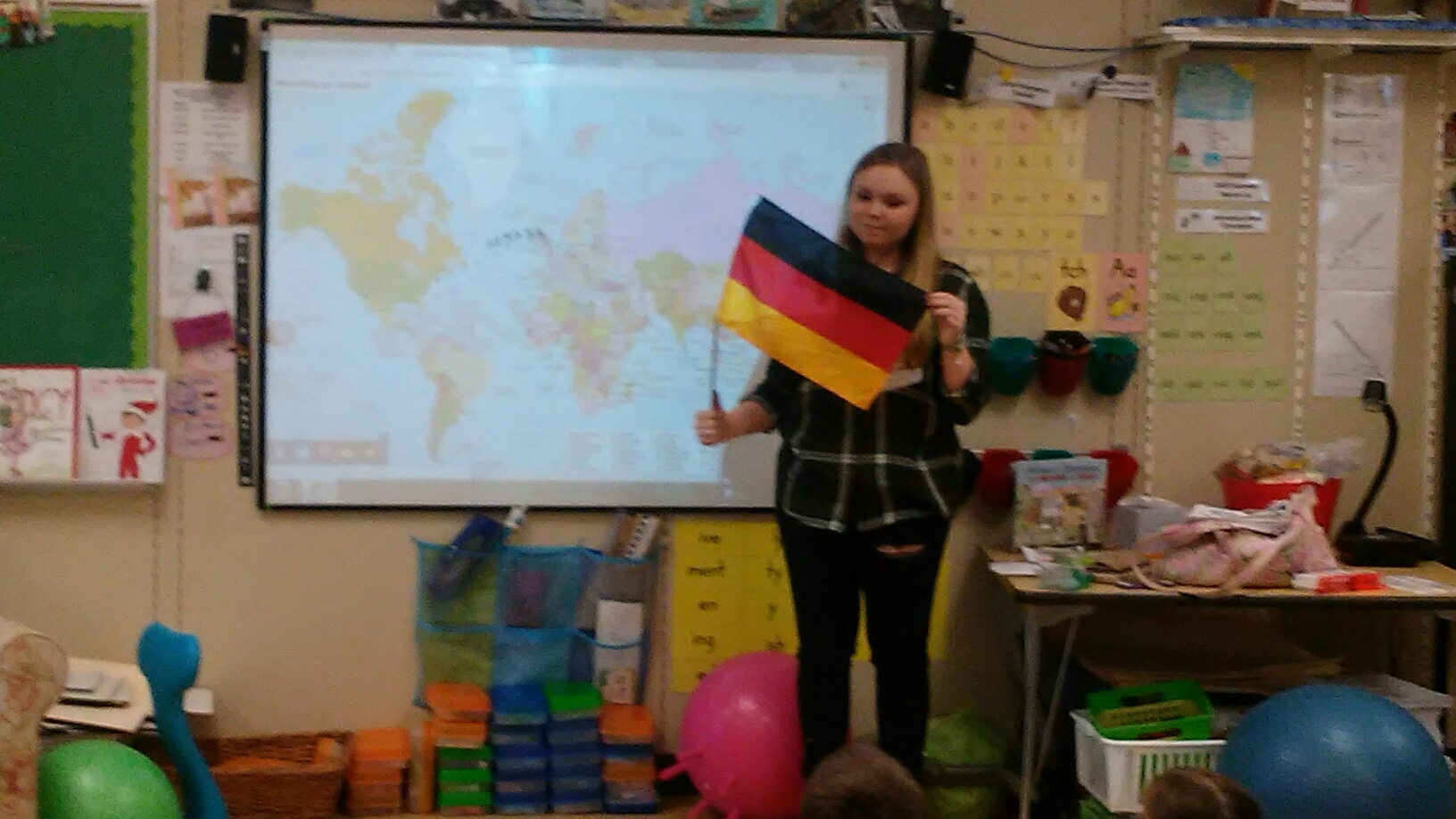
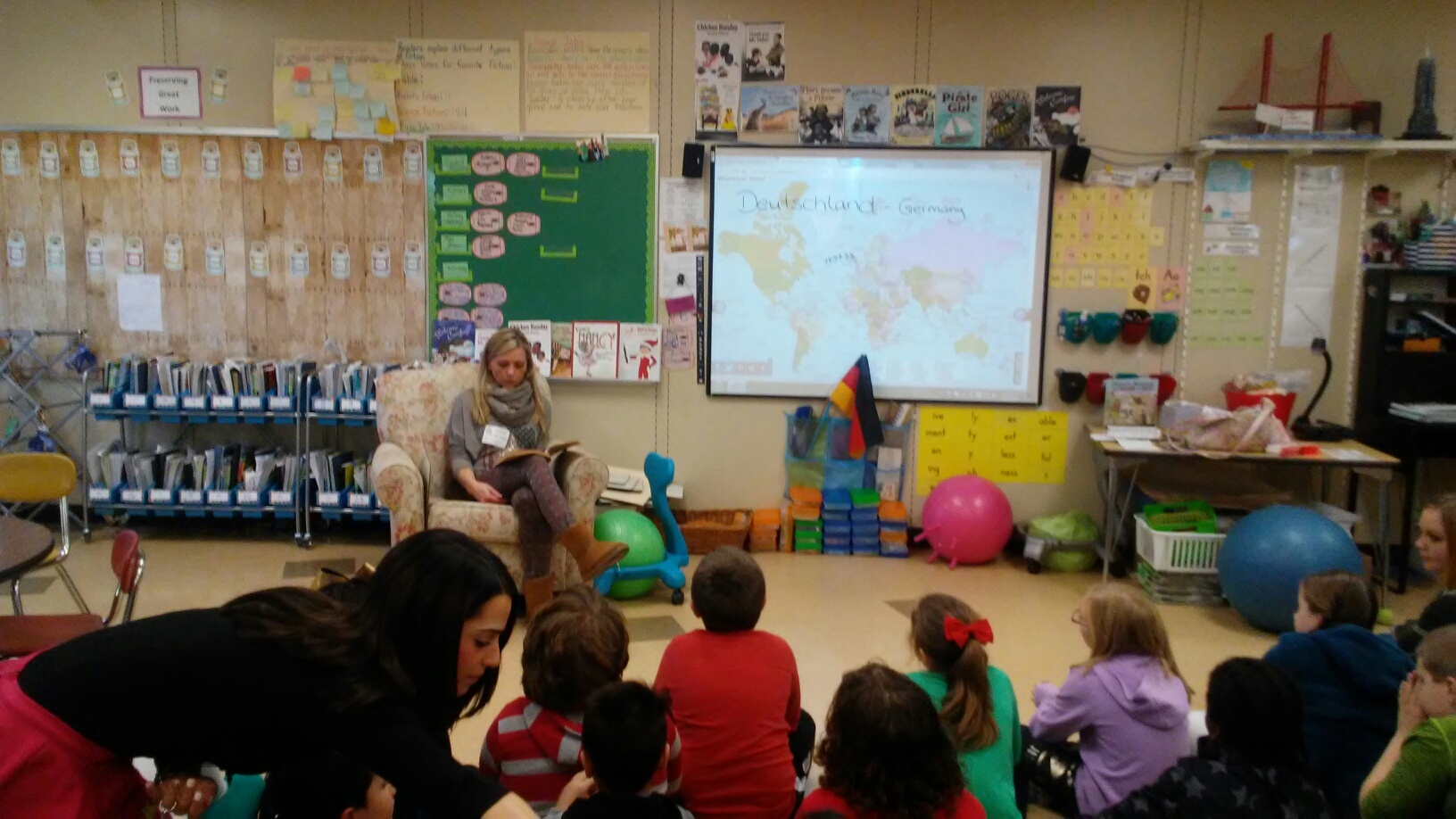
20161219_122810_resizedVanessa Kleyer from Germany volunteers regularly in her host child’s 3rd grade class in Mastic Beach.  She brings in games from Germany and plays with a some of the kids during their lunch break. The week before the holiday break, Vanessa gave the kids a special lesson.  She taught them a little about her country.

20161219_122400_resized

First she had her host child find Germany on the world map.  They learned how far away Germany is from the USA.

Then she taught some German words and phrases to the children. She showed them the German flag and each child colored a flag on a flyer she handed out.20161219_122517_resized


She told them some stories that were written in German and the children were excited when Vanessa introduced her mother visiting her for the holidays.  Her Mom read “The Princess and the Pea” in German to the children after telling them about the story.  The children listened intently.20161219_124555_resized


Each child received a piece of chocolate from Germany to try.  Then they split up into groups with the teacher, assistants, Vanessa and her Mom to play some German games in small groups.  The lesson was fun and informative.  The children truly loved hearing about Germany from their friend Vanessa!20161219_130221_resizedLearn more about Global Awareness, sponsored by Au Pair in America, by visiting the Global Awareness website.  http://www.globalawareness.com/

Crepes & Taxes for March Au Pair Cluster Meeting

20160313_151511_resized

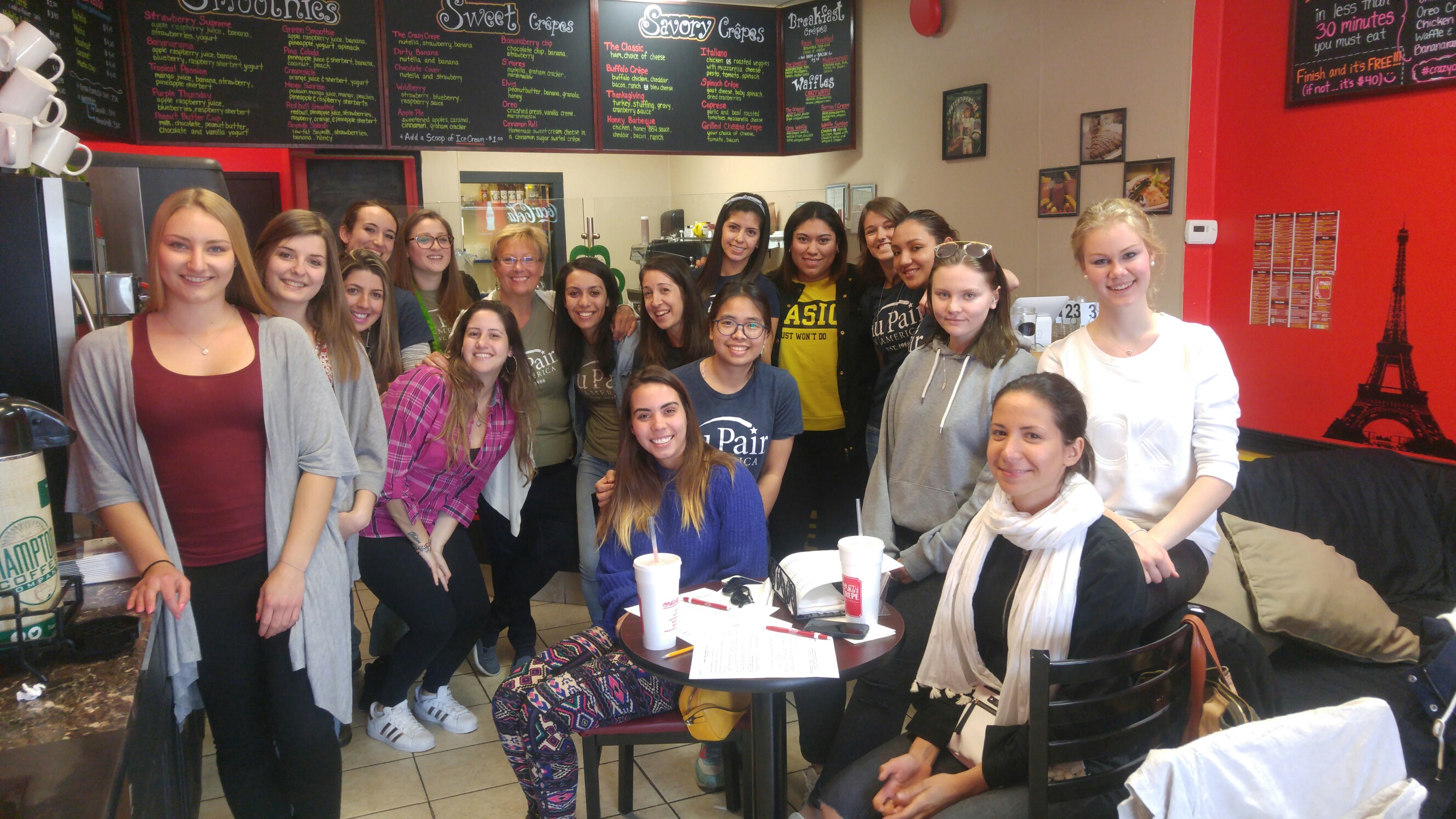
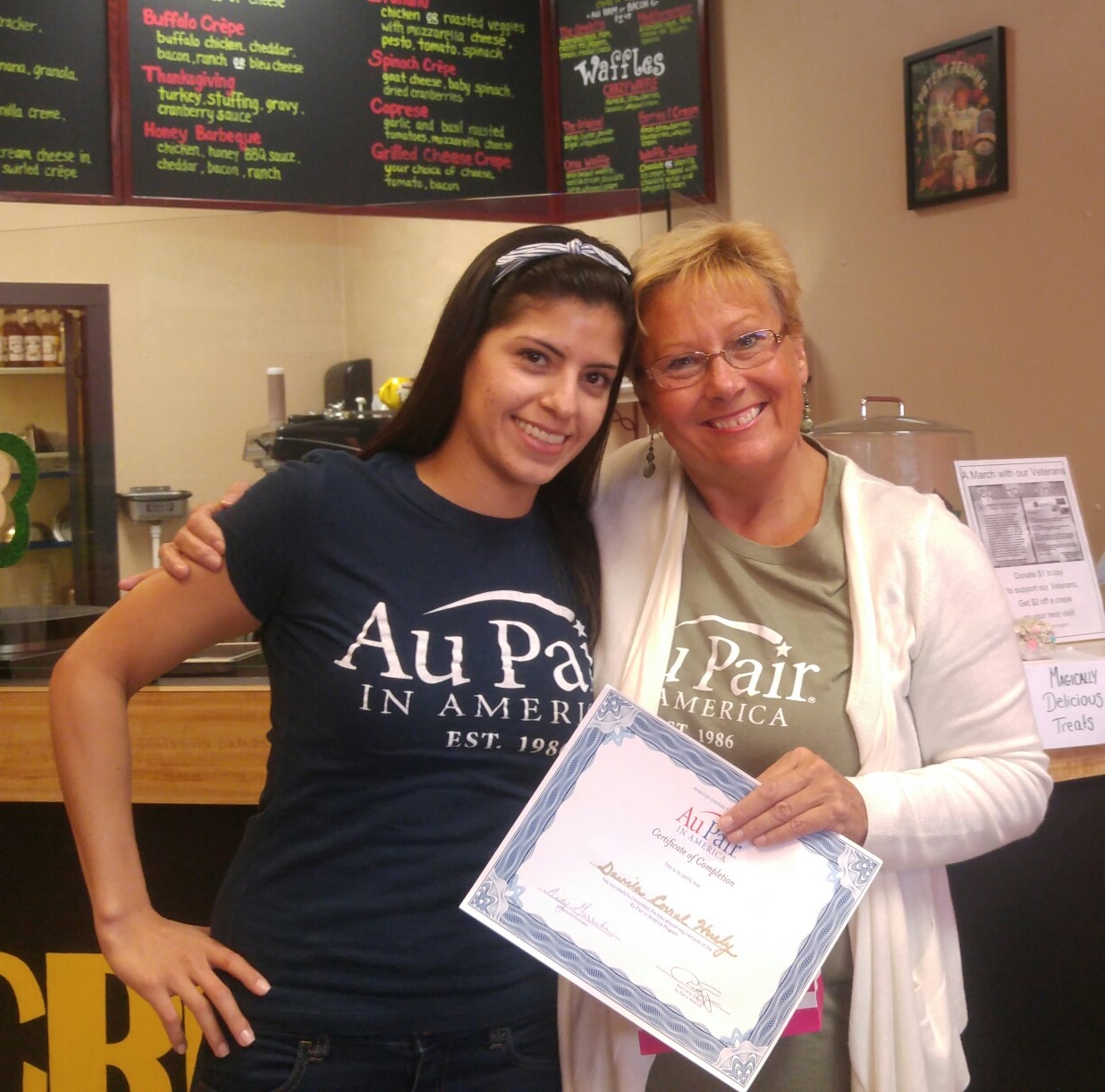
On Sunday, March 13 the Suffolk Cluster from Au Pair in America met at Crazy Crepe in Mt. Sinai.  Everyone had a crepe and a soft drink or coffee while we reviewed how to fill out their tax returns.  Au Pairs who made more than $4000 in their stipend earnings in 2015 had to pay taxes on what they earned. 

20160313_151423_resized

We also had a raffle for wearing their APIA t-shirt, 4 au pairs won gift cards to Starbucks! 

We wished Dayanna a safe return to Mexico after spending 2 years as an au pair in Hampton Bays!  We all enjoyed spending time together and look forward to our next cluster activity, seeing Rock of Ages on Broadway in April!20160313_151605_resized

Happy Chinese New Year

happy-chinese-new-year-2016-with-a-cute-monkey_23-2147532303

This is the Year of the Monkey, the ninth animal in the cycle. The monkey features prominently in many ancient Chinese legends. People born in the Year of the Monkey are said to be intelligent, clever, and gregarious, but also mischievous. They are skilled and smart, but shortcomings, like a quick temper and a touch of arrogance, tend to hold them back.

Have fun and enjoy the celebrations!

Au Pair Holiday Party 2015!

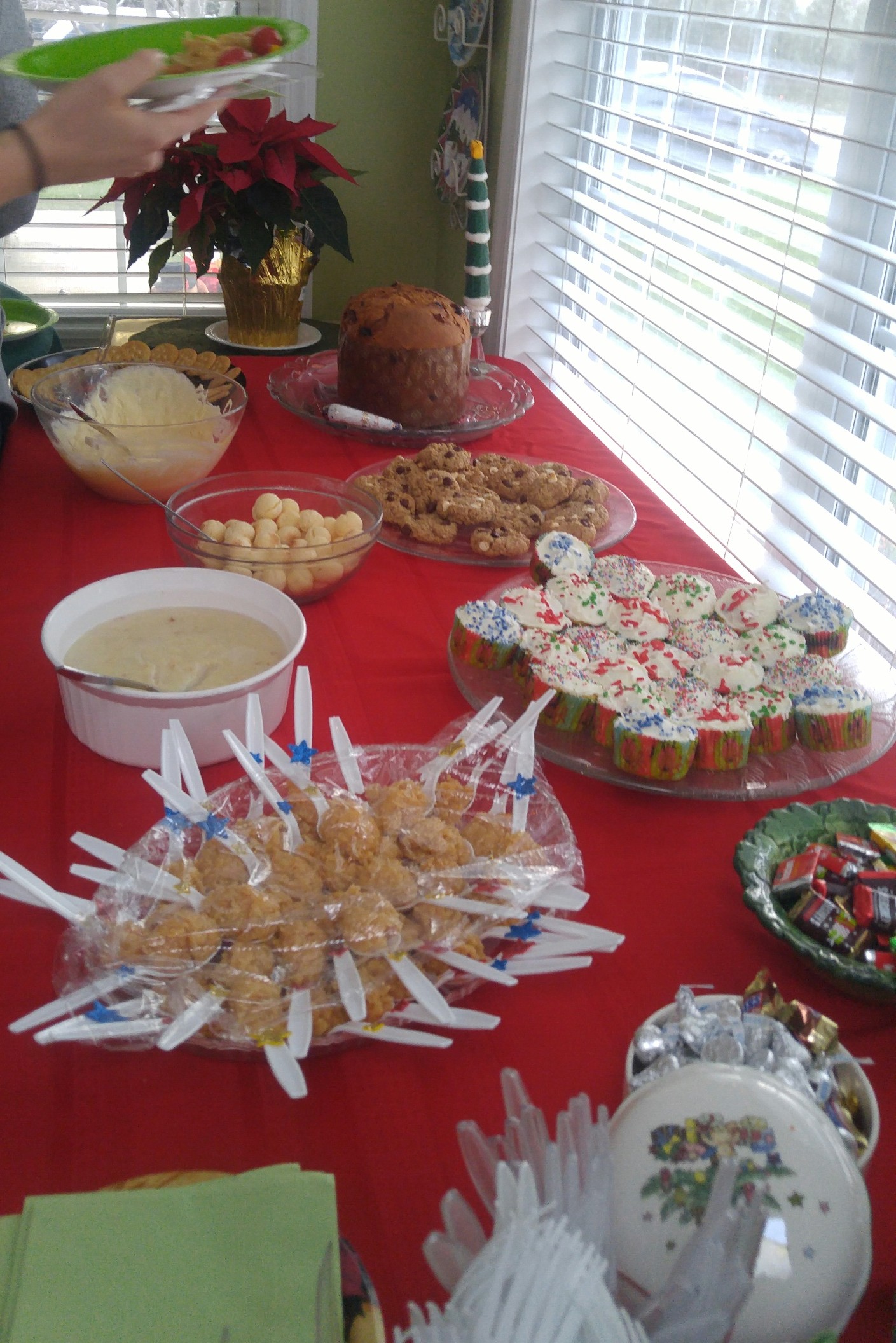
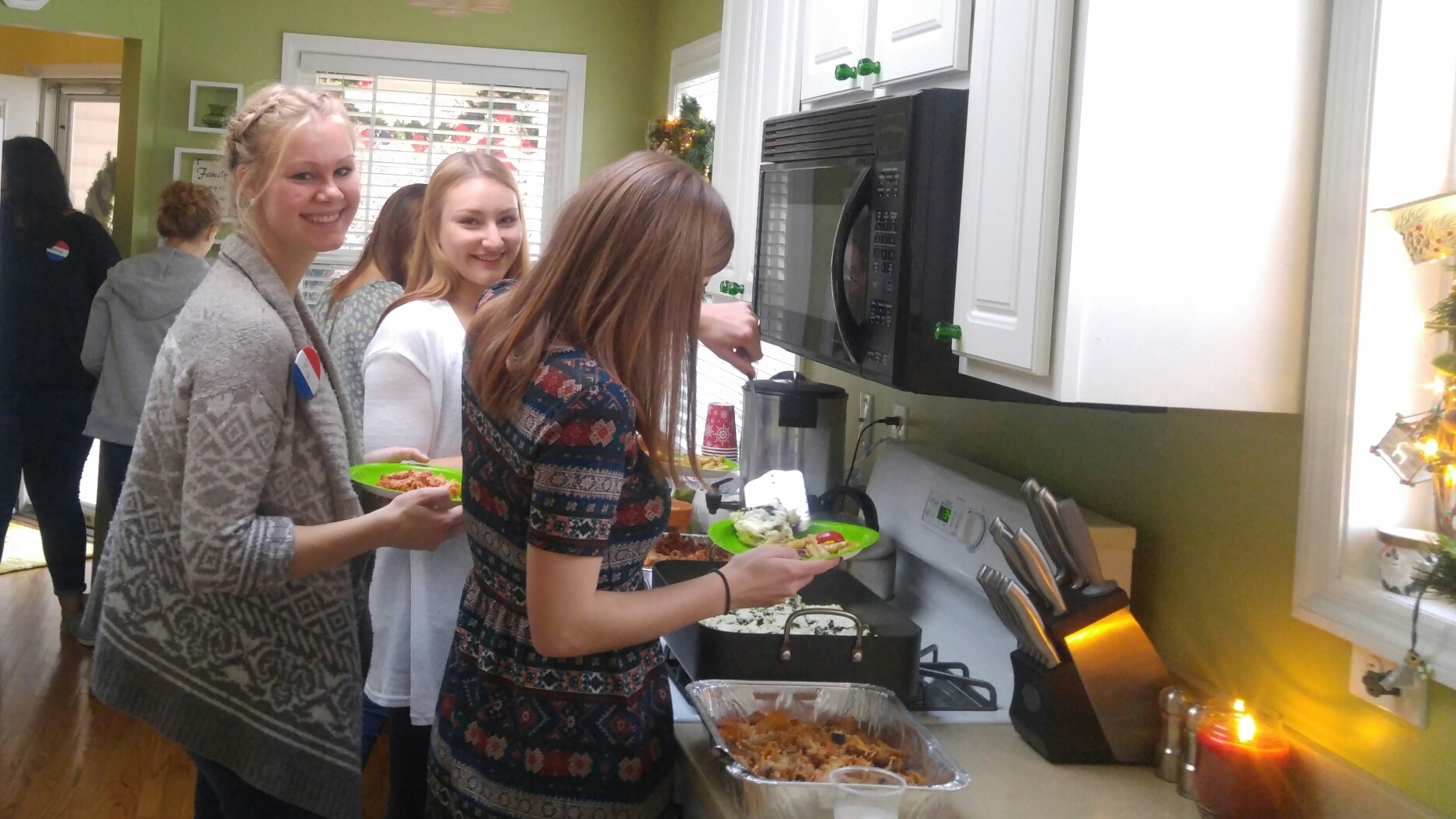
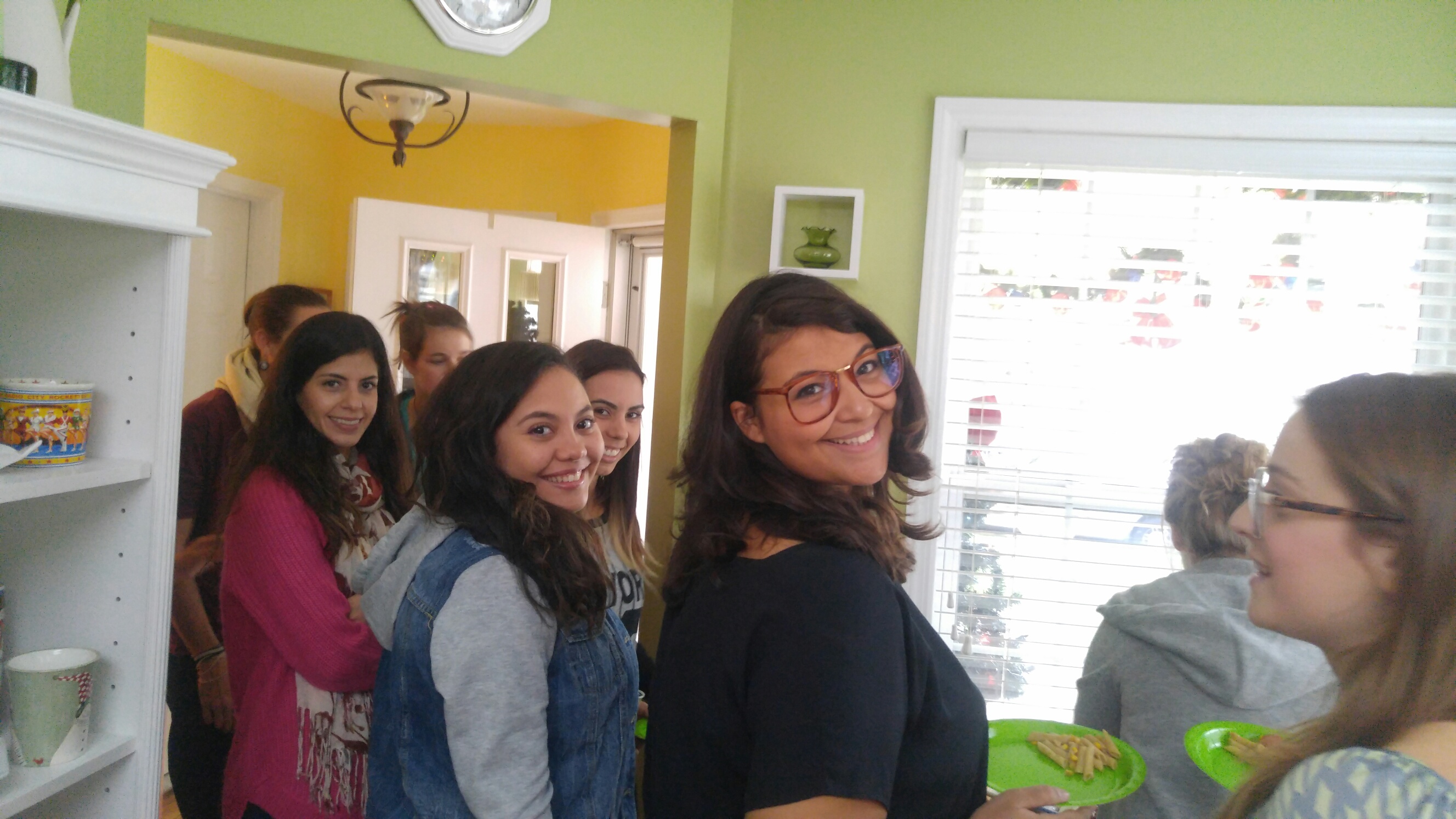
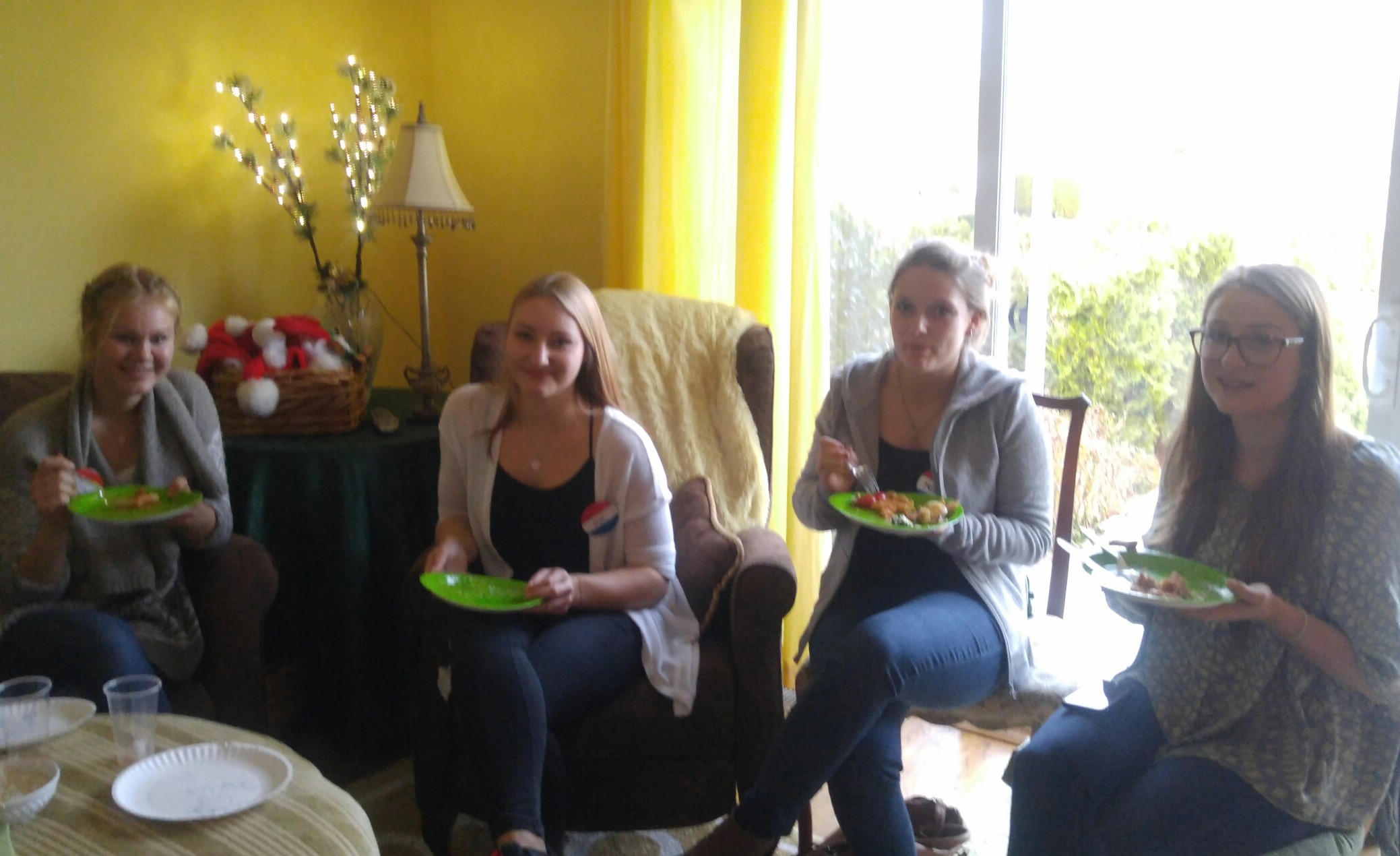
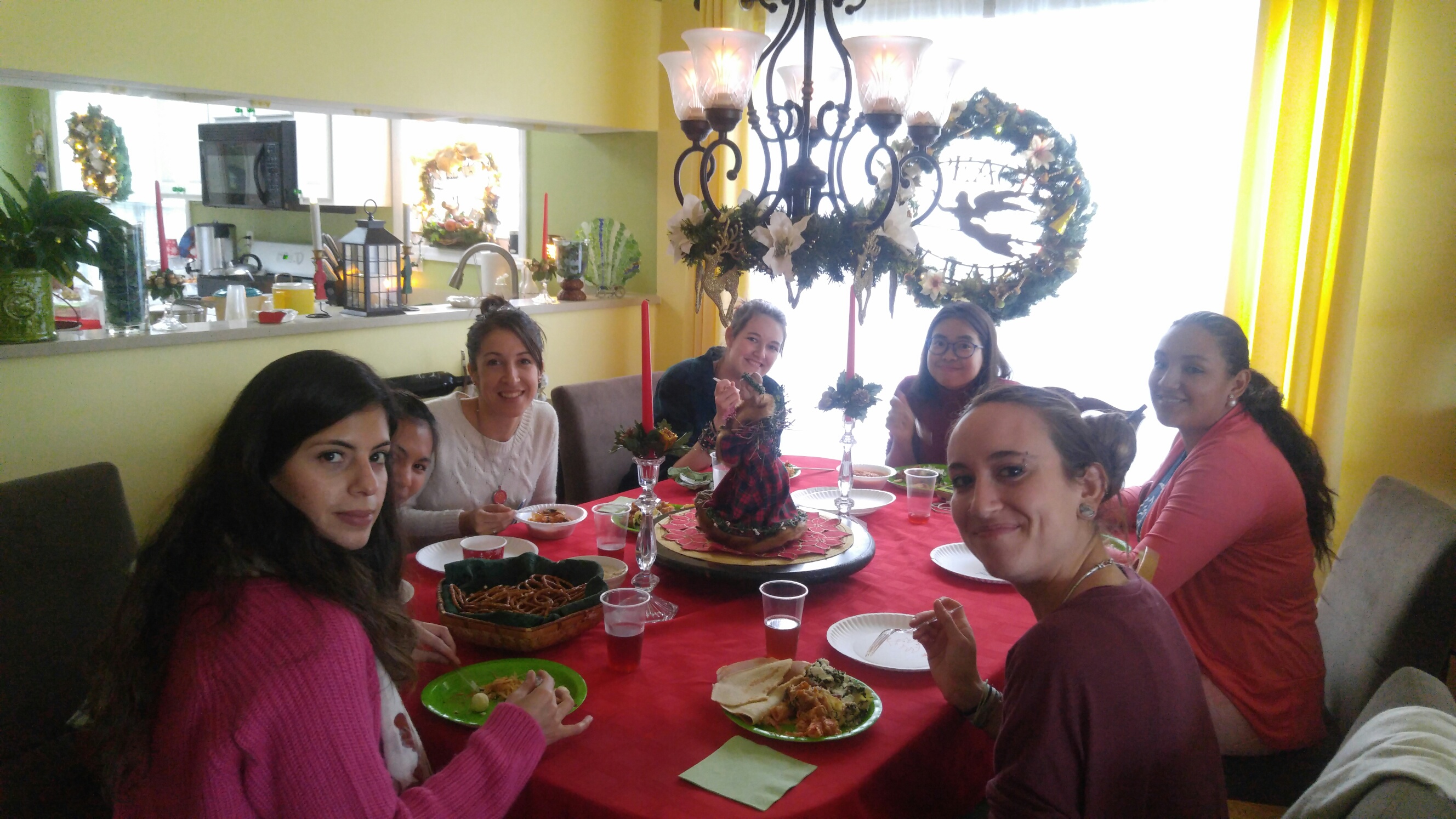
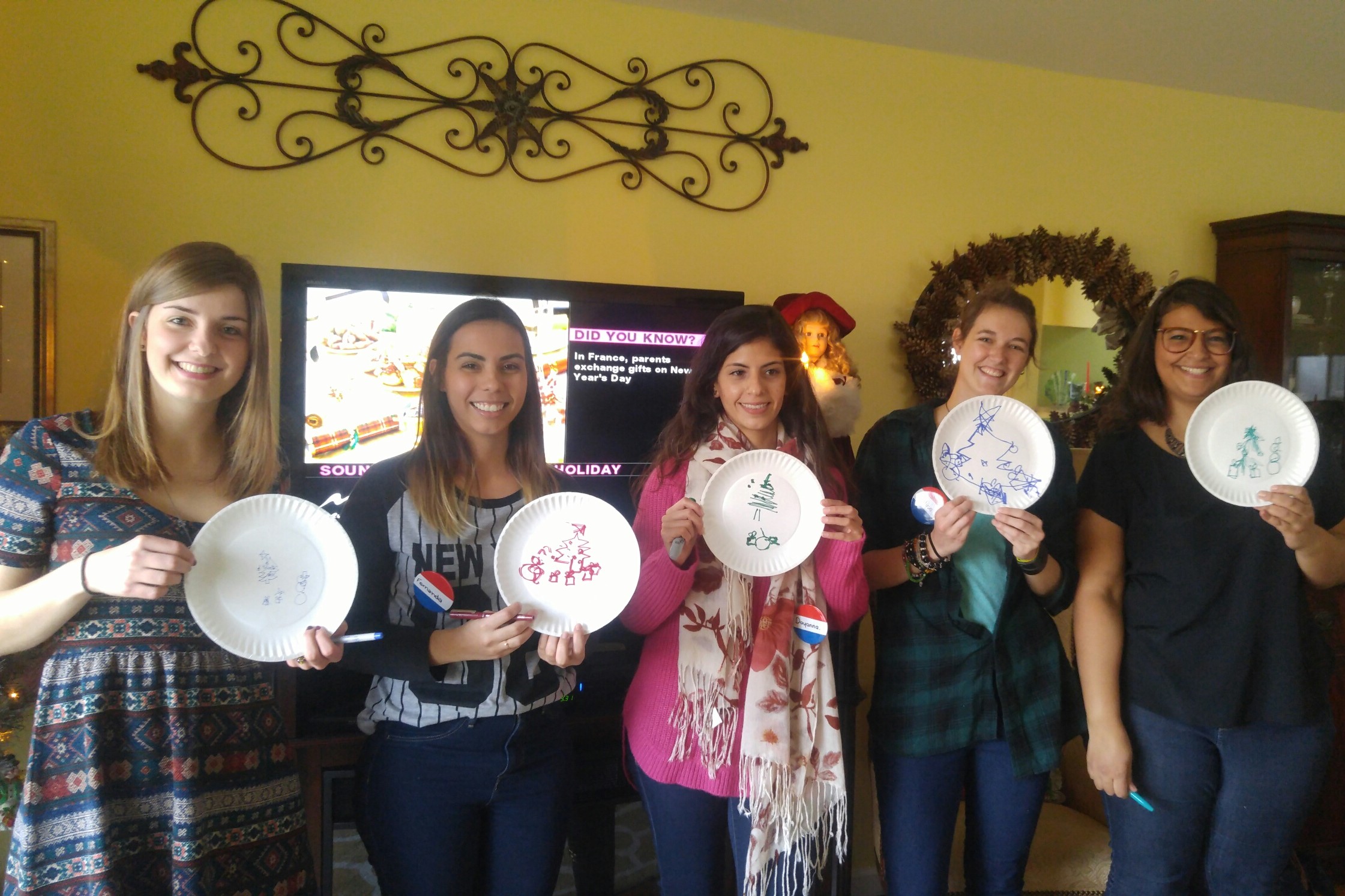
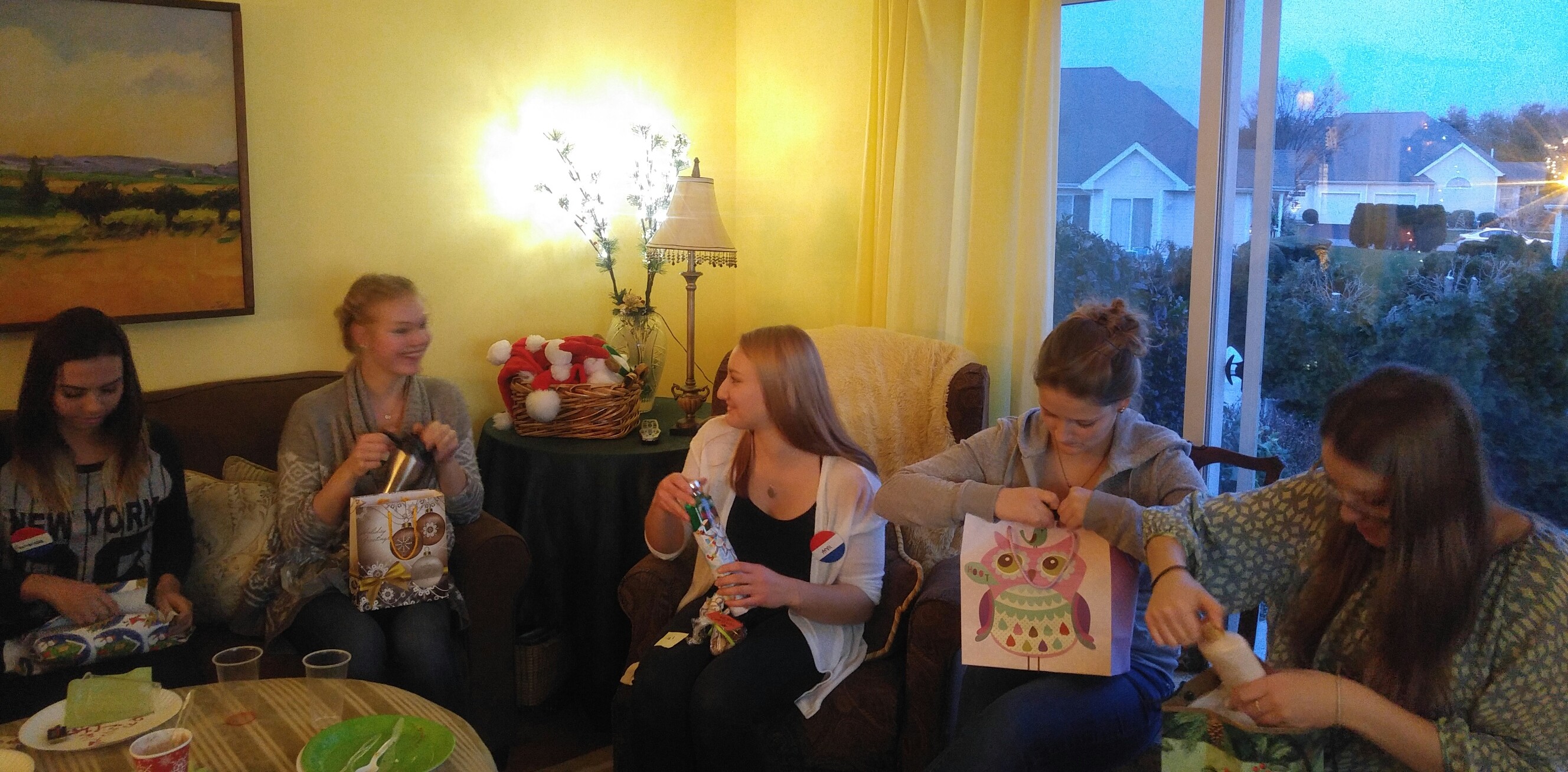
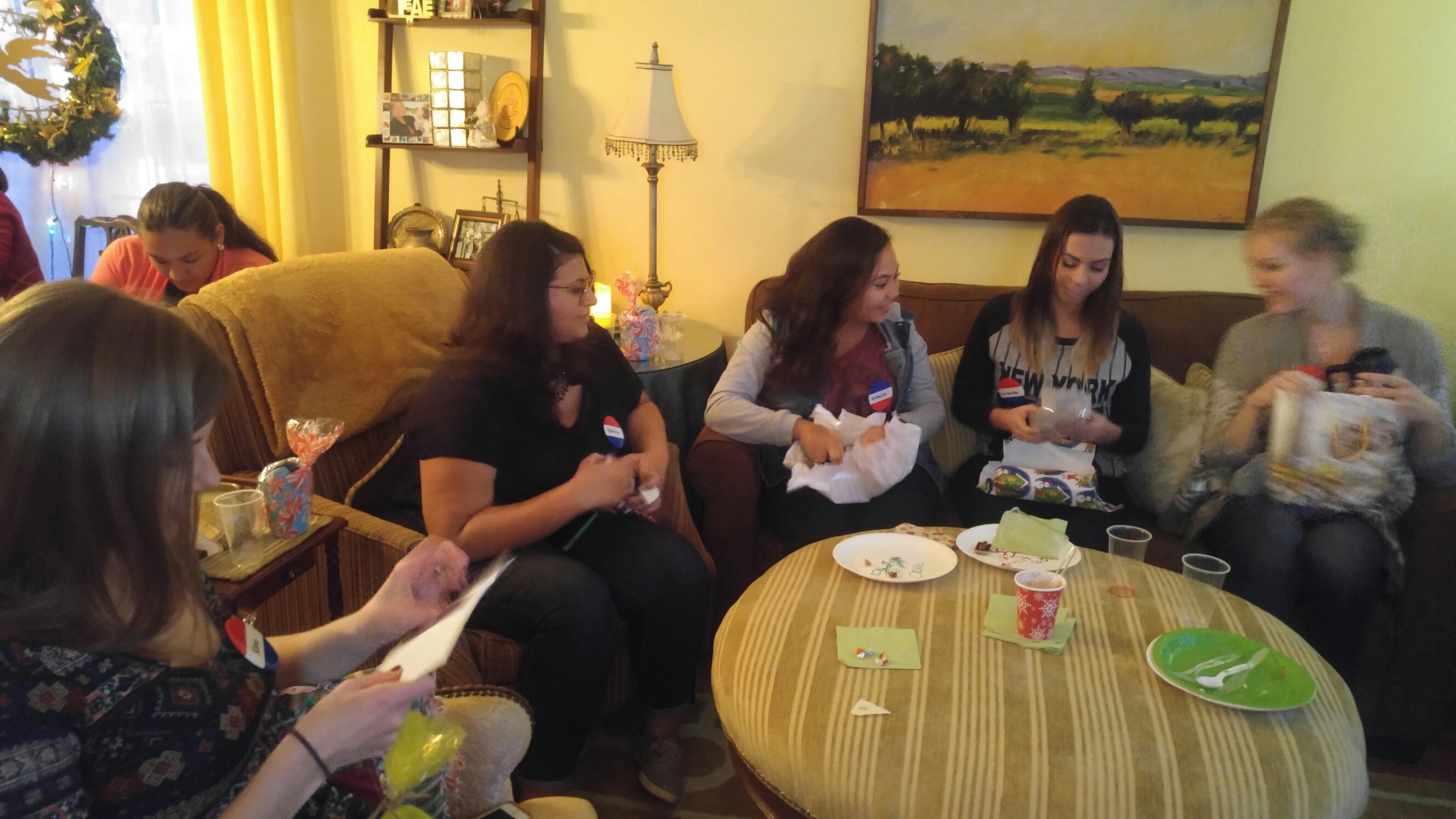
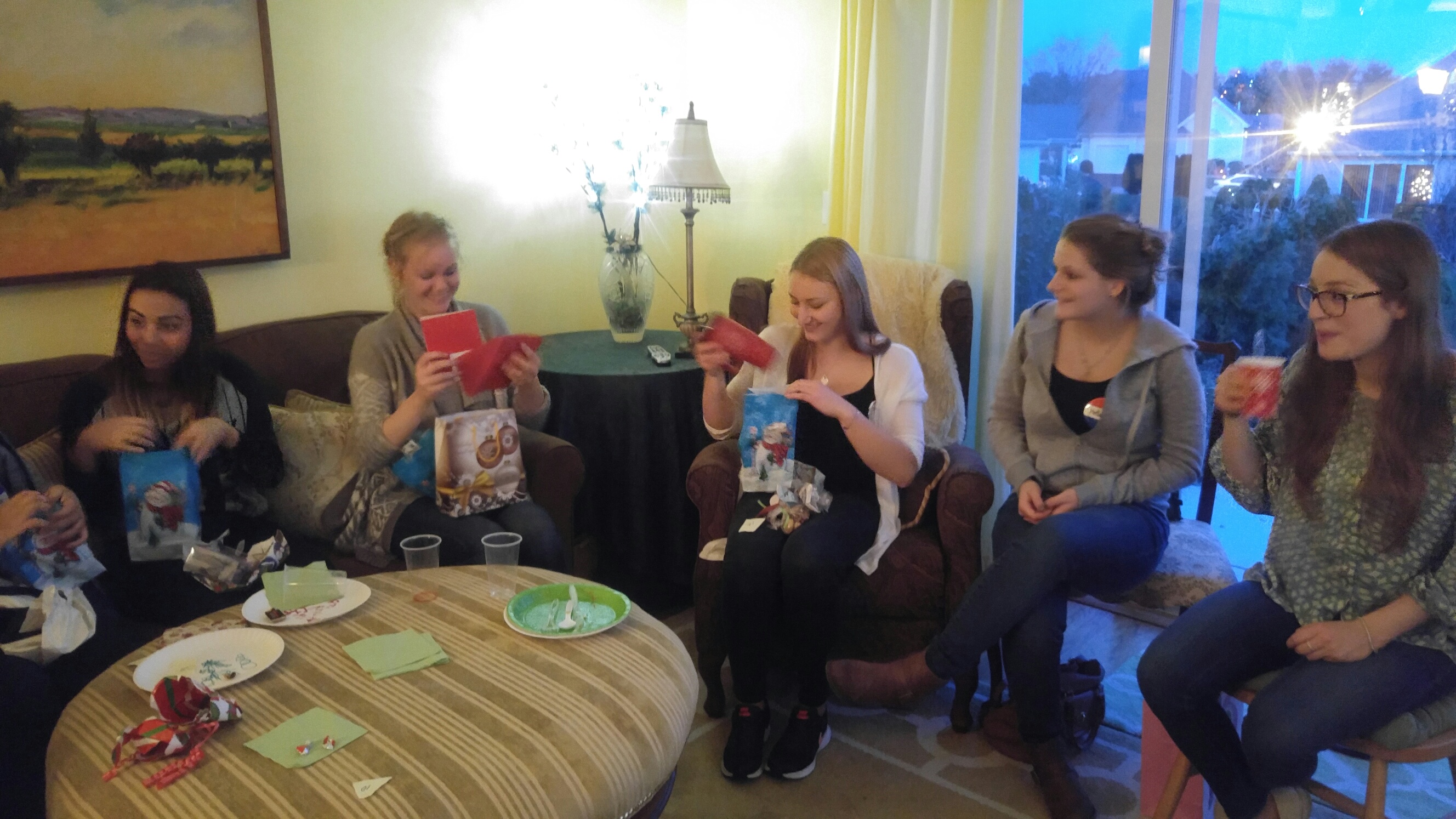
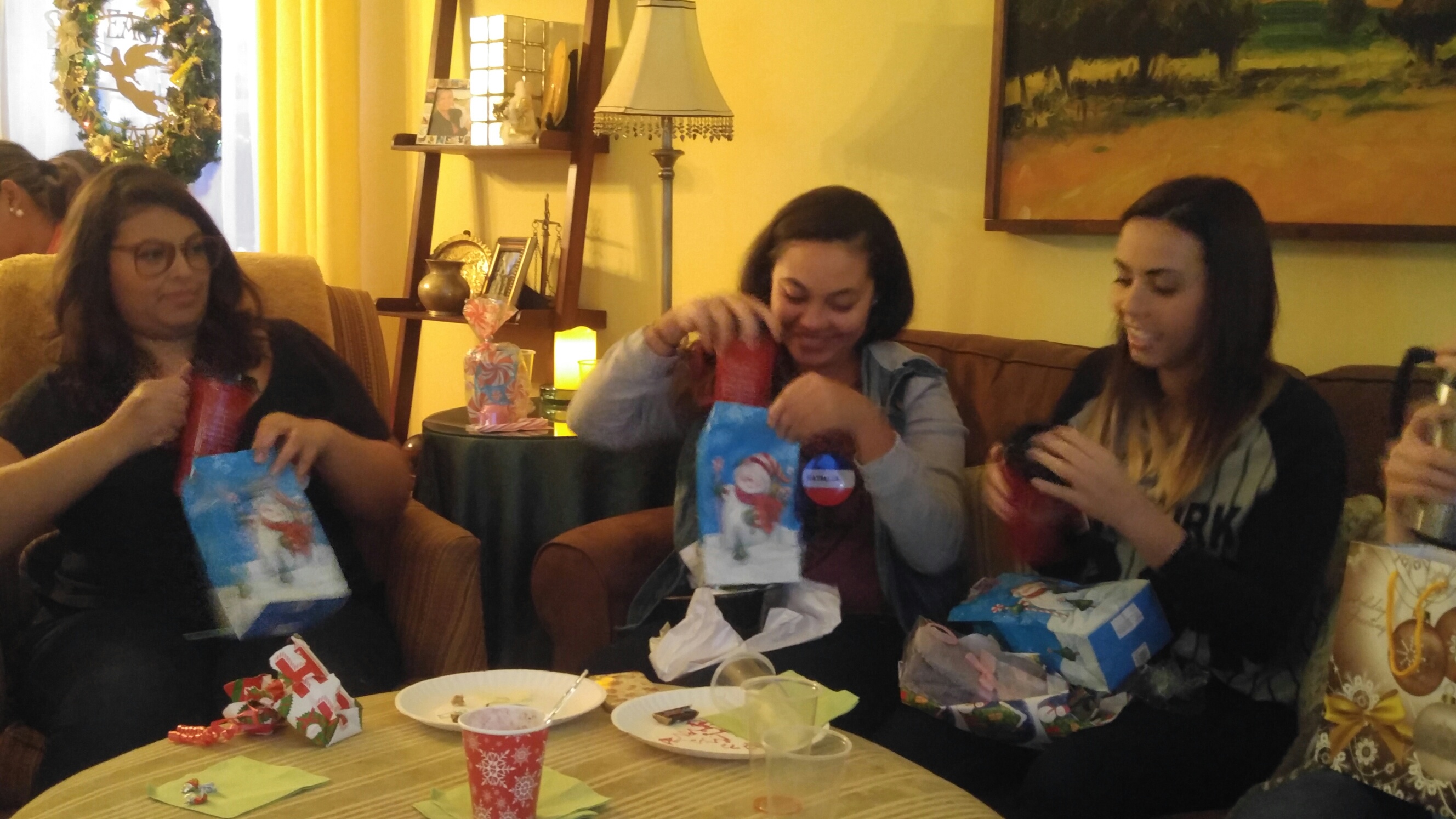
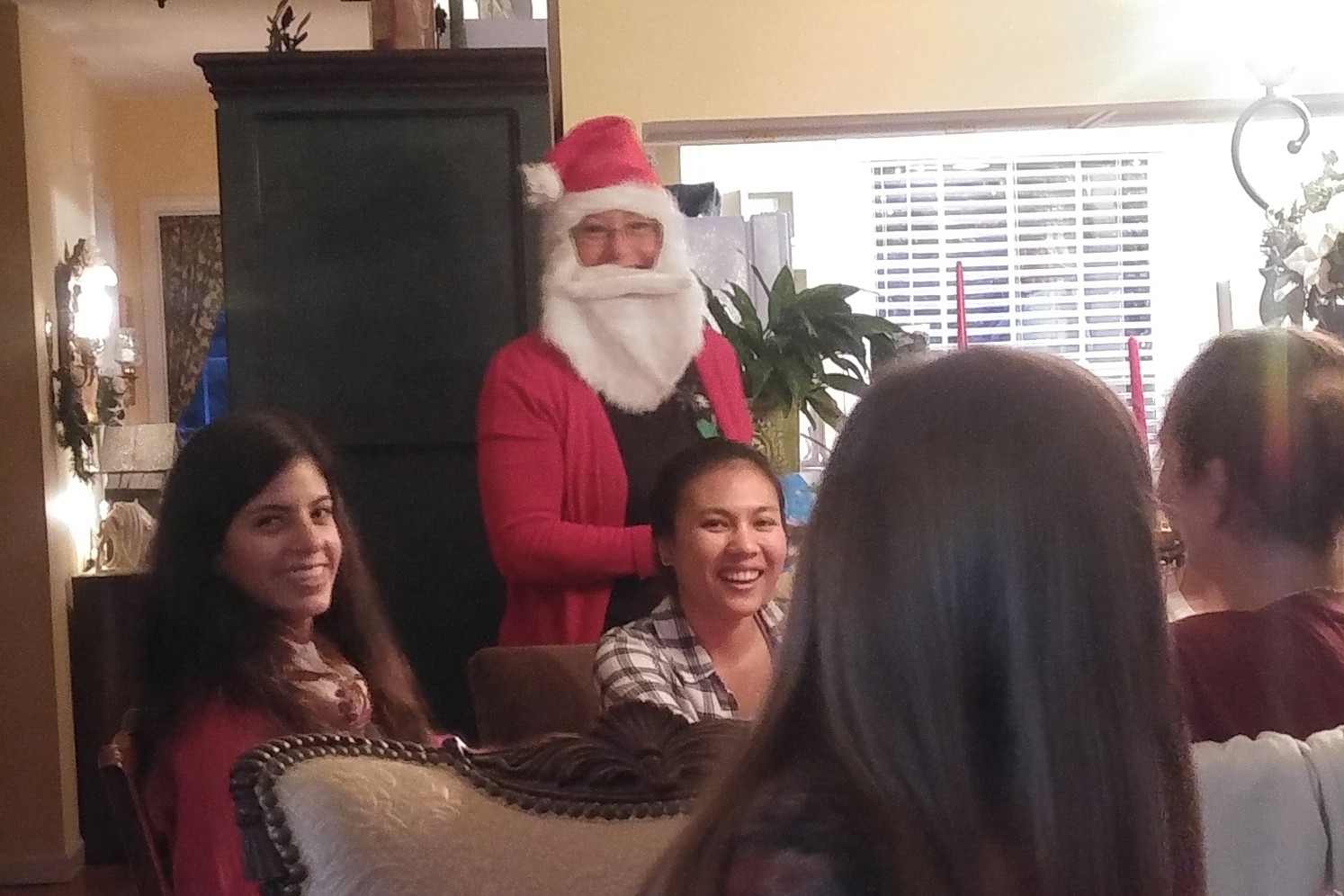
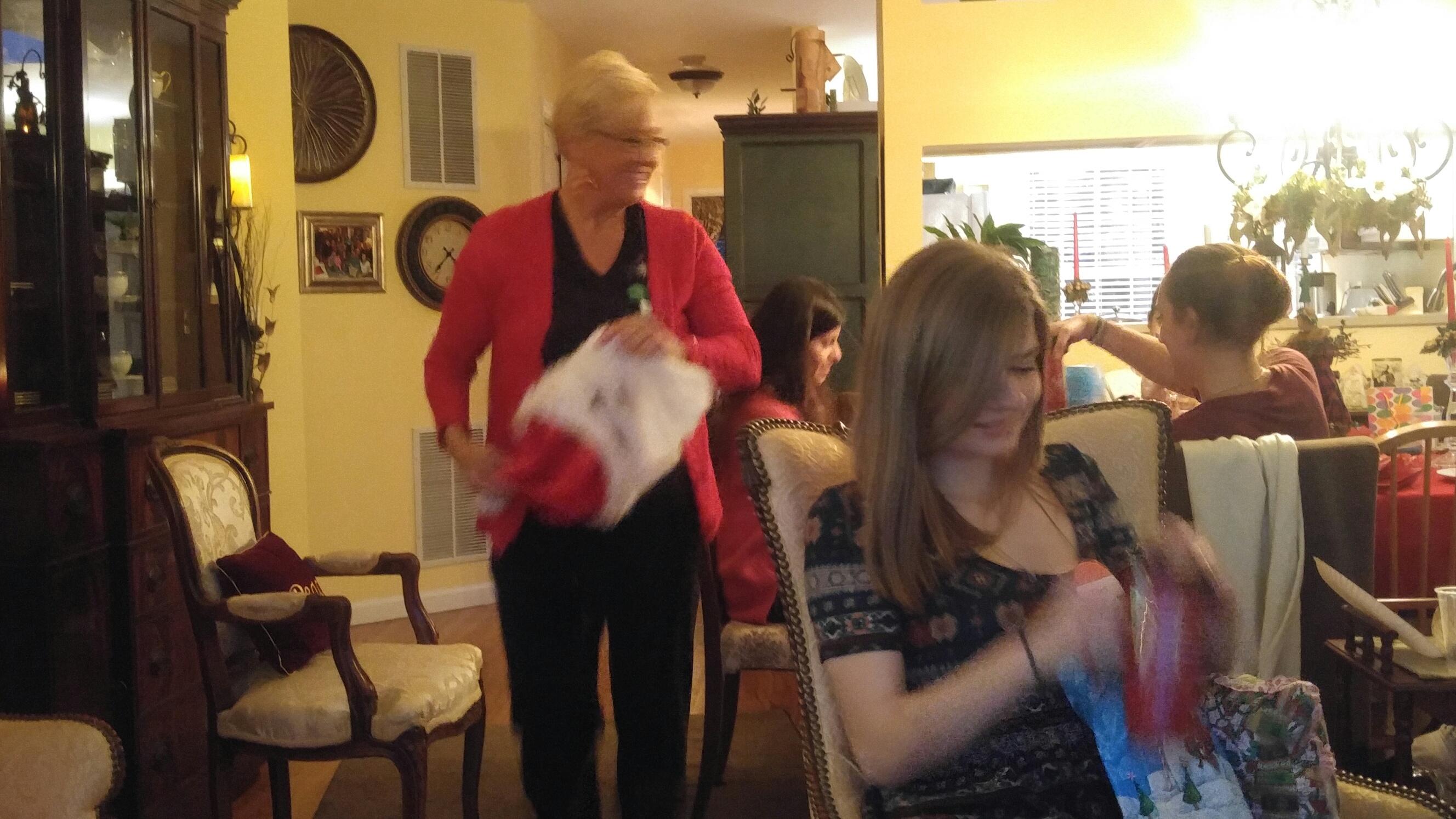
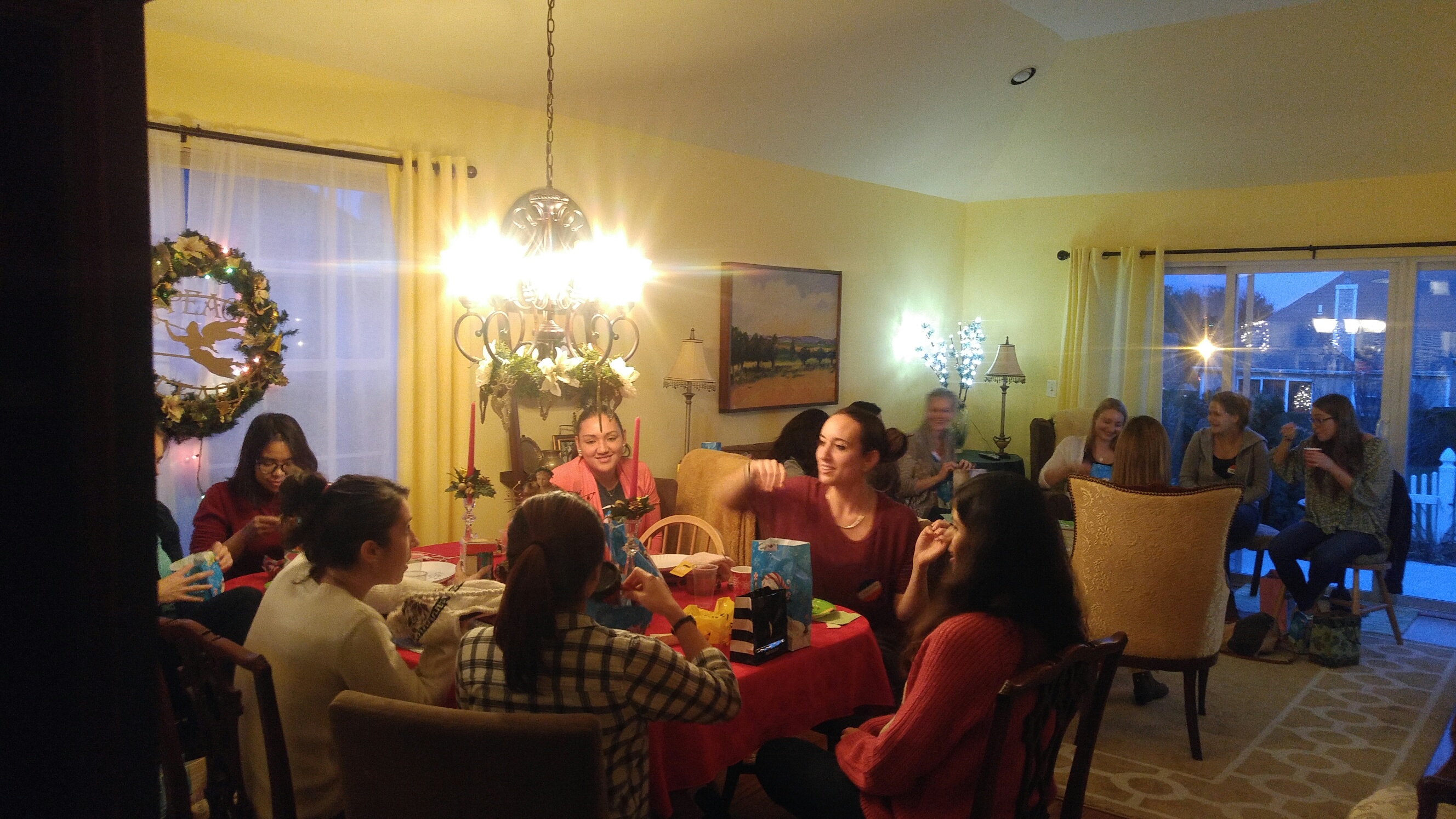
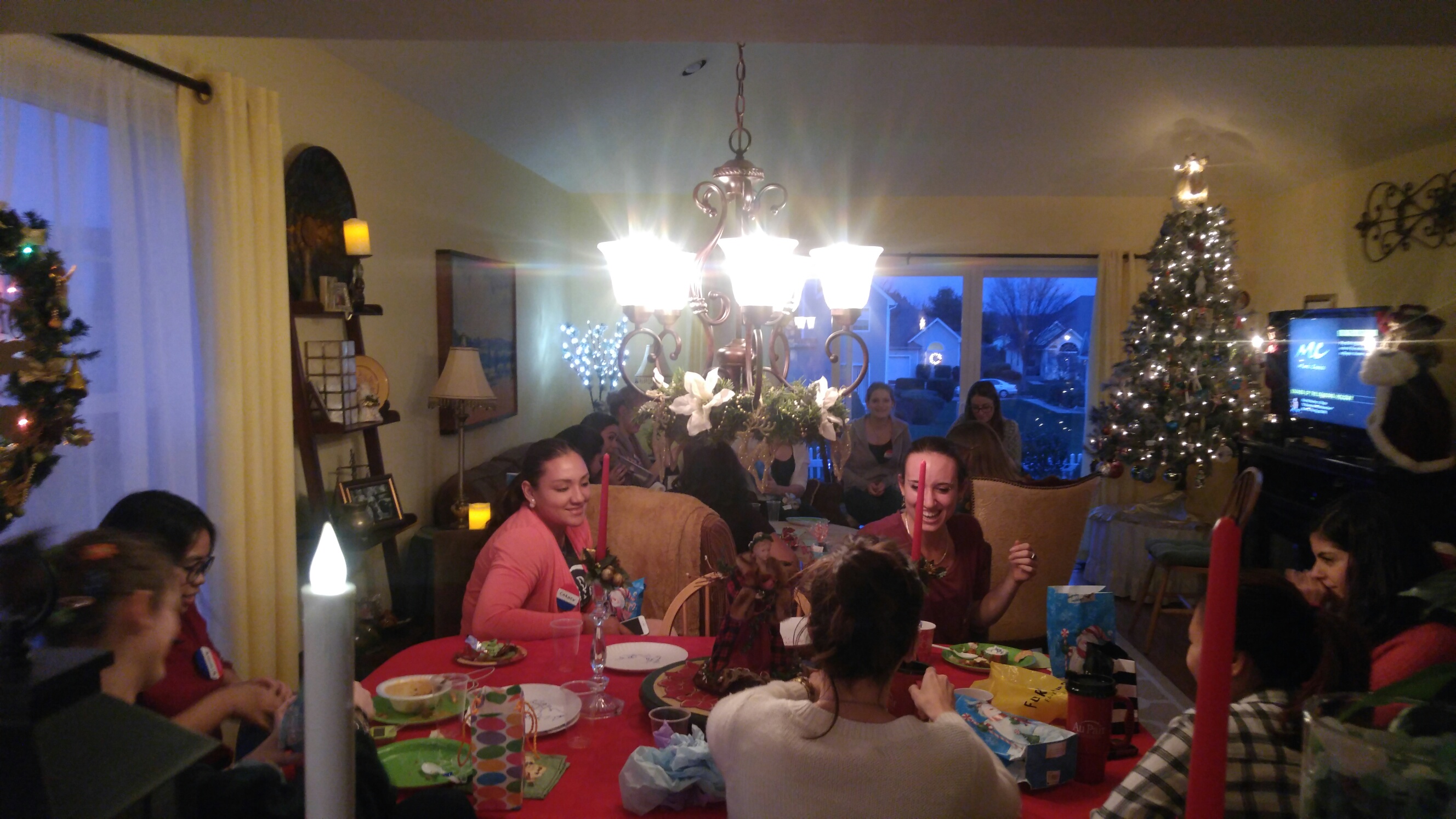
This past Sunday, December 13th the Suffolk Cluster of Au Pair in America enjoyed a holiday party at Community Counselor, Cindy Garruba’s home.  There was an International Feast with dishes prepared by au pairs from all over the world.  20151213_154746_resized (1) 20151213_154650_resized 20151213_154757_resized 20151213_155554_resized 20151213_155547_resizedWe played a little game and the au pairs won some prizes.  A grab bag gift exchange and then Cindy played Santa and gave out gifts to each au pair!20151213_153124_resized20151213_163548_resized20151213_163553_resized20151213_163844_resized20151213_163751_resized20151213_163728_resized20151213_163755_resized20151213_163912_resized20151213_163855_resized

HAPPY HOLIDAYS!

Happy Hanukkah 2015!

Happy Hanukkah

Hanukkah begins at sundown this Sunday, December 6th and ends on Monday, December 14th

Hanukkah is the Jewish Feast of Lights or Feast of Dedication. The Hebrew word Hanukkah means dedication. The holiday begins on the eve of the 25th day of the Hebrew Month of Kislev and lasts eight days. Hanukkah usually falls in the month of December, but occasionally can start in November.

The history

The books of the Maccabees tell the story of Hanukkah which occurred in 165 B.C. After three years of struggle, the Jews in Judea defeated the Syrian tyrant Antiochus. The Jewish people held festivities in the Temple of Jerusalem, and rededicated it to God. After removing all Syrian idols from the Temple, the Jews found only one small pot of oil to light their holy lamps. Miraculously, the small pot provided oil for eight days. Judas Maccabaeus, the Jewish leader, then proclaimed a festival to be observed by Jewish people.

Hannukah Traditions

The Menorah

The centerpiece of the Hanukkah celebration is the Hanukkah or menorah, a candelabra that holds nine candles. Eight candles symbolize the number of days that the Temple lantern blazed; the ninth, the shamash, is a helper candle used to light the others. Families light one candle on the first day, two on the second (and so on) after sundown during the eight days of Hanukkah, while reciting prayers and singing songs. The menorah — either store-bought or homemade and crafted of metal, wood, papier mache, or clay — is filled from right to left, but lit left to right so each new candle is lit first.

Singing Songs

Hanukkah — one of the most family-oriented of Jewish holidays — comes with its own set of carols sung around the glowing menorah. These celebrate everything from the glory of God and the ancient Temple of the Jews (“Maoz Tzur”) to the simplicity of a dreidel (see below), as in “Dreidel, dreidel, dreidel/I made it out of clay/And when it’s dry and ready/Dreidel I shall play.”

Yummy Treats

There’s nothing low-fat about Hanukkah – many of the traditional foods of the holiday are deep-fried. In honor of the oil-y miracle people celebrating Hannukah like to eat foods that are fried in oil like latkes (potato pancakes) and sufganyot (jelly-filled doughnuts) and different fried breads.  Want to have a go at making something?  There are lots of recipes for yummy treats here: http://www.chabad.org/library/article_cdo/aid/454611/jewish/Chanukah-Recipes.htm

Spinning Tops

It’s customary to play with dreidels (spinning tops) during the holiday, even wage gambling games in which players guess which side of the top will fall face up. Legend has it that during the Greek-Syrian dictatorship in Israel of yore, Jews got around the ban on reading the Torah by bringing spinning tops to study sessions so their oppressors would think they were just playing around. The Hebrew characters carved into the four sides of today’s dreidels are the first letters of “Ness Gadol Haya Po/Sham,” which roughly translates to “Great Miracle Happened Here/There” (depending on whether you’re in Israel or not).

For fun and educational activities for children go to http://www.apples4theteacher.com/holidays/hanukkah/

Directions to play the Dreidel game (Play for Hershey kisses, a great way to have fun with the kids):  http://www.apples4theteacher.com/holidays/hanukkah/dreidel-game.html

A very Happy Hanukkah to all!