Yearly Archives: 2018

Homesickness

Believe in Your Dreams:

It is completely normal to feel homesick sometimes when we are far from home.  Homesickness comes from feeling disconnected from people, places and routines.  It is an emotion that passes with time.  Remember: It.is.normal.

Here are some things to do if you are feeling a little blue:

  • Be a tourist, get to know where you live, visit the local sights and explore just as you would if on vacation.  Start a list of favorite places. Check out the blog for ideas.
  • Plan a trip with a friend, a day trip or a weekend, get excited about doing something new with a new friend and before you know it you will be excited and chatting about the trip instead of talking about what you are missing at home.
  • Post in the cluster Facebook group that you are off on Saturday or Sunday and that you are looking for a buddy to hang out with! Don’t wait for someone else to plan it, take the initiative!
  • Go to your cluster meeting. It’s not just a requirement of the program, it’s a beneficial part of your experience. Cluster meetings are a great way to meet new friends and get a hug and support!
  • Not everything has to change.  If you loved jogging at home, do it here. There are some habits you love that you can keep. Played soccer at home? Love basketball or singing or digital photography? Ask me, I can help you find activities within the community to join!
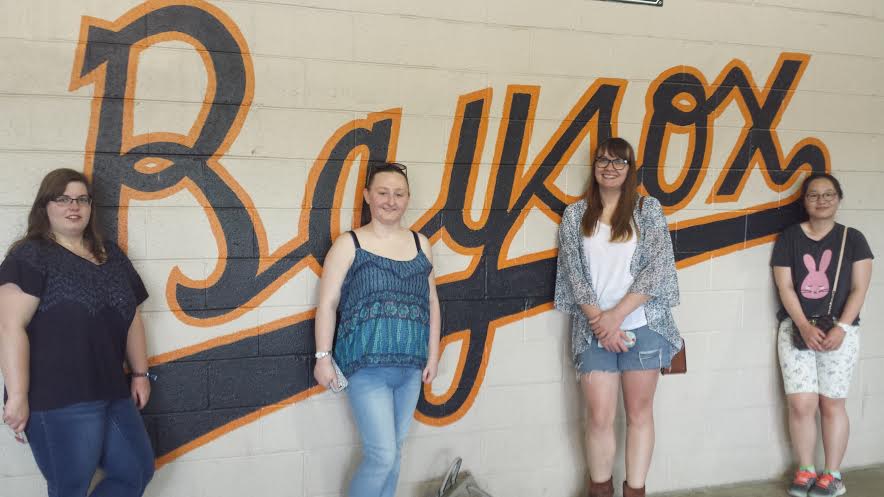
  • Create a routine.  Having a routine will help you feel at home and settle into life here. It’s tempting to sleep in on the weekends, but you’ll miss out on fun! It’s okay some times, but remember, you only have 52 weekends here! Make the most out of them!
  • Get enough sleep! Go to bed at a reasonable time. Planning a quiet activity for the hour or so before bed can help you establish and maintain good sleep habits.
  • Get involved in activities that will help you meet Americans! Other than classes, consider finding a church with a young adult group, volunteer, join an interest group! Building friendships is important and you will have a richer cultural exchange as a result!
  • Do not stay home.  Get out and about, go to the gym, the park, a coffee shop, a movie, staying home alone will not help homesickness.
  • Tell your me that you are feeling homesick. I can help you! It may be a first for you, but it isn’t for me. I can help connect you with another au pair who was also homesick. There’s nothing better than talking to someone who has been in your shoes.
  • Start an American Dream album on Facebook, write your memories in a private blog, save a few special reminders – ticket stubs, postcards, small souvenirs, etc. from your year.  It will give you something to work on when you have quiet time alone and as your year progresses you will be able to see what an amazing experience you are having.  You’ll have a wonderful keepsake to have of you year (or two).
  • Most importantly, talk to someone, if you feel sad or homesick, talk to your host family, call me, or a friend.  Being part of a cluster enables us to help and support each other.
  • If you aren’t homesick, reach out to others who you think might be. Be a friend. We were all new once. That new girl nearby would love for you to pick her up and go to a movie or for coffee or ice cream. Dare to be bold. Dare to be fearless!
  • Keep the circle wide open for everyone to join in. Building friendships with people outside of your culture will richly reward your year here and your life in general. It’s a wonderful thing to watch au pairs maintain their cross cultural friendships after they go home.

A little inspiration from a former au pair… https://www.youtube.com/watch?v=H3IBmRWGnwA

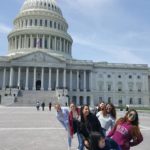
Au Pairs at the US Capitol!

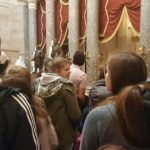
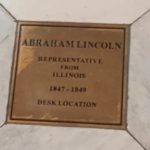
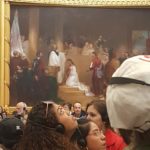
This past weekend several clusters with Au Pair in America met in DC for a tour of the United States Capitol. This building is the most widely recognized symbol of democratic government in the world. It has housed Congress since 1800. The Capitol is where Congress meets to write the laws of our nation and where Presidents are inaugurated and deliver their State of the Union messages.

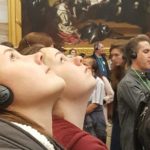
This was very exciting day for several hundred au pairs in our region as we received a very informative tour by our tour guide! Thanks to everyone that participated!

Education Requirement Explained

Au pairs are required to complete 6 credits or 8 CEUs or 72 or more hours. I will work with your au pair to ensure that she earns the appropriate amount.

You may take credit or non-credit classes from an accredited college.  If you want to take a class at a school not listed here on my blog, please check with me first to make sure it is accredited. Otherwise, it would not count toward your education requirement.

Your host family will pay an education allowance to assist you in completing your education requirement. They will also ensure your transportation to class (access to a car and gas expense will be covered). The education allowance is $500.

There are ways to get your credits for close to  your education allowance, but it will not give you a lot of choices. Normally au pairs will contribute some of their own money ($200+) towards their education. I can help you plan out your year of classes to make it fun, interesting and educational!  CollegeDegrees360

The APIA Advantage UCLA Course is the only State Dept. approved class with an online component. No other online classes are accepted.

  • NOTE – Au pairs are allowed to take one weekend course for up to half their education requirement per contract year.  The Department of State views our program as a cultural exchange experience and an au pair going to a campus over the length of a semester alongside her American Peers facilitates this while promoting the spirit of the program.  

Photo Credit: CollegeDegrees360 (flickr)

National Cherry Blossom Festival 2018

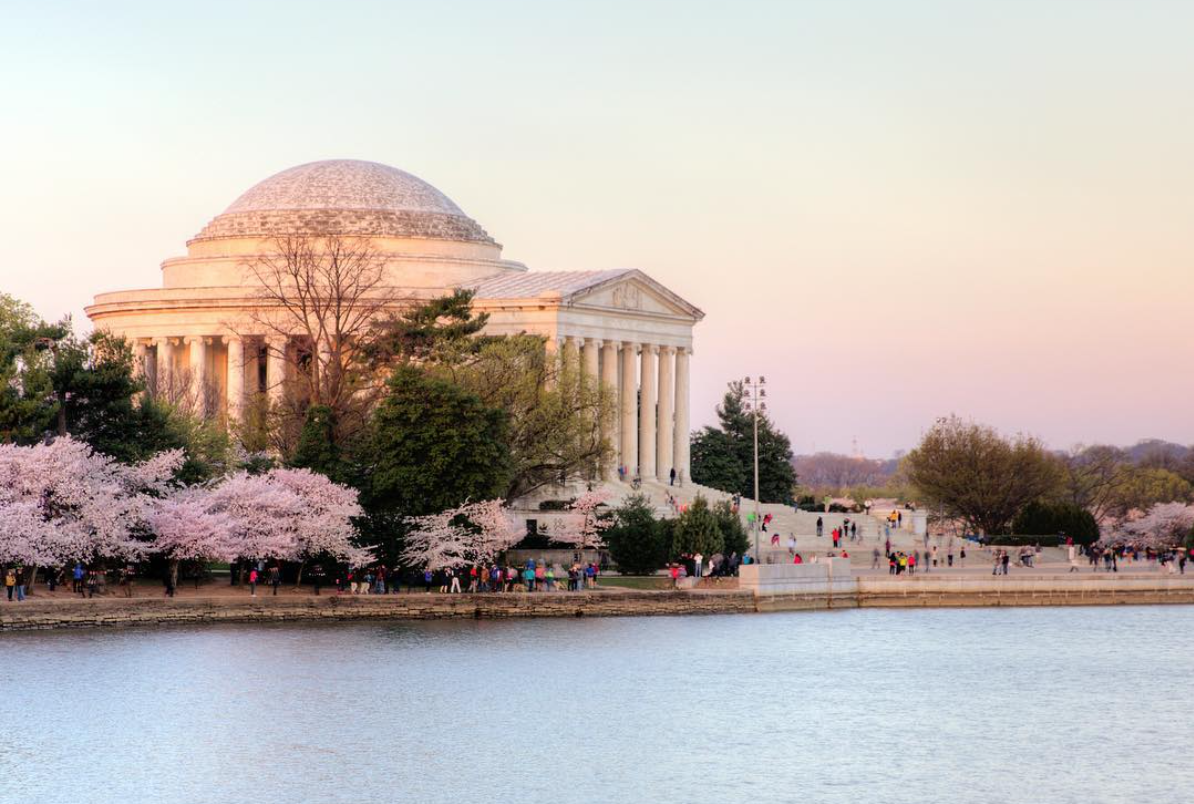
The National Cherry Blossom Festival is an annual event which celebrates springtime in Washington, DC as well as the 1912 gift of the cherry blossom trees and the enduring friendship between the people of the United States and Japan. This year’s festival will be MARCH 17-APRIL 15!

The predicted peak blooming period of the cherry blossoms for this year is APRIL 8-12.

Here are some of the highlights:

Smithsonian Kite Festival – Saturday, March 31, 2018
Washington Monument Grounds
10 am-4:30 pm

Petalpalooza Fireworks Festival – Saturday, April 7, 2018
Waterfront Park – 600-900 Water Street, SW
1-9:30 pm
Fireworks at 8:30-9:30 pm

Cherry Blossom Parade – Saturday, April 14, 2018
Constitution Avenue from 7th to 17th Streets, NW
10 am- 12 pm

There are many more great events, visit the festival website for more information.

Helpful links:
Cherry Blossom Festival Website
National Park Service Bloom Watch
Metro Website (use the trip planner feature on this website to find the metro options, taking metro is much better than driving for the festival events)

Photo & Video: National Cherry Blossom Festival 

Easter eggs and spring break fun ideas!

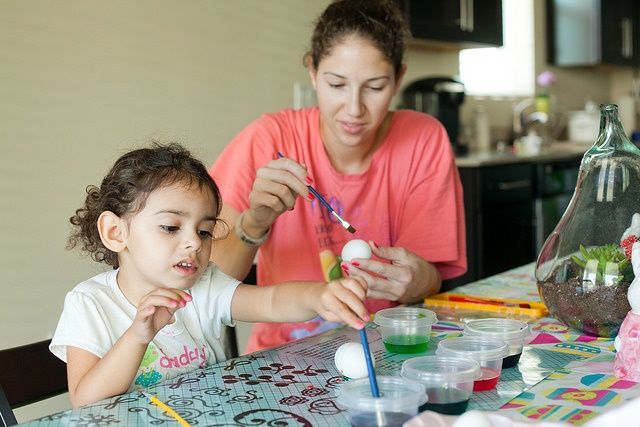
Photo by Michael

Looking for some fun ideas for Easter celebrations and spring break activities? Check out the Au Pair in America Pinterest board for lots of great ideas!

Make crispy rice eggs

Bake and decorate chick cupcakes

Easter egg hunt in the dark?

Paper plate bunny basket

Make a foosball game out of a shoebox

Go on a scavenger hunt at the park

Make finger leg puppets

Play the Draw A Monster Game

Photo by Michael

Volunteering in the Community – Dunkirk Rescue Squad


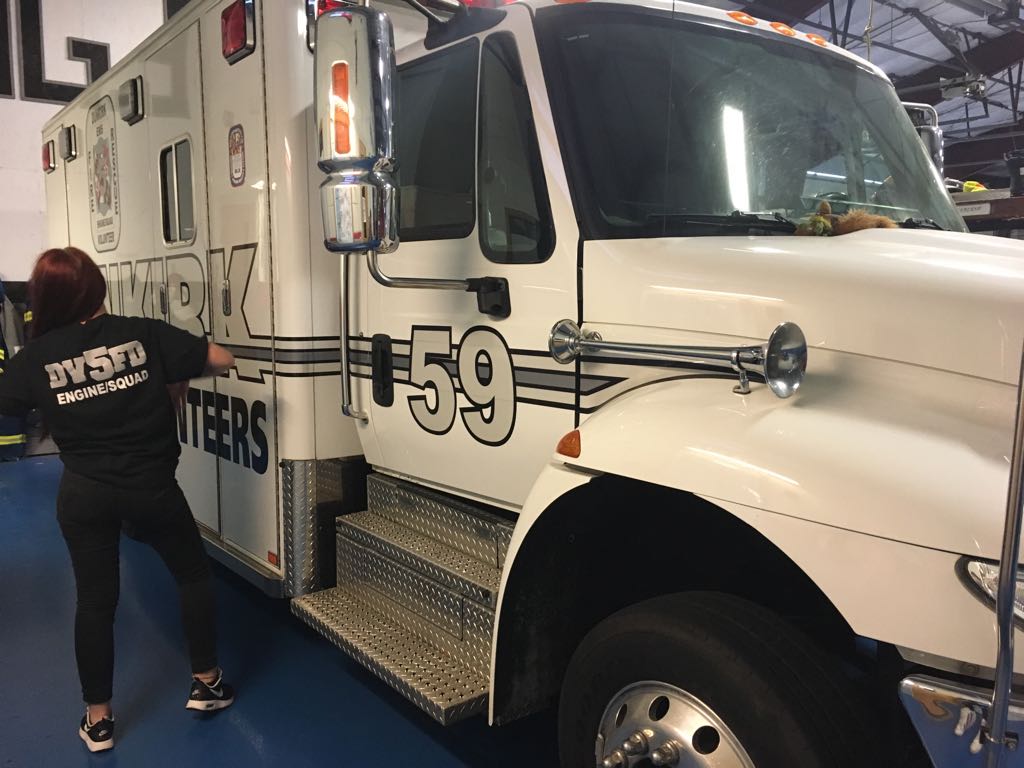
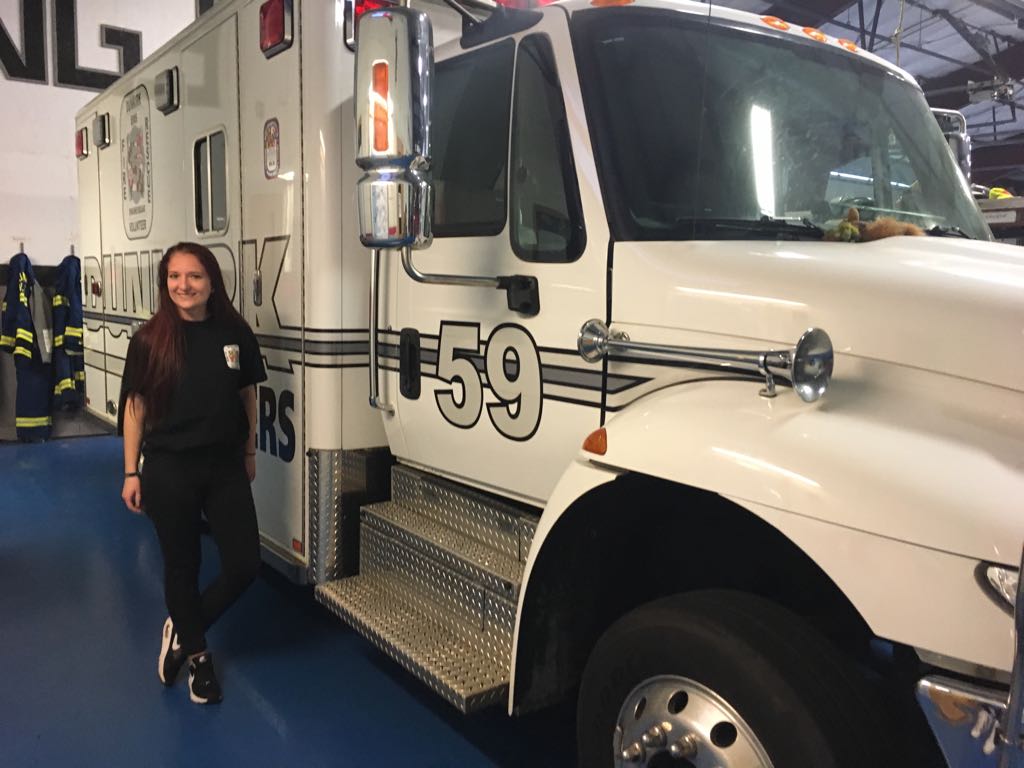
Anna, 20, from Germany, is in her second year as an au pair in Dunkirk, MD. She regularly volunteers her time to support the local volunteer rescue squad. Anna spent many hours training to prepare her to ride in a rescue squad as a support person. Her community service is quite valuable, as the Southern Maryland region is almost exclusively volunteer staffed for fire and rescue. Anna also volunteers in other ways to support the department, such as community events, fundraisers and general support. Anna’s volunteer service has provided her the opportunity to gain new skills, help others and build friendships with American citizens from teens to seniors!

Daylight Saving Time Begins March 11

What is Daylight Saving Time?

During Daylight Saving Time, clocks are turned forward one hour, effectively moving an hour of daylight from the morning to the evening. Today, approximately 70 countries worldwide utilize Daylight Saving Time, in at least some portion of the country. The U.S. started observing it in 1918, so it celebrates it’s 100th birthday, this year.

In March, we move the clock forward one hour, losing an hour of sleep. In November, we move the clock back one hour, regaining that extra hour of sleep.

An easy way to remember it is: Spring forward, Fall back.

Before you go to bed on March 10, be sure to set the clocks forward one hour!

Photo: Mark Lee

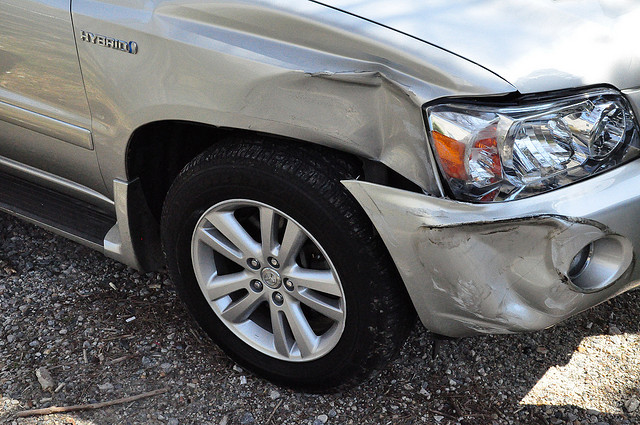
What to do after an accident

Having a car accident is a very upsetting, stressful situation. Being prepared and knowing what to do can make things a little bit easier. Make sure you know which host parent to call in case of an accident.

Make sure you have all the necessary documents in your car glove box. Read this post on What to Keep in the Car Glove Box for a detailed list.

If you have an accident: (from Edmunds.com)

  1. Keep Safety First. Drivers involved in minor accidents with no serious injuries should move cars to the side of the road and out of the way of oncoming traffic. Leaving cars parked in the middle of the road or busy intersection can result in additional accidents and injuries. If a car cannot be moved, drivers and passengers should remain in the cars with seatbelts fastened for everyone’s safety until help arrives. Make sure to turn on hazard lights and set out cones, flares or warning triangles if possible.
  2. Exchange Information. After the accident, exchange the following information: name, address, phone number, insurance company, policy number, driver license number and license plate number for the driver and the owner of each vehicle. If the driver’s name is different from the name of the insured, establish what the relationship is and take down the name and address for each individual. Also make a written description of each car, including year, make, model and color — and the exact location of the collision and how it happened. Finally, be polite but don’t tell the other drivers or the police that the accident was your fault, even if you think it was.
  3. Photograph and Document the Accident. Use your camera to document the damage to all the vehicles. Keep in mind that you want your photos to show the overall context of the accident so that you can make your case to a claims adjuster. If there were witnesses, try to get their contact information; they may be able to help you if the other drivers dispute your version of what happened.

Important Reminder: You may always phone the police (911) to ask for help, if you feel unsafe because of how the other person is behaving. Your safety is the most important thing.

Image: cygnus921 (Flickr)

Celebrating a host child’s birthday!

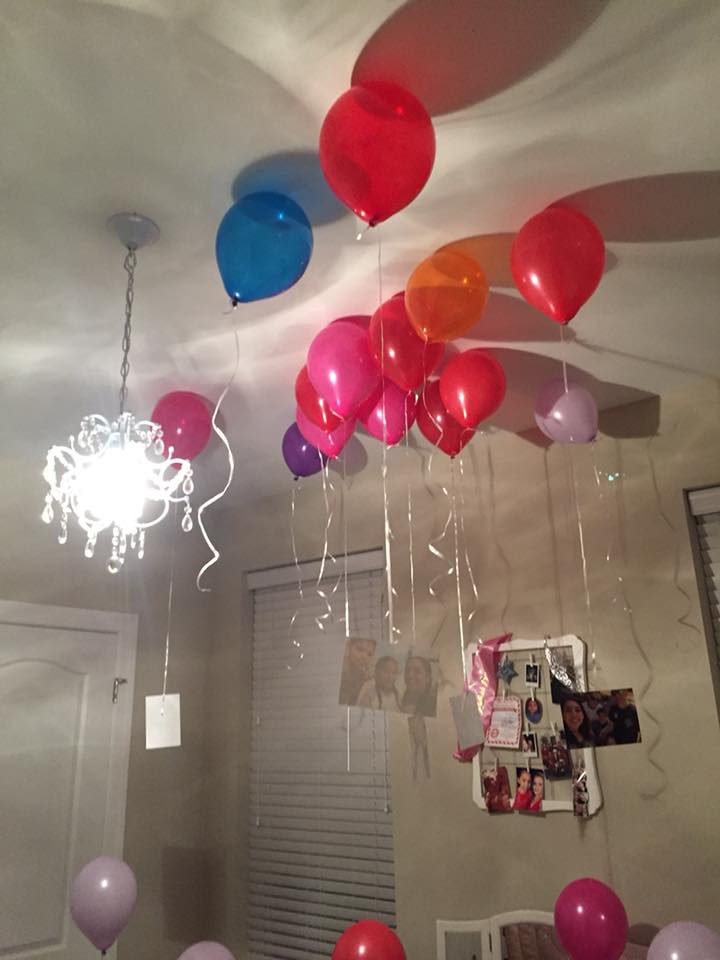
Solymar, an au pair from Panama, recently created a memorable birthday for one of her host children, a little girl turning 6!

Solymar created a wonderful balloon display in the little girls room so when she woke up in the morning she would be greeted with a magical sight! This is just one example of the love and care our au pairs have for their host kids!