Author Archives: Annie Stauffer

Around the World in Days – Austria

AUSTRIA

Western Europe
Capital: Vienna
Languages: German
Predominant Religion(s): Christianity

COMMON CHARACTERISTICS:

  • Austrians are open-minded, independent and polite.
  • They are motivated and hard-working.
  • Austrians are cheerful.

FUN FACTS:

  • “The Sound of Music” is a lot more popular around the world than in Austria!
  • Austria only has about 8 million inhabitants – that’s roughly the same population as Virginia!
  • German is the official language in Austria but there are a lot of different dialects in Austria’s different regions.

USEFUL PHRASES:

  • How are you?      Wie geht es dir?
  • Fine, thanks.       Gut, danke.
  • My name is…       Mein Name ist…
  • Nice to meet you.     Freut mich dich kennenzulernen.
  • Thank you.           Danke.

For more info on Austria, check out the APIA Culture Quest site!

Around the World in 80 Days – Melktert from South Africa

Melktert – South Africa

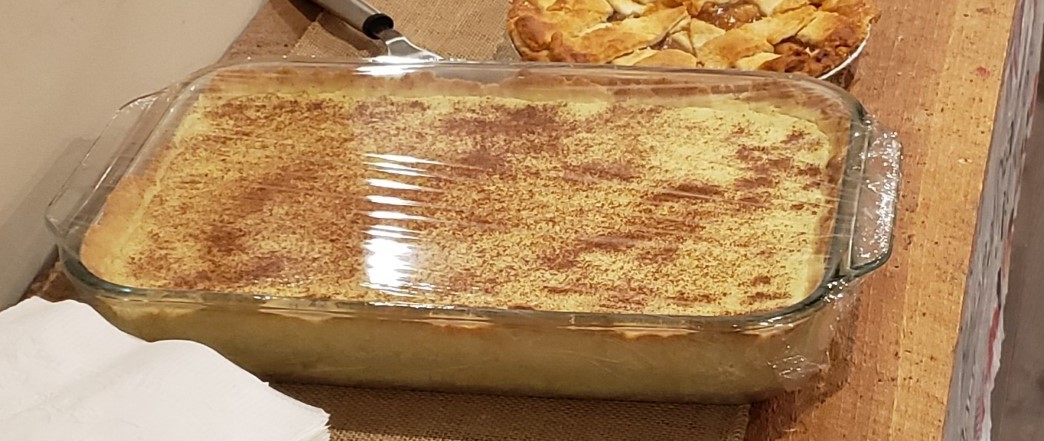
Melktert(or Milk Tart) is a Afrikaner dessert consisting of a sweet pastry crust containing a custard filling made from milk, flour, sugar and eggs. The ratio of milk to eggs is higher than in a traditional Portuguese custard tart or Chinese egg tart, resulting in a lighter texture and a stronger milk flavor.

Crust

1 Egg

1/2 cup sugar

2 cups flour

1/2 teaspoon salt

1/4 pound butter

1 teaspoon of baking powder

5 drops of vanilla

Beat egg and sugar until the sugar is not visible.

Sift flour, salt and baking powder in a separate bowl.

Add butter and lastly the vanilla.

Mix everything together

Press it into a tart pan

Bake at 350 degrees for 15 min.

Rest of dough can be frozen for later.


Filling

2 tablespoons butter and 2 cups milk

Boil it with a pinch of salt.

In separate bowl, mix

2 tablespoons Corn Starch

4 tablespoons of sugar

1 beaten egg

Add it to the milk mixture

Cook it (for a little while) until a little stiff and toss in the crust.

Recipe by Danielle, an au pair from South Africa

Around the World in 80 Days – Australia

AUSTRALIA

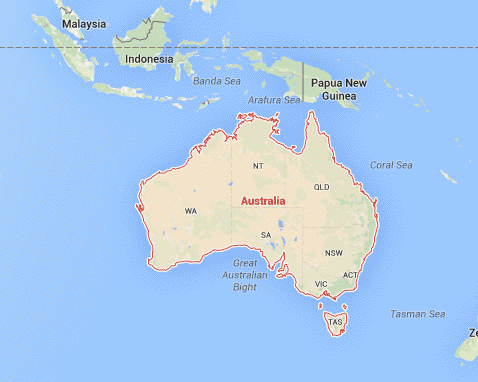
Between the Indian Ocean and 
South Pacific Ocean
Capital: Canberra
Languages: English
Predominant Religion(s): Christianity

COMMON CHARACTERISTICS:

  • Australians are quite direct and will freely discuss a range of subjects.
  • Most Australians grow up believing that everyone should have equal rights and be treated the same. Australia was the second country in the world to allow women the vote.
  • About 26% of the population was born overseas and 40% have a parent born overseas, so there is a lot of diversity. Many Australians feel that Australia has a culture and identity based on friendship, honesty, sports, and multiculturalism.

FUN FACTS:

  • The largest Greek population in the world other than in Athens is in Melbourne, Australia.
  • Australia was settled by convicts (criminals) sent over from the UK. The first police force was made up of the 12 most well-behaved convicts.
  • The black box, wine cask, bionic ear, ultrasound and pacemakers were all invented in Australia.
 

One style of Australian aboriginal art has an x-ray appearance to it. Learn more about this style and try making some x-ray art of your own.

Captain James Cook claimed Australia as part of the British Empire while he was looking for a southern continent. Learn more about James Cook and others who explored Australia.

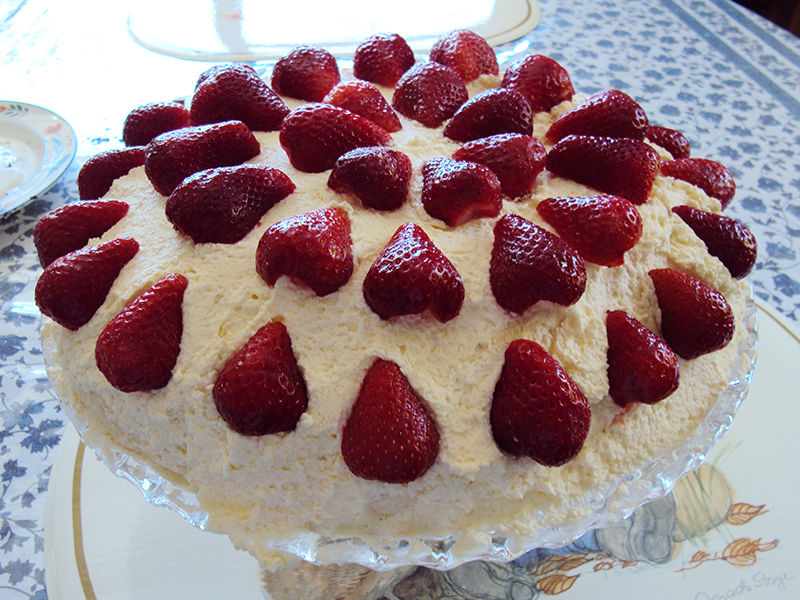
In 1935, the chef of the Hotel Esplanade in Perth, Western Australia, Herbert Sachse,  created the pavlova to celebrate the visit of the great Russian ballerina, Anna Pavlova. Whilst it has been suggested this dessert was created in New Zealand, it has become recognized as a popular Australian dish. Pavlova Recipe

As Australia is an English-speaking country, the children there sing many of the same songs that we sing in the United States, but sometimes they sing a different version. Visit this site to compare the Australian version of familiar songs with the one you know.

Click on the link to learn more about Australia!

Photos by: Angela Thomas {flickr}, Martin Hipp {flickr}

Around the World in 80 Days: Kartoffelsalat German Potato Salad Recipe

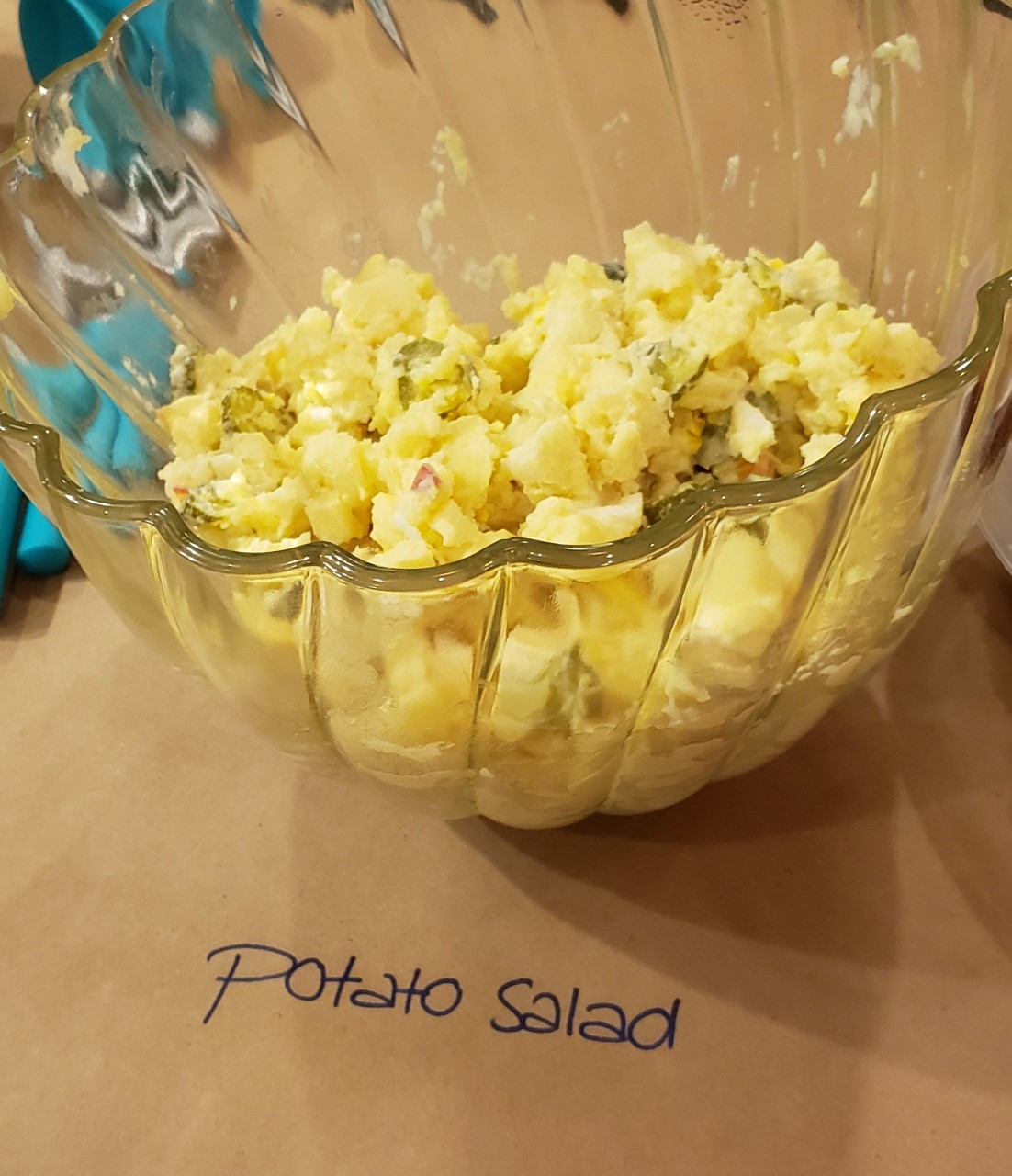
Day Two of our Around the World in 80 Days series bring us to Germany to learn a recipe for German Potato Salad. There are several different versions of German Potato Salad, just like there are in America. This recipe calls for apples!

Potato Salad (‘Kartoffelsalat’)  

  • 800g (28 oz.) cooked potatoes
  • 2 onions
  • 100g (3.5 oz.) pickled cucumbers
  • 3 hard boiled eggs
  • 6 tbsp. mayonnaise
  • 3 tbsp. liquid of the pickled cucumbers
  • 1 tbsp. mustard
  • Salt, Pepper
  • Optional: 1 apple

Wash potatoes, peel and cook them for about 20-25 minutes until they are fully cooked. Drain them, let them cool and cut them into slices or cubes (whatever you prefer).

Then, peel the onions and also cut them into cubes. Cut the pickled cucumbers, the hard boiled eggs (and the apple) in slices.

Mix the mayonnaise, the liquid of the pickled cucumbers and the mustard and mix it carefully with all the other ingredients. Salt and pepper and wait for at least 30 minutes until you serve it.

Recipe provided by German au pairs in Southern Maryland

Camp Au Pair – Pirates

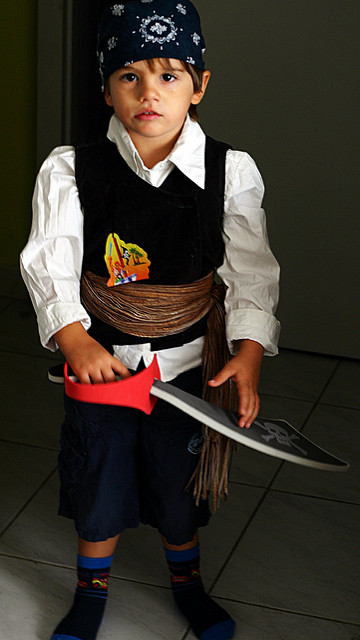
Ahoy! Save yourself from walking the plank of summertime boredom this final week by checking out Au Pair in America’s summer fun theme PIRATES!

Virtual Field Trips:

Books:

  • How I Became a Pirate.  Pirates have green teeth—when they have any teeth at all. I know about pirates, because one day, when I was at the beach building a sand castle and minding my own business, a pirate ship sailed into view.
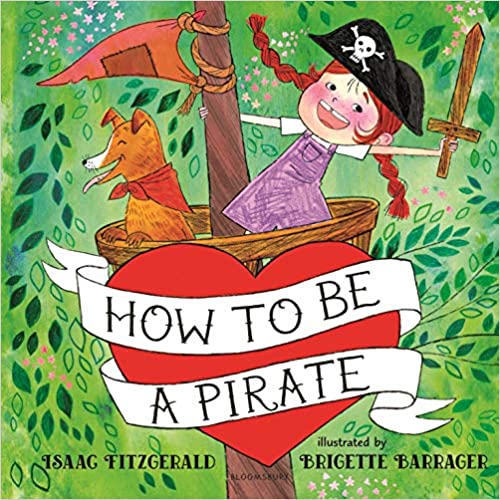
  • How to be a Pirate. CeCe dreams of being a pirate. When the neighborhood boys tell her that she can’t, she wonders where to begin. Luckily, she suspects her grandpa must know something about being a pirate–why else would he have all those tattoos?
  • Pirates Magnified! Ahoy, shipmate! Explore the lives of 10 real pirates and learn about life on the high seas, whilst using the magnifying glass—included inside the book’s foil-accented cover—to spot more than 200 pirate-themed items in 16 eye-boggling illustrations.
  • Pirate. A DK Eyewitness Book.Take a close-up look at the colorful–and cruel–robbers of the sea. Sink into this exciting introduction to the world of sea-thieves – their origins, adventures and blood-thirsty battles. Learn who devised the terrifying Jolly Roger, how a surprisingly disciplined life was maintained aboard pirate ships, and what cunning ruses pirates used to lure merchants to their doom. Everything you ever wanted to know from why European kings and queens encouraged piracy to what pirates ate at sea.


Photo by: Leonid Mamchenkov

Around the World in 80 Days – Argentina

Around the World in 80 Days!!

Summer break has officially arrived in Southern Maryland. Over the next 80 days (ending just before Labor Day), we’ll discuss different cultural things each day! From general country info to cultural norms to recipes and more!!

Let’s focus on global awareness and share some cultural experiences! Most importantly, share your culture with your host family. Incorporate games, books, songs, language, foods, etc into your host family’s lives. Cooking a dish from your home country is a great way to share. Discuss similar traditions and ones unique to your family or culture.

First up, let’s learn about Argentina!

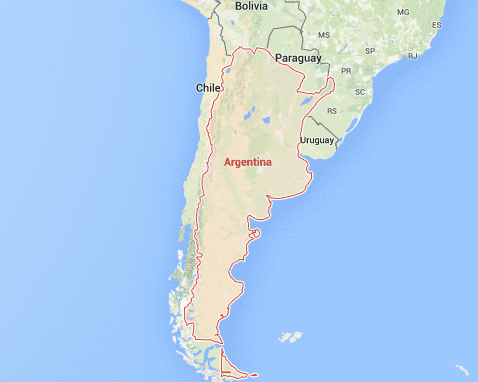
ARGENTINA

South America
Capital: Buenos Aires
Languages: Spanish
Predominant Religion(s): Christianity
(Roman Catholic)

COMMON CHARACTERISTICS:

  • Independent, mature, responsible, trustworthy.
  • Open to share their ideas or thoughts.
  • Open minded, flexible, ready to have a good experience abroad.

FUN FACTS:

  • Young people in Argentina love technology – they can’t understand how their grandparents survived without cell phones!
  • Argentine beef is famous around the world, so naturally Argentinean’s love bar-b-ques!
  • The Argentine city of Ushuaia is the southernmost city in the world!

USEFUL PHRASES:

  • How are you?      Como estas?
  • Fine, thanks.       Bien, gracias.
  • My name is…       Mi nombre es…
  • Nice to meet you.     Encantada de conocerte.
  • Thank you.           Gracias.

There are twenty languages spoken in Argentina, most of them by small groups of indigenous people. The primary language in the country is Spanish.

Try some Spanish language activities. This site includes an on-line English-Spanish picture dictionary and an on-line Spanish-English dictionary, as well as information, quizzes and pictures to color.

This website is available in both English and Spanish. There are activities to download, stories to listen to, and much more!

Do you know any words in English that came from Spanish words? You can find the answer to this question and many other facts about our world at Infoplease.

Recipe:

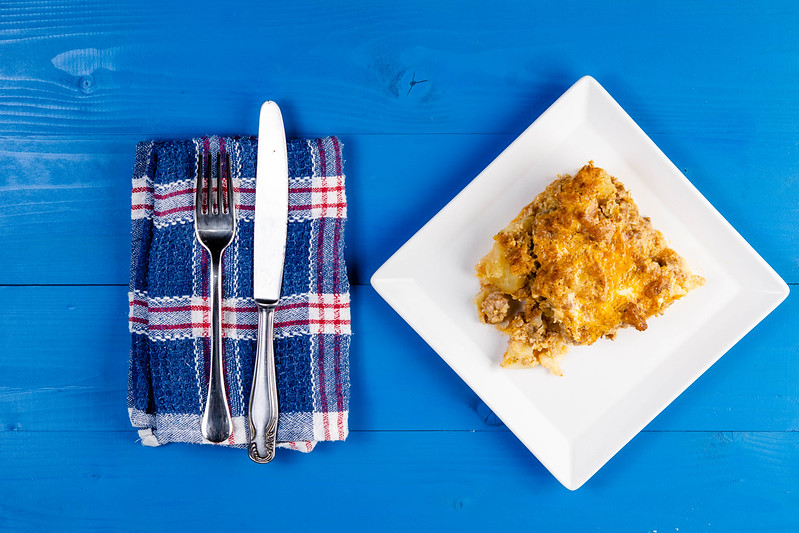
Argentine Mashed Potato Pie

Ingredients –

  • 6-8 potatoes
  • 1 cup milk
  • 1/4 cup butter
  • 1 onion
  • 1 red pepper
  • 2 tbsp oil
  • 1 pound lean ground beef
  • 2-3 eggs
  • 1/2 cup green pitted olives
  • shredded cheese
  • 1 can tomato sauce
  • paprika, salt and pepper

Instructions

  1. Peel and boil the potatoes until done.
  2. Boil eggs for 15 min.
  3. Halve, peel and chop onion and pepper.
  4. Sauté onion and pepper until tender.Add beef to onion and brown well.
  5. Add paprika, salt and pepper.
  6. Add tomato sauce to beef, stir, and remove from heat.
  7. Add eggs, olives to beef mixture.
  8. Mash potatoes, add butter, milk and salt.
  9. Use half mashed potatoes to line a lasagna pan or other large baking pan.
  10. Pour in beef mixture.
  11. Top with remaining mashed potatoes.
  12. Sprinkle with shredded cheese on top.
  13. Bake at 350°F for 30-40 minutes.

Submitted by Betiana Turteltaub, au pair in Villanova, Pennsylvania, 2004-2005

Photo: Jesus Dehesa {flickr}

Camp Au Pair – Kids in the Kitchen

Camp Au Pair is in the kitchen next week! As always, have a discussion with your host family about allergens and any food preferences they may have before beginning. This is a great resource for you to work with collaboratively with your host parents!

Feeling creative? Check out the Au Pair in America Pinterest board for some great ideas to get you started!

Field Trips:

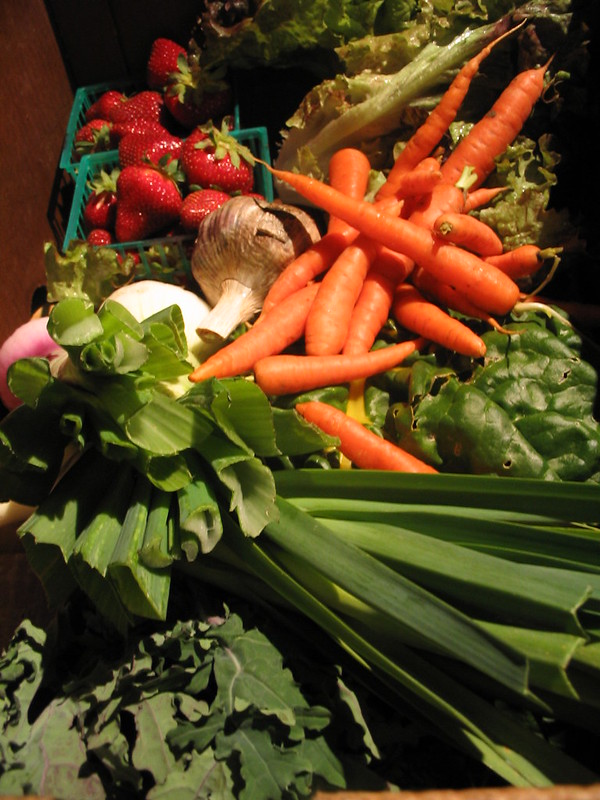
Visit a local farm, farmer’s market or artisan shop. Some allow you to order online and pick up on site. Check with your host parents first and always practice social distancing as directed by local, state and federal guidelines.

Virtual Field Trip Options:

  • Take a virtual trip to the White House kitchen! Start at the 30 minute mark.
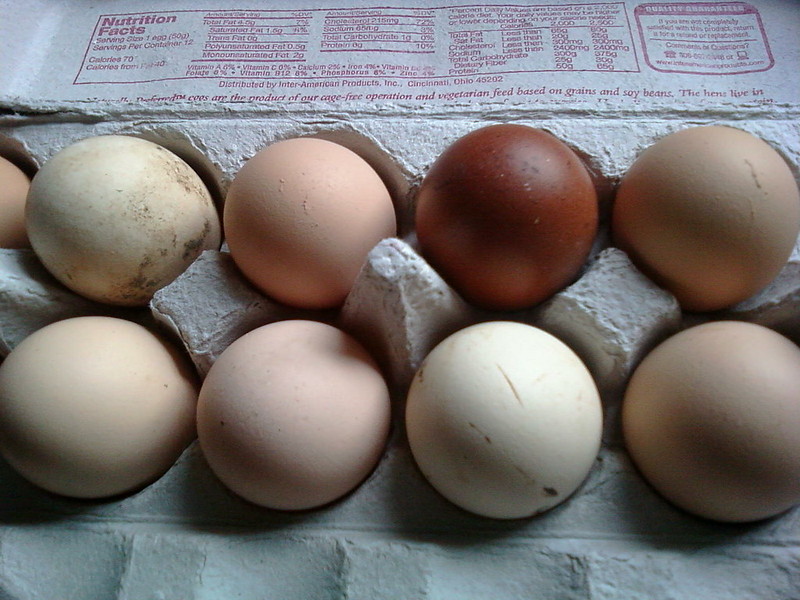
  • The American Egg Board has partnered with Discovery Education to bring modern egg farms into today’s classrooms through Virtual Egg Farm Field Trips. Join America’s egg farmers in exploring their farms! See where your eggs come from, then make an egg dish!

Videos:

Resources:

Let’s Create & Learn

Books:

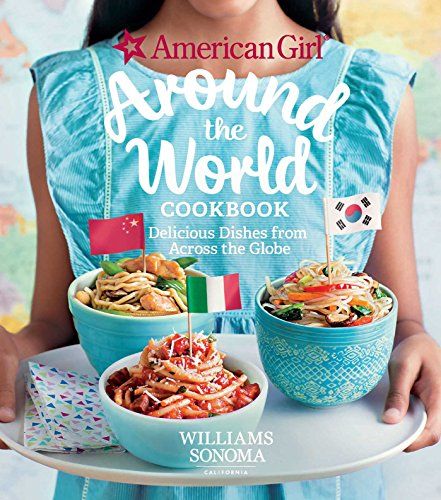
  • Around the World Cookbook for Kids. Featuring more than 50 recipes for kid-friendly dishes from different countries, American Girl Around the World Cookbook will inspire young chefs to taste and learn about new cuisines while perfecting kitchen skills.
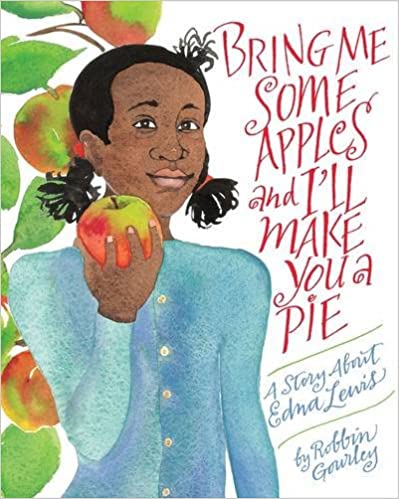
  • Bring Me Some Apples and I’ll Make you a Pie, by Edna Lewis. Edna Lewis was a prominent Black chef who championed the South’s regional cuisine, fresh ingredients, and farm-to-table before it was cool. Illustrations along with stories and songs about Edna and food guide kids through this book. Plus, there are five special recipes sprinkled throughout.
  • The Complete Baking Book for Young Chefs.Want to make your own soft pretzels? Or wow your friends with homemade empanadas? What about creating a showstopping pie? Maybe some chewy brownies after school? From breakfast to breads, from cookies to cakes (yes, even cupcakes!), learn to bake it all here. You can do this, and it’s fun!

Who says you can’t play with your food! Have fun in the kitchen with your host kids!

Photo credits: Ruth Hartnup {flickr}, USDA {flickr}, soapydishwater {flickr}

Mother’s Day

Mother’s Day in the U.S. is Sunday, May 8.

Mother’s Day recognizes mothers, motherhood and maternal bonds in general, as well as the positive contributions that they make to society. It was established by Anna Jarvis, with the first official Mother’s Day was celebrated at St. Andrew’s Methodist Church in Grafton, West Virginia, on May 10, 1908.

Mother’s Day was officially established by President Woodrow Wilson as a holiday in the United States in 1911. The celebration of mother;s in not unique to the United States, however. More than 40 countries celebrate in some way! How about your country? Do you celebrate Mother’s Day? If so, this is a good opportunity to share culturally how you celebrate. Compare and contrast between the two countries! You can read about how several countries celebrate Mother’s Day here.

You will find great ideas for projects you can make with your host children here on the Au Pair in America Mother’s Day pinboard.

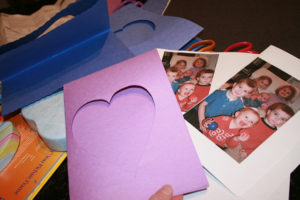
How about printable cards to color? Or a tin can butterfly planter! Try making some salt dough to capture hand or footprints.

Photo: Mrs. Flinger (Flickr)

Spring Break Activity Ideas

Looking for some fun ideas for Easter and Passover celebrations and spring break activities? Check out the Au Pair in America Pinterest board for lots of great ideas!

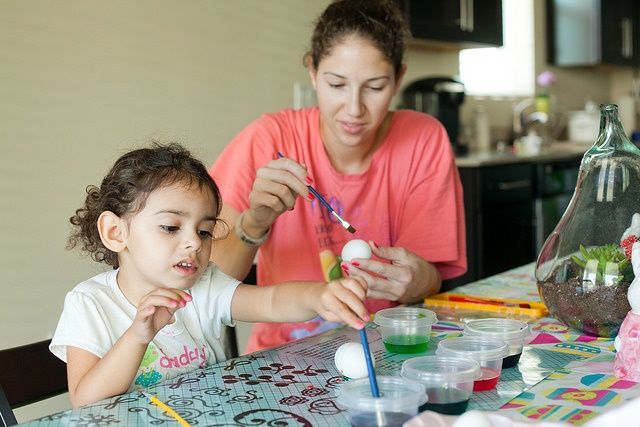
Easter Egg lunch

Passover crafts and ideas   

Bake and decorate chick cupcakes

Easter egg hunt in the dark?

Paper plate bunny basket

Make a foosball game out of a shoebox

Go on a scavenger hunt at the park

Make finger leg puppets

Play the Draw A Monster Game

Photo by Michael

Going Unplugged

Phones, tablets, and laptops are wonderful tools to stay connected and informed, but we need to be careful not to let them become distractions from real life interactions and most importantly our responsibilities.

jason-howie-flickrAu Pairs – Imagine for a moment that you went to the hospital and you were in the care of doctors and nurses.  How would you feel if those doctors and nurses who were there to care for you were more interested in texting or using their personal computer than caring for you?  How would that make you feel, about yourself and about them?  Would you think that you were getting good treatment Would you feel like paying the bill?

Life as an au pair, it is a fine balance between employee and family member. You live with your host family and participate with them as a member of the family, but you also have clear responsibilities as a childcare provider. Being a childcare provider is truly one of the most important jobs I can think of, because you are helping to shape our next generation.  What message are you sending them when you would rather interact with a computer than with them? How will they feel about themselves and about you? Children feel as though everything is about them. They will see this as a rejection of them and they will be more likely to act out.

It also poses a safety concern when you are not paying enough attention to the children in your care.  Accidents happen, but when an adult care giver is close by and appropriately supervising the chances of a major injury dramatically reduce.

During work hours, communicating with friends and family in the following would not be considered acceptable (limited use should be discussed with your host family). If you have a break or nap time, this would be a suitable time and of course communicating with the family, APIA staff or directly regarding the children to set up playdates or the like:
-Texting
-Talking to friends on the phone
-Chatting with friends online
-Using Skype or FaceTime
-IMing
-Emailing
-Updating your status on Facebook
-Using Snapchat, WhatsApp or any other app or social media site
-Watching videos on YouTube, Netflix, etc.
-Tweeting on Twitter
-Uploading photos on Instagram
-Anything else online unless it is going to approved child sites such as Nickjr.com together with your host children

Think about this — even if you work 45 hours a week, that leaves you 123 hours per week for all of that other stuff, or about 70 hours (if you are getting the recommended 7-8 hours of sleep per night). Your host parents will give you guidelines for your use during work hours, please follow them.

Host Parents – You need to be clear about what you consider acceptable during work hours to avoid misunderstandings.  Taking a short phone call while still being attentive to the children, checking email during nap time, researching activities to do with the kids, etc. Set clear expectations and be specific to your au pairs. Also, please understand that you are dealing with a new generation of people who are very accustomed to being plugged in at all times.  Their intention is not to be rude, they don’t necessarily realize how their actions will be perceived.  Please use this information as an opportunity to begin a dialogue on the issue.

Know that there will be times that your au pair needs to make calls or emails to communicate with you, APIA staff, school or personal appointments, etc. Time differences may make communicating with their family at home challenging. Communication between you and your au pair is crucial.