Tag Archives: Southern Maryland au pairs

Camp Au Pair – Art Exploration

Roll up your sleeves for some artsy fun this week!! Art is a great way to engage with your host kids and have a great time together!

Have your host kids draw a self portrait or draw each other!

Check out some cool magic color transfer ideas! Make colorful paper fans!

Raid your recycling bin for some artistic options. Use your designs further to make cool photographs or brush paint on the edges and then press onto paper!  Make your own sidewalk chalk paint!

Try your hand at balloon art painting! For variety, how about using small balls?  Playing with ice?

How about incorporating a bit of math into your art activities?

For more great art ideas, check out the Au Pair in America Pinterest board!

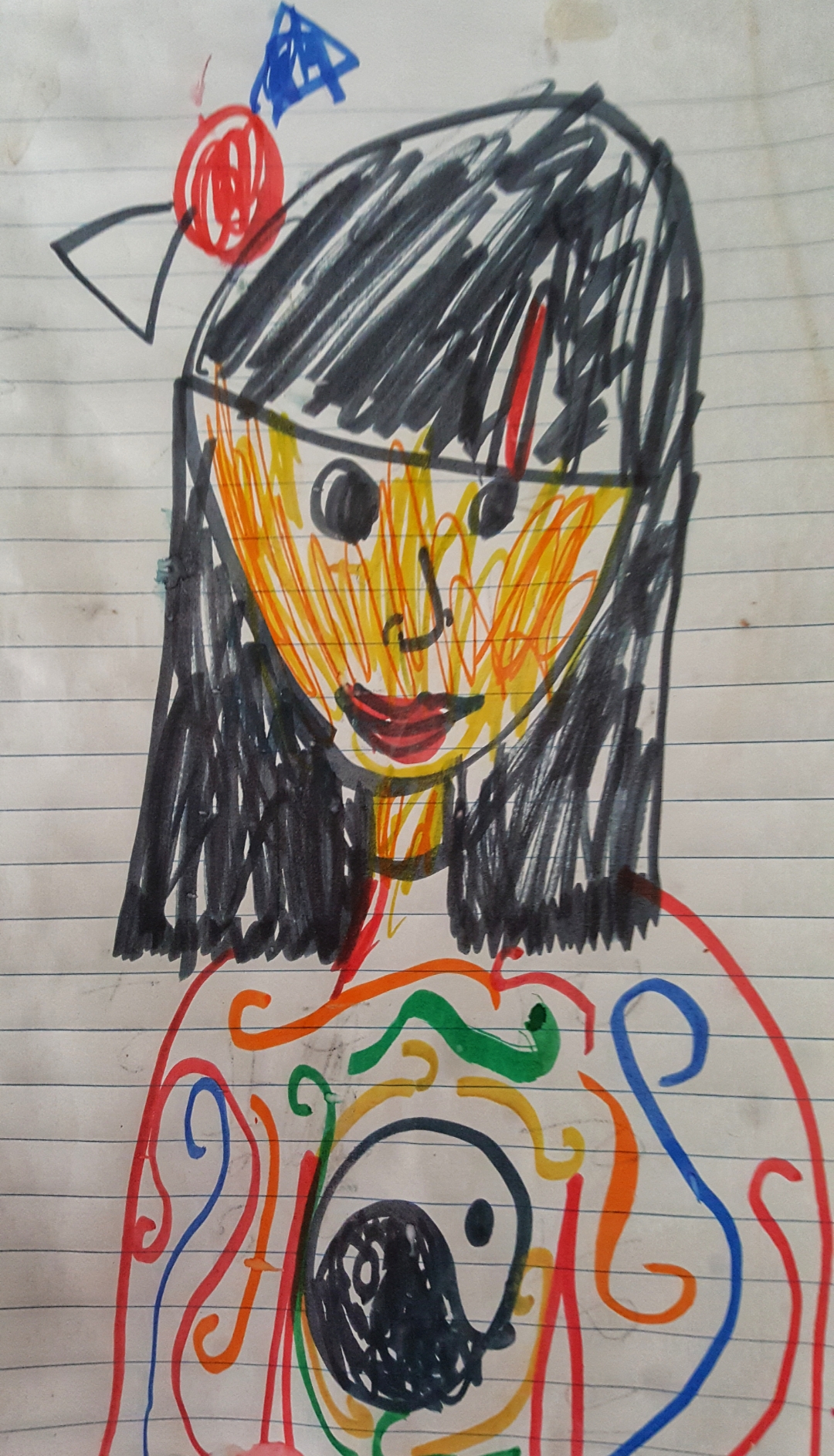
Art work by Sarah, age 7

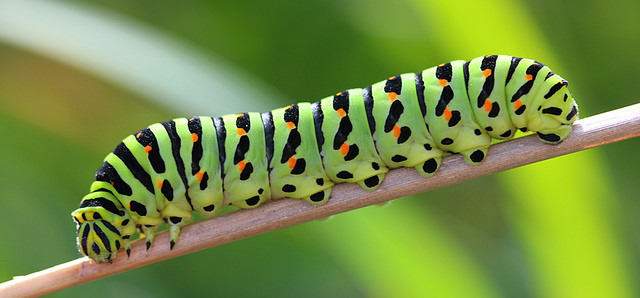
Camp Au Pair – Bugs & Butterflies!

Get ready to get buggy as we explore bugs and butterflies this week! Ready for some serious fun? How about creating a butterfly suncatcher, explore a bit of science and make glasses of dancing worms or creating a toe caterpillar on a leaf rubbing? Try creating a butterfly themed  snack.  

How about playing some bug bingo? 

Create a sensory bug bin to investigate!

Read Eric Carle’s The Very Hungry Caterpillar and create a whimsical lunch plate!

Check out the Au Pair in America Pinterest site for more great ideas!

Photo: Nick Goodrum {flickr}

Camp Au Pair – Backyard Safari

This week we are off on a backyard safari!! Many safari animals can be seen in zoos. Lions and tigers and bears! Oh, my! But, how about bringing the safari or zoo to your own backyard?


Try your hand at creating polar bears with this cute craft!  Try your hand at an Animals of Africa wordsearch! Make a lion lunch plate! Create your own box zoo! How about making some hand print zoo animals?

Photo by: anjanettew {flickr}

Cluster Fun – 52 Weeks: Making the Most of Your Year!

Saying goodbye is truly the hardest part of summer! Over the year (or more) I  forge strong relationships with the au pairs in my group! I try to meet one on one or in small groups with everyone before they leave to talk about their experiences, plans moving forward as the return home and how to take the skills and experiences from America and transfer them to their future! Here are a few stories of some of the young women heading home this summer!

I met up with Solymar and Kenia (both from Panama) recently. Solymar is finishing her year in just a few weeks and Kenia is just a few months into hers. We talked about the impact of our program and the American experience as well as discussed transitioning home and how the skills developed in their time here relate to their lives and careers back home in Panama. It has been lovely having both of them in my cluster and watching them become friends!
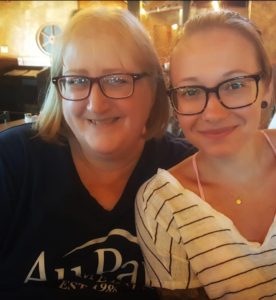
I had the pleasure of meeting with one of my German au pairs, Nadine, who is finishing up her 21 month stay in the US in just a few weeks.
We had the opportunity to discuss her experiences here in Maryland and with her first year family in Georgia, how her skills developed and used here relate to her employment as she returns home, how much she has grown through this time, etc. We even brainstormed a few more things to experience before her time in the US is over.


Saying goodbye to Lisa and Lina, both from Germany, as they complete their year in Southern Maryland this month! We had a great visit discussing the impact the Au Pair in America program had on them and how it helped shape their plans for the future. Both young women had many wonderful things to say about their experiences as we chatted.

I gave them a list of 52 things they might have done during their year here, from trying Maryland blue crabs or root beer floats, to seeing a baseball or football game, to visiting amazing cities such as New York or Chicago. It was rewarding to see them cross off so many things and add to the list with their own unique experiences! They brought me lovely flowers as a parting gift! I will miss their infectious smiles and laughter, but I look forward to seeing what their new adventures bring!
 

Camp Au Pair – Pirate Adventures!

Ahoy! Save yourself from walking the plank of summertime boredom but checking out Au Pair in America’s summer fun theme PIRATES!

Find great books to grab from the library, or even a telescope! How about some coloring pages, playing Pirate Bingo or searching for buried treasure?  Create a sailboat lunch! Create a treasure map, have a Cannon Ball toss and create a Pirate name!

Join us for some swashbuckling fun!

Leonid Mamchenkov

Photo by: Leonid Mamchenkov

Cluster Fun – Sunflower Maze!

This past weekend we braved the heatwave and experienced the Ladybugs Alive Sunflower Gardens and Maze in Chaptico! Such a beautiful experience! The sunflowers were amazing, the maze was challenging, but not too hard, the staff was wonderfully friendly! We can’t wait to visit again next summer!

Camp Au Pair – Castles, Princesses, Knights and Fire Breathing Dragons!

This week we are all about adventure! From magical castles and fire breathing dragons! Learn how to make princess paintings with your feet (really!) or a knight tunic with a pillowcase!

How about a fire breathing dragon from a cardboard tube or a cardboard shield and sword or a magical wand with ribbons! So many wonderful options for this week!

Make a castle, fairy dough or even play bingo! When you are ready for a lunch break, you’ll find a simple recipe for a castle sandwich!!! You’ll find even more on our Pinterest boards!!

USAG Humphreys

Photo by USAG Humphreys

Camp Au Pair – Space

Get ready to blast off as we explore outer space this week! Ready for some serious fun? How about creating the phases of the moon with Oreo’s, exploring solar system mazes or building a space shuttle with recyclables? Try creating outer space themed lunches and snacks, flashlight constellations and answering the questions on “If I Could Be An Astronaut!”

Using a favorite cookie, create Phases of the Moon! 

Try making space shuttles out of cardboard tubes and other supplies!

Print out some space mazes to practice critical thinking and fine motor skills!

Our Pinterest board is FULL of great ideas for you to use to explore outer space from the comfort of your own home! Moon rocks are optional!

ageekmomPhoto: AGeekMom

Summer Safety Tips

Summer Safety Tips

Keep your family safe this summer by following these tips from the American Academy of Pediatrics (AAP). Be sure to discuss these tips with your au pair or host family to tailor them to your individual family needs.10304642_10202935752786119_5773484001897683467_n

FUN IN THE SUN

Babies under 6 months:

  • The two main recommendations from the AAP to prevent sunburn are to avoid sun exposure, and to dress infants in lightweight long pants, long-sleeved shirts, and brimmed hats that shade the neck to prevent sunburn. However, when adequate clothing and shade are not available, parents can apply a minimal amount of sunscreen with at least 15 SPF (sun protection factor) to small areas, such as the infant’s face and the back of the hands. If an infant gets sunburn, apply cool compresses to the affected area.

For All Other Children:

  • The first, and best, line of defense against harmful ultraviolet radiation (UVR) exposure is covering up. Stay in the shade whenever possible, and limit sun exposure during the peak intensity hours – between 10 a.m. and 4 p.m.
  • Wear a hat with a three-inch brim or a bill facing forward, sunglasses (look for sunglasses that provide 97% -100% protection against both UVA and UVB rays), and clothing with a tight weave.
  • On both sunny and cloudy days use a sunscreen with an SPF 15 or greater that protects against UVA and UVB rays.
  • Be sure to apply enough sunscreen — about one ounce per sitting for a young adult.
  • Reapply sunscreen every two hours, or after swimming or sweating.
  • Use extra caution near water and sand (and even snow!) as they reflect UV rays and may result in sunburn more quickly.

HEAT STRESS IN EXERCISING CHILDREN

  • The intensity of activities that last 15 minutes or more should be reduced whenever high heat or humidity reach critical levels.
  • At the beginning of a strenuous exercise program or after traveling to a warmer climate, the intensity and duration of outdoor activities should start low and then gradually increase over 7 to 14 days to acclimate to the heat, particularly if it is very humid.
  • Before outdoor physical activities, children should drink freely and should not feel thirsty. During activities less than one hour, water alone is fine. Kids should always have water or a sports drink available and take a break to drink every 20 minutes while active in the heat.
  • Clothing should be light-colored and lightweight and limited to one layer of absorbent material to facilitate evaporation of sweat. Sweat-saturated shirts should be replaced by dry clothing.
  • Practices and games played in the heat should be shortened and there should be more frequent water/hydration breaks. Children should promptly move to cooler environments if they feel dizzy, lightheaded or nauseated.

HEAT STRESS IN INFANTS

Infants and small children are not able to regulate their body temperature in the same way that adults do. Every year, children die from heat stroke from being left in a hot car, often unintentionally, with the majority of these deaths occurring in children 3 and under. Here are a few tips for parents when traveling in a car with infants or young children:

  • Always check the back seat to make sure all children are out of the car when you arrive at your destination.
  • Avoid distractions while driving, especially cell phone use.
  • Be especially aware of kids in the car when there is a change from the routine, ie. someone else is driving them in the morning, you take a different route to work or child care.
  • Have your childcare provider call if your child has not arrived within 10 minutes of the expected arrival time.
  • Place your cell phone, bag or purse in the back seat, so you are reminded to check the back seat when you arrive at your destination.
  • The inside of a car can reach dangerous temperatures quickly, even when the outside temperature is not hot. Never leave a child alone in a car, even if you expect to come back soon. Lock your car when it is parked so children cannot get in without supervision.

POOL SAFETY

  • Never leave children alone in or near the pool or spa, even for a moment; close supervision by a responsible adult is the best way to prevent drowning in children.
  • Whenever children under age 5 are in or around water, an adult – preferably one who knows how to swim and perform CPR – should be within arm’s length, providing “touch supervision.”
  • Install a fence at least 4 feet high around all four sides of the pool. The fence should not have openings or protrusions that a young child could use to get over, under, or through.
  • Make sure pool gates open out from the pool, and self-close and self-latch at a height children can’t reach. Consider alarms on the gate to alert you when someone opens the gate. Consider surface wave or underwater alarms as an added layer of protection.
  • The safest fence is one that surrounds all 4 sides of the pool and completely separates the pool from the house and yard. If the house serves as the fourth side of the fence, install an alarm on the exit door to the yard and the pool. For additional protection, install window guards on windows facing the pool. Drowning victims have also used pet doors to gain access to pools. Keep all of your barriers and alarms in good repair with fresh batteries.
  • Keep rescue equipment (a shepherd’s hook ­– a long pole with a hook on the end — and life preserver) and a portable telephone near the pool. Choose a shepherd’s hook and other rescue equipment made of fiberglass or other materials that do not conduct electricity.
  • Avoid inflatable swimming aids such as “floaties.” They are not a substitute for approved life jackets and can give children and parents a false sense of security.
  • Children over age 1 may be at a lower risk of drowning if they have had some formal swimming instruction. However, there is no evidence that swimming lessons or water survival skills courses can prevent drowning in babies younger than 1 year of age.
  • The decision to enroll a child over age one in swimming lessons should be made by the parent based on the child’s developmental readiness and exposure to water, but swim programs should never be seen as “drown proofing” a child of any age.
  • Avoid entrapment: Suction from pool and spa drains can trap a swimmer underwater. Do not use a pool or spa if there are broken or missing drain covers.  Ask your pool operator if your pool or spa’s drains are compliant with the Pool and Spa Safety Act. If you have a swimming pool or spa, ask your pool service representative to update your drains and other suction fitting with anti-entrapment drain covers and other devices or systems. See PoolSafely.gov for more information on the Virginia Graeme Baker Pool and Spa Safety Act.
  • Large, inflatable, above-ground pools have become increasingly popular for backyard use. Children may fall in if they lean against the soft side of an inflatable pool. Although such pools are often exempt from local pool fencing requirements, it is essential that they be surrounded by an appropriate fence just as a permanent pool would be so that children cannot gain unsupervised access.
  • If a child is missing, look for him or her in the pool or spa first.
  • Share safety instructions with family, friends and neighbors.

BOATING SAFETY

  • Children should wear life jackets at all times when on boats, docks or near bodies of water.
  • Make sure the life jacket is the right size for your child. The jacket should not be loose and should always be worn as instructed with all straps belted.
  • Blow-up water wings, toys, rafts and air mattresses should not be used as life jackets or personal flotation devices. Adults should wear life jackets for their own protection, and to set a good example.
  • Adolescents and adults should be warned of the dangers of boating even as a passenger when under the influence of alcohol, drugs, and even some prescription medications.

OPEN WATER SWIMMING

  • Never swim alone. Even good swimmers need buddies!
  • A lifeguard (or another adult who knows about water rescue) needs to be watching children whenever they are in or near the water. Younger children should be closely supervised while in or near the water – use “touch supervision,” keeping no more than an arm’s length away.
  • Make sure your child knows never to dive into water except when permitted by an adult who knows the depth of the water and who has checked for underwater objects.
  • Never let your child swim in canals or any fast moving water.
  • Ocean swimming should only be allowed when a lifeguard is on duty.
  • Teach children about rip currents. If you are caught in a rip current, swim parallel to shore until you escape the current, and then swim back to shore.

FIREWORKS SAFETY

  • Fireworks can result in severe burns, blindness, scars, and even death.
  • Fireworks that are often thought to be safe, such as sparklers, can reach temperatures above 1000 degrees Fahrenheit, and can burn users and bystanders.
  • Families should attend community fireworks displays run by professionals rather than using fireworks at home.
  • The AAP recommends prohibiting public sale of all fireworks, including those by mail or the Internet.

BUG SAFETY

  • Don’t use scented soaps, perfumes or hair sprays on your child.
  • Avoid areas where insects nest or congregate, such as stagnant pools of water, uncovered foods and gardens where flowers are in bloom.
  • If possible, eliminate stagnant water, such as in bird baths or fish ponds, in your yard. Check that your window screens are tightly fitted and repair any holes to keep bugs out of the house.
  • Avoid dressing your child in clothing with bright colors or flowery prints.
  • To remove a visible stinger from skin, gently back it out by scraping it with a credit card or your fingernail.
  • Combination sunscreen/insect repellent products should be avoided because sunscreen needs to be reapplied every two hours, but the insect repellent should not be reapplied.
  • Use insect repellents containing DEET when needed to prevent insect-related diseases. Ticks can transmit Lyme Disease, and mosquitoes can transmit West Nile, Zika virus, Chikungunya virus and other viruses.
  • The current AAP and CDC recommendation for children older than 2 months of age is to use 10% to 30% DEET. DEET should not be used on children younger than 2 months of age.
  • The effectiveness is similar for 10% to 30% DEET but the duration of effect varies. Ten percent DEET provides protection for about 2 hours, and 30% protects for about 5 hours. Choose the lowest concentration that will provide the required length of coverage.
  • The concentration of DEET varies significantly from product to product, so read the label of any product you purchase. Children should wash off repellents when they return indoors.
  • As an alternative to DEET, picaridin has become available in the U.S. in concentrations of 5% to10%.
  • When outside in the evenings or other times when there are a lot of mosquitoes present, cover up with long sleeved shirts, pants and socks to prevent bites.

PLAYGROUND SAFETY

  • The playground should have safety-tested mats or loose-fill materials (shredded rubber, sand, wood chips, or bark) maintained to a depth of at least 9 inches (6 inches for shredded rubber). The protective surface should be installed at least 6 feet (more for swings and slides) in all directions from the equipment.
  • Equipment should be carefully maintained. Open “S” hooks or protruding bolt ends can be hazardous.
  • Swing seats should be made of soft materials such as rubber, plastic or canvas.
  • Make sure children cannot reach any moving parts that might pinch or trap any body part.
  • Never attach—or allow children to attach—ropes, jump ropes, leashes, or similar items to play equipment; children can strangle on these.  If you see something tied to the playground, remove it or call the playground operator to remove it.
  • Make sure your children remove helmets and anything looped around their necks.
  • Metal, rubber and plastic products can get very hot in the summer, especially under direct sun.
  • Make sure slides are cool to prevent children’s legs from getting burned.
  • Do not allow children to play barefoot on the playground.
  • Parents should supervise children on play equipment to make sure they are safe.
  • Parents should never purchase a home trampoline or allow children to use a home trampoline because of the risk of serious injury even when supervised.
  • Surrounding trampoline netting offers a false sense of security and does not prevent many trampoline-related injuries. Most injuries happen on the trampoline, not from falling off.
  • If children are jumping on a trampoline, they should be supervised by a responsible adult, and only one child should be on the trampoline at a time; 75% of trampoline injuries occur when more than one person is jumping at a time.
  • Homeowners should verify that their insurance policies cover trampoline-related claims. Coverage is highly variable and a rider may need to be obtained.

BICYCLE SAFETY

  • A helmet protects your child from serious injury, and should always be worn. And remember, wearing a helmet at all times helps children develop the helmet habit.
  • Your child needs to wear a helmet on every bike ride, no matter how short or how close to home. Many injuries happen in driveways, on sidewalks, and on bike paths, not just on streets. Children learn best by observing you. Set the example: Whenever you ride, put on your helmet.
  • When purchasing a helmet, look for a label or sticker that says the helmet meets the CPSC safety standard.
  • A helmet should be worn so that it is level on the head and covers the forehead, not tipped forward or backwards. The strap should be securely fastened with about 2 fingers able to fit between chin and strap. The helmet should be snug on the head, but not overly tight. Skin should move with the helmet when moved side to side. If needed, the helmet’s sizing pads can help improve the fit.
  • Do not push your child to ride a 2-wheeled bike without training wheels until he or she is ready. Consider the child’s coordination and desire to learn to ride. Stick with coaster (foot) brakes until your child is older and more experienced for hand brakes. Consider a balance bike with no pedals for young children to learn riding skills.
  • Take your child with you when you shop for the bike, so that he or she can try it out. The value of a properly fitted bike far outweighs the value of surprising your child with a new one. Buy a bike that is the right size, not one your child has to “grow into.” Oversized bikes are especially dangerous.

SKATEBOARD, SCOOTER, IN-LINE SKATING AND HEELYS SAFETY

  • All skateboarders and scooter-riders should wear protective gear; helmets are particularly important for preventing and minimizing head injuries. Riders should wear helmets that meet ASTM or other approved safety standards, and that are specifically designed to reduce the effects of skating hazards.
  • Communities should continue to develop skateboard parks, which are more likely to be monitored for safety than ramps and jumps constructed by children at home.
  • While in-line skating or using Heelys, only skate on designated paths or rinks and not in the street.
  • Most injuries occur due to falls. Inexperienced riders should only ride as fast as they can comfortably slow down, and they should practice falling on grass or other soft surfaces. Before riding, skateboarders should survey the riding terrain for obstacles such as potholes, rocks, or any debris. Protective wrist, elbow and kneepads should be worn.
  • Children should never ride skateboards or scooters in or near moving traffic.
  • Riders should never skate alone. Children under the age of eight should be closely supervised at all times.

© American Academy of Pediatrics, 2016

Camp Au Pair – Nature Exploration

Now for some fun in nature!!! Get out and explore a bit, collect some treasures along the way! Most of these activities are easily created using items likely already around the house, but you may need to plan ahead a bit to have supplies on hand! Check with your host family about getting supplies to use!

How about leaf bowls using air dry clay? Leaf painting mandala?  Create a birdfeeder or make a suncatcher? So many great ideas! Check them out on the Au Pair in America Pinterest boards here!

531609_3905146598431_763419469_n