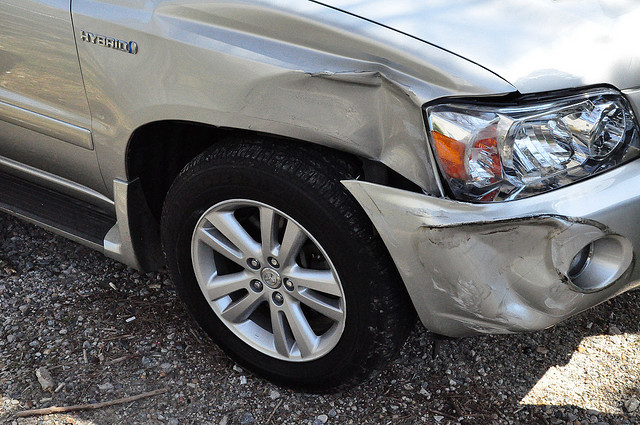
 Having a car accident is a very upsetting, stressful situation. Being prepared and knowing what to do can make things a little bit easier. Make sure you know which host parent to call in case of an accident.
Make sure you have all the necessary documents in your car glove box. Read this post on What to Keep in the Car Glove Box for a detailed list.
If you have an accident: (from Edmunds.com)
- Keep Safety First. Drivers involved in minor accidents with no serious injuries should move cars to the side of the road and out of the way of oncoming traffic. Leaving cars parked in the middle of the road or busy intersection can result in additional accidents and injuries. If a car cannot be moved, drivers and passengers should remain in the cars with seatbelts fastened for everyone’s safety until help arrives. Make sure to turn on hazard lights and set out cones, flares or warning triangles if possible.
- Exchange Information. After the accident, exchange the following information: name, address, phone number, insurance company, policy number, driver license number and license plate number for the driver and the owner of each vehicle. If the driver’s name is different from the name of the insured, establish what the relationship is and take down the name and address for each individual. Also make a written description of each car, including year, make, model and color — and the exact location of the collision and how it happened. Finally, be polite but don’t tell the other drivers or the police that the accident was your fault, even if you think it was.
- Photograph and Document the Accident. Use your camera to document the damage to all the vehicles. Keep in mind that you want your photos to show the overall context of the accident so that you can make your case to a claims adjuster. If there were witnesses, try to get their contact information; they may be able to help you if the other drivers dispute your version of what happened.
Important Reminder: You may always phone the police (911) to ask for help, if you feel unsafe because of how the other person is behaving. Your safety is the most important thing.
Image: cygnus921 (Flickr)
 Valentine’s Day (February 14) is a time of love, friendship, giving, and caring. Americans use Valentine’s Day as an opportunity to tell friends and family how much they care. Children usually exchange cards at school.


 Here are some interesting fact about the upcoming Labor Day holiday that you may not know. Below are some tips on what you can do with your children to celebrate from cooking recipes to coloring pages. Use this time to engage is some cultural sharing with your families.
 STREAMER CASCADES: Cut and curl ten 2- to 3-foot lengths of metallic curling ribbon. Stack the ribbons and knot them at one end. Using craft glue, sandwich the free ends of several ribbons between splatter-painted stars. Tape the cascade to the top of a safety-flag pole (remove the flag first), then secure the pole to the bike. Tape more curled ribbon to the handlebar ends.
 BELL JINGLERS: Slide three to five bells onto a pipe cleaner and fit it to your child’s handlebars, wrist, or ankle.
 SPOKE DECORATIONS: Weave star garlands into one wheel’s spokes and secure the ends, being sure to stay clear of brakes and gears. With scissors, snip along the length of some straws, then snap them into place on the other wheel. To make noise as you ride, cut some straws to half the spokes’ length. They’ll clack as they slide on the turning wheel.
 Known as the Fourth of July and Independence Day, July 4th has been a federal holiday in the United States since 1941, but the tradition of Independence Day celebrations goes back to the 18th century and the American Revolution (1775-83). In June 1776, representatives of the 13 colonies then fighting in the revolutionary struggle weighed a resolution that would declare their independence from Great Britain. On July 2nd, the Continental Congress voted in favor of independence, and two days later its delegates adopted the Declaration of Independence, a historic document drafted by Thomas Jefferson. From 1776 until the present day, July 4th has been celebrated as the birth of American independence, with typical festivities ranging from fireworks, parades and concerts to more casual family gatherings and barbecues.