Tag Archives: live in childcare

It’s National Anthem Day!

The Star-Spangled Banner is the national anthem of the United States of America. It was written by Francis Scott Key. National Anthem Day celebrates  this song, and the rich history behind its creation. The song officially became our national anthem on March 3, 1931.

Celebrate today by proudly flying the flag. Also listen to and sing the Star-Spangled Banner.

star

Many people think the Star Spangled Banner was written during the Revolutionary War. It was actually written during the war of 1812 (1812-1814).

In August 1814, the British army detained Dr. William Beanes as a prisoner of war. He was a friend of Francis Scott Key. On Sept. 13, 1814, Francis Scott Key and a U.S. negotiator boarded a British vessel where Beanes was being held. He negotiated his friends’ release. But then, Francis Scott Key was detained that day along with the negotiator. They were held until after the attack on Fort McHenry, which guarded the harbor and city of Baltimore.

He watched the bombardment of the fort from the ship. The next morning, he was ecstatic to see that the American flag was still flying over Fort McHenry. This historic event inspired Francis Scott Key to write “The Star-Spangled Banner” the following day (September 14, 1814).

Happy Birthday Dr. Seuss!

cathat3

This week (March 1-5) many schools throughout the United States are celebrating the birthday of Dr. Seuss.  To honor Dr. Seuss’ love of reading and his inspiration for kids and adults alike,   March 2 is Read Across America Day. The National Education Association sponsors events to inspire reading in children throughout our schools and communities.

Dr. Seuss wrote many childrens books –  The Cat in the Hat, Green Eggs and Ham, Hop on Pop to name a few.

This is a fun activity to do with your host kids at home.   Dig out the Dr. Seuss books – you will be surprised how much fun the books are to read and the rhyming will help improve your english.

Monday – “Red and White Day” – wear red and white to show Seuss Pride.

Tuesday – “Cat in the Hat Day” – wear your favorite hat to school.

Wednesday – “Grinch Green Day” – wear green, but don’t be as grumpy as the Grinch

Thursday- “Fox in Socks Day” – Roll up your pant legs and show off your cool socks.

Friday – “Sneak Up on Reading Day” – Wear your favorite sneakers and participate in “Drop Everything and Read.”

Check out the Dr. Seuss website

Seussville

for more ideas, printables and on line games to play with the kids.  Enjoy!

Welcome March! It’s almost spring!

We have been lucky to have had a mild winter, but I am still looking forward to spring.  This year Spring begins March 20th, the signs of spring are already beginning.  Take your host kids on a nature hunt for the signs of spring in your garden!

March

MARCH IS:

Let’s play school!

Emma Willard was born on this day in Connecticut in 1787. She was self-educated and thought it was very important for girls to learn the same subjects that were being taught to boys. She started the first school to teach math and science to girls and the first college to educate women.

Young children love to play school. You can take turns being the teacher. Read a book out loud in front of the ‘class.’ (Children that can’t read yet still like to ‘read’ to others. If you have a small chalkboard or white board you can put assignments or lessons on the board. Paper and pencils are important for the work that needs to be done, but don’t forget to have recess!

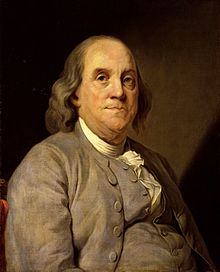
Happy Birthday Ben Franklin!

Born in 1706 Ben Franklin was an inventor, a statesman, a musician and a scientist who lived much of his life in Philadelphia.

Learn more about Ben Franklin and his activities.

There are science experiments for school age (10 years or older) to try.

Younger children might enjoy the book Ben and Me: An Astonishing Life of Benjamin Franklin as told by his Good Mouse Amos – look for it in the library!

Learn about hibernation

Animals handle cold winter weather in different ways. Some, such as birds, butterflies and whales, migrate to warmer climates. Some animals like deer, fox and moose, grow thicker fur coats so they can stay warm during the winter. However many animals hibernate during the coldest weather – they spend the warmer months of the year eating and storing as much body fat as they can and then live off this extra weight as they sleep in the winter. Bats, some mice, frogs and many squirrels sleep all winter. Others, including chipmunks and raccoons wake up once in a while to eat and then they go back to sleep. Have fun learning about the art of hibernation with your children during this cold time of the year.

At the library!

Look for books about animals in winter.

  • The Story of Jumping Mouse: A Native American Legend by John Steptoe
  • Time to Sleep by Denise Fleming
  • When Will It Be Spring? By Catherine Walters
  • The Valentine Bears by Eve Bunting
  • Bearymore by Don Freeman
  • Bernard Bear’s Amazing Adventure by Hans de Beer
  • Wake Me in Spring by James Preller
  • Every Autumn Comes the Bear by Jim Arnosky
  • Chipmunk Song by Joanne Ryder

Watch for animals in your neighborhood. Are there more or less than in the warmer weather?

Play “hibernation” – pretend to be one of the animals you have researched. Curl up and “sleep” and then wake up HUNGRY for snack time!

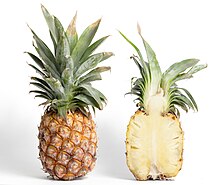
Do you like pineapples?

Native to South America, the first pineapples were planted in Hawaii on this day in 1813. Now 10% of the world’s pineapples are grown in Hawaii where it first became a commercial crop. It is also widely grown in Central America and Asia. Kids will love this delicious and healthy recipe:

Ingredients:

  • 2 cups all-purpose flour
  • 2 teaspoons baking soda
  • 2 teaspoons ground cinnamon
  • 1/2 teaspoon salt
  • 1 1/4 cups brown sugar, packed
  • 1 1/3 cups apples, peeled, cored and chopped (about 2 medium)
  • 1 1/4 cups carrots, finely shredded
  • 1/2 cup raisins
  • 1 (8 ounces) can crushed pineapple in juice, undrained
  • 2/3 cup cooking oil
  • 3 eggs
  • 1/2 teaspoon vanilla

Directions:
Combine all ingredients and mix together. Enjoy!

Try some Stone Soup!

January is National Soup Month. Read “Stone Soup” by Marcia Brown and “George and Martha” by James Marshall and try cooking your own:

Split Pea Soup
Ingredients:

  • 2 cups green split peas
  • 7 cups water
  • 3 cups beef broth (canned or add bouillon cubes to water)
  • 1 stalk of celery
  • 1 medium onion

Directions:

Rinse the split peas under cold water. Place the drained peas, water and broth to a saucepan. Break the celery into 3 or 4 large pieces and add to the pot. Peel and trim the onion and then place the whole onion into the pot. Heat the soup to a boil on medium heat, then reduce the heat and let it simmer for 1.5 hours, stirring occasionally. When the soup is done, remove the celery and onion and throw them away.

Do you have a car safety kit?

62922586_bd9aa19227

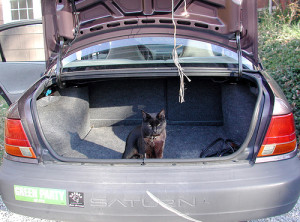
What should you have in the trunk of your car in case of an emergency? I’ll give you a hint- it’s not a cat. While they are cute, they are not very helpful in a crisis. Below is a list of some more helpful things to keep in the car.

Recommended items to have in the car in case of emergency

  • Cell phone car charger
  • Jumper Cables (be sure you know how to use them)
  • Flashlight and extra batteries
  • Flares & Reflective triangles
  • Bag of sand or kitty litter (to help if stuck in ice, snow)
  • Small shovel, snow brush and ice scraper
  • Extra windshield solvent
  • Blankets and extra clothing
  • Nonperishable food items and water (e.g.. snack bars)
  • List of emergency telephone numbers on a card in the glove compartment
  • Auto club card (AAA or roadside assistance)

Here is another post with a list of what to keep in the car glove box.

It is always a good idea to keep the gas tank at least half full at all times, especially in the winter.

Photo: Bart Everson