Category Archives: Blog

It is officially cold and flu season. What can an Au pair do to be prepared?

Help, I feel sick! It is officially cold and flu season. What can you do to be prepared, if you wake up sick? What can you do to prevent getting sick?
    • Take care of your body. When your body is stressed, it cannot fight common germs. Be sure to dress warmly, eat well and get enough sleep ( If you stay out too much on the weekend and then show up sick on Monday, the host family may not be very compassionate).
    • Don’t touch your face, especially your eyes, mouth, and nose. This is how germs enter our bodies.
    • Wash your hands very often during the day and when out in public places. Use soap and hot water for at least 20 seconds. Rub your hands together for as long as it takes to say the alphabet and then you know you are good to go! When you cannot wash with water and soap, use a hand sanitizer.
    • Get a Flu shot.
    • Print your medical insurance info. Or, download the insurance app to your smart phone. You can search your email for the word ” CISI” and download the attachments to this emall. Print and carry this with you.
    • KNOW where to go. Today, google where is the closest CVS minute clinic near me. You don’t need an appointment, but one can be made on line.
    • Save some money. Even with insurance, being sick cost a lot of money. Save up at least two weeks pay to be sure you can take care of yourself, if you need to see a doctor. You can file a claim with your insurance to get a portion of your money back or to have it applied to your deductible. The instructions are on our blog in the resource section.
    • READ the information on our blog about your medical care to understand more about taking care of yourself.

Tips for understanding how holiday time can affect an Au pair.

Holiday Season in the USA will be a very special time for your family and Au pair.  It can also be a time when the Au Pair may need a little extra support. Consider these tips: 


  • Missing Home
Certain people and places are missed and our traditions and activities seem “different” right at a time when an Au Pair would welcome something familiar. My observation has been that an Au
Pair’s emotions are close to the surface during the holidays. The enormity of this year away from
home hits her and sometimes throws her into a self-protective mode. You can help her through
this unfamiliar territory by talking to her about what your specific family activities will be (when
the candles will be lit, the stockings hung, the gifts exchanged, the meals prepared and eaten, the
relatives arriving, etc.) An especially thoughtful touch is to ask her if she has any favorite holiday foods or
traditions that could be incorporated into your celebration.
  • What are your expectations?       
Talk to your Au Pair specifically about what has to be accomplished. This will help to get her involved and interested. Remember her mother has probably taken this responsibility in previous years so don’t expect her to just “know” what needs to be done. Give her some clear, agreed-upon assignments, make her feel a part of things and let her know her contribution is needed and appreciated.
  • Discuss the change in routine and roles 
The parents are home and this is unsettling to the children as well as to the Au Pair. Some different work expectations may be needed since the kids may prefer to hover around the parents. This can make an Au Pair feel unwanted and unsure of what is expected of her. If she is thrown off balance she may not see other things she can do instead of the usual. The high emotions and energy of the kids at this time of year seem like craziness to her. Assure her that things are temporary and will be back to normal soon! Suggest things she can
do to help and encourage her to roll with the punches and just enjoy the general fuss. And host parents need to remember that no matter how stressful those long holiday days are, the rules of how many hours an Au pair can work are mandated by the State Department. No Au pair is allowed to work more than 10 hours each day or left in sole charge of the children for more than 10 hours.
  • Only in America!
The number of gifts given to the children and the excesses we enjoy with gifts, food, and decorations are overwhelming to most Au Pairs. This often causes them to withdraw as they attempt to catch their breath and to evaluate the differences.
  • New Year’s Eve in the USA
Socially you should remember the holidays are a time when Au Pairs want, and need, to be with their friends. This helps their survival mechanism when they are missing old friends back home. New Year’s Eve, especially in America, is a special occasion to an Au Pair so open communication is very important as you decide on New Year’s Eve plans. If possible, use a different babysitter on this important night for her.

Halloween Safety Tips For Au Pairs.

HALLOWEEN SAFETYHalloween

Safety is a very important issue for Halloween.   This is the most popular holiday for children who are able to go from door to door showing off their choice of costume for this year, and collecting candy from the neighbors.  For au pairs there are issues to consider that may not have been encountered before.  Here are some reminders to help make this holiday fun and safe.  HAPPY HALLOWEEN!!  

-Children should always be supervised by an adult when going “Trick or Treating”.

-Small children should not be allowed to run ahead or behind the Au pair. Talk to the host parents to find out if holding the child’s hand is necessary. 

-Only go to those homes that are known in the neighborhood to be safe participants.

-Never let a child go inside the neighbor’s home unless you know the person.

-Always check the candy before letting the children eat it.  Make sure that anything that has been unwrapped, homemade or just does not look safe is thrown away.  Ask the parents about this.

–When driving please slow down, as there will be a lot of children out in the dark.  They may not be visible.

-Talk to the children about safety during Halloween. (crossing the street, talking to strangers and waiting until their candy is checked before they eat it).

-Children may want to use a flashlight to see in the dark, this is also a good way for them to be seen by drivers.

Have a reflective pin, necklace or headpiece so that the children can be seen by drivers.

-If you have any safety concerns, talk to the parents.  

-Ask the parents about rules for candy consumption for the children.  Most parents will not want their children to gorge themselves with a lot of candy at one time.  Usually, parents will let children have a couple of pieces a day.

-Enjoy yourself.   Halloween is a fun holiday for adults too!  You may want to dress up with the children. 

Don’t forget to take lots of photos. 

Written by ALowery ATE cluster GA.


Happy Fourth Of July!

fireworks


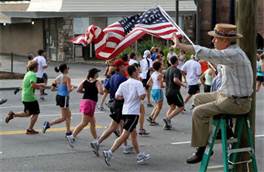
Known  as the Fourth of July and Independence Day, July 4th has been a federal holiday in the United States since 1941, but the tradition of Independence Day celebrations goes back to the 18th century and the American Revolution (1775-83). In June 1776, representatives of the 13 colonies then fighting in the revolutionary struggle weighed a resolution that would declare their independence from Great Britain. On July 2nd, the Congress voted in favor of independence, and two days later its delegates adopted the Declaration of Independence, a historic document drafted by Thomas Jefferson. From 1776 until the present day, July 4th has been celebrated as the birth of American independence, with festivities ranging from fireworks, parades, family gatherings and barbecues.peachtree race

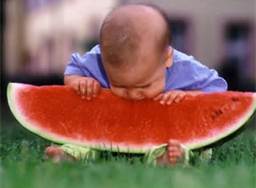
This weekend you can count on enjoying traditional favorites such as hamburgers and hot dogs, chicken, ribs, potato salad, chips and watermelon.  

eating watermelon

No other holiday can provide such a uniquely American experience. Being in the USA on Fourth of July can be wonderful and exciting anywhere. Here in the south, be sure to experience The Fourth in our tradition! A couple of things you will want to accomplish to be sure!

Watch the Peachtree Road Race!

Eat Watermelon

See fireworks

Hold a sparkler

Have a picnic with fried chicken

Sit on a porch decorated with red, white and blue bunting

Run in a potato sack race with your host children

Ask what the fourth of July means to Americans you have met in your Au pair year.

On this night with fireworks soaring and families gathered together, you will see in their eyes a sense of pride and respect. Pride in a country where being free is everything…… and respect for all those who give of themselves to protect that freedom.

A few facts about this Holiday!

  • Fourth of July is the federal holiday marking the Colonies’ adoption of the Declaration of Independence on July 4, 1776,
  • The Fourth of July was not declared a national holiday until 1941.
  • The oldest, continuous Independence Day celebration in the United States is the 4th of July Parade in Bristol, Rhode Island; it began in 1785.
  • The Pennsylvania Evening Post was the first newspaper to print the Declaration of Independence.
  • Benjamin Franklin proposed the turkey as the national bird but was overruled by John Adams and Thomas Jefferson, who wanted the bald eagle.
  • The “Star Spangled Banner” was written by Francis Scott Key during the War of 1812 and not decreed the official national anthem of the United States until 1931.
  • In 1776, there were 2.5 million people living in the new nation. (Today there are over 311 million.)
  • There are more than 30 towns nationwide that have the word “Liberty” in their names.
  • Approximately 150 million hot dogs are consumed on this day. It’s the biggest hot dog holiday of the year.


Have fun with the children too, visit the link below for fun coloring pages, craft ideas, puzzles and games to celebrate the 4th of July holiday

http://www.apples4theteacher.com/holidays/fourth-of-july/

house with bunting

Have a wonderful 4th of July Weekend!

Making A Cardboard Box Car For Your Host Children.

Host Family and Au Pair 2019 EVENT
September 7th
On September 7th we will be meeting with all of the Atlanta APIA host families, children and Au pairs for a special event. Key leaders from APIA will be flying down to visit with us too! We will be attending the British Car Festival here in Norcross.
https://www.atlantabritishcarfayre.com/
The best part is going to be a car contest for all of the Au Pairs and children!
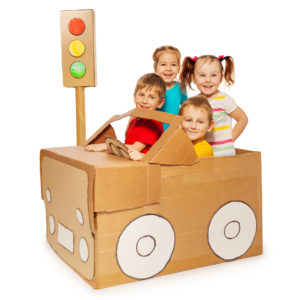
Over the summer, you and your host kids will be making a car out of a large cardboard box. On  SEPTEMBER 7th, Everyone will bring in their cars for a CONTEST!
There will be FIVE winning teams and PRIZES for Five categories
  • Most functional
  • Most cultural
  • Most funny
  • Most sporty
  • Most colorful

This is a wonderful way to entertain the kids this summer when it rains or everyone is tired of the sun!

If you google how to make a car out of a box, you will see some great ideas. The ones that are made to break down and pop back up are really neat. Remember you must transport the car to the event on September 7th with your host family.
Here is some inspiration below and you can google many more ideas with search words like:
bulid a cardboard car.
Here is a great colilapsible car made from a box.


Can’t wait to see your creativity!!!!!!!

What is Global Awareness?

What is Global Awareness?

The Global Awareness program brings expanded educational and​ ​cultural opportunities to the forefront for au pairs. It gives them the​ ​opportunity to share their culture with others.

How do au pairs get involved?

Au Pairs can volunteer in pre-school, elementary and middle school classrooms. They have the opportunity to share their culture, customs and language with young American children. The mission of this volunteer experience is to bring multi-cultural understanding into the classrooms and help children form positive first impressions of people from other countries. Visit the Get Involved page of our website for all the info you need to get started.

Is Global Awareness just for schools?

No. Au pairs have done presentations for scout groups, at birthday parties and at children’s story times.

Are you interested in scheduling a Global Awareness presentation?

Teachers, parents or others who would like to schedule a presentation, please visit the Global Awareness website for more information and a contact link.

How can Global Awareness help host parents?

Global Awareness offers a webinar series for host parents. The goal is to increase their cultural awareness, improve communication with their au pair and ensure the most successful exchange possible. Your community counselor can provide you with the webinar schedule and how to register.

Sun And Water Safety Tips.

Sun and Water Safety Tips

quickpoolfun3.bmp

Keep your host children safe this summer by following these tips from the American Academy of Pediatrics (AAP).

Click here for the Spanish Version.

FUN IN THE SUN

Babies under 6 months:

  • The two main recommendations from the AAP to prevent sunburn are to avoid sun exposure, and to dress infants in lightweight long pants, long-sleeved shirts, and brimmed hats that shade the neck to prevent sunburn. However, when adequate clothing and shade are not available, parents can apply a minimal amount of sunscreen with at least 15 SPF (sun protection factor) to small areas, such as the infant’s face and the back of the hands. If an infant gets sunburn, apply cool compresses to the affected area.

For All Other Children:

  • The first, and best, line of defense against harmful ultraviolet radiation (UVR) exposure is covering up. Stay in the shade whenever possible, and limit sun exposure during the peak intensity hours – between 10 a.m. and 4 p.m.
  • Wear a hat with a three-inch brim or a bill facing forward, sunglasses (look for sunglasses that provide 97% -100% protection against both UVA and UVB rays), and clothing with a tight weave.
  • On both sunny and cloudy days use a sunscreen with an SPF 15 or greater that protects against UVA and UVB rays.
  • Be sure to apply enough sunscreen — about one ounce per sitting for a young adult.
  • Reapply sunscreen every two hours, or after swimming or sweating.
  • Use extra caution near water and sand (and even snow!) as they reflect UV rays and may result in sunburn more quickly.


HEAT STRESS IN EXERCISING CHILDREN

  • The intensity of activities that last 15 minutes or more should be reduced whenever high heat or humidity reach critical levels.
  • At the beginning of a strenuous exercise program or after traveling to a warmer climate, the intensity and duration of outdoor activities should start low and then gradually increase over 7 to 14 days to acclimate to the heat, particularly if it is very humid.
  • Before outdoor physical activities, children should drink freely and should not feel thirsty. During activities less than one hour, water alone is fine. Kids should always have water or a sports drink available and take a break to drink every 20 minutes while active in the heat.
  • Clothing should be light-colored and lightweight and limited to one layer of absorbent material to facilitate evaporation of sweat. Sweat-saturated shirts should be replaced by dry clothing.
  • Practices and games played in the heat should be shortened and there should be more frequent water/hydration breaks. Children should promptly move to cooler environments if they feel dizzy, lightheaded or nauseous.


HEAT STRESS IN INFANTS

Infants and small children are not able to regulate their body temperature in the same way that adults do. Every year, children die from heat stroke from being left in a hot car, often unintentionally, with the majority of these deaths occurring in children 3 and under. Here are a few tips for parents when traveling in a car with infants or young children:

  • Always check the back seat to make sure all children are out of the car when you arrive at your destination.
  • Avoid distractions while driving, especially cell phone use.
  • Be especially aware of kids in the car when there is a change from the routine, ie. someone else is driving them in the morning, you take a different route to work or child care.
  • Have your childcare provider call if your child has not arrived within 10 minutes of the expected arrival time.
  • Place you cell phone, bag or purse in the back seat, so you are reminded to check the back seat when you arrive at your destination.

POOL SAFETY

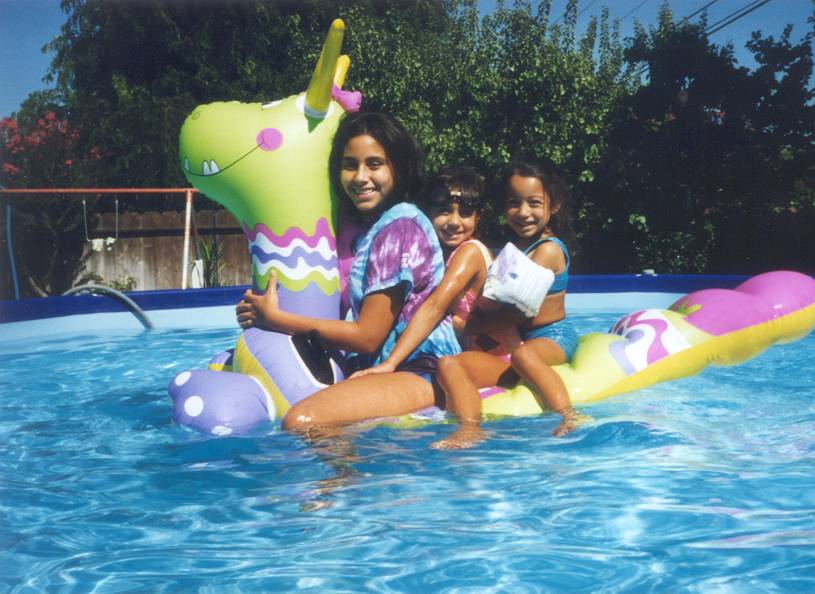
  • Never leave children alone in or near the pool or spa, even for a moment; close supervision by a responsible adult is the best way to prevent drowning in children.
  • Whenever children under age 5 are in or around water, an adult – preferably one who knows how to swim and perform CPR – should be within arm’s length, providing “touch supervision.”
  • Install a fence at least 4 feet high around all four sides of the pool. The fence should not have openings or protrusions that a young child could use to get over, under, or through.
  • Make sure pool gates open out from the pool, and self-close and self-latch at a height children can’t reach. Consider alarms on the gate to alert you when someone opens the gate. Consider surface wave or underwater alarms as an added layer of protection.
  • The safest fence is one that surrounds all 4 sides of the pool and completely separates the pool from the house and yard. If the house serves as the fourth side of the fence, install an alarm on the exit door to the yard and the pool. For additional protection, install window guards on windows facing the pool. Drowning victims have also used pet doors to gain access to pools. Keep all of your barriers and alarms in good repair with fresh batteries.
  • Keep rescue equipment (a shepherd’s hook ­– a long pole with a hook on the end — and life preserver) and a portable telephone near the pool. Choose a shepherd’s hook and other rescue equipment made of fiberglass or other materials that do not conduct electricity.
  • Avoid inflatable swimming aids such as “floaties.” They are not a substitute for approved life vests and can give children and parents a false sense of security.
  • Children over age 1 may be at a lower risk of drowning if they have had some formal swimming instruction. However, there is no evidence that swimming lessons or water survival skills courses can prevent drowning in babies younger than 1 year of age.
  • The decision to enroll a child over age one in swimming lessons should be made by the parent based on the child’s developmental readiness and exposure to water, but swim programs should never be seen as “drown proofing” a child of any age.
  • Avoid entrapment: Suction from pool and spa drains can trap a swimmer underwater. Do not use a pool or spa if there are broken or missing drain covers.  Ask your pool operator if your pool or spa’s drains are compliant with the Pool and Spa Safety Act. If you have a swimming pool or spa, ask your pool service representative to update your drains and other suction fitting with anti-entrapment drain covers and other devices or systems. See PoolSafely.gov for more information on the Virginia Graeme Baker Pool and Spa Safety Act.
  • Large, inflatable, above-ground pools have become increasingly popular for backyard use. Children may fall in if they lean against the soft side of an inflatable pool. Although such pools are often exempt from local pool fencing requirements, it is essential that they be surrounded by an appropriate fence just as a permanent pool would be so that children cannot gain unsupervised access.
  • If a child is missing, look for him or her in the pool or spa first.
  • Share safety instructions with family, friends and neighbors.

– See more at: https://www.aap.org/en-us/about-the-aap/aap-press-room/news-features-and-safety-tips/Pages/Sun-and-Water-Safety-Tips.aspx#sthash.dmJsgr9D.dpuf

Springtime Safety: Tick Bites, Poison Ivy And Other Tips.


PREVENT INJURIES WITH PLAYGROUND, CAR AND BIKE SAFETY

Springtime is a great time to get outside and play! Keep these safety tips in mind. 

  • Car safety for kids. Never let kids ride in the cargo areas of pickup trucks or vans. Children under 12 should ride in the back seat, and properly restrained in an appropriate child safety seat for their height and weight.
  • Bike safety. Bicyclists of all ages, including kids, must wear a properly fitting helmet while riding a bike. Make sure your child’s bike is the right size, and teach him or her to obey all traffic rules while riding. Busy neighborhoods can be especially dangerous. Talk with your host parents about ways to keep safe while riding on busy streets.
  • Playground safety. As with other summertime activities, kids should always have adult supervision when having fun on the playground.
    • Equipment should be firmly anchored and well-maintained. There should be shock-absorbing material such as rubber, gravel or wood chips, and equipment should be installed at least 6” from fences or sidewalks.
    • Avoid clothing or accessories that could cause strangulation. These include drawstrings, necklaces or loose-fitting garments.

 BE CAREFUL WITH POISON IVY

Poison ivy, poison oak and poison sumac all contain urushiol, a rash-causing substance that produces an allergic reaction in 60-80% of all people.

You don’t even have to touch the plant to be affected. Urushiol can be transferred by touching another person or an article of clothing that has been in contact with an offending plant. If can also be inhaled if a poison ivy plant is burned.

You can reduce the risk to you and your kids by:

Learning to identify poison ivy, poison oak and poison sumac leaves

  • Avoiding outdoor areas where you know poison ivy is present
  • Wearing long sleeves and pants in areas where poison ivy may be present
  • Washing skin as quickly as possible if exposure occurs
  • Bathing and washing clothes after time outdoors
  • Bathing pets who may have been exposed

Symptoms of poison ivy exposure include red, itchy, swollen skin and blisters.

  • Call a doctor if your child develops a fever or any type of rash.
  • The rash typically takes 1-2 weeks to heal.
  • Treatment includes cool showers and soothing lotion to calm the skin.
  • If your child has a severe reaction, your doctor may prescribe pills or creams to promote healing.

 WATCH FOR TICK BITES

Always check for ticks after you or your kids have been outdoors during the summertime. Removing the tick as quickly as possible reduces the risk of tick-borne illness such as Lyme disease.

  • Don’t use petroleum jelly or a hot match. These don’t work and may cause the tick to burrow even deeper into the skin.
  • Remove the tick using the following steps:
    • Use tweezers to grasp the tick as close to the skin as possible.
    • Pull firmly and steadily until the tick is removed.
    • Don’t twist or rotate the tick.
    • If part of the tick stays in, it will eventually come out on its own.
    • Gently wash the affected area with soap and water.
  • Call your pediatrician. He or she may prescribe antibiotics if your child is at risk of Lyme disease.
  • Pay attention for symptoms of Lyme disease. Early treatment is crucial for long-term recovery.
    • Red ringed rash around the affected area
    • Red or irritated skin
    • Flu-like symptoms
    • Painful or swollen joints
    • Facial paralysis

Springtime brings out the mosquitoes! What you need to know to stay safe.

Springtime brings out the mosquitoes! What you need to know to stay safe.

April 18, 2019 – 8:00 am

What Au pairs need to know about mosquitoes and their bites.

The happy days of sunshine also brings along the itchy bites of mosquitoes! Especially this summer, due to the large amount of rain we have experienced. Here is some information about mosquitoes and their bites that you may find helpful.

mosquito

Bites from mosquitoes carrying certain viruses or parasites can cause severe illness. Infected mosquitoes can transmit West Nile virus to humans. Other mosquito-borne infections include yellow fever, malaria and some types of brain infection (encephalitis). The prevalence of these diseases depends on the geographic location. Recently, the USA has cautioned about the Zika virus and the danger for young women of child-bearing age.  Certain areas of the world and currently in the USA carry a greater risk of contracting these diseases than others. Ask your host family about the dangers that Mosquitos present in your local area.

Mosquito Bite Symptoms

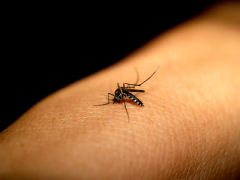
After the bite occurs, humans require some sort of mosquito bite treatment in order to ease the symptoms that occur. A mosquito bite usually results in redness and minor local swelling around the mosquito bite site. Itching is also very common and tends to last longer than the swelling, which subsides after a few hours. The itching is caused by a skin reaction to the mosquito’s saliva. These symptoms usually occur soon after the mosquito bite has occurred.

After many bites, some people become rather insensitive to them and their skin barely reacts. However, for others the mosquito bite symptoms become more severe with more bites. In fact, some people are considered allergic to mosquito bites and these individuals would definitely benefit from a mosquito bite treatment.

Unlike allergic reactions to bee stings or wasp stings, where an allergic response can cause immediate death, this same response from a mosquito bite is very rare. Instead, symptoms of an allergic response to a mosquito bite involve more significant swelling of the skin with sometimes very large hives or welts forming, more redness at the bite site, and extreme itching. These symptoms tend to last much longer than in non-allergic individuals, sometimes lasting two or three days. In more severe cases, blistering and bruising may also be the response. Overall, it is a much more uncomfortable and painful situation for the victim and a bite treatment becomes important.

American Mosquito Control Association (AMCA), an international organization of nearly 2,000 public health professionals, formed in 1935. Recommends the following:


Mosquito Bite Prevention

Mosquito bites are annoying for individuals, but often no mosquito bite treatment is used. However, because of the possibility of contracting one of the above mentioned diseases, it is very important to avoid getting bitten as much as possible. Prevention is the best treatment.
In order to reduce the risk of being bitten:

  • Apply insect repellent containing DEET (N,N-diethyl-meta-toluamide) when outdoors during mosquito season. Read the precautions of the product carefully since these products can irritate the eyes, etc.
  • Wear shirts with long-sleeves, long pants, a hat, shoes, and socks when outdoors. Use of mosquito netting is also recommended in areas with higher concentrations of mosquitoes. Spray repellent on clothing because mosquitoes will bite through thin clothing.
  • Wear light colored clothing, since dark colored clothes attract more mosquitoes.
  • Avoid wearing scented products. Perfumes, etc. will attract mosquitoes.
  • Avoid times when these insects are more likely to bite such as early morning and evenings.
  • Reduce the number of mosquitoes in outdoor areas by emptying sources of standing water. Mosquitoes lay their eggs and breed in these areas.
  • Report dead birds found to authorities so that they can be checked for West Nile Virus.

Following these steps will go a long way to preventing bites and the subsequent need for a treatment.


Mosquito Bite Treatment

In order to get relief from the mosquito bite symptoms, a mosquito bite treatment is required. A treatment for mosquito bites involves washing the affected areas with soap and water to ensure no infections develop and to help reduce the itch. Applying soap directly to the bite has been suggested as an itch remover. Use a cold compress on the bite site to help alleviate the itch, swelling, and redness. A bite treatment may also involve some of the procedures listed below.

  • Making a paste of baking soda and water and spreading it over the bites.
  • Using calamine lotion or a topical anesthetic to help relieve the itch and pain.
  • Itching can also be relieved by using a one percent hydrocortisone cream.
  • Anti-inflammatory medication such as Ibuprofen will help with the swelling and pain.
  • The use of antihistamines is also a useful mosquito bite treatment because they will alleviate the itch and swelling.
  • Aloe vera gel is an effective all natural mosquito bite treatment. This compound reduces swelling and itching and soothes the affected area.
  • A mosquito bite treatment is also available in the form of commercial products specifically designed for this purpose.

Not scratching the mosquito bite area is an effective treatment for a mosquito bite. Scratching prolongs the swelling, itch, and discomfort, and can open the skin and cause an infection. If your mosquito bite becomes red and swollen and if the area around the bite feels warm to the touch, the bite may be infected. If this condition persists and does not respond to a standard mosquito bite treatment, then consult a physician

If unusual symptoms develop about five days after being bitten by a mosquito, then a standard mosquito bite treatment is ineffective and a visit to a physician should be a priority. Unusual symptoms can include severe headaches, fever, skin rashes, nausea and vomiting, disorientation, chills, and muscle pains.


http://www.bing.com/news/search?q=helpful+tips+to+prevent+mosquito+bites&qpvt=helpful+tips+to+prevent+mosquito+bites&FORM=NWRFSH

How to prepare yourself and your host children in the case of a Tornado!

Use the guide below to discuss tornado safety with your host family. Request a meeting to discuss where you would go inside their home and what they expect from you when a warning or a watch is given in your area.

What you need to know about Tornadoes:

What is a Tornado?
tornadoes-5306

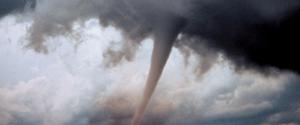
A tornado is a violently rotating column of air extending between, and in contact with, a cloud and the surface of the earth. Tornadoes are generally spawned by thunderstorms, though they have been known to occur without the presence of lightning. The stronger tornadoes attain an awe-inspiring intensity, with wind speeds that exceed 200 mph and in extreme cases may approach 300 mph.

The United States has the highest incidence of tornadoes worldwide, with about 1,000 occurring every year. Tornadoes touch down in the Atlanta area each year.

According to Stu Ostro, a Senior Weather Specialist at The Weather Channel, this is due to the unique geography that brings together polar air from Canada, tropical air from the Gulf of Mexico, and dry air from the Southwest to clash in the middle of the country, producing thunderstorms and the tornadoes they spawn.

Tornadoes can come one at a time, or in clusters, and they can vary greatly in length, width, direction of travel, and speed. They can leave a path 50 yards wide or over a mile wide. They may touch down for only a matter of seconds, or remain in contact with the ground for over an hour.

How do I know if a tornado will touch down where I live?

The National Weather Service broadcasts severe weather conditions on radio, TV, or on NOAA Weather Radio.  Every host family should have a NOAA weather radio in the home or a weather alert app on their phone. The radio or phone app makes a loud alert sound, letting you know there is an emergency.  Ask your host parents to make sure your have this app. Some areas of Atlanta have outside warning sirens. This is a very loud alert sound outside. The siren is activated when a tornado has been sighted in the specific area.
iWit_FtWorthClouds_980x551

How does an au pair in your home know there is a watch or warning?

A tornado WATCH means conditions are right for a tornado to occur.  A tornado WARNING means a tornado has been sighted in the posted area or is visible on radar.  A location of the sighting is normally given along with its projected movement.

Become familiar with your specific area. What part of Atlanta do you live? What is the county that you live in? What is the closest major highway or street?  Become familiar with the television channel that will give you details of where a tornado is touching down. During a tornado warning, listen out for info about your area on television.

A Tornado watch has been issued. What Do I do?
723586main1_GOES-20130130-1825UTC-6_980x551satellite picture of a tornado

FOR TORNADO WATCHES:

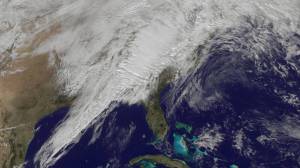
Stay tuned to a local radio or television station or listen to your NOAA Weather Radio. Our local news stations have very sophisticated technology. The weather person can tell what specific area is affected. CBS, NBC or ABC  local stations will all have reports during a potential tornado.  Call your host parents for advice about picking up children who are not at home.

Bring all children inside.

DO NOT SEEK SHELTER UNDER A TREE OUTSIDE.

Bring Pets to their safe place.

Secure any loose objects outdoors, or move them inside

Survey local structures for the most suitable shelter

Stay in communication with the host parents to help you decide if the warning will become more serious.    Be alert to changing weather conditions. Look for approaching storms. Look for the following danger signs:

Dark, often greenish sky

Large hail

A large, dark, low-lying cloud (particularly if rotating)

Loud roar, similar to a freight train.

A Warning Is Issued What Do I need to do?

When a tornado warning has been issued, you may have very little time to prepare. How you respond now is critical. OBEY ADVISORIES PROMPTLY! ACT QUICKLY!

In A Frame Home

Seek shelter in the lowest level of your home (basement or storm cellar). If there is no basement, go to an inner hallway, a smaller inner room, or a closet. Keep away from all windows.

Make sure you have a portable radio for information while you are in the safe room. Cover your head and eyes with a blanket or jacket to protect against flying debris and broken glass. Instruct the children to do the same. If you have a bicycle helmet this is ideal!  You can cover yourself with a mattress, but don’t waste time moving mattresses around.

Keep your pet on a leash or in a carrier.

Multiple tornadoes can emerge from the same storm.

If a tornado has hit your area,  do not go out until officials say it is safe. Most injuries from tornadoes occur due to flying debris or down gas or electric connections.

Keep yourself and the children calm. Sing or talk to keep young children distracted. The storm will pass by soon!

If you are outside:

Try to get inside and seek out a small protected space with no windows.

Avoid large-span roof areas such as school gymnasiums, arenas, or shopping malls.

If no inside protection is available, get into a vehicle, buckle your seat belt and try to drive to the closest sturdy shelter.

Stay in the car with the seat belt on. Put your head down below the windows; cover your head with your hands and a blanket, coat or other cushion if possible.

If you can safely get noticeably lower than the level of the roadway, leave your car and lie in that area, covering your head with your hands

If you cannot get inside a car, crouch for protection beside a strong structure, or lie flat in a ditch or low-lying area and cover your head and neck with your arms or a piece of clothing.

Do not get under an overpass or bridge. You are safer in a low, flat location.

Never try to outrun a tornado in urban or congested areas in a car or truck. Instead, leave the vehicle immediately for safe shelter.

Watch out for flying debris. Flying debris from tornadoes causes most fatalities and injuries.

If you are in a car:

Ideally, you should avoid driving when tornadoes or other kinds of dangerous weather threaten, as a vehicle is a very unsafe place to be. If, however, this is not possible, stay as calm as possible, and assess the situation.

The best choice is to take shelter immediately in a nearby building.

If your vehicle is hit by flying debris while you are driving, pull over and park.

If no building is near, one option might be to get out of the car and lie flat in a ditch or other low-lying area that is of sufficient depth to provide protection from the wind If you do so, beware of water runoff from heavy rain that could pose a hazard, get as far away from the vehicle as possible, and shield your head from flying debris.

Do not leave a building to attempt to “escape” a tornado.

If you are already in a sturdy building, do not get in a vehicle to try to outrun a tornado.

This information was obtained in Weather Channel web site. For more information go to:  http://www.ready.gov/tornadoes