Yearly Archives: 2016

Heading Home

By Robin Leon

You made it! Your time in the US has flown by, and now it’s time to plan for your return. Think about all of the time and effort you put into preparing for your arrival in the US – interviews, paperwork, training. It makes sense that your return home would also require some thought.

Photo: Skyseeker (Flickr)

Photo: Skyseeker (Flickr)

Of course you expected US culture to be new, but do you anticipate your home culture to be familiar and without difficulties? This is often not the case. In many ways, the experience of returning home can mirror the experience of arriving in the US. Change can be stressful, but thinking about these transitions ahead of time can make them less scary.

For au pairs, the reentry process begins in the eighth month when return flight packets are received. At this time feelings can be mixed, and au pairs may feel very confused as they anticipate the return home but are not ready for the US experience to end. For those returning at the end of the first year, they must select a travel date, deal with questions and excitement from family and friends at home and, with three months left, continue to keep focused on their au pair duties.

As the departure date nears, there is a flurry of activity – you’re trying to get everything done, packing, and seeing all your friends one more time. It can be tempting to disengage from friends and your host family – keep in mind, even if you’re not aware of it, it’s easier to leave angry than it is to leave sad. Be aware of these emotions and remember that they can impact your host family and host kids too. Talk to a trusted friend or your Community Counselor.

Now you’re home! When you first arrive, everyone will be so happy to see you, and you may feel like a visiting celebrity. This will fade though, and your friends and family may no longer be interested in hearing dozens of stories of your adventures in the US or seeing hundreds of photos of you and your new friends. They will move on and be ready for you to do the same, which leads us too…

Reverse Culture Shock – when you first return home, your family and friends may wonder who you are, who you’ve become. You may be thinking about how much you’ve changed, while everything and everyone at home has stayed the same. It may be tempting to romanticize your time in the US – everything was perfect there! There were friends who understood you! You may also experience a “parent problem” – you’ve been independent and had lots of freedom during your time in the US. It can be hard to go back to being someone’s child or following someone else’s rules.

This culture shock is not permanent. It takes time, but eventually, you will get back into the swing of things, and you’ll begin to relax into life in your home country, carrying with you the experiences you had as an au pair.

Tips for Transition:

• Talk to your Community Counselor – we are here to help you with all phases of your au pair experience, including your return home.
• Take some time to really think about your experiences in the US – what did you like most? What will you miss? How have you changed? What recommendations would you make to someone considering becoming an au pair?
• Think about challenges you may face when you return home.
• Think of skills and activities that helped you adapt to the US. These may be strategies that you can use to help you adapt back into your home country.
• Set short term and long term goals for after you return home. Think about ways that you can use the new skills that you gained during your time in America.
• Think about how your Host Family and kids are feeling. What can you do as a group to help with the transition? Think about how you can have a successful closure with them. Also, think about how your return may feel for your friends and family in your home country. What questions and concerns might they have?
• Keep talking – stay in touch with the au pairs and other friends you met along the way – it can be nice to talk with someone who had a shared experience with you.
• Develop ways to continue your exposure to American culture and language.

Photo: Kristina Zuidema

Photo: Kristina Zuidema (Flickr)

By Christine Connally  Does your au pair have to do a last minute supermarket run to buy milk; is she taking the kids to the zoo and needs to buy everyone’s lunch or pay for the carousel ride? Whether you use a cookie jar with random spare cash, a petty cash box with a set amount per week or give your her a credit or debit card while requesting receipts, it is important that you have a conversation about how to handle miscellaneous expenses as soon as your au pair arrives. This allows you to set the ground rules for what the money is and is not to be used for, etc. and will avoid money-related misunderstandings early on.

Host Families

  • It’s important to be clear about how long the money should last and what types of expenses are approved.
  • Let the au pair know whether or not you expect receipts.
  • Clarify any instances of perceived misuse or misunderstandings during your weekly meetings. Do not allow it to fester.

Au Pairs

  • Only spend the money on pre-approved expenses.
  • If there is a type of expense that you are not sure about, ask first.
  • Put your receipts in the cookie jar on the same day the expense occurs to avoid any confusion.
  • Clarify any misunderstandings during your weekly meeting.  Do not allow it to fester.

Gas and Fare Cards

Host families are responsible for the au pair’s transportation costs:

  • to and from classes and cluster meetings
  • driving the kids

It is a good idea to determine  how much gas an au pair will use for these trips and either put gas in the car or give a gas allowance.   If your au pair is riding to classes or cluster meetings with another au pair, you should offer to share the cost of gas.

Au pairs are responsible for their own transportation when they are off duty.  Au pairs should replace the amount of gas used for personal use.

Keeping Our Kids Safe and Healthy This Summer

By Catherine McEaddy-Holmes (Excerpt)

Summer can be a wonderful time of year full of adventure and fun, but it can also be a time when routines are unsettled and rules are relaxed. I encourage you to think about ways that you can keep your children safe and healthy. The American Academy of Pediatrics’ Healthy Children website has many excellent articles on how you can help your family have a wonderful and healthy summer. Below are some highlights with links to the full articles.

Sun Safety

  • Keep infants 6 months or younger out of direct sun.
  • Cover up with protective clothing and hat and dress in cool layers. Wear protective sunglasses.
  • Play outdoors in the early morning and limit your exposure to sun between 10 am and 4 pm.
  • Use a broad-spectrum sunscreen and apply it often.

Heat Safety

  • Reduce intensity of outdoor activities during times of high heat & humidity.
  • In Washington, DC smog can also cause days when the air is unsafe for young children to be outdoors. You can check the daily index here.
  • Children and adults should be allowed to drink water liberally and freely. When outdoors take a break for water every 20 minutes.
  • NEVER leave a child in a car. Heatstroke and death can occur quickly. Always check the backseat to make sure all children are out of the car. Leave your purse or wallet on the backseat when you are driving to remind you to check when you arrive at your destination.

Insects

Summertime brings an onslaught of bugs- some of which can cause diseases like West Nile Virus, Lyme Disease and Rocky Mountain Spotted Fever. Stay up-to-date on your region and how to prevent these diseases spread by insects.

Prepare a summer first-aid kit for bug bites and more:

  • Be prepared for allergic reactions from bug bites. Benadryl is probably the most important over-the-counter medication to have in your first aid kit to treat insect bites, hives, and other allergic reactions. As always, check with your host family about what medications to use.
  • Hydrocortisone ointment can help the itches that come from bites.
  • Use bug spray containing DEET or picaridin.

 Swimming Safety

  • Review swimming rules with your children.
  • Always make sure an adult who is able to swim is watching children when they are in the water.
  • Take steps to prevent drowning.
  • Learn the signs of dry or delayed drowning.
Photo: Flickr

Photo: Flickr

Summer Safety Reminders

Photo: Pete (Flickr)

Photo: Pete (Flickr)

By Christine Connally

Dehydration The little ones, especially, forget to drink or to tell you that they need to drink. If you find the children not looking well and/or getting cranky toward the afternoon, it might be because they’re tired, or it might be because they’re dehydrated. Remember: By the time a person feels thirsty, he’s already partly dehydrated, so drink to prevent thirst, not to quench it. Common symptoms of dehydration are crankiness, headaches, aches in the joints and weariness. And don’t allow your child to fill up on juice or soft drinks; these are dehydrators. Water or child-appropriate hydrating drinks are best.

However, if you or your child has severe dehydration (dry mouth, sunken eyes, reluctant to drink, unable to pee or cry, high fever, lethargy), call for emergency help and have your child sip an electrolyte-replacement fluid (such as Pedialyte).

Hot Cars: Don’t EVER leave children alone in the car — not even for a moment. Besides the danger of abduction, the temperature in a car can skyrocket in minutes. And, if you see an unattended young child in a vehicle, please call 911, the police or other emergency personnel. Your call could save the child’s life.

Drowning: Always actively supervise children in and around water. Infants and children can drown in bathtubs, swimming pools, ponds or almost any other water. Toddlers aren’t strong enough to lift themselves back out of a toilet, bucket, container or wading pool.

Sun Protection: Children’s skin and eyes are more sensitive to ultraviolet rays. Babies should be protected from direct sun entirely. Toddlers, preschoolers and older children should be covered well in sunscreen (SPF 30 or higher) at least one half hour before going out in the sun. Sunscreen should be reapplied every hour or so, and it should be reapplied after the child has been in water. Don’t forget ears, hands, feet, lips and under the eyes. Also, make sure your child wears a hat and sunglasses when out in the sun for any length of time.

Car Seat Safety is a Shared Responsibility

By Christine Connally

In Maryland, Washington DC and Virginia the laws state that children under age 8 must be secured in a car seat or booster seat that is appropriate for their age, weight and height. Children over age 8 must be properly secured in a vehicle seat belt. (That is more lax than best practice recommendations which suggest children ride in a booster seat until they fit safely into a vehicle seat belt and their feet touch the vehicle floor. This will vary by child and vehicle more than age.)

Car seats and booster seats save lives, there is no doubt about it. But, just having the car seat in the car is not enough.  Car seats and booster seats can only save lives if they are properly installed and used.

Host Parents

  • It is your responsibility to show the au pair how to properly use your car seats and/or booster seats.
  • If you expect her to change seats to different vehicles, show her how to install them properly.
  • If you do not want her to remove and re-install car seats, make that expectation clear.
  • Even if the au pair has a separate car that she is the only one driving the kids in, please check the installation of the seats periodically.

Au Pairs

  • You are responsible for making sure that you understand how to buckle the children safely in their seats and be sure that they are safely buckled in every time you take them in the car with you.
  • The car should not move unless everyone is buckled.
  • Make it a habit to check the seats each time you put the children in to see that the seat is secure and not too loose.
  • If the seat is not working properly or you cannot figure out how to get it tight, ask your host parents as soon as possible.
  • If your host parents have asked you not to remove the car seat(s), please follow that rule.
  • If you need to remove the seat for some reason, ask them for help putting the seat back in.

If you need help installing car seats, find a car seat inspection station near you: http://www.nhtsa.dot.gov/cps/cpsfitting/index.cfm

Image: Parents Central

Image: Parents Central

Healthy Eating

Your orientation trainer probably spoke of the 5 kilos au pairs typically gain during the year. If you feel your jeans getting too tight, try these simple tips

  • Eat breakfast – it’s the best way to start the day, things like eggs and oatmeal are filling and healthy.
  • Snack with fruits, vegetables or protein and fiber power bars.
  • Drink water – 6 glasses or more a day, more when it is hot or when you are active.
  • Downsize your portions – how much you eat is as important as what you eat.
  • Avoid highly-processed foods.
  • Walk or jog with friends, sign up for a dance class, find a sports league, join a YMCA or gym.
  • Avoid going shopping for larger-sized clothes.

    Photo: torbakhopper (Flickr)

    Photo: torbakhopper (Flickr)

DC Metro Area Cultural Fair – Mega Success!

By Victoria Patton

A Cultural Fair is considered a success when over 200 Au Pairs have a fantastic time representing their countries by hosting a country table, performing or face painting. It is considered a mega-success, however, when an additional 1000 guests (host parents and children, general public and VIP’s) attend and walk away having really enjoyed themselves amongst the energy that brings people together through the Au Pair in America program.

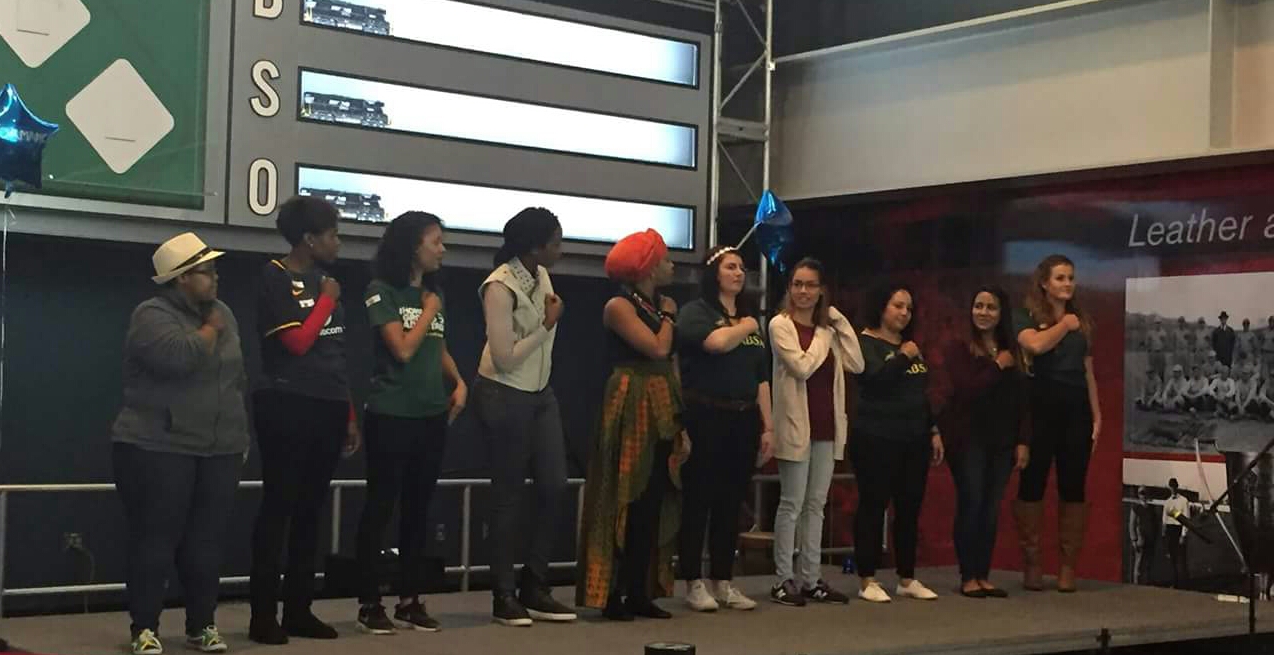
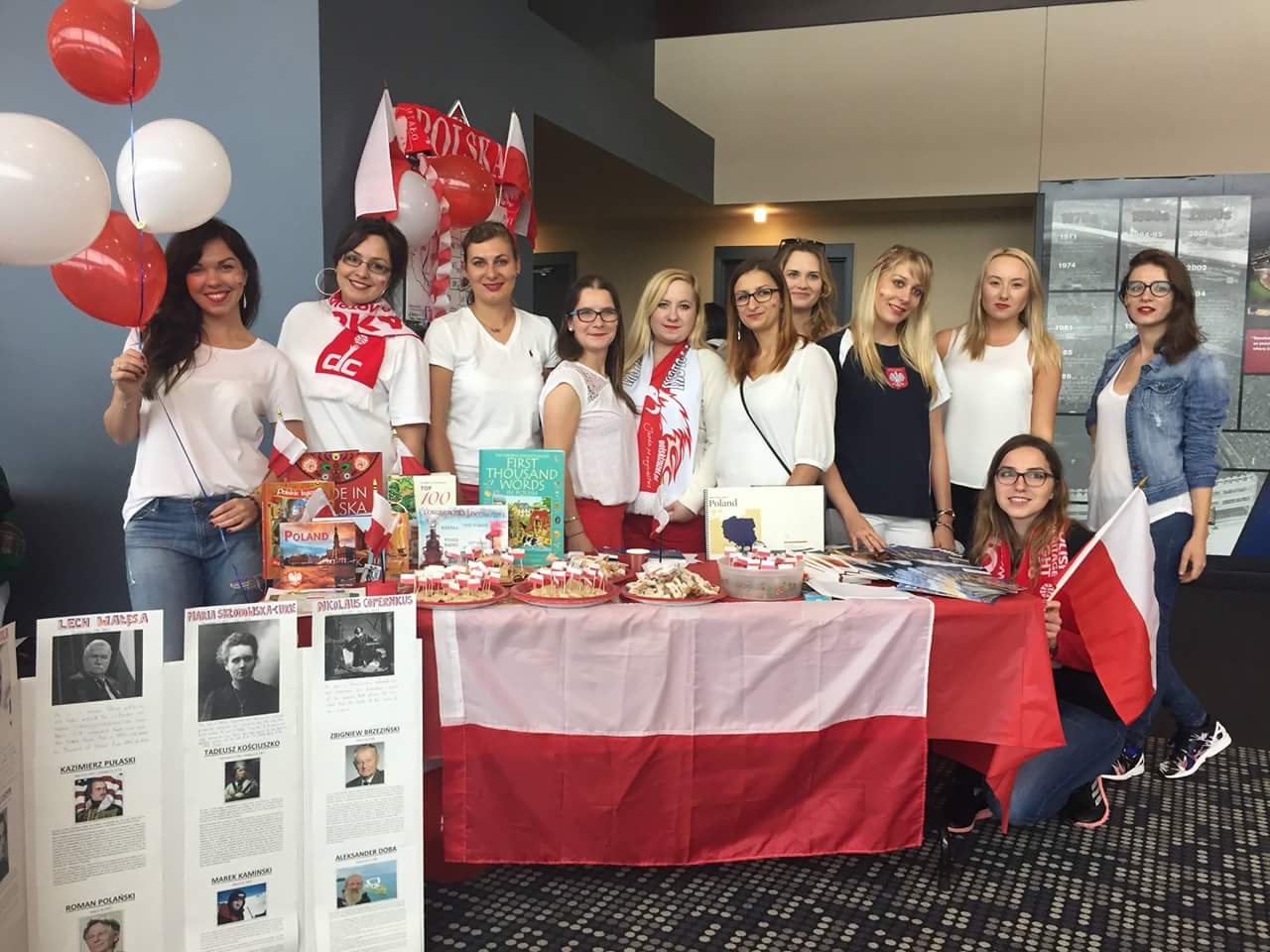
On Sunday, May 1st, Au Pairs from 36 countries, enthusiastically welcomed all those who stopped at their tables. The energy was palpable for all 3-hours of the DC Metro Area Cultural Fair 2016 at Nationals Park.

Throughout the afternoon we were treated to wonderful performances too:southe Africa

perf 4Costa Rican Au Pairs sang in Spanish “Beautiful Costa Ricans,” and “Sugar Cane”.  performance 1perf 2


performance


Thai Au Pairs danced in their national perucostumes to “Fawn Thai” a traditional Thai folk dance

Singer Marion Raffin of France performed a solo of the classic “La Vie En Rose”.

Lillian Tshabalala of South Africa sang several solos in Zulu including: “Qongqothwane – Beetle”, “Mama Thembu – a Wedding Song”, and “Malaika – My Angel”.

Zane Feldmane from Latvia presented “Bedu Manu Lielu Bedu or Trouble My Grefacepaintingat Trouble”.

Two singers from Poland gave us “Nie Mam Nic – I Have Nothing” and “Czas Nas Uczy Pogody – Time Teaches Us Serenity”.

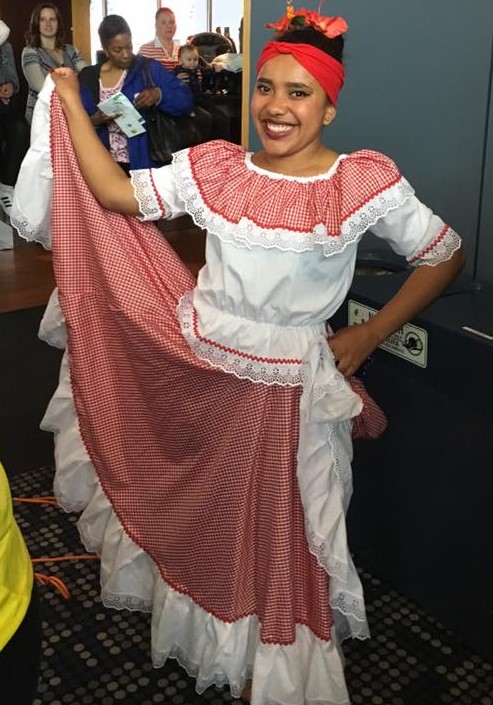
Colombia rounded-off the performances with “Checumbia” a traditional Colombian folk dance and several songs.perf 3

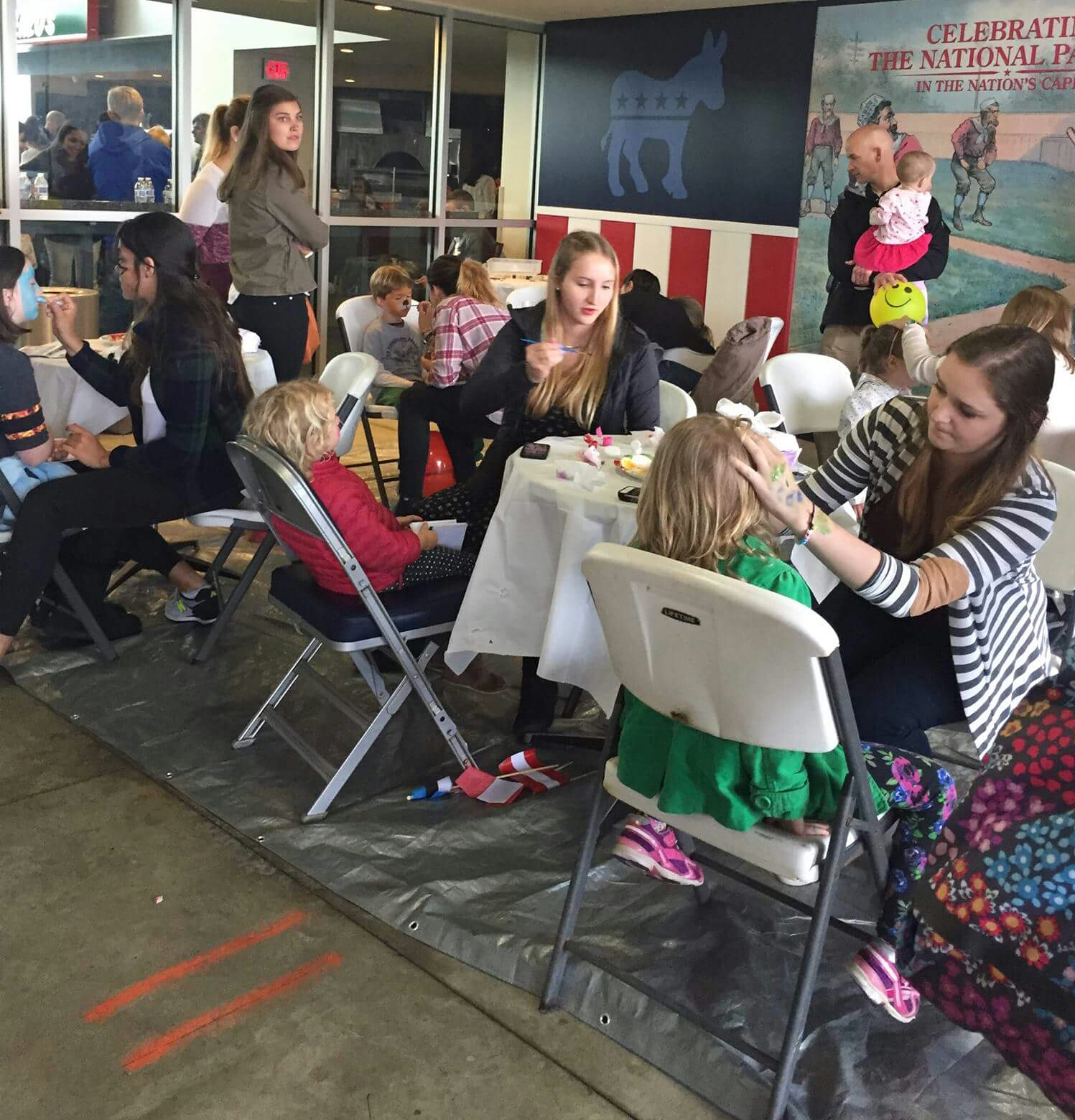
Children visiting each received a passport anlqtviad it was quickly filled with country, flag stickers as they “traveled the world”.  Some kids colored place mats to take home and others, still, wore home some fun face painting designs and globe tattoos.

poland

Over 30 DC Metro area Community Counselors (from Richmond to Baltimore, Cabin John to Virginia Beach) worked from March to May to organize all the pieces that went into the Fair. On this cool May afternoon, they all posed for a quick group photo having made a significant contribution to a fun event and the spirit of international understanding.

ccs


Holiday and Vacation Reminders

With Memorial Day almost here, I wanted to remind everyone about program rules on holidays and vacations.

Holidays

  • Host families are NOT REQUIRED to give au pairs any specific holidays.
  • Each host family will make different arrangements on holidays, some au pairs will be off and others will be required to work.
  • Au pairs should NOT make plans for holidays without checking with your host family FIRST.

luggage maliasVacation

  • Au pair earns 2 weeks of paid vacation during the course of her year.
  • The host family can pick a week and the au pair can pick a week, if an agreement is not reached.
  • All vacation should be preplanned (at least 4 weeks in advance.)
  • All au pair’s friends and/or family visits/vacations should be pre-approved prior to purchasing a ticket.
  • If an au pair travels with their host family, it should be discussed UP FRONT whether this is the au pair’s vacation or if she is working.
  • If an au pair travels with the host family to work, the host family is required to pay for her transportation, lodging and meals.

Important: An au pair MUST have her DS2019 signed PRIOR to her departure from the US. More information about this can be found by selecting the Resources tab on the top of this page and looking under “Travel Links for Au Pairs.”

By Christine Connally

Interested in learning about hosting an au pair?

Interested in learning more about hosting an au pair? Join Au Pair in America on May 1st from 1-4 PM at Nationals Park as we celebrate their 30th anniversary at a DC Regional Cultural Fair.
You’re invited to a fun afternoon of educational country displays, performances by au pairs, a photo-op, face painting, and other fun activities for children. Au pairs from over 30 countries will be participating!
Visit Au Pair in America’s Cultural Fair page to RSVP and learn more information. Free event and free parking. ‪#‎aupairnats‬