Yearly Archives: 2019

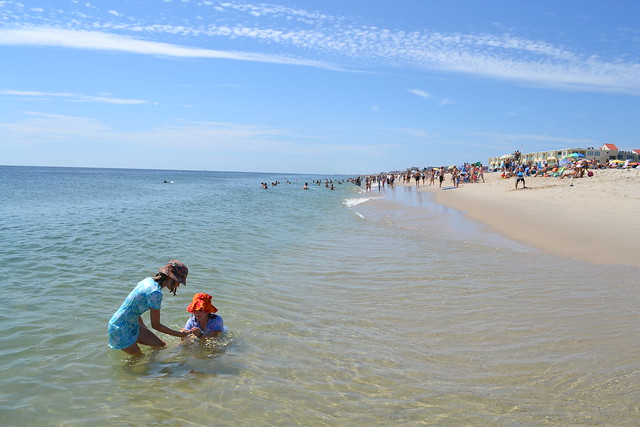
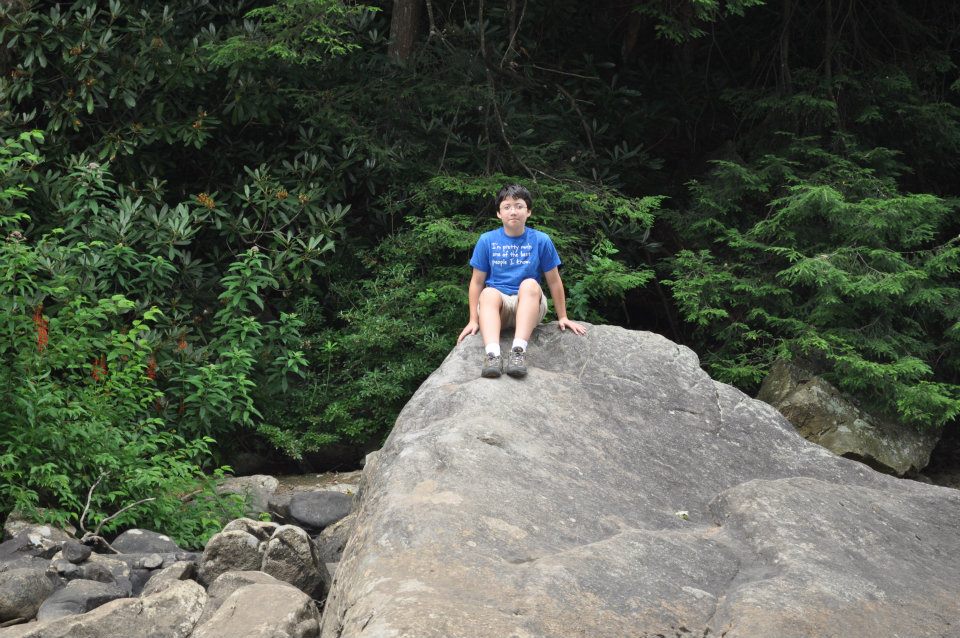
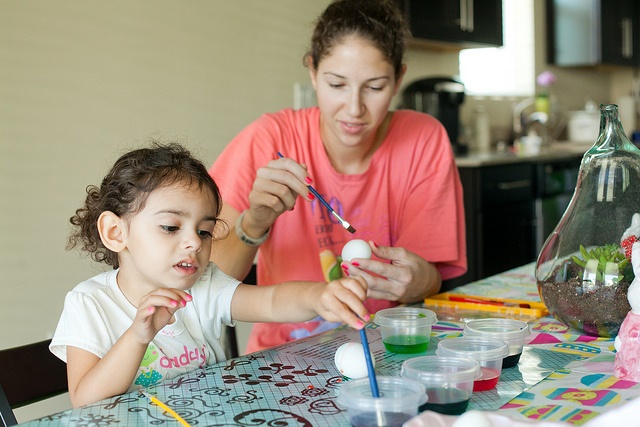
Big Kids Need Interaction Too!

Just because a child is old enough to occupy themselves, doesn’t mean that they should be expected to do so the majority of the time.  Host families have a certain expectation of activity and involvement for their children. Get the kids engaged and active. You can be more fun than the TV or a video game.


Problem:
But, my kids don’t want to do anything but watch TV or play video games.

Solution:
Instead of saying,  “Would you like to (fill in the blank with any activity)?  The answer will often be, “No.”

Try this, “Now we are going to (fill in the blank with any activity.) or “Would you rather do  _____ or ______?”  Make sure both the choices are good options.
Your chances of co-operation are greatly increased. Even kids who are reluctant to try new things will usually get in the spirit of things and have fun, if you pick a good activity.

Problem:
I don’t know what to do with school age kids.

Solution:
Look for ideas online. Google “activities school age kids” or “activities tweens”. Below is a list of some ideas to get you started.

  • Cooking
  • Making things (check craft stores like Michael’s for kits and models that are age appropriate)
  • Going fun places (pottery painting, jewelry making, farms, museums, mini-golf, go-karts)
  • Sports (soccer, tennis, swimming, bicycling, roller skating, ice skating)
  • Let them teach you to do something they enjoy. Kids this age love being the expert.
  • Get outdoors and visit local parks.  You can even make a project of reviewing all the local parks (what kind of equipment they have, is there shade, water fountain?)  They can write this up and keep, so they remember which ones they want to go to again and which ones to skip in the future.
  • Let them help you search and plan some activities.
  • Check on the APIA Pinterest page and here on our cluster blog for ideas.
  • If you have a GPS, try taking them geocaching. Here is a website with all the details.

Note: Always get permission from your host parents before taking the kids places.

Photo: Killian77
Camp Au Pair – Dinosaurs!

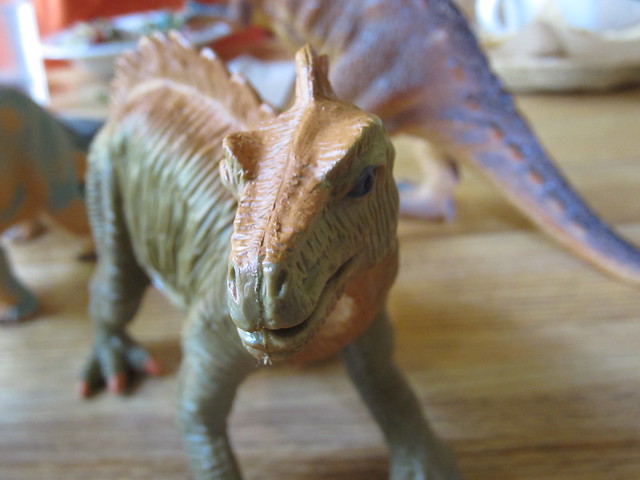
This week’s Camp Au Pair theme is Dinosaurs.

Crafts, recipes, activities, and games related to dinosaurs can all be found here on the Camp Au Pair – Dinosaurs pinboard.

Consider these awesome activities –

Field Trips can be a great way for kids to learn and have new experiences. Here are a few places to go, that fit this theme:

Videos – Look for fun videos on YouTube about dinosaurs. Dinosaurs for Kids is a great video that explains dinosaur history and what paleontologists do.

The Good Dinosaur, Land Before Time and Ice Age are all great family movies that fit with this theme. For older kids, consider movies like Journey to the Center of the Earth and Jurassic Park (which is rated PG-13).

Books – Stop by your local library and look for books on dinosaurs.

Photo: aaron parecki {flickr}


Camp Au Pair – Space

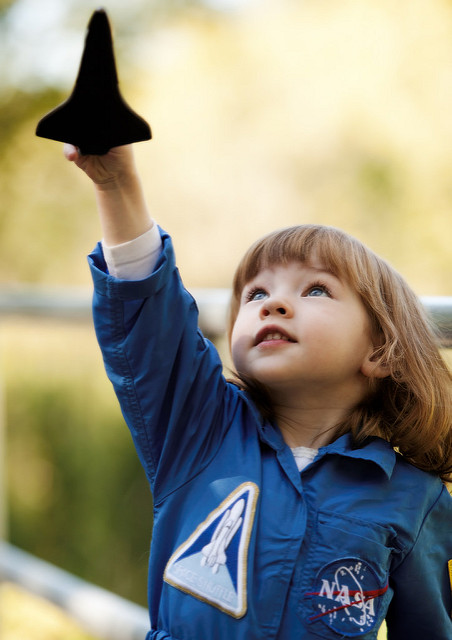
Get ready to blast off as we explore outer space this week! Ready for some serious fun? How about creating the phases of the moon with Oreo’s, exploring solar system mazes or building a space shuttle with recyclables? Try creating outer space themed lunches and snacks, flashlight constellations and answering the questions on “If I Could Be An Astronaut!”

Our Pinterest board is FULL of great ideas for you to use to explore outer space from the comfort of your own home! Moon rocks are optional!

Field Trip Options:

Webcams – You can do a google search for websites with webcams which allow you to observe space. Here is one from the International Space Station to get you started.

Videos – Look for fun videos on YouTube about outer space. Solar System 101 is good for school aged kids. The Planet Song is for toddlers and preschoolers. WALL-E, Zathura, Monsters vs. Aliens & Star Wars are all great family movies that fit with this theme. For older kids, movies like Hidden Figures and the Martian too, both are rated PG-13.

Books – Stop by your local library and look for books on outer space.

Photo: AGeekMom

Swim Safety Tips from the American Academy of Pediatrics

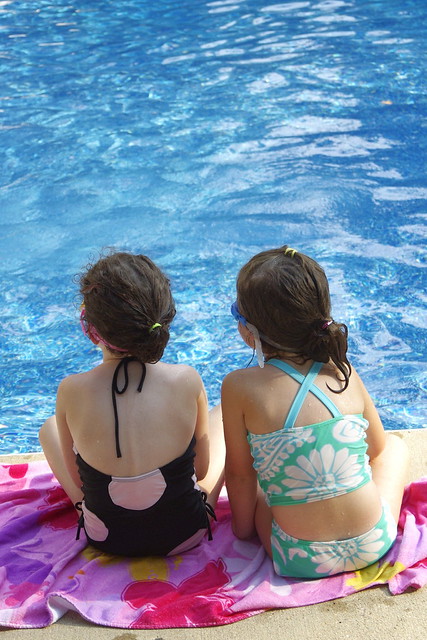
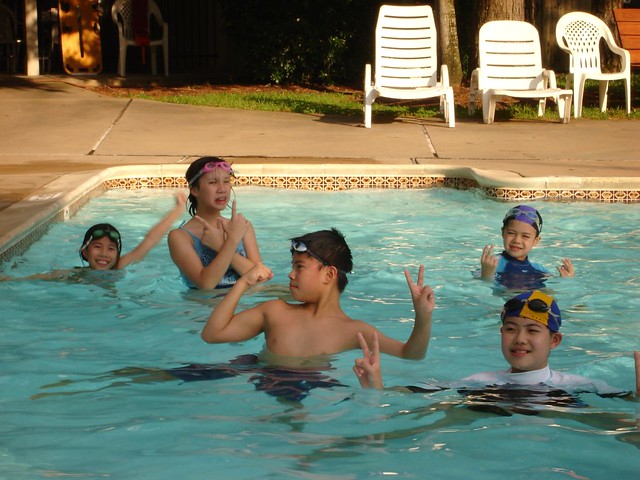
Swimming is a fantastic form of exercise and a major component of many spring break trips and summer break fun. But parents should remember that swimming also comes with risk. Follow these tips from the American Academy of Pediatrics to protecting children from drowning.

POOL SAFETY

  • Never leave children alone in or near the pool or spa, even for a moment; close supervision by a responsible adult is the best way to prevent drowning in children. Designate a “water watcher” who is not distracted or under the influence of drugs or alcohol to watch children in and near the water.
  • Whenever inexperienced swimmers are in or around water, an adult – preferably one who knows how to swim and perform CPR – should be within arm’s length, providing “touch supervision.”
  • Install a fence at least 4 feet high around all four sides of the pool. The fence should not have openings or protrusions that a young child could use to get over, under, or through.
  • The safest fence is one that surrounds all 4 sides of the pool and completely separates the pool from the house and yard. If the house serves as the fourth side of the fence, install an alarm on the exit door to the yard and the pool. For additional protection, install window guards on windows facing the pool. Drowning victims have also used pet doors to gain access to pools. Keep all of your barriers and alarms in good repair with fresh batteries.
  • Make sure pool gates open out from the pool, and self-close and self-latch at a height children can’t reach. Consider alarms on the gate to alert you when someone opens the gate. Consider surface wave or underwater alarms as an added layer of protection.
  • Keep rescue equipment (a shepherd’s hook ­– a long pole with a hook on the end — and life preserver) and a portable telephone near the pool. Choose a shepherd’s hook and other rescue equipment made of fiberglass or other materials that do not conduct electricity.
  • Avoid inflatable swimming aids such as “floaties.” They are not a substitute for approved life jackets and can give children and parents a false sense of security.
  • Children over age 1 may be at a lower risk of drowning if they have had some formal swimming instruction. However, there is no evidence that swimming lessons or water survival skills courses can prevent drowning in babies younger than 1 year of age.
  • Everyone should learn to swim – Participation in formal swim lessons can reduce the likelihood of childhood drowning death by 88%
  • The decision to enroll a child over age one in swimming lessons should be made by the parent based on the child’s developmental readiness and exposure to water, but swim programs should never be seen as “drown proofing” a child of any age.
  • Avoid entrapment: Suction from pool and spa drains can trap a swimmer underwater. Do not use a pool or spa if there are broken or missing drain covers.  Ask your pool operator if your pool or spa’s drains are compliant with the Pool and Spa Safety Act. If you have a swimming pool or spa, ask your pool service representative to update your drains and other suction fittings with anti-entrapment drain covers and other devices or systems. See PoolSafely.gov for more information on the Virginia Graeme Baker Pool and Spa Safety Act.
  • Large, inflatable, above-ground pools have become increasingly popular for backyard use. Children may fall in if they lean against the soft side of an inflatable pool. Although such pools are often exempt from local pool fencing requirements, it is essential that they be surrounded by an appropriate fence just as a permanent pool would be so that children cannot gain unsupervised access.
  • If a child is missing, look for him or her in the pool or spa first.
  • Share safety instructions with family, friends and neighbors.

BOATING SAFETY

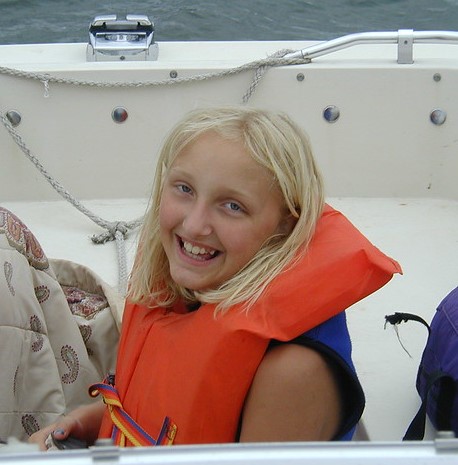
  • Children should wear Coast Guard approved life jackets at all times when on boats, docks or near bodies of water.
  • Make sure the life jacket is the right size for your child. The jacket should not be loose and should always be worn as instructed with all straps belted.
  • Blow-up water wings, toys, rafts and air mattresses should not be used as life jackets or personal flotation devices. Adults should wear life jackets for their own protection, and to set a good example.
  • Adolescents and adults should be warned of the dangers of boating even as a passenger when under the influence of alcohol, drugs, and even some prescription medications.
  • Children follow your example, whenever you are on a boat – everyone, kids and adults should wear a life jacket.

OPEN WATER SWIMMING

  • Never swim alone. Even good swimmers need buddies!
  • A lifeguard (or another adult who knows about water rescue) needs to be watching children whenever they are in or near the water. Younger children should be closely supervised while in or near the water – use “touch supervision,” keeping no more than an arm’s length away.
  • Designate a “water watcher” who is not distracted or under the influence of drugs or alcohol to watch children in and near the water.
  • Make sure your child knows never to dive into water except when permitted by an adult who knows the depth of the water and who has checked for underwater objects.
  • Never let your child swim in canals or any fast-moving water.
  • Ocean swimming should only be allowed when a lifeguard is on duty.
  • Teach children about rip currents. If you are caught in a rip current, swim parallel to shore until you escape the current, and then swim back to shore.
  • Be aware that pools and beaches in other countries may not have lifeguards, and pools may have unsafe drain systems. Supervise children closely.
  • At the beach, stay within the designated swimming area and ideally within the visibility of a lifeguard.
  • Be aware of rip currents. If you should get caught in one, don’t try to swim against it. Swim parallel to shore until clear of the current.
  • Seek shelter in case of storms. Get out of the water. Get off the beach in case of lightning.

Copyright © 2018 American Academy of Pediatrics.

Photo: Gordon {flickr}, eLLen {flickr}, Bradley West {flickr}, R Muller {flickr}

Camp Au Pair – Nature Exploration

Now for some fun in nature!!! Get out and explore a bit, collect some treasures along the way! Most of these activities are easily created using items likely already around the house, but you may need to plan ahead a bit to have supplies on hand! Check with your host family about getting supplies to use!

How about leaf bowls using air dry clay? Leaf painting mandala?  Create a birdfeeder or make a suncatcher?

How about creating a twig raft? Creating Nature Journals? Maybe a pocket sized nature collection?

So many great ideas! Check them out on the Au Pair in America Pinterest boards here!

Check out your library (or Amazon) for great books about the outdoors! Backpack Explorer: On the Nature Trail.  How about, My First Book About Backyard Nature: Ecology for Kids!

Check out the cool videos at Bob’s Pennsylvania Wildlife Camera 

Consider joining in the Free Forest School outings near you! Free Forest School ignites children’s innate capacity to learn through unstructured play in nature, fostering healthy development & nurturing the next generation of creative thinkers, collaborative leaders & environmental stewards.

Photo by Cynthia Chan


Camp Au Pair: Bucket List and Under the Sea Fun!

Summer has arrived! Time for Camp Au Pair!!

Let’s make a bucket list!

11896064_10206252418420687_3032463284832767225_n

Summer has arrived! Kids are home! Time to get your plans written down and make the most out of your summer days with your host kids! Here’s a great way to make sure you have lots of fun, perhaps learn some new things, and make a bunch of memories together!

Start by creating a bucket list! Bucket lists are a great way to brainstorm a bunch of ideas and then make them happen! Check out some great bucket list ideas like this one or this fun one!

Now for some under the sea fun!! Most of these activities are easily created using items likely already around the house, but you may need to plan ahead a bit to have supplies on hand! Check with your host family about getting supplies to use!

Create a sensory beach exploration pool!

Practice scissor skills with this super cute octopus craft!

How about some under the sea slime?

Coffee filter rainbow fish!

How about paper bag jellyfish? Toilet paper rolls transformed into a school of fish? So many great ideas! Check them out on the Au air in America Pinterest boards here!

Webcams – You can do a google search for aquariums and zoos across the country (and world) with webcams which allow you to observe sea creatures. Here is one to get you started.

Videos – Look for fun videos on YouTube about sea creatures. There’s more to see than Baby Shark. You can learn 10 Fun Facts About Turtles in this video. Movies like Finding Nemo, Dolphin Tale and the Little Mermaid also go well with this theme.

Books – Stop by your local library and look for books on sea creatures. The Rainbow Fish is a classic children’s book, your kids may already own.

Do You Need Sports Insurance?

Trying out or participating in various sports can be very exciting, especially if this is your first time experiencing certain activities. However, you should also know the risks and be prepared.

Is it risky to do sports without the sports insurance?

Yes. If you have to pay your own hospital bills for a broken bone, you might be shocked at how much that would cost. I checked this website for some cost estimates.

Here are a couple examples:

  • Without medical coverage, to treat a broken arm or leg (that does not require surgery) it could cost up to $2,500.
  • Without medical coverage, to treat a broken arm or leg (requiring surgery) it could cost $16,000 or more.

I wanted to make sure everyone understands how the medical coverage works for sports related injuries. There is a list of “high-risk sports/activities” that are not covered with the basic or upgrade medical insurance plans. Those activities are ONLY covered with the Sports Insurance Package.

The Sports Insurance was available pre-departure and may also be purchased at any time during your year. It takes effect within 48 hours of your enrollment and it is good for 12 months. The cost will be the same ($90) whether you have a month left or your whole year ahead of you. I recommend you pay for it early on, if you didn’t already purchase it. You never know when an opportunity might present itself and you don’t want to miss out on an adventure. You also don’t want to take a risk on getting injured and being responsible for the bill on your own.

Below is a partial list of sports that are only covered with the sports insurance package:
Football, Rugby, Scuba diving, Ski-doo,  Wakeboarding, Skydiving, Parachuting, Rock climbing, Zip line, Skate boarding, Rollerblading, Roller skating,  Ice Skating, Skiing, Snowboarding, Snowmobiles & Snowshoeing.  View the full list on your insurance brochure.

Note: Injuries sustained while partaking in these sports are covered with purchase of the Sports Insurance ONLY.

How to register for the Sports Insurance
Contact Cynthia or Sarah, if you are unsure which insurance package you have. To sign up, submit a completed copy of the Sports Insurance Enrollment Form along with payment to Au Pair in America. It takes three days for your coverage to begin. If you think you will be doing any of these sports, you should get it now.

Spring Break – School’s Out Boredom Busters!

Looking for some fun ideas for Easter and Passover celebrations and spring break activities? Check out the Au Pair in America Pinterest board for lots of great ideas!

Easter Egg lunch

Passover crafts and ideas   

Bake and decorate chick cupcakes

Easter egg hunt in the dark?

Paper plate bunny basket

Make a foosball game out of a shoebox

Go on a scavenger hunt at the park

Make finger leg puppets

Play the Draw A Monster Game

Photo by Michael

Education Requirement Explained

Au pairs are required to complete 6 credits or 8 CEUs or 72 or more hours. We will work with each au pair to ensure that she earns the appropriate amount.

An au pair may take credit or non-credit classes from an accredited college.  If you want to take a class at a school not listed here on our blog, please check with us first to make sure it is accredited. Otherwise, it would not count toward your education requirement.

Your host family will pay an education allowance to assist you in completing your education requirement. They will also ensure your transportation to class (access to a car and gas expense will be covered). The education allowance is $500.

There are ways to get your credits for close to  your education allowance, but it will not give you a lot of choices. Normally au pairs will contribute some of their own money ($200+) towards their education. We can help you plan out your year of classes to make it fun, interesting and educational!  CollegeDegrees360

The APIA Advantage UCLA Course is the only State Dept. approved class with an online component. No other online classes are accepted.

  • NOTE – Au pairs are allowed to take one weekend course for up to half their education requirement per contract year.  The Department of State views our program as a cultural exchange experience and an au pair going to a campus over the length of a semester alongside her American Peers facilitates this while promoting the spirit of the program.  

Photo Credit: CollegeDegrees360 (flickr)

Host Families – Au Pair Experiences

“She is doing an excellent job with the boys – has really picked up on their personalities and how to deal with each of them.  She has really been a help around the house.  I like how she takes things in stride and doesn’t get easily rattled-definitely a plus in our household!”   (German au pair)

“I came home to hear of how they brought some snow inside in pans & used food coloring to play & do experiments with it, and then did a scavenger hunt!”   (German au pair)

“She really gets the boys and their creativity and embraces that, making efforts to encourage and support their play. The kids wanted to sell Christmas tress so she helped them set up a table at the end of their driveway, make a sign, etc. No customers on the dead end road, but the boys had a fabulous time!” (Brazilian au pair)

“She has logged some serious ‘family time’ with us over the holidays! She even got up at 6:30am to open presents with the boys, and went on our family road trip to visit the cousins in PA.  She skyped with her family a few times, and was happy that the packages she sent a few weeks ago finally arrived in Germany – just after New Years. ”   (German au pair)

“It’s am amazing thing to bring in a young woman and watch her become a part of our larger family. She just fits in so well. She has been a great big sister to our kids and somewhat of a little sister to us. I am confident that my kids are well cared for and loved when I am not there. She has been such a blessing. I am so sad thinking about her leaving, but so thankful for the time she was with us.” (South African au pair)

“Our girls love being with her. She has become such a nice addition to the family. Her warm personality and demeanor has made it very easy for (us) to become comfortable with her and she with us. Her past experience with young children really shines through when she is spending time with the girls. We are so happy that we found each other!” (Spanish au pair)

“Things are going pretty well. She is really amazing with the boys. She wrote out a schedule for her & (the youngest), and made goals for him for the month (being able to take off his shoes by himself, walking to the playground, etc). When the big 3 were off school & she had everyone, she planned a whole day of Harry Potter-themed activities, crafts, recipes, etc. They loved it!” (Austrian au pair)

Photos by: Scrabble_retrofade_Virginia State Parks; Ilya-Haykinson