Tag Archives: under the sea

Camp Au Pair – Under the Sea

Next week’s Camp Au Pair theme is Under the Sea.
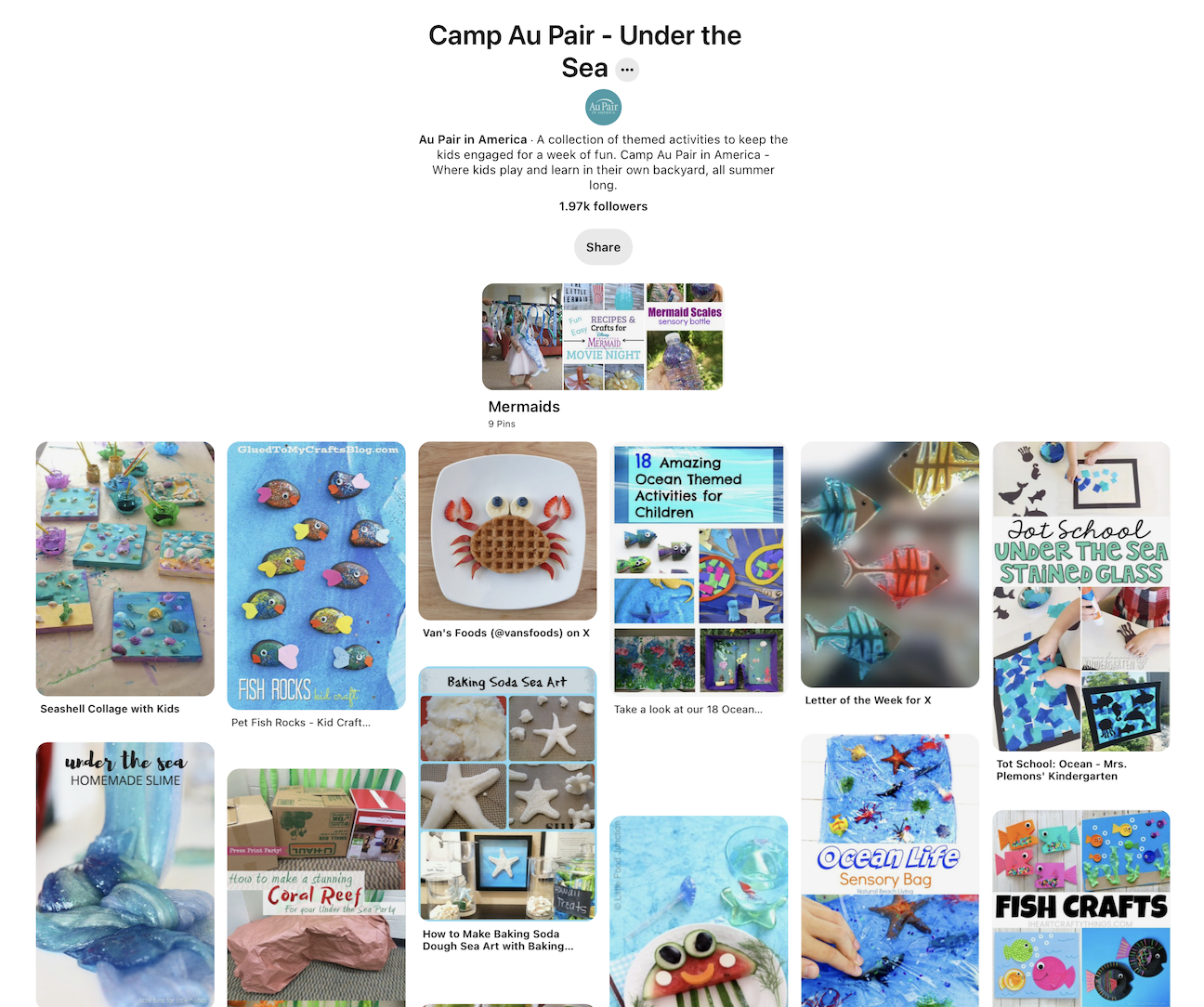
Crafts, recipes, activities, and games related to creatures who live under the sea can all be found here on the Camp Au Pair – Under the Sea pinboard.
Field Trips can be a great way for kids to learn and have new experiences. Get permission from your host parents before any outings. Check the websites before you go to be sure you understand the hours, costs, and whether advance tickets/reservations are required. Search online to see if your area has any of the following:

  • Pet or outdoor store (Bass Pro Shop) with fish tanks
  • Aquarium
  • Zoo
  • Nature Center

Online Games – NOAA has fun interactive games that help kids learn about sea turtle survival.
Webcams – You can do a google search for aquariums and zoos across the country (and the world) with webcams that allow you to observe sea creatures. Here are a few to get you started.

Videos – Look for fun videos on YouTube about sea creatures. There’s more to see than Baby Shark. Movies like Finding Nemo, Dolphin Tale, and The Little Mermaid also go well with this theme.

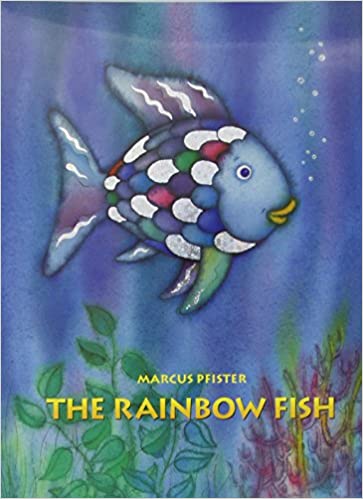
Books – Stop by your local library and look for books on sea creatures. The Rainbow Fish is a classic children’s book, your kids may already own. If not, you can find videos like this of it being read aloud.

Movies – There are lots of movies with under the sea themes.

  • A Dolphin Tale 
  • Finding Dory
  • Finding Nemo
  • Little Mermaid
  • Moana
  • Shark Tale 
  • Song of the Sea

Television – There are some episodes of children’s television shows that talk about life under the sea.

The Magic School Bus is a television series that follows Ms. Frizzle and her class as they set off on field trips. Most episodes can be found on YouTube. Here are some episodes that fit this week’s theme.

Bill Nye the Science Guy has episodes on FishMarine Animals and more on YouTube.

The Discovery Channel has an annual Shark Week. Check out 15 JAW-some Activities for Shark Week with lots of fun ideas for kids in grades 5 and up, but a few for younger kids too.

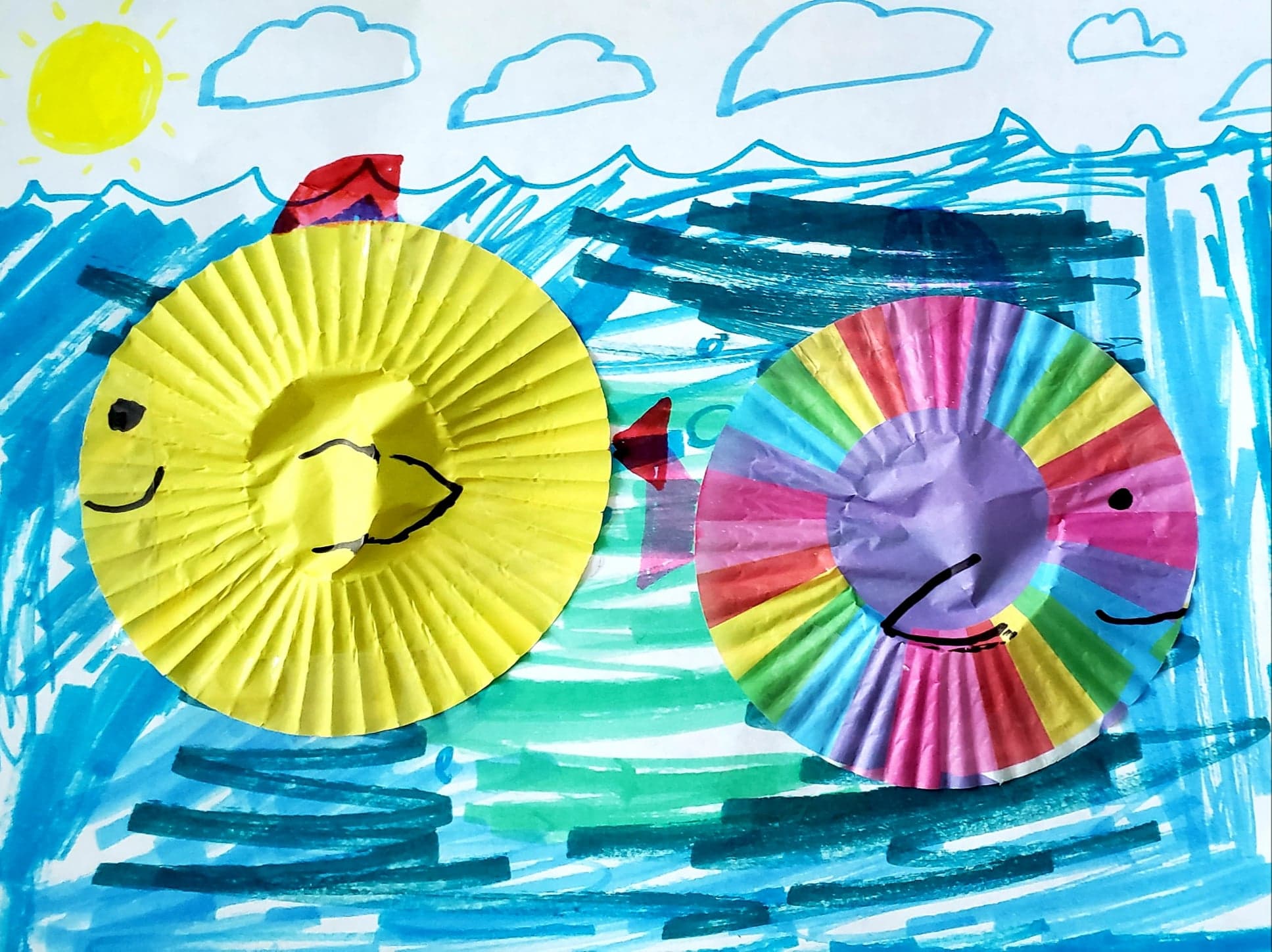
Photo: mimisdollhouse.com
Camp Au Pair – Under the Sea

Now for some under the sea fun!! Most of these activities are easily created using items likely already around the house, but you may need to plan ahead a bit to have supplies on hand! Check with your host family about getting supplies to use!


Play with your food:

Field Trips & Virtual Field Trips –

**As always, please confer as a family before deciding upon activities and check to make sure you are able to visit locations as some are restricted to county residency or require purchased, timed entry passes.**


  • Calvert Marine Museum: At the Calvert Marine Museum natural history and maritime heritage come together to tell a unique story of the Chesapeake Bay. This is a family-friendly museum that offers live animals, fossils, interactive exhibits, daily activities, and a furnished cottage-style lighthouse – something for every age.
  • Calvert Marine Museum Paleo Prep Lab: Visit Kevin in the CMM Paleo Prep Lab to learn about unique fossils in the museum’s collection!
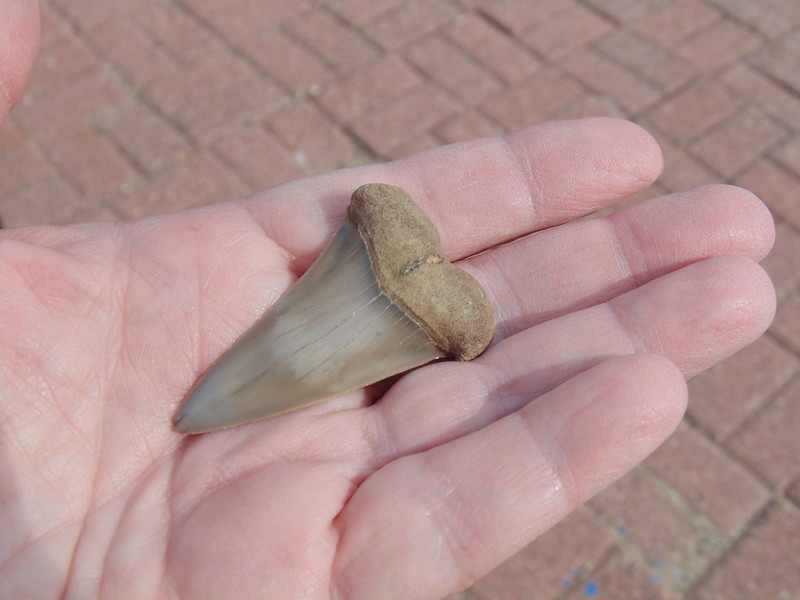
  • Calvert Marine Museum Paleo Prep Lab Megalodon Shark Teeth: Join CMM Exhibits Interpreter Kevin in the museum’s Paleo Prep Lab, as he shares a few fossilized meg teeth and talks about why these massive sharks may have journeyed into the Chesapeake Bay.
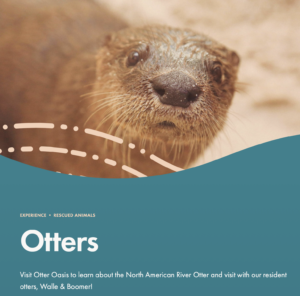
  • Calvert Marine Museum Otter Cam: Otter indoor cam.
  • Calvert Marine Museum Otter Cam: Otter outdoor cam.
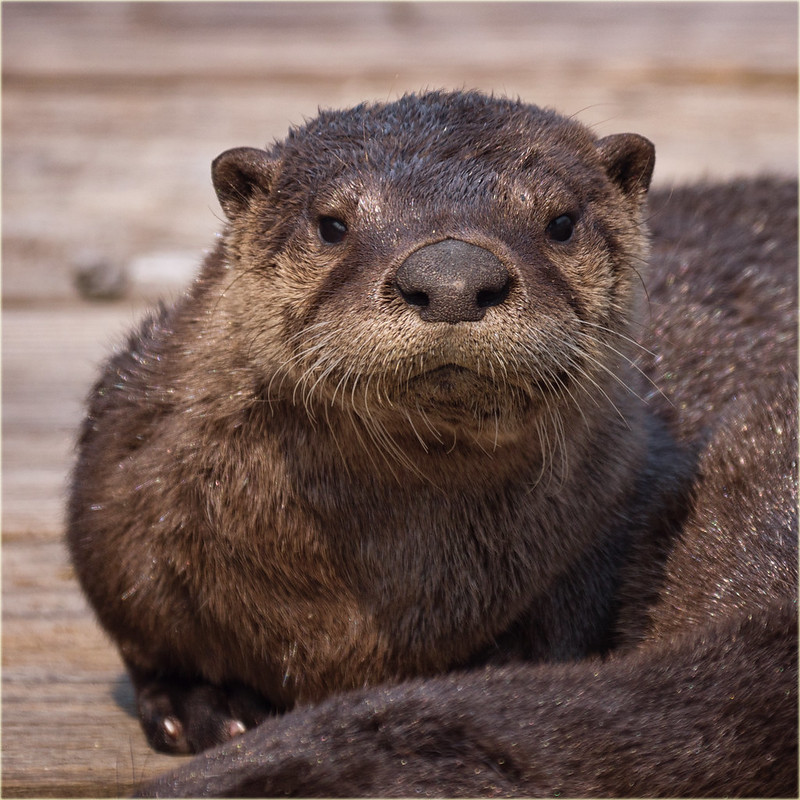
  • Calvert Marine Museum River Otters: Located outside at the head of the Marsh Walk, the River Otter habitat is sure to please. Watch how otters frolic and engage in playing with their favorite enrichment item. You may find one diving into the 8,000 gallon freshwater pool or taking an afternoon nap beneath a favorite hollowed out log. River otters are well suited for life in and around the Chesapeake Bay and its tributaries, though often go unnoticed. In the wild, they tend to be more active during the dusk and dawn hours, their dark fur blending seamlessly into the background. During the day, river otters are often sleeping in their den or mud-bank cave. Healthy otters will generally avoid humans. In nature, otters are atop the food web with few predators. They will eat most anything including fish, insects, birds, reptiles, amphibians, crustaceans and even other mammals. “Squeak” does not have to bother with hunting as all of his food is provided for him. Fish, shrimp, hard-boiled eggs, carrots and various fruits round out their main diet.

Webcams – You can visit aquariums and such around the globe to observe sea creatures. The Monterey Bay has a wonderful collection of options to explore!

Videos –  Movies like Finding Nemo, Dolphin Tale, Moana and the Little Mermaid go well with this theme.

Books – Check your local library or book stores for books on sea creatures and the ocean!

  • The Rainbow Fish is a classic children’s book, your host kids may already own.
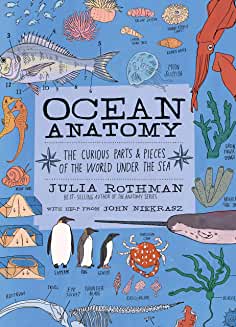
  • Ocean Anatomy – Julia Rothman’s best-selling illustrated Anatomy series takes a deep dive into the wonders of the sea with Ocean Anatomy. Follow Rothman’s inquisitive mind and perceptive eye along shorelines, across the open ocean, and below the waves for an artistic exploration of the watery universe. Through her drawings, discover how the world’s oceans formed, why the sea is salty, and the forces behind oceanic phenomena such as rogue waves. Colorful anatomical profiles of sea creatures from crustacean to cetacean, surveys of seafaring vessels and lighthouses, and the impact of plastic and warming water temperatures are just part of this compendium of curiosities that will entertain and educate readers of all ages.


Photos by: Cynthia Chan; marneejill {flickr}; Michael Ravodin {flickr}

Camp Au Pair – Under the Sea

Now for some under the sea fun!! Most of these activities are easily created using items likely already around the house, but you may need to plan ahead a bit to have supplies on hand! Check with your host family about getting supplies to use!


Play with your food:

Field Trips & Virtual Field Trips –

**As always, please confer as a family before deciding upon activities. Follow all federal, state and local guidelines pertaining to COVID 19 and check to make sure you are able to visit locations as some are restricted to county residency or require pre-purchased, timed entry passes.**


  • Calvert Marine Museum: At the Calvert Marine Museum pre-history, natural history, and maritime heritage come together to tell a unique story of the Chesapeake Bay. This is a family-friendly museum that offers live animals, fossils, interactive exhibits, daily activities, and a furnished cottage-style lighthouse – something for every age.
  • Calvert Marine Museum Paleo Prep Lab: Visit Kevin in the CMM Paleo Prep Lab to learn about unique fossils in the museum’s collection!
  • Calvert Marine Museum Paleo Prep Lab Megalodon Shark Teeth: Join CMM Exhibits Interpreter Kevin in the museum’s Paleo Prep Lab, as he shares a few fossilized meg teeth and talks about why these massive sharks may have journeyed into the Chesapeake Bay.
  • Calvert Marine Museum Otter Cam: Otter indoor cam.
  • Calvert Marine Museum Otter Cam: Otter outdoor cam.
  • Calvert Marine Museum River Otters: Located outside at the head of the Marsh Walk, the River Otter habitat is sure to please. Watch how otters frolic and engage in playing with their favorite enrichment item. You may find one diving into the 8,000 gallon freshwater pool or taking an afternoon nap beneath a favorite hollowed out log. River otters are well suited for life in and around the Chesapeake Bay and its tributaries, though often go unnoticed. In the wild, they tend to be more active during the dusk and dawn hours, their dark fur blending seamlessly into the background. During the day, river otters are often sleeping in their den or mud-bank cave. Healthy otters will generally avoid humans. In nature, otters are atop the food web with few predators. They will eat most anything including fish, insects, birds, reptiles, amphibians, crustaceans and even other mammals. “Squeak” does not have to bother with hunting as all of his food is provided for him. Fish, shrimp, hard-boiled eggs, carrots and various fruits round out their main diet.

Webcams – You can visit aquariums and such around the globe to observe sea creatures. The Monterey Bay has a wonderful collection of options to explore!

Videos –  Movies like Finding Nemo, Dolphin Tale, Moana and the Little Mermaid go well with this theme.

Books – Check your local library or book stores for books on sea creatures and the ocean!

  • The Rainbow Fish is a classic children’s book, your host kids may already own.
  • Ocean Anatomy – Julia Rothman’s best-selling illustrated Anatomy series takes a deep dive into the wonders of the sea with Ocean Anatomy. Follow Rothman’s inquisitive mind and perceptive eye along shorelines, across the open ocean, and below the waves for an artistic exploration of the watery universe. Through her drawings, discover how the world’s oceans formed, why the sea is salty, and the forces behind oceanic phenomena such as rogue waves. Colorful anatomical profiles of sea creatures from crustacean to cetacean, surveys of seafaring vessels and lighthouses, and the impact of plastic and warming water temperatures are just part of this compendium of curiosities that will entertain and educate readers of all ages.


Photos by: Cynthia Chan; marneejill {flickr}; Michael Ravodin {flickr}

Camp Au Pair – Under the Sea

Now for some under the sea fun!! Most of these activities are easily created using items likely already around the house, but you may need to plan ahead a bit to have supplies on hand! Check with your host family about getting supplies to use!


Play with your food:

Field Trips & Virtual Field Trips –

**As always, please confer as a family before deciding upon activities. Follow all federal, state and local guidelines pertaining to COVID 19 and check to make sure you are able to visit locations as some are restricted to county residency or require pre-purchased, timed entry passes.**


  • Calvert Marine Museum: At the Calvert Marine Museum pre-history, natural history, and maritime heritage come together to tell a unique story of the Chesapeake Bay. This is a family-friendly museum that offers live animals, fossils, interactive exhibits, daily activities, and a furnished cottage-style lighthouse – something for every age.
  • Calvert Marine Museum Paleo Prep Lab: Visit Kevin in the CMM Paleo Prep Lab to learn about unique fossils in the museum’s collection!
  • Calvert Marine Museum Paleo Prep Lab Megalodon Shark Teeth: Join CMM Exhibits Interpreter Kevin in the museum’s Paleo Prep Lab, as he shares a few fossilized meg teeth and talks about why these massive sharks may have journeyed into the Chesapeake Bay.
  • Calvert Marine Museum Otter Cam: Otter indoor cam.
  • Calvert Marine Museum Otter Cam: Otter outdoor cam.
  • Calvert Marine Museum River Otters: Located outside at the head of the Marsh Walk, the River Otter habitat is sure to please. Watch how otters frolic and engage in playing with their favorite enrichment item. You may find one diving into the 8,000 gallon freshwater pool or taking an afternoon nap beneath a favorite hollowed out log. River otters are well suited for life in and around the Chesapeake Bay and its tributaries, though often go unnoticed. In the wild, they tend to be more active during the dusk and dawn hours, their dark fur blending seamlessly into the background. During the day, river otters are often sleeping in their den or mud-bank cave. Healthy otters will generally avoid humans. In nature, otters are atop the food web with few predators. They will eat most anything including fish, insects, birds, reptiles, amphibians, crustaceans and even other mammals. “Squeak” does not have to bother with hunting as all of his food is provided for him. Fish, shrimp, hard-boiled eggs, carrots and various fruits round out their main diet.

Webcams – You can visit aquariums and such around the globe to observe sea creatures. The Monterey Bay has a wonderful collection of options to explore!

Videos –  Movies like Finding Nemo, Dolphin Tale, Moana and the Little Mermaid go well with this theme.

Books – Check your local library or book stores for books on sea creatures and the ocean!

  • The Rainbow Fish is a classic children’s book, your host kids may already own.
  • Ocean Anatomy – Julia Rothman’s best-selling illustrated Anatomy series takes a deep dive into the wonders of the sea with Ocean Anatomy. Follow Rothman’s inquisitive mind and perceptive eye along shorelines, across the open ocean, and below the waves for an artistic exploration of the watery universe. Through her drawings, discover how the world’s oceans formed, why the sea is salty, and the forces behind oceanic phenomena such as rogue waves. Colorful anatomical profiles of sea creatures from crustacean to cetacean, surveys of seafaring vessels and lighthouses, and the impact of plastic and warming water temperatures are just part of this compendium of curiosities that will entertain and educate readers of all ages.


Photos by: Cynthia Chan; marneejill {flickr}; Michael Ravodin {flickr}

Camp Au Pair – Under the Sea

Now for some under the sea fun!! Most of these activities are easily created using items likely already around the house, but you may need to plan ahead a bit to have supplies on hand! Check with your host family about getting supplies to use!


Play with your food:

Field Trips & Virtual Field Trips –

**As always, please confer as a family before deciding upon activities. Follow all federal, state and local guidelines pertaining to COVID 19 and check to make sure you are able to visit locations as some are restricted to county residency or require pre-purchased, timed entry passes.**


  • Calvert Marine Museum: At the Calvert Marine Museum pre-history, natural history, and maritime heritage come together to tell a unique story of the Chesapeake Bay. This is a family-friendly museum that offers live animals, fossils, interactive exhibits, daily activities, and a furnished cottage-style lighthouse – something for every age.
  • Calvert Marine Museum Paleo Prep Lab: Visit Kevin in the CMM Paleo Prep Lab to learn about unique fossils in the museum’s collection!
  • Calvert Marine Museum Paleo Prep Lab Megalodon Shark Teeth: Join CMM Exhibits Interpreter Kevin in the museum’s Paleo Prep Lab, as he shares a few fossilized meg teeth and talks about why these massive sharks may have journeyed into the Chesapeake Bay.
  • Calvert Marine Museum Sharkfest:  This year, in lieu of our annual Sharkfest event, we celebrated sharks on Facebook, Instagram, and here on our website during the week of July 6 – 10. We featured brand new footage of the sharks in our care, as well as several educational videos from our museum curators. Downloadable activities to do from home, like instructions for a DIY Megalodon tooth bracelet, will also remain available online!
  • Calvert Marine Museum Otter Cam: Otter indoor cam.
  • Calvert Marine Museum Otter Cam: Otter outdoor cam.
  • Calvert Marine Museum River Otters: Located outside at the head of the Marsh Walk, the River Otter habitat is sure to please. Watch how otters frolic and engage in playing with their favorite enrichment item. You may find one diving into the 8,000 gallon freshwater pool or taking an afternoon nap beneath a favorite hollowed out log. River otters are well suited for life in and around the Chesapeake Bay and its tributaries, though often go unnoticed. In the wild, they tend to be more active during the dusk and dawn hours, their dark fur blending seamlessly into the background. During the day, river otters are often sleeping in their den or mud-bank cave. Healthy otters will generally avoid humans. In nature, otters are atop the food web with few predators. They will eat most anything including fish, insects, birds, reptiles, amphibians, crustaceans and even other mammals. “Squeak” does not have to bother with hunting as all of his food is provided for him. Fish, shrimp, hard-boiled eggs, carrots and various fruits round out their main diet.

Webcams – You can visit aquariums and such around the globe to observe sea creatures. The Monterey Bay has a wonderful collection of options to explore!

Videos –  Movies like Finding Nemo, Dolphin Tale, Moana and the Little Mermaid go well with this theme.

Books – Check your local library or book stores for books on sea creatures and the ocean!

  • The Rainbow Fish is a classic children’s book, your host kids may already own.
  • Ocean Anatomy – Julia Rothman’s best-selling illustrated Anatomy series takes a deep dive into the wonders of the sea with Ocean Anatomy. Follow Rothman’s inquisitive mind and perceptive eye along shorelines, across the open ocean, and below the waves for an artistic exploration of the watery universe. Through her drawings, discover how the world’s oceans formed, why the sea is salty, and the forces behind oceanic phenomena such as rogue waves. Colorful anatomical profiles of sea creatures from crustacean to cetacean, surveys of seafaring vessels and lighthouses, and the impact of plastic and warming water temperatures are just part of this compendium of curiosities that will entertain and educate readers of all ages.


Photos by: Cynthia Chan; marneejill {flickr}; Michael Ravodin {flickr}

Camp Au Pair: Bucket List and Under the Sea Fun!

Summer has arrived! Time for Camp Au Pair!!

Let’s make a bucket list!

11896064_10206252418420687_3032463284832767225_n

Summer has arrived! Kids are home! Time to get your plans written down and make the most out of your summer days with your host kids! Here’s a great way to make sure you have lots of fun, perhaps learn some new things, and make a bunch of memories together!

Start by creating a bucket list! Bucket lists are a great way to brainstorm a bunch of ideas and then make them happen! Check out some great bucket list ideas like this one or this fun one!

Now for some under the sea fun!! Most of these activities are easily created using items likely already around the house, but you may need to plan ahead a bit to have supplies on hand! Check with your host family about getting supplies to use!

Create a sensory beach exploration pool!

Practice scissor skills with this super cute octopus craft!

How about some under the sea slime?

Coffee filter rainbow fish!

How about paper bag jellyfish? Toilet paper rolls transformed into a school of fish? So many great ideas! Check them out on the Au air in America Pinterest boards here!

Webcams – You can do a google search for aquariums and zoos across the country (and world) with webcams which allow you to observe sea creatures. Here is one to get you started.

Videos – Look for fun videos on YouTube about sea creatures. There’s more to see than Baby Shark. You can learn 10 Fun Facts About Turtles in this video. Movies like Finding Nemo, Dolphin Tale and the Little Mermaid also go well with this theme.

Books – Stop by your local library and look for books on sea creatures. The Rainbow Fish is a classic children’s book, your kids may already own.