
Yearly Archives: 2020

Around the World in 80 Days – Ireland

IRELAND

Western Europe
Capital: Dublin
Languages: English, Irish
Predominant Religion(s): Christianity (Roman Catholic, Anglican) – most other religions are represented

COMMON CHARACTERISTICS:

  • Irish people are often said to have the “Gift of the Gab” (the talent of talking rings around most other people).
  • The Irish are very musical.
  • Irish people consider themselves passionate, funny and creative!

FUN FACTS:

  • The Irish flag has three vertical bands of green, white, and orange; officially the flag colors have no meaning, but a common interpretation is that the green represents the Irish nationalist (Gaelic) tradition of Ireland, orange represents the Orange tradition (minority supporters of William of Orange), and white symbolizes peace (or a lasting truce) between the green and the orange.

  • Ireland covers five-sixths of the island of the same name; the remaining one-sixth of the island is Northern Ireland, which is part of the United Kingdom.
  • The world famous Guinness beer is from Ireland – it originated in the Dublin brewery of Arthur Guinness.

Photo by: Raul AB {flickr}


Education Requirements

Due to COVID-19, Au Pair in America has temporarily given approval for online/virtual classes, with a few conditions. Classes must be offered by an accredited school and the class must conclude by the end of 2020. Au pairs must still produce certificates or other acceptable documentation confirming the completion of the class.

If in doubt, ask your counselor to check if the school is accredited. All class hours must be completed by the end of your 11th month in the program if you wish to extend.

The following schools are offering online or virtual classes as of July 28, 2020.

ESL Specific Schools

Community Colleges

Other Languages

Weekend/U.S. Culture/Travel Courses

Online Class Websites – These platforms will list online courses all over the country. These courses come from a variety of sources and some are NOT accredited and not a US post secondary institution. You must be sure you are selecting a course that is from an accredited university. Always send the info to your Community Counselor to review before signing up. You must purchase a certificate to show completion of the course. If you intend to enroll in a course offered by one of these sources, please discuss it with your Community Counselor in advance of registering.

All Things American *NEW*

Click HERE for a great list of online courses on a variety of topics related to American culture and history. They are available through Coursera and are being taught by accredited colleges and universities. They range from 9-80 hours towards your education requirement and the cost is typically $49.

Photo: Ivan Radic

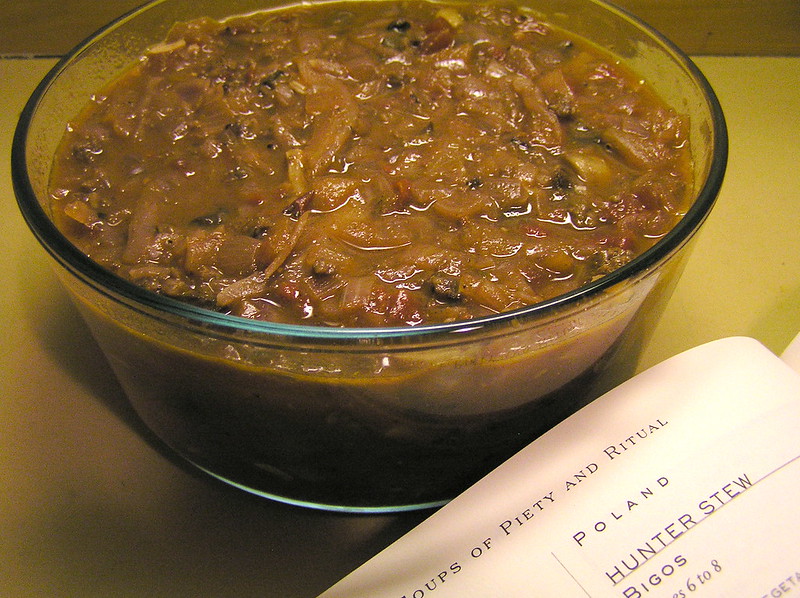
Around the World in 80 Days – Hunter’s Stew (Poland)

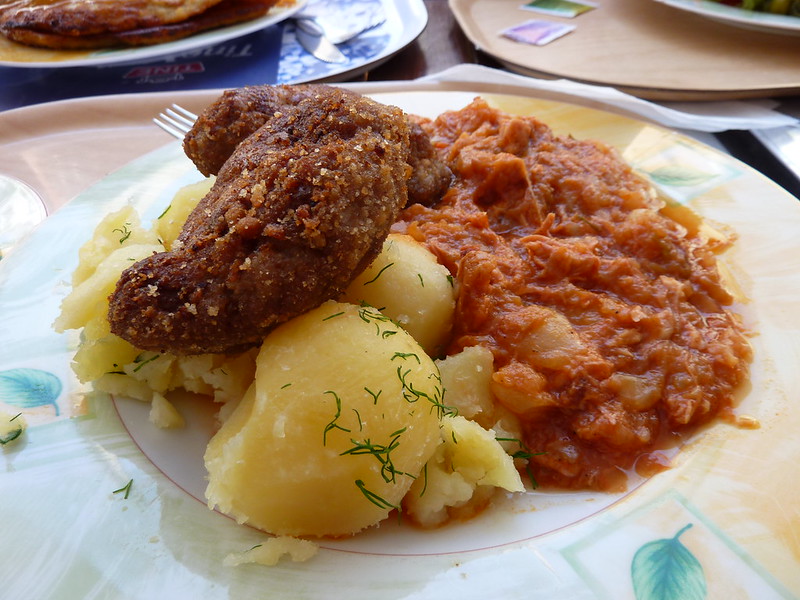
This is a recipe for Hunter’s Stew also called Bigos. It is a harmonious blend of flavors and is known as the Polish national dish.

Ingredients

  • 3lbs. sauerkraut
  • 2lbs green cabbage, chopped like sauerkraut
  • 2lbs. ham with bone, pork spareribs or pork rib roast
  • 2 tablespoons butter or margarine
  • 2 bay leaves
  • 1oz. dried mushrooms, chopped
  • 1lb. Polish smoked sausage, cut into 1/2-inch cubes
  • 20 black peppercorns
  • 1lb. Polish white sausage with garlic, cubed
  • 10 allspice berries
  • 1 lb. bacon, cut up
  • 1/2 teaspoon salt
  • 11 cups beef broth, bouillon or water

Instructions

  1. Rinse sauerkraut with cold water, drain well.
  2. In a large stockpot, combine sauerkraut, ham or pork, bay leaves, mushrooms, peppercorns, allspice and salt.
  3. Add 6 cups broth, bouillon or water. Cook uncovered, 15 min. over medium heat.
  4. Cover and simmer over low heat 45 minutes. Remove meat. Let meat cool.
  5. Place cabbage in a large saucepan. Add remaining 5 cups broth, bouillon or water. Bring to boil.
  6. Cook, uncovered, over medium heat, 1 hour or until cabbage is tender. Add to sauerkraut mixture.
  7. Bone cooked meat; Cut the meat into 1/2-inch cubes.
  8. Melt butter or margarine in a large skillet. Add cooked meat, smoked sausage and white sausage. Saute over medium heat 10 min or until browned. Add to sauerkraut mixture.
  9. In same skillet, saute` bacon over medium heat until crisp. Drain bacon on paper towels. Add to sauerkraut mixture. Cover; cook over low heat 1 hour or longer.
  10. Remove and discard bay leaves. Serve hot. Makes 12 to 14 servings.

USE ONLY MEAT WITH LARGE BONES, SO BONES CAN BE REMOVED EASILY. THE SECRET OF OLD-TIME BIGOS IS THAT IT IS BETTER AS IT’S REHEATED ON SUCCESSIVE DAYS, PEAKING AT THE 6TH OR 7TH DAY. IN BETWEEN, STORE COVERED IN THE REFRIGERATOR.

Contributed by Magdalena Popek, au pair in Illinois 2004

Photos by: Laurel F {flickr}; Eugene Kim {flickr}

Around the World in 80 Days – Hungary

HUNGARY

Central Europe
Capital: Budapest
Languages: Hungarian
Religion(s): Christianity
(predominantly Roman Catholic)

COMMON CHARACTERISTICS:

  • Around two-thirds of the Hungarian people are Roman Catholic; around a quarter are Calvinist; and the rest of the population either belongs to the Lutheran, Jewish, or Greek Orthodox faith.
  • It is common for friends, family members and close acquaintances that have not seen one another for a while to greet each other/say goodbye with pecks on both cheeks.
  • Hungarians are resourceful, helpful, intelligent and hard working. They have a good sense of humor, good accommodation skills and a strong sense of identity.

FUN FACTS:

  • The Hungarian language is known as Magyar and is the direct descendant of the language  spoken by the “Huns.” It is not an Indo-European language and has only two related languages in Europe: Finnish and Estonian.
  • Hungarians have invented many important items over the years including the electric motor, the Telephone Exchange, and BASIC programming language. Laszlo Biro invented the ballpoint pen and Erno Rubik invented the Rubik’s Cube.
  • Hungarians are very good at sports. The most successful sports in Hungary’s Olympic history are fencing, water polo, swimming, kayak-canoe and wrestling.

USEFUL PHRASES:

  • How are you?             Hogy vagy?
  • Fine, thanks.:              Köszönöm jól.
  • My name is…:            A nevem ….
  • Nice to meet you.:      Örülök hogy megismerhetem.
  • Thank you.:                Köszönöm.

Photo by: Josu Orbe {flickr}

Around the World in 80 Days – Facts about the Czech Republic

  1. The Czech Republic has more Internet Service Providers than any other non-English speaking country.
  2. Half of all men in the Czech Republic work in a factory. What products do you think they make in the Czech Republic? You can find the answer to this question and many other interesting facts at this website with facts about all countries in the world.
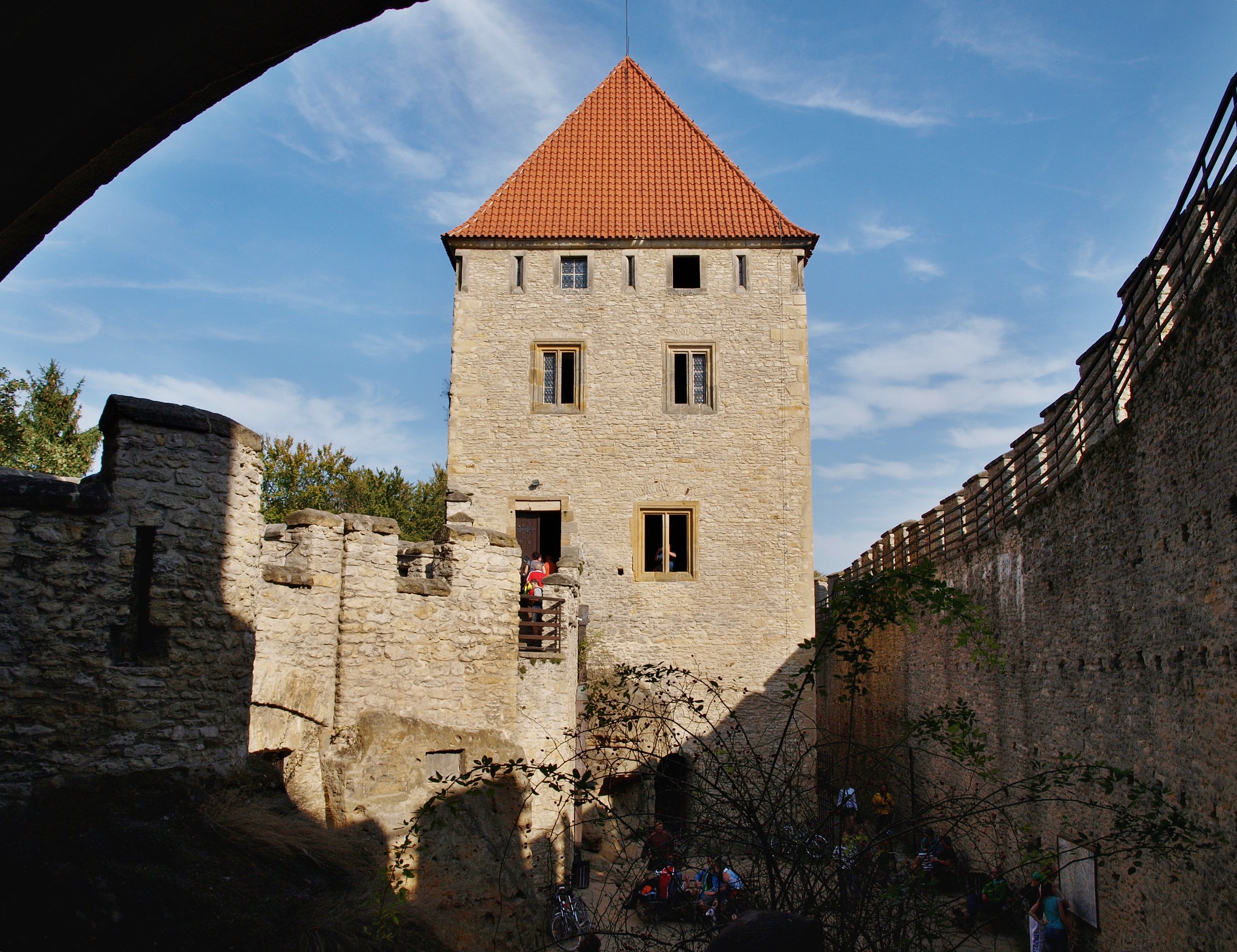
  3. It has the most castles in Europe. There are over 2000 castles and chateaux in the Czech Republic, more than in any other country in Europe.
  4. Prague’s Old Town is home to the third oldest astronomical clock in the world. Every hour, it’s mechanical processional of apostles delights tourists.
  5. It’s most popular sport is ice hockey.
  6. Soft contact lenses were invented by a Czech chemist, Otto Wichterle in 1959.

Photos by: Chiara Marra {flickr}, Govisity.com {flickr}

Around the World in 80 Days – Germany

GERMANY

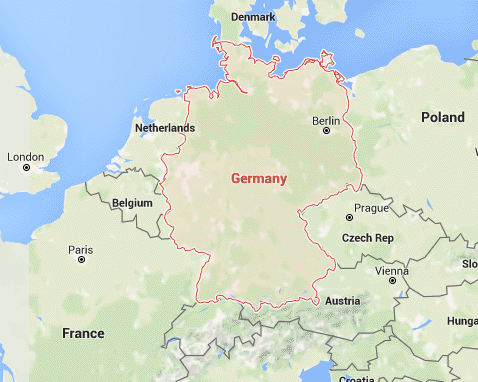
Western Europe
Capital: Berlin
Languages: German
Predominant Religion(s): Christianity
(Roman Catholic/Protestant)

COMMON CHARACTERISTICS:

  • Germans are often seen as open-minded, ambitious, polite, responsible and reliable.
  • Germans are interested in world affairs and/or cultural exchange.

FUN FACTS:

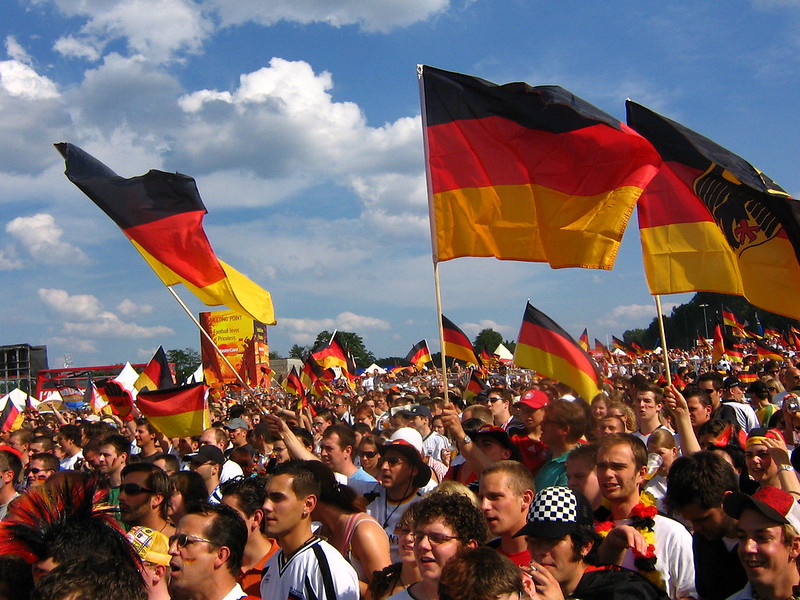
  • Germans generally have a strong passion for soccer and are very proud of being the World Champions in 2014!
  • Even though the country is not that large (357,168.94 square km), you will find many different accents and dialects by traveling from north to south, and from east to west.
  • One of the best known quotes that shows the closeness of the United States and Germany is the one by John F. Kennedy: “Ich bin ein Berliner” (1963), with which he expressed U.S. support in the reconstruction of Germany.

 USEFUL PHRASES:

  • How are you?:    Wie gehts dir?
  • Fine, thanks.:     Gut, danke!
  • My name is…:     Ich heiße…
  • Nice to meet you.:    Schön, dich kennen zu lernen!
  • Thank you:      Danke!

Photo by: Stewart {flickr}


Around the World in 80 Days – Chinese Food at Home

Is Chinese your favorite take out food? Why not try cooking up a feast at home instead or getting take out! Kidspot Kitchen has some wonderful recipes to try!

Fried rice is an easy dinner to whip up on a weeknight. Using ingredients you can find in your  pantry, you can make this a little more fancy by adding ingredients such as prawns or chicken. This simple fried rice is really nice hot or cold – and good for lunches too. Pro tip – use day old cooked rice! It really makes a difference!


Try making lightly fried spring rolls. These healthy spring rolls are packed full of lean beef and  veggies and are lightly pan-fried, not deep fried, less guilt! Spring roll wrappers are typically found in the produce section.

Photo by: Jules {flickr}, Choo Yut Shing {flickr}


Camp Au Pair – Bugs & Butterflies

Get ready to get buggy as we explore bugs and butterflies this week! Ready for some serious fun?

Activities

Check out the Au Pair in America Pinterest site for more great ideas!

Field Trips can be a great way for kids to learn and have new experiences. As always, have a conversation as a family about suitable activities and COVID precautions before venturing out. Here are a few places to go, that fit this theme:

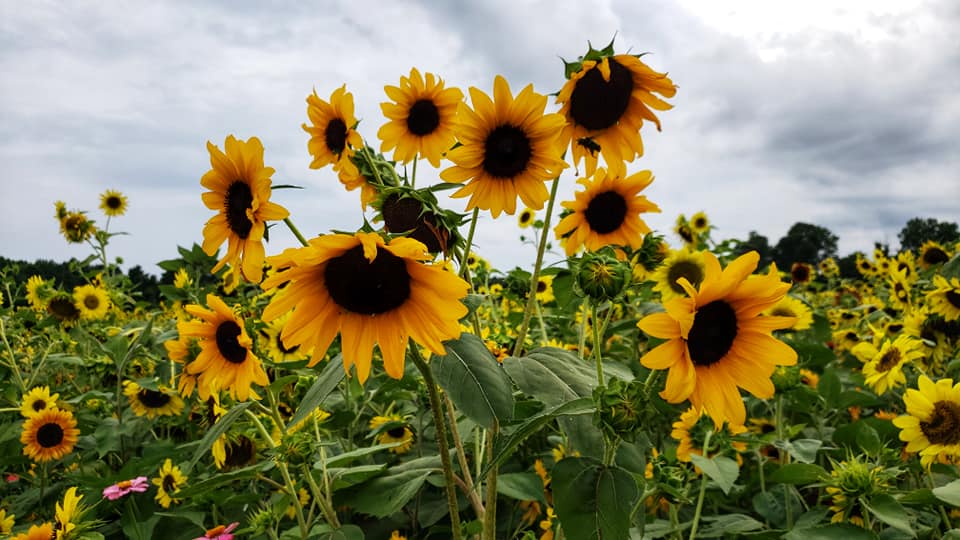
  • Goldpetal Farms sunflower maze. The flowers attracts bees and butterflies! *Admission*
  • Historic St. Mary’s City has a lovely variety of outdoor spaces were bugs, butterflies and critters abound! *Admission*
  • The Jefferson Patterson Park & Museum grounds offer a wide variety of outdoor habitats.
  • Battle Creek Cypress Swamp. The center is closed, but the trails are open during operating hours. This is one of the northernmost stands of bald cypress trees in North America. A short boardwalk trail enables visitors to experience the majestic quality of the cypress trees and the tranquility of the swamp.

Videos – You can find many great videos of butterflies and insects on YouTube. Check out these videos for kids about bees and ants. All about Insects covers lots of tiny creatures who crawl and fly. Here is a video showing a Monarch Butterfly metamorphosis time-lapse.

Books:

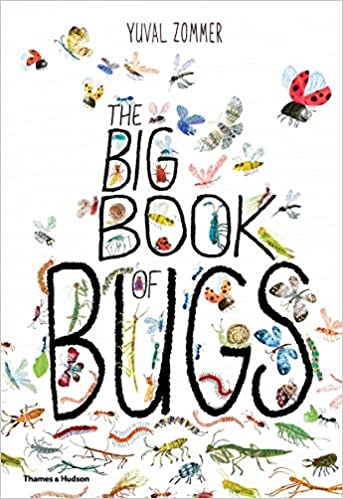
  • The Big Book of Bugs:
    A beautifully illustrated, informative book for children introducing them to bugs that creep, crawl, bite, fly, and moreFrom moths and beetles to worms and spiders, the world is crawling with fascinating bugs. The Big Book of Bugs is the first fact-filled book for children to explore the vast array of creepy-crawlies that share our Earth.
  • How to Draw Bugs & Insects:Young artists learn to draw by following 8 simple step illustrations. Perfect for children who are learning to draw.★ Simple step-by-step instructions

    ★ Filled with cute ladybugs, bumble bees, butterflies and many more insects and bugs!

    ★ Single sided printing to prevent bleed through

    ★ Extra pages to practice drawing all the animals

  • The Amazing Life Cycle of Butterflies: From moth to chrysalis to beautiful butterfly, learn  about a butterfly’s life. Children have lots of questions about the world around them, and this book helps them discover many amazing and wonderful scientific facts about butterflies.
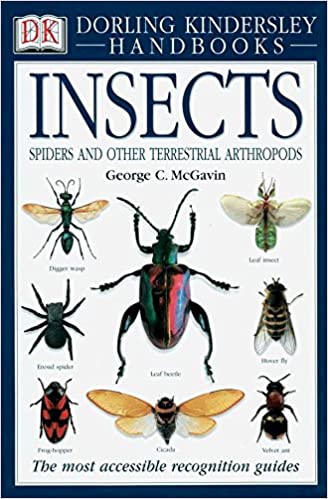
  • Insects, Spiders & Other Terrestrial Arthropods: Written by noted entomologist George C. McGavin, this comprehensive handbook covers all 29 orders of insect as well as spiders and terrestrial arthropods. It’s packed with hundreds of annotated photographs and illustrations to help you discern the many types of insects and gives you a brief description of each insect family with main characteristics, including life cycles, the environment in which they thrive, and a photographic guide to assist you in categorizing the insect group. It’s an indispensable handbook for beginners and enthusiasts alike.

Photo: Nick Goodrum {flickr} & Cynthia Chan

Around the World in 80 Days – France

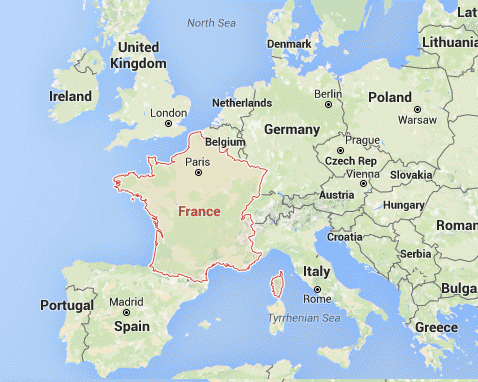
FRANCE

Western Europe
Capital: Paris
Language(s): French
Predominant Religion(s): Christianity
(Roman Catholic)

COMMON CHARACTERISTICS:

  • Applicants from France are motivated by the opportunity to enhance their career and improve their English.
  • The French are known for being friendly, polite, proud and healthy.
  • The French love their language and culture and are very proud of their heritage.

FUN FACTS:

  • France is the most visited country in the world with approximately 75 million tourists each year.
  • France produces over 400 types of cheese.
  • In France, it’s illegal to name a pig “Napoleon”.


USEFUL PHRASES:

  • How are you?       Ça va?
  • Fine, thanks:        Oui, ça va, merci.
  • My name is…:        Je m’appelle….
  • Nice to meet you:        Enchanté/é
  • Thank you:        Merci

Photo by: Greg Walters {flickr}


Around the World in 80 Days – Jansson’s Temptation

The Temptation of Jansson

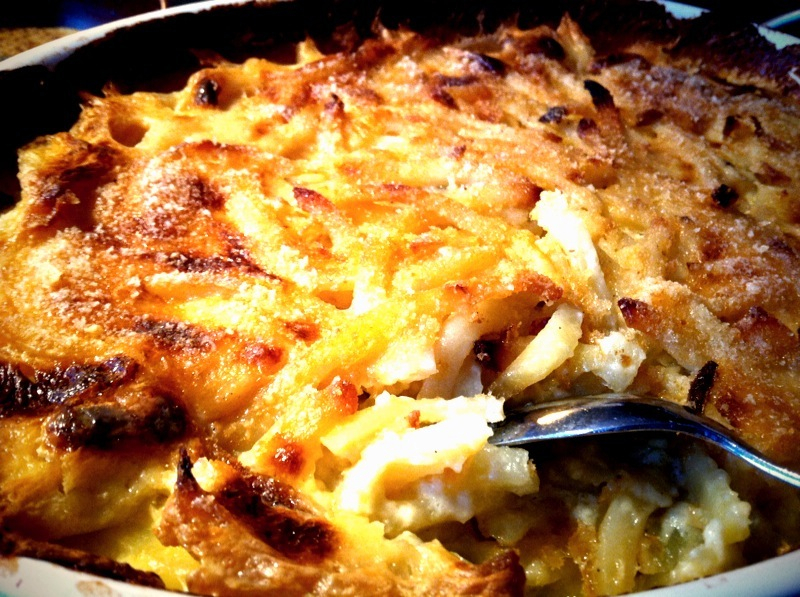
Jansson’s Temptation is a creamy potato and anchovy casserole − is said to have been named after Pelle Janzon, a food-loving Swedish opera singer of the early 1900s. It is often served at Christmas, but is enjoyed year round!

Ingredients

  • 14-16 fillets of anchovies
  • 2 large onions
  • 6-8 potatoes
  • 2-3 dl cream
  • liquid from the anchovies
  • 2 tablespoons of butter or margarine

Instructions

  1. Peel the onions and cut it in thin slices. Peel the potatoes and cut or grate them in thin shreds.
  2. Put half of the potatoes in an ovenproof dish. Spread the anchovies and the onions over the potatoes and then put on the rest of the potatoes. Add half of the cream and some liquid from the anchovies.
  3. Put the butter on in dabs.
  4. Bake in 225 degrees C (450-475 degrees F) until the potatoes are golden brown (45-60 minutes). Thin down with the rest of the cream. Keep baking until the potatoes are soft.

This is a traditional Swedish dish that I love.
It’s eaten mostly during Christmas. “Jansson” is a Swedish surname, but I’m not sure who it’s called after…

Submitted by Linnea , Massachusetts 2004

You can learn more about this intriguing Swedish dish, often served at Christmas, by visiting here!

Photo by: erik forsberg {flickr}