Yearly Archives: 2020

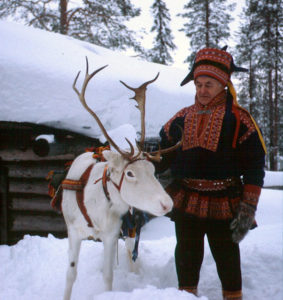
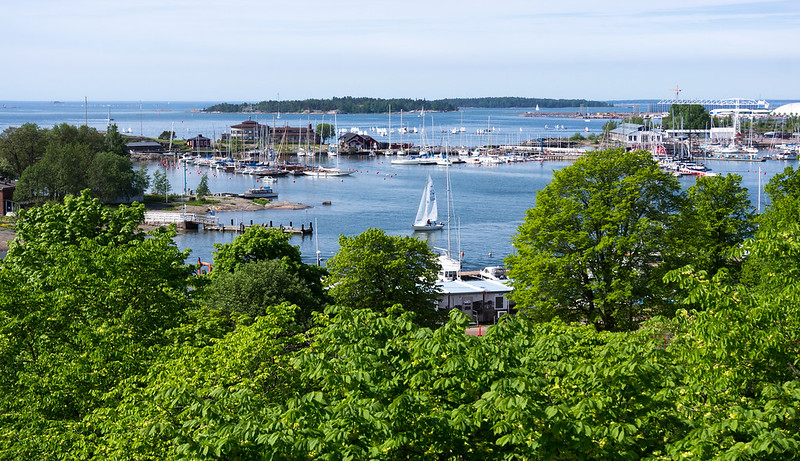
Around the World in 80 Days – Finland

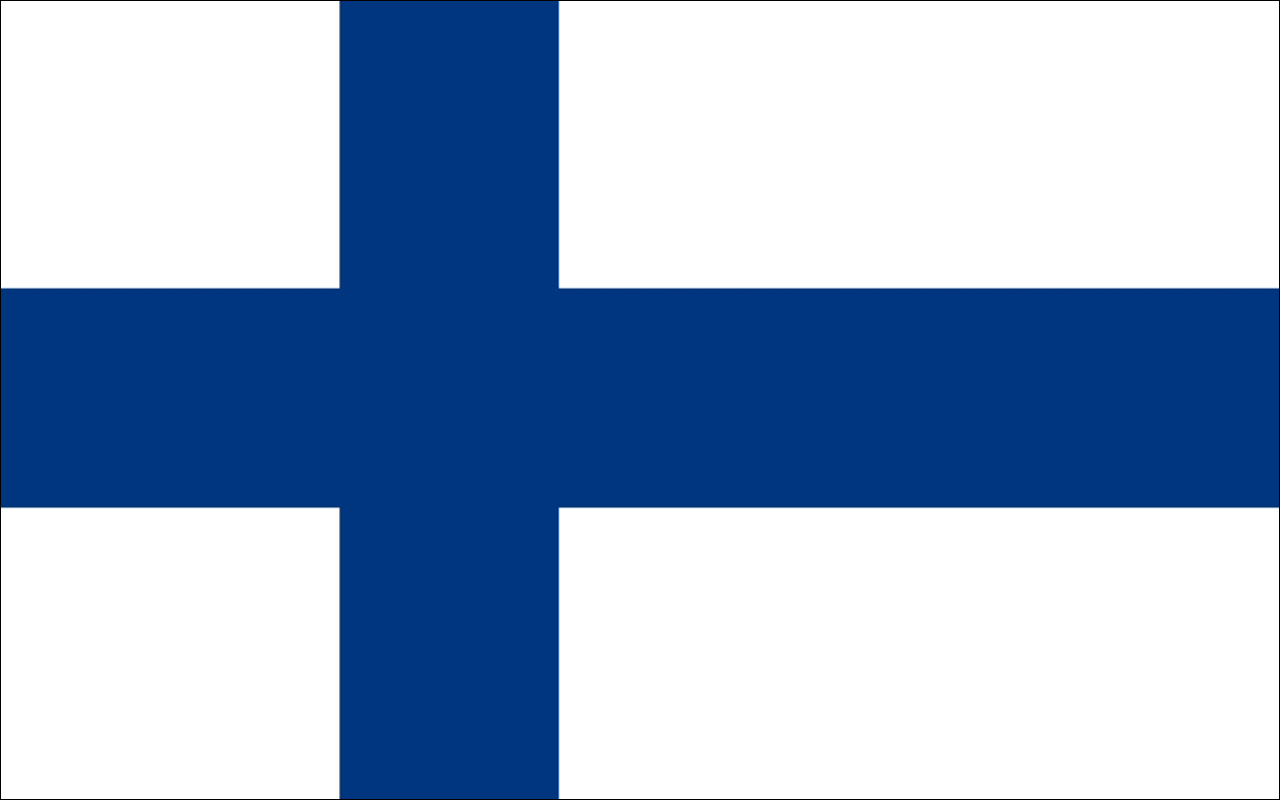
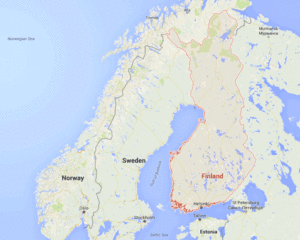
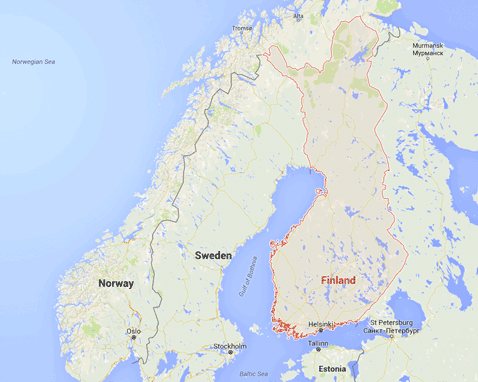
FINLAND

Northern Europe
Capital: Helsinki
Language(s): Finnish, Swedish, Sami (regional)
Predominant Religion(s): Christianity (predominantly Lutheran)

Family

  • A typical Finnish family is a nuclear family where both parents are equal.
  • It is common for both parents to work and be away from home during the day – municipal day care centers allow mothers to work full time.
  • Young people in Finland have a lot of freedom from their family to socialize and date.
Education
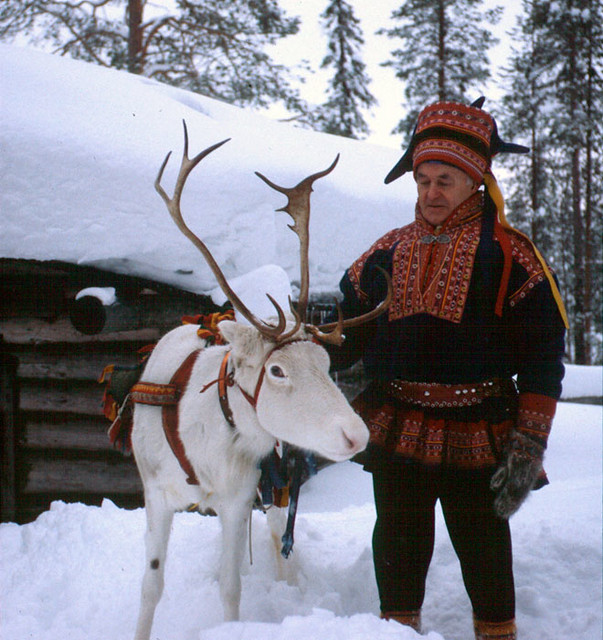
  • In Finland children start school at age 7 and follow 9 years of basic education. At 16 they may choose to continue their secondary education in either an academic track or a vocational track. The academic year starts in September and ends in May.
  • Education in Finland is free with no tuition fees and with fully subsidized meals served to full-time students until secondary school.
  • Tertiary education is divided into university and polytechnic. Universities and polytechnics have entrance exams and not all applicants are accepted.

COMMON CHARACTERISTICS:
  • Finns describe themselves as honest, hardworking, reliable and independent but also shy and quiet when first meeting people.
  • Finns love sports. Many Finnish children play football, ice-hockey or floorball after school.
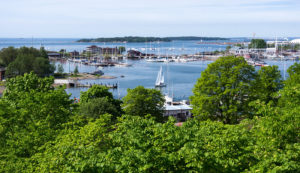
  • Nature is really important to Finnish people. Nature is the place where Finns go to spend time with their friends and families and just to enjoy the views and the silence.
FUN FACTS:
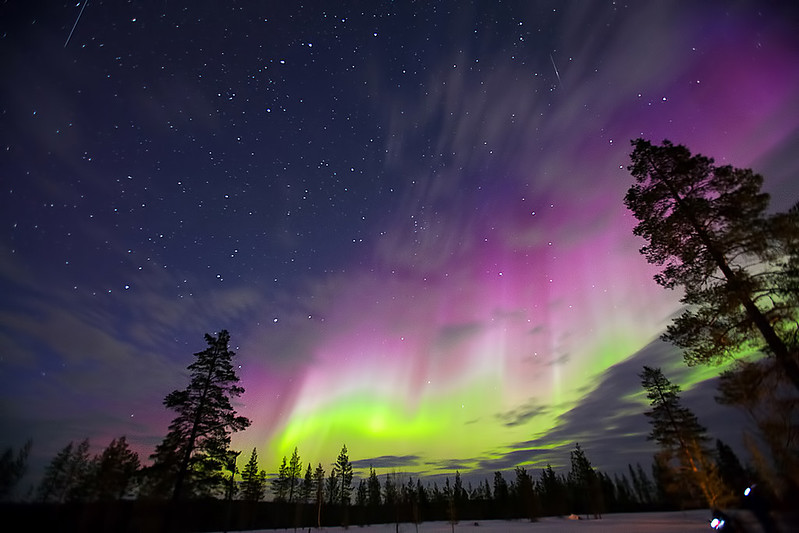
  • It is a normal to have a sauna in your house, even in apartments. There are about 2.2 million saunas in Finland, 1 for every 2.5 people.
  • Finland is a country with thousands of lakes (about 188,000 lakes).
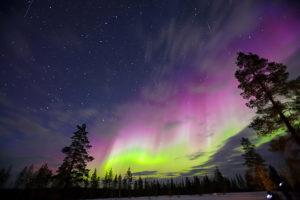
  • In the summer there are days when the sun never sets and Finland is known as “the land of the midnight sun.”

USEFUL PHRASES:

  • How are you?       Mitä kuuluu?
  • Fine, thanks.       Hyvää, kiitos.
  • My name is…    Minun nimeni on…
  • Nice to meet you.       Mukava tavata.
  • Thank you.       Kiitos.

Photos by: Michael Ranzau {flickr}, Dave Grubb {flickr}, Greenland Travel {flickr}
Around the World in 80 Days – Aboriginal Art


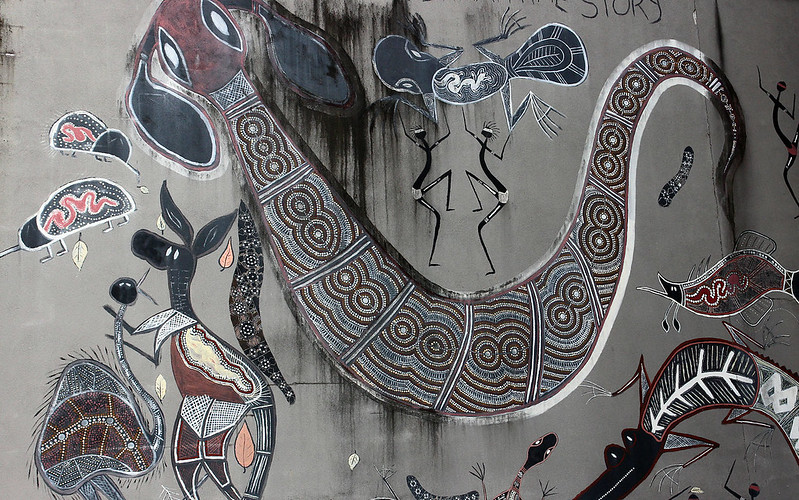
X-Ray Style Australian Aboriginal Art

The X-Ray style of Australian Aboriginal art is a distinctive style that was developed thousands of years ago in Australia. Cave paintings of this type have been found in Arnhem Rock, in northern Australia (east of Darwin). These paintings seem to depict the outline of the animal plus diagrams of the bones and some internal organs. You can view all of the instructions, and see samples, here.

Photo by: Scott1346 {flickr}


Around the World in 80 Days – Estonia

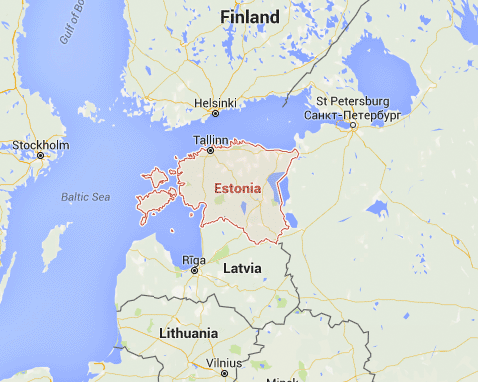
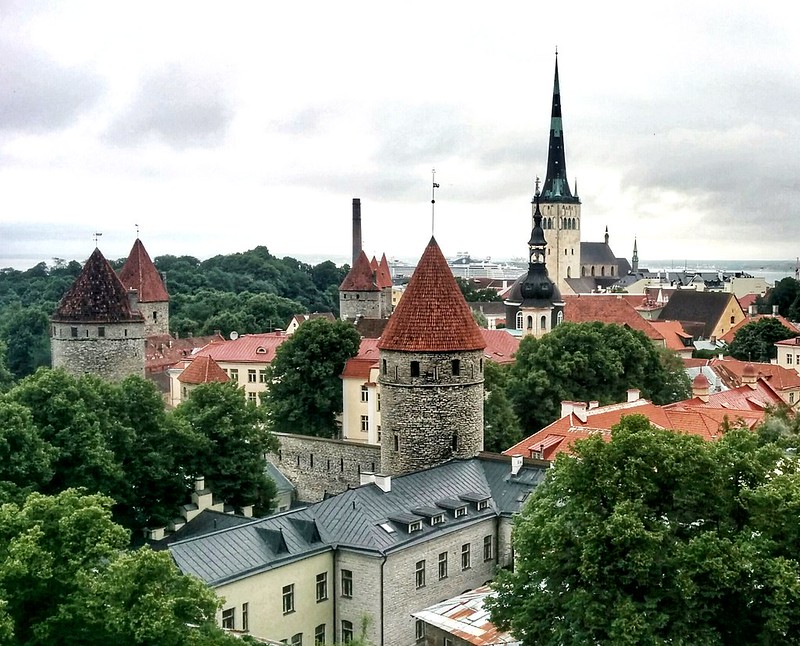
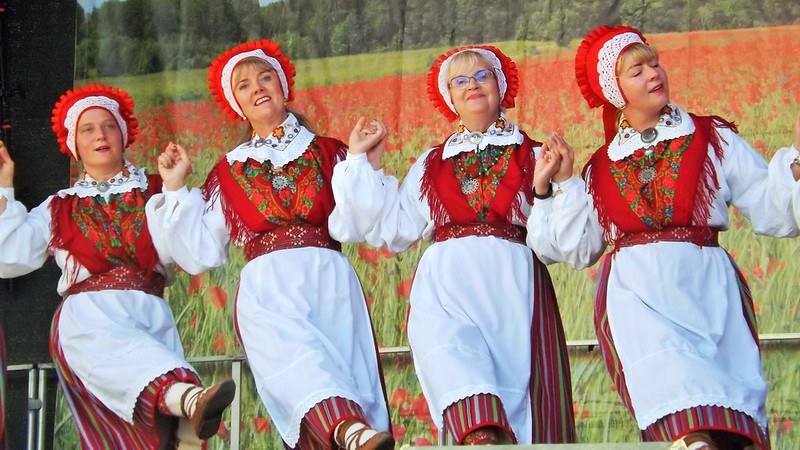
ESTONIA

Eastern Europe
Capital: Tallinn
Languages: Estonian (official), Russian (regional)
Predominant Religion(s): Christianity

COMMON CHARACTERISTICS:

  • Independent, mature, dependable, trustworthy.
  • Estonians are very attentive, and they are good at communicating.
  • Patriotic (after decades of Russian occupation, they are proud to be Estonian!)

FUN FACTS:

  • Estonians love technology and are very knowledgeable when it comes to technology. Wireless Internet is available almost everywhere and Skype was invented in Estonia.
  • Estonia is one of the Baltic countries together with Latvia and Lithuania. However, the Estonian language is not related to Latvian and Lithuanian but it is actually more related to Finnish.
  • Estonia only has an area of 45,227 sq km. Texas is more than 15 times larger.

Education

  • Compulsory education finishes at 9th grade (age 15/16) and students can continue with high school, go on to a technical college, take up an apprenticeship or seek employment. High school finishes at 12th grade (age 18/19) and students can then go on to study at university.
  • Parents put a lot of focus on their children’s education from a young age and parents like their children to have varied hobbies and interests.
  • The option of being an au pair is now common in Estonia. They like the idea of discovering new cultures and improving their English skills. Work & travel programs, volunteering and traveling abroad are also common options for a gap year.

USEFUL PHRASES:

  • How are you?       Kuidas läheb?
  • Fine, thanks.       Suurepäraselt, tänan.
  • My name is…       Minu nimi on…
  • Nice to meet you!       Meeldib sinuga tutvuda!
  • Thank you.       Tänan.

Photos by: Dennis Sylvester Hurd {flickr}, Young Shanahan {flickr}

Around the World in 80 Days – Romanian Olympic Athlete, Nadia Comaneci

Nadia Comaneci, was born in Romania in 1961.  She is a five-time Olympic gold medalist, all in individual events. In 1976 at the age of 14, Comăneci was the first gymnast to be awarded a perfect score of 10.0 at the Olympic Games.

You can watch her perfect 10 play out here!

Romania is a southeastern European country known for the forested region of Transylvania, ringed by the Carpathian Mountains. Its preserved medieval towns include Sighişoara, and there are many fortified churches and castles, notably clifftop Bran Castle, long associated with the Dracula legend.


Around the World in 80 Days – Ecuador

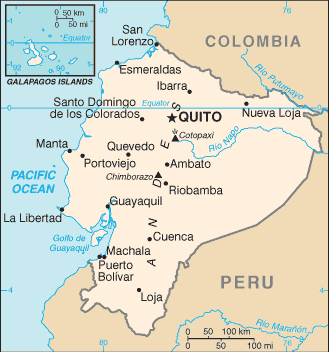
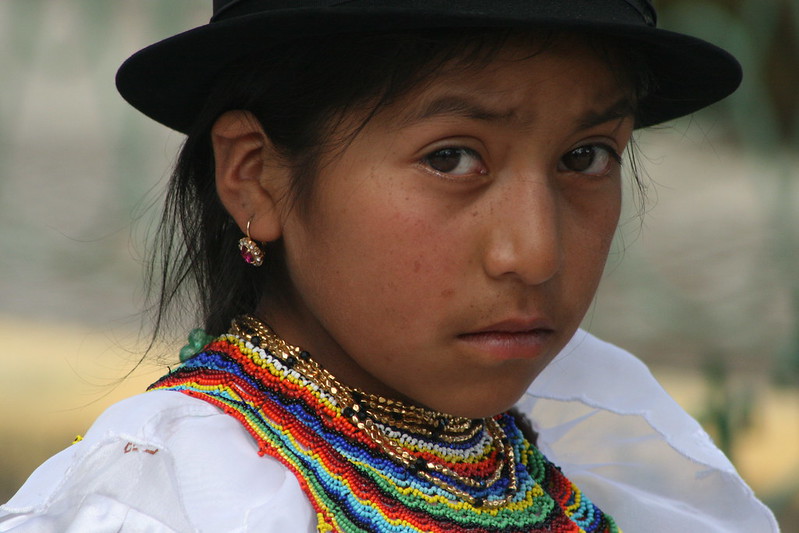
Ecuador

South America
Capital: Quito
Languages: Spanish (official), Amerindian languages

Au Pairs in General:

  • The idea of being an au pair is becoming common in Ecuador.
  • Applicants from Ecuador are motivated by the opportunity to improve their English and study in the U.S.
  • The job potential of an au pair improves upon her return to Ecuador.
  • Applicants sometimes have difficulty affording the program fees.
  • Young people in Ecuador have the freedom of their family to socialize and date.
  • Curfews are common.
  • In general, young women are accustomed to sharing in household chores; however, middle class applicants will have maids to perform household tasks.
  • Nudity is not acceptable in public, nor is topless sunbathing.
  • Ecuadorians are family-oriented, warm and conservative.

Diet:

  • Most young people in Ecuador eat meat.
  • Vegetarianism is becoming popular, but is not yet widespread.
  • A typical Ecuadorian diet includes rice, potatoes, and meat. Ecuador is known for its exotic fruits, fish and seafood, tasty soups, and the countless varieties of Andean potatoes.

Religion:

  • The most common religions in Ecuador are Catholicism and Protestantism.
  • Most young people in Ecuador do not practice their religion regularly.

Photo by: Rinaldo Wurglitsch {flickr}

Camp Au Pair – Summer Olympics

The Olympics were scheduled to start this week, but alas, COVID19 changed all of that.

Despite the postponement of the Summer Games to next year, we have put together some great ideas to correlate with the activities of the Summer Games! Lace up your sneakers and let’s get going!!

Virtual Learning:

Books:

Check out this collection of book ideas about the Olympics!

  • Hour of the Olympics: Book 16 (Magic Tree House) 

    No girls allowed at the Olympic Games!  That”s the rule when the Magic Tree House whisks ack and Annie back to ancient Greece. But when Annie tells jack to go to the games without her, he knows she”s up to something. Will Annie find a way to see the games? Or will she get herself-and Jack-into Olympic-size trouble?

  • Wilma Rudolph

Wilma was born into a family with 22 brothers and sisters, in the segregated South. She  contracted polio in her early years and her doctors said she would never walk again. But Wilma persisted with treatment, and she recovered her strength by the age of 12. At school, Wilma showed a talent for basketball and sprinting, earning the nickname “Skeeter” (mosquito) as she ran so fast. Wilma was in college when she went to the 1960 Olympics. She not only won gold in sprint events, but also broke world records with her sprinting skill. She had beaten polio to become an Olympic champion. She is a huge inspiration to many women in sports around the world. This moving book features stylish and quirky illustrations and extra facts at the back, including a biographical timeline with historical photos and a detailed profile of the athlete’s life.

At sixteen years old, Laurie Hernandez has already made many of her dreams come true—and  yet it’s only the beginning for this highly accomplished athlete. A Latina Jersey girl, Laurie saw her life take a dramatic turn in 2016 when she was chosen to be part of the US Olympic gymnastics team.

After winning gold in Rio as part of the Final Five, Laurie also earned an individual silver medal for her performance on the balance beam. She then danced her way into everyone’s hearts while competing on—and winning!—the hit reality TV show Dancing with the Stars.

Whatever activities you chose to do, there will be lots of fun going on!

Photo by: Vincent Angler {flickr}, Craig Maccubin {flickr}

Around the World in 80 Days – Kite Day in Singapore

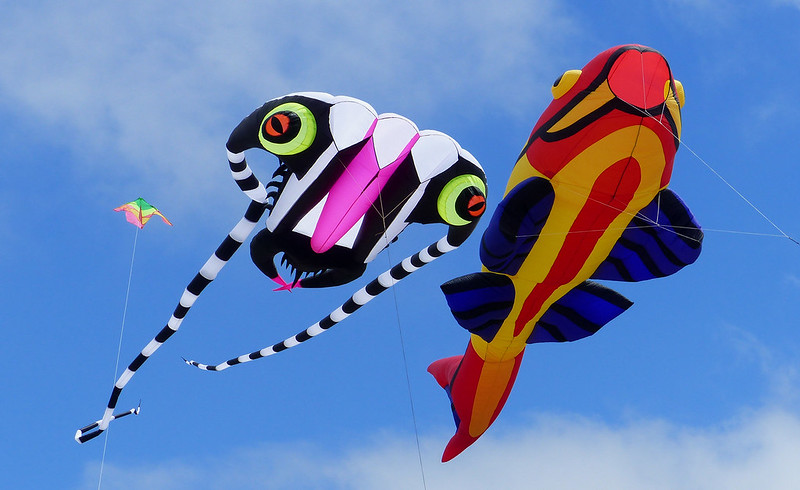
Kite Day falls on January 19. Everyone who enters the kite competitions in the Singapore Kite Festival must make his or her own kite. Some kites are huge dragons or ships with 19 sails. Judges score competitors’ kites on both artistic design and flying performance. There are team competitions too. The team has to design the kite and they are timed on how long it takes to make it fly. They also have to try to touch a target up in the air.

What do you suppose the weather is like in Singapore in January? Would you fly a kite in January where you live? Here is a link to pictures of kite festivals all over the world.

Try making a kite of your own and trying to fly it!

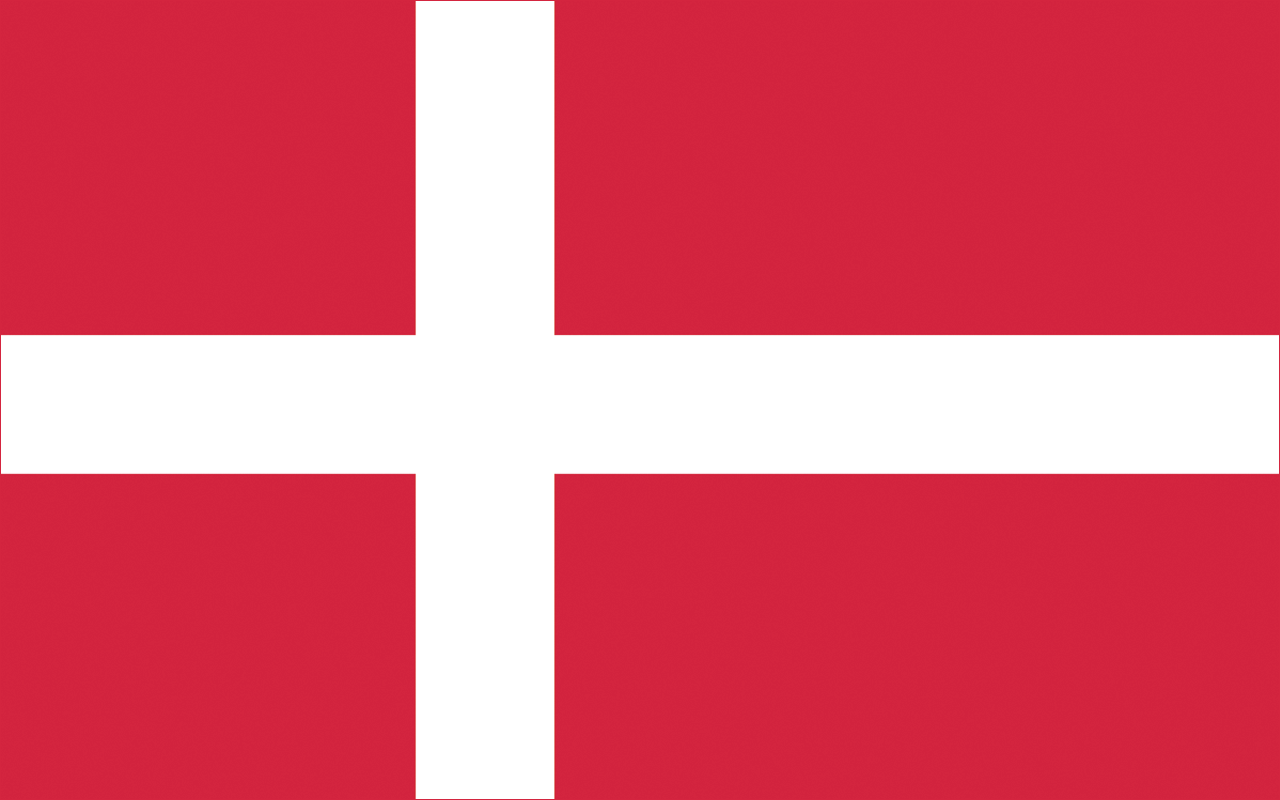
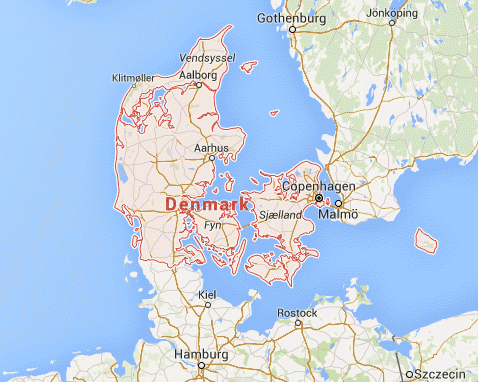
Around the World in 80 Days – Denmark

DENMARK 

Northern Europe
Capital: Copenhangen
Languages: Danish
Predominant Religion(s): Christianity

COMMON CHARACTERISTICS:

  • Denmark is a relatively multicultural country.
  • Danes like to be seen as individuals and like to set themselves apart from one another.
  • Danes can seem guarded, but once you get them talking, they are really friendly and helpful.

FUN FACTS:

  • Danes have a strong sense of irony – often causing confusion to foreigners!
  • The UN World Happiness Report has rated Danes as the happiest people on earth two years in a row, and Danes have a special word for that cozy feeling of togetherness: “Hygge.”
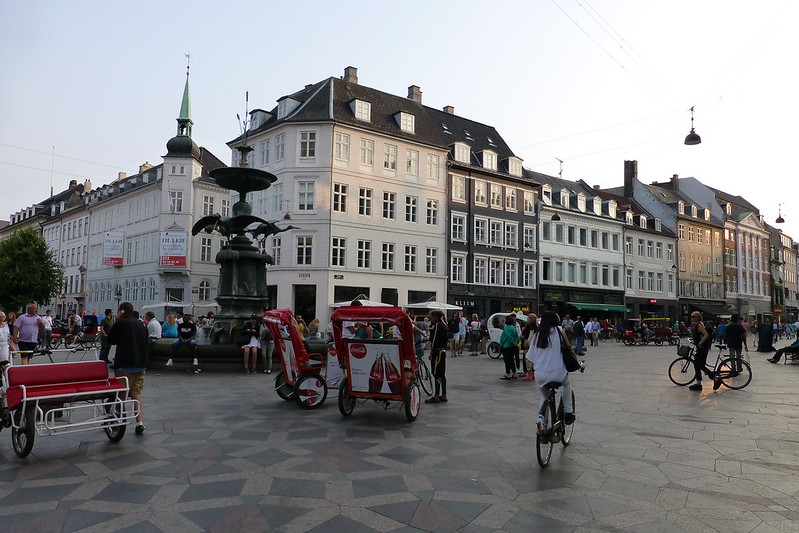
  • 50% of Copenhageners (as well as a large part of the rest of the population) commute by bike to work every day, even if it’s raining.

Family

  • 2-3 children per family is considered normal in Denmark.
  • Children are taught discipline from a young age through small tasks such as taking out the trash or emptying the dishwasher. Many families have pets as companions and to help teach children about responsibility.
  • Denmark is a very family-focused country and visiting other family members over the holidays (such as Christmas) is normal.

USEFUL PHRASES:

  • How are you?             Hvordan har du det?
  • Fine, thanks.               Fint tak.
  • My name is…              Mit navn er…
  • Nice to meet you!        Godt at møde dig!
  • Thank you.                  Tak.

Photo by: Aram Zucker-Scharff {flickr}

Around the World in 80 Days – Bastille Day

One of France’s national holidays is Bastille Day, July 14. This holiday is similar to Independence Day in the United States. Many years ago France had a monarchy. On July 14, 1789, the people of Paris stormed the Bastille, a state prison. In this way the people proved that the power belonged to them, and not to the King. This was the beginning of the French Revolution. Celebrations include dances and fireworks. The people of France celebrate the birth of the Republic, and recognize liberty and democracy. Now Bastille Day includes a military parade up the Champs Elysees. Can you guess where the Champs Elysees is? You can find the answer to this question and many other facts about our world at Infoplease.

Find more Bastille Day information by visiting the seasonal calendar.

Around the World in 80 Days – Food in El Salvador


  • Most young people in El Salvador eat meat.
  • Vegetarianism is not common.
  • A typical Salvadorian diet includes beans, cheese, rice, eggs and tortillas.
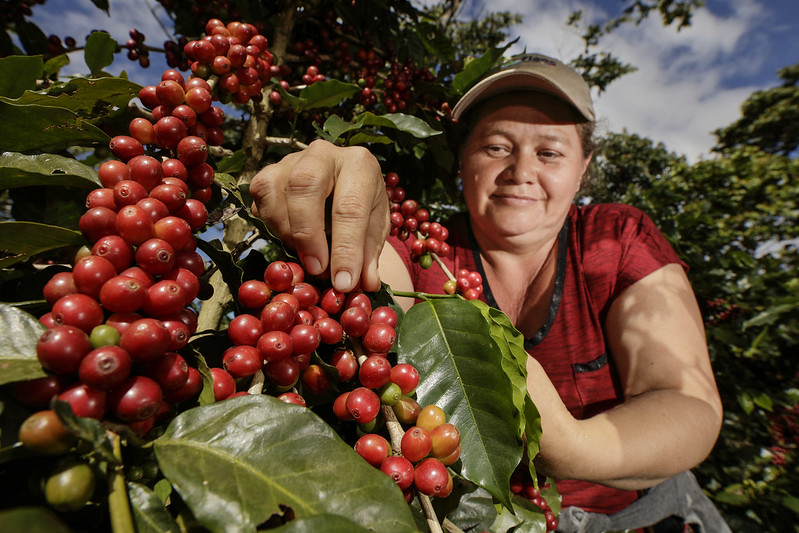
  • Coffee has fueled the Salvadoran economy and shaped its history for over a century. Coffee in El Salvador has traditionally provided more than 50% of the country’s export revenues.
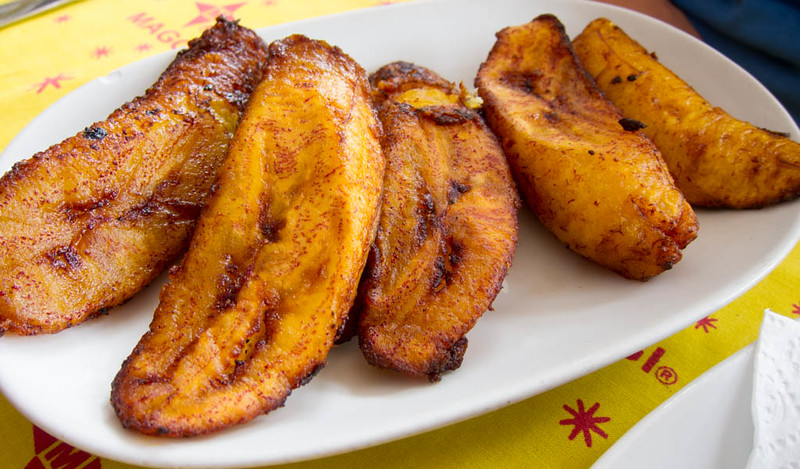
  • Breakfasts in El Salvador generally include a variety of food, such as eggs scrambled with vegetables (huevos picados), cheese, fried plantains (platanos fritos), mashed beans, and tortillas. Fresh tropical fruits like mango, pineapple, and banana are also a common accompaniment.
  • You can find more info on foods in El Salvador here!

Photos by: Maren Barbee {flickr}, Charles Haynes {flickr}