Monthly Archives: July 2021

Around the World in 80 Days – Food in El Salvador


  • Most young people in El Salvador eat meat.
  • Vegetarianism is not common.
  • A typical Salvadorian diet includes beans, cheese, rice, eggs and tortillas.
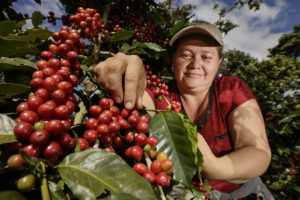
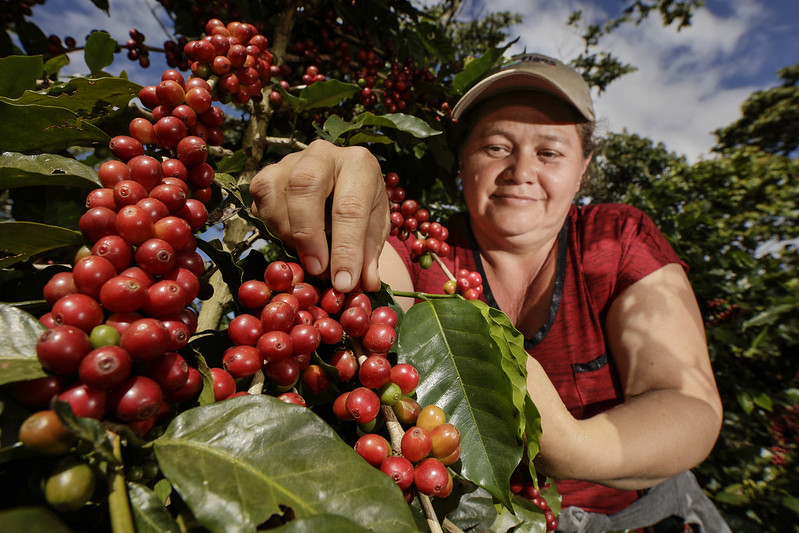
  • Coffee has fueled the Salvadoran economy and shaped its history for over a century. Coffee in El Salvador has traditionally provided more than 50% of the country’s export revenues.
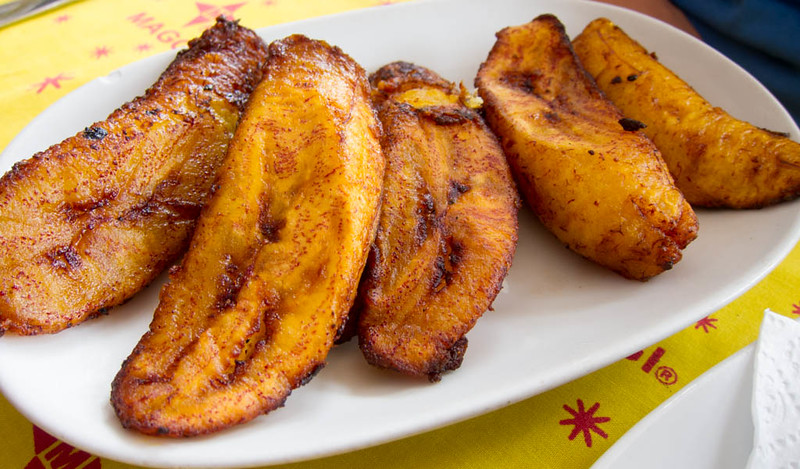
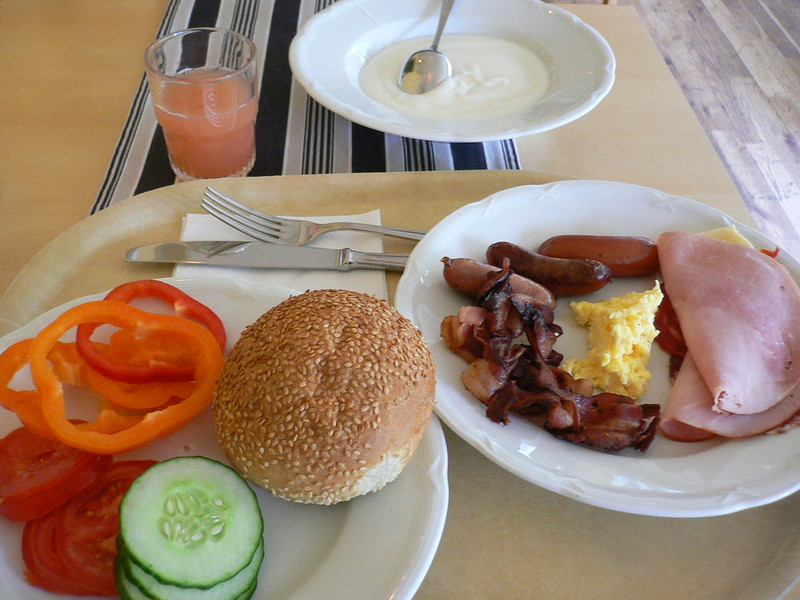
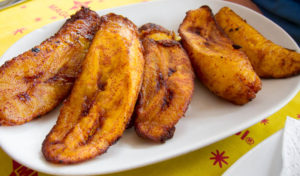
  • Breakfasts in El Salvador generally include a variety of food, such as eggs scrambled with vegetables (huevos picados), cheese, fried plantains (platanos fritos), mashed beans, and tortillas. Fresh tropical fruits like mango, pineapple, and banana are also a common accompaniment.
  • You can find more info on foods in El Salvador here!
Photos by: Maren Barbee {flickr}, Charles Haynes {flickr}
Camp Au Pair – Global Awareness

Let’s focus on global awareness and share some cultural experiences! Most importantly, share you culture with your host family. Incorporate games, books, songs, language, foods, etc. into your host family’s lives. Cooking a dish from your family is a great way to share. Discuss similar traditions and ones unique to your family or culture.

Resources:

  • Use the APIA Global Awareness website for an amazing collection of resources!
  • Learn about various countries by visiting the APIA Culture Corner!
  • Listen to a story in English or Spanish (preschool and lower elementary level)
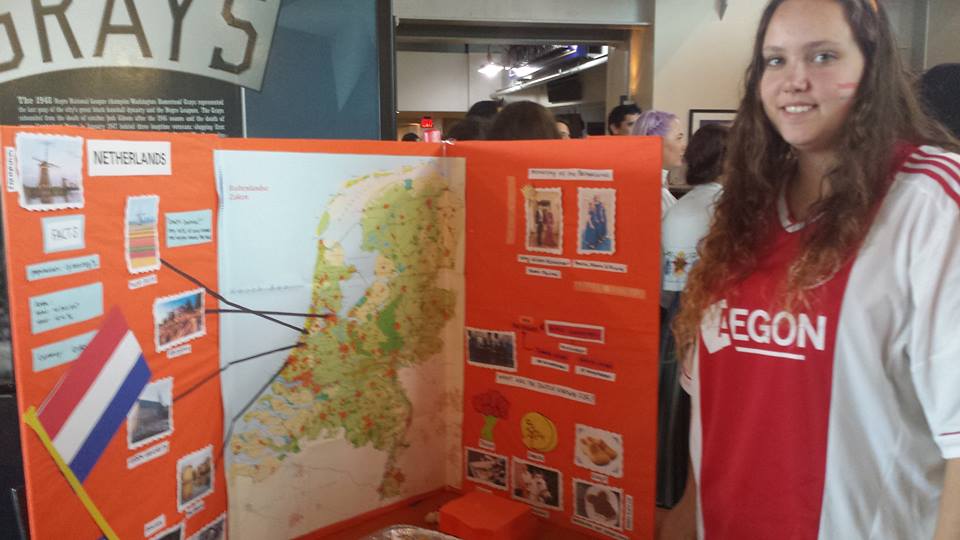
  • While COVID has changed the footprint of schools and the opportunity to do presentations, lets think outside the box about how to still give informative glimpses of our various cultures! How about creating a display that we can capture clear pictures of? Making a short video? Possibilities abound!

Let’s Create & Learn:  

Check out:


Books:

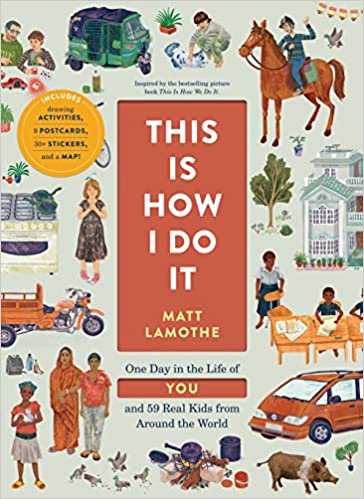
  • This Is How I Do It: One Day in the Life… This fun and engaging workbook will get kids writing, drawing, and sharing while also learning about cultures and countries other than their own.
    • Includes drawing activities, postcards, sticker sheets, and a fold-out map
    • A die-cut cover for kids to draw their portrait and write their name on makes this activity book a keepsake to treasure
    • Encourages self-reflection while also teaching kids about different traditions and customs.
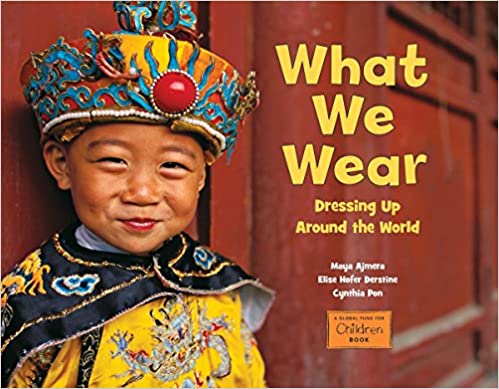
  • What We Wear.  A celebration of clothing in bright, beautiful photographs of exuberant and diverse children from around the world, WHAT WE WEAR: DRESSING UP AROUND THE WORLD inspires young readers to explore the way clothing makes them feel and how it tells the world who they are. What we wear can identify who we are: what team we play for or what team we root for, where we go to school, how we worship, or how we represent our heritage. What we wear expresses our individuality, and clothes can make us happy, confident, and proud.
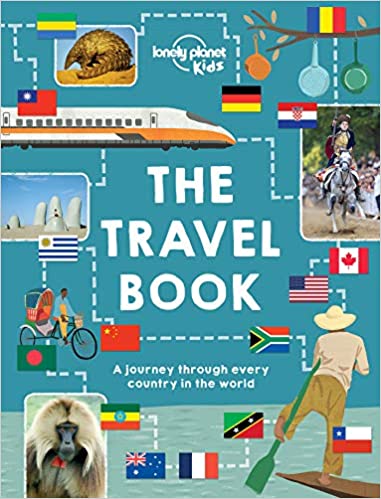
  • The Travel Book: A Journey Through Every Country in the World. Take a world tour through  200 countries with this brand new edition of the bestselling kids’ version of Lonely Planet’s popular The Travel Book, loaded with thousands of amazing facts on wildlife, how people live, sports, hideous and mouthwatering food, festivals and a wide range of other quirky insights on every page. Every single country gets its own dedicated page, and a mix of photography and beautiful illustrations brings each land to life.

Photo by {Rona Proudfoot}; hiritomo t {flickr}


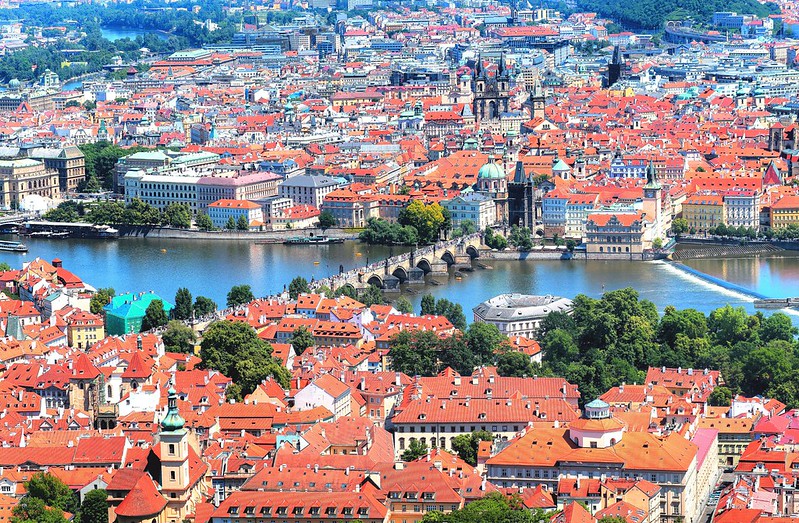
Around the World in 80 Day – Czech Republic

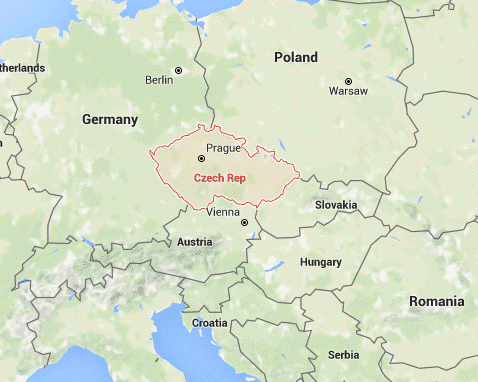
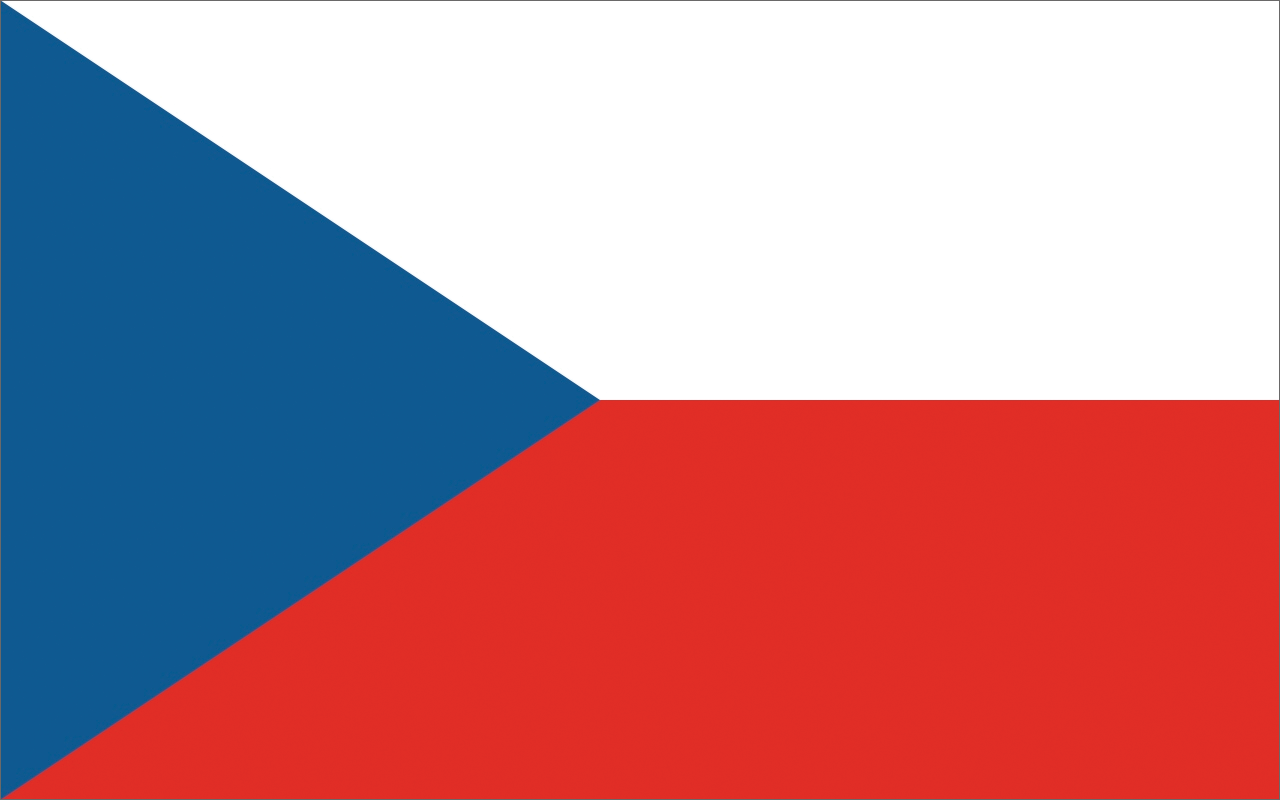
CZECH REPUBLIC

Central Europe
Capital: Prague
Languages: Czech
Predominant Religion(s): Majority non-religious

COMMON CHARACTERISTICS:

  • Czech people in general are happy with a good sense of humor. They are also ambitious!
  • Czechs have strong family ties.
  • Tradition and culture are very important values for Czechs.

FUN FACTS:

  • Czech Republic has a lot of famous people such as the hockey player Jaromir Jagr, the tennis players Martina Navratilova and Ivan Lendl!
  • Czech beer is said to be the best beer on the world.
  • The US population is 30x bigger than the population in Czech Republic.

USEFUL PHRASES:

  • How are you?             Jak se máš?
  • Fine, thanks.               Dobře, děkuji.
  • My name is…              Moje jméno je..
  • Nice to meet you!        Rád tě poznávám!
  • Thank you.                  Děkuji.

Around the World in 80 Day – Croatia

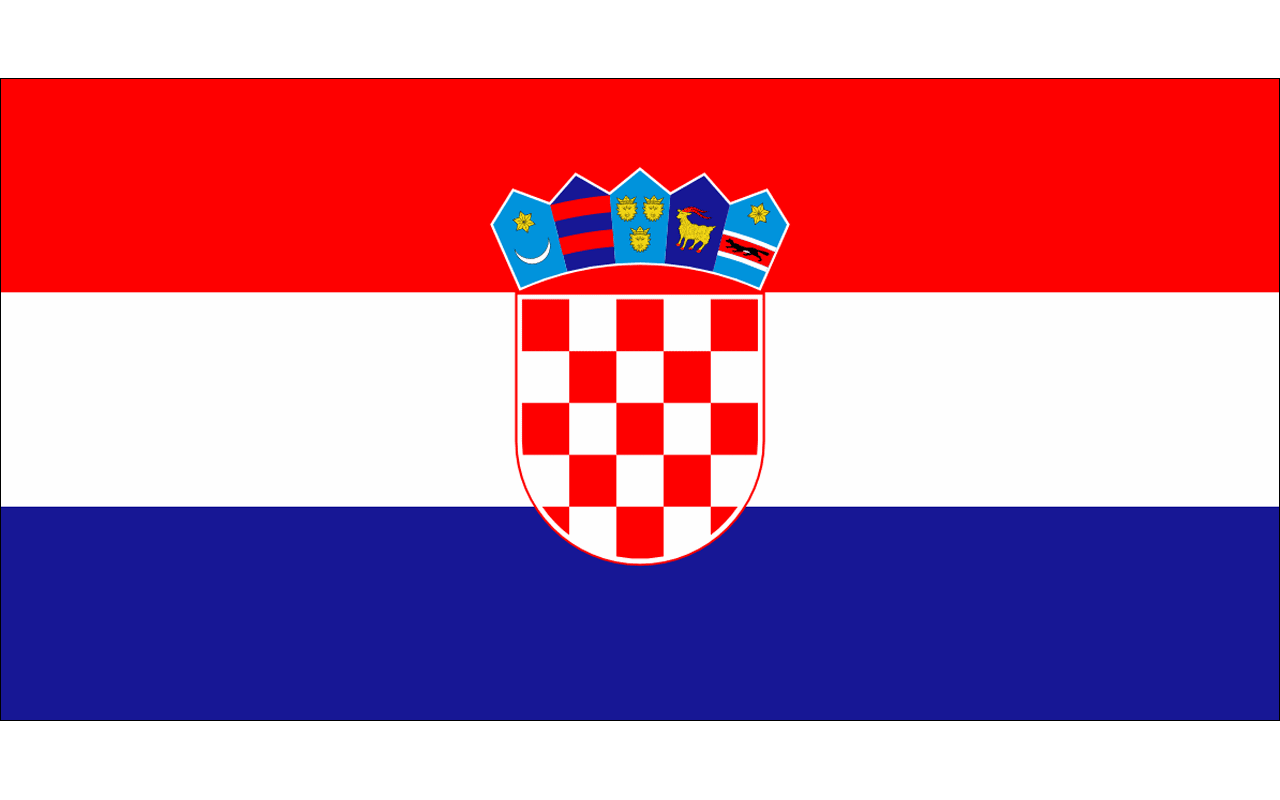
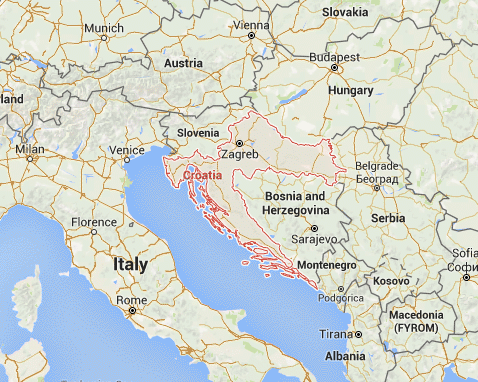
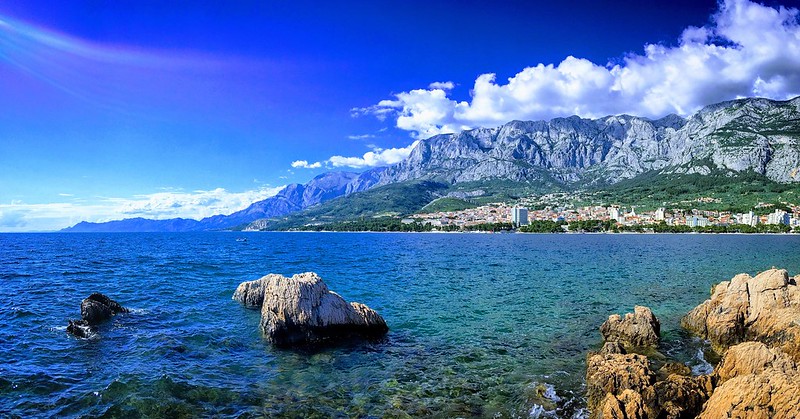
CROATIA 

Central/Southern Europe
Capital: Zagreb
Languages: Croatian
Predominant Religion(s): Christianity
(Roman Catholic)

COMMON CHARACTERISTICS:

  • Croatian people describe themselves as ambitious and resourceful.
  • Croatian have very strong ties to their family.
  • Croatians are very proud of their heritage and culture, and this sense of pride comes from their long and rich culture, as well as a legacy of foreign invasion and control.

FUN FACTS:

  • Croatia is home to the world’s smallest town: the town of Hum, a sleepy place with cobblestone streets…and that’s about it!
  • The Croatian currency is the Kuna, which is the Croatian word for the marten, a ferret-like rodent prized for its luxurious fur!
  • Croatia is home to the world’s most beautiful sunset…according to Alfred Hitchcock! To find out if you agree, you must visit the city of Zarar.

USEFUL PHRASES:

  • How are you?             Kako ste?
  • Fine, thanks.               Dobro, hvala.
  • My name is…              Zovem se or ime mi je…
  • Nice to meet you!        Drago mi je da smo se upoznali!
  • Thank you.                  Hvala.

“Being an au pair was a beautiful experience for me. Not that I only met new friends from all around the world but I gained a new family and therefore enriched my life.” – Pavica – au pair from Croatia

Photo by: Sergei Gussev {flickr}

Around the World in 80 Days – Peru

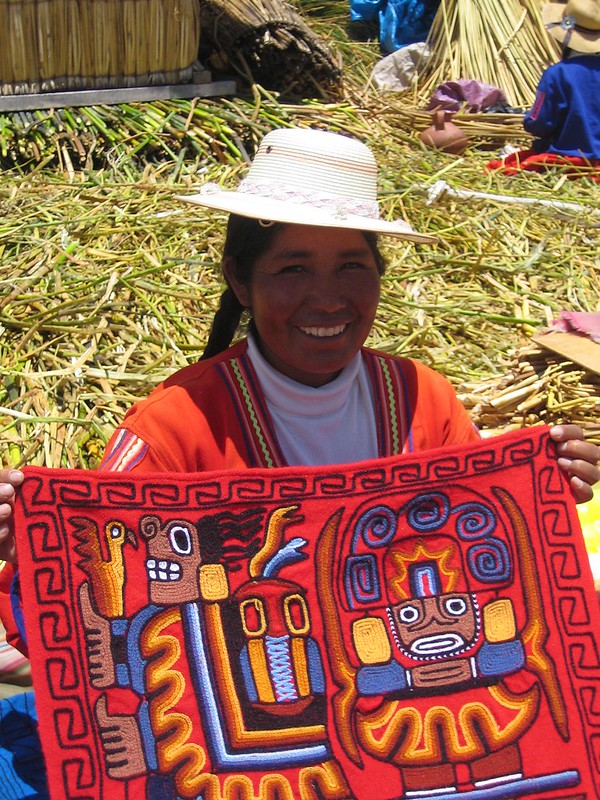
Peru has two official languages: Spanish and Cuzco Quechua. There are now over 8 million  Quechua speakers in South and Central America. Twenty-five percent of all Peruvians speak Quechua, and many of them speak no Spanish.

Here are some English words derived from Quechua, which was originally the language of the Incas: coca, condor, guano, gaucho, guanaco, Inca, jerky, lagniappe, lima [bean], llama, pampa, puma, quipu, quinine, quinoa, and vicuña.

Try some Spanish language activities. This site includes an on-line English-Spanish picture dictionary and an on-line Spanish-English dictionary, as well as information, quizzes and pictures to color!

Around the World Days – Costa Rica

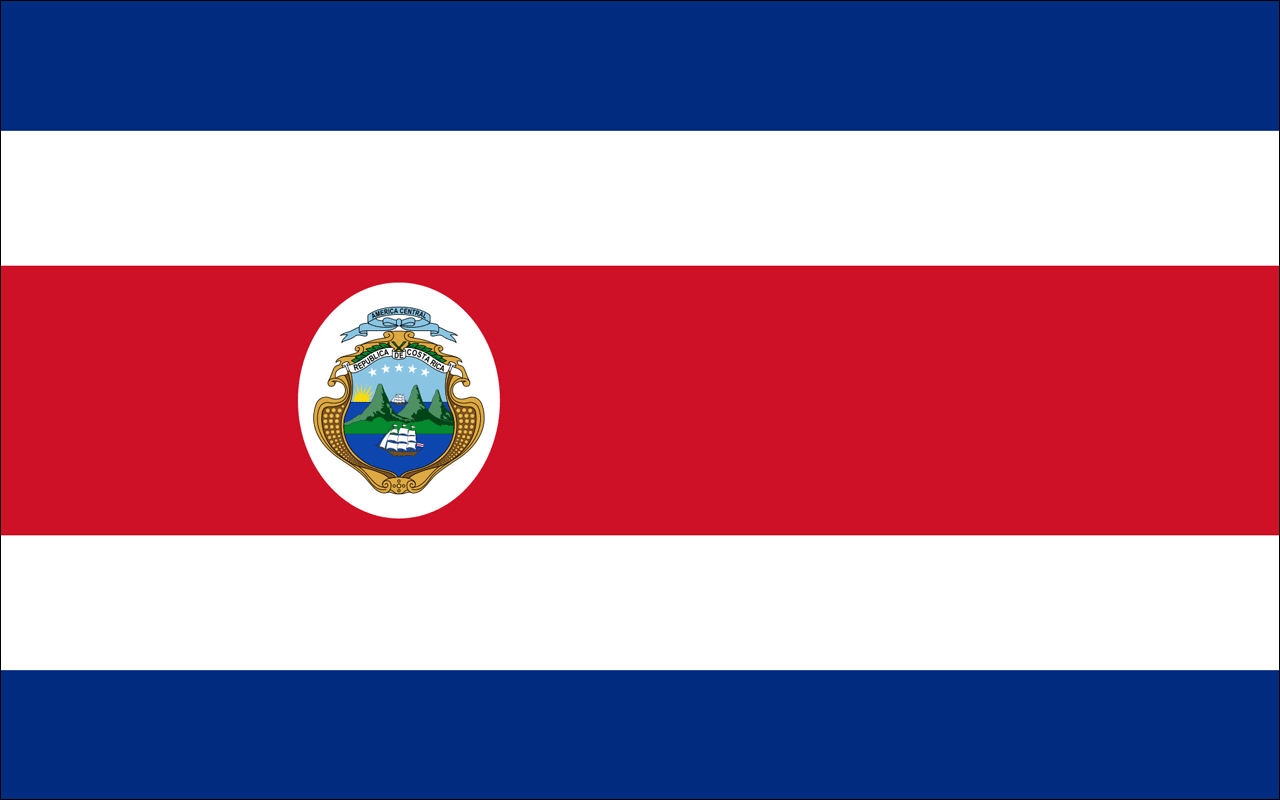
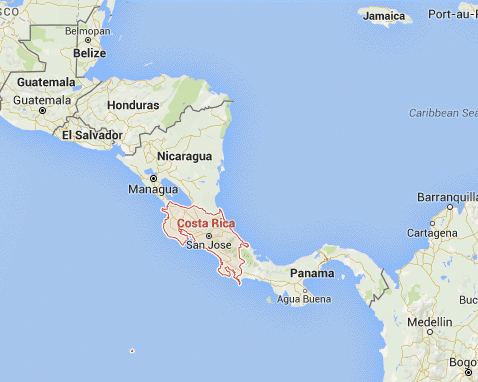
COSTA RICA

Central America
Capital: San José
Languages: Spanish
Predominant Religion(s): Christianity
(Roman Catholic)

COMMON CHARACTERISTICS:

  • Costa Ricans are seen as very happy, and that’s why Costa Rica is considered the happiest country in the world!
  • Costa Ricans are very friendly, helpful and warm.
  • “Pura Vida” is the best phrase that describes Costa Ricans – it means be positive and enjoy life to the fullest!

FUN FACTS:

  • Costa Rica is a quite small country. The population is only 4.5 million, and you can travel from one side to the other in 14 hours.
  • Costa Rica has no army as it was abolished in 1949 – they love peace!
  • Costa Rica hosts more than 5% of the world’s biodiversity, even though its land mass only takes up .03% of the planet’s surface.

USEFUL PHRASES:

  • How are you?            Como estas?
  • Fine, thanks.:              Bien, gracias.
  • My name is…:            Mi nombre es…
  • Nice to meet you.:       Gusto en conocerlo.
  • Thank you.:            Gracias.

Around the World in 80 Day – Pierogies

Flashback –

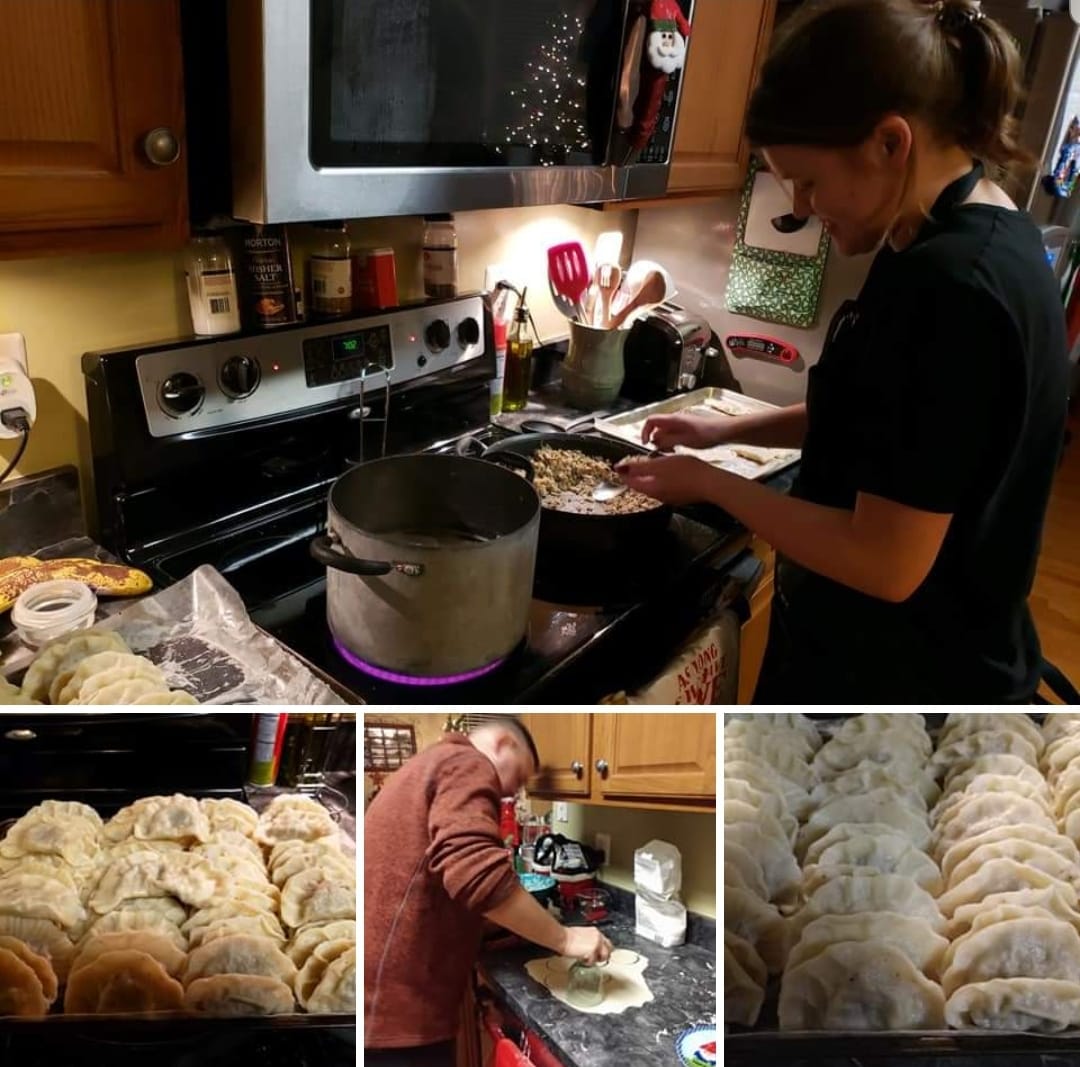
In preparation for Christmas, Patrycja, from Poland, currently residing in Southern Maryland, and her host dad spent all day making traditional Polish pierogi!

She said, “I wasn’t sure if we can actually do it since I’ve never made pierogi by myself before, but we did it!

‘Pierogi z kapustą kiszoną i pieczarkami’ one of the things Poland is most known for! (Sauerkraut and mushrooms)

My mom offered us her help (from Poland), so we had the greatest pierogi maker on our side 😁 We ended up with almost 100 pierogi!

I am really really proud of us and I’m glad I could contribute to this Christmas with a little bit of my own culture!”

Around the World in 80 Days – Colombia

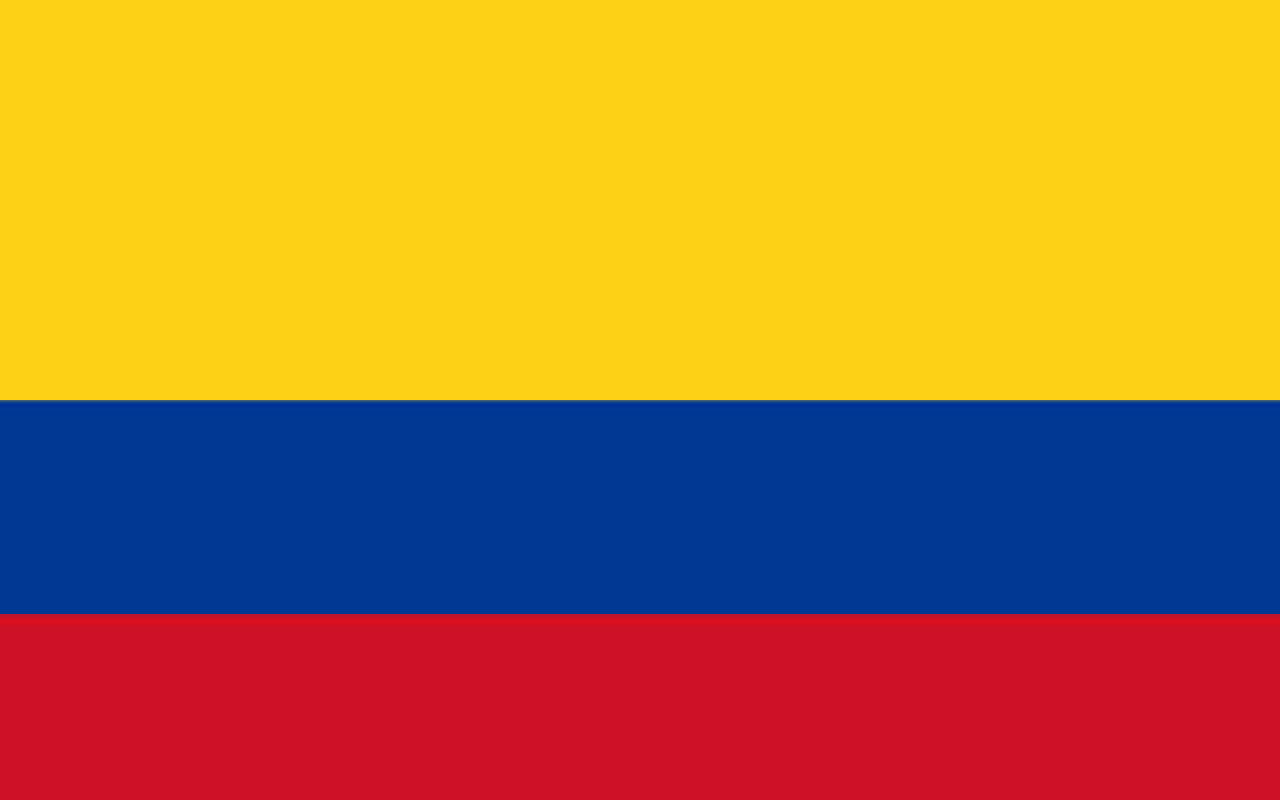
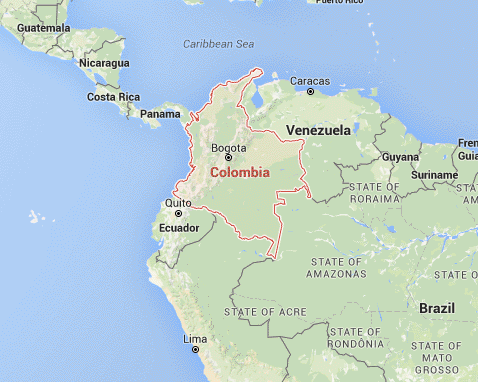
COLOMBIA

South America
Capital: Bogota
Language(s): Spanish
Predominant Religion(s): Christianity


COMMON CHARACTERISTICS:

  • Colombians are very warm people and are willing to open their homes and share their lives with people from around the world.
  • Colombians tend to be quite extroverted and sociable, as well as playful and cheerful.
  • Colombians like to look after other people.

FUN FACTS:

  • Colombia is the home country of many famous people such as Shakira (singer), Carlos Vives (singer/actor), John Leguizamo (actor), Sofia Vergara (actress), and the famous writer Gabriel Garcia Marquez.
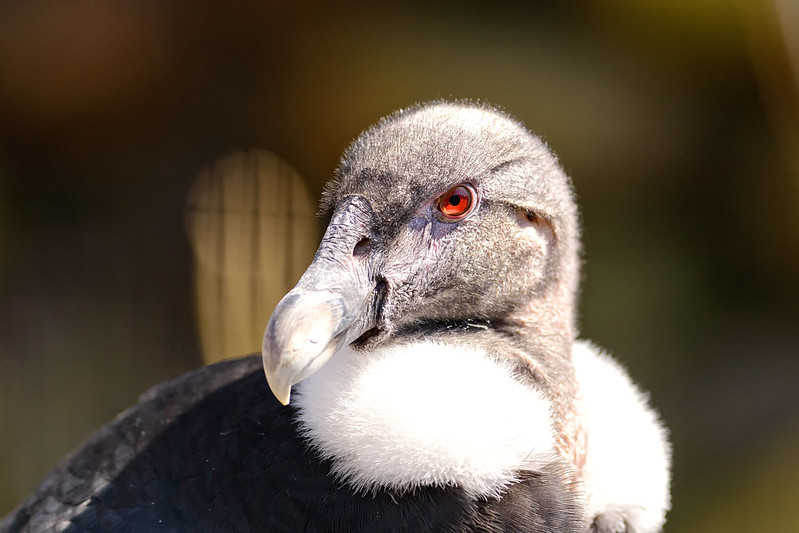
  • The Andean condor is the national symbol of Colombia. The female Andean Condor has fine feathers on its head that resemble hairs, and a “furry collar” of white feathers. But the most distinctive features are the bright red eyes, which give the condor a malevolent cast.
  • Colombia has quite a successful soccer team and has been to the FIFA World Cup five times so far.

USEFUL PHRASES:

  • How are you?       Como estas?
  • Fine, thanks.       Bien gracias.
  • My name is…       Mi nombre es…
  • Nice to meet you.       Placer en conocerte.
  • Thank you.       Gracias.

Learn more about Colombia!

Photo by: Eric Kilby {flickr}

Around he World in 80 Days – Romanian Apple Cake

Ingredients

  • 800 ml milk (3 ½ cups)
  • 4-5 tablespoon sugar burnt
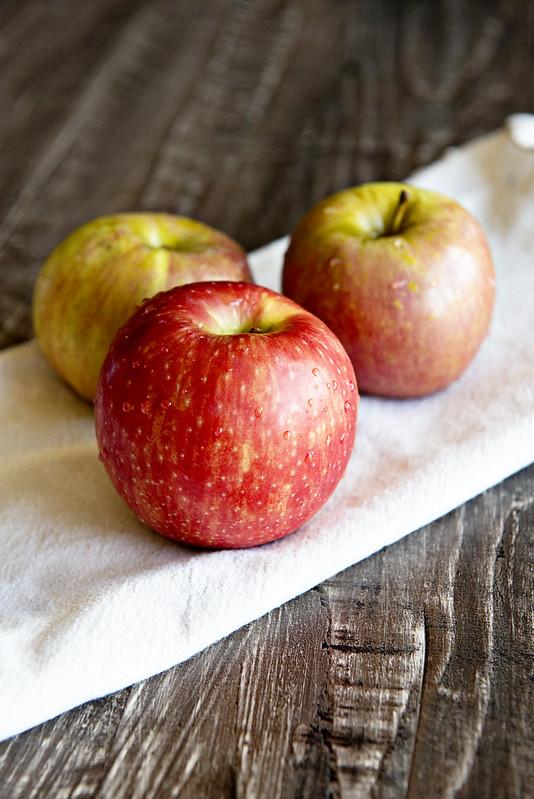
  • 1 kg apple (2 ¼ pounds)
  • 5 eggs
  • 5 tablespoon sugar
  • Vanilla (about 2 teaspoons)
  • Cinnamon (about 1 teaspoon)
  • Raisins (1/2 Cup)
  • 1 teaspoon baking powder

Instructions

  1. Put the 4-5 tbsp. sugar in a middle size pot and let the sugar burn.
  2. Mix 5 eggs with 800 ml milk and with 5 tbsp sugar
  3. When the sugar is caramelized add the combined milk and sugar in the pot and add cinnamon, raisins and vanilla to taste
  4. In that milk mixture add 1 kg apple without skin and cut in medium parts.
  5. Bake in a 375 degree oven for 10-15 minutes until the top is brown.
  6. Turn the pot with the cake inside an a large plate. You can decorate with whipped cream.

*To Make a cake by 4 eggs:

  1. If you make with 4 eggs, you have to separate the white part of the eggs from the yellow part.
  2. In a bowl beat the whites until stiff but not dry.
  3. In another bowl mix the yellows with 5 tbsp sugar.
  4. Mix all that together with 5 tbsp flour and 1 teaspoon baking powder. Be careful and mix slowly.
  5. Put this batter in the pot after the apples are brown.
  6. Bake in a 375 grade oven for 30 minutes or till a wooden toothpick comes out clean.
  7. Turn the pot with the cake inside an a large plate. You can decorate with whipped cream.

Submitted by Renata Moca 2003, au pair in Illinois

Photo by: Shari’s Berries

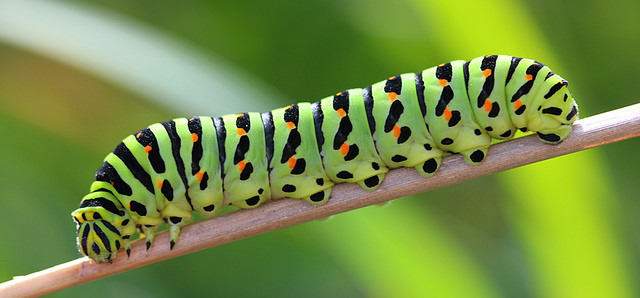
Camp Au Pair – Bugs & Butterflies

Get ready to get buggy as we explore bugs and butterflies this week! Ready for some serious fun?

Activities

Check out the Au Pair in America Pinterest site for more great ideas!

Field Trips can be a great way for kids to learn and have new experiences. As always, have a conversation as a family about suitable activities and COVID precautions before venturing out. Here are a few places to go, that fit this theme:

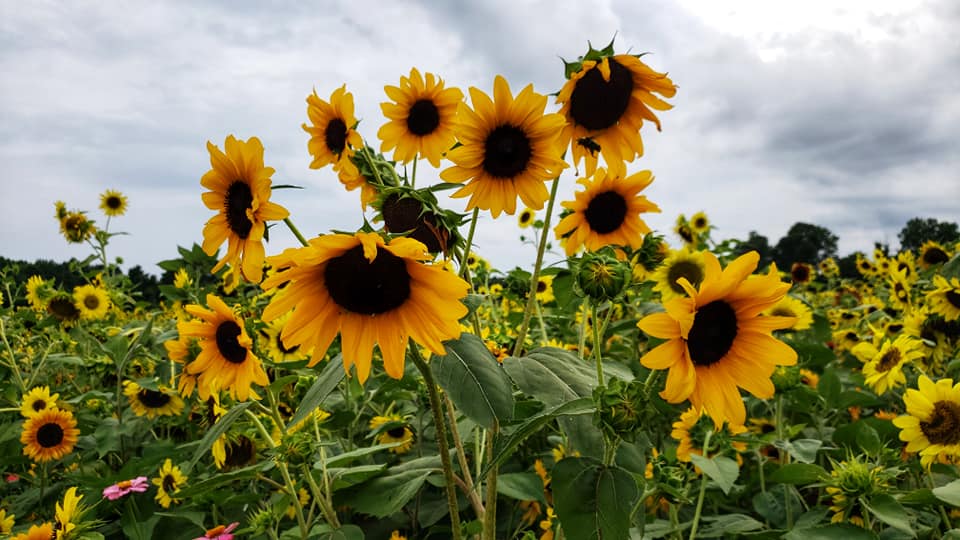
  • Goldpetal Farms sunflower maze. The flowers attracts bees and butterflies! *Admission*
  • Historic St. Mary’s City has a lovely variety of outdoor spaces were bugs, butterflies and critters abound! *Admission*
  • The Jefferson Patterson Park & Museum grounds offer a wide variety of outdoor habitats.
  • Battle Creek Cypress Swamp. The trails are open during operating hours. This is one of the northernmost stands of bald cypress trees in North America. A short boardwalk trail enables visitors to experience the majestic quality of the cypress trees and the tranquility of the swamp.

Videos – You can find many great videos of butterflies and insects on YouTube. Check out these videos for kids about bees and ants. All about Insects covers lots of tiny creatures who crawl and fly. Here is a video showing a Monarch Butterfly metamorphosis time-lapse.

Books:

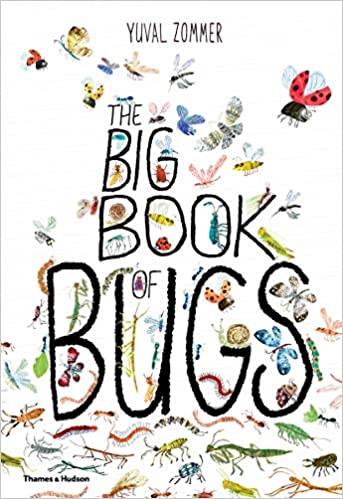
  • The Big Book of Bugs:
    A beautifully illustrated, informative book for children introducing them to bugs that creep, crawl, bite, fly, and moreFrom moths and beetles to worms and spiders, the world is crawling with fascinating bugs. The Big Book of Bugs is the first fact-filled book for children to explore the vast array of creepy-crawlies that share our Earth.
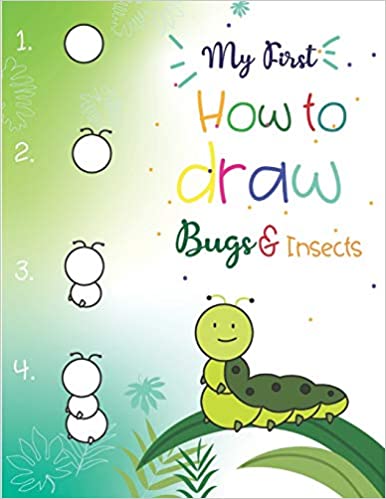
  • How to Draw Bugs & Insects:Young artists learn to draw by following 8 simple step illustrations. Perfect for children who are learning to draw.★ Simple step-by-step instructions★ Filled with cute ladybugs, bumble bees, butterflies and many more insects and bugs!

    ★ Single sided printing to prevent bleed through

    ★ Extra pages to practice drawing all the animals

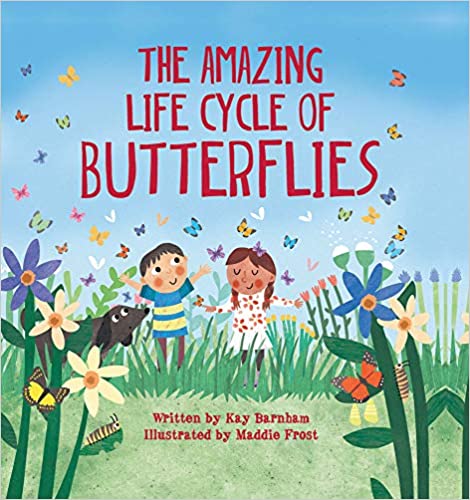
  • The Amazing Life Cycle of Butterflies: From moth to chrysalis to beautiful butterfly, learn  about a butterfly’s life. Children have lots of questions about the world around them, and this book helps them discover many amazing and wonderful scientific facts about butterflies.
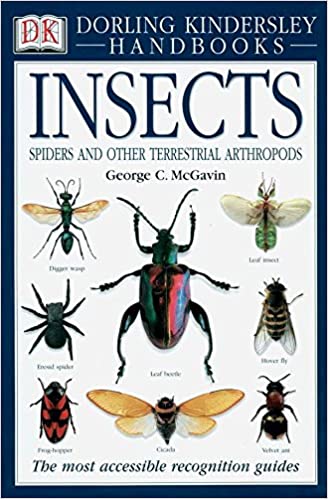
  • Insects, Spiders & Other Terrestrial Arthropods: Written by noted entomologist George C. McGavin, this comprehensive handbook covers all 29 orders of insect as well as spiders and terrestrial arthropods. It’s packed with hundreds of annotated photographs and illustrations to help you discern the many types of insects and gives you a brief description of each insect family with main characteristics, including life cycles, the environment in which they thrive, and a photographic guide to assist you in categorizing the insect group. It’s an indispensable handbook for beginners and enthusiasts alike.

Photo: Nick Goodrum {flickr} & Cynthia Chan