Author Archives: Annie Stauffer

Camp Au Pair – Global Awareness

Let’s focus on global awareness and share some cultural experiences! Most importantly, share you culture with your host family. Incorporate games, books, songs, language, foods, etc. into your host family’s lives. Cooking a dish from your family is a great way to share. Discuss similar traditions and ones unique to your family or culture.

Resources:

  • Use the APIA Global Awareness website for an amazing collection of resources!
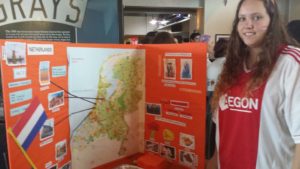
  • Learn about various countries by visiting the APIA Culture Corner!
  • Listen to a story in English or Spanish (preschool and lower elementary level)
  • While COVID has altered the footprint of schools and the lessened the opportunity to do in person presentations, lets think outside the box about how to still give informative glimpses of our various cultures! How about creating a display that we can capture clear pictures of? Making a short video? Possibilities abound!
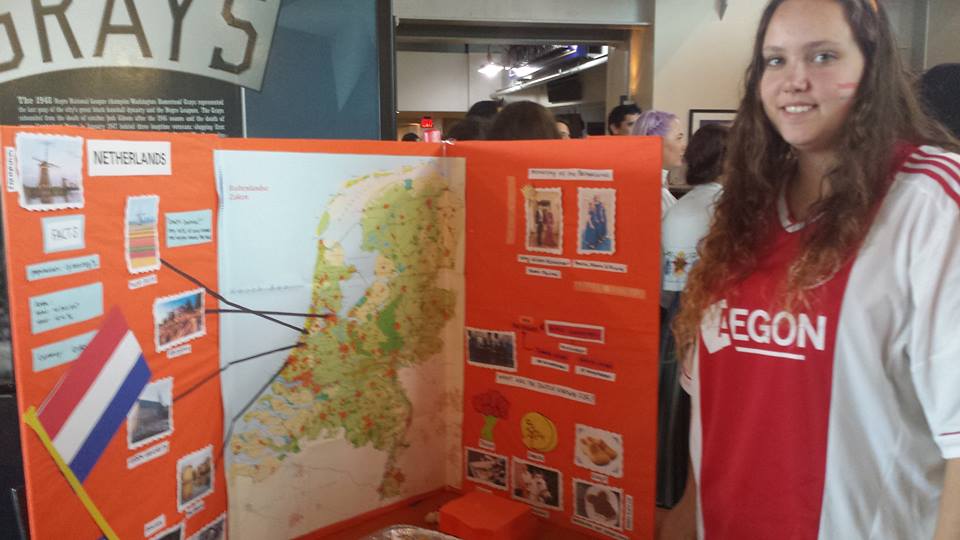
Let’s Create & Learn:  
Check out:


Books:

  • This Is How I Do It: One Day in the Life… This fun and engaging workbook will get kids writing, drawing, and sharing while also learning about cultures and countries other than their own.
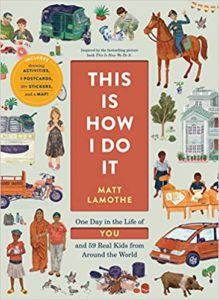
    • Includes drawing activities, postcards, sticker sheets, and a fold-out map
    • A die-cut cover for kids to draw their portrait and write their name on makes this activity book a keepsake to treasure
    • Encourages self-reflection while also teaching kids about different traditions and customs.
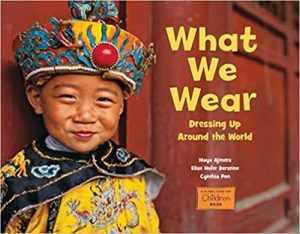
  • What We Wear.  A celebration of clothing in bright, beautiful photographs of exuberant and diverse children from around the world, WHAT WE WEAR: DRESSING UP AROUND THE WORLD inspires young readers to explore the way clothing makes them feel and how it tells the world who they are. What we wear can identify who we are: what team we play for or what team we root for, where we go to school, how we worship, or how we represent our heritage. What we wear expresses our individuality, and clothes can make us happy, confident, and proud.
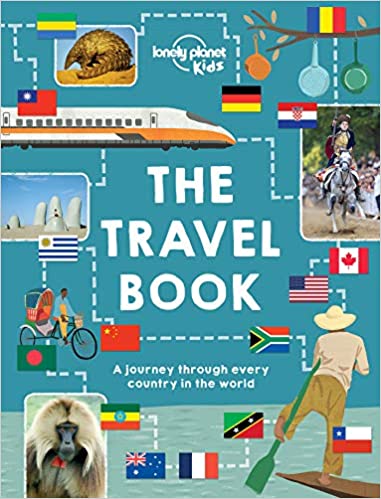
  • The Travel Book: A Journey Through Every Country in the World. Take a world tour through  200 countries with this brand new edition of the bestselling kids’ version of Lonely Planet’s popular The Travel Book, loaded with thousands of amazing facts on wildlife, how people live, sports, hideous and mouthwatering food, festivals and a wide range of other quirky insights on every page. Every single country gets its own dedicated page, and a mix of photography and beautiful illustrations brings each land to life.
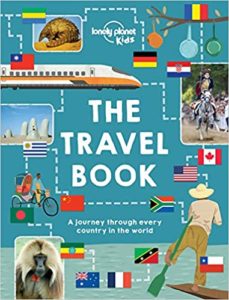
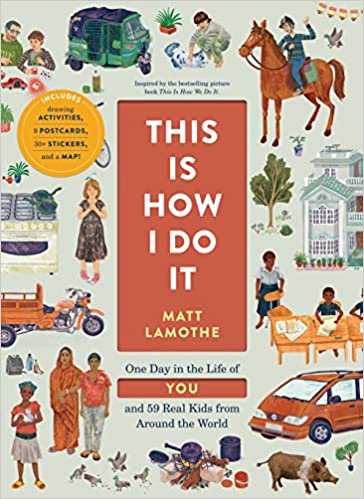
Photo by {Rona Proudfoot}; hiritomo t {flickr}

Around the World in 80 Days – Romania

Nadia Comaneci, was born in Romania in 1961.  She is a five-time Olympic gold medalist, all in individual events. In 1976 at the age of 14, Comăneci was the first gymnast to be awarded a perfect score of 10.0 at the Olympic Games.

You can watch her perfect 10 play out here!

Romania is a southeastern European country known for the forested region of Transylvania, ringed by the Carpathian Mountains. Its preserved medieval towns include Sighişoara, and there are many fortified churches and castles, notably clifftop Bran Castle, long associated with the Dracula legend.

Photo by Dave Gilbert {Flickr}

Around the World in 80 Days – Bastille Day

One of France’s national holidays is Bastille Day, July 14. This holiday is similar to Independence Day in the United States. Many years ago France had a monarchy. On July 14, 1789, the people of Paris stormed the Bastille, a state prison. In this way the people proved that the power belonged to them, and not to the King. This was the beginning of the French Revolution. Celebrations include dances and fireworks. The people of France celebrate the birth of the Republic, and recognize liberty and democracy. Now Bastille Day includes a military parade up the Champs Elysees. Can you guess where the Champs Elysees is? You can find the answer to this question and many other facts about our world at Infoplease.

Find more Bastille Day information by visiting here!

Around the World in 80 Days – Ecuador

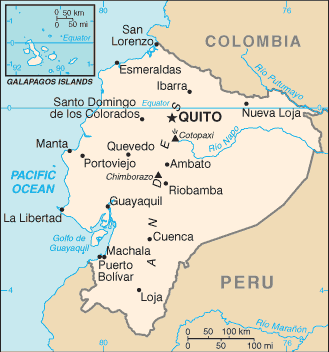
Ecuador

South America
Capital: Quito
Languages: Spanish (official), Amerindian languages

Au Pairs in General:

  • The idea of being an au pair is becoming common in Ecuador.
  • Applicants from Ecuador are motivated by the opportunity to improve their English and study in the U.S.
  • The job potential of an au pair improves upon her return to Ecuador.
  • Applicants sometimes have difficulty affording the program fees.
  • Young people in Ecuador have the freedom of their family to socialize and date.
  • Curfews are common.
  • In general, young women are accustomed to sharing in household chores; however, middle class applicants will have maids to perform household tasks.
  • Nudity is not acceptable in public, nor is topless sunbathing.
  • Ecuadorians are family-oriented, warm and conservative.

Diet:

  • Most young people in Ecuador eat meat.
  • Vegetarianism is becoming popular, but is not yet widespread.
  • A typical Ecuadorian diet includes rice, potatoes, and meat. Ecuador is known for its exotic fruits, fish and seafood, tasty soups, and the countless varieties of Andean potatoes.

Religion:

  • The most common religions in Ecuador are Catholicism and Protestantism.
  • Most young people in Ecuador do not practice their religion regularly.

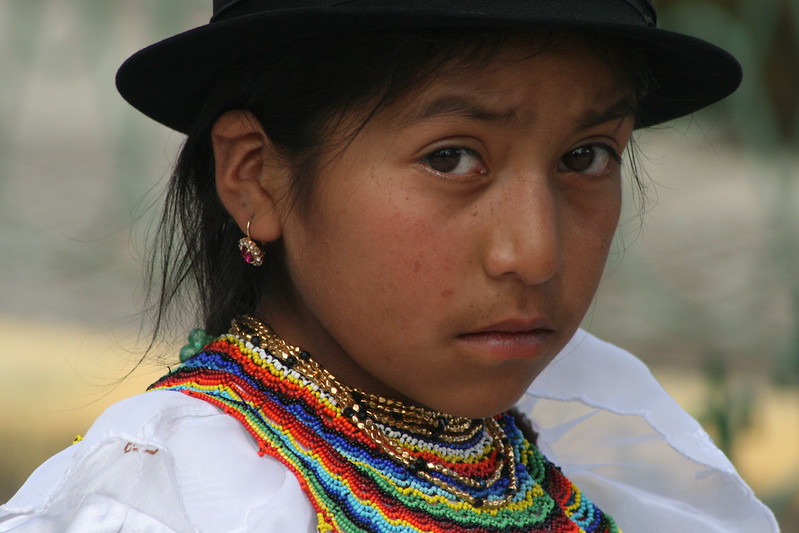
Photo by: Rinaldo Wurglitsch {flickr}

Around the World in 80 Days – Singapore Kite Day

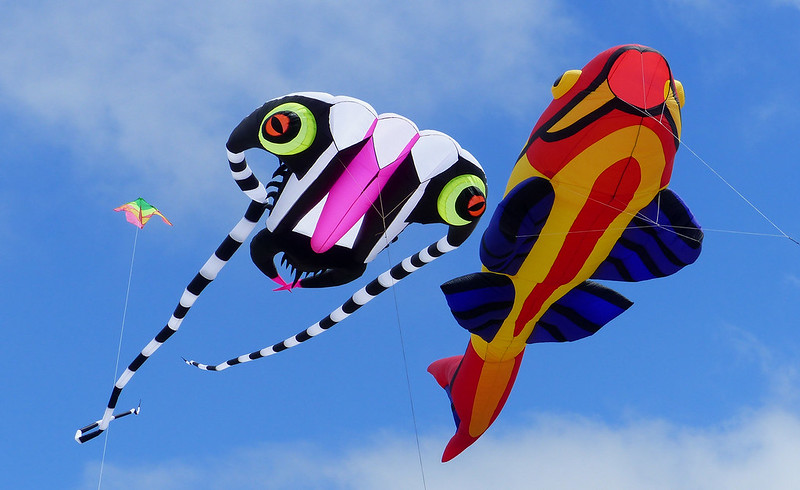
Kite Day falls on January 19. Everyone who enters the kite competitions in the Singapore Kite Festival must make his or her own kite. Some kites are huge dragons or ships with 19 sails. Judges score competitors’ kites on both artistic design and flying performance. There are team competitions too. The team has to design the kite and they are timed on how long it takes to make it fly. They also have to try to touch a target up in the air.

What do you suppose the weather is like in Singapore in January? Would you fly a kite in January where you live? Here is a link to pictures of kite festivals all over the world.

Try making a kite of your own and trying to fly it!

Around the World in 80 Days – Denmark

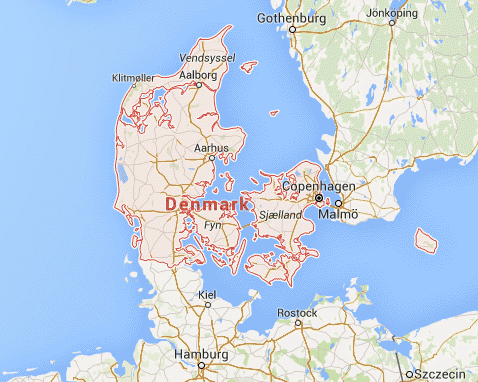
DENMARK 

Northern Europe
Capital: Copenhagen
Languages: Danish
Predominant Religion(s): Christianity

COMMON CHARACTERISTICS:

  • Denmark is a relatively multicultural country.
  • Danes like to be seen as individuals and like to set themselves apart from one another.
  • Danes can seem guarded, but once you get them talking, they are really friendly and helpful.

FUN FACTS:

  • Danes have a strong sense of irony – often causing confusion to foreigners!
  • The UN World Happiness Report has rated Danes as the happiest people on earth two years in a row, and Danes have a special word for that cozy feeling of togetherness: “Hygge.”
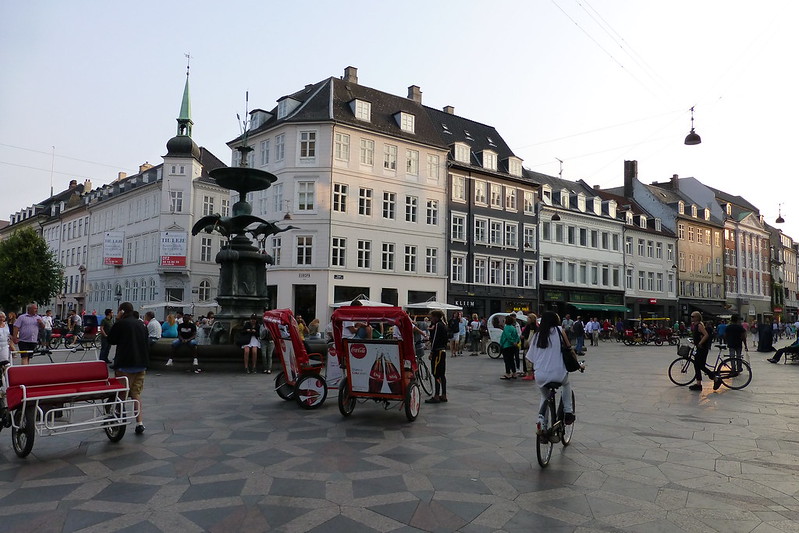
  • 50% of Copenhageners (as well as a large part of the rest of the population) commute by bike to work every day, even if it’s raining.

Family

  • 2-3 children per family is considered normal in Denmark.
  • Children are taught discipline from a young age through small tasks such as taking out the trash or emptying the dishwasher. Many families have pets as companions and to help teach children about responsibility.
  • Denmark is a very family-focused country and visiting other family members over the holidays (such as Christmas) is normal.

USEFUL PHRASES:

  • How are you?             Hvordan har du det?
  • Fine, thanks.               Fint tak.
  • My name is…              Mit navn er…
  • Nice to meet you!        Godt at møde dig!
  • Thank you.                  Tak.

Photo by: Aram Zucker-Scharff {flickr}

Around the World in 80 Days – El Salvador

  • Most young people in El Salvador eat meat.
  • Vegetarianism is not common.
  • A typical Salvadorian diet includes beans, cheese, rice, eggs and tortillas.
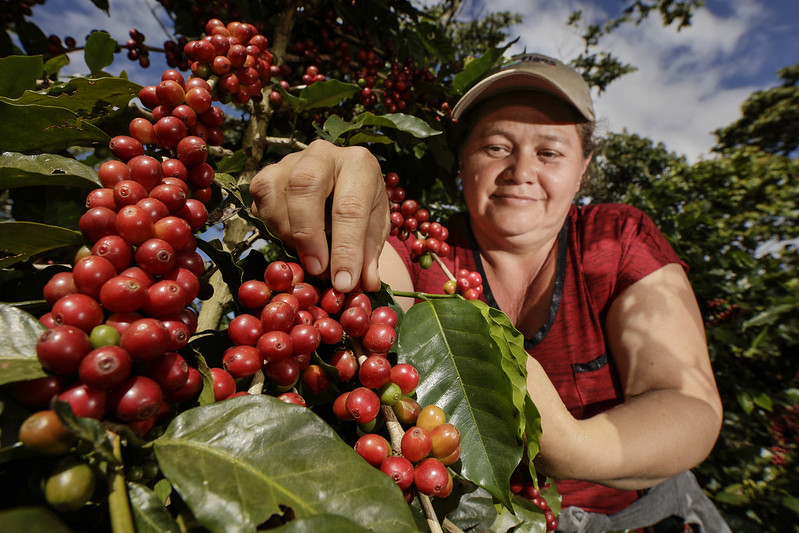
  • Coffee has fueled the Salvadoran economy and shaped its history for over a century. Coffee in El Salvador has traditionally provided more than 50% of the country’s export revenues.
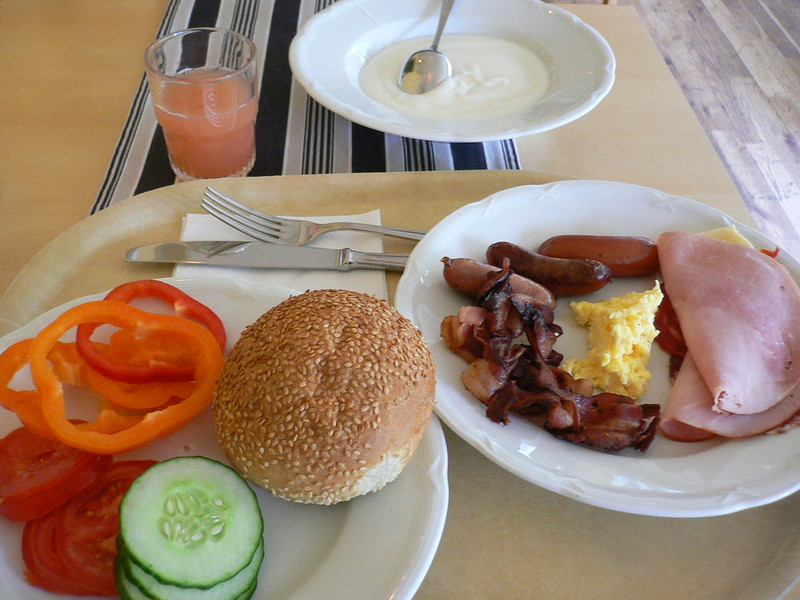
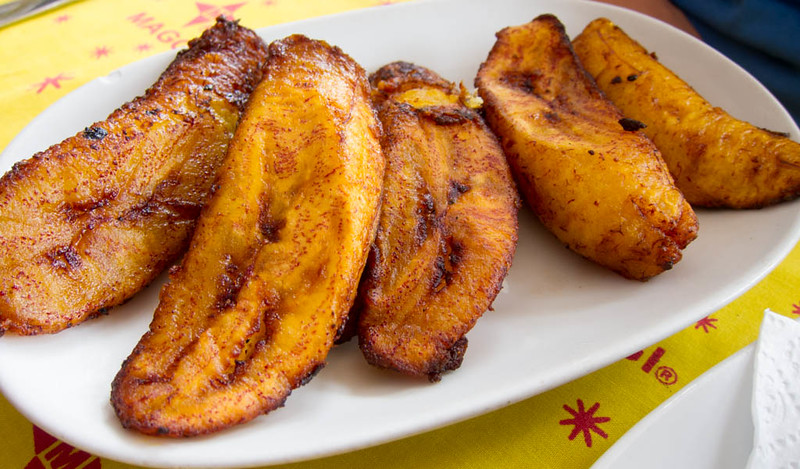
  • Breakfasts in El Salvador generally include a variety of food, such as eggs scrambled with vegetables (huevos picados), cheese, fried plantains (platanos fritos), mashed beans, and tortillas. Fresh tropical fruits like mango, pineapple, and banana are also a common accompaniment.
  • You can find more info on foods in El Salvador here!

Photos by: Maren Barbee {flickr}, Charles Haynes {flickr}

Around the World in 80 Days – Czech Republic

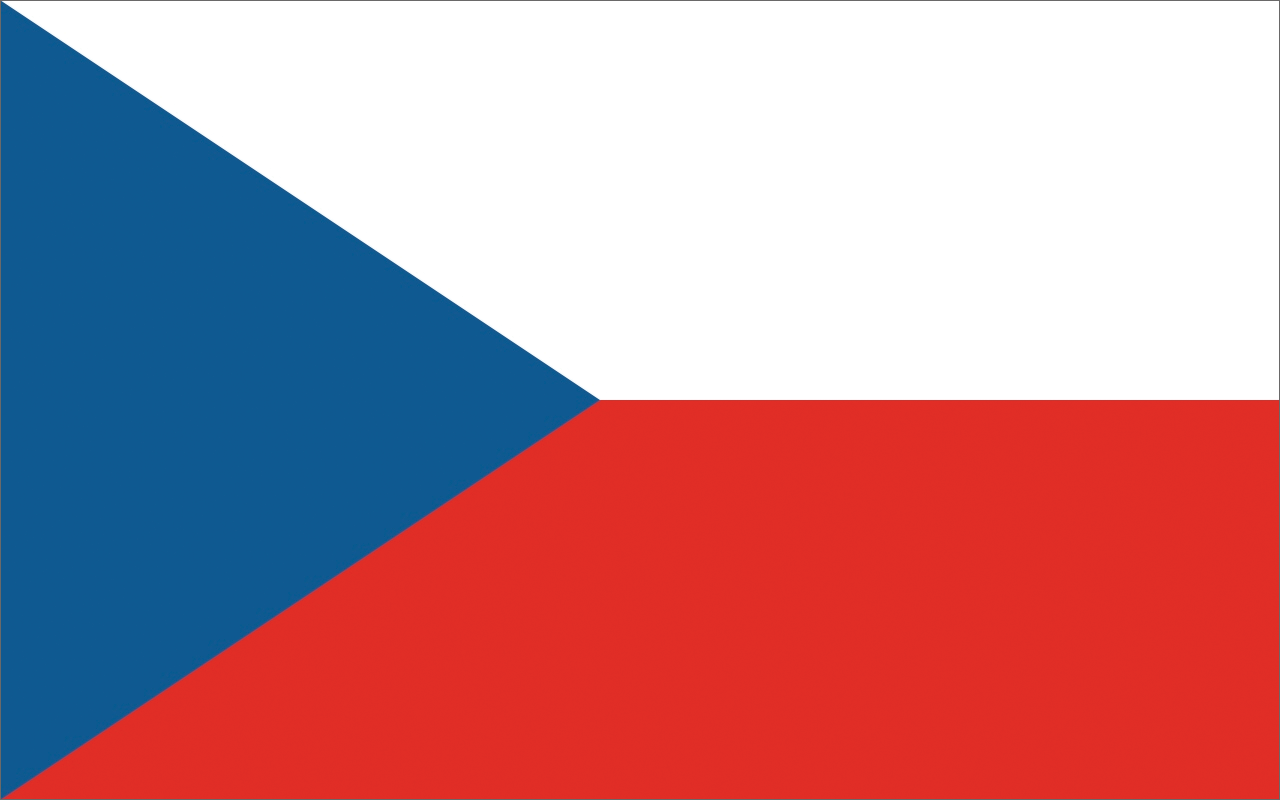
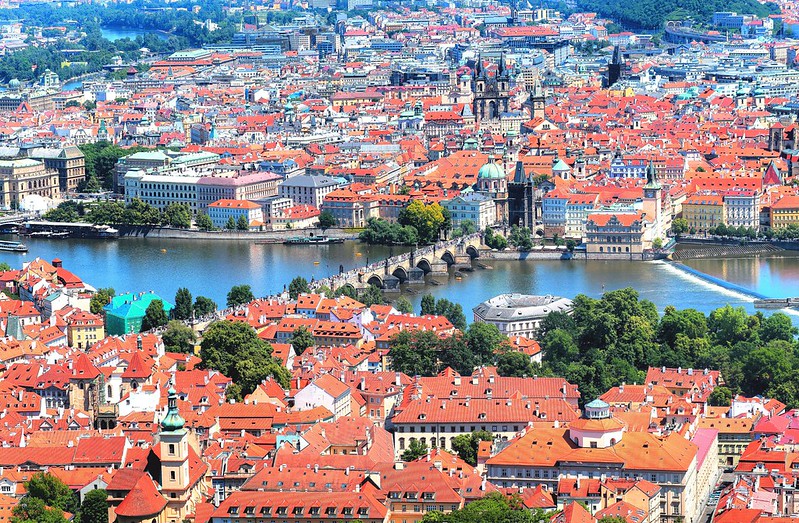
CZECH REPUBLIC

Central Europe
Capital: Prague
Languages: Czech
Predominant Religion(s): Majority non-religious

COMMON CHARACTERISTICS:

  • Czech people in general are happy with a good sense of humor. They are also ambitious!
  • Czechs have strong family ties.
  • Tradition and culture are very important values for Czechs.

FUN FACTS:

  • Czech Republic has a lot of famous people such as the hockey player Jaromir Jagr, the tennis players Martina Navratilova and Ivan Lendl!
  • Czech beer is said to be the best beer on the world.
  • The US population is 30x bigger than the population in Czech Republic.

USEFUL PHRASES:

  • How are you?             Jak se máš?
  • Fine, thanks.               Dobře, děkuji.
  • My name is…              Moje jméno je..
  • Nice to meet you!        Rád tě poznávám!
  • Thank you.                  Děkuji.

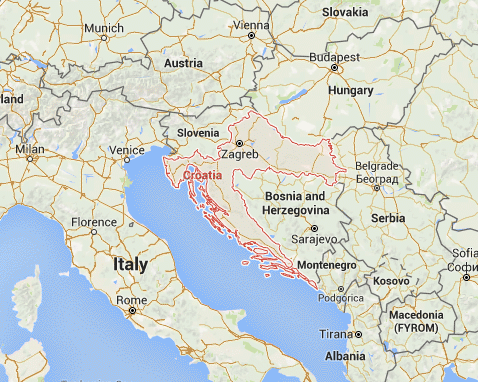
Around the World – Croatia

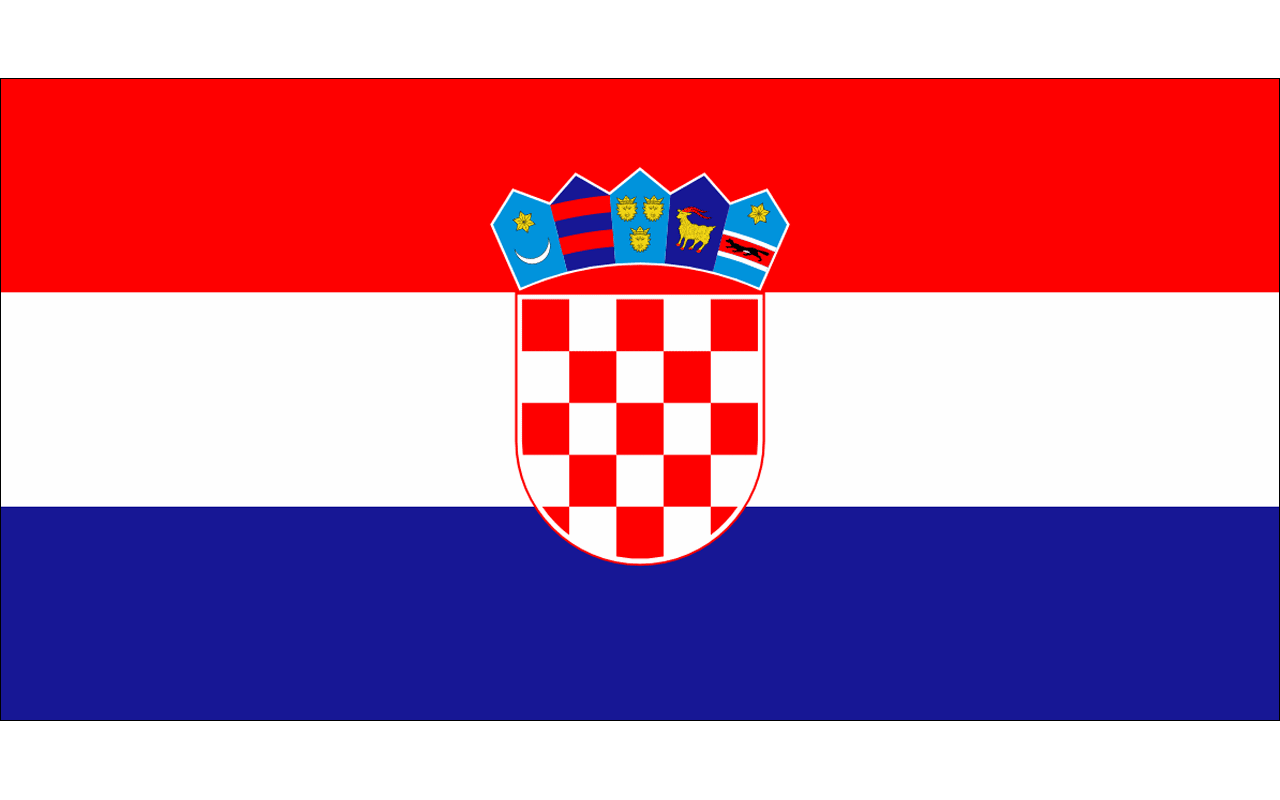
CROATIA 

Central/Southern Europe
Capital: Zagreb
Languages: Croatian
Predominant Religion(s): Christianity
(Roman Catholic)

COMMON CHARACTERISTICS:

  • Croatian people describe themselves as ambitious and resourceful.
  • Croatian have very strong ties to their family.
  • Croatians are very proud of their heritage and culture, and this sense of pride comes from their long and rich culture, as well as a legacy of foreign invasion and control.

FUN FACTS:

  • Croatia is home to the world’s smallest town: the town of Hum, a sleepy place with cobblestone streets…and that’s about it!
  • The Croatian currency is the Kuna, which is the Croatian word for the marten, a ferret-like rodent prized for its luxurious fur!
  • Croatia is home to the world’s most beautiful sunset…according to Alfred Hitchcock! To find out if you agree, you must visit the city of Zarar.

USEFUL PHRASES:

  • How are you?             Kako ste?
  • Fine, thanks.               Dobro, hvala.
  • My name is…              Zovem se or ime mi je…
  • Nice to meet you!        Drago mi je da smo se upoznali!
  • Thank you.                  Hvala.

“Being an au pair was a beautiful experience for me. Not that I only met new friends from all around the world but I gained a new family and therefore enriched my life.” – Pavica – au pair from Croatia

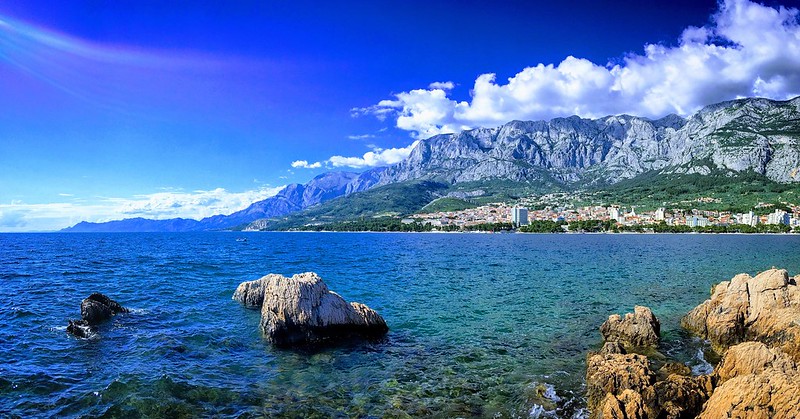
Photo by: Sergei Gussev {flickr}

Camp Au Pair – Bugs & Butterflies

Get ready to get buggy as we explore bugs and butterflies this week! Ready for some serious fun?

Activities

Check out the Au Pair in America Pinterest site for more great ideas!

Field Trips can be a great way for kids to learn and have new experiences. As always, have a conversation as a family about suitable activities and COVID precautions before venturing out. Here are a few places to go, that fit this theme:

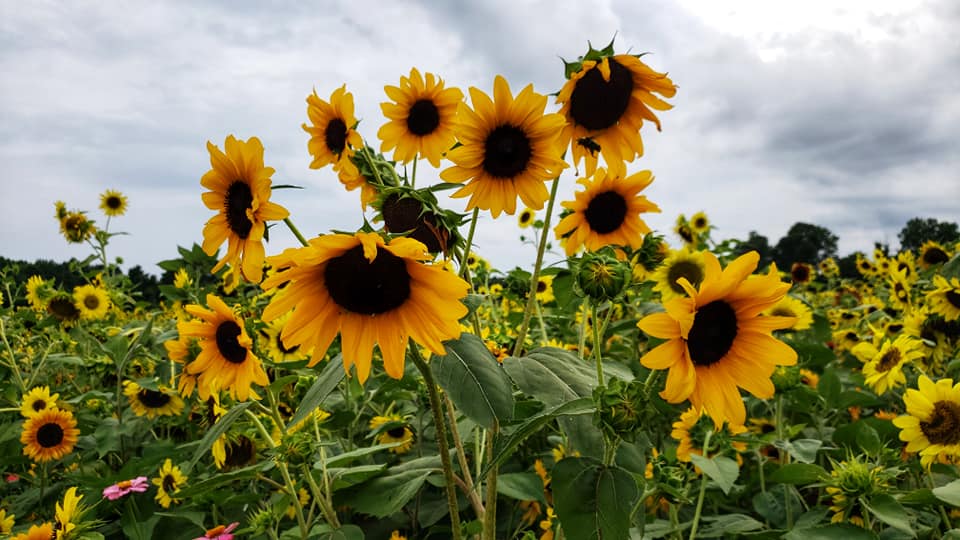
  • Goldpetal Farms sunflower maze. The flowers attracts bees and butterflies! *Admission*
  • Historic St. Mary’s City has a lovely variety of outdoor spaces were bugs, butterflies and critters abound! *Admission*
  • The Jefferson Patterson Park & Museum grounds offer a wide variety of outdoor habitats.
  • Battle Creek Cypress Swamp. The trails are open during operating hours. This is one of the northernmost stands of bald cypress trees in North America. A short boardwalk trail enables visitors to experience the majestic quality of the cypress trees and the tranquility of the swamp.

Videos – You can find many great videos of butterflies and insects on YouTube. Check out these videos for kids about bees and ants. All about Insects covers lots of tiny creatures who crawl and fly. Here is a video showing a Monarch Butterfly metamorphosis time-lapse.

Books:

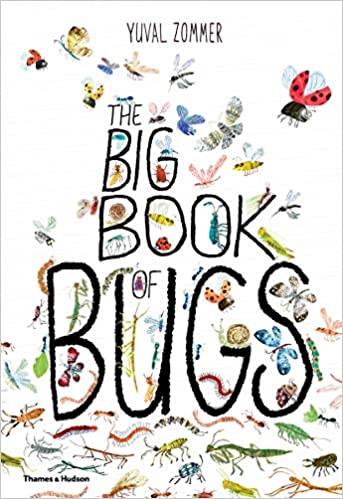
  • The Big Book of Bugs:
    A beautifully illustrated, informative book for children introducing them to bugs that creep, crawl, bite, fly, and moreFrom moths and beetles to worms and spiders, the world is crawling with fascinating bugs. The Big Book of Bugs is the first fact-filled book for children to explore the vast array of creepy-crawlies that share our Earth.
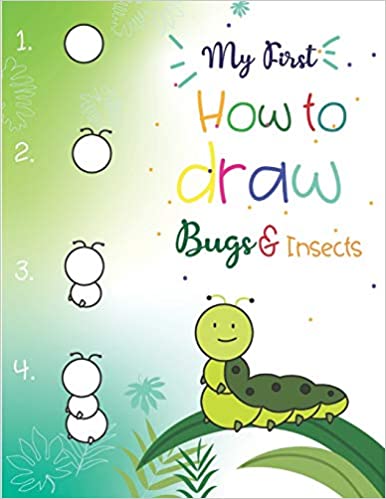
  • How to Draw Bugs & Insects:Young artists learn to draw by following 8 simple step illustrations. Perfect for children who are learning to draw.★ Simple step-by-step instructions★ Filled with cute ladybugs, bumble bees, butterflies and many more insects and bugs!★ Single sided printing to prevent bleed through

    ★ Extra pages to practice drawing all the animals

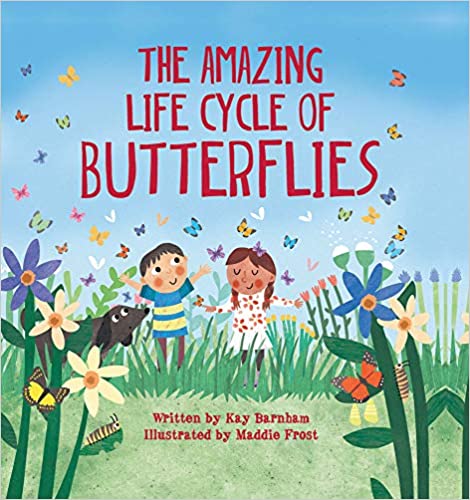
  • The Amazing Life Cycle of Butterflies: From moth to chrysalis to beautiful butterfly, learn  about a butterfly’s life. Children have lots of questions about the world around them, and this book helps them discover many amazing and wonderful scientific facts about butterflies.
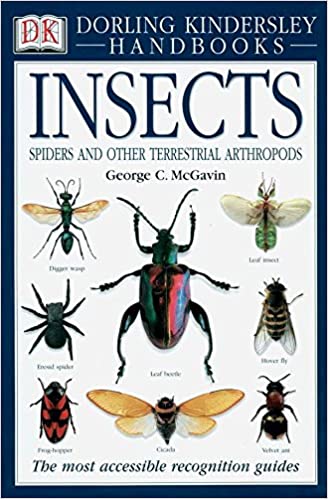
  • Insects, Spiders & Other Terrestrial Arthropods: Written by noted entomologist George C. McGavin, this comprehensive handbook covers all 29 orders of insect as well as spiders and terrestrial arthropods. It’s packed with hundreds of annotated photographs and illustrations to help you discern the many types of insects and gives you a brief description of each insect family with main characteristics, including life cycles, the environment in which they thrive, and a photographic guide to assist you in categorizing the insect group. It’s an indispensable handbook for beginners and enthusiasts alike.

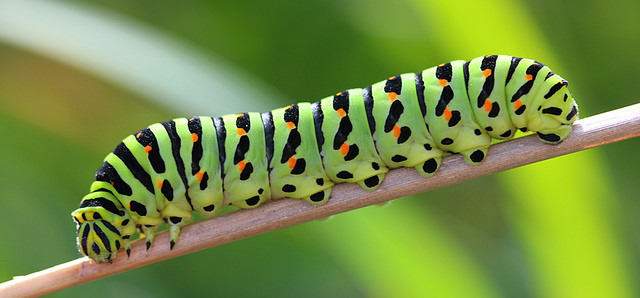
Photo: Nick Goodrum {flickr} & Cynthia Chan