Author Archives: Annie Stauffer

Around the World in 80 Days – Hunter’s Stew (Poland)

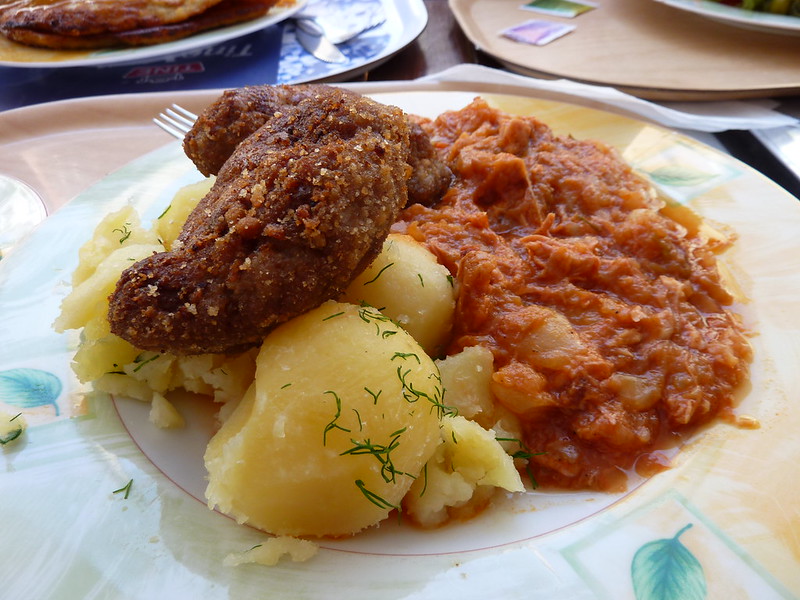
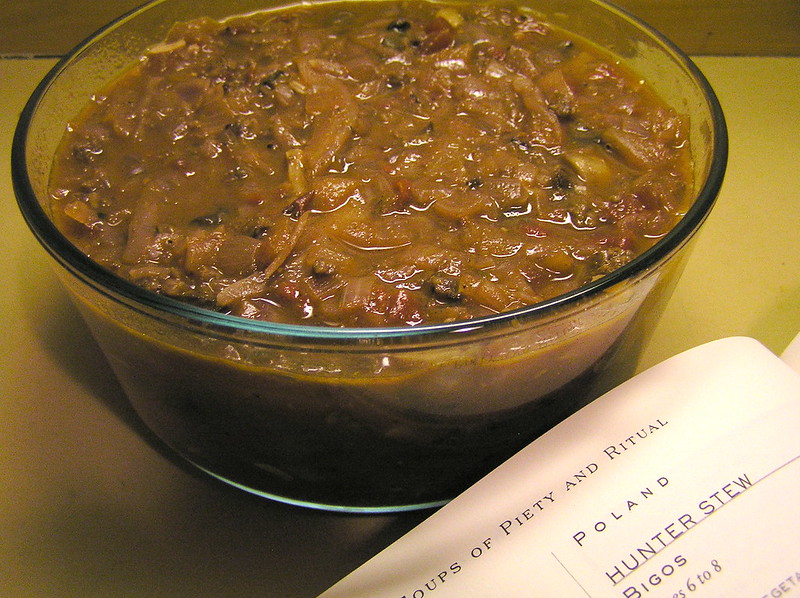
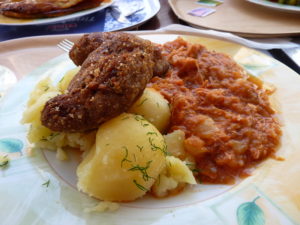
This is a recipe for Hunter’s Stew also called Bigos. It is a harmonious blend of flavors and is known as the Polish national dish.

Ingredients
  • 3lbs. sauerkraut
  • 2lbs green cabbage, chopped like sauerkraut
  • 2lbs. ham with bone, pork spareribs or pork rib roast
  • 2 tablespoons butter or margarine
  • 2 bay leaves
  • 1oz. dried mushrooms, chopped
  • 1lb. Polish smoked sausage, cut into 1/2-inch cubes
  • 20 black peppercorns
  • 1lb. Polish white sausage with garlic, cubed
  • 10 allspice berries
  • 1 lb. bacon, cut up
  • 1/2 teaspoon salt
  • 11 cups beef broth, bouillon or water

Instructions

  1. Rinse sauerkraut with cold water, drain well.
  2. In a large stockpot, combine sauerkraut, ham or pork, bay leaves, mushrooms, peppercorns, allspice and salt.
  3. Add 6 cups broth, bouillon or water. Cook uncovered, 15 min. over medium heat.
  4. Cover and simmer over low heat 45 minutes. Remove meat. Let meat cool.
  5. Place cabbage in a large saucepan. Add remaining 5 cups broth, bouillon or water. Bring to boil.
  6. Cook, uncovered, over medium heat, 1 hour or until cabbage is tender. Add to sauerkraut mixture.
  7. Bone cooked meat; Cut the meat into 1/2-inch cubes.
  8. Melt butter or margarine in a large skillet. Add cooked meat, smoked sausage and white sausage. Saute over medium heat 10 min or until browned. Add to sauerkraut mixture.
  9. In same skillet, saute` bacon over medium heat until crisp. Drain bacon on paper towels. Add to sauerkraut mixture. Cover; cook over low heat 1 hour or longer.
  10. Remove and discard bay leaves. Serve hot. Makes 12 to 14 servings.

USE ONLY MEAT WITH LARGE BONES, SO BONES CAN BE REMOVED EASILY. THE SECRET OF OLD-TIME BIGOS IS THAT IT IS BETTER AS IT’S REHEATED ON SUCCESSIVE DAYS, PEAKING AT THE 6TH OR 7TH DAY. IN BETWEEN, STORE COVERED IN THE REFRIGERATOR.

Contributed by Magdalena Popek, au pair in Illinois 2004

Photos by: Laurel F {flickr}; Eugene Kim {flickr}

Around the World – Czech Republic

  1. The Czech Republic has more Internet Service Providers than any other non-English speaking country.
  2. Half of all men in the Czech Republic work in a factory. What products do you think they make in the Czech Republic?
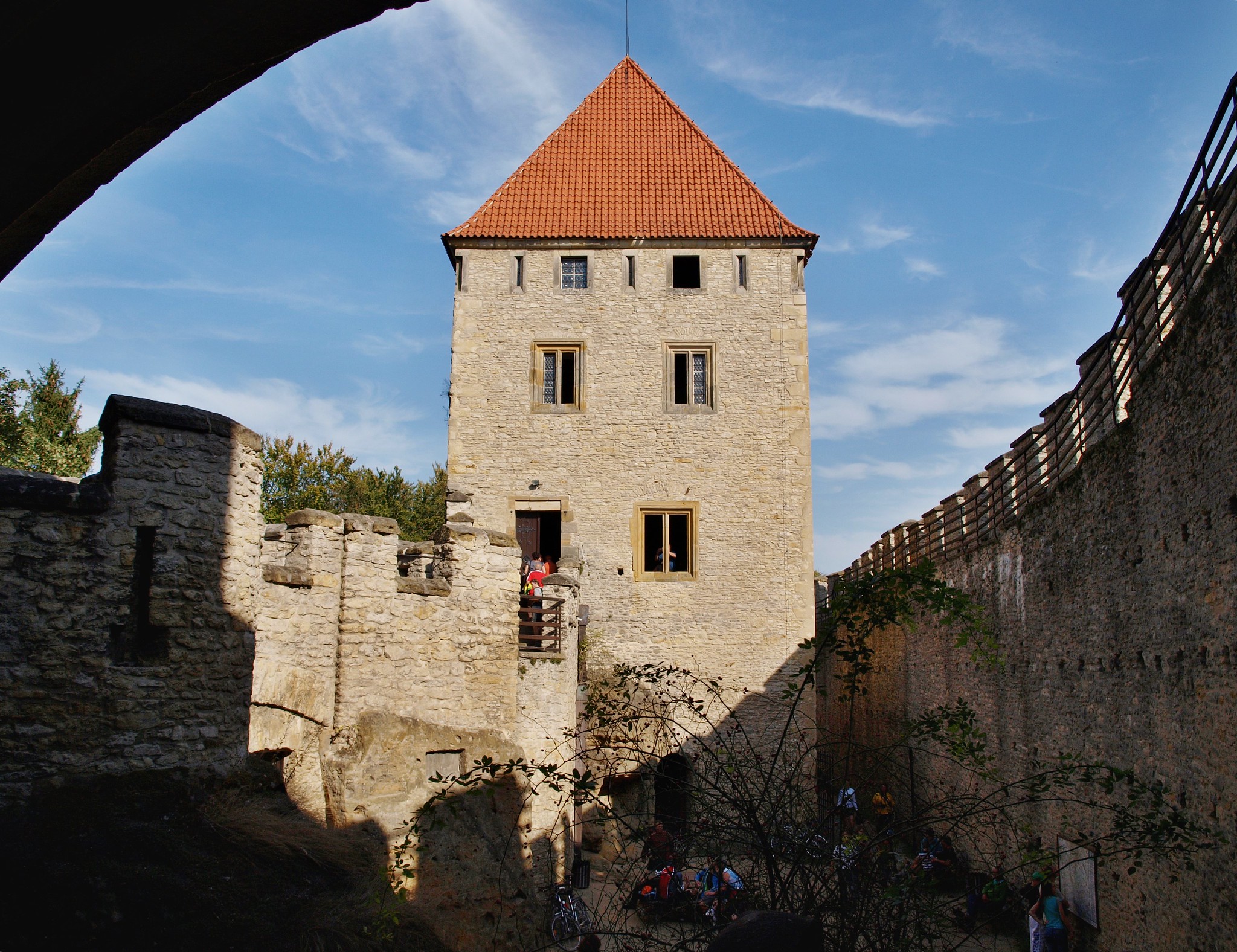
  3. It has the most castles in Europe. There are over 2000 castles and chateaux in the Czech Republic, more than in any other country in Europe.
  4. Prague’s Old Town is home to the third oldest astronomical clock in the world. Every hour, it’s mechanical processional of apostles delights tourists.
  5. It’s most popular sport is ice hockey.
  6. Soft contact lenses were invented by a Czech chemist, Otto Wichterle in 1959.

Photos by: Chiara Marra {flickr}, Govisity.com {flickr}

Around the World in 80 Days – Germany

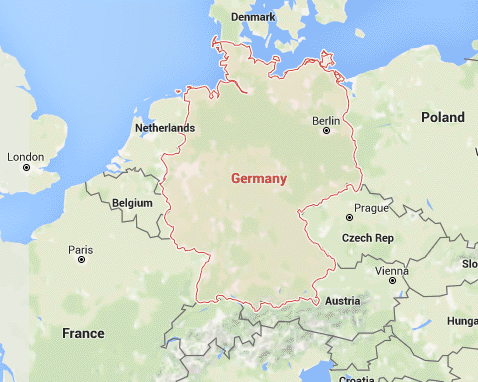
GERMANY

Western Europe
Capital: Berlin
Languages: German
Predominant Religion(s): Christianity
(Roman Catholic/Protestant)

COMMON CHARACTERISTICS:

  • Germans are often seen as open-minded, ambitious, polite, responsible and reliable.
  • Germans are interested in world affairs and/or cultural exchange.

FUN FACTS:

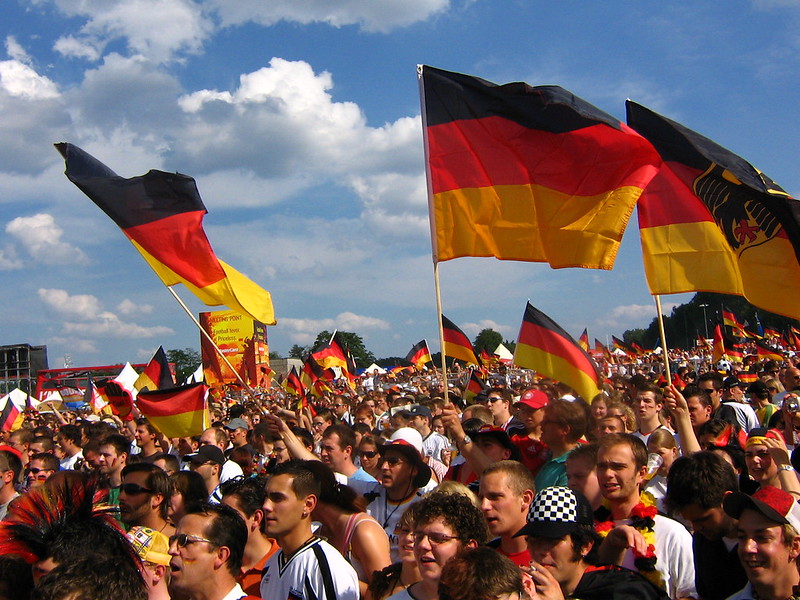
  • Germans generally have a strong passion for soccer and are very proud of being the World Champions in 2014!
  • Even though the country is not that large (357,168.94 square km), you will find many different accents and dialects by traveling from north to south, and from east to west.
  • One of the best known quotes that shows the closeness of the United States and Germany is the one by John F. Kennedy: “Ich bin ein Berliner” (1963), with which he expressed U.S. support in the reconstruction of Germany.

 USEFUL PHRASES:

  • How are you?:    Wie gehts dir?
  • Fine, thanks.:     Gut, danke!
  • My name is…:     Ich heiße…
  • Nice to meet you.:    Schön, dich kennen zu lernen!
  • Thank you:      Danke!

Photo by: Stewart {flickr}

Camp Au Pair – Under the Sea

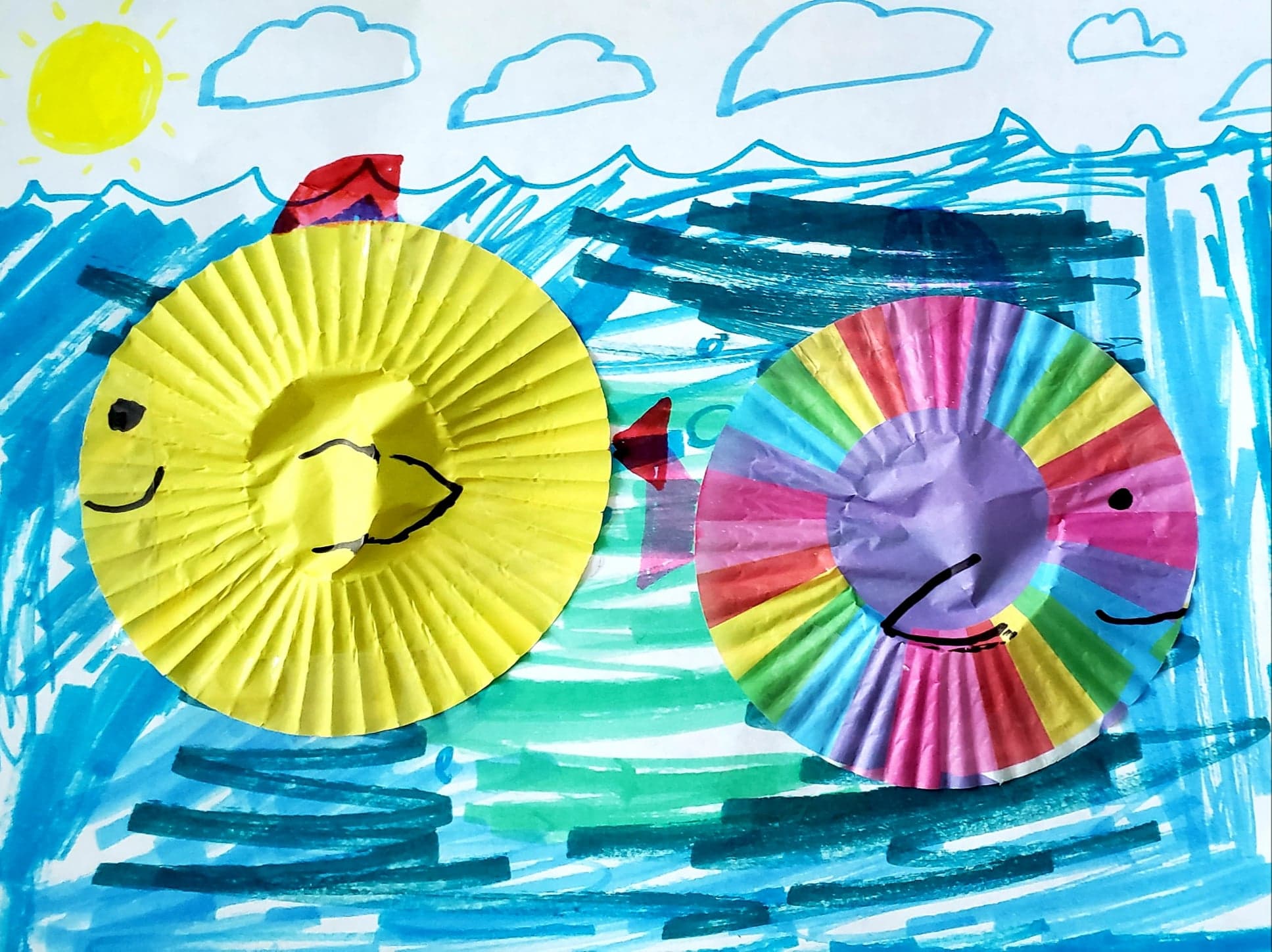
Now for some under the sea fun!! Most of these activities are easily created using items likely already around the house, but you may need to plan ahead a bit to have supplies on hand! Check with your host family about getting supplies to use!


Play with your food:

Field Trips & Virtual Field Trips –

**As always, please confer as a family before deciding upon activities. Follow all federal, state and local guidelines pertaining to COVID 19 and check to make sure you are able to visit locations as some are restricted to county residency or require pre-purchased, timed entry passes.**


  • Calvert Marine Museum: At the Calvert Marine Museum pre-history, natural history, and maritime heritage come together to tell a unique story of the Chesapeake Bay. This is a family-friendly museum that offers live animals, fossils, interactive exhibits, daily activities, and a furnished cottage-style lighthouse – something for every age.
  • Calvert Marine Museum Paleo Prep Lab: Visit Kevin in the CMM Paleo Prep Lab to learn about unique fossils in the museum’s collection!
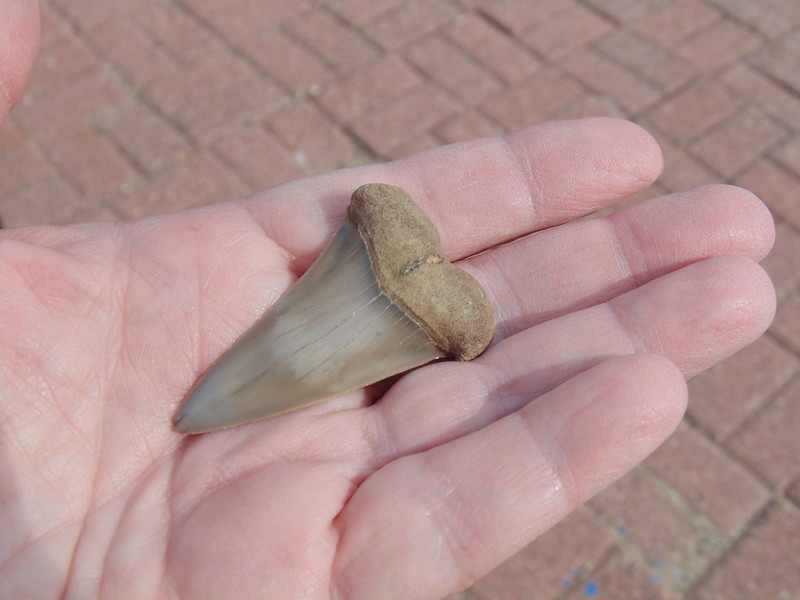
  • Calvert Marine Museum Paleo Prep Lab Megalodon Shark Teeth: Join CMM Exhibits Interpreter Kevin in the museum’s Paleo Prep Lab, as he shares a few fossilized meg teeth and talks about why these massive sharks may have journeyed into the Chesapeake Bay.
  • Calvert Marine Museum Otter Cam: Otter indoor cam.
  • Calvert Marine Museum Otter Cam: Otter outdoor cam.
  • Calvert Marine Museum River Otters: Located outside at the head of the Marsh Walk, the River Otter habitat is sure to please. Watch how otters frolic and engage in playing with their favorite enrichment item. You may find one diving into the 8,000 gallon freshwater pool or taking an afternoon nap beneath a favorite hollowed out log. River otters are well suited for life in and around the Chesapeake Bay and its tributaries, though often go unnoticed. In the wild, they tend to be more active during the dusk and dawn hours, their dark fur blending seamlessly into the background. During the day, river otters are often sleeping in their den or mud-bank cave. Healthy otters will generally avoid humans. In nature, otters are atop the food web with few predators. They will eat most anything including fish, insects, birds, reptiles, amphibians, crustaceans and even other mammals. “Squeak” does not have to bother with hunting as all of his food is provided for him. Fish, shrimp, hard-boiled eggs, carrots and various fruits round out their main diet.

Webcams – You can visit aquariums and such around the globe to observe sea creatures. The Monterey Bay has a wonderful collection of options to explore!

Videos –  Movies like Finding Nemo, Dolphin Tale, Moana and the Little Mermaid go well with this theme.

Books – Check your local library or book stores for books on sea creatures and the ocean!

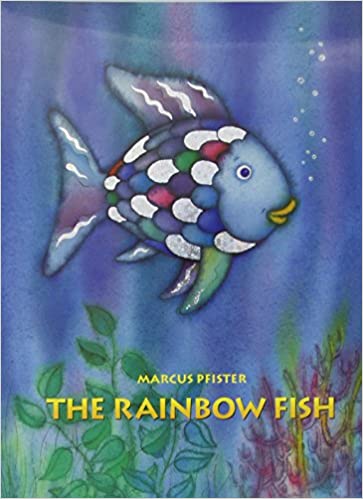
  • The Rainbow Fish is a classic children’s book, your host kids may already own.
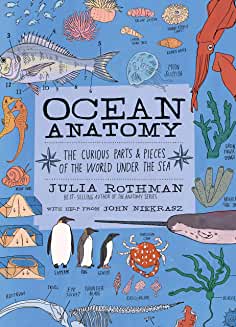
  • Ocean Anatomy – Julia Rothman’s best-selling illustrated Anatomy series takes a deep dive into the wonders of the sea with Ocean Anatomy. Follow Rothman’s inquisitive mind and perceptive eye along shorelines, across the open ocean, and below the waves for an artistic exploration of the watery universe. Through her drawings, discover how the world’s oceans formed, why the sea is salty, and the forces behind oceanic phenomena such as rogue waves. Colorful anatomical profiles of sea creatures from crustacean to cetacean, surveys of seafaring vessels and lighthouses, and the impact of plastic and warming water temperatures are just part of this compendium of curiosities that will entertain and educate readers of all ages.


Photos by: Cynthia Chan; marneejill {flickr}; Michael Ravodin {flickr}

Around the World in 80 Days – Cooking Chinese at Home

Is Chinese your favorite take out food? Why not try cooking up a feast at home instead or getting take out! Kidspot Kitchen has some wonderful recipes to try!

Fried rice is an easy dinner to whip up on a weeknight. Using ingredients you can find in your  pantry, you can make this a little more fancy by adding ingredients such as prawns or chicken. This simple fried rice is really nice hot or cold – and good for lunches too. Pro tip – use day old cooked rice! It really makes a difference!


Try making lightly fried spring rolls. These healthy spring rolls are packed full of lean beef and  veggies and are lightly pan-fried, not deep fried, less guilt! Spring roll wrappers are typically found in the produce section.

Photo by: Jules {flickr}, Choo Yut Shing {flickr}

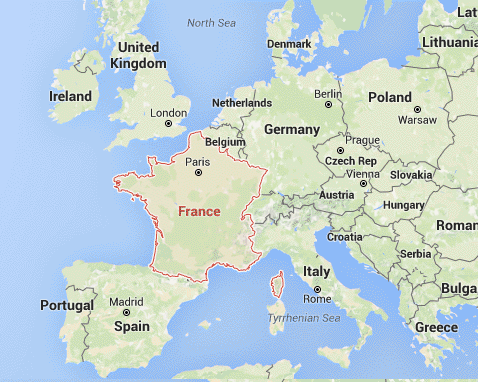
Around the World in 80 Days – France

FRANCE

Western Europe
Capital: Paris
Language(s): French
Predominant Religion(s): Christianity
(Roman Catholic)

COMMON CHARACTERISTICS:

  • Applicants from France are motivated by the opportunity to enhance their career and improve their English.
  • The French are known for being friendly, polite, proud and healthy.
  • The French love their language and culture and are very proud of their heritage.

FUN FACTS:

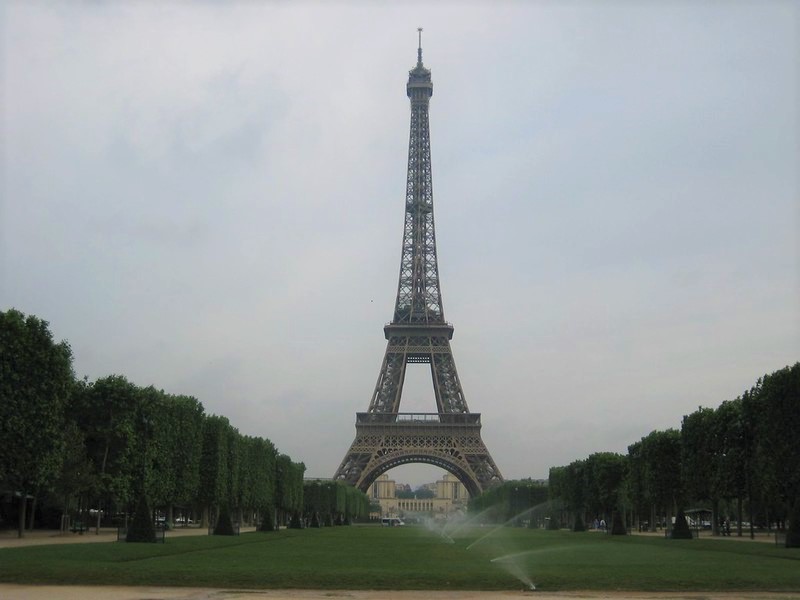
  • France is the most visited country in the world with approximately 75 million tourists each year.
  • France produces over 400 types of cheese.
  • In France, it’s illegal to name a pig “Napoleon”.


USEFUL PHRASES:

  • How are you?       Ça va?
  • Fine, thanks:        Oui, ça va, merci.
  • My name is…:        Je m’appelle….
  • Nice to meet you:        Enchanté/é
  • Thank you:        Merci

Photo by: Greg Walters {flickr}

Around the World in 80 Days – Jansson’s Temptation

The Temptation of Jansson

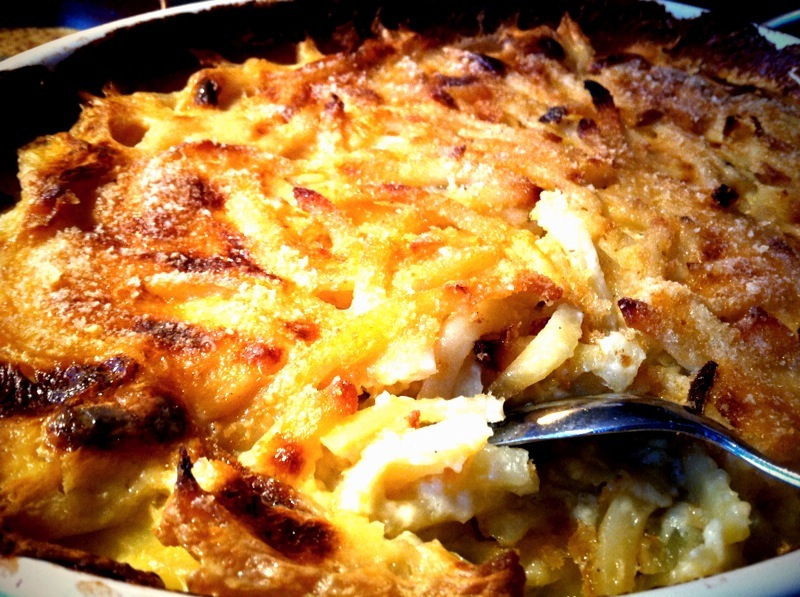
Jansson’s Temptation is a creamy potato and anchovy casserole − is said to have been named after Pelle Janzon, a food-loving Swedish opera singer of the early 1900s. It is often served at Christmas, but is enjoyed year round!

Ingredients

  • 14-16 fillets of anchovies
  • 2 large onions
  • 6-8 potatoes
  • 2-3 dl cream
  • liquid from the anchovies
  • 2 tablespoons of butter or margarine

Instructions

  1. Peel the onions and cut it in thin slices. Peel the potatoes and cut or grate them in thin shreds.
  2. Put half of the potatoes in an ovenproof dish. Spread the anchovies and the onions over the potatoes and then put on the rest of the potatoes. Add half of the cream and some liquid from the anchovies.
  3. Put the butter on in dabs.
  4. Bake in 225 degrees C (450-475 degrees F) until the potatoes are golden brown (45-60 minutes). Thin down with the rest of the cream. Keep baking until the potatoes are soft.

This is a traditional Swedish dish that I love.
It’s eaten mostly during Christmas. “Jansson” is a Swedish surname, but I’m not sure who it’s called after…

Submitted by Linnea , Massachusetts 2004

You can learn more about this intriguing Swedish dish, often served at Christmas, by visiting here!

Photo by: erik forsberg {flickr}

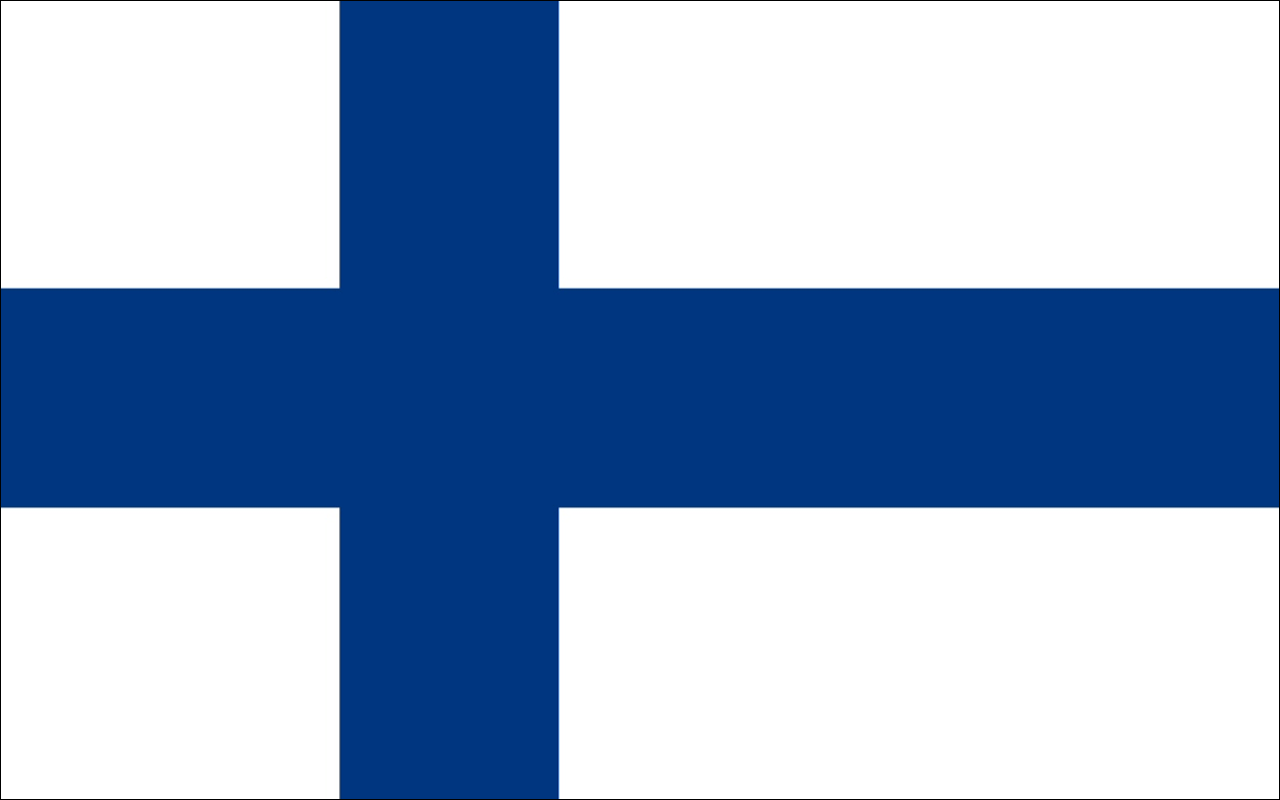
Around the World in 80 Days – Finland

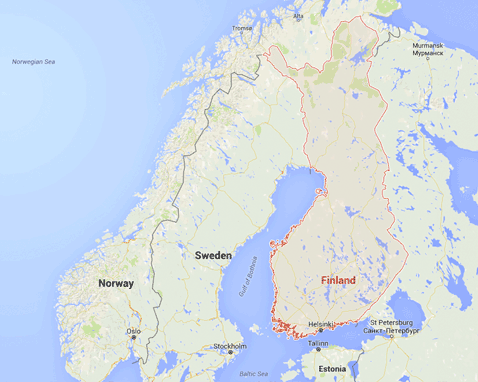
FINLAND

Northern Europe
Capital: Helsinki
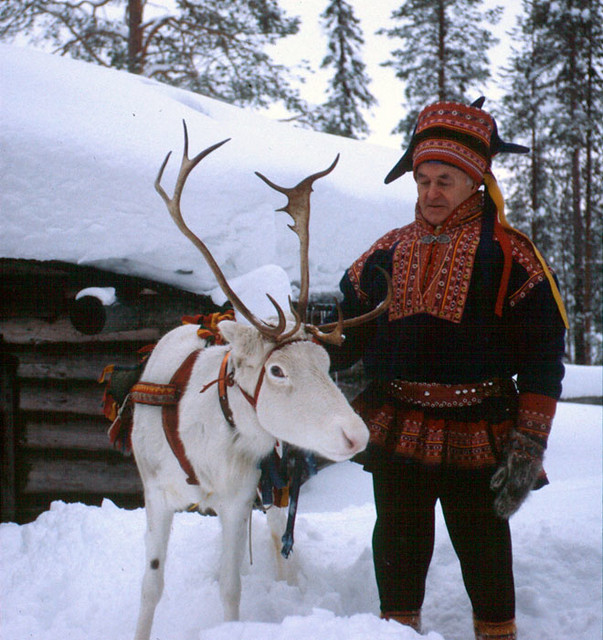
Language(s): Finnish, Swedish, Sami (regional)
Predominant Religion(s): Christianity (predominantly Lutheran)

Family

  • A typical Finnish family is a nuclear family where both parents are equal.
  • It is common for both parents to work and be away from home during the day – municipal day care centers allow mothers to work full time.
  • Young people in Finland have a lot of freedom from their family to socialize and date.

Education

  • In Finland children start school at age 7 and follow 9 years of basic education. At 16 they may choose to continue their secondary education in either an academic track or a vocational track. The academic year starts in September and ends in May.
  • Education in Finland is free with no tuition fees and with fully subsidized meals served to full-time students until secondary school.
  • Tertiary education is divided into university and polytechnic. Universities and polytechnics have entrance exams and not all applicants are accepted.

COMMON CHARACTERISTICS:

  • Finns describe themselves as honest, hardworking, reliable and independent but also shy and quiet when first meeting people.
  • Finns love sports. Many Finnish children play football, ice-hockey or floorball after school.
  • Nature is really important to Finnish people. Nature is the place where Finns go to spend time with their friends and families and just to enjoy the views and the silence.

FUN FACTS:

  • It is a normal to have a sauna in your house, even in apartments. There are about 2.2 million saunas in Finland, 1 for every 2.5 people.
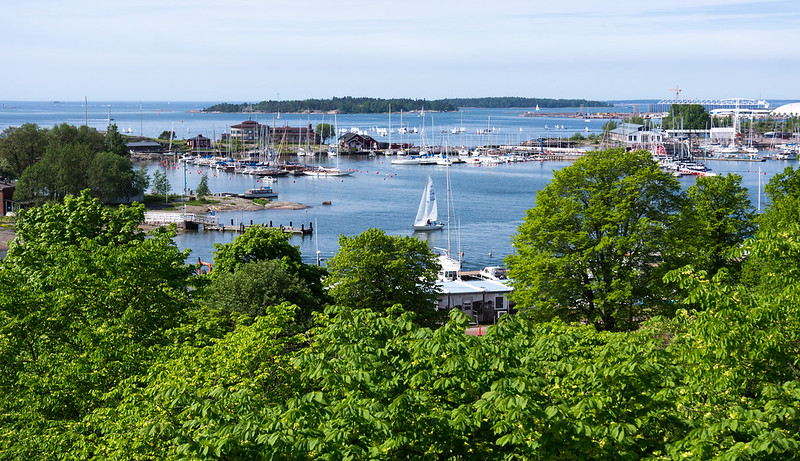
  • Finland is a country with thousands of lakes (about 188,000 lakes).
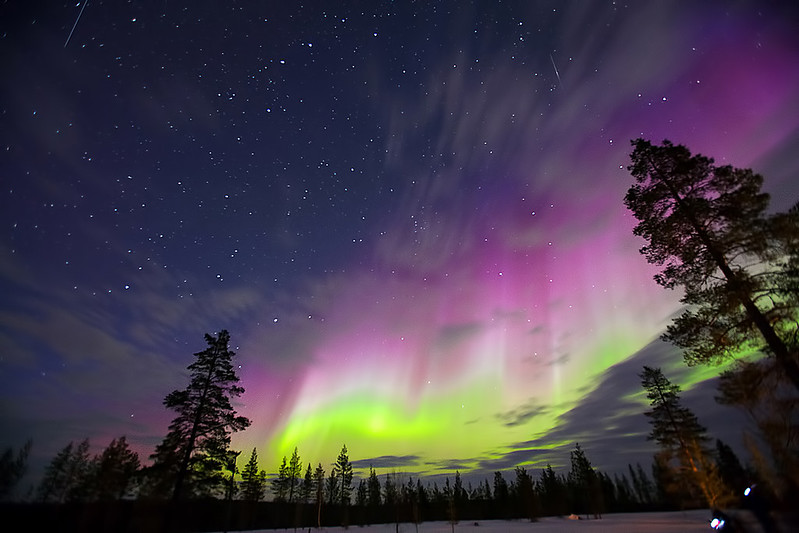
  • In the summer there are days when the sun never sets and Finland is known as “the land of the midnight sun.”

USEFUL PHRASES:

  • How are you?       Mitä kuuluu?
  • Fine, thanks.       Hyvää, kiitos.
  • My name is…    Minun nimeni on…
  • Nice to meet you.       Mukava tavata.
  • Thank you.       Kiitos.

Photos by: Michael Ranzau {flickr}, Dave Grubb {flickr}, Greenland Travel {flickr}

Around the World in 80 Days – Aboriginal Art

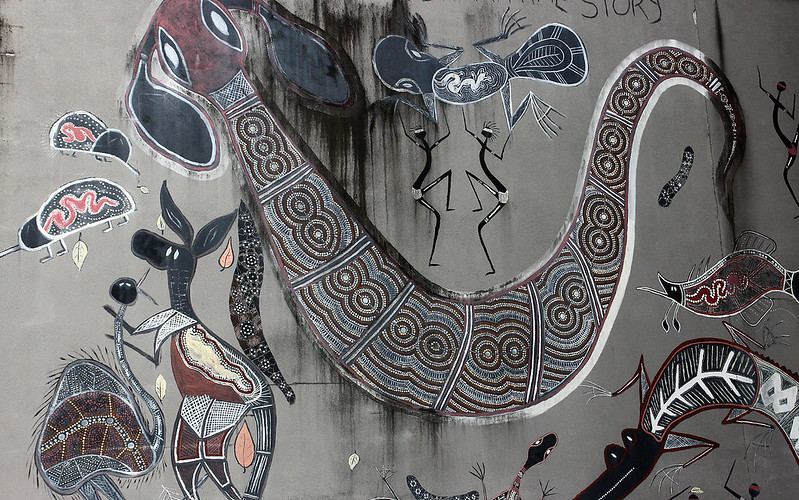
X-Ray Style Australian Aboriginal Art

The X-Ray style of Australian Aboriginal art is a distinctive style that was developed thousands of years ago in Australia. Cave paintings of this type have been found in Arnhem Rock, in northern Australia (east of Darwin). These paintings seem to depict the outline of the animal plus diagrams of the bones and some internal organs. You can view all of the instructions, and see samples, here.

Photo by: Scott1346 {flickr}

Around the World in 80 Days

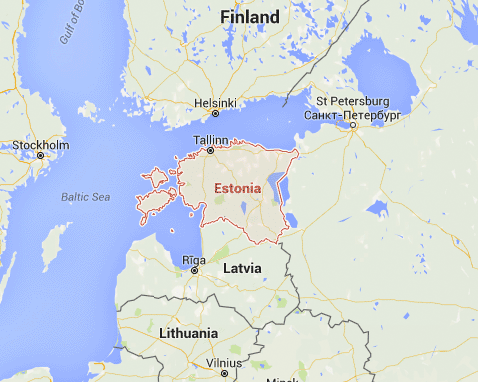
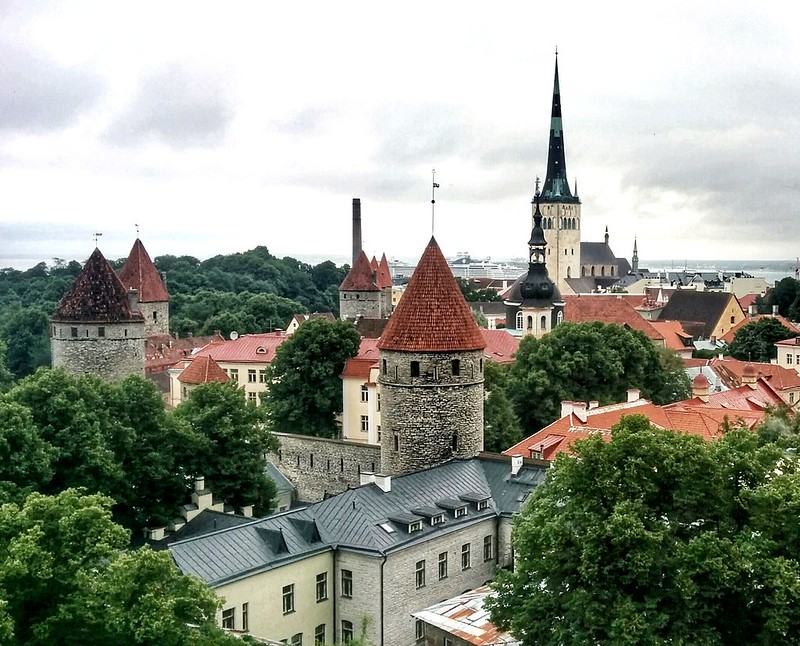
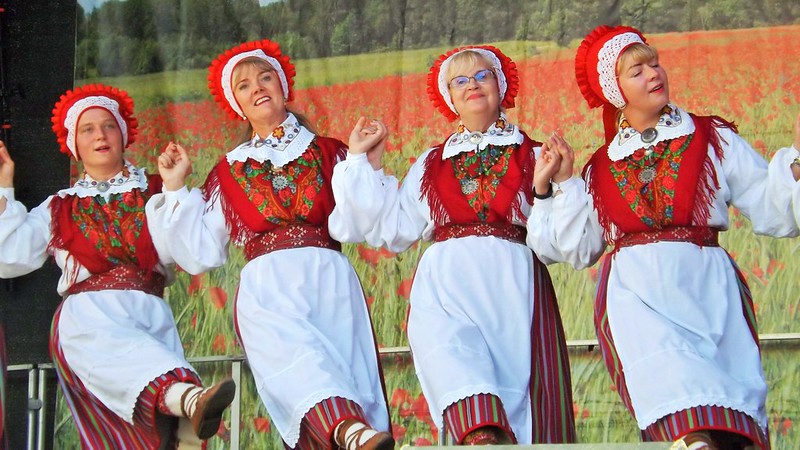
ESTONIA

Eastern Europe
Capital: Tallinn
Languages: Estonian (official), Russian (regional)
Predominant Religion(s): Christianity

COMMON CHARACTERISTICS:

  • Independent, mature, dependable, trustworthy.
  • Estonians are very attentive, and they are good at communicating.
  • Patriotic (after decades of Russian occupation, they are proud to be Estonian!)

FUN FACTS:

  • Estonians love technology and are very knowledgeable when it comes to technology. Wireless Internet is available almost everywhere and Skype was invented in Estonia.
  • Estonia is one of the Baltic countries together with Latvia and Lithuania. However, the Estonian language is not related to Latvian and Lithuanian but it is actually more related to Finnish.
  • Estonia only has an area of 45,227 sq km. Texas is more than 15 times larger.

Education

  • Compulsory education finishes at 9th grade (age 15/16) and students can continue with high school, go on to a technical college, take up an apprenticeship or seek employment. High school finishes at 12th grade (age 18/19) and students can then go on to study at university.
  • Parents put a lot of focus on their children’s education from a young age and parents like their children to have varied hobbies and interests.
  • The option of being an au pair is now common in Estonia. They like the idea of discovering new cultures and improving their English skills. Work & travel programs, volunteering and traveling abroad are also common options for a gap year.

USEFUL PHRASES:

  • How are you?       Kuidas läheb?
  • Fine, thanks.       Suurepäraselt, tänan.
  • My name is…       Minu nimi on…
  • Nice to meet you!       Meeldib sinuga tutvuda!
  • Thank you.       Tänan.

Photos by: Dennis Sylvester Hurd {flickr}, Young Shanahan {flickr}