Tag Archives: Au Pair

Three Pairs of Sisters in Victoria’s Happy Cluster

The best thing about having a sister was that I always had a friend.

– Cali Rae Turner

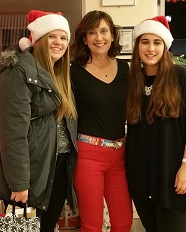
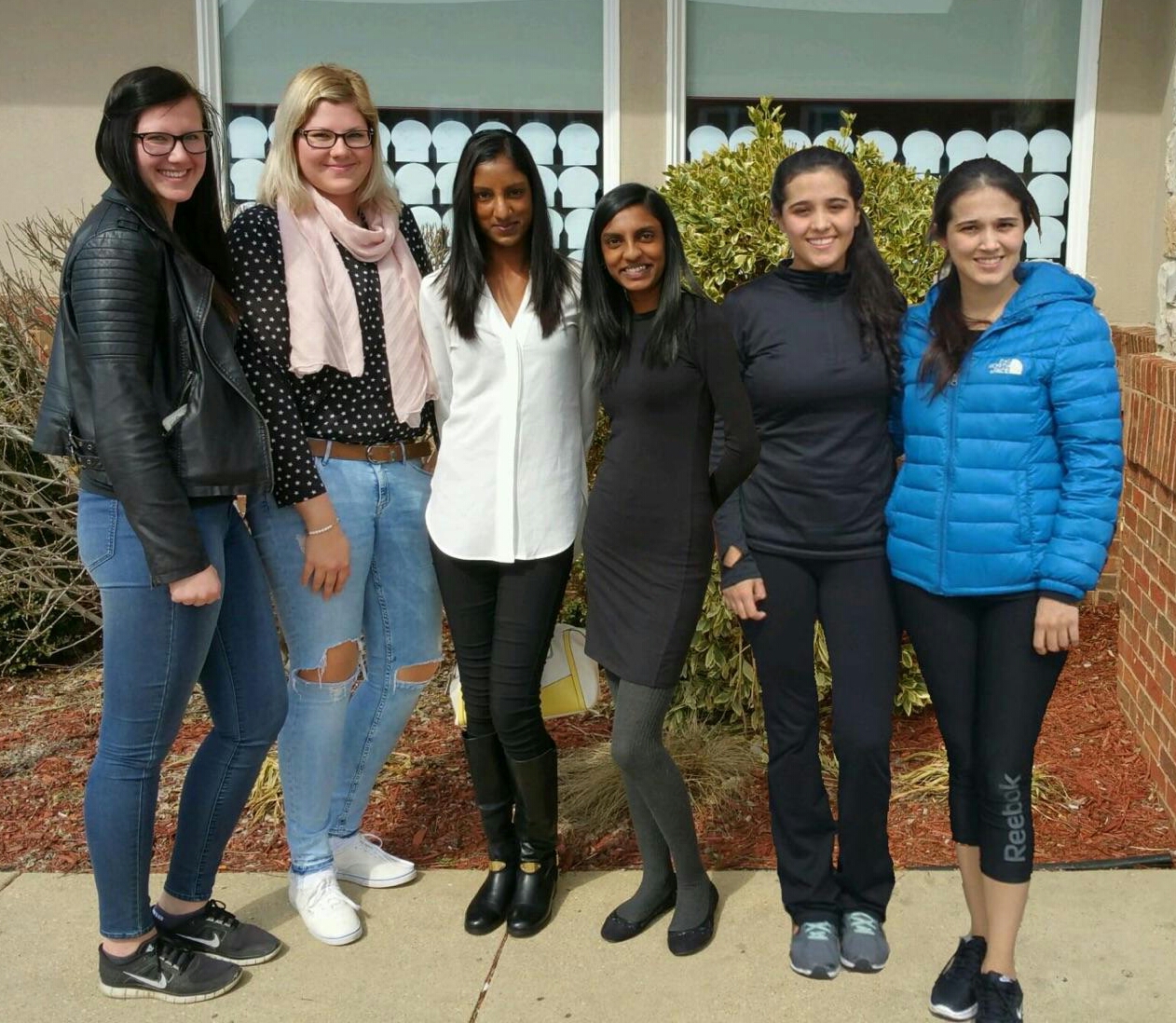
This quote could not be more true for 6 young women in my cluster – each is one of a pair of sisters who are currently Au Pairs in my cluster!Sisters x 3Being far from home is certainly helped by having a friend, a sister, nearby – not just in the USA at the same time, but in our cluster (about 20 minutes end to end)!

I recently invited all of my sister pairs to come together for a photo to celebrate this wonderful, and historic, Au Pair year. They had never met each other, so it was fun for them to become friends.

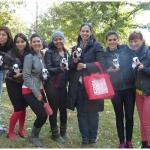
Pictured above are:

Diana and Nicky Glorius from Germany – They arrived to their host families on the exact same day!

Shantal and Seshnie Chetty from South Africa – Their 3rd sister wants to join the program soon!

Lorena and Laura Lopez from Colombia  – They work for the same host family!


Au Pairs Who Attended AAA WINTER DRIVING Class Are Ready for Blizzard of 2016

Au Pairs in Montgomery County attended a class presented by AAA MidAtlantic on Winter Driving last year. Now we ask Au Pairs to review the AAA materials before the snow hits this weekend.
AgfaPhoto

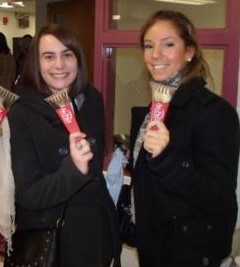
French Au Pairs holding APIA snow scrapers to keep in their purses.

“What great timing! I sent each of my Host Families and Au Pairs an Au Pair in America Ice Scraper to keep in car or purse – last week!!  No idea they would come in handy so soon,” said Victoria Paton, Au Pair in America Senior Community Counselor for the past 16 years in Potomac, Bethesda, Cabin John and Glen Echo.


Here is what AAA advises as we face 1-2 feet of snow:

BALTIMORE —With a blizzard watch in effect, AAA Mid-Atlantic is offering a checklist tips to ensure your vehicle is prepared for the snow.

AAA officials are urging motorists to stay off the roads until the storm has passed and the roads are plowed.

“If you have to be out, drive with caution and give road crews plenty of room to do their job safely,” says Ragina Cooper Averella, manager of public and government affairs for AAA Mid-Atlantic in a statement. “For everyone’s safety on the roads, drivers should allow plenty of extra time to properly clean off their vehicle before getting behind the wheel.”

AAA recommends motorists have an emergency kit prepared before you need it. This should include deicer, shovel, ice scraper, sand or kitty litter (for traction).

In addition, AAA offered these tips:

– Pack a blanket, extra gloves and hat, heavy coat

– Pack snacks, beverages, etc. and have them packed by the door to take in the morning (so they don’t freeze in the car overnight)

– Charge your cellphone and have a backup power source for the car in case you’re stuck for a while

– Make sure your windshield wipers and lights (headlights, taillights, turn signals) are working properly – make sure you can see and can be seen

– Keep a full tank of gas

AAA also offered the following tips for proper driving techniques in a winter storm:

– Wait for the roads to be plowed and treated before venturing out – road surface condition is the single most important safety factor during a winter weather event

– Thoroughly clean off your car and remove all snow and ice before driving anywhere.

– Warm the car up outside of the garage

– Drive slowly

– Increase following distances

– Accelerate and brake slowly as it takes longer to slow down on snowy, icy roads.

– Do not use cruise control and avoid tailgating – normal following distances of three to four seconds for dry pavement should be increased to eight to 10 seconds when driving on icy, slippery surfaces.

Regardless of whether the vehicle has front-, rear- or four-wheel drive, the best way to regain control if the front wheels skid is:

– Take your foot of the brake or accelerator and steer in the direction you want the front of the vehicle to go.

– Avoid slamming on the brakes. Although hitting the brakes is a typical response, slamming the brakes will only further upset the vehicle’s balance and make it harder to regain control.

– Wait for the front wheels to grip the road again. As soon as traction returns, the vehicle will start to steer again.

– When the front wheels have regained their grip, steer the wheels gently in the desired direction of travel and begin to accelerate slowly.

– Use the “plant and steer” method with antilock brake systems. Do not remove your foot from the brake or pump the pedal. If you apply pressure and the wheels lock momentarily, you might feel the brake pedal pulse back against your foot. This is normal. Just hold the brake pedal down and steer. Pumping the pedal actually works against the system.
 

Au Pair in America Au Pairs Celebrate Christmas at Krispy Kreme

xmas 2015 Victoria and APs

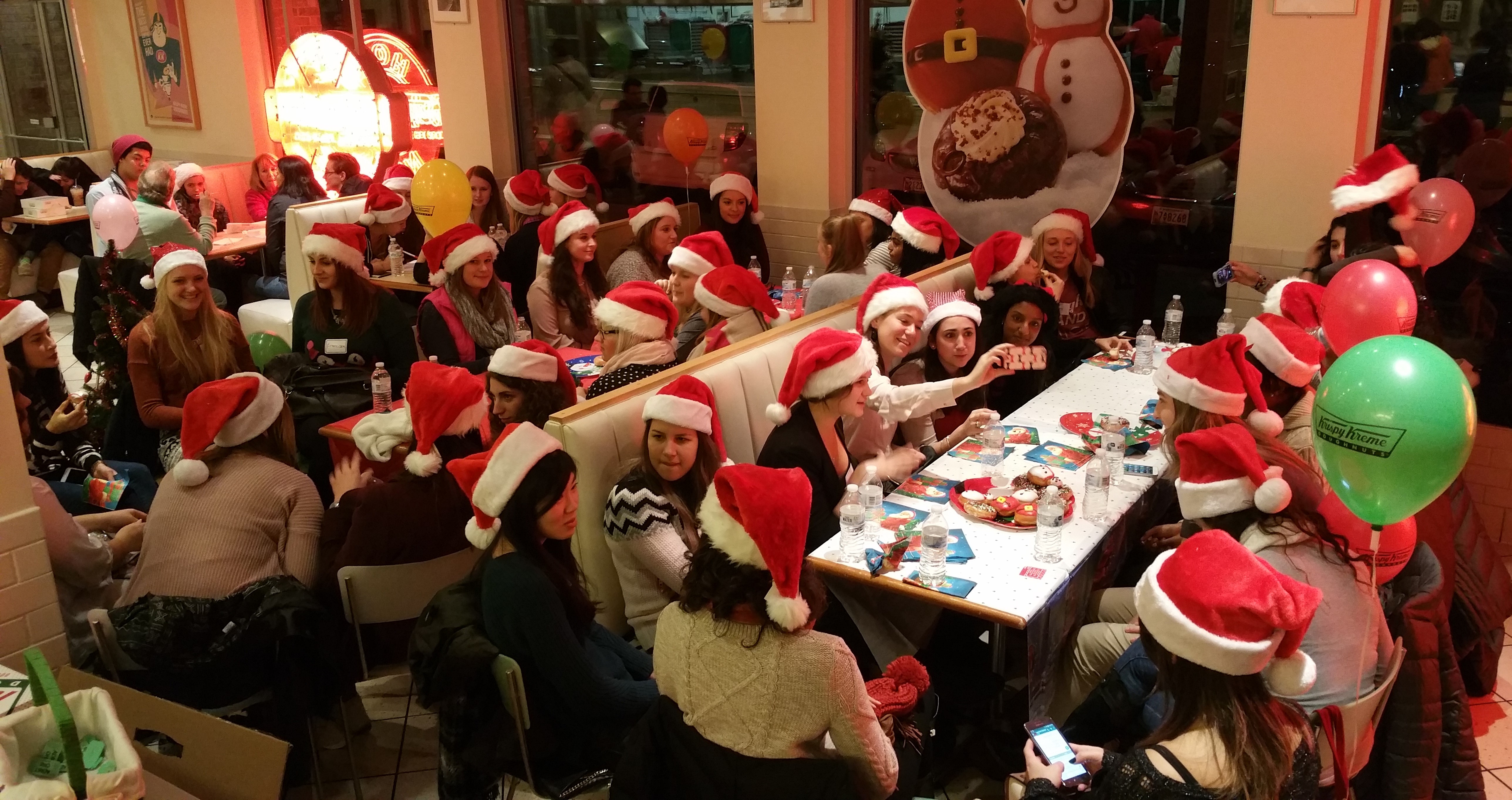
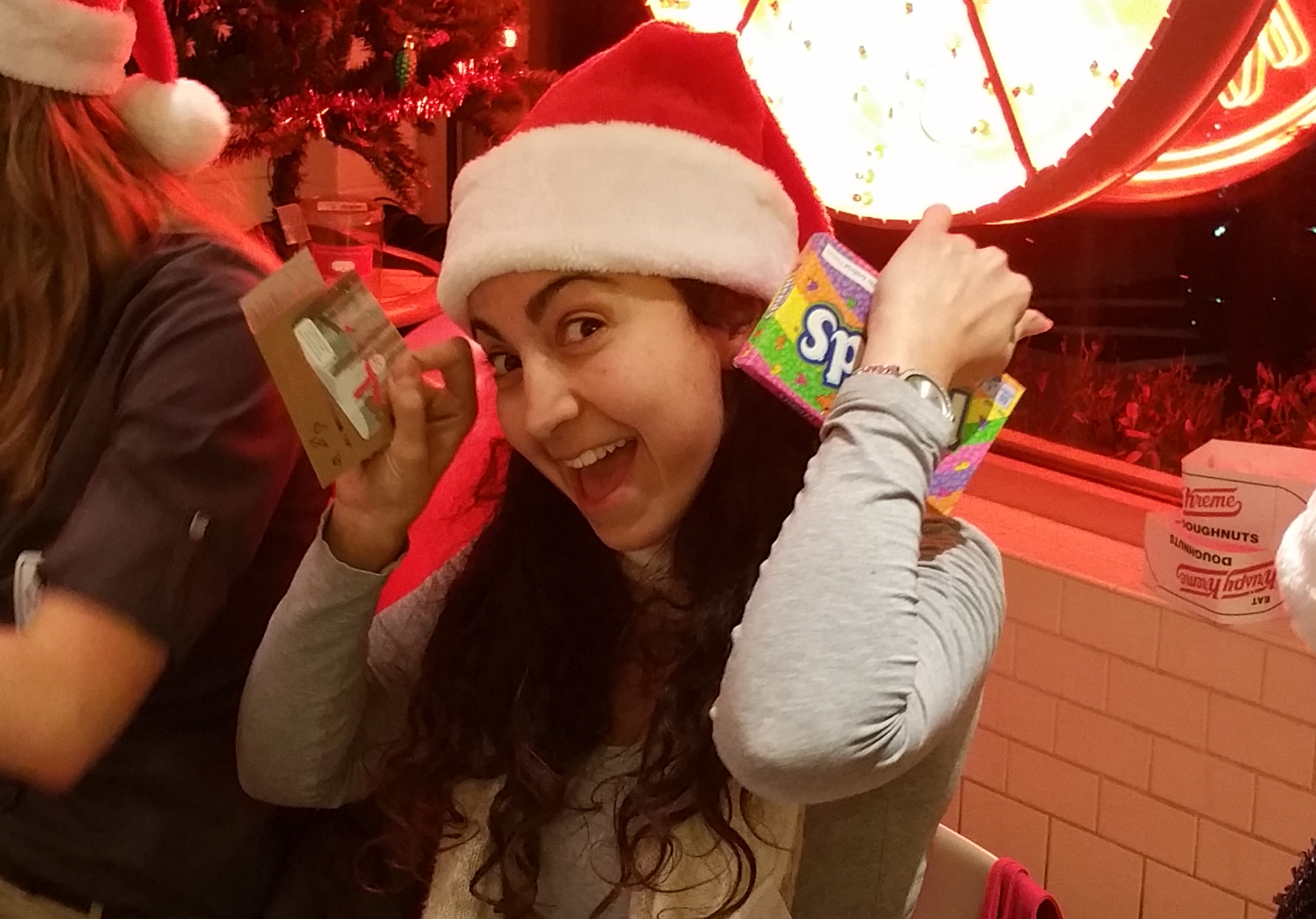
To celebrate Christmas away from home, Au Pair in America Au  Pairs in Victoria Paton’s cluster in20151218_204811 (2) Maryland (Potomac, Bethesda, Cabin John and Glen Echo) donned Santa hats and enjoyed a dessert party at Krispy Kreme in Rockville.

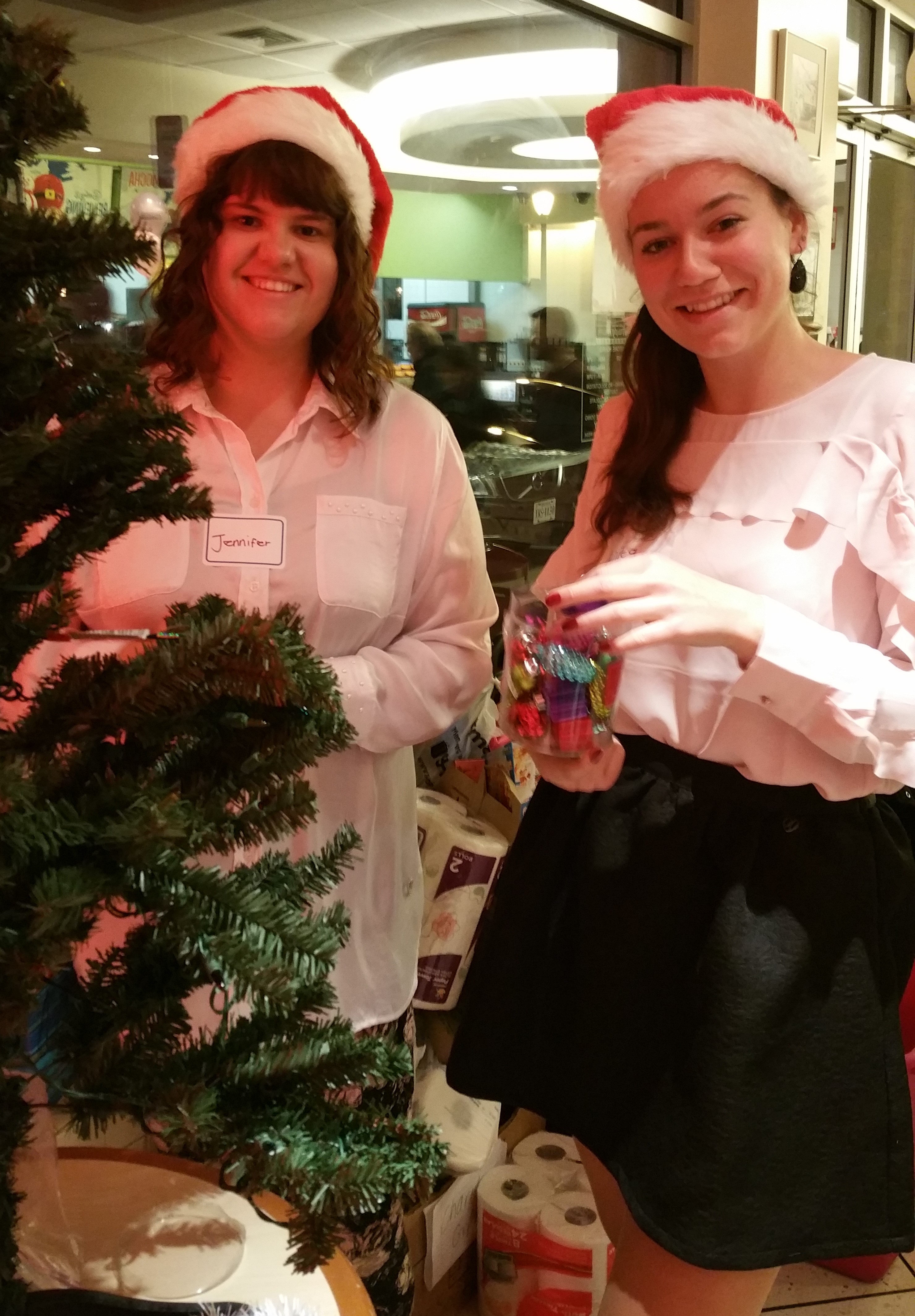
Au Pairs brought a gift to exchange, and in the spirit of the holidays, they also generously donated personal items for Streetlights USA (a charity that supports young women saved in America from trafficking).

20151218_203015 (2)

Four lighted trees were decorated by the Au Pairs and then raffled-off to four 20151218_210714 (2)20151218_210658 (2)happy winners.


Many Au Pairs would be spending the holidays with their Host Families while others were looking forward to learning more about America with travel to Florida, Las Vegas, San Diego etc.

College Fair for Au Pairs a Great Success!

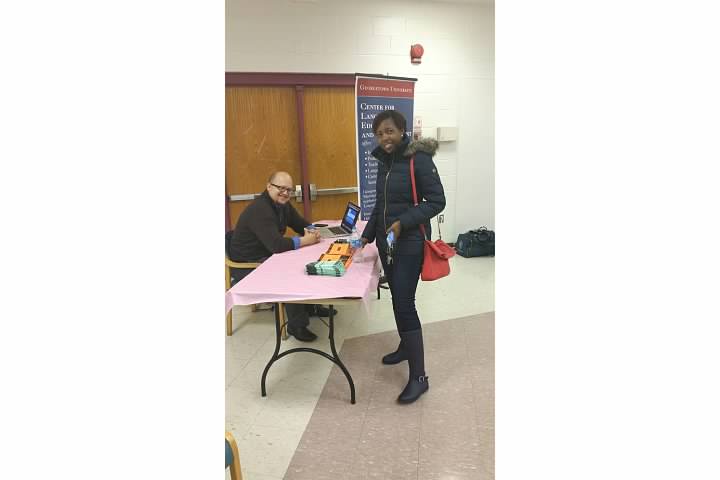
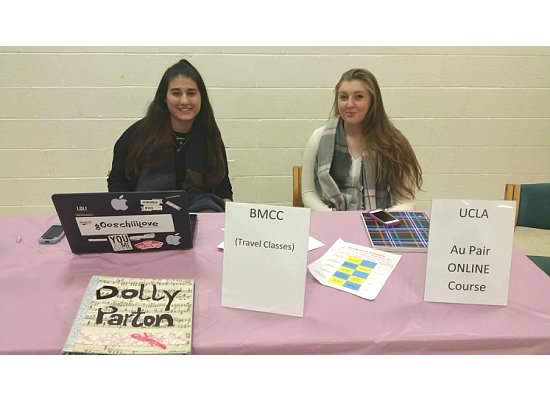
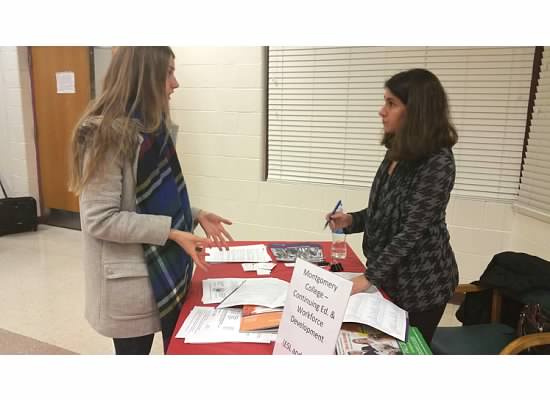
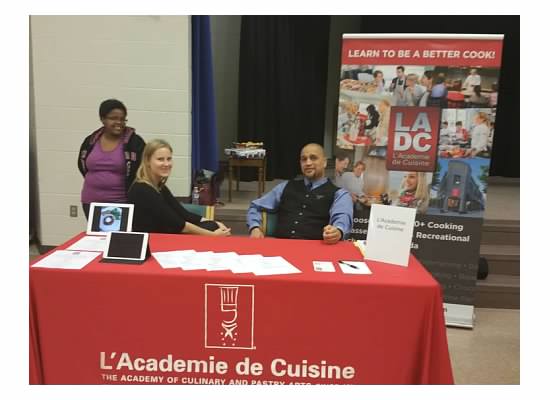
Representatives from ten area colleges/institutes at which Au Pairs can study enthusiastically participated in the First Ever Au Pair in America College Fair at Potomac Community Center.

Au Pairs take 72 hours/year (Standard Au Pair) or 144 hours/year (EducarGtowne Au Pair) of education in the topics of their choice as required by the State Department.

Colleges represented: Montgomery College, Borough of Manhattan, Virginia International Univ., LADO, International Language Institute, Stratford University, L’Academie de Cuisine, Georgetown University, American University and UCLA.

“Rather than Au Pairs seeking info on educational opportunities independently around the DC area, I thought it would be better to bring the educators to the Au Pairs so they could walk around and shop opportunities, gather information, understand the registration process for each location.

College representatives thought it was a great idea, too, and we will hold another Au Pair College Fair in Fall 2016.” said Victoria Paton, Senior Community Counselor for Potomac, Bethesda, Glen Echo andCabin John, whBBMCo organized the event.


MC


Lacademie

Au Pair in America AU PAIR COLLEGE FAIR in Maryland

college_fair
FIRST EVER – Maryland Regional Au Pair in America
AU PAIR COLLEGE FAIR!
Au Pairs from around the region are invited to find out the options for fulfilling their Au Pair in America education requirement…
Wednesday, December 2, 2015 at 1230-230pm
Potomac Community Center
11315 Falls Road, Potomac, Maryland

Plenty of parking and is on the T2 bus stop in front (Friendship Heights/Rockville Metros)

Representatives from many Au Pair educational options will be there to help you:


  • Montgomery College Continuing Ed. and Credit Departments
  • LADO (English and TOEFL prep)
  • English House/International Language Institute (ESL and TOEFL prep)
  • Stratford University (event management)
  • Georgetown University (English related courses)
  • L’Academie de Cuisine (culinary)
  • Virginia International University (museum classes)
  • UCLA online program for Au Pairs
  • BMCC Travel courses

Come and find out what is available for Spring 2016!


“We Love Our Au Pairs” Award Dessert Party

20150612_20000420150612_203754-1

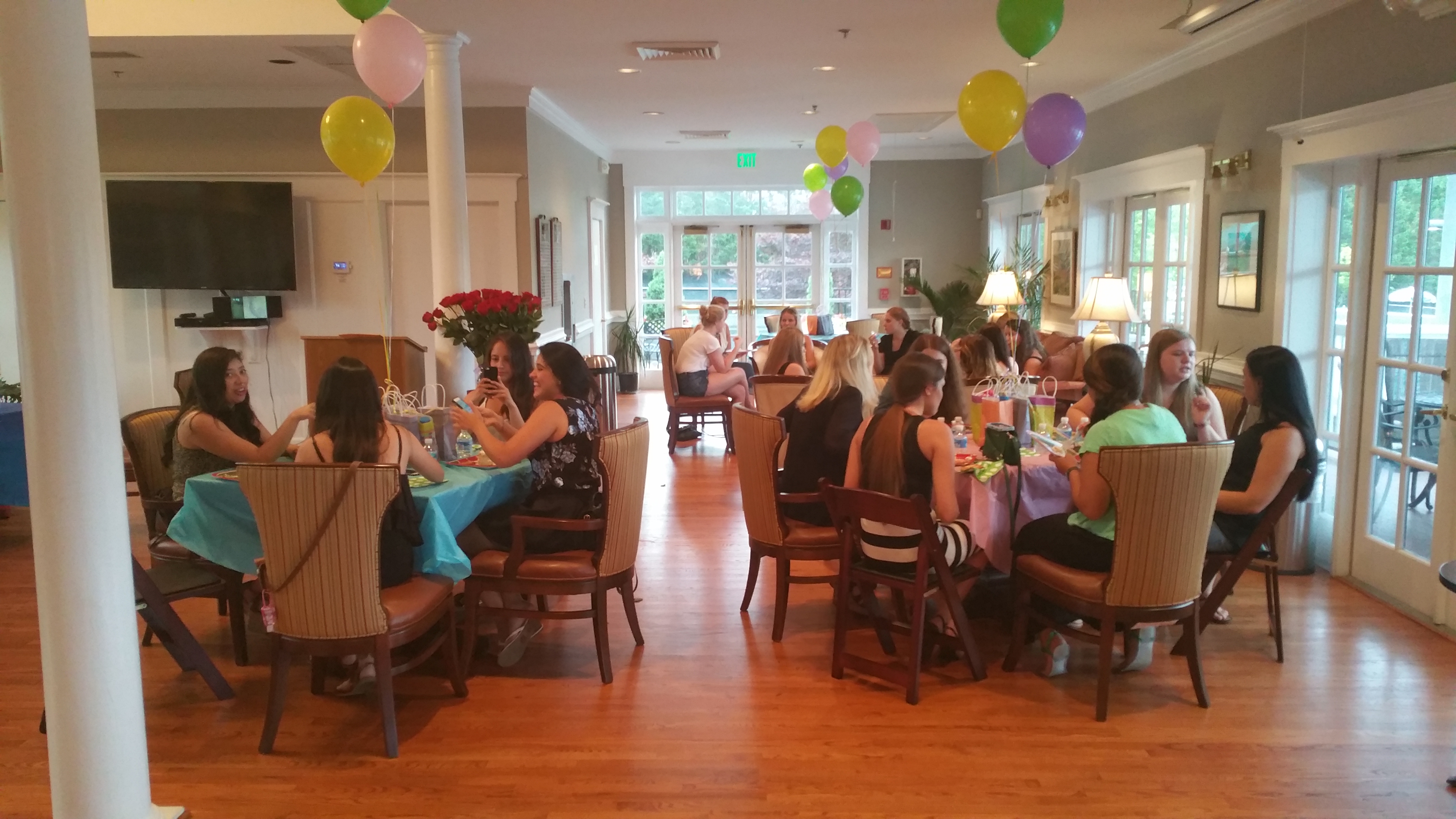
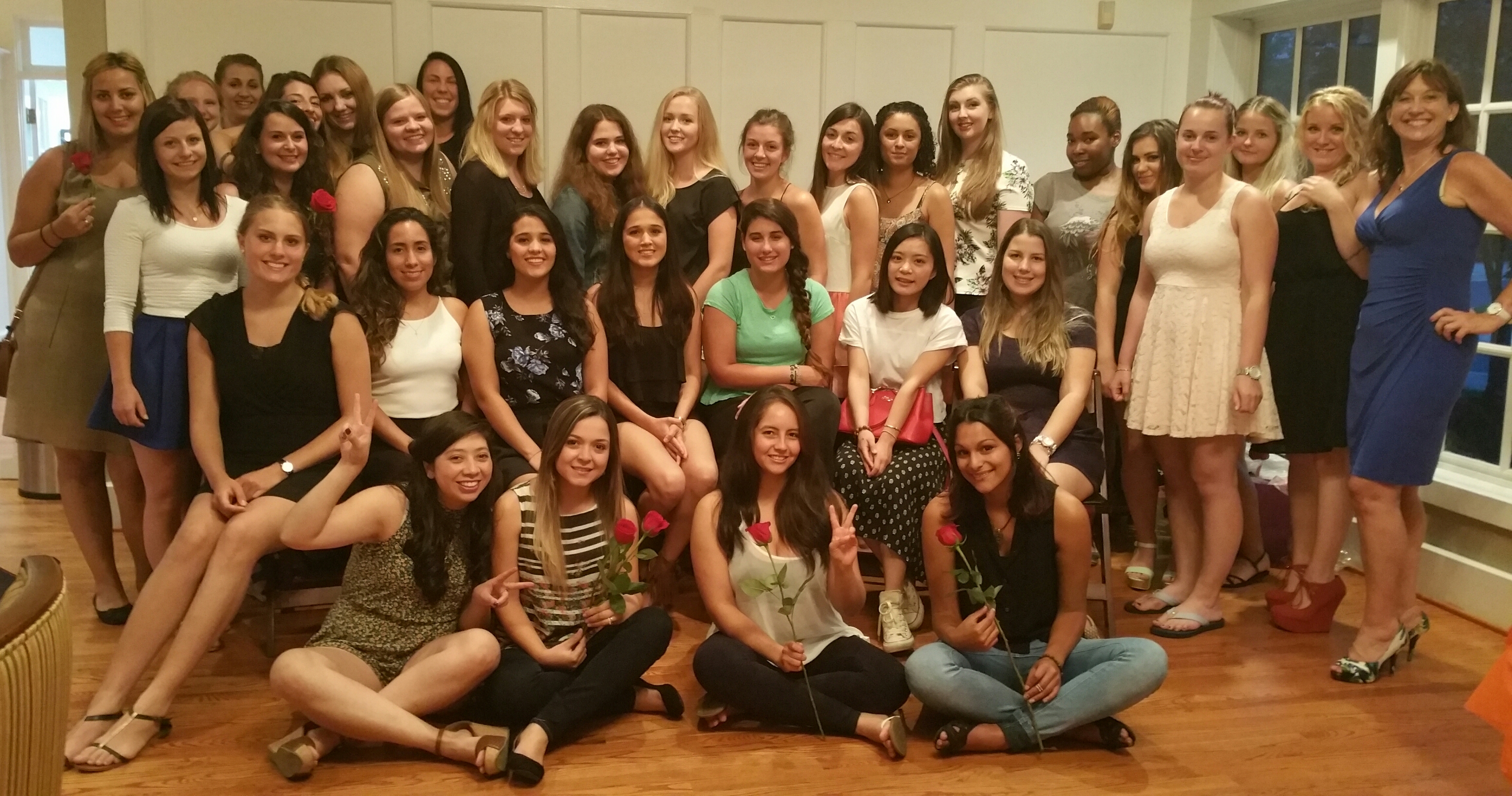
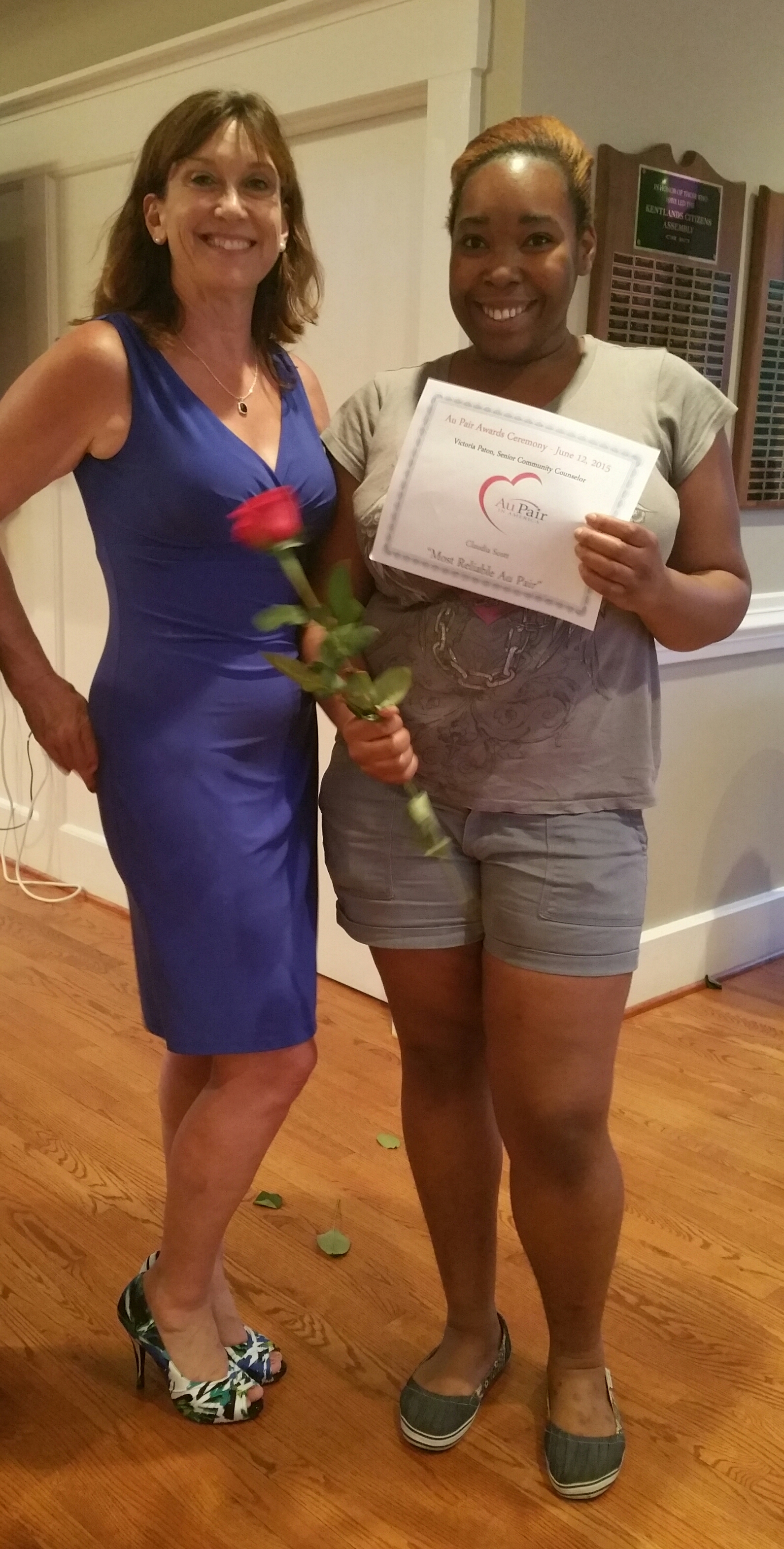
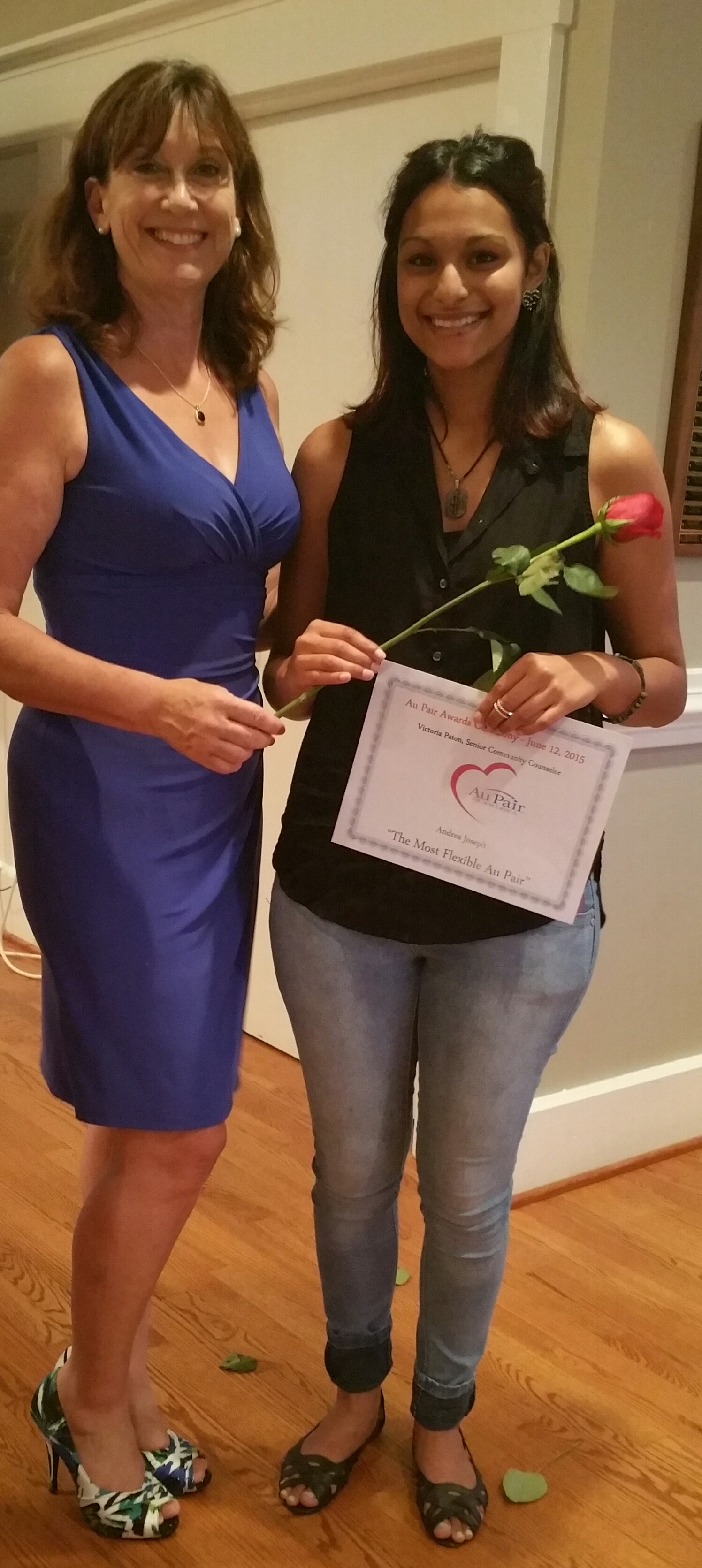
Forty Au Pairs joined their Community Counselor, Victoria Paton, at the Kentlands Clubhouse for an Awards Dessert Party where they were the guests of honor.

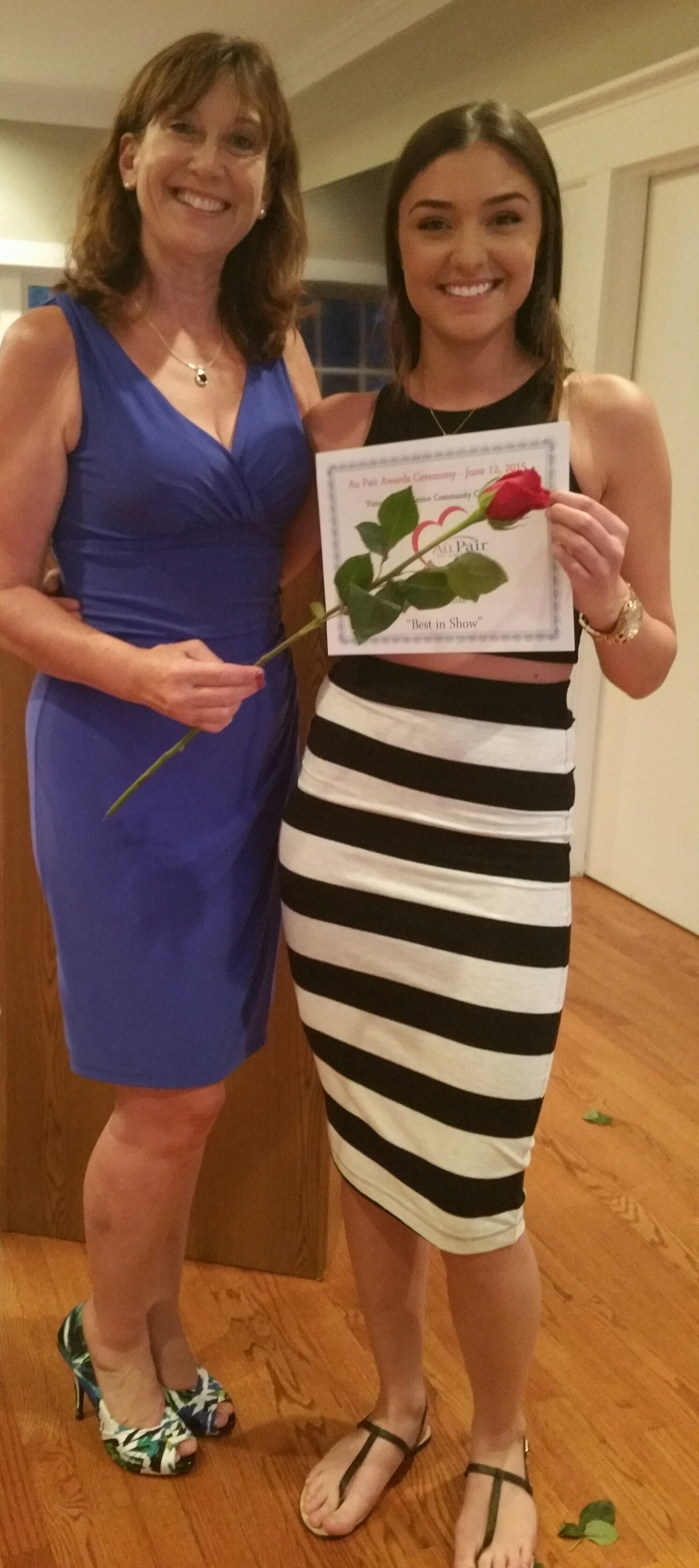
Each attending Au Pair was presented with a certificate and a rose to thank her for her contribution to her Host Family. The Host Families nominated each Au Pair for awards such as “Best Au Pair EVER”, “Best Lego Maker”, Best German Pancake Maker” etc.20150612_204555-120150612_203348-1Cake for all to enjoy20150612_203904-1

    XF416

Close Call…When a Deer Runs in Front of Your Car

What To Do to Avoid a Deer, Or Other Animal, that Might Run In Front Of Your Vehicle:

deer crossing road

Watch this excellent video to see a large herd crossing – where there is one there is usually more..

·         Scan the road ahead: Looking ahead helps provide enough reaction time if an animal is spotted. Also, remember some animals, like deer, move in groups, so when there is one, there are usually more in the area.

·         Use high beam headlights if there’s no oncoming traffic: This can help you spot deer or other wildlife sooner and give you time to slow down, move over or honk the horn to scare the animal away. High beams also help in spotting animals’ reflective eyes.

·         If a collision is unavoidable, apply the brakes firmly and remain in your lane: Swerving to avoid an animal can often cause a more serious crash or cause you to lose control of your vehicle. What’s more, drivers who swerve to miss a deer and hit something else may be charged for an at-fault accident.

·         Be extra cautious at dawn and dusk: Deer tend to be more active in the early morning and at dusk.

·         Slow down and use extra caution when traveling through areas with a high and active wildlife population: Be aware of increased deer movement in rural areas during the fall and early winter, as this is both hunting and mating season.

·         Always wear a seat belt and remain awake, alert and sober.

(Source: AAA)

DC Region of Au Pair in America – Scavenger Hunt at the National Zoo on Sunday, October 27, 2013

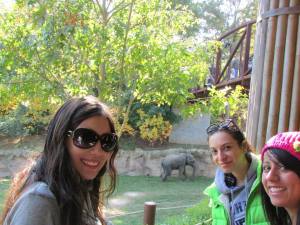
What aau pair and panda 2n incredible day at the Zoo! Sun was shining, temperatures were great, the zoo was decorated for Halloween…Camila and Claire

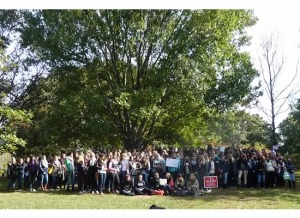
Approximately 30o Au Pairs from all around the DC area and their 15 Community Counselors gathered on Lion/Tiger Hill early Sunday to participate in the first-ever DC Regional Scavenger Hunt at the National Zoo!

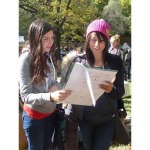
Each Au Pair team of 10, sought out specific animals as specified on a bingo card. All Au Pairs were winners and took home a 6″ Panda bear in honor of the new baby panda born at the National Zoo last month.ZOO

A wonderful day for Au Pairs and Counselors alike!

Victoria and group and pandas 2Ann and group and pandasLisaElephantPat and groupDiane and group and pandasEverybody ready for huntSigning in on cluster rosterFernanda

Tasty Treats to Make With Pumpkin – Part 1: Pumpkin Bread

After you’ve carved a great face or design into your pumpkin,
don’t throw away the “pumpkin pulp” or seeds.
This is a first in a series of recipes using the insides of a pumpkin!
pimpkin bread
#1 Easy to make Pumpkin Bread Recipes:

Wikipedia says: Pumpkin bread is a type of moist quick bread made with pumpkin. The pumpkin can be cooked and softened before being used or simply baked with the bread. Frequent add-ins include nuts, chocolate chips or raisins.

Click here for the recipe from PickYourOwn.org

and here is a recipe from the Food Network

Eggnog Pumpkin Bread with canned pumpkin puree

Eggnog in pumpkin bread sounds delicious…off to try it!

Talking with your kids about their school day

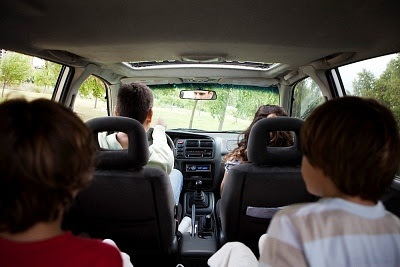
family in car

Pick-up up from school is a very important time for learning about your child’s school day and so much more…

Here is some great information from PBS Parent:

How Was School Today? Are you hoping to avoid the “okay” or blank stare in response to your daily question?
Be sure to listen – JUST listen.  When kids learn that these conversations turn into parent “you shoulds” or are otherwise laden with adult hidden agendas, they develop ways to avoid telling the real story.  Does “Who did you eat lunch with?”  really mean I’m worried that you don’t have any friends.
Does “How was math class today?” really mean did you get in trouble again today?

One way to get off on a different footing is to start with “I had a great day…” or “I had a frustrating day…” or “I made a stupid mistake today…”.  This helps create a conversation instead of an investigation.
You may want to address issues that come up, but give your child a chance to take ownership of any problems and communicate a belief that your child can take care of him or herself.  Listen attentively for hints as to what your child needs from you.  Empathy, encouragement, problem solving?

I’ve collected some thoughts from some on my favorite experts on how to make this conversation meaningful.

Talking with Kids About School: Why is it so hard to talk about school? Parents often get exasperated with kids’ monosyllabic answers to their simple questions. That one well-intentioned line, “How was school today?” has probably provoked more bad feelings between parents and kids than either party ever intended.

“‘How was school today?’ is a frustrating question for both parents and kids,” notes Michael Thompson, Ph.D., author of “The Pressured Child.” “Parents never get the answer they want and often don’t understand how difficult this question really is. Without meaning to, parents are asking for a summary but kids don’t summarize the way adults do. So most kids just say ‘fine’ or try to avoid the question entirely.” And then the problem escalates. “Many parents will repeat this question if they don’t get a good enough response because they don’t know how else to ask it,” adds Lawrence Cohen, Ph.D., author of “Playful Parenting.” Fortunately, some simple strategies can get kids and parents talking and listening. “What was fun? What was the worst part of the day? Did your teacher explain that math homework? How did soccer go?” However, communicating effectively about school goes deeper than just asking the right questions. “What are the goals of talking with kids about school and what is the role of the adult in these conversations?” asks Diane Levin, Ph.D., professor of education at Wheelock College. “More than just finding out how their day was, we want to help kids become problems solvers and independent learners. Good conversations help kids see we care about their lives, that we are there to support them, and to help them develop strategies for solving problems themselves.”
Try these strategies to get kids and parents talking about school and listening to each other in meaningful ways. http://www.pbs.org/parents/education/going-to-school/talking-with-kids-about-school/

Understanding Each Other: So why don’t our kids want to tell us about their day at school? And why do we think we need to know every detail? And how can we become more effective listeners? To find out, take a look at the situation from your child’s perspective and compare it to your own.

“How was school?” and “How are you?” are not really questions — they’re greetings. A problem arises because we expect an answer. But the question is so general that it’s difficult for kids to answer, particularly when they are on overload from a challenging day at school. “What parents are trying to do when they ask ‘how was school?’ is to make contact with their child,” explains Michael Thompson, Ph.D. But we don’t realize that the question “how was school” may not be the most effective way to connect.

Kids often think adults ask too many questions.“And they are right,” adds Thompson, “we do. Adults are often just trying to start a conversation and don’t understand that their questions make a child feel put on the spot. Be aware that a question from a big person like you can place demands on a small child, even though you don’t mean it that way.””It’s important to also be clear why you are asking children about school. Is it merely chit chat, are you looking for something more meaningful, and are you communicating in ways that relate to your child’s experience?” notes Diane Levin, Ph.D.

School can be hard for kids and that’s why it’s hard for them to talk about it. Every day at school, kids get things wrong and make mistakes. That’s how they learn. But generally, kids don’t want to come home and say, “I was frustrated by my mistakes but I learned from them.” They would rather come home and say, “I got everything right.” Their feelings about meeting the expectations of their teachers, their parents, and themselves can make school a challenging topic to discuss.

So — should we stop asking questions? No. But you might ask fewer ones and try not to get crazy when your kids don’t respond the way you want them to. Remember that if your kids don’t want to talk, it’s not a rejection of you. When you do speak, try to find ways to discuss what’s meaningful to both your child and you, because this shows that you care. http://www.pbs.org/parents/education/going-to-school/talking-with-kids-about-school/understanding-each-other/

Questions that Work

Whatever your child’s age, a specific question, or even a specific statement, may prompt more of a response than the more general “How was school today?” If you listen to your child’s answer, and (if the opening is there) ask another question, you’ll be on your way to a meaningful conversation.
Ask kids about what interests them:
·  “What did you do that was fun today?”
·  “Did anything funny happen?”
·  “What did you like best today?”
·  “Did you read any new books in library?”
·  “How did the science experiment turn out?”

Ask about specific people and events in your child’s life:
·  “Did Mrs. Stone go over that math test?”
·  “What did Mr. Zeiner talk about in social studies?”
·  “Who’d you sit next to on the bus?”
·  “Did Mrs. Davis call on you today?”
·  “Are you and Helen still having a hard time?”
·  “How are you and Charlie doing?”
·  “What do your friends think about the substitute teacher?”

Ask kids about what bugs them. Everybody likes to complain, so if your child is in a bad mood, ask what’s wrong. You might find that within a few minutes, your child is telling you what she likes. You might ask:
·  “Anybody get on your nerves today?”
·  “Was your teacher annoying again?”
·  “Was there anything really hard for you?”

Make comments about schoolwork. You can look over your child’s work or the teacher’s weekly class note, and ask:
·  “Wow, what a cool picture of a squirrel. I like the bushy tail. What does he use it for?”
·  “Can you explain photosynthesis to me?”
·  “What is a whole number, anyway?”
http://www.pbs.org/parents/education/going-to-school/talking-with-kids-about-school/questions/