

Monthly Archives: January 2016

Valentine’s Day in the USA

saint-valentines-day-candy1 

Valentine’s day is celebrated in the United States every year on February 14th. There are many stories and legends behind who the real St. Valentine was, but most scholars agree that he was a martyr who was killed by Roman soldiers because he was marrying people in secret at a time when marriage was outlawed.  Later in the Middle Ages, a great writer named Geoffrey Chaucer wrote a poem as a present to King Richard II, who was going to be married soon. In it, he mentioned St. Valentine, and over time, the idea of Valentine’s Day became associated with the idea of love.

During the Victorian times (in the 1800s), Valentine’s Day became extremely popular! Men and women spent a lot of time making beautiful Valentine’s cards with ribbon, fancy paper and even lace. In those days, people were very reserved and they did not often say what they were feeling. Valentine’s day gave them a way to express their feelings to someone they were in love with anonymously.  The sender would remain a mystery until they could speak more freely.

In the last few decades, Valentine’s day has changed a lot! Today we still exchange cards, but many people buy ready-made cards instead. We also give flowers or chocolates as a gift to remind people of our friendship and love for them. Most Valentine’s gifts and cards make use of the colors red and pink, and are decorated with images of hearts or roses. Another common symbol of love on this day is Cupid, the Roman god of love. He is usually shown as a little angel with a bow and arrow. According to legend, anyone who is struck by his arrows will fall in love.

Here are some links with ideas about how you can celebrate and have fun with the children you care for over the next couple of weeks!

Click here for Valentine’s Day Cards, coloring pages, recipes, crafts, games and puzzles: http://www.dltk-holidays.com/valentines/

Check out our Au Pair in America Pinterest page for Valentine’s Day for more ideas: https://www.pinterest.com/aupairinamerica/valentines-day/
 

Childcare Focus

At some point this winter your host child will probably develop a fever, i.e. a body temperature that is higher than the normal 98.6 F.  It is very important to realize that fever itself is not an illness-only a symptom of one.  When your host child has a fever, his/her heart rate and breathing will speed up slightly in addition to feeling slightly warm. She/he may appear flushed and perspiration may be present as well.  Do not give medicine to your host child with out the permission of your host family.  There are strict guidelines for dosages and they MUST be followed.

Hints for success

Stay in touch with your community counselor, RSVP* and attend cluster meetings, or if you can not, call her back or reply to her email or Facebook post.

*RSVP is an abbreviation for the French phrase “Répondez s’il vous plaît”.  It translates to “please respond”. In the US, failure to reply to an RSVP request with a confirmation of one’s attendance or absence is considered rude.

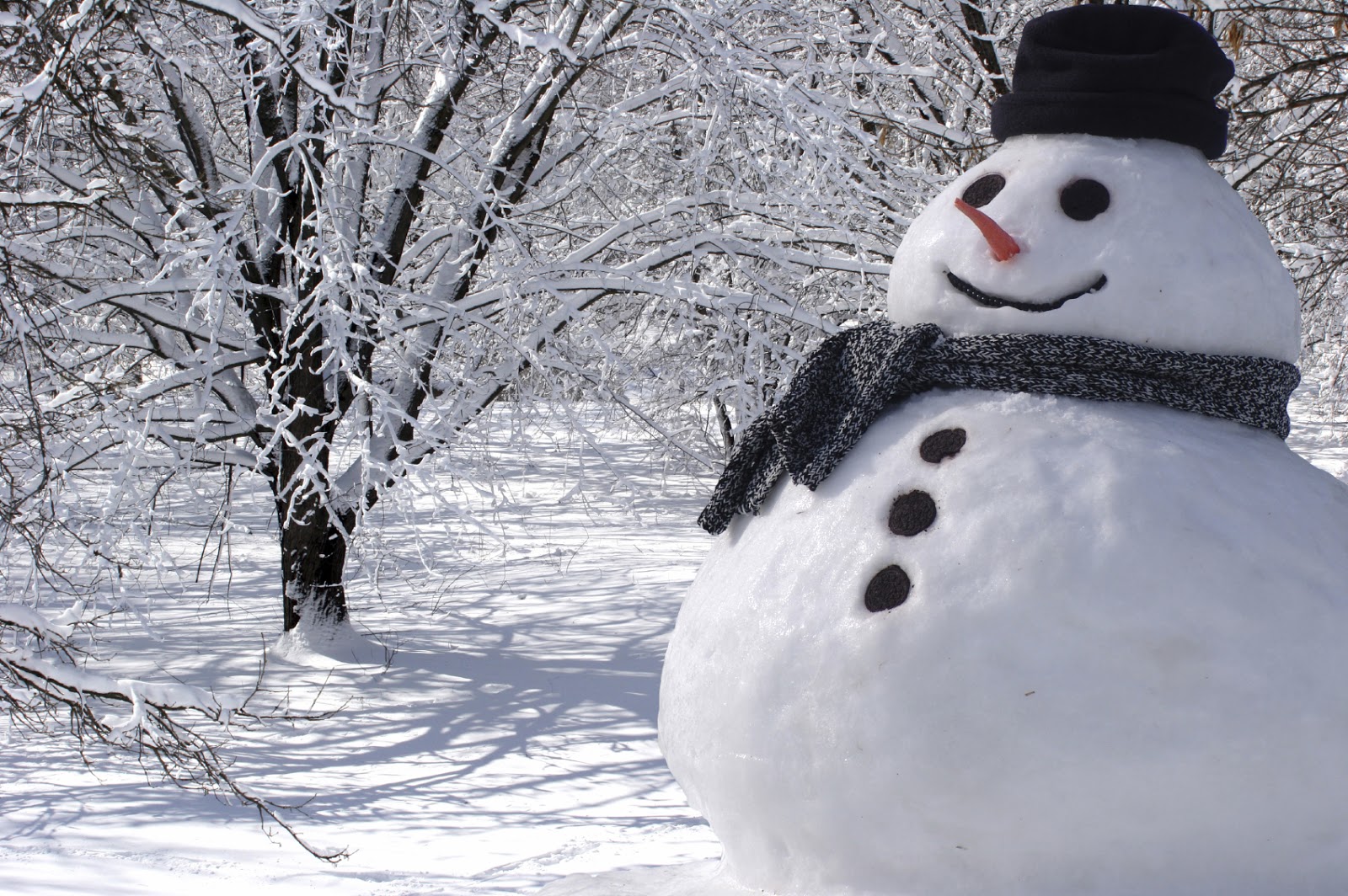
Snow days are here!

snowman

Looking for ideas to keep the kids busy on a snow day (when they are home from school for winter weather?)

Here is a simple snow day game plan…

  1. Play in the snow
  2. Come inside and warm up with hot chocolate (don’t forget the marshmallows)
  3. Make your own play dough.
  4. Play board games or legos together
  5. Ever heard of Snow Ice Cream?
  6. Look for more fun things to do on the APIA Pinterest Boards
  7. Bake cookies together or make some other fun recipe
  8. Play in the snow again
  9. Warm up inside taking turns on the Make a Snowflake Website
  10. Make a blanket fort

Stay warm & have fun!

Martin Luther King Jr. Day

“I have a dream that my four little children will one day live in a nation where they will not be judged by the color of their skin, but by the content of their character.”
– Martin Luther King, I Have a Dream Quote

Martin Luther King Jr. was an important leader of the civil rights movement here in America during the 1950s and 60s. The holiday was created as a day to remember his fight for the freedom, equality, and dignity of all races and peoples and as a time to remember the message of change through nonviolence.

Here are some links about the history of this holiday including a biography of Dr. King, a quiz for kids and a junior crossword.  Maybe you can do something special with the kids to acknowledge the day.

http://www.infoplease.com/spot/mlkbiospot.html

http://www.infoplease.com/spot/mlkjrday1.html

To read the full I Have a dream Speech go to:

http://www.americanrhetoric.com/speeches/mlkihaveadream.htm

What to do after a car accident

What To Do After A Car Accident

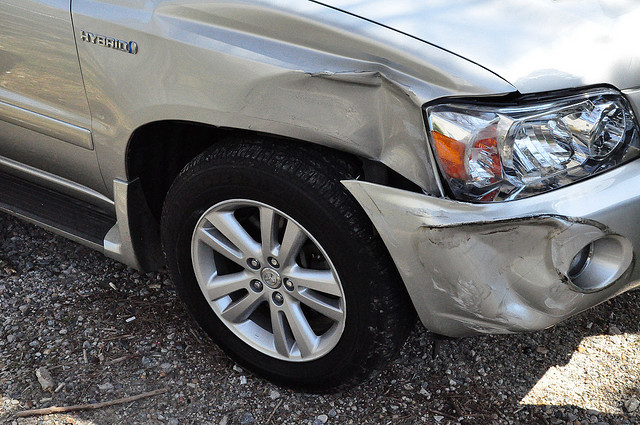
car accidentHaving a car accident is a very upsetting, stressful situation. Being prepared and knowing what to do can make things a little bit easier. Make sure you know which host parent to call in case of an accident.

Make sure you have your car registration card and car insurance card (most host families keep these documents in the car glove compartment. Make sure to check with them before you start driving).

If you have an accident:

  1. Keep Safety First. Drivers involved in minor accidents with no serious injuries should move cars to the side of the road and out of the way of oncoming traffic. Leaving cars parked in the middle of the road or busy intersection can result in additional accidents and injuries. If a car cannot be moved, drivers and passengers should remain in the cars with seat belts fastened for everyone’s safety until help arrives. Make sure to turn on hazard lights and set out cones, flares or warning triangles if possible.
  2. Exchange Information. After the accident, exchange the following information: name, address, phone number, insurance company, policy number, driver license number and license plate number for the driver and the owner of each vehicle. If the driver’s name is different from the name of the insured, establish what the relationship is and take down the name and address for each individual. Also make a written description of each car, including year, make, model and color — and the exact location of the collision and how it happened. Finally, be polite but don’t tell the other drivers or the police that the accident was your fault, even if you think it was.
  3. Photograph and Document the Accident. Use your camera to document the damage to all the vehicles. Keep in mind that you want your photos to show the overall context of the accident so that you can make your case to a claims adjuster. If there were witnesses, try to get their contact information; they may be able to help you if the other drivers dispute your version of what happened.