
Monthly Archives: March 2020

Outdoor Safety Tips


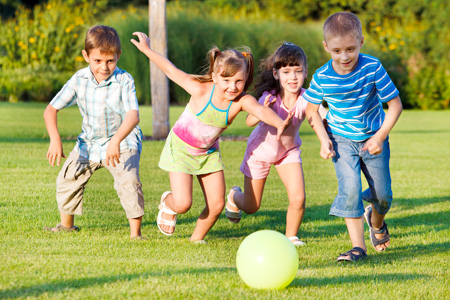
As the days get longer, it’s finally time to head outside and enjoy the sunshine. Before dashing off to the playground, review these important tips to help you do your job safely and carefully. Remember, if you are on duty, the safety and well-being of the children is your job.

Supervision 

  • Whether you are at the street or the backyard, or in the playroom, stay with the children at all times! 
  • If you have a middle-schooler, who is able to play outside with friends, you still need to know where he/she is and whether an adult is present. Make plans for when he/she will call you, where you can find him/her, and what time you expect him/her home.
  • Children should never talk to strangers or go near a stranger’s car. They should not accept money, candy or gifts from strangers and never take a ride from a stranger.

Street Safety

  • Look both ways before crossing the street.
  • Discuss traffic lights – Green means go, Yellow means wait, Red means stop.
  • Never chase a ball into the street.
  • Streets are for cars – children should play in a yard, not the street.
  • Learn street signs and what they mean (STOP sign, CROSSWALK, etc.).
  • Never play behind cars that are parked in the driveway.
  • Watch carefully when walking behind parked cars.
Big Kids Need Interaction Too

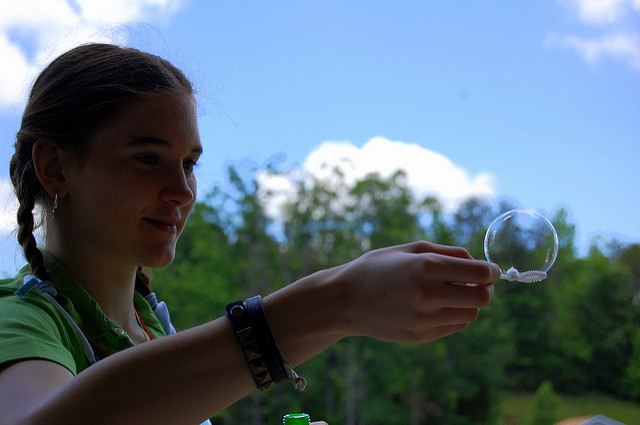
Just because a child is old enough to occupy themselves, doesn’t mean that they should be expected to do so the majority of the time.  Host families have a certain expectation of activity and involvement for their children. Get the kids engaged and active. You can be more fun than the TV or a video game.


 

Problem:
But, my kids don’t want to do anything but watch TV or play video games.

Solution:
Instead of saying,  “Would you like to (fill in the blank with any activity)?  The answer will often be, “No.”

Try this, “Now we are going to (fill in the blank with any activity.) or “Would you rather do  _____ or ______?”  Make sure both the choices are good options.
Your chances of co-operation are greatly increased. Even kids who are reluctant to try new things will usually get in the spirit of things and have fun, if you pick a good activity.

Problem:
I don’t know what to do with school age kids.

Solution:
Look for ideas online. Google “activities school age kids” or “activities teens”. Below is a list of some ideas to get you started.

  • Cooking
  • Making things (check craft stores like Michael’s for kits and models that are age appropriate)
  • Sports (soccer, tennis, bicycling…)
  • Let them teach you to do something they enjoy. Kids this age love being the expert.
  • Let them help you search and plan some activities.
  • Check on the APIA Pinterest page and here on our cluster blog for ideas.


Social Distancing: 5 Apps to Plan Your Future Trips

Being spontaneous and just traveling to a place and deciding what to do as you go along can be fun. But, there are benefits to doing research and planning before your trips. These ideas are to help you make general plans. You shouldn’t book any tickets or make any financial commitments until you know when travel will safely resume.

Planning can help you:

  • Save money
  • Make the best use of your time
  • Fit in more adventures
  • Visit places you might not have heard of before

It also extends the joy of the travel time. Planning all the thing you will do, gives you something to look forward to. We can all use things to look forward to right now.

If you are looking for travel inspiration and ideas or a place to keep your travel ideas organized, Pinterest is a great place to start. You can browse other people’s travel and bucket list pinboards. You can create your own pinboards for places you want to go and ones you have already visited.

These three apps are all trip planners and offer the ability to research places and create your own itinerary. Each one has its own look and feel and slightly different features. Download them and see which one is the best fit for you.

Road trips can be the ultimate adventure. You set your own pace and stop to see what you want. The journey can be as much fun as your destination.

  • Road Trippers is an app that helps you plan the ultimate road trip. It helps you determine your route and find interesting stops along the way.

We won’t be stuck inside forever. Once travel resumes, be ready with your plans!

Photo: Natacha R. from France

Social Distancing: 5 Online Adventures for Kids

Reading, playing, and doing art projects are always great ways to entertain children and keep them physically active and learning. It’s a good idea to limit screen time. But, in this time of social distancing, technology can play an important role in allowing kids to see and connect with the world outside of their homes. Many online resources are popping up to create those opportunities.

Here are five to get you started:

And if kids have questions about the coronavirus, Live Science has created an ultimate kids’ guide to the new coronavirus that has lots of information and is appropriate for school-aged kids.

Social Distancing: 10 Things You CAN Do Right Now

Social distancing is important right now to help slow the spread of coronavirus. This means avoiding places where you come in contact with lots of people (schools, movies, restaurants, museums, concerts, parties, etc.)  I am sure you keep hearing a lot about the things you should not do.

It’s also important to have ideas of things you can do. There are plenty of activities you can do at home and away from crowds.

While we can’t control many things going on right now in the world, we can choose how we deal with it.

“She turned her can’ts into cans
and her dreams into plans.” 
– Kobi Yamada


Here are 10 things you CAN do right now:

  • Stay connected with your friends and family via social media, texting, and Skype.
  • Go for a walk or run on your own. As long as you don’t go to a populated place, it’s fine to go out for some exercise.
  • Enjoy nature. That could be sitting outside in your backyard on a nice day or walking on a nature trail.
  • Read a book or listen to an audiobook or podcast. Getting lost in a story is a great way to take your mind off of things. Or if you pick a non-fiction book or podcast you may learn something new. You could even create an online book club or podcast discussion group with friends.
  • Do yoga. Yoga can be a great way to relieve stress and maintain your fitness. There are many free yoga videos on Youtube. Sign up here to receive daily emails for 30 Days of Yoga.
  • Take virtual tours of museums online.*
  • Make memories in the kitchen.* Cooking recipes from your home country is a great way to share your culture with your host family and give yourself a taste of home. Cooking classic American recipes is a way to continue your cultural exchange. You can find lots of recipes online. Also, you will be able to share that taste of America with your own family by cooking some of these recipes after you return home at the end of your program.
  • Have an online watch party with friends. When you watch a movie alone do you miss talking to a friend about what’s happening? Pick a time and a movie and from your individual homes you each stream the movie on Netflix at the same time. You can text or do a group chat during the movie.
  • Make top 10 lists of your favorite things like movies, foods, songs and more. Share and compare lists with your friends. You may find out some things you didn’t know about each other and get some ideas for new things to try.
  • Research and plan trips to places you want to visit while in the U.S.* This time of social distancing won’t last forever. Use this time to do some research online and make plans. This will help you make the most of those trips when you get to take them a few months from now. It will also give you something to look forward to.

*Future blog posts in this series will have more detailed information on these topics.


St. Patrick’s Day

St-Patricks-Day-Clip-Art-Free-300x258

The Charitable Irish Society of Boston organized the first observance of Saint Patrick’s Day in the United States in 1737.  The tradition of celebrating this day continued to grow with the influx of Irish immigrants to the United States.

St. Patrick’s Day, on March 17, remembers one of Ireland’s patron saints, St Patrick. It largely celebrates Irish-American culture in the United States but many non – Irish descendants enjoy the celebrations too . Celebrations include Irish themed parties, drinks and food. Many people get into the spirit by dressing in green clothing and eating green colored food. Irish clubs and pubs often hold parties.

St Patrick’s Day is not a federal holiday in the United States. Schools, businesses and organizations are open as usual. Public transport systems run on their regular schedules. The parades may be on or around March 17, so it is a good idea to check local sources for the exact location, date and time.  Many parades are held throughout the country to celebrate the holiday. New York City  has become the largest Saint Patrick’s Day parade in the world, outside Ireland. Thousands  participate in the parade, including bands, firefighters, military and police groups, county associations, emigrant societies, and social and cultural clubs and was watched by close to 2 million spectators lining the streets. The parade marches up 5th Avenue in Manhattan and is always led by the U.S. 69th Infantry Regiment. New York politicians – or those running for office – are always found prominently marching in the parade. 

The most common St Patrick’s Day symbol is the shamrock. The shamrock is the leaf of the clover plant and a symbol of the Holy Trinity.

clover_ns_saint_patricks_day-1979px

For fun ideas to celebrate St. Patrick’s Day including arts and crafts for children check out our Au Pair in America Pinterest page https://www.pinterest.com/aupairinamerica/st-patrick-s-day-shenanigans/

Dealing with Social Distancing

The coronavirus has caused lots of temporary changes to our daily routines. Right now, we are being asked to practice “social distancing” to reduce the spread of the virus.

What is social distancing?
Social distancing is a way to keep people from interacting as closely or frequently enough to spread the virus. Schools, sporting events and concerts are being canceled. People are being asked to stay at home more to avoid being in contact with a large number of people.

What are some ways to take care of yourself?
Some people may feel anxious, lonely or frustrated and that is totally normal. It can be very helpful to talk with friends and family about those feelings. It helps to know that others are going through these same emotions. Reach out to your community counselor if you need support during this time.

It is very important to practice good self-care. Connect with people you love via Skype and text, maintain a healthy diet, stay active, make plans for things you want to do once things get back to normal. Staying out of crowds doesn’t have to mean just staying in the home. You can go for walks and enjoy nature. Both exercise and spending time in nature are beneficial for your mental health.

Where can you get practical tips for dealing with social distancing?
We recognize that some of these changes will require patience and resourcefulness. During this time, we will be doing a series of blog posts with resources to assist you with two specific aspects of this situation:

  • Ideas for keeping the kids occupied (while they are home from school)
  • Ways to continue your cultural exchange from home

Photo: Meg Willis  

International Women’s Day

International-Womens-Day

International Women’s Day (IWD), originally called International Working Women’s Day, is celebrated on March 8 every year.

In different regions the focus of the celebrations ranges from general celebration of respect, appreciation, and love towards women for women’s economic, political, and social achievements. Started as a Social political event, the holiday blended the culture of many countries, primarily in Europe, especially those in the Soviet Bloc. In some regions, the day lost its political flavor, and became simply an occasion for people to express their love for women in a way somewhat similar to a mixture of Mother’s Day and Valentine’s Day. In other regions, however, the political and human rights theme designated by the United Nations runs strong, and political and social awareness of the struggles of women worldwide are brought out and examined in a hopeful manner.

Some people celebrate the day by wearing purple ribbons.

Daylight Saving Time Begins on March 08th

What is Daylight Saving Time?

During Daylight Saving Time, clocks are turned forward one hour, effectively moving an hour of daylight from the morning to the evening. Today, approximately 70 countries worldwide utilize Daylight Saving Time, in at least some portion of the country. The U.S. started observing it in 1918, so it celebrates it’s 100th birthday, this year.

In March, we move the clock forward one hour, losing an hour of sleep. In November, we move the clock back one hour, regaining that extra hour of sleep.

An easy way to remember it is: Spring forward, Fall back.

Before you go to bed on March 07th, be sure to set the clocks forward one hour!

Hints for Success

Stay in touch with your community counselor, RSVP* and attend cluster meetings, or if you can not, call her back or reply to her email.

* RSVP is an abbreviation for the French phrase “Répondez s’il vous plaît”.  It translates to “please respond”. In the US, if you do not reply to an RSVP request with a confirmation of one’s attendance or absence is considered rude.

Please RSVP!