Families across the world look forward to the summer every year, when the days feel unhurried and the pace of life alternates between fun outdoor activities and relaxation.
With children on summer vacation, it’s a time for families to truly connect without worrying about getting up for school or attending after-school activities. The season often provides space for families to simply enjoy one another—something that doesn’t always come easily during the rest of the year. While the good feelings of summer may be universal, discovering how families around the world spend the season is a great way to introduce cultural learning to the household.
Explore these cultural summer traditions around the globe—and discover how you can offer that same spirit of celebration to your children!
Why Summer Looks Different Around the World
In the U.S., summer is largely defined by the school calendar—a long break stretching from June through August, built around summer camps, vacations, trips to the local beach or swimming hole, and long afternoons with nowhere in particular to be. But summer holidays in different countries can be quite distinct.
In many places, school calendars are structured differently, and summer breaks are shorter or fall at different times of the year. Climate plays an important role too; summer in Scandinavia means near-endless daylight and a fierce collective joy in the outdoors, which is made all the brighter after a winter dominated by darkness. In parts of the Middle East or South Asia, summer can mean retreating indoors during the hottest hours of the day. And in the Southern Hemisphere, summer arrives in December, turning the familiar association of the holiday season into one deeply connected to summer sunlight, heat, and outdoor living.
Cultural priorities shape the season as well. In some countries, summer is the time for large family reunions and multi-generational gatherings. In others, it’s marked by community festivals, religious observances, or ancient traditions tied to the solstice and the harvest.
For children, understanding that summer looks different depending on where they are in the world is one of the earliest and most accessible lessons in global awareness, opening a door to curiosity that can last a lifetime.
Summer Traditions Across Cultures

Italy – Evening Strolls (La Passeggiata)
There’s something particularly enchanting about summer evenings in Italy. As the heat of the day softens and the light turns golden, families spill out onto the streets for la passeggiata: a leisurely evening stroll. Towns and villages come alive as neighbors greet one another, children play in piazzas, and grandparents walk arm in arm. Many adults enjoy a second wind after their digestivo, and people of all ages indulge in delicious gelato.
Passeggiata is deeply communal, rooted in a shared understanding that evening is about community and connection. For Italian families, it’s as natural as a cappuccino during breakfast, and it’s one of those traditions that reminds you how important it is to slow down and soak in the present with the people you love.
Thailand & Laos – Bun Bang Fai (Rocket Festival)
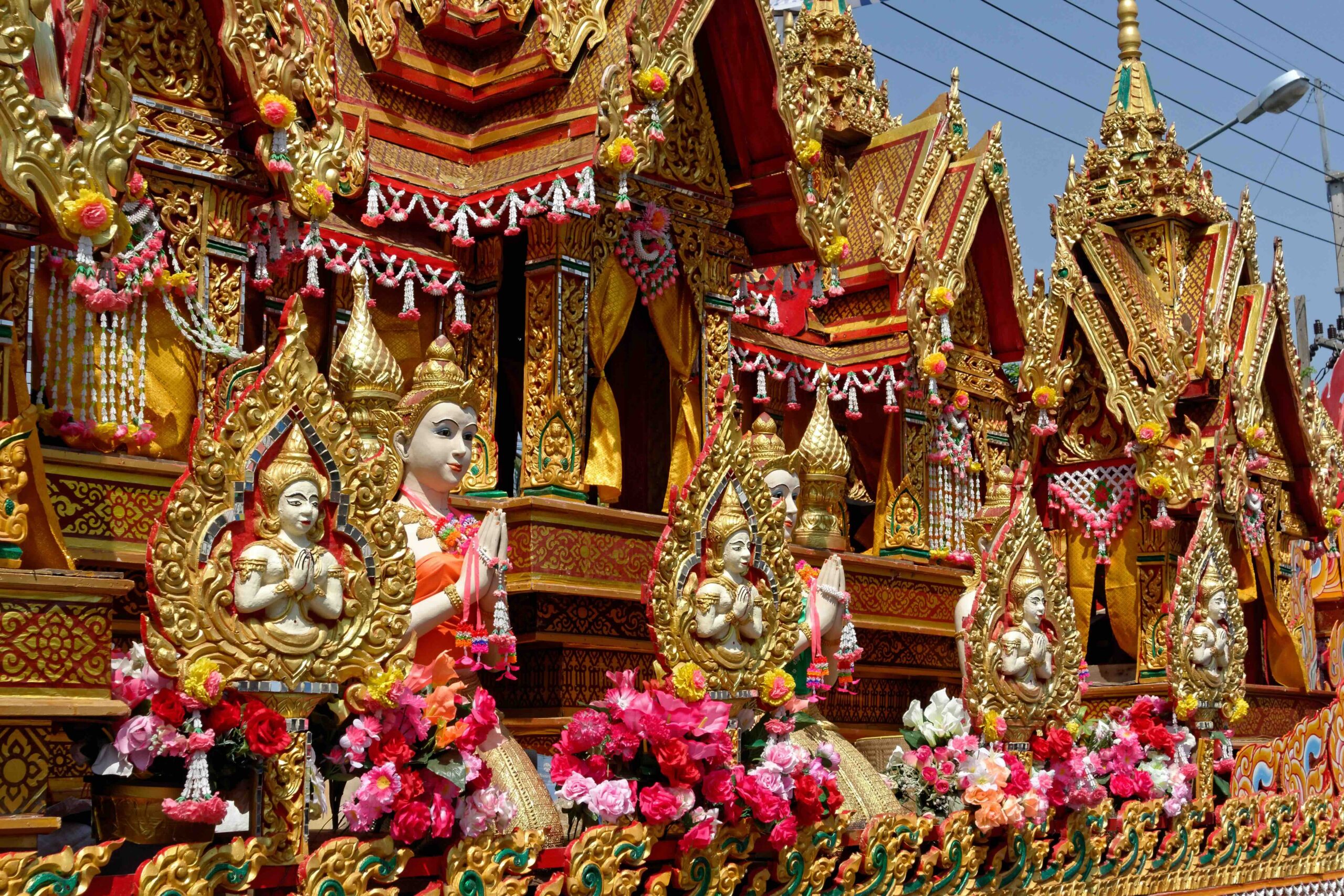
Bun Bang Fai is an ancient rain-praying tradition celebrated across Northeast Thailand (Isan) and Laos, typically held in May or June as the wet season begins. The festival lasts two to three days, with larger villages throughout the region holding grand festivities featuring traditional foods, parades, and homemade rocket competitions. With the sound of popping rockets and the scents of traditional Lao and Isan dishes, it’s truly a sight to behold.
For families hosting an au pair from Laos or Northern Thailand, it’s also an excellent excuse to build a backyard rocket with the children and learn about the tradition behind it.
Japan – Summer Festivals (Matsuri) & Fireworks
Matsuri, meaning “festival” or “holiday” in Japanese, refers to local celebrations that honor deities, ancestors, or seasonal events. Often rooted in Shinto traditions, these festivals fill cities and towns across the country with religious rituals, taiko drumming, music, dancing, and the scent of street food. Families dress in yukata (light summer kimono) and gather to watch spectacular fireworks displays. The fireworks are as much a cultural ritual as a spectacle, with some displays drawing hundreds of thousands of spectators to riverbanks and open fields.
Obon, observed in mid-August, is among the most significant of these global summer activities. It’s a Buddhist festival honoring the spirits of ancestors, marked by community dances called bon odori and the floating of paper lanterns on water to guide the spirits home. It’s a season that manages to be simultaneously festive and deeply meaningful, full of color and light and a profound sense of connection to those who came before.
By hosting an au pair from Japan, you can discover the festivals they grew up with and find simple ways to bring that same sense of celebration into your own home.
Brazil – June Festivities (Festa Junina)
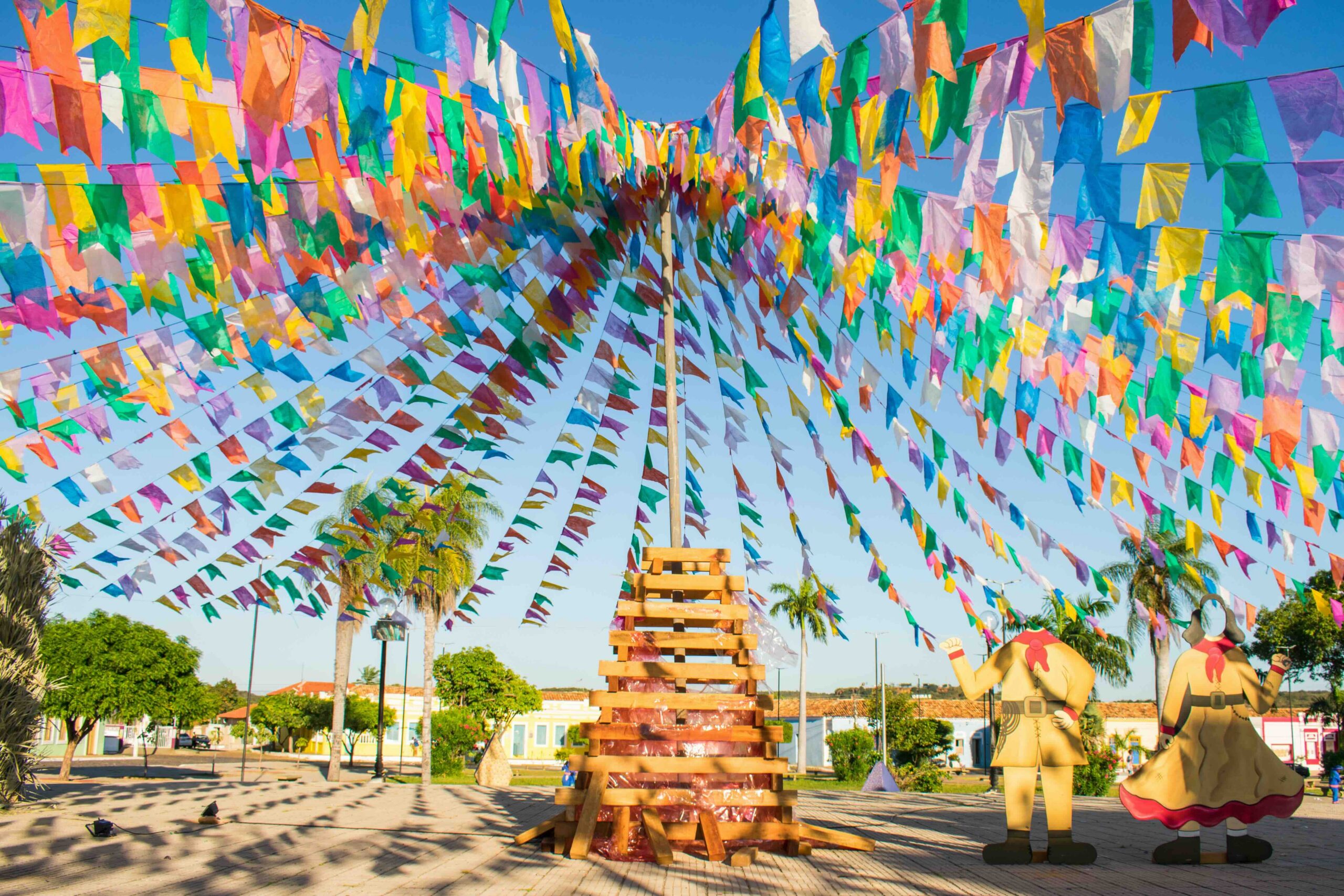
In Brazil, the heart of the winter season in the Southern Hemisphere brings one of the country’s most beloved celebrations: Festa Junina, or the June Festival. Originally a Portuguese tradition brought to Brazil centuries ago, Festa Junina has evolved into a distinctly Brazilian celebration of rural life, harvest, and community. Families and communities gather to dance the quadrilha while dressed in colorful checked fabrics and straw hats. The food is central to the festival: corn-based dishes like canjica, pamonha, and bolo de milho are eaten throughout the month, alongside sweet peanut candies and warm cups of quentão, a spiced mulled wine.
Festa Junina is joyful and communal in a way that’s hard not to be swept up in, and for Brazilian au pairs far from home, it’s often one of the traditions they’re most excited to share with their host families.
Sweden – Midsummer Festival
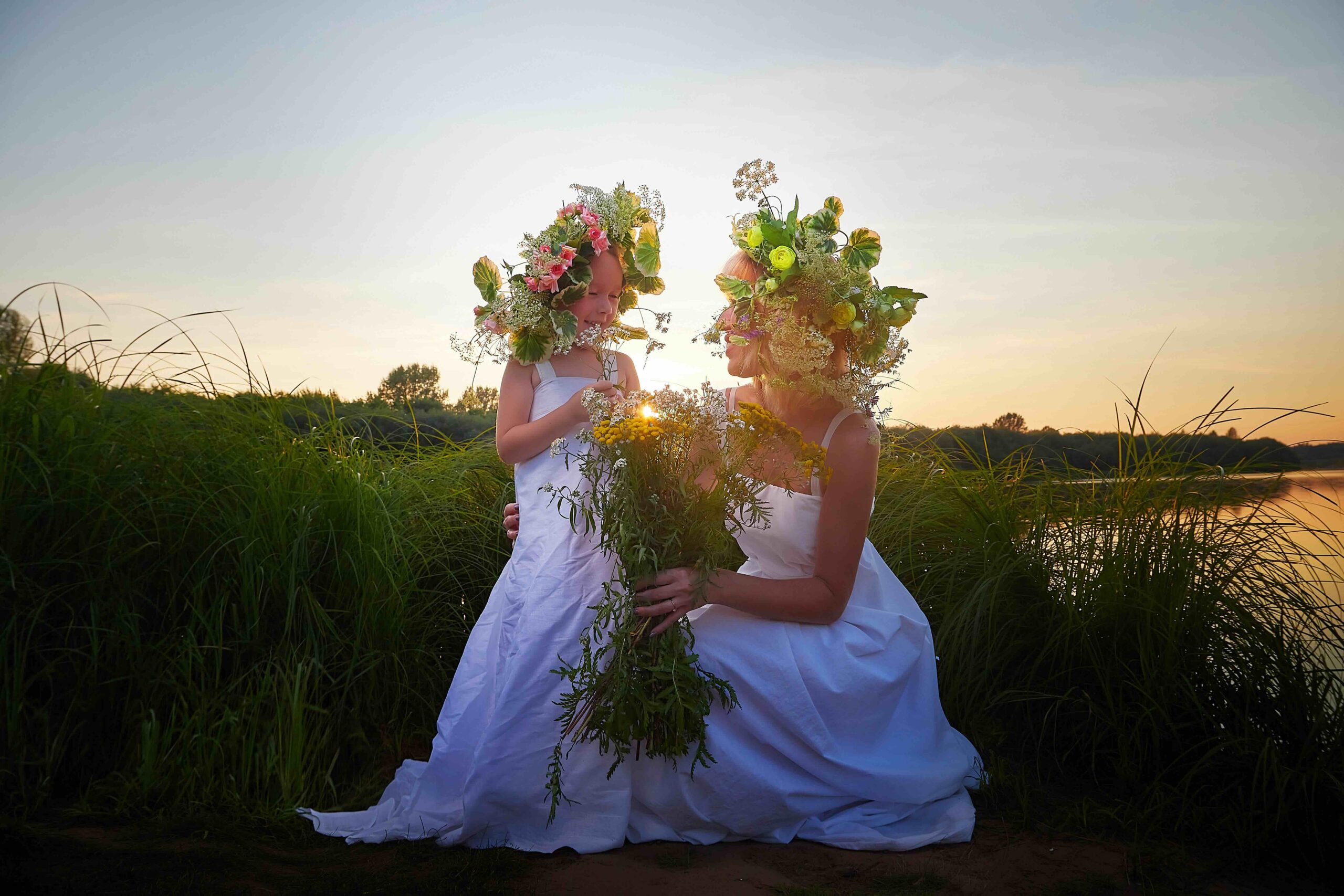
If there is one summer tradition that captures the pure, uncontained joy of the season, it might be the Swedish Midsommar, or Midsummer festival. Celebrated on the Friday closest to the summer solstice, Midsummer is how Sweden greets the longest day of the year. The country blooms with flower crowns, erects maypoles, and tables groan with herring, new potatoes, and strawberries. The maypole is raised and danced around in circles, often to songs that have been sung for generations.
In a country where summer arrives late and winter is long, Midsummer is a truly special cultural tradition. It’s like a collective exhale after weeks of waiting for the frosty spring to finally transition to the warm summer. It’s one of those traditions that feels both ancient and youthful at once, and it’s a great way to teach children how people across cultures celebrate the seasons differently.
Australia – Summer Holidays & Outdoor Living
In Australia, Christmas and Hanukkah fall in the middle of summer. The result is a holiday season unlike anything most of us Americans are familiar with. While much of the Northern Hemisphere is gathered around fireplaces and steaming mugs, Australians are firing up the barbie, heading to the beach, and opening presents under the bright Aussie sun. Santa arrives in a sleigh pulled by six white “boomers” (kangaroos, in the beloved folk song), and Christmas dinner might be eaten outdoors under a clear blue sky.
Australian summer is even more deeply oriented around the outdoors than their mild winters. The season is marked by cricket on the beach, long evenings at the coast, and backyard cookouts that can stretch well into the night. For many Aussies, summer is about enjoying time outdoors with friends and loved ones.
Families who want to embrace that easygoing spirit can take a cue from Australia: move life outside and let the season create moments of connection.
Ghana – Homowo Festival
Homowo is one of Ghana’s most important cultural celebrations. Translating to “hooting at hunger,” the festival commemorates a historic famine endured by the Ga people in the Greater Accra region—one that was met with resilience and followed by a season of abundance. Today, Homowo is both a remembrance and a celebration, bringing communities together to honor the past while embracing life, unity, and hope.
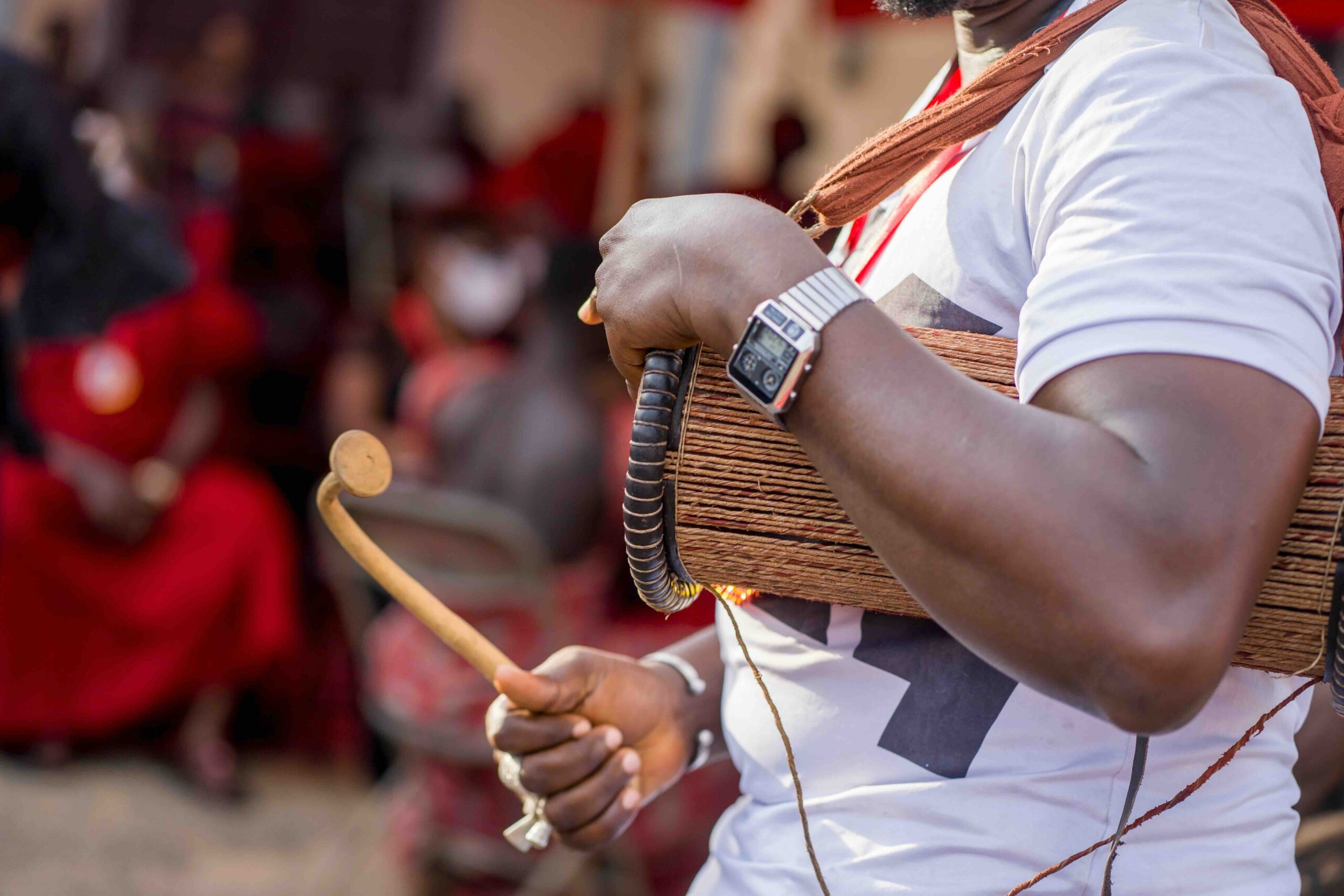
During August and September, people gather in Accra to dance, sing, and beat drums, filling the streets with joyful energy and sound. Traditional foods, especially kpokpoi (a dish made from maize and palm oil), are shared among family, friends, and neighbors as a symbol of gratitude and togetherness.
For families hosting an au pair from Ghana, Homowo is an excellent way to teach children that every meal we share is cause for celebration.
Independence & National Days Around the Globe
The U.S. isn’t the only country in the world with a major national holiday during the summer—far from it. In fact, a whole host of countries celebrate their independence days and national days during the season. While we can’t name them all, some notable national days around the world that occur during the summer include:
- Canada Day (July 1st) celebrates Canada’s confederation.
- Mongolia’s Naadam Festival/Revolution Day (July 11th) celebrates the country’s independence from China’s Qing dynasty.
- France’s Bastille Day (July 14th) marks the storming of the Bastille and the beginning of the French Revolution.
- Peru’s Independence Day (July 28th) commemorates independence from Spain.
- Swiss National Day (August 1st) celebrates an alliance that paved the way for the formation of the Swiss Confederation.
Bringing Global Summer Traditions into Your Family Life
You don’t need a plane ticket to bring a little of the world’s summer spirit into your home. With some imagination and an au pair to help lead the way, your family can experience a slice of Homowo from Ghana, the warmth of Brazilian Festa Junina, or the lantern-lit magic of a Japanese matsuri right at home.
Backyard Cultural Nights
Pick a country and dedicate an evening to it. String up lights, set the table with something from that culture’s summer customs, put on some traditional music, and let the evening unfold. A Swedish night might mean flower crown making, new potatoes with dill, and folk music playing in the background. A Brazilian night could feature forró on a speaker, corn cake, and a backyard dance lesson. Evenings like these work especially well for families hosting an au pair. They can add authentic cultural perspectives, helping families enjoy a night infused with genuine, internationally inspired fun.
Food and Music
Food is one of the most direct routes into another culture, and summer is full of ingredients worth celebrating. Ask your au pair to share a favorite seasonal recipe from back home, or to queue up some cultural music that reminds them of summer. A playlist of Spanish flamenco or Japanese taiko during a backyard dinner can shift the atmosphere in surprising ways.
Games and Activities
Many summer traditions around the world translate beautifully into an afternoon of family fun. Look up traditional games for your au pair’s home country and spend some time learning them together. Whether it’s a simple card game, a group dance, or a friendly competition, these activities lay the groundwork for family time filled with laughter and cultural discovery.
Why Summer Is the Ideal Time for Cultural Exchange
Summer opens up space that the rest of the year rarely offers. Schedules loosen, evenings last longer, and there’s more room for connection and shared experiences that cultural exchange is built on. For families hosting an au pair, summers tend to turn into something truly special.
An au pair who spent their summers celebrating Bastille Day or commemorating their ancestors’ resilience brings that lived experience into your home in the most natural way possible. Your children get to explore summer traditions from around the world with someone who’s lived them—and that kind of firsthand learning tends to stick.
This summer, celebrate something new when you host an au pair with Au Pair in America!
These cultural summer traditions offer families a rich, joyful way to connect with the wider world right from home. They’re invitations to learn, celebrate, and see the season through someone else’s eyes. Hosting an au pair makes every summer feel this way—fuller and more connected than ever.
Ready to make this summer one your family will always remember? Find your perfect au pair match with Au Pair in America.
