
The World Cup is on everyone’s mind this summer. With 78 games held across 16 U.S. cities, and tourists from around the world discovering our hometowns for the first time, American families are more tuned in than ever. For children, the World Cup is an opportunity to expand their global awareness and learn more about the countries and people who are participating. With a little intention, the excitement of the tournament can become a springboard for encouraging curiosity about the world, and a meaningful starting point for parents who want to raise globally minded children.
Teach your children about the World Cup to kick off global curiosity this season—and keep the ball rolling all year long!
Why Global Events Matter for Kids
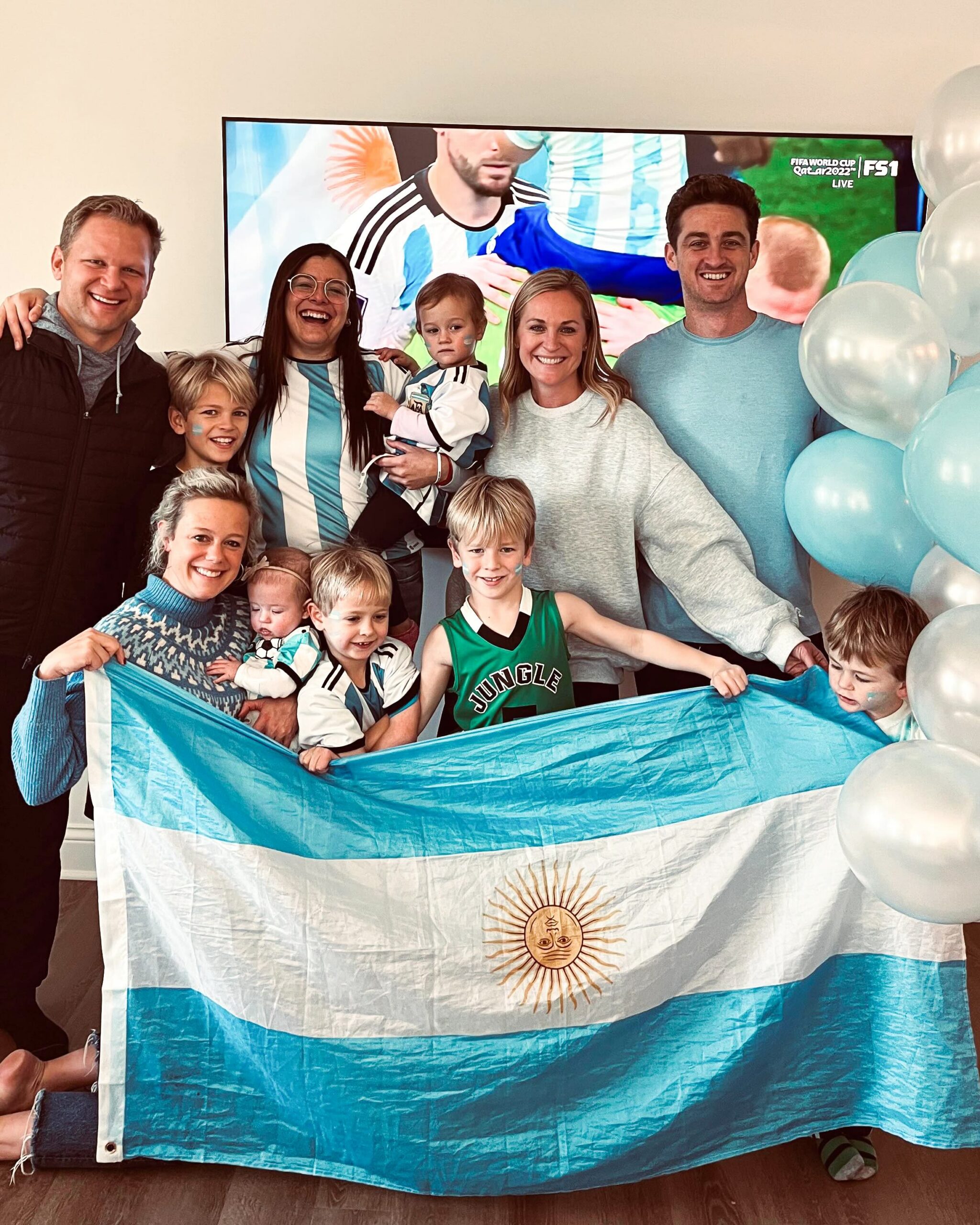
Global events bring the world into perspective for children. For a child from the U.S. watching the World Cup, it may be the first time they hear of countries like Paraguay, which just beat Germany in one of the biggest upsets in recent history.
Learning about these countries has a way of inspiring more curiosity. Once they can point to Paraguay on a map, they may be more interested in its culture, its neighbors, and the region as a whole. In this way, learning about geography and the world at large opens up so many new avenues for exploration.
That is what makes the World Cup such a great learning moment. It brings the globe into your child’s own world, giving them context to ask better questions, make new connections, and understand that there is so much happening beyond the places they already know.
When children learn to cheer for a team, look up a country, try a new word, or wonder what life is like somewhere else, they are practicing the curiosity and openness that help them grow into more globally minded people.
What Kids Can Learn from the World Cup
The World Cup provides an excellent context for learning of all kinds, and some of the biggest lessons come from the game itself. Children can see teamwork in action as players work together to make a goal or prevent the other team from scoring. They can also see resilience, especially in the moments when a team falls behind, faces a tough opponent, or pulls off an unexpected win. In the face of high-stakes competition, the World Cup is a paragon of respect and international camaraderie. No matter which team you’re rooting for, children can learn the importance of good manners, sportsmanship, and not letting differences of opinion come between people.
Curiosity about other cultures is one of the most valuable lessons from the World Cup, and one that often starts so naturally. A favorite player, an exciting match, or even a surprising upset can kick off a newfound interest in another country. For example, a few minutes of watching Lamine Yamal’s smooth, tightly controlled skills can spark curiosity about Spain, his country of origin. From there, children may want to learn where that country is, what language people speak there, what foods are popular, or what life is like for kids their age.
Global curiosity is what turns the World Cup from a fun summer event into a meaningful way to start learning about the wider world.
Simple Ways Parents Can Bring the World Cup Home
If you’d like to teach your kids about the World Cup, there are a number of simple ways you can bring the tournament home, including through:
- Maps: Print out maps, look at a globe, or go on a computer to explore the world through geography. Help your child learn the location of every participating country to give them more context. Once your child has memorized some basic countries and capitals, you can even introduce them to online geography games or try quizzing them yourself!
- Food: International cuisine is one of the best ways to inspire cultural curiosity. Plan to watch the World Cup around mealtimes. Before the game starts, spend some time cooking or ordering a traditional dish from one or both of the teams’ countries.
- Music: Every nation has its own unique musical traditions. During commercial breaks, in the car, or before bed, try playing songs from around the world. Who knows? Your child may just discover a new favorite!
- Language: Language learning is one of the best and most practical ways to explore a new culture. Every time you watch a World Cup match, try memorizing a few words from the participating teams’ languages. You can even spend a few minutes during commercial breaks practicing together!
Learning about each country and its culture not only raises global awareness, but it can also make the process of watching the games even more engaging. For example, when Brazil plays, your child may hope they win and watch the game more closely if they’ve eaten traditional feijoada and loved it! A little information and cultural exposure can go a long way, providing children with additional context that helps them connect countries to their new experiences—and to their growing understanding of the world at large.
How Cultural Exchange Helps These Lessons Last
Deciding to teach your kids about the World Cup is a great introductory point to new cultures and traditions, but after the tournament ends, families may be looking for ways to keep that international interest alive. Cultural exchange is one of the best ways to take those lessons further and continue raising global citizens through everyday experiences.
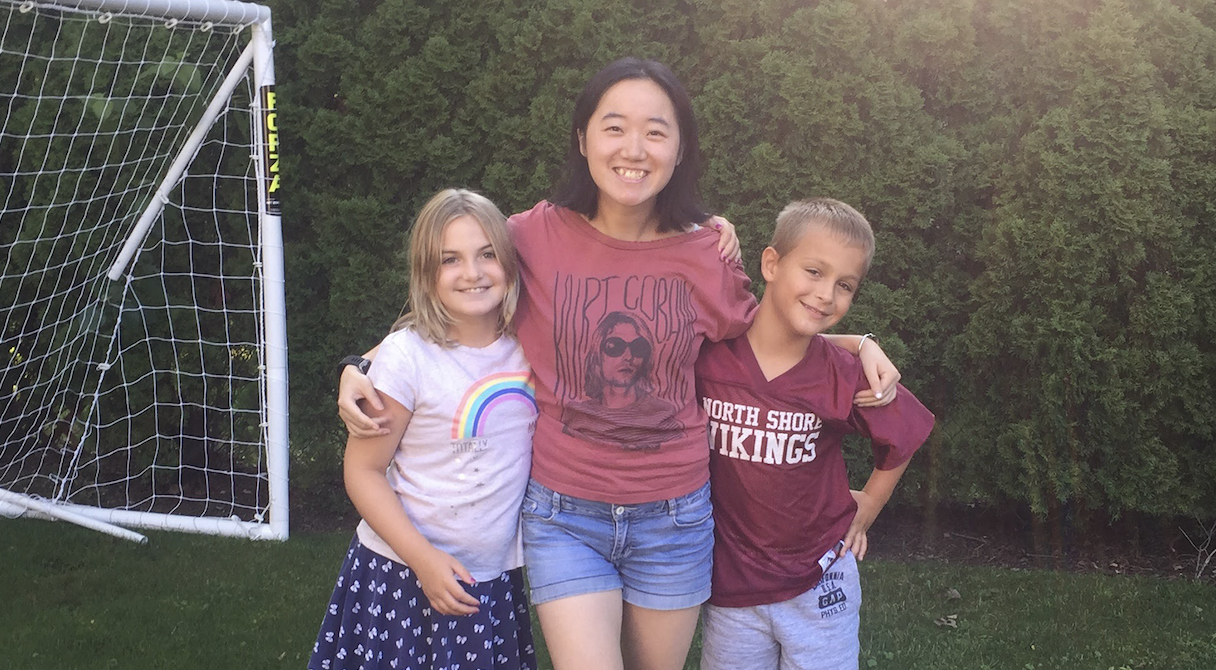
For many families across the U.S., hosting an au pair is a natural next step. It brings cultural exchange directly into your household, giving children a real, personal connection to another part of the world—while providing trusted live-in childcare that families love.
When you host an au pair, your family receives year-round cultural exposure that is naturally infused into your children’s daily life. Whether you’re having a conversation over dinner, learning a new phrase, hearing about a holiday tradition, or running an errand together, hosting an au pair helps keep that cultural learning going long after the final whistle blows.
Want to keep global learning going after the World Cup ends? Host an au pair with Au Pair in America®!
Hosting an au pair is a great way to bring global learning into daily life. After the excitement of the World Cup, your kids may be eager for more culture—and nothing beats the consistent, authentic cultural exposure that comes from hosting an au pair. As a trusted intercultural childcare provider living in your home, an au pair helps raise global citizens while bringing parents the peace of mind they deserve.
Don’t let the end of the World Cup be the end of international learning in your household. Host an au pair with Au Pair in America and enjoy meaningful moments of cultural exchange all year long.
