
Curiosity is one of the most valuable things a child can carry into adulthood; it shapes how they learn, relate to others, and make sense of the world around them. With the long days and open schedule of summer, it’s one of the best seasons to nurture that natural wonder. Lacking the rigid structure of the school year, children have more room to think, explore, and ask the kinds of questions that don’t neatly fit into a curriculum. Below, we’ll go over some ways to support kids’ curiosity during the summer months.
Discover tips to support your child’s curiosity this summer and inspire global learning!
Why Curiosity Peaks in Summer
During the school year, children generally follow a schedule that leaves little room for exploration. Summer removes that structure and creates the conditions in which curiosity thrives: the time to follow a meandering thought, to investigate what’s growing in the backyard, or to ask “why” without the bell cutting the conversation short.
Children are naturally curious, but they don’t always have the time to truly explore all its avenues. During the summer, that extra breathing room can turn passing interests into deeper questions and discoveries.
How Unstructured Time Helps Development
It’s tempting to pack the summer calendar full of camps, activities, and vacation plans, and while some structure is important, it’s essential to include open-ended days as well. Research consistently shows that unstructured play, also called “free play,” is vital for children—supporting healthy cognitive, physical, social, and emotional development while also boosting creativity, imagination, and problem-solving skills.
When children are left to their own devices (and aren’t stuck staring at screens), they naturally fall into creativity and imagination: building towering castles from stacked pillows and blankets, imagining a lively conversation between stuffed animals over tea, or creating little theatrical productions full of costumed characters.
Not only does free play support healthy development, but it also helps children avoid boredom and turning automatically to screens when they have a moment of downtime. Sometimes, all it takes is an open afternoon and a little encouragement to get them started.
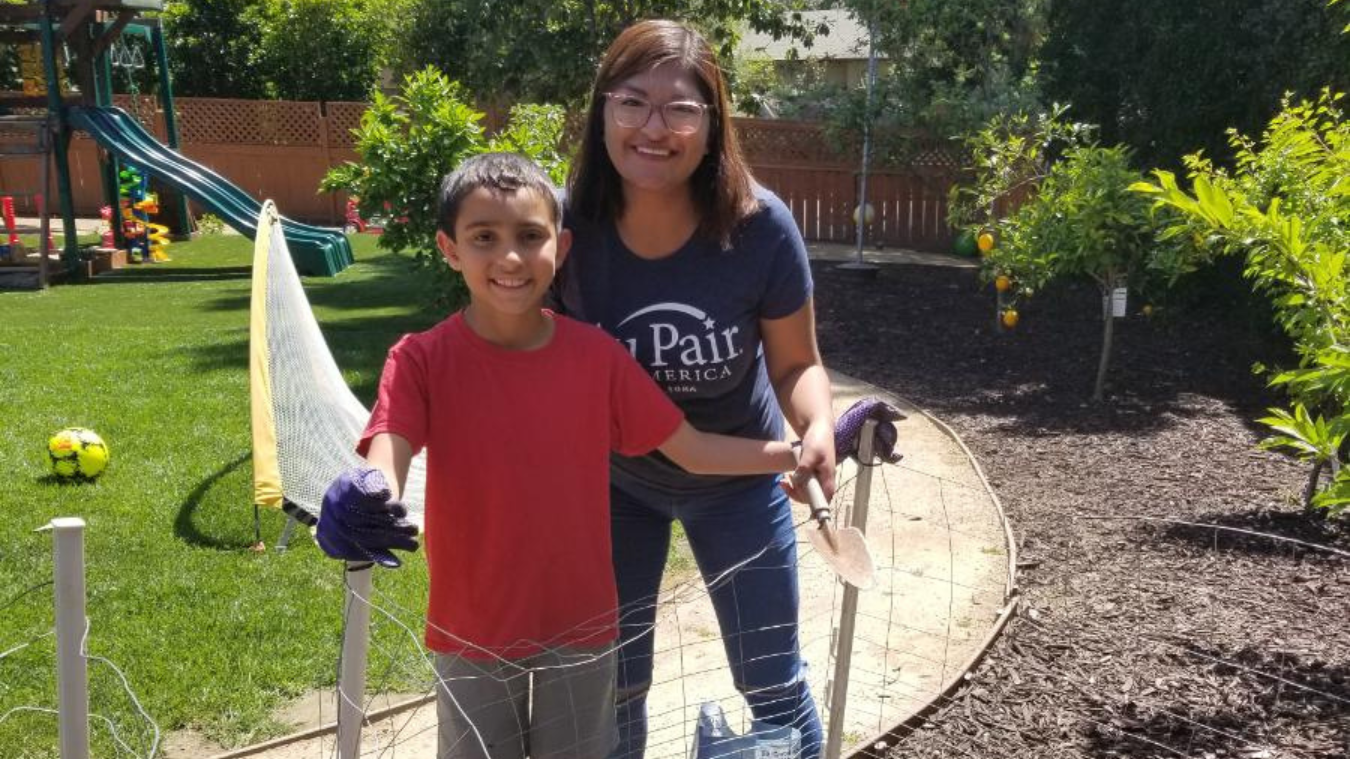
Encouraging Questions and Exploration
If you’re wondering how to teach kids about the world, you can start by taking their questions seriously. When a child asks a question that you don’t know the answer to, first ask them what they think. Both of you can come up with your best guesses, after which, you can spend some time looking into the subject together.
Similarly, when they notice something unfamiliar, stop and explore it. And when they want to try something new, say yes when you can. Remember that exploration happens both in the mind and in the physical world, and children learn just as much from talking through an idea as they do from seeing something with their own eyes or using their own hands to try something new.
Here are a few habits that can help you raise curious kids:
- Let them lead: Follow your child’s interests rather than deciding for them. A child who is genuinely interested in something will be more devoted to seeking answers and retaining information than one who is just going through the motions.
- Make wondering normal: Ask questions yourself—out loud, in front of your children. Model the kind of open, curious engagement with the world you want them to develop. Also, make it clear that it’s okay not to know something; encourage deep learning rather than quick, oversimplified answers. Turning over an idea or searching for the answer in the library can be far more valuable than a quick Google search.
- Embrace the detour: Some of the best learning happens when you abandon the plan and follow spontaneous exploration instead: a walk that turns into an hour of watching a colony of ants, a car ride that takes you to an unexpected stop, or a trip to the store that becomes a conversation about why the sky changes color at sunset.
Embracing change and surprises, rather than resisting them, is also a great way to teach your children to make the most of the present and build resilience to change.
Exposure to Different Cultures
One of the most powerful ways to raise a curious child is to show them that the world is a much bigger place than what they’ve seen in their communities or even across state lines. Children who grow up with exposure to different cultures, languages, foods, and traditions develop a mental flexibility and openness that serve them in every area of life.
Summer is perhaps the best time of the year to ramp up cultural exposure in your household. You can start by introducing new cultures through their favorite things, whether that’s music, art, stories, or something else.
Take food, for example. If they drink orange juice each morning, you can spend some time learning about the natural history of the orange—how it originated in the region encompassing Southern China, Northeast India, and Myanmar. This simple discovery may encourage them to learn more about these countries or investigate where their other favorite foods and drinks come from.
Another way to inspire global learning for children is to research summer festivals in your area. The season is often filled with cultural and arts festivals, and summer is the perfect time to learn more.
And, of course, one of the most immersive and authentic ways to expose your family to new cultures at home is by hosting an au pair.

How Au Pairs Bring Cultural Curiosity to Daily Life
For families who host an au pair, cultural exposure is woven into ordinary life during the summer—and all year round. An au pair brings their language, traditions, food, and stories into your home every single day. Your children absorb it naturally and will be inspired to learn more and ask questions.
A child who grows up sharing a home with someone from another country develops an intuitive understanding that people experience the world differently and that difference is worth learning more about. Intercultural understanding is at the foundation of global awareness, and it tends to show up in how they live the rest of their lives.
Summer is an excellent time to lean into cultural appreciation and international learning. With more time at home and fewer competing commitments, there’s more space for the conversations, cooking sessions, and quiet moments of cross-cultural connection that shape curious, globally aware children.
Plus, whether you’re traveling with kids this summer or planning a staycation, an au pair can be a huge help when it comes to summer childcare!
Give curiosity room to grow this summer—host an au pair with Au Pair in America®!
Raising curious kids requires giving them permission to wonder, explore, and ask questions without always being pointed toward an immediate answer. The most globally aware children are the ones who are exposed to a variety of cultures and can more easily connect with the wider world. This summer, leave a little room in the calendar for the unexpected. Follow the detours, welcome the questions, then watch as your summer comes alive with curiosity and wonder.
And if you’d like to bring the world closer to home this summer (all while receiving flexible intercultural childcare assistance you can trust) Au Pair in America is here to help your family find the perfect au pair match—with dedicated support at every step.
