
While some children look forward to the start of school with excitement, others approach the new school year with nervousness, uncertainty, or fear. New teachers, unfamiliar classmates, changing routines, and academic expectations can make the back-to-school season feel overwhelming, especially for younger children or those experiencing a major transition—such as starting a new school or moving to a new school district.
The good news is that a little anxiety can be perfectly normal. In fact, many children experience some degree of back-to-school anxiety as they prepare to return to the classroom. With patience, support, and open communication, parents can help children feel more confident and prepared for the year ahead.
Learn how to recognize the early signs of back-to-school anxiety and provide reassurance before worries have a chance to grow.
Signs of Back-to-School Anxiety
Not all children express anxiety in the same way. Some may talk openly about their worries, while others communicate their feelings through changes in behavior.
Common signs of back-to-school anxiety may include:
- Trouble sleeping or changes in sleep habits
- Complaints about headaches or stomachaches
- Increased clinginess and dependency
- Irritability or mood changes
- Difficulty concentrating
- Reluctance to discuss school
- Excessive worrying about teachers, classmates, or schoolwork
It’s important to remember that these behaviors don’t necessarily indicate a serious problem. Sometimes they can simply be signs that a child is processing a significant change and needs extra support. Later, we’ll discuss when parents should consider seeking professional help for their child.
Start the Conversation
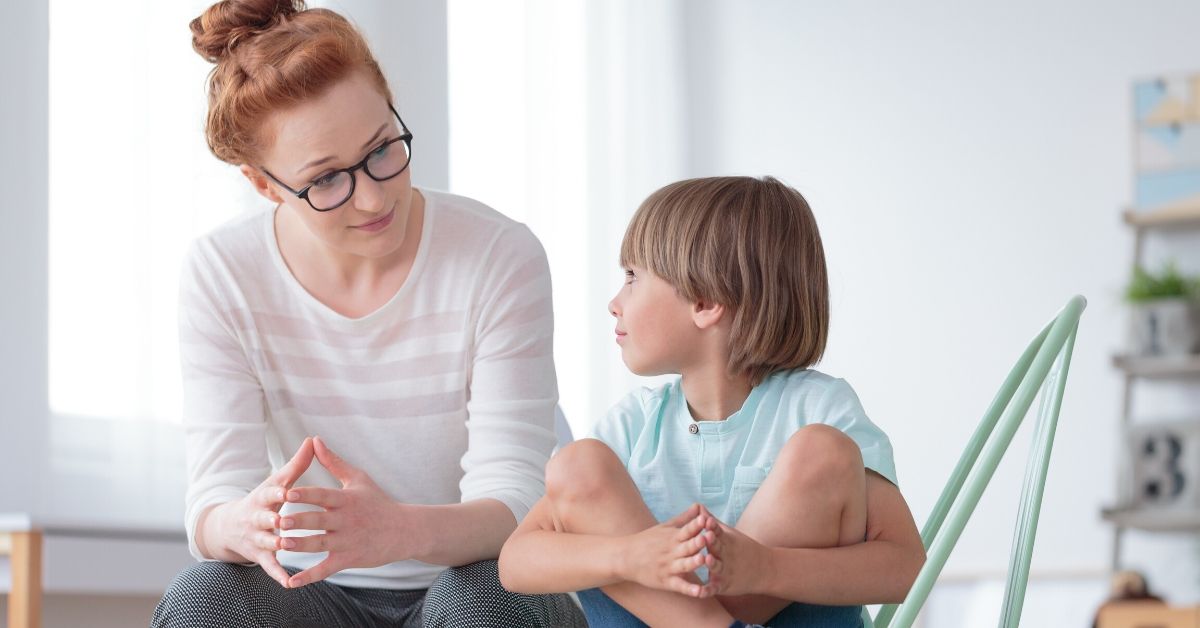
One of the best ways to help anxious children is to create opportunities for open, judgment-free conversations.
Rather than asking broad questions like, “Are you excited for school?” try using more specific conversation starters:
- What are you most looking forward to this year?
- Is there anything you’re worried about?
- How are you feeling about starting school?
- What do you think your first day will be like?
- What would help you feel more prepared?
- Is there anything you’d like to know before school starts?
If your child expresses concerns, resist the urge to immediately jump in and solve the problem. Sometimes children just want to be heard. Acknowledging their feelings can help them feel understood and supported.
Simple responses like, “That sounds really hard,” or “A lot of children feel that way before school starts,” can go a long way in building trust and confidence.
These conversations can help transform vague fears into specific concerns that parents can address, making back-to-school anxiety feel much more manageable for children and caregivers alike.
Age-Specific Tips for Easing School Anxiety
Children’s back-to-school concerns can vary based on their age and stage of development.
Younger Children
For children entering preschool, kindergarten, or elementary school, anxiety is often tied to separation from parents and unfamiliar routines.
Parents can help by:
- Talking about what a typical school day looks like
- Visiting the school before the first day (if possible)
- Reading picture books about starting school
- Resuming school-year routines before the first day of school
- Creating a consistent daily schedule
- Rewarding independent behavior
Additionally, if your child experiences significant separation anxiety, consider arranging a “hand-off” at school. When you or your childcare provider arrives, see if a friend, teacher, aide, counselor, or school psychologist can greet your child and help them transition into the school day. Having a familiar face there to engage them right away can ease worries about saying goodbye and help shift their focus to the activities and friendships waiting for them at school.
Older Children
Older children may worry about things such as academics, extracurricular activities, or fitting in with peers.
Parents can help by:
- Discussing expectations openly
- Encouraging problem-solving and independence
- Helping them prepare for new responsibilities
- Talking through social concerns
- Reminding them of challenges they’ve successfully handled in the past
While it’s important to make it clear that you’re there to support your older children as they transition into the school year, you should consider giving them the space they need to build independence and tackle problems on their own. As many parents of teenagers learn, being overly involved may encourage them to isolate themselves even more.
When to Seek Additional Support
A certain amount of nervousness or anxiety before the school year starts is normal. However, there are times when additional support may be helpful.
You may want to consider speaking with a pediatrician, school counselor, or mental health professional if your child’s anxiety:
- Persists long after school begins
- Interferes with daily activities
- Causes severe emotional distress
- Leads to frequent physical complaints
- Results in their refusal to go to school or significant behavioral changes
Seeking help is never a sign of failure. Early support can help children develop healthy coping skills and prevent small concerns from becoming larger challenges.

Building Confidence Throughout the School Year
One of the most effective ways to build confidence is to focus on preparation rather than perfection. Help children practice routines, organize supplies, and set realistic goals for the year ahead. Celebrate effort as much as achievement and remind them that it’s normal to make mistakes while learning something new.
A consistent back-to-school routine can also help reduce uncertainty. When children know what to expect each day, they may feel more secure and better equipped to handle challenges as they arise. And if they’re already used to getting up early before summer ends, they’ll likely feel more prepared (and less exhausted) on their first day back.
Strong social connections matter, too. Encouraging children to participate in activities, reconnect with friends, or make new acquaintances can help them feel more comfortable as they settle into the school year.
How an Au Pair Can Help
Children tend to feel more confident when they have consistent support from trusted adults. For families hosting an au pair, that support extends far beyond childcare.
An au pair can help maintain daily routines, provide encouragement during school transitions, assist with homework, and be a familiar presence before and after school. Because au pairs spend significant time with your children, they often become trusted listeners who can provide reassurance during moments of uncertainty.
When children know they have another person in their corner cheering them on, navigating a new school year can feel a little less intimidating.
Ready to help your child meet the school year with confidence? Host an au pair with Au Pair in America® and discover how dependable, live-in childcare can make school transitions easier for the whole family.
Back-to-school anxiety may be a normal part of growing up, but it doesn’t have to define your child’s experience. By recognizing signs of anxiety, maintaining open communication, and creating consistent routines, parents can help children feel more comfortable and confident as they return to school.
Families who need extra support throughout the school year can benefit greatly from hosting an au pair with Au Pair in America®. An au pair can help create consistency at home, support children as they adjust to new routines, and provide an extra layer of reassurance during periods of change and uncertainty.
