Halloween may be best known for costumes, jack-o’-lanterns, and buckets overflowing with candy, but there’s a whole world of seasonal sweets beyond what you score trick-or-treating! Around the world, families celebrate Halloween and the autumn months with all kinds of delicious treats, from homemade sweets to traditional desserts passed down through generations.
While some of these foods are closely connected to Halloween, others are enjoyed during harvest festivals and seasonal celebrations. Exploring these international treats is a fun way to introduce children to new flavors, learn about different cultures, and spend some quality time together in the kitchen.
Ready to give your family’s Halloween celebrations an international twist? Discover Halloween treats and autumn sweets from around the world that kids can help make—and enjoy!
Mexico: Roasted Pumpkin Seeds (Pepitas)
Long before pumpkins became synonymous with Halloween in the United States, Indigenous peoples in Mesoamerica cultivated pumpkins and squash as important food sources. Pumpkin seeds, known as pepitas in Mexico, have been enjoyed for generations and remain a popular ingredient in Mexican cuisine.
Today, roasted pumpkin seeds are enjoyed as a crunchy snack, often seasoned with salt, chili powder, or other spices. For families with a sweet tooth, a sprinkle of cinnamon and sugar can turn them into an autumn treat!
After carving jack-o’-lanterns, children can help separate the seeds from the pumpkin pulp, rinse them, and choose their favorite seasonings before an adult takes over for roasting. It’s a delicious way to make the most of your Halloween pumpkins while introducing kids to a food with deep roots in Mexican culinary traditions.
Who knew pumpkin carving could turn into such a gourd snack?
Ireland: Barmbrack
In Ireland, Halloween has a long history rooted in the ancient Celtic festival of Samhain. One traditional treat associated with the holiday is barmbrack, a sweet bread filled with dried fruit and often enjoyed with butter and a cup of tea.
What makes barmbrack especially interesting is the fortune-telling tradition associated with it. Historically, small objects were baked into the bread, each representing a different prediction for the person who found it. For example, a ring was believed to predict an upcoming marriage.
Today, families can enjoy making barmbrack together without hiding objects inside—we don’t want any choking hazards getting in the way of the deliciousness. Or, try substituting the objects with another sweet—add a big hunk of chocolate or a baked-in piece of leftover Halloween candy and say whoever finds it will get the most candy while trick-or-treating!
Brazil: Doce de Abóbora
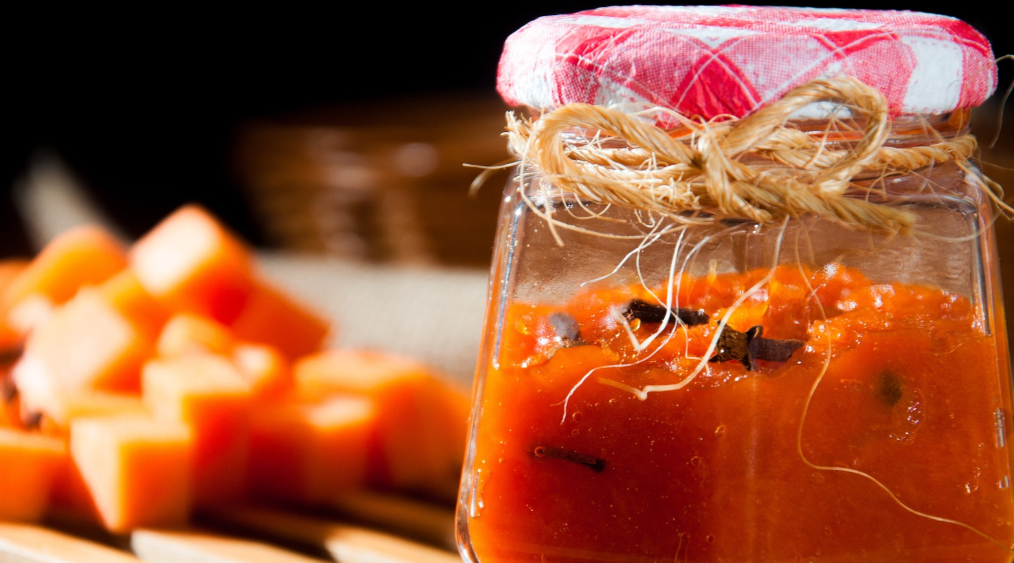
Pumpkins aren’t just for carving! In Brazil, doce de abóbora is a traditional sweet made by cooking pumpkin with sugar, often flavored with cloves or cinnamon. Depending on the recipe, it can have a soft, jam-like consistency or be prepared as firmer, bite-sized sweets.
Although it’s enjoyed throughout the year, its warm spices and pumpkin flavor make it a fitting addition to an autumn-inspired dessert lineup. It’s a win-win, introduce kids to a Brazilian dessert while showing them that pumpkins can be used for much more than fall decorations!
Portugal: Pão-por-Deus Treats
In parts of Portugal, November 1 brings a tradition known as Pão-por-Deus, or “Bread for God.” Children traditionally visit neighbors and relatives to ask for treats, sometimes carrying small bags to collect what they’re given. Sound familiar?
Rather than the chocolate bars and candy corn commonly associated with American Halloween, traditional offerings have included nuts, dried fruit, and small cakes or breads. Although customs vary by region and have changed over time, the tradition offers an interesting comparison to trick-or-treating.
Families can recreate a little of the experience at home by preparing small bags of seasonal treats to share with friends or neighbors. Children can help portion the goodies and decorate the bags while learning how communities around the world have developed their own traditions of sharing food.
Italy: Ossa dei Morti
With a name that translates to “bones of the dead,” these Italian cookies are the perfect addition to any Halloween party!
Ossa dei morti are traditional cookies associated with All Saints’ Day and All Souls’ Day, which are observed in early November. Recipes vary across Italy, but many versions are firm, crunchy cookies made with ingredients such as almonds, sugar, flour, and spices.
Their unusual name and bone-inspired shapes make them an especially interesting treat to introduce to children during the Halloween season. It’s also a great way for families to explore how remembrance traditions around the world have inspired fall foods that are both meaningful and delicious.
Japan: Sweet Potato Treats
In Japan, autumn is closely associated with satsumaimo, a type of sweet potato that becomes especially popular as the weather cools.
Roasted sweet potatoes, known as yakiimo, are a beloved seasonal snack that are also extremely easy to prepare. All you need to do is wash and dry them, puncture their skin with a few holes, wrap them in foil, and roast them in the oven!
Speaking of easy recipes, daigaku imo, literally meaning “university potatoes,” are bite-sized pieces of sweet potato coated in a sweet glaze that college students love for their simplicity and high nutrient content.
Children can help wash sweet potatoes and, with adult assistance, prepare them for roasting. For a sweeter option, families can try making daigaku imo together, with adults handling the hot oil and syrup.
Germany: Gebrannte Mandeln
If you’ve ever visited a German autumn fair or seasonal market, you may have encountered the irresistible smell of Gebrannte Mandeln, or candied almonds.
These crunchy treats are made by coating almonds in caramelized sugar, often flavored with cinnamon or vanilla. They’re especially popular at fall fairs, Christmas markets, and other seasonal gatherings, making them a fitting addition to an autumn-inspired treat lineup.
For a little German market magic at home, serve the cooled almonds in small paper cones, just as you might find them at a seasonal fair. Just be warned: the sweet cinnamon aroma might attract the whole family to the kitchen before they’re ready!
Sharing Sweet Traditions Through Cultural Exchange
One of the best parts of trying new recipes is discovering the stories and traditions behind them. For families who host an au pair, making Halloween sweets together can become an opportunity to share traditions from different parts of the world.
Your family might introduce your au pair to pumpkin carving and the delicious roasted seeds that follow, while your au pair could share a favorite dessert or seasonal snack from their home country. Children can help prepare the treats, ask questions about how they’re enjoyed abroad, and discover that some of the sweetest family traditions are the ones shared across cultures.
You might even start a new family tradition by choosing a different country each year and making one of its seasonal treats together!
Make cultural exchange part of your family’s sweetest moments—host an au pair with Au Pair in America®!
Whether you’re roasting pumpkin seeds after carving jack-o’-lanterns or experimenting with an international dessert, cooking together gives children a chance to develop new skills, explore unfamiliar flavors, and learn about the cultures behind their favorite foods.
For families hosting an au pair with Au Pair in America, these experiences can become part of everyday life. Sharing recipes, childhood memories, and holiday traditions brings cultural exchange into the kitchen—and might just introduce your family to its next favorite treat! The flexible childcare assistance that an au pair provides can help make these international traditions far more manageable—and sweet.
