For many families in the U.S., autumn brings to mind apple picking, pumpkin spice, harvest festivals, Halloween, and Thanksgiving. Historically, the season is deeply tied to the fall harvest, which is why harvest celebrations still abound in the U.S. and beyond. However, fall traditions look different around the world, and families in another country may celebrate the season in a completely different way.
Host families discover these differences up close and personal when they welcome an au pair. It’s an opportunity for your family to connect with someone from across the world and learn about their seasonal traditions firsthand—all while receiving trusted live-in childcare.
Below, we’ll explore 10 fall traditions from around the world—and how families celebrate them.
Discover how families around the world celebrate fall!
1. Ireland: Samhain
Samhain (pronounced “sow-win”) may ring a bell for those familiar with the ancient roots of Halloween. Meaning “summer’s end” in Old Irish, this Gaelic festival marks the end of the harvest and the start of the dark half of the year.
On the night of Samhain (October 31st), the barrier between the physical and spirit worlds is said to break down, allowing spirits and the living to cross over. Communities gather around large bonfires, share food, and wear disguises or masks to ward off spirits.
For families interested in the history behind Halloween, Samhain offers a fascinating glimpse into the holiday’s pagan past.
2. China: Mid-Autumn Festival
Also called the Mooncake Festival or the Moon Festival, the Mid-Autumn Festival is the second most important holiday in China after the Chinese New Year.
Celebrated on the 15th day of the 8th lunar month (which falls between early September and October), the festival centers around family reunions and appreciation for the full moon, which is said to be at its brightest and most beautiful.
Families come together to share meals, exchange gifts, eat mooncakes, and light lanterns. Children often enjoy colorful lantern displays and solving traditional lantern riddles. Many families tell stories under the glow of the moonlight, including the famous legend of Chang’e, the Moon Goddess.
The Mid-Autumn Festival’s emphasis on family togetherness makes it one of the most beloved autumn celebrations in China—and many parts of East and Southeast Asia.
3. South Korea: Chuseok
Often described as Korea’s mid-autumn harvest festival, Chuseok (or Hangawi) is one of the country’s most important holidays.
During Chuseok, many families travel to their hometowns to gather with relatives, share traditional foods, and pay respects to their ancestors. Tables are filled with seasonal dishes, including songpyeon, a rice cake commonly enjoyed during the celebration.
At its heart, the holiday is a time of gratitude, family connection, and appreciation for the year’s harvest. Children often learn about family customs and hear stories passed down through generations, making the holiday especially meaningful for families.
4. Germany: Oktoberfest
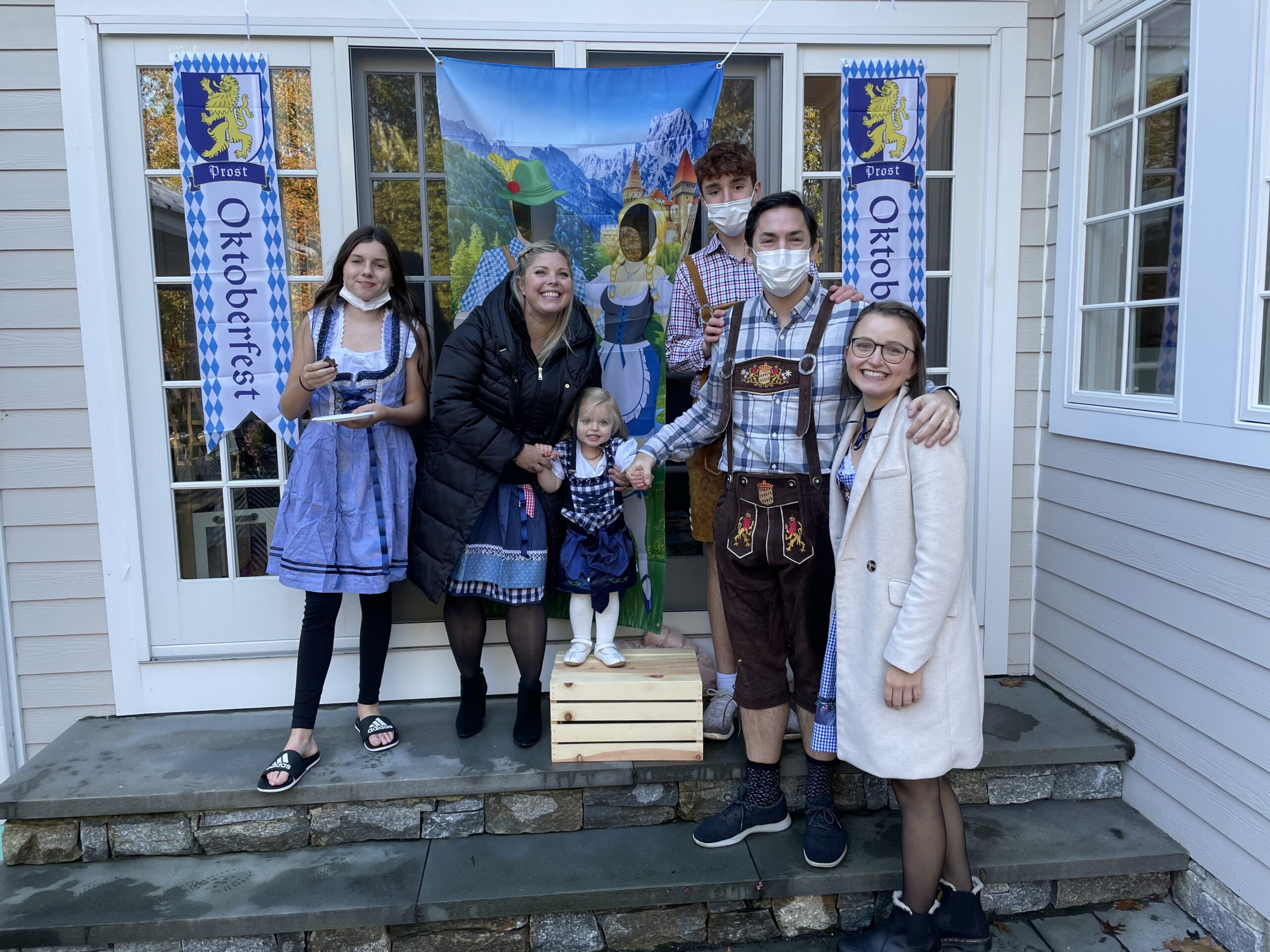
Although many people associate Oktoberfest with adult activities, the festival has deep family and community roots in Germany—and can be enjoyed by children, too!
Originally held in 1810 to celebrate a royal wedding, Oktoberfest has grown into one of the world’s largest festivals. In addition to traditional foods such as giant pretzels, bratwurst, roasted chicken, and spätzle, families enjoy carnival rides, traditional music, folk dancing, and cultural performances—with many attendees choosing to dress in lederhosen and dirndl.
For children, the festival offers a lively introduction to German culture and the importance of gathering together as a community during the fall season.
5. Israel: Sukkot
Sukkot (also called the Festival of Booths or Feast of Tabernacles) is a truly joyous, week-long Jewish holiday celebrating the harvest and the protection God provided for the children of Israel when they left Egypt.
Observed five days after Yom Kippur according to the Hebrew calendar, Sukkot typically falls in September or October.
To celebrate, families build and decorate temporary outdoor structures called sukkahs and spend time eating meals, uniting with loved ones, and reflecting on themes of gratitude, hospitality, and harvest through song and dance. For children and adults alike, Sukkot is a time of abundance, joy, connection, and celebration.
6. India: Diwali
Known as the Festival of Lights, Diwali is one of India’s most widely celebrated holidays. While it began as a Hindu celebration, other non-Hindu communities have also incorporated the festival into their own religious observances. For example, many Jains, Sikhs, and Indian Buddhists celebrate Diwali.
While Diwali traditions vary across regions and communities, themes of hope, light, renewal, and togetherness run throughout the celebration.
Many families celebrate this five-day tradition by cleaning and decorating their homes with bright designs called rangoli and gathering together to enjoy delicious meals.
7. Thailand: Loy Krathong and Yi Peng
Across Thailand, two of the country’s most visually stunning celebrations take place on the full moon of the 12th month of the traditional Thai lunar calendar, usually in late fall.
During Loy Krathong, families release small floating baskets decorated with candles and flowers into rivers and lakes. The tradition symbolizes letting go of negativity and welcoming good fortune.
In Northern Thailand, people celebrate Yi Peng by releasing glowing lanterns into the night sky. Watching hundreds, even thousands, of lanterns rise together creates a breathtaking scene that has become synonymous with the festival, also known as the lantern festival.
For children, both celebrations offer the excitement of creating something by hand and seeing it become part of a spectacular display as their creations drift into the night sky or float across the water.
8. Cambodia: Pchum Ben
Pchum Ben is an important Cambodian holiday centered on family—both past and present. The celebration is 15 days long and serves as a time to respect and remember ancestors.
During the first 14 days of the holiday, families living near a pagoda take turns cooking up food for passing monks. Many believe the spirits of departed loved ones gather at the pagoda, awaiting the homemade dishes their descendants prepare.
On the 15th day, those who observe this holiday set out early in the morning to visit three pagodas and hand out balls of food to give to the monks. The last day of Pchum Ben also marks the start of a three-day public holiday in Cambodia, allowing people to return to their hometowns and reunite with family.
9. Mexico: Día de los Muertos
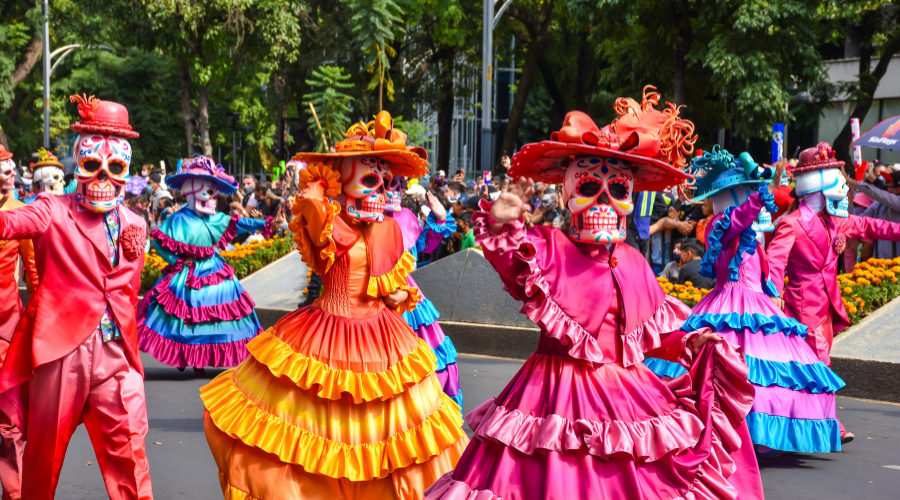
Perhaps one of the most widely recognized fall celebrations, Día de los Muertos (Day of the Dead) takes place on November 1st and 2nd.
Despite some common misconceptions, the holiday is not intended to be frightening. Instead, it’s a joyful and reverent celebration of family members who have passed away. Families create colorful altars, decorate with marigolds, prepare favorite foods, and gather to share stories and memories.
The holiday reflects the belief that remembering loved ones keeps their memory alive, creating a meaningful celebration of life, family, and heritage.
10. United Kingdom: Bonfire Night
Every year on November 5th, communities across the United Kingdom celebrate Bonfire Night, also known as Guy Fawkes Night.
The tradition commemorates the failed Gunpowder Plot of 1605 against King James I and is marked by fireworks displays, community bonfires, and family gatherings.
For many British children, Bonfire Night is one of the most anticipated events of fall and a defining symbol of the season. Families bundle up in warm clothing, enjoy seasonal snacks, and gather around fires, watching fireworks light up the late-autumn sky.
Bringing Global Fall Traditions into Your Home
Reading about how people celebrate fall traditions across the world can certainly be beneficial—but experiencing them for yourself? That often makes a much more profound impact.
At Au Pair in America®, cultural exchange is at the heart of our au pair program. Families hosting an au pair get the chance to learn about autumn traditions they may never have encountered otherwise. Perhaps your au pair shares stories about celebrating Diwali with your family, introduces your children to delectable mooncakes during the Mid-Autumn Festival, or explains the origins of Bonfire Night on a cozy November night.
These experiences can inspire meaningful family activities, new fall recipes, cultural crafts, and traditions that continue long after the season ends. For children, learning about these celebrations firsthand helps bring geography, history, and culture to life in a lasting way.
Why Fall Is the Perfect Season for Cultural Exchange
Because fall has long been the season of harvest and gathering together before the cold of winter, it’s a time of year that is particularly packed with holidays and celebrations—no matter where in the world you look.
For families hosting an au pair, autumn creates countless opportunities to share traditions in both directions. Your family may introduce an au pair to pumpkin carving or Thanksgiving, while your au pair introduces your children to new holidays and foods from another culture.
These exchanges tend to become some of the most memorable parts of hosting an au pair, helping children develop curiosity, global awareness, and appreciation for traditions different from their own—all while they receive dependable, live-in childcare.
This fall, discover new traditions and celebrate cultural exchange by hosting an au pair with Au Pair in America®!
Fall traditions around the world remind us that although cultures may celebrate the season differently, many share similar values, including family, gratitude, community, remembrance, and togetherness.
Learning about these traditions offers families a wonderful opportunity to broaden their perspectives while creating meaningful memories together throughout the fall. Hosting an au pair makes those experiences even more personal by welcoming another culture (and all the traditions and perspectives they bring) directly into your home.
