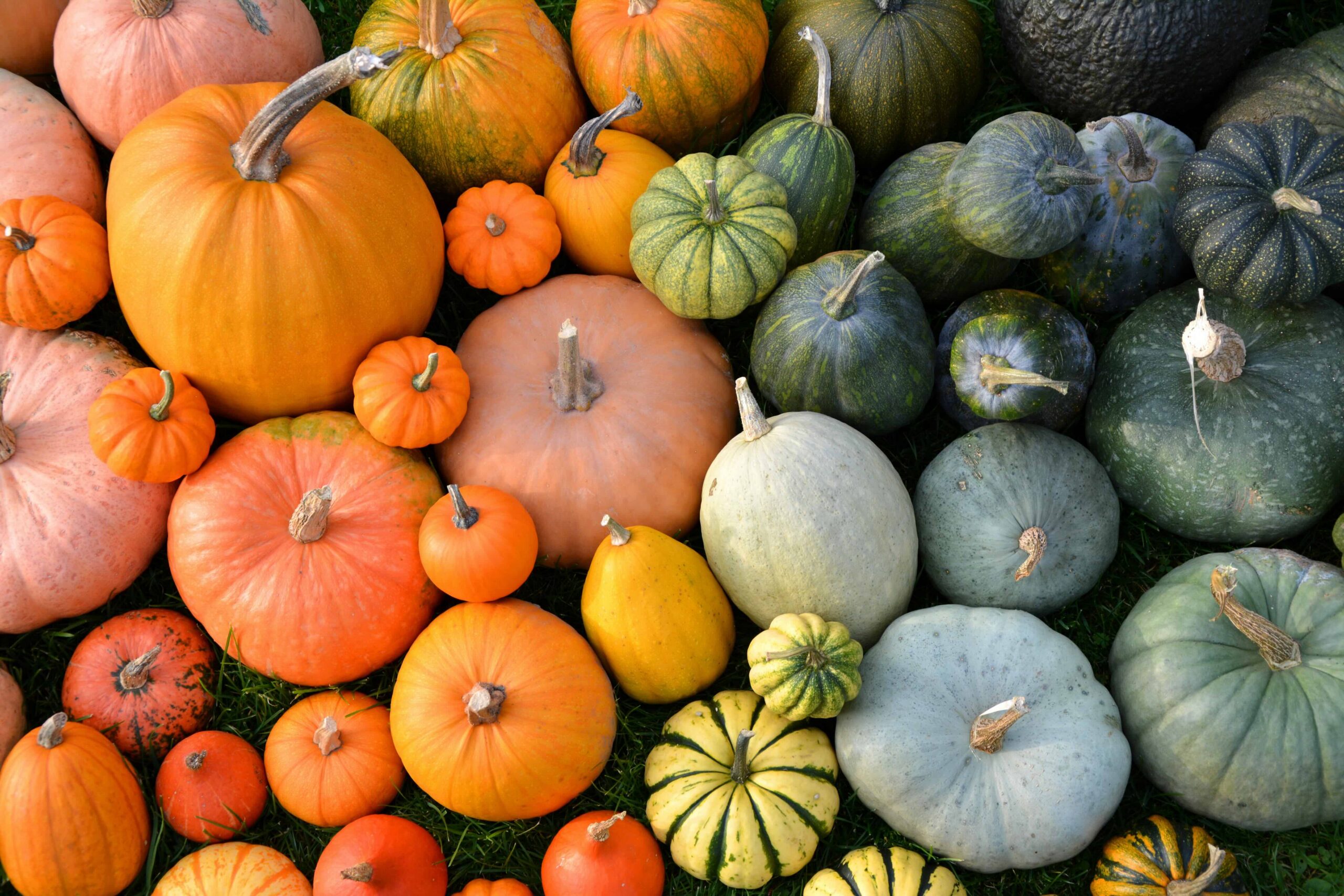
In the United States, pumpkins and the fall season go hand in hand. The smell of pumpkin spice, the taste of pumpkin pie, and the sight of porch-side pumpkins and jack-o’-lanterns are all signs that autumn has arrived.
While pumpkins may be deeply connected to Halloween and fall traditions in the U.S., these versatile vegetables have a much broader cultural story. Around the world, pumpkins and other squash varieties appear in unique seasonal recipes, harvest traditions, folklore, and celebrations that often have little or no connection to Halloween.
Exploring these international pumpkin traditions can help children see how a familiar symbol of fall takes on different meanings across cultures.
Discover how pumpkin traditions have taken root across the world through seasonal food, harvest celebrations, folklore, and more!
Indigenous Traditions: One of the Three Sisters
Long before pumpkins became associated with Halloween, Indigenous peoples throughout North America cultivated pumpkins and other squash varieties as an important food source.
In many Indigenous agricultural traditions, pumpkin and winter squash were grown alongside corn and beans as part of the “Three Sisters” planting method. Still used today, this ingenious system pairs crops that naturally benefit one another: corn stalks act as bean poles, beans add nitrogen to the soil, and pumpkins help retain moisture and suppress weeds with their low-lying leaves. Squash about an unbeanable cornbination!
Pumpkins and other squashes were also used in practical ways beyond cooking. Their shells could be turned into containers, while dried plant materials could be woven into household items such as mats.
Understanding these traditions helps place pumpkins within a much longer history that predates modern Halloween celebrations.
Mexico: Pumpkins in Food & Remembrance Traditions
In Mexico, pumpkins and pepitas (pumpkin seeds) remain important ingredients in many traditional dishes.
Roasted pumpkin seeds are enjoyed as a snack and are also incorporated into sauces and recipes throughout the country. Pepitas are particularly associated with mole, a family of complex sauces that often include a blend of dried chilies, seeds, nuts, spices, and chocolate or fruit.
Pumpkins and squash may also appear in foods prepared during Día de los Muertos celebrations. While the holiday is distinct from Halloween, they occur within days of each other, and many families prepare seasonal dishes while gathering to remember loved ones.
In some communities influenced by both local traditions and modern Halloween celebrations, pumpkin carving has become increasingly popular as well. Because candles, lanterns, and illuminated displays already play an important role in many Día de los Muertos observances, carved pumpkins often blend naturally into existing seasonal decorations.
China: Pumpkins in Traditional Cooking
Like many cultures with strong seasonal harvest traditions, China often incorporates pumpkins into seasonal cooking during the cooler months of the year. Pumpkins are commonly used in soups, porridges, stir-fries, steamed dishes, and desserts.
Aside from being delicious, pumpkins also have a place in traditional Chinese medicine, where they’ve long been associated with healthy digestion and overall wellness. This makes them especially valued during the autumn and winter seasons.
Japan: Kabocha & Seasonal Foods
In Japan, a variety of winter squash called kabocha (or “Japanese pumpkin” in North America) is widely enjoyed throughout the year and becomes especially popular during the cooler months. Its sweet flavor, smooth texture, and dense flesh make it a staple ingredient in soups, tempura, simmered dishes, salads, and desserts.
Seasonal foods play an important role in Japanese culture, and kabocha is often associated with comforting autumn and winter meals shared with family and friends.
While pumpkin carving is not a traditional Japanese custom, the growing popularity of Halloween across the country has introduced jack-o’-lanterns and pumpkin displays to seasonal events throughout Japan. In a nation with a long history of lantern festivals and celebrations centered around decorative light displays, carved pumpkins have found a place in many modern autumn festivities, creating a unique blend of imported Halloween traditions and local seasonal customs.
Europe: Pumpkins in Folklore & Superstition
Throughout various regions of Europe, pumpkins have long been associated with harvest celebrations, folk traditions, and local superstitions.
In parts of Eastern Europe and certain communities in the Balkans, pumpkins were sometimes placed around the home or garden to welcome good fortune or ward off evil spirits. Across the continent, they also became enduring symbols of abundance and transformation in folklore and storytelling. Many children are familiar with one of the most famous examples: the pumpkin carriage in Cinderella, a European fairy tale that has been retold in countless forms across the continent and around the world. Exploring different cultural versions of Cinderella can be a fascinating way for children to discover how stories evolve as they travel between regions and generations.
Today, pumpkins appear in regional dishes ranging from soups and stews to breads, pastries, and desserts. While recipes vary from country to country, pumpkins remain closely connected to the harvest season throughout much of Europe.
Ireland: From Turnips to Pumpkins
Although pumpkins dominate modern Halloween decorations, Ireland’s earliest lantern-carving traditions used turnips rather than pumpkins.
According to Irish folklore, the story of Stingy Jack inspired people to carve faces into hollowed-out vegetables and place lights inside them. Irish immigrants later brought these traditions with them when they came to North America. Once in the U.S., they discovered that pumpkins were larger, easier to carve, and more widely available than turnips. Over time, pumpkins became the preferred choice, helping create the modern jack-o’-lantern tradition we recognize today.
For families interested in learning more about Halloween’s origins, read our blog post: From Samhain to Trick-or-Treating: Where Halloween Traditions Come From.
Pumpkins as a Global Symbol of Harvest
Although pumpkin traditions vary widely, many cultures across the globe associate them with the harvest season. Not only do their bright colors, large size, and importance as a food crop help to make them a natural symbol of abundance and harvest, but their agricultural cycle is perfectly aligned with the harvest season, too.
Many vegetables (including other squash varieties) are harvested throughout the spring, summer, and early fall, but because pumpkins take so long to mature, they are usually not ready to be picked until fall is well underway, sometimes just before the first frost. So, as cultures celebrate the harvest and prepare for winter, there tend to be plenty of pumpkins around.
And with so many pumpkins practically begging to be put to use, it’s only natural that they find their way into everything from savory foods and sweet autumn treats to artworks and folk traditions!
Sharing Pumpkin Traditions Through Cultural Exchange
Pumpkins offer a surprisingly engaging way to explore cultural traditions with children.
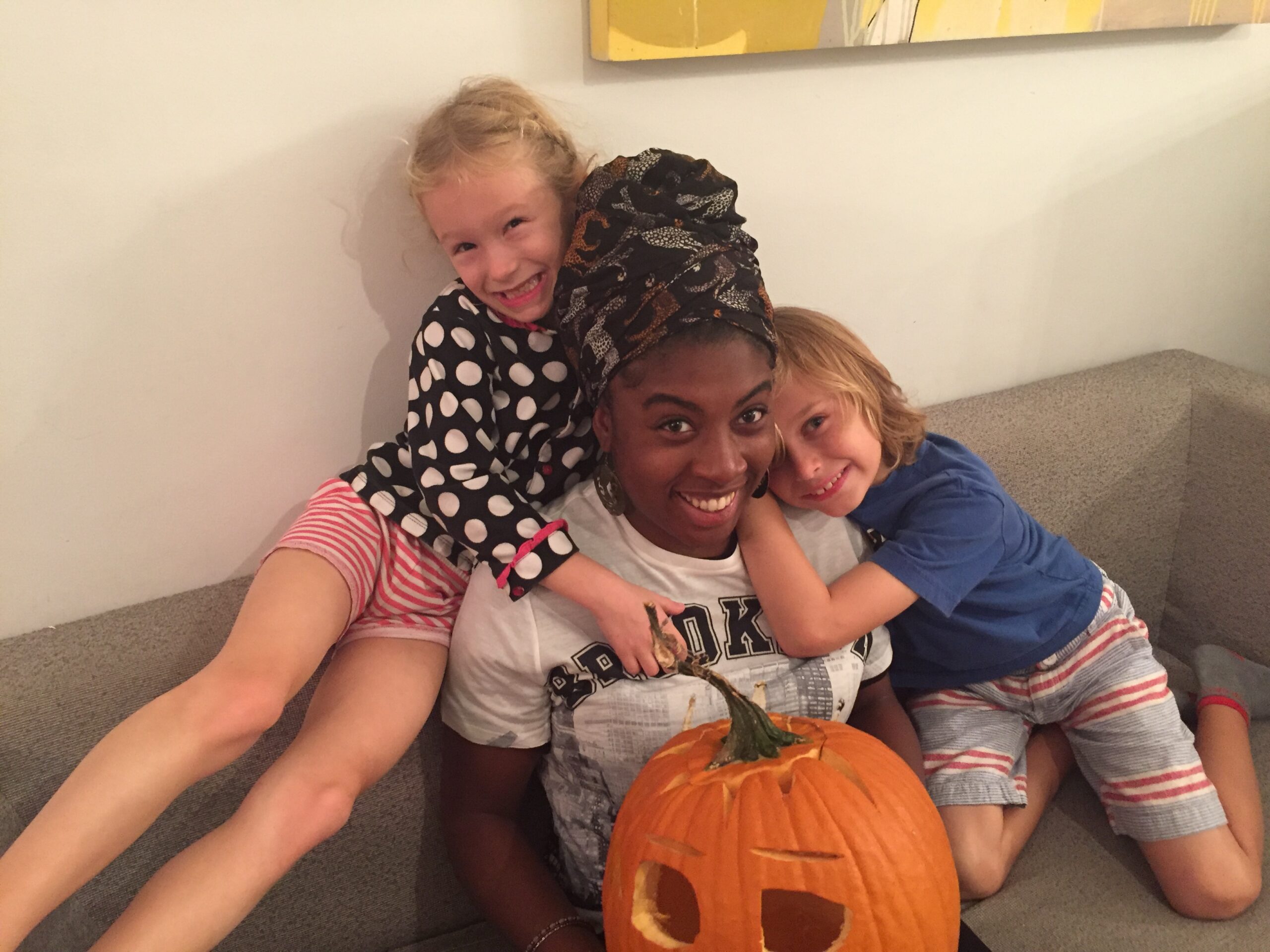
For families who host an au pair, conversations about pumpkin recipes, harvest celebrations, and seasonal customs can reveal fascinating similarities and differences between countries and cultures.
Like Cinderella’s pumpkin carriage, these not-so-ordinary vegetables can sometimes take us to unexpected places. In this case, rather than carrying a fairy-tale princess to a royal ball, they can lead families toward new cultural traditions, stories, and perspectives—which can feel just as magical.
Your family can introduce the au pair to your favorite pumpkin-based or fall recipes, and they can share harvest traditions from their home country with your family, too. It’s a chance to encourage your children to broaden their horizons and learn more about the world—all while making the fall season a whole lot more fun and fascinating.
Cultivate global learning from home—host an au pair with Au Pair in America®!
Pumpkins may be closely associated with Halloween in the United States, but their roots go far deeper than jack-o’-lanterns and pumpkin patches. Across continents and cultures, people have used pumpkins and squash varieties for food, harvest celebrations, folklore, seasonal gatherings, and fall family traditions for generations.
Exploring these traditions can help children develop a deeper appreciation for both the differences and common threads that connect cultures around the world. For families hosting an au pair, those lessons become even more meaningful when they’re shared by someone who has experienced another culture firsthand.
Ready to plant the seeds of cultural curiosity at home while your family receives trusted, live-in childcare? Au Pair in America® is here to help you get started—and support your family through every season.
