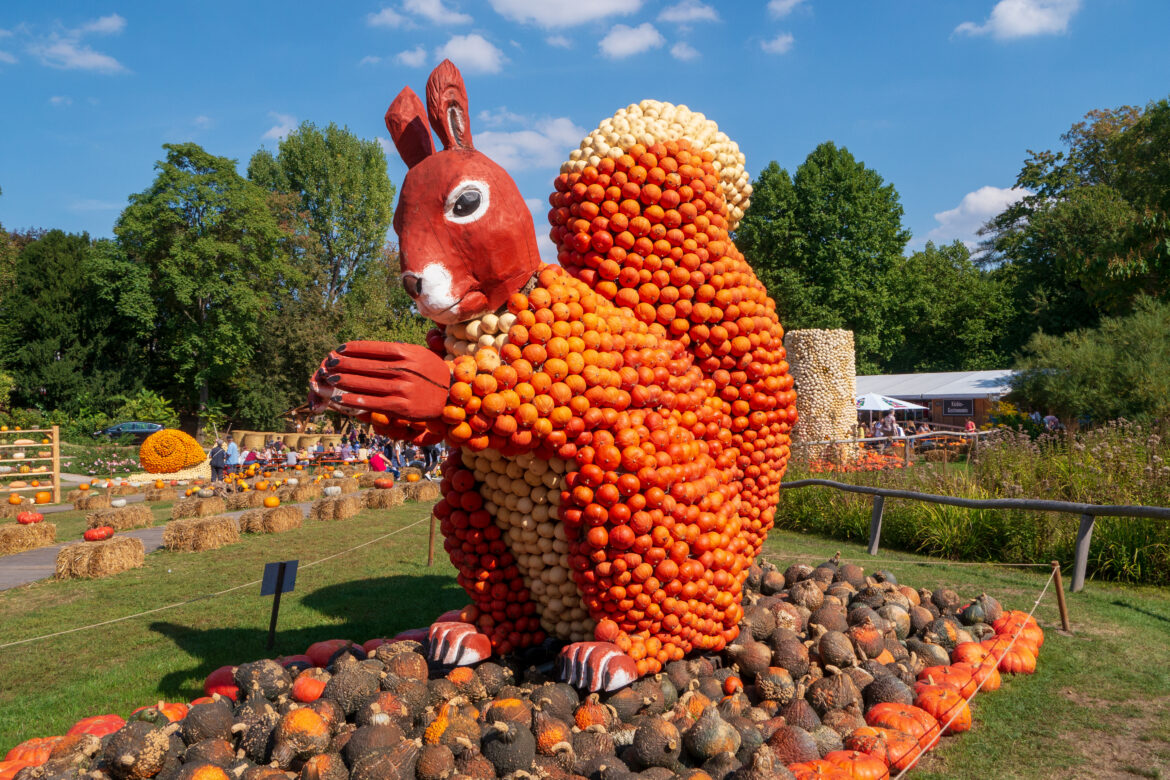
Halloween is one of the most recognized holidays in the United States. Although it may feel like a distinctly American phenomenon, its roots can be traced back to a blend of ancient traditions, including the Celtic festival of Samhain and Christian observances of All Hallows’ Eve. Today, the celebration of Halloween on October 31st has spread far beyond the U.S., with countries around the world embracing and adapting this modern holiday in their own ways.
Exploring these global Halloween traditions can help children understand how customs travel, evolve, and take on new meanings in different cultures.
Discover how countries around the world celebrate Halloween and the unique traditions that make each celebration special!
Canada: A Northern Take on Halloween
If Halloween in Canada seems familiar to American families, that’s because our neighbors to the north follow many of the same traditions we know and love. Children often dress up in costumes, carve pumpkins, attend school celebrations, and head out for an evening of trick-or-treating.
While many Canadian Halloween traditions may look the same on the surface, regional differences can be found—especially if you peel back a layer. In colder areas of Canada, for example, it’s very common for children to wear their winter jackets and snowsuits underneath their costumes so they can stay warm during trick-or-treating.
Germany: A Growing Halloween Tradition
Halloween may not be an official German holiday, but in recent decades, it has been gaining in popularity. Children in certain communities participate in trick-or-treating, or as the Germans say, “Süßes oder Saures!” while adults may attend costume parties or seasonal events. Stores frequently stock Halloween decorations and candy throughout October, and many attractions host special Halloween-themed activities.
While modern Halloween celebrations are a relatively recent addition to Germany’s cultural landscape, the holiday itself shares a connection with a longstanding German observance. Halloween began as All Hallows’ Eve, the evening before All Saints’ Day (Allerheiligen), which is still observed on November 1st in several German states.
Japan: A Costume-Centric Celebration
Halloween in Japan is a largely adult-focused event that revolves around costumes, cosplay, parades, and public events. Cities often host large Halloween gatherings where participants showcase elaborate outfits inspired by pop culture: characters from movies, TV, video games, and anime.
For children who love dressing up, Japan is a fun example of how one aspect of Halloween can become the centerpiece of the whole celebration!
United Kingdom: Familiar Traditions & Bright Displays
While Halloween in Japan is more popular with adults, the opposite is generally true in the U.K., where it’s centered around children. Though the celebrations are not as common as they are in the U.S., many children dress in costumes, carve pumpkins, and go trick-or-treating on the night of the 31st.
Less than a week later, people celebrate Guy Fawkes Night throughout the country on November 5th with bonfires, fireworks, and large community gatherings, giving this time of year a distinctly British feel.
Ireland: Where the Origins of the Holiday Can Be Found
Many scholars trace the origins of Halloween traditions to the ancient Celtic festival of Samhain, which marked the end of the harvest season and the beginning of winter. People believed that on this day, the border between the physical and spirit worlds blurred, allowing spiritual entities to cross over.
Today, Halloween remains a popular holiday throughout Ireland that blends the old with the new. Families celebrate with costumes, parties, games, seasonal foods, and large community events, including a massive street carnival in Derry and the Bram Stoker Festival in Dublin. The holiday also carries a strong connection to traditional folklore, ghost stories, and customs rooted in Irish heritage and history.
Interested in learning more about the holiday’s origins? Read our blog post: From Samhain to Trick-or-Treating: Where Halloween Traditions Come From.
Australia: Halloween in Spring
One of the most surprising differences for American children is that Halloween in Australia takes place during the Southern Hemisphere’s spring season rather than the fall.
Halloween’s popularity has grown significantly in recent years, especially in larger cities and suburban areas where families embrace costumes, neighborhood trick-or-treating, and local events. Australian children may spend the evening collecting candy in warm weather and sunshine rather than bundling up against the chilly autumn temperatures that many of us Americans are used to.
Halloween Through the Eyes of an Au Pair
One of the many joys of hosting an au pair is experiencing familiar holidays through fresh eyes. For au pairs who didn’t grow up celebrating Halloween, everything from pumpkin carving and costume shopping to trick-or-treating and Halloween-themed snacks can be completely new.
Children often love to introduce their favorite parts of the holiday to someone experiencing it for the first time. Sharing traditions and helping an au pair prepare for their first Halloween can make the celebration even more memorable for the whole family.
And for au pairs who bring their own Halloween traditions, it’s an excellent opportunity to learn more about their culture. They might share how Halloween is celebrated in their country, explain local traditions that differ from those in the U.S., or introduce your family to fall celebrations, foods, or activities that are popular where they grew up.
Ready to welcome the world’s cultures into your home? Host an au pair with Au Pair in America®!
Halloween may look different from one country to the next, but its ability to bring people together is part of what makes the holiday so special. Exploring how different countries celebrate Halloween can help children build curiosity, cultural awareness, and a greater appreciation for traditions around the world.
Hosting an au pair creates opportunities for these kinds of cultural exchanges throughout the year. During Halloween, your family can share favorite traditions while learning about another part of the world from someone who has experienced it firsthand. It’s one more way cultural exchange can turn everyday moments into meaningful learning experiences.
