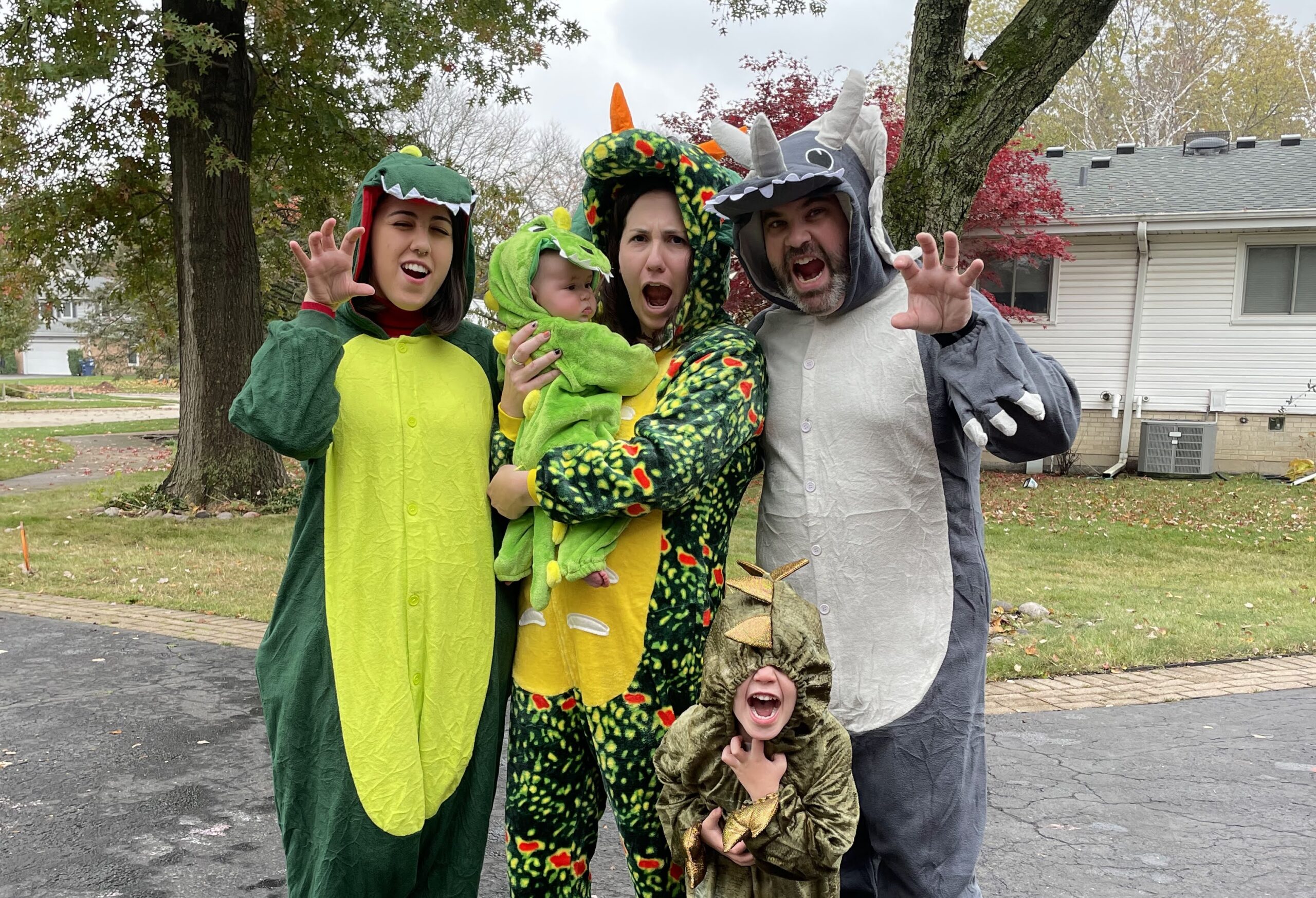
Halloween is one of the most exciting times of the year for kids, filled with costumes, candy, decorations, and trick-or-treating. But for toddlers and young children, some of that excitement can be a little overwhelming. Spooky masks, unfamiliar characters, and decorations that suddenly come to life can turn a fun Halloween outing into tear-filled ordeal.
With a little preparation and a few age-appropriate adjustments, you can help younger children enjoy Halloween with more giggles than goosebumps.
Here are 10 ways to make Halloween less scary for young children while still enjoying all the fun of spooky season as a family.
1. Introduce Halloween Characters Before the Big Day
For toddlers and preschoolers, Halloween might be their first introduction to characters like vampires, witches, mummies, and ghosts. Helping them understand these unfamiliar figures can make them seem a lot less frightening.
Start by introducing Halloween traditions through age-appropriate books, pictures, and stories. When explaining spooky characters, keep descriptions lighthearted and appropriate for your child’s understanding.
For example, rather than explaining what a mummy actually is, you might describe it as a person wrapped up in toilet paper. Add an “Isn’t that silly?” and suddenly it’s more comical than creepy.
You can even demonstrate a few characters yourself. Pretend to fly around the room like a witch on a broomstick or throw a sheet over yourself and say “Boo!” like a ghost.
And don’t forget that children may hear spooky stories from classmates or older siblings, too. If something they’ve heard scares them, encourage them to talk about it and help them separate make-believe from reality.
2. Make Spooky Decorations Less Intimidating
Halloween decorations can be fascinating to older children, but they’re often terrifying to younger ones—especially when they move, make sudden noises, or light up unexpectedly.
If you’re decorating at home, consider starting with cheerful pumpkins, colorful leaves, friendly ghosts, and smiling jack-o’-lanterns rather than frightening figures.
For decorations that make sounds or move, explain what they do before turning them on, and let your child decide whether they want to see them in action.
You can also invite your child to help decorate by getting crafty. Creating paper ghosts, painting pumpkins, or making Halloween garlands gives them a sense of involvement and helps make the holiday feel familiar. Besides, it’s hard to be scared of a ghost you made yourself!
3. Let Your Child Be the One Doing the Scaring
Sometimes, the best way to make something less frightening is to turn it into a game.
Let your children practice jumping out from behind the couch and shouting “Boo!” while you react with an exaggerated gasp or a silly scream (the more dramatic, the better). You can take turns being the one who scares and the one who gets scared. Just make sure everyone’s having fun, and skip the surprises for children who don’t enjoy being startled.
When children get to be the ones doing the scaring for a change, they may start to realize that Halloween scares can be fun, too.
Remind older children that what seems funny to them might make their younger siblings feel afraid. Instead of jumping out at them, encourage them to team up with the little ones to give Mom or Dad a good scare!

4. Choose Costumes That Are Fun, Not Frightening
Not every child wants to dress up as something scary for Halloween, and that’s perfectly okay! You can encourage younger children to choose their costumes based on their favorite animal, storybook character, superhero, or anything else that makes them happy. But even if your child loves their own costume, seeing someone else dressed as a scary character can be a different story. Before Halloween, try putting on a mask and taking it off again to show them that it’s still you underneath. You can even let them try it themselves so they understand that the people behind those spooky masks are just playing dress-up, too. You may also want to alert your youngest children of what scary costume their older sibling may be wearing ahead of time so they can feel prepared.
5. Practice Trick-or-Treating at Home
Walking up to unfamiliar houses, ringing doorbells, and talking to people in costumes can feel strange to first-time trick-or-treaters (and scarier than any monster). A practice round at home can help ease the nerves!
Have family members take turns waiting behind different doors while your child practices saying “trick or treat.” You can even hand out a few small treats to make the experience more fun.
Explain that some people may be wearing costumes or masks when they open the door, but that there’s no need to approach anyone who makes them uncomfortable.
And remind your child that they don’t have to speak if they’re feeling shy. A smile or wave is perfectly fine, too!
6. Plan a Not-So-Spooky Trick-or-Treating Route
For younger children, trick-or-treating during daylight or early evening hours can make a big difference on Halloween.
Familiar streets may feel completely different after dark, especially when they’re filled with flashing lights, spooky music, and costumed strangers.
Consider taking a walk through the neighborhood before Halloween to identify houses with particularly frightening decorations that might overwhelm younger children.
Pro-tip: If your family hosts an au pair, they can help plan a route that avoids the spookiest houses.
You can also choose a shorter route with familiar neighbors or look for community Halloween events designed specifically for younger children. A toddler or preschooler may be perfectly happy visiting five houses and calling it a night. There’s no need to cover the entire neighborhood!
7. Let Your Child Set the Pace
Some children will run excitedly toward every Halloween decoration they see. Others may prefer to observe from a distance, hold a parent’s hand, or skip certain houses altogether. Both reactions are normal.
Rather than pressuring children to face something that frightens them, let them decide what they’re comfortable with. If they want to watch other children trick-or-treat before joining in, let them. If they’re absolutely reluctant about approaching a house, there’s no need to insist.
If they encounter a costume or decoration that makes them uneasy, you can offer reassurance and give them space to move away. Avoid teasing children for being scared or telling them there’s nothing to be afraid of. Assure them that you’re there to protect them.
And remember, no matter how much you prepare, there’s always a chance your child will get scared and want to go home. That’s okay! If they’d like to call it a night and everyone else in the family is on board, then feel free to head home.
Once they’ve had a chance to settle down, help them remember the parts of Halloween they did enjoy, whether it was showing off their costume, visiting a friendly neighbor, or collecting their first few pieces of candy.
There’s always next year to give trick-or-treating another try!
8. Explore Halloween Activities Beyond Trick-or-Treating
Trick-or-treating isn’t the only way to celebrate Halloween, and for some younger children, it may not even be the most enjoyable part!
If your child isn’t ready for a neighborhood full of costumes and decorations, consider planning some less intimidating activities at home. A few ideas include:
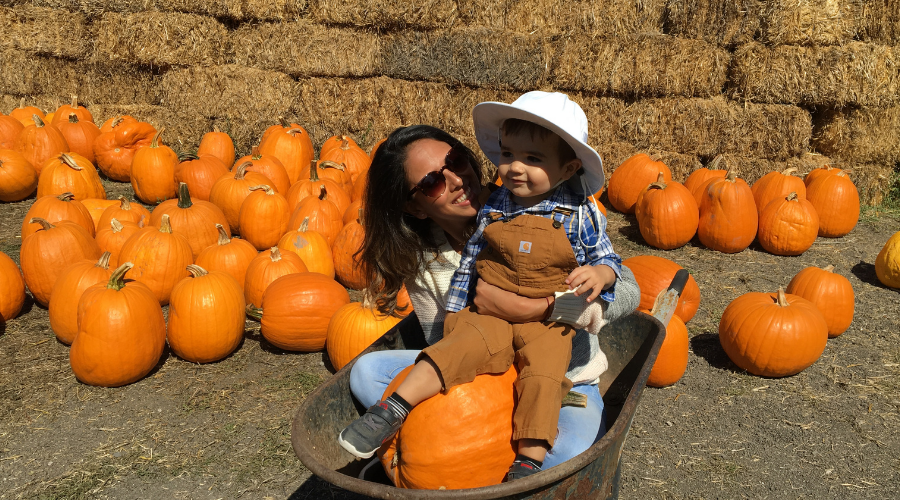
- Painting pumpkins or decorating them with stickers
- Reading friendly Halloween stories together
- Having a Halloween-themed dance party (the Monster Mash is a must!)
- Making paper ghosts or other seasonal crafts
These activities let children join in the excitement of the holiday without feeling pressured to enjoy its scarier elements. For even more inspiration, check out these 25 Fun Halloween Activities for Kids That Aren’t Just Trick-or-Treating.
9. Stick to Familiar Routines
Halloween is exciting, but it can also be exhausting! Between school celebrations, costumes, candy, and trick-or-treating, young children may find themselves dealing with more stimulation than they’re used to.
Try to keep regular meals, naps, and bedtime routines as consistent as possible. If you’re heading out in the evening, make sure your child has eaten beforehand, so they’re not running on Halloween candy alone.
It’s also helpful to decide ahead of time when you’ll call it a night—even the most enthusiastic little pumpkin can reach their limit!
10. Plan Separate Adventures for Children of Different Ages
Celebrating Halloween with children of different ages can be complicated, especially when your younger ones aren’t ready for the same spooky experiences as their older siblings.
Your preschooler may be perfectly happy visiting three houses before heading home, while your older child has plans to cover the entire neighborhood! Trying to keep everyone on the same schedule can leave younger children overwhelmed and older children disappointed.
Instead, consider splitting into age-appropriate groups. One parent or caregiver can accompany younger children on a shorter, earlier trick-or-treating route, while another takes older children on a longer outing.
For families hosting an au pair, having another trusted caregiver can make it easier to put this plan into action. An au pair can accompany one group while a parent takes the other, as part of their agreed-upon childcare responsibilities.
An au pair can also help children get into costume or organize quieter activities at home, like pumpkin painting or Halloween storytime.
Make Halloween less frightful and more delightful when you host an au pair with Au Pair in America®!
Halloween doesn’t have to be full of frights to be full of fun. Whether your young child loves costumes and candy or would rather celebrate with pumpkin painting and a cozy movie night, there’s no single right way to enjoy the holiday.
For families looking for extra childcare support during the spookiest night of the year and beyond, hosting an au pair with Au Pair in America offers flexibility, enriching cultural exchange, and opportunities to create lasting family memories together.
