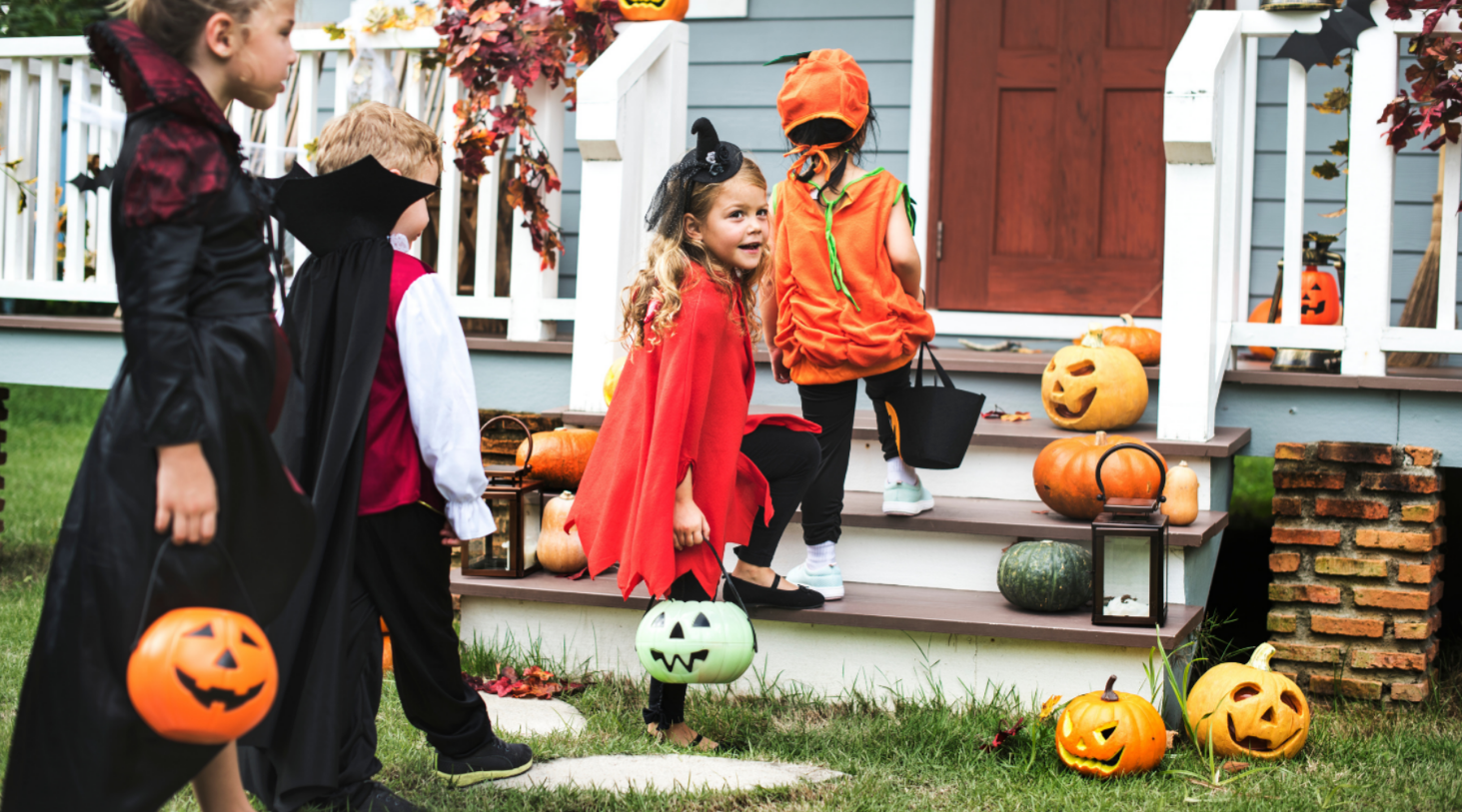
Halloween is one of the most exciting times of the year for children. Costumes, candy, decorations, and trick-or-treating all contribute to the fun, but they can also create safety challenges that parents should keep in mind.
A little preparation before heading out the door can help ensure everyone enjoys a safe and memorable Halloween. Here are some important Halloween safety tips for families to review before October 31st.
Explore these 20 practical trick-or-treating safety tips that can help families stay safe while enjoying Halloween.
1. Choose Costumes That Fit Properly
Costumes that are too long, too loose, or difficult to walk in can create tripping hazards. Make sure children can move comfortably and see clearly while wearing their costumes.
2. Prioritize Visibility
Trick-or-treating and Halloween activities often take place after dark. Add reflective tape, glow sticks, light-up accessories, or flashlights to help ensure children remain visible to drivers and other pedestrians.
3. Test Masks Before Halloween Night
Masks can restrict vision and make it difficult for children to see curbs, stairs, and traffic. If possible, consider face paint or makeup instead, or choose masks with large eye openings.

4. Wear Comfortable Shoes
Halloween often involves a lot more walking than children are used to. Comfortable, well-fitting shoes can help prevent blisters, trips, and complaints.
5. Carry a Flashlight
A flashlight helps children see where they’re walking and makes them more visible to others. Younger children often enjoy carrying their own flashlight, especially when they discover they can shine it up at their faces to make spooky expressions! Just remind them to keep the light pointed toward the ground while walking and not to point it in people’s eyes.
6. Review Trick-or-Treating Rules Before You Leave
Remind children to stay together, use sidewalks whenever possible, and avoid running between houses. Reviewing expectations ahead of time helps everyone feel more confident once the excitement begins.
7. Cross Streets Safely
Children should cross the street at corners and crosswalks whenever possible. Encourage them to look both ways and make eye contact with drivers before stepping into the street.
8. Stay in Familiar Neighborhoods
Trick-or-treating in familiar areas makes it easier for children to navigate routes and identify trusted adults if they need assistance.

9. Never Enter Strangers’ Homes
Children should only approach front doors and remain outside while collecting candy. This is a good Halloween safety rule to emphasize before heading out for trick-or-treating.
10. Travel in Groups
Young children should always be accompanied by a trusted adult. Older children and teenagers who trick-or-treat independently should stay with friends and avoid separating from their group.
11. Check the Weather Forecast
Halloween weather can be unpredictable in many parts of the country. Check the weather for rain and evening temperatures; if it’s going to get cold, have children layer clothes under costumes to keep warm without sacrificing their appearance.
12. Keep Decorations Clear of Walkways
Extension cords, decorations, pumpkins, and props can cause tripping hazards after dark. Make sure paths, steps, and entrances remain clear and well-lit at home.
13. Decorate Pumpkins Safely
Allow small children to paint or decorate pumpkins. Older children may use child-friendly carving kits that have no sharp edges or points. Also, consider using a battery-operated flameless candle for your jack-o’-lantern.

14. Review Food Allergies and Dietary Needs
Candy can contain common allergens such as peanuts, tree nuts, dairy, gluten, or other ingredients that may pose concerns to some children. Before trick-or-treating, it can help if children understand which common candy bars contain allergens, so they can choose allergen-free candy and avoid disappointment later. If your kids are trick-or-treating with other children, make sure you check in with their parents about any allergies they may have.
Then, before they dig in at home, make sure you double check candy to ensure nothing slipped through the cracks.
15. Keep Prescribed Medicine on Hand
If your child has a food allergy, diabetes, or another medical condition, make sure necessary medication is always within reach before you leave the house. Even if you tell your child to wait until they get home to eat candy, sometimes the temptation is too much!
Parents and caregivers should also be familiar with the child’s care plan and know what to do in an emergency.
16. Carry a Cell Phone
For older children who have permission to trick-or-treat without a parent or adult chaperone, a charged cell phone can help families stay connected throughout the evening.
17. Establish a Meet-Up Plan
Children should know what to do if they become separated from their group. Identify a meeting place and review who they can safely approach for help if needed.
18. Talk About Respectful Halloween Behavior
Halloween is exciting, but it’s still important to respect other people, their property, decorations, and personal space. A quick conversation before the evening begins can help set expectations.
19. Know When to Call It a Night
While children may have lofty goals of visiting a dozen neighborhood streets and stuffing their pillowcases or baskets until they’re bursting, sometimes uncomfortable costumes, inclement weather, fatigue, or too much candy can throw a wrench in the works.
Instead of continuing to trick-or-treat after kids start to get moody, consider ending the night a little earlier so everyone has a positive experience from start to finish.
20. Get Extra Childcare Support with an Au Pair
For families who host an au pair, Halloween season includes another layer of childcare support that can make a major difference when it comes to coordinating logistics and finding some peace of mind. School events, after-school activities, costume preparation, Halloween parties, and trick-or-treating plans can all make it hard for parents to keep up.
An au pair can lessen the burden of a busy schedule by helping children get ready for Halloween activities, reviewing family expectations, and even accompanying children while they trick-or-treat. For families with children of varying ages, this can be especially helpful, allowing parents to watch the younger child while the au pair goes with the older one (or vice versa).
Just as with any caregiver, it’s important that everyone involved understands the family’s safety expectations and plans before Halloween arrives.
Ready for a safe, supportive, and less stressful Halloween season? Host an au pair with Au Pair in America®!
Halloween safety doesn’t have to feel scary or uncertain. A well-fitting costume, a little advance planning, and clear expectations can go a long way toward helping children enjoy the holiday safely and putting parents’ worries at ease.
By reviewing these trick-or-treating safety tips ahead of time, families can trade last-minute concerns for peace of mind and make room for costumes, candy, and the memories that make Halloween so special.
