
One of the biggest perks of summer is taking a break from the schedules and routines that shape the school year. Families can enjoy later bedtimes, relaxed mornings, and a little more flexibility in their day-to-day lives. The challenge comes when it’s time to switch gears again. As the new school year approaches, children have to adjust to new expectations and a much more structured schedule.
While routines can feel restrictive—especially when they’re still fresh—they actually help make life run more smoothly. Routines reduce decision fatigue, create structure, and make it easier to balance responsibilities with the things we enjoy. The same is true for children. A consistent back-to-school routine gives kids a sense of stability and can help them feel more prepared for the challenges and opportunities of a new school year.
If your family is preparing for the transition back to school, these tips can help you create a routine your children will actually stick to.
Why Routines Matter for Children
Children thrive when they know what to expect. Consistent routines provide structure, predictability, and a sense of security, especially during periods of change.
Back-to-school season often brings unfamiliar experiences and environments with new teachers, classrooms, academic expectations, and social situations. Having familiar routines at home can help ease uncertainty and give children something reliable to fall back on each day. In many cases, routines can even help reduce back-to-school anxiety because children feel more confident when they understand what’s coming next.
Family routines aren’t just beneficial for children, either. They help parents stay organized, manage busy schedules, and can reduce stress that comes with juggling work, school, activities, and household responsibilities.
Build the Foundation Before the School Year Begins
The best back-to-school routines begin in the days and weeks leading up to the first day of school. Rather than making sudden changes overnight, gradually introduce school-year expectations before classes begin: shift bedtimes earlier, start practicing morning routines, and talk with your children about what their schedules will look like once school starts.
Start with a Simple Morning Routine
School mornings set the tone for the entire day. One of the best ways to create a successful morning routine is to eliminate as many decisions as possible. Have backpacks packed the night before, choose outfits ahead of time, and designate a place for important items like shoes, lunchboxes, and rain jackets.
For younger children, visual schedules can be especially beneficial. A simple chart that shows each step of the morning routine, from getting dressed to brushing teeth and eating breakfast, can make transitions easier and encourage independence.
Remember that children are more likely to cooperate when they understand what’s expected of them. Clear, consistent instructions tend to work better than repeated reminders or negotiations.
Create an After-School Routine
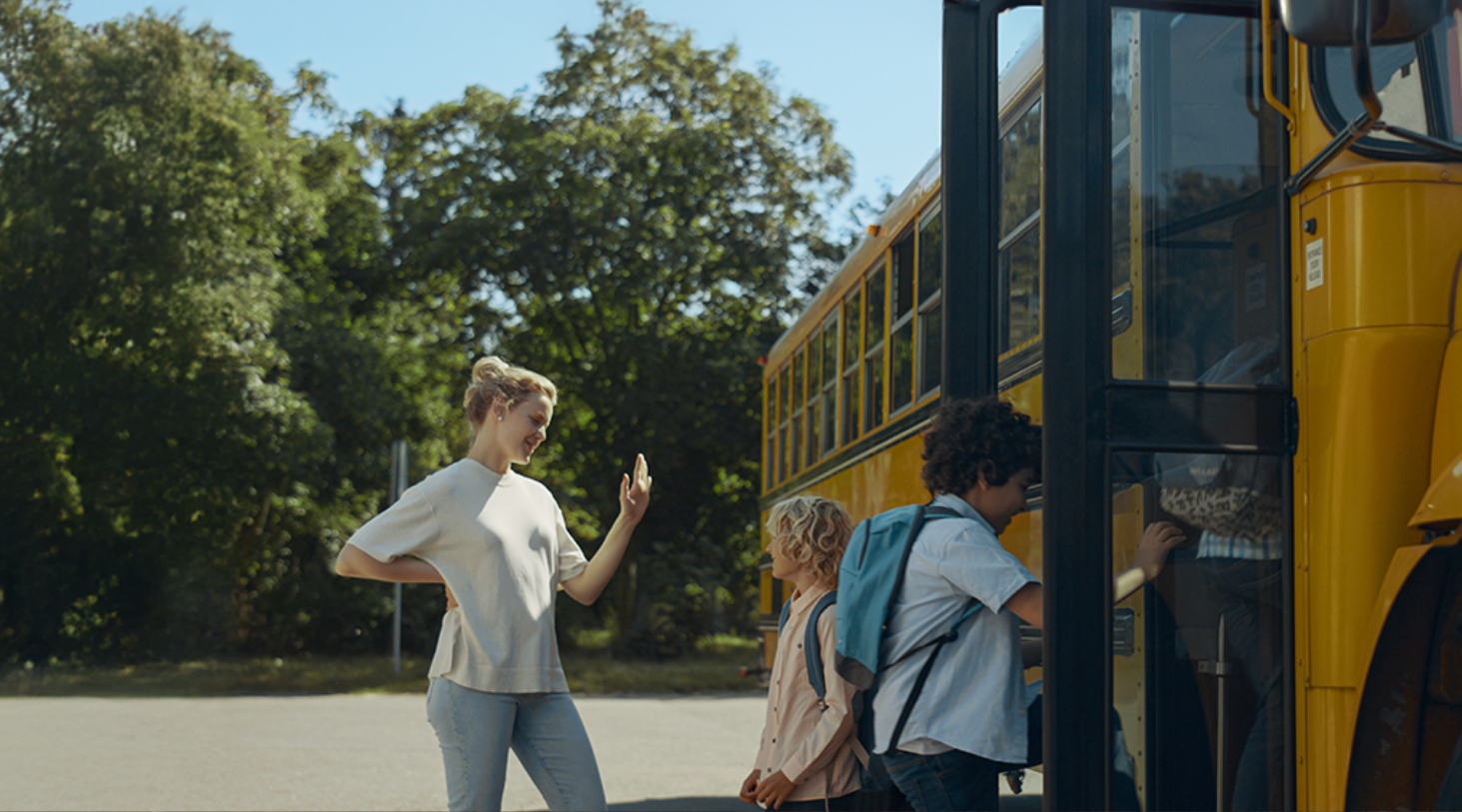
The hours after school can be filled with a range of activities from sports practices, clubs, or music lessons to family game nights, playdates, and downtime. And while activities may vary depending on the day of the week, having a clear after-school routine helps maintain structure and encourage good behavior.
Here’s a sample after-school/evening back-to-school routine:
- 3:00 – 3:30: After-school snack/downtime
- 3:30 – 4:30: Finish homework
- 4:30 – 5:30: Extracurriculars
- 5:30 – 6:30: Family dinner
- 6:30 – 7:30: Downtime
- 7:30 – 8:00: Reading/story time
- 8:00 – 8:30: Pack school bag and get ready for bed
- 8:30 – 9:00: Bedtime
Children generally transition more successfully (and complain less) when they know what’s coming next. Establishing a predictable order for after-school activities can help reduce resistance and make afternoons feel less chaotic.
How an Au Pair Supports Your Back-to-School Routines
For families hosting an au pair, establishing morning and afternoon routines can become so much easier. Au pairs can help with pickups and dropoffs, provide trusted after-school childcare, and support your children as they adjust to their new schedule.
Make Homework Manageable
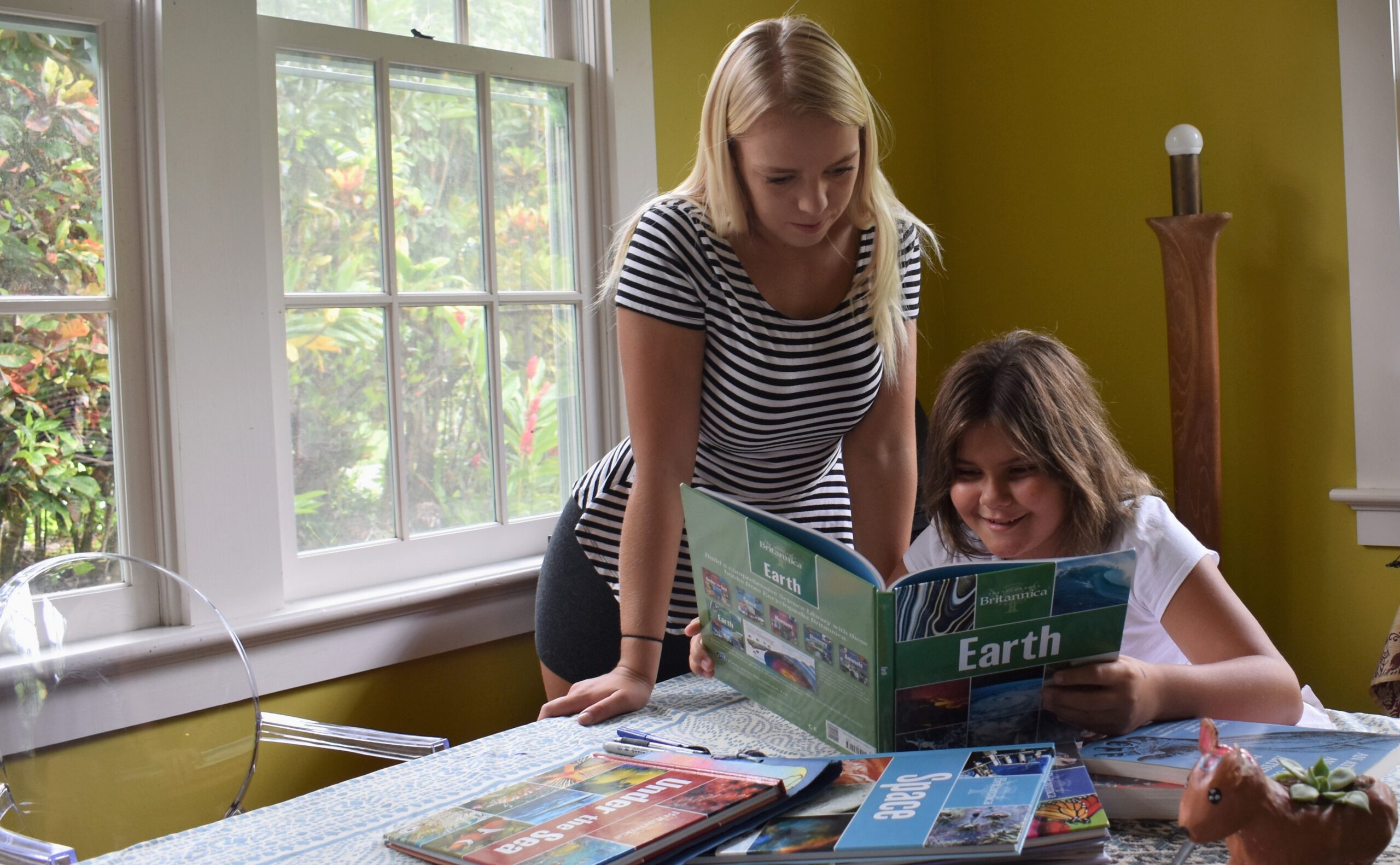
Homework can be a major pain point in establishing a school year routine. Rather than leaving homework until the last minute, try setting aside a time each day to complete it. Some children prefer to complete assignments immediately after school, while others may benefit from a short break first.
Create a dedicated homework space that’s quiet, organized, and free from unnecessary distractions. When children know when and where homework happens each day, it eventually becomes part of their normal routine rather than a daily struggle.
For younger children and those who struggle to stay on task, breaking larger assignments into smaller tasks can help make schoolwork feel more manageable.
Prioritize a Consistent Bedtime
A successful school day starts the night before. Consistent bedtimes help children get the rest they need while making mornings significantly smoother. If bedtime drifted later during summer break, begin gradually adjusting back to a school-year bedtime rather than expecting children to make a big change all at once.
A calming bedtime routine can also help children wind down more effectively. Activities such as reading, taking a bath, laying out clothes for the next day, or journaling can signal it’s time to transition to sleep.
The more predictable the evening routine becomes, the easier it is for children to develop healthy sleep habits that support them throughout the year.
Don’t Forget the Weekend Reset
While weekends tend to look different from weekdays, maintaining some consistency can help prevent Monday mornings from feeling like a shock.
Try to keep bedtimes and wake-up times reasonably close to the school-week schedule. Use part of the weekend to prepare for the days ahead by reviewing calendars, planning meals, and discussing any upcoming events. Oftentimes, a few minutes spent organizing on Sunday can reduce stress and help everyone feel prepared and confident on Monday.
How an Au Pair Can Help with Back-to-School Routines
Hosting an au pair can make setting and maintaining back-to-school routines much easier for parents and children alike. Whether they’re helping your children wake up and get ready in the morning, preparing school lunches, driving them to school, or providing trusted supervision after school, an au pair can help keep daily routines on track and instill a sense of calm in even the busiest households.
Because au pairs provide flexible, live-in childcare, they can also help families navigate the unexpected and avoid major disruptions to the routine. Schedule changes, extracurricular activities, sick days, and last-minute surprises can quickly throw a family’s plans off course. Having a trusted caregiver at home helps create consistency when life inevitably becomes busy and unpredictable. And with dependable support throughout the day, parents can spend less time coordinating logistics and more time spending quality time with family.

Host an au pair with Au Pair in America® and discover how the right childcare support can help your family build routines that last.
A successful back-to-school routine helps children feel confident, prepared, and ready to take on the school year. By creating predictable routines, parents can reduce daily stress and help children develop healthy habits that can carry forward into the rest of their lives.
Of course, even the best routines require support. That’s why many families choose to host an au pair with Au Pair in America®. An au pair can help keep daily schedules running smoothly, support children through transitions, and provide flexible childcare that adapts to your family’s needs—throughout the school year and beyond.
