
In many households, school mornings have a reputation for being a bit stressful—if not totally chaotic. One child can’t find a shoe, another suddenly remembers a forgotten homework assignment, and mom or dad was so caught up with making sure they were on time that they didn’t pack lunch. Before the day has even started, everyone is overwhelmed and running late.
While fixing it may seem impossible, a stressful school morning routine is usually the result of many small challenges surfacing all at once. Making a few simple adjustments throughout the back-to-school season can help your family leave the house feeling calmer, more organized, and far less rushed.
Ready to trade chaos for calm? Here are 10 simple ways to make school mornings smoother for everyone!
1. Prepare the Night Before
One of the best ways to improve your school morning routine is to start the night before. Many children struggle to get moving in the morning, especially during the first few weeks of school. Preparing as much as possible in advance can eliminate unnecessary stress and make mornings feel more manageable.
The night before school, try to:
- Lay out clothes for the next day
- Pack backpacks
- Confirm homework is done and packed
- Prepare lunches and snacks
- Place school supplies by the door
- Fill water bottles
Some younger children may even prefer to sleep in their school clothes for the next day (provided they’re not prone to nighttime accidents), so they don’t have to change in the morning. While certainly not for everyone, some parents swear by it. Removing one more task from the morning can make a surprising difference, especially if they’re one to drag their feet.
2. Prioritize Sleep
Part of preparing the night before means making sure everyone gets to bed on time. Children who are consistently tired are more likely to struggle with wakeups, transitions, and morning responsibilities. As school approaches, begin adjusting bedtimes gradually rather than waiting until the night before classes begin.
Also, try to keep bedtime and wake-up times consistent throughout the week, and limit screen time immediately before bed. Creating a calming bedtime routine can also make it easier for children to fall asleep and wake up in the morning feeling rested and confident.
For children who have difficulty waking up in the morning, a sunrise alarm clock can help by gradually increasing light and creating a gentler start to the day.
3. Keep Breakfast Simple
Breakfast on school mornings doesn’t need to be elaborate. In fact, too many choices can sometimes slow children down and create unnecessary conflict. Instead, consider establishing a small rotation of healthy breakfast options that your children enjoy.
Simple meals like oatmeal, yogurt, fruit, eggs, whole-grain toast, or smoothies can save time while ensuring children start the day feeling energized.

4. Leave More Time Than You Think You Need
If you find yourself rushing your children out the door in the morning, you probably haven’t given them enough time. Many families underestimate how long it takes children to wake up, get dressed, eat breakfast, brush their teeth, and get going. Children often move more slowly than adults, and rushing them usually leads to more frustration, not faster results.
Try tracking how long each morning task takes for a few days. Then build extra time into your schedule to accommodate it all.
A sample morning schedule might look like:
- 6:00 a.m. Parents wake up and get ready
- 6:30 a.m. Children wake up, get dressed, and brush teeth
- 6:45 a.m. Eat breakfast
- 7:15 a.m. Finish breakfast, gather belongings
- 7:30 a.m. Head to the bus stop or leave for school
Giving yourself 10 to 15 extra minutes can create a buffer for unexpected delays and help everyone start the day feeling less stressed.
5. Create a Morning Checklist
Children often do better when expectations are clear and visible. A simple morning checklist can help children stay on task while reducing the number of reminders parents need to give. Younger children may benefit from a visual schedule with pictures or bright colors, while older children can use a written checklist.
Their checklist might include:
- Get dressed
- Make your bed
- Brush your teeth
- Eat breakfast
- Pack lunch
- Put on shoes/jacket
- Grab backpack
- Head to the bus stop or car
Visual timers can also be helpful for children who struggle with transitions or keeping track of time. Seeing time pass can help them understand how much time remains for each step of your school morning routine.
6. Stay Calm When It’s Time to Go
Even the best school morning routines aren’t infallible. When children are dragging their feet, try to stay calm and avoid yelling. Clear, firm instructions are usually more effective than warnings or arguments. Let children know what comes next and how much time they have remaining.
Younger children, especially those entering kindergarten or elementary school for the first time, may need extra patience as they adjust to earlier mornings and new expectations.
When things aren’t going as planned, that built-in buffer time can help relieve some tension.

7. Create a Morning “Launch Pad”
One simple way to reduce morning stress is to create a designated spot near your front door for everything your child needs each day. This could be a cubby in your mudroom or beside the door, or even a taped-out square on the floor with a basket for their gear. When children know exactly where to find their belongings, you can avoid last-minute searches that derail the morning routine.
This is also a great place to hang a whiteboard and include a morning checklist and schedule. Having a dedicated drop zone for their things will make it easier for everyone to stay organized and get out the door on time.
8. Double-Check Before Walking Out the Door
Even with a dedicated launch pad, things can occasionally be left behind, and few things are more frustrating than realizing something important was forgotten.
Before leaving, take a quick moment to confirm that your child has their:
- Backpack
- Homework
- Lunch
- Water bottle
- Jacket or weather-appropriate clothing
- Sports equipment or activity supplies (if needed)
Building a final check into your routine can help prevent last-minute panic and unnecessary trips back home.
9. Make Transportation Part of the Routine
Whether your child rides the bus, walks or bikes to school, or is driven in the family car, transportation should be treated as part of the morning routine rather than an afterthought.
Try to arrive at the bus stop or school a few minutes early and account for weather, traffic, and other delays when planning your departure time. Children can generally feel less anxious when transportation follows the same predictable pattern each day.
10. Enjoy School Morning Support with an Au Pair
For families hosting an au pair, school mornings can feel much less rushed and a whole lot more manageable. As trusted, live-in caregivers, au pairs can provide before- and after-school childcare that makes school mornings and afternoons easier and less stressful. Your au pair can help children wake up on time, get dressed, eat breakfast, gather their belongings, and prepare for the day ahead. They can also drive your children to and from school and after-school activities or walk them to the bus stop and greet them when they get dropped off after dismissal.
Because au pairs live in your home, they’ll come to learn your family’s routines inside and out, so they can provide familiar, personalized care that relieves stress and helps children feel seen. Having consistent childcare support in the morning helps families maintain routines, stay organized, and navigate busy schedules more comfortably—and once families experience this level of care, they rarely look back.
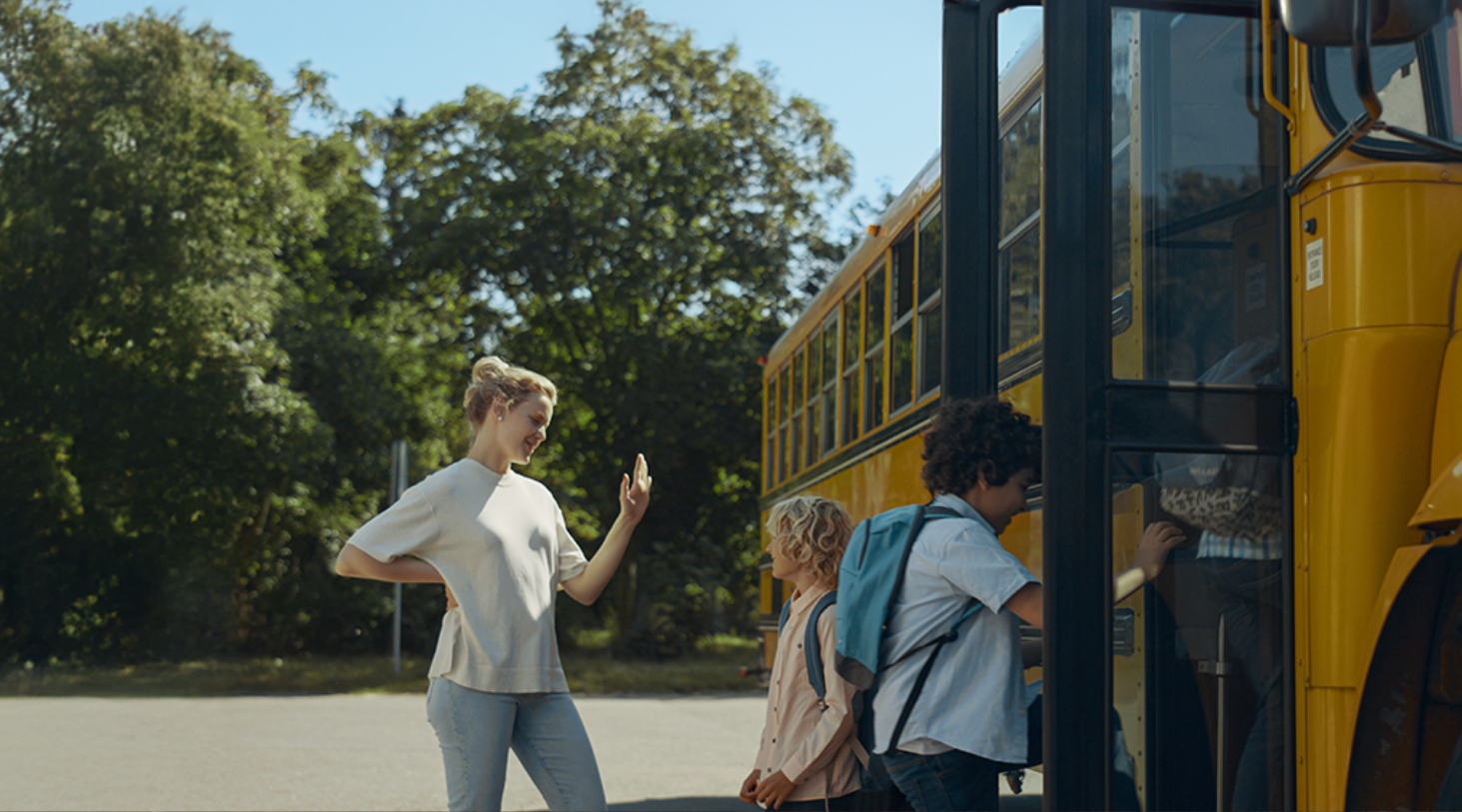
Get the school morning support your family deserves by hosting an au pair with Au Pair in America®.
School mornings don’t have to be stressful. By preparing the night before, allowing extra time, creating predictable routines, and staying patient during the transition back to school, families can significantly reduce stress and enjoy a smoother start to the day.
And when additional support is needed, hosting an au pair can help make those routines even easier to maintain. With flexible, dependable childcare and extra help during the busiest parts of the day, families can spend less time rushing and more time enjoying mornings together.
Every family deserves a smoother start to the day. See how hosting an au pair with Au Pair in America® can provide the extra support that makes your mornings easier all year long.
