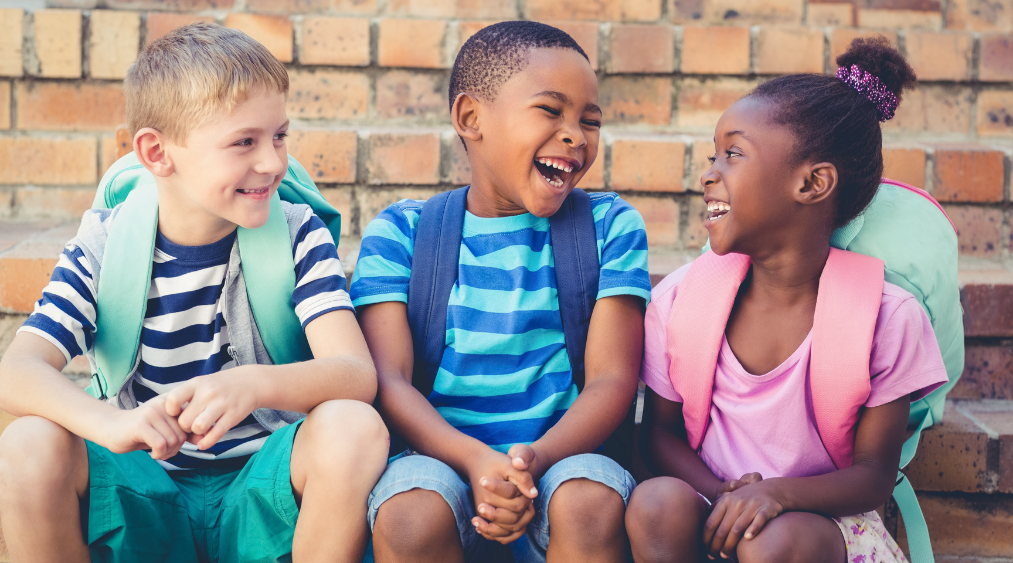
The start of a new school year brings plenty of excitement, and more often than not, some uncertainty, too. New teachers, new routines, unfamiliar classmates, and changing social circles can make even the most outgoing child feel nervous.
If you’re wondering how to help kids make friends, you’re not alone. While friendships can’t be forced, there are plenty of ways for parents to encourage confidence, support social development, and create opportunities for meaningful connections.
Looking for ways to help your child make friends this school year? Here are a few simple strategies that can help.
Build Confidence Before the First Day
Making friends often starts with feeling comfortable enough to approach someone new. Before the school year begins, help your child recognize their strengths and highlight the qualities that make them a good friend, such as kindness, creativity, humor, or a willingness to help others.
It’s also important to acknowledge that nervous feelings are normal. Many children worry about making friends, fitting in, or navigating a new classroom environment. Knowing that other students are likely experiencing similar concerns can make those feelings seem less overwhelming.
If your child tends to worry about new situations, talking through their concerns ahead of time can help. Sometimes a little reassurance is all it takes to help children feel more prepared for the school year.
Practice Starting Conversations
For many children, the hardest part of making friends is starting a conversation. Fortunately, social skills can be practiced at home. Rehearsing simple introductions, questions, and responses can help children become more comfortable starting conversations and keeping them going. The more familiar these interactions feel, the easier they may become in real life.
A few easy conversation starters for kids include:
- “What did you do over the summer?”
- “Can I play too?”
- “What’s your favorite subject?”
- “Do you like [favorite game, food, hobby, TV show, etc.]?”
- “Can I sit here?”
Conversation skills aren’t just about talking; listening is equally important. Encourage your child to pay attention to others when they’re speaking, ask follow-up questions, and show interest in what classmates have to say.
Positive body language can help, too. Smiling, making eye contact, and facing the person they’re speaking with can make conversations feel more welcoming and natural.
Teach the Value of Inclusion
Friendships often begin when someone takes the initiative. Encouraging children to be open-minded about who they spend time with can help them build a wider range of friendships. Instead of looking only for classmates who share the same interests or backgrounds, encourage your child to get to know different people and remain open to new connections.
Simple acts of inclusion can make a big difference, such as:
- Inviting someone to join a game
- Sitting with a new classmate at lunch
- Introducing themselves to another child who seems shy
- Including others in group activities
These small choices help create a welcoming environment while teaching important lessons about empathy and respect. Plus, nothing sparks a close connection quite like inviting someone to join in when they feel left out.

Support Shy Children at Their Own Pace
Every child approaches social situations differently. Some children are eager to introduce themselves right away, while others need more time to warm up.
If your child is naturally shy, focus on small, achievable goals rather than immediate friendships. For example, encourage them to say hello to one new classmate, ask a question during lunch, or join a group activity for a few minutes. Celebrating those small successes can help build confidence over time.
It’s also important to remember that friendship timelines vary. It may take some children several months of repeated interactions and shared experiences to call another child a friend. Meaningful friendships often develop gradually, and children who take longer to connect with others are not necessarily struggling socially. In many cases, they simply need more time to feel comfortable and form bonds in their own way.
Make Room for Friendships to Develop
Extracurricular activities can be a great way for children to meet peers who share similar interests. Sports, music, art, theater, and other shared passions can provide a natural starting point for conversation and connection. At the same time, a packed schedule isn’t always the answer, and parents might want to be wary of scheduling too many after-school activities.
Unstructured time to socialize, play, and strengthen relationships is great for children. While organized activities offer valuable experiences, they may not provide much time for genuine socialization. Much of childhood friendship develops during playdates, neighborhood gatherings, and spontaneous hangouts.
Rather than signing your child up for every activity under the sun, try arranging playdates at your house or encouraging them to go outside and play with the neighbors.
Encourage Cultural Awareness and Curiosity
Today’s classrooms often bring together children from a variety of backgrounds and cultures. Teaching children to approach those differences with curiosity and respect can help them build stronger connections with others. Learning about different experiences not only broadens their perspective but also encourages empathy and understanding.
One way to spark those conversations is by exploring what school looks like around the world. Hosting an au pair can take global learning a step further by making cultural exchange part of everyday life.
Inspire New Connections with an Au Pair
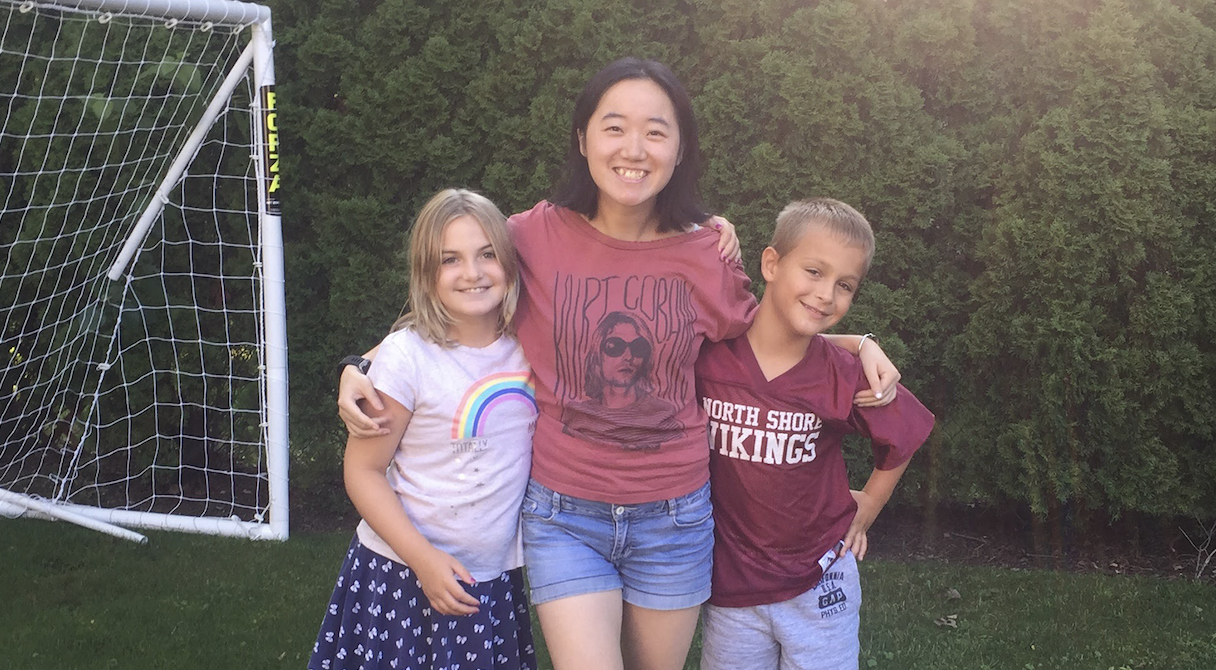
One of the many benefits of hosting an au pair is having another trusted adult who can support your child’s growth both inside and outside the classroom.
An au pair can help children practice conversations, work through back-to-school anxiety, and build confidence in social situations. For younger children especially, having someone available to listen, encourage, and role-play common school scenarios can be valuable during periods of transition. Older children and teens may also appreciate having an au pair who they can talk to about friendships, school, and other social challenges. Because au pairs are 18 – 26 years old, they can be easier for teenagers to relate to.
The cultural exchange aspect of the au pair program can also support social development and encourage cultural curiosity. Children who have an au pair may be more comfortable connecting with their peers who grew up in a different country, speak another language, or have different cultural backgrounds.
In Au Pair in America® communities, au pairs get to know other local au pairs during monthly meetings. Those connections are a great opportunity to arrange playdates between host families, creating additional chances for social interaction and friendship.
Help your child build the confidence and connections they need to thrive this school year. Host an au pair with Au Pair in America®.
The start of a new school year is often filled with new friendships, unfamiliar situations, and important opportunities for growth. Hosting an au pair with Au Pair in America® can give children an additional source of encouragement as they build confidence, strengthen social skills, and learn about another culture through everyday interactions—all while providing families with flexible, live-in childcare support.
