Yearly Archives: 2019

What Au pairs need to know about mosquitoes and their bites.

What Au pairs need to know about mosquitoes and their bites.

The happy days of sun also brings along the itchy bites of mosquitoes! Especially this summer, due to the large amount of rain we have experienced. Here is some information about mosquitoes and prevention of their bites that you may find helpful.
mosquito

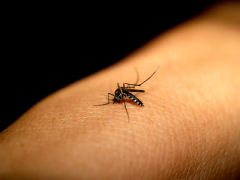
Bites from mosquitoes carrying certain viruses or parasites can cause severe illness. Infected mosquitoes can transmit West Nile virus to humans. Other mosquito-borne infections include yellow fever, malaria and some types of brain infection (encephalitis). The prevalence of these diseases depends on the geographic location. Recently, caution has been given about Zika virus and the impact on young women of child bearing age. Some areas of the the USA carry a greater risk of contracting these diseases than others. Speak to your host family to discuss the danger of mosquitos in your local area.

Mosquito Bite Symptoms

After the bite occurs, humans require some sort of mosquito bite treatment in order to ease the symptoms that occur. A mosquito bite usually results in redness and minor local swelling around the mosquito bite site. Itching is also very common and tends to last longer than the swelling, which subsides after a few hours. The itching is caused by a skin reaction to the mosquito’s saliva. These symptoms usually occur soon after the mosquito bite has occurred.

After many bites, some people become rather insensitive to them and their skin barely reacts. However, for others the mosquito bite symptoms become more severe with more bites. In fact, some people are considered allergic to mosquito bites and these individuals would definitely benefit from a mosquito bite treatment.

Unlike allergic reactions to bee stings or wasp stings, where an allergic response can cause immediate death, this same response from a mosquito bite is very rare. Instead, symptoms of an allergic response to a mosquito bite involve more significant swelling of the skin with sometimes very large hives or welts forming, more redness at the bite site, and extreme itching. These symptoms tend to last much longer than in non-allergic individuals, sometimes lasting two or three days. In more severe cases, blistering and bruising may also be the response. Overall, it is a much more uncomfortable and painful situation for the victim and a bite treatment becomes important.

American Mosquito Control Association (AMCA), an international organization of nearly 2,000 public health professionals, formed in 1935. Recommends the following:


Mosquito Bite Prevention

Mosquito bites are annoying for individuals, but often no mosquito bite treatment is used. However, because of the possibility of contracting one of the above mentioned diseases, it is very important to avoid getting bitten as much as possible. Prevention is the best treatment.
In order to reduce the risk of being bitten:

  • Apply insect repellent containing DEET (N,N-diethyl-meta-toluamide) when outdoors during mosquito season. Read the precautions of the product carefully since these products can irritate the eyes, etc.
  • Wear shirts with long-sleeves, long pants, a hat, shoes, and socks when outdoors. Use of mosquito netting is also recommended in areas with higher concentrations of mosquitoes. Spray repellent on clothing because mosquitoes will bite through thin clothing.
  • Wear light colored clothing, since dark colored clothes attract more mosquitoes.
  • Avoid wearing scented products. Perfumes, etc. will attract mosquitoes.
  • Avoid times when these insects are more likely to bite such as early morning and evenings.
  • Reduce the number of mosquitoes in outdoor areas by emptying sources of standing water. Mosquitoes lay their eggs and breed in these areas.
  • Report dead birds found to authorities so that they can be checked for West Nile Virus.

Following these steps will go a long way to preventing bites and the subsequent need for a treatment.


Mosquito Bite Treatment

In order to get relief from the mosquito bite symptoms, a mosquito bite treatment is required. A treatment for mosquito bites involves washing the affected areas with soap and water to ensure no infections develop and to help reduce the itch. Applying soap directly to the bite has been suggested as an itch remover. Use a cold compress on the bite site to help alleviate the itch, swelling, and redness. A bite treatment may also involve some of the procedures listed below.

  • Making a paste of baking soda and water and spreading it over the bites.
  • Using calamine lotion or a topical anesthetic to help relieve the itch and pain.
  • Itching can also be relieved by using a one percent hydrocortisone cream.
  • Anti-inflammatory medication such as Ibuprofen will help with the swelling and pain.
  • The use of antihistamines is also a useful mosquito bite treatment because they will alleviate the itch and swelling.
  • Aloe vera gel is an effective all natural mosquito bite treatment. This compound reduces swelling and itching and soothes the affected area.
  • A mosquito bite treatment is also available in the form of commercial products specifically designed for this purpose.

Not scratching the mosquito bite area is an effective treatment for a mosquito bite. Scratching prolongs the swelling, itch, and discomfort, and can open the skin and cause an infection. If your mosquito bite becomes red and swollen and if the area around the bite feels warm to the touch, the bite may be infected. If this condition persists and does not respond to a standard mosquito bite treatment, then consult a physician

If unusual symptoms develop about five days after being bitten by a mosquito, then a standard mosquito bite treatment is ineffective and a visit to a physician should be a priority. Unusual symptoms can include severe headaches, fever, skin rashes, nausea and vomiting, disorientation, chills, and muscle pains.


http://www.bing.com/news/search?q=helpful+tips+to+prevent+mosquito+bites&qpvt=helpful+tips+to+prevent+mosquito+bites&FORM=NWRFSH

Springtime brings out the mosquitoes! What you need to know to stay safe.

What Au pairs need to know about mosquitoes and their bites.

The happy days of sunshine also brings along the itchy bites of mosquitoes! Especially this summer, due to the large amount of rain we have experienced. Here is some information about mosquitoes and their bites that you may find helpful.

mosquito

Bites from mosquitoes carrying certain viruses or parasites can cause severe illness. Infected mosquitoes can transmit West Nile virus to humans. Other mosquito-borne infections include yellow fever, malaria and some types of brain infection (encephalitis). The prevalence of these diseases depends on the geographic location. Recently, the USA has cautioned about the Zika virus and the danger for young women of child-bearing age.  Certain areas of the world and currently in the USA carry a greater risk of contracting these diseases than others. Ask your host family about the dangers that Mosquitos present in your local area.

Mosquito Bite Symptoms

After the bite occurs, humans require some sort of mosquito bite treatment in order to ease the symptoms that occur. A mosquito bite usually results in redness and minor local swelling around the mosquito bite site. Itching is also very common and tends to last longer than the swelling, which subsides after a few hours. The itching is caused by a skin reaction to the mosquito’s saliva. These symptoms usually occur soon after the mosquito bite has occurred.

After many bites, some people become rather insensitive to them and their skin barely reacts. However, for others the mosquito bite symptoms become more severe with more bites. In fact, some people are considered allergic to mosquito bites and these individuals would definitely benefit from a mosquito bite treatment.

Unlike allergic reactions to bee stings or wasp stings, where an allergic response can cause immediate death, this same response from a mosquito bite is very rare. Instead, symptoms of an allergic response to a mosquito bite involve more significant swelling of the skin with sometimes very large hives or welts forming, more redness at the bite site, and extreme itching. These symptoms tend to last much longer than in non-allergic individuals, sometimes lasting two or three days. In more severe cases, blistering and bruising may also be the response. Overall, it is a much more uncomfortable and painful situation for the victim and a bite treatment becomes important.

American Mosquito Control Association (AMCA), an international organization of nearly 2,000 public health professionals, formed in 1935. Recommends the following:


Mosquito Bite Prevention

Mosquito bites are annoying for individuals, but often no mosquito bite treatment is used. However, because of the possibility of contracting one of the above mentioned diseases, it is very important to avoid getting bitten as much as possible. Prevention is the best treatment.
In order to reduce the risk of being bitten:

  • Apply insect repellent containing DEET (N,N-diethyl-meta-toluamide) when outdoors during mosquito season. Read the precautions of the product carefully since these products can irritate the eyes, etc.
  • Wear shirts with long-sleeves, long pants, a hat, shoes, and socks when outdoors. Use of mosquito netting is also recommended in areas with higher concentrations of mosquitoes. Spray repellent on clothing because mosquitoes will bite through thin clothing.
  • Wear light colored clothing, since dark colored clothes attract more mosquitoes.
  • Avoid wearing scented products. Perfumes, etc. will attract mosquitoes.
  • Avoid times when these insects are more likely to bite such as early morning and evenings.
  • Reduce the number of mosquitoes in outdoor areas by emptying sources of standing water. Mosquitoes lay their eggs and breed in these areas.
  • Report dead birds found to authorities so that they can be checked for West Nile Virus.

Following these steps will go a long way to preventing bites and the subsequent need for a treatment.


Mosquito Bite Treatment

In order to get relief from the mosquito bite symptoms, a mosquito bite treatment is required. A treatment for mosquito bites involves washing the affected areas with soap and water to ensure no infections develop and to help reduce the itch. Applying soap directly to the bite has been suggested as an itch remover. Use a cold compress on the bite site to help alleviate the itch, swelling, and redness. A bite treatment may also involve some of the procedures listed below.

  • Making a paste of baking soda and water and spreading it over the bites.
  • Using calamine lotion or a topical anesthetic to help relieve the itch and pain.
  • Itching can also be relieved by using a one percent hydrocortisone cream.
  • Anti-inflammatory medication such as Ibuprofen will help with the swelling and pain.
  • The use of antihistamines is also a useful mosquito bite treatment because they will alleviate the itch and swelling.
  • Aloe vera gel is an effective all natural mosquito bite treatment. This compound reduces swelling and itching and soothes the affected area.
  • A mosquito bite treatment is also available in the form of commercial products specifically designed for this purpose.

Not scratching the mosquito bite area is an effective treatment for a mosquito bite. Scratching prolongs the swelling, itch, and discomfort, and can open the skin and cause an infection. If your mosquito bite becomes red and swollen and if the area around the bite feels warm to the touch, the bite may be infected. If this condition persists and does not respond to a standard mosquito bite treatment, then consult a physician

If unusual symptoms develop about five days after being bitten by a mosquito, then a standard mosquito bite treatment is ineffective and a visit to a physician should be a priority. Unusual symptoms can include severe headaches, fever, skin rashes, nausea and vomiting, disorientation, chills, and muscle pains.


http://www.bing.com/news/search?q=helpful+tips+to+prevent+mosquito+bites&qpvt=helpful+tips+to+prevent+mosquito+bites&FORM=NWRFSH
Springtime safety: Tick bites, poison ivy and other tips!

PREVENT INJURIES WITH PLAYGROUND, CAR AND BIKE SAFETY

Springtime is a great time to get outside and play! Keep these safety tips in mind. 

  • Car safety for kids. Never let kids ride in the cargo areas of pickup trucks or vans. Children under 12 should ride in the back seat, and properly restrained in an appropriate child safety seat for their height and weight.
  • Bike safety. Bicyclists of all ages, including kids, must wear a properly fitting helmet while riding a bike. Make sure your child’s bike is the right size, and teach him or her to obey all traffic rules while riding. Busy neighborhoods can be especially dangerous. Talk with your host parents about ways to keep safe while riding on busy streets.
  • Playground safety. As with other summertime activities, kids should always have adult supervision when having fun on the playground.
    • Equipment should be firmly anchored and well-maintained. There should be shock-absorbing material such as rubber, gravel or wood chips, and equipment should be installed at least 6” from fences or sidewalks.
    • Avoid clothing or accessories that could cause strangulation. These include drawstrings, necklaces or loose-fitting garments.

 BE CAREFUL WITH POISON IVY


Poison ivy, poison oak and poison sumac all contain urushiol, a rash-causing substance that produces an allergic reaction in 60-80% of all people.

You don’t even have to touch the plant to be affected. Urushiol can be transferred by touching another person or an article of clothing that has been in contact with an offending plant. If can also be inhaled if a poison ivy plant is burned.

You can reduce the risk to you and your kids by:

Learning to identify poison ivy, poison oak and poison sumac leaves

  • Avoiding outdoor areas where you know poison ivy is present
  • Wearing long sleeves and pants in areas where poison ivy may be present
  • Washing skin as quickly as possible if exposure occurs
  • Bathing and washing clothes after time outdoors
  • Bathing pets who may have been exposed

Symptoms of poison ivy exposure include red, itchy, swollen skin and blisters.

  • Call a doctor if your child develops a fever or any type of rash.
  • The rash typically takes 1-2 weeks to heal.
  • Treatment includes cool showers and soothing lotion to calm the skin.
  • If your child has a severe reaction, your doctor may prescribe pills or creams to promote healing.

 WATCH FOR TICK BITES

Always check for ticks after you or your kids have been outdoors during the summertime. Removing the tick as quickly as possible reduces the risk of tick-borne illness such as Lyme disease.

  • Don’t use petroleum jelly or a hot match. These don’t work and may cause the tick to burrow even deeper into the skin.
  • Remove the tick using the following steps:
    • Use tweezers to grasp the tick as close to the skin as possible.
    • Pull firmly and steadily until the tick is removed.
    • Don’t twist or rotate the tick.
    • If part of the tick stays in, it will eventually come out on its own.
    • Gently wash the affected area with soap and water.
  • Call your pediatrician. He or she may prescribe antibiotics if your child is at risk of Lyme disease.
  • Pay attention for symptoms of Lyme disease. Early treatment is crucial for long-term recovery.
    • Red ringed rash around the affected area
    • Red or irritated skin
    • Flu-like symptoms
    • Painful or swollen joints
    • Facial paralysis

Big Kids Need Interaction Too

Just because a child is old enough to occupy themselves, doesn’t mean that they should be expected to do so the majority of the time.  Host families have a certain expectation of activity and involvement for their children. Get the kids engaged and active. You can be more fun than the TV or a video game.

 

Problem:
But, my kids don’t want to do anything but watch TV or play video games.

Solution:
Instead of saying,  “Would you like to (fill in the blank with any activity)?  The answer will often be, “No.”

Try this, “Now we are going to (fill in the blank with any activity.) or “Would you rather do  _____ or ______?”  Make sure both the choices are good options.
Your chances of co-operation are greatly increased. Even kids who are reluctant to try new things will usually get in the spirit of things and have fun, if you pick a good activity.

Problem:
I don’t know what to do with school age kids.

Solution:
Look for ideas online. Google “activities school age kids” or “activities tweens”. Below is a list of some ideas to get you started.

  • Cooking
  • Making things (check craft stores like Michael’s for kits and models that are age appropriate)
  • Going fun places (pottery painting, jewelry making, farms, museums, mini-golf, go-karts)
  • Sports (soccer, tennis, swimming, bicycling, roller skating, ice skating)
  • Let them teach you to do something they enjoy. Kids this age love being the expert.
  • Get outdoors and visit local parks.  You can even make a project of reviewing all the local parks (what kind of equipment they have, is there shade, water fountain?)  They can write this up and keep, so they remember which ones they want to go to again and which ones to skip in the future.
  • Let them help you search and plan some activities.
  • Check on the APIA Pinterest page and here on our cluster blog for ideas.
  • If you have a GPS, try taking them geocaching. Here is a website with all the details.

Note: Always get permission from your host parents before taking the kids places.

Photo: Killian77

Privacy & Personal Information Online

We live in a time of constant sharing through social media. We often share pictures, plans of somewhere we are going or rants about problems, without thinking much about who will see it and what could be the consequences.


Before clicking “post”, stop to think:

  • Am I violating someone’s privacy?
  • Am I sharing personal info. that could put me in danger?
  • Would I want my current or a future employer to see this?

This will help protect your privacy and safety as well as that of your host family. It is important to respect your host family’s privacy and not share personal details and information.  This applies to all kinds of situations, including: personal conversations, email and social websites.

For your own safety, it is a good idea to be careful what personal information you share about yourself as well. You should not give out information like your telephone number and address to people you don’t know. Safer to meet a new friend in a public place, than to give them your address before knowing them.

Once you post something on the internet (even if you later delete it), it can show up elsewhere.  Unless you have specific permission from your host family, you should never post pictures of them, their children or their home on the internet.

If you have a blog or website where you post in your native language, remember there is translation software. So, even if you say it in your native language, be sure it is not something that might be misinterpreted in translation or something you will regret saying.

Program rules for Holiday and Vacation for Host Families and Au pairs.

“Rest and be thankful.” – William Wordsworth

Holidays and vacations are a great opportunity to rest, recharge and explore the U.S.

Spring break is a busy travel season for host families. Here are some reminders about program rules regarding holidays and vacations.

Holidays

  • Host families are not required to give au pairs any specific holidays.
  • Each host family will make different arrangements on holidays, some au pairs will be off and others will be required to work.
  • Au pairs should not make plans for holidays without checking with your host family first.

Vacations

  • Au pairs earns 2 weeks of paid vacation during the course of her year.
  • Vacation time should be mutually agreed upon.
  • All vacation should be preplanned (at least 4-12 weeks in advance.) This can allow time to coordinate the au pair’s weekend off for the month that she will also travel.
  • All au pair’s friends and/or family visits/vacations should be pre-approved prior to purchasing tickets. Some host families will not be comfortable with your guest visiting during your work hours. You may need to coordinate your vacation with your guest’s plans.
  • If an au pair travels with her host family, it should be discussed in advance whether this is the au pair’s vacation or if she is working.
  • If an au pair travels with the host family to work, the host family is required to pay for her transportation, lodging and meals. Her Lodging should ensure her privacy.

Important: If an au pair is traveling outside of the U.S., she must have her DS2019 signed (travel validation) PRIOR to her departure from the US. A visitor’s visa may also be needed for the country you are visiting.  More information about this may be found here on the Au Pair in America website.

Live Your Dream!

It is normal for an Au Pair to feel a little bit homesick, especially after the holidays have ended. Our long rainy, wet winter has all of us singing the blues! Here are some tips for making it through the roughest days. 

  Here are some things to do if you are feeling a little blue:


  • Be a tourist, get to know where you live, visit the local sights and explore just as you would if on vacation.  Start a list of favorite places.
  • Plan a trip with a friend, a day trip or a weekend, get excited about doing something new with a new friend and before you know it you will be excited and chatting about the trip instead of talking about what you are missing at home. 
  • Go to your cluster meeting, This will definitely help you.
  • Not everything has to change.  If you loved jogging at home, do it here.  There are some habits you love that you can keep.
  • Create a routine.  Having a routine will help  you feel at home and settle into life here.
  • Do not stay home.  Get out and about, go to the gym, the park, a coffee shop, a movie, staying home alone will not help homesickness.
  • Ask your counselor to connect you with another au pair who was also homesick, there’s nothing better than talking to someone who has been in your shoes.
  • Start planning a digital memory book. Collect pictures and mementos from your year in a special online folder. Online sites like Shutter Fly and  Social Print Studios offer great deals on photo books.It will give you something to work on when you  have quiet time alone and as your year progresses you will be able to see what an amazing experience you are having.  You’ll have a wonderful keepsake to take home with you.  You’ll feel so proud of your memory book! 
  • Most importantly, talk to someone, if you feel sad or homesick.  Being part of a cluster enables us to help and support each other. 

A little inspiration from a former au pair… https://www.youtube.com/watch?v=H3IBmRWGnwA


Have a great year, this is your dream, make the most of it! 


Exciting New Educational Class For Au Pairs!

Au Pair –  New Place, New Culture, Now What?

This class is for the Au Pairs or students of other cultures who already speak English quite well and want learn more about the place in which they have chosen to live, The United States.  There will be in depth discussions about adjusting to live in the United States and the stages of cultural adjustment. What are the popular holidays and how do we celebrate them? Learn new vocabulary, idioms and maybe even some of our good ole North American humor and slang. Students will keep journals of different experiences for discussion in class.

March 4 – May 20

No Class:

March 11: Professional Development Day

April 1-5: Spring Break

Alpharetta and Gwinnett Campus

Mondays & Wednesdays

9:00 a.m. – 12:30 p.m.

10 weeks

7.2 CEU’s

72 hours

Early Registration deadline: February 27

Early Registration fee $500

Regular Price: $530

To Register: https://aceweb.gwinnetttech.edu/wconnect/CourseStatus.awp?&course=193CED9072

Au pairs must finish all educational classes one MONTH BEFORE their year end. The State Department will deny any request to extend your au pair term, if your education is not finished by the 11th month. 

CEUs, Semester Credits, Continuing Education Credits are all different ways of measuring time in a class. Every au pair will need 72 classroom hours of education. For example: In order to have 72 hours of class time an Au pair must have 7.2 ceus. Count the number of hours you have attended class to add up to 72 hours. 


Options for medical care. Where to go

Options for care- What an au pair needs to know!

Au pairs can go to mini clinics for a number or illnesses:

Colds, flu, Cold sores, ear infections

Coughs, headaches, migraines, insect bites, head lice

Urinary tract infections, Sinus infections, rash, Ringworm,

Upper respiratory infections, Pink eye, skin irritations

Stomach aches, diarrhea, nausea and vomiting

Seasonal Allergies

Some examples of mini clinics are:

Urgent Care Center

Walk in clinic

CVS Minute Clinics

Walgreens Take Care Clinics

Primary Care Physician office (This is will require an appointment and might not be available on the same day or after hours)

Mini clinics are open after hours and late hours and do not require an appointment. When visiting these clinics or physicians office please direct receptionist to look on back of card for details of your net work. You are a part of the First Health Network.

To Search for a doctor or clinic in your immediate area go to use the U.S Search Provider Tool.


Au Pairs should avoid using the Emergency Room if the condition is not life threatening.

Three Reasons you should avoid using the Hospital emergency Room for non-threatening illnesses:

  1. A 500.00 deductible will be added to your charge ( by the insurance company) for an emergency room visit for a non-emergency-related illness.
  2. Typically the wait for treatment in an emergency room will be long.
  3. Hospital emergency rooms are for those with true life-threatening injuries or illnesses. It is important to keep medical coverage available for those who need this care.

Of course, if you are experiencing a true, life threatening emergency, treatment should be sought in an emergency room!

Information was obtained at 
www.culturalinsurance.com


Make Your Own Play Dough

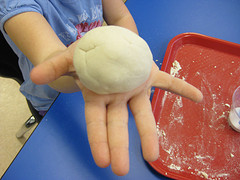
Play dough is the perfect modeling material for children. Their small hands can pat, poke, pinch, roll and knead it into many shapes. Keep it in an airtight container to use another day, or let it air dry into favorite shapes.

8640007416_3170564961_m

Measure 2 cups of flour, one cup of salt and 4 teaspoons of cream of tartar into a bowl. Add 1/4 cup of oil to one cup of water in a separate bowl then add the mixture to the dry ingredients. For colored play dough, squeeze 10-20 drops of food coloring into the water before you add it to the mixture. Cook the dough at low heat in a wide pan, stirring constantly until it becomes rubbery. Remove the dough from the heat and knead it for a few minutes. When it cools the kids can play too!

Photo: Kevin Jarrett (Flickr)