
Yearly Archives: 2026

Camp Au Pair – Under the Sea

Next week’s Camp Au Pair theme is Under the Sea.

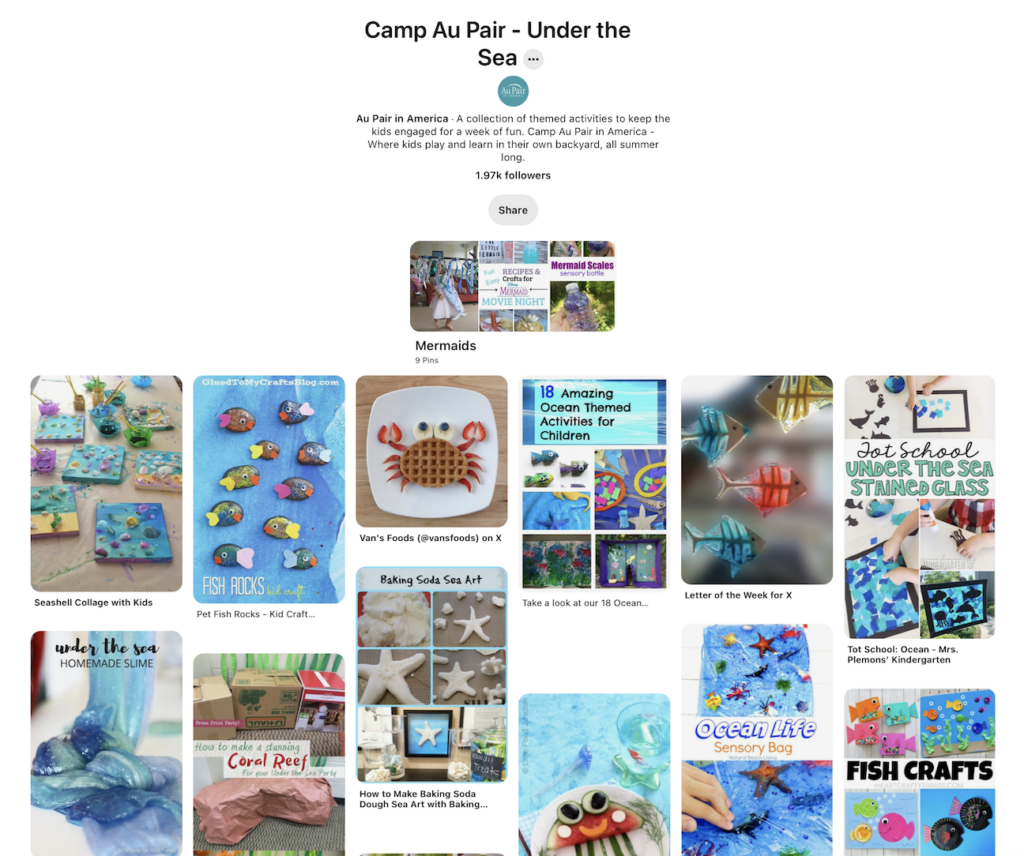
Crafts, recipes, activities, and games related to creatures who live under the sea can all be found here on the Camp Au Pair – Under the Sea pinboard.

Field Trips can be a great way for kids to learn and have new experiences. Get permission from your host parents before any outings. Check the websites before you go to be sure you understand the hours, costs, and whether advance tickets/reservations are required. Search online to see if your area has any of the following:

  • Pet or outdoor store (Bass Pro Shop) with fish tanks
  • Aquarium
  • Zoo
  • Nature Center

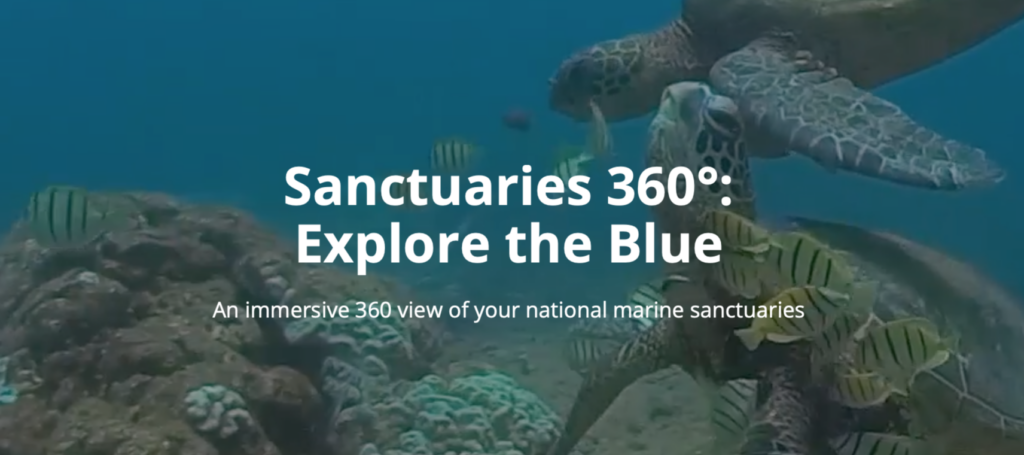
National Oceanic & Atmospheric Administration (NOAA) – NOAA has a lot of fun, interactive and educational activities on their website. They focus on whales, sharks, sea turtles, sea lions and more.

  • Virtual Underwater Dive
  • Online Games
  • Puzzle, Activity & Coloring Sheets

Webcams – You can do a google search for aquariums and zoos across the country (and the world) with webcams that allow you to observe sea creatures. Here are a few to get you started.

Videos – Look for fun videos on YouTube about sea creatures. There’s more to see than Baby Shark. Movies like Finding Nemo, Dolphin Tale, and The Little Mermaid also go well with this theme.

Books – Stop by your local library and look for books on sea creatures. The Rainbow Fish is a classic children’s book, your kids may already own. If not, you can find videos like this of it being read aloud.

Movies – There are lots of movies with under the sea themes.

  • A Dolphin Tale 
  • Finding Dory
  • Finding Nemo
  • Little Mermaid
  • Moana
  • Moana 2
  • Shark Tale 
  • Song of the Sea

Television – There are some episodes of children’s television shows that talk about life under the sea.

The Magic School Bus is a television series that follows Ms. Frizzle and her class as they set off on field trips. Most episodes can be found on YouTube. Here are some episodes that fit this week’s theme.

Bill Nye the Science Guy has episodes on FishMarine Animals and more on YouTube.

The Discovery Channel has an annual Shark Week coming up on July 20. Check out 15 JAW-some Activities for Shark Week with lots of fun ideas for kids in grades 5 and up, but a few for younger kids too.

Photo: mimisdollhouse.com

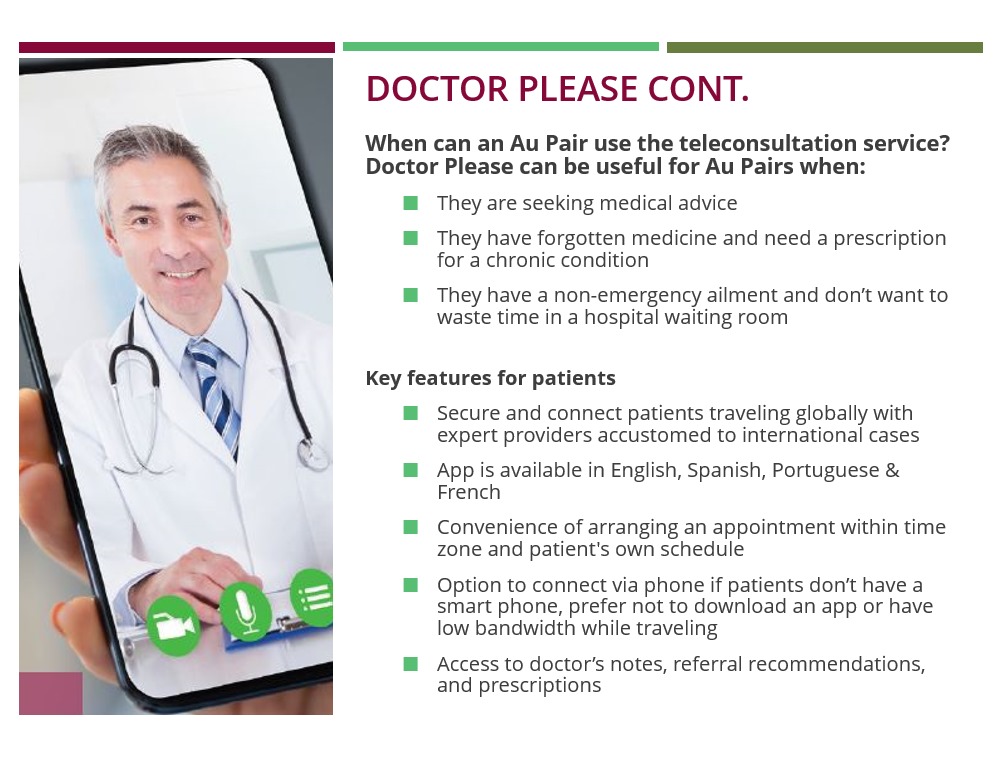
A FREE medical resource for Au Pair in America Au Pairs!!

CISI has made it even easier for au pairs to access medical care through Doctor Please!no more requesting individual access codes.

Now, with the universal access code US0233, any au pair can quickly and easily connect with a doctor.

As a reminder Doctor Please! offers:

  • 24/7 virtual medical care via app or phone
  • Licensed, multilingual doctors experienced in global care
  • Prescriptions managed worldwide
  • Appointments scheduled around your time zone and availability

How to use Doctor Please!:

  1. Download the Doctor Please! app from the App Store or Google Play.
  2. Register using the universal code US0223.
  3. Enter your information and request a video consult or call back.

This service is ideal for non-emergency issues like minor illnesses, prescription renewals for chronic conditions, or general medical advice, without the need to visit a clinic or hospital. *For life-threatening issues, au pairs should seek nearby emergency room care.

Welcome to Camp Au Pair in America!

When kids are out of school for the summer, it doesn’t take long for them to become bored and sometimes that leads to sibling squabbles and mischief. Even though they don’t realize it, they are usually missing routine and predictability in their daily schedule. One solution is to make fun plans to keep them busy!

Each week this summer we will share a different Camp Au Pair theme. These weekly themes are designed to give you ideas to keep your host kids occupied and engaged all summer long. They will also be learning. (But shhhh, don’t tell them that part.) Check back each Friday, for the next week’s theme. This gives you a chance to make plans and gather materials for the next week. For each theme there will be crafts, games, snacks and activities. You can just use these ideas or add your own and customize the themes to fit the ages and interests of your host children.

Here are the themes you can look forward to:

  • Under the Sea
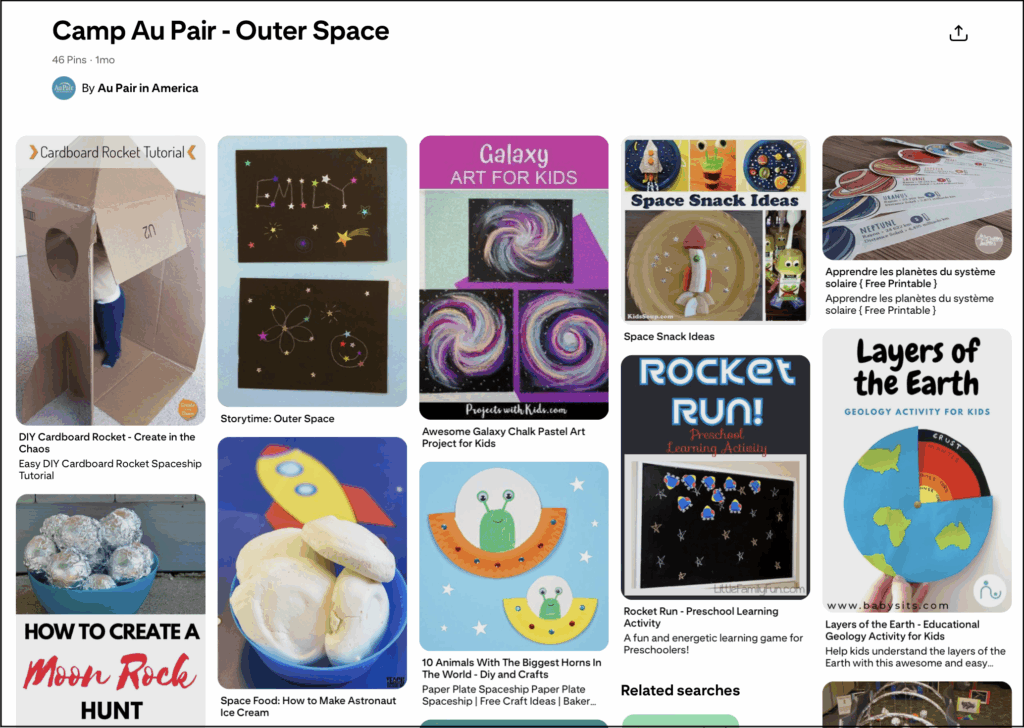
  • Outer Space
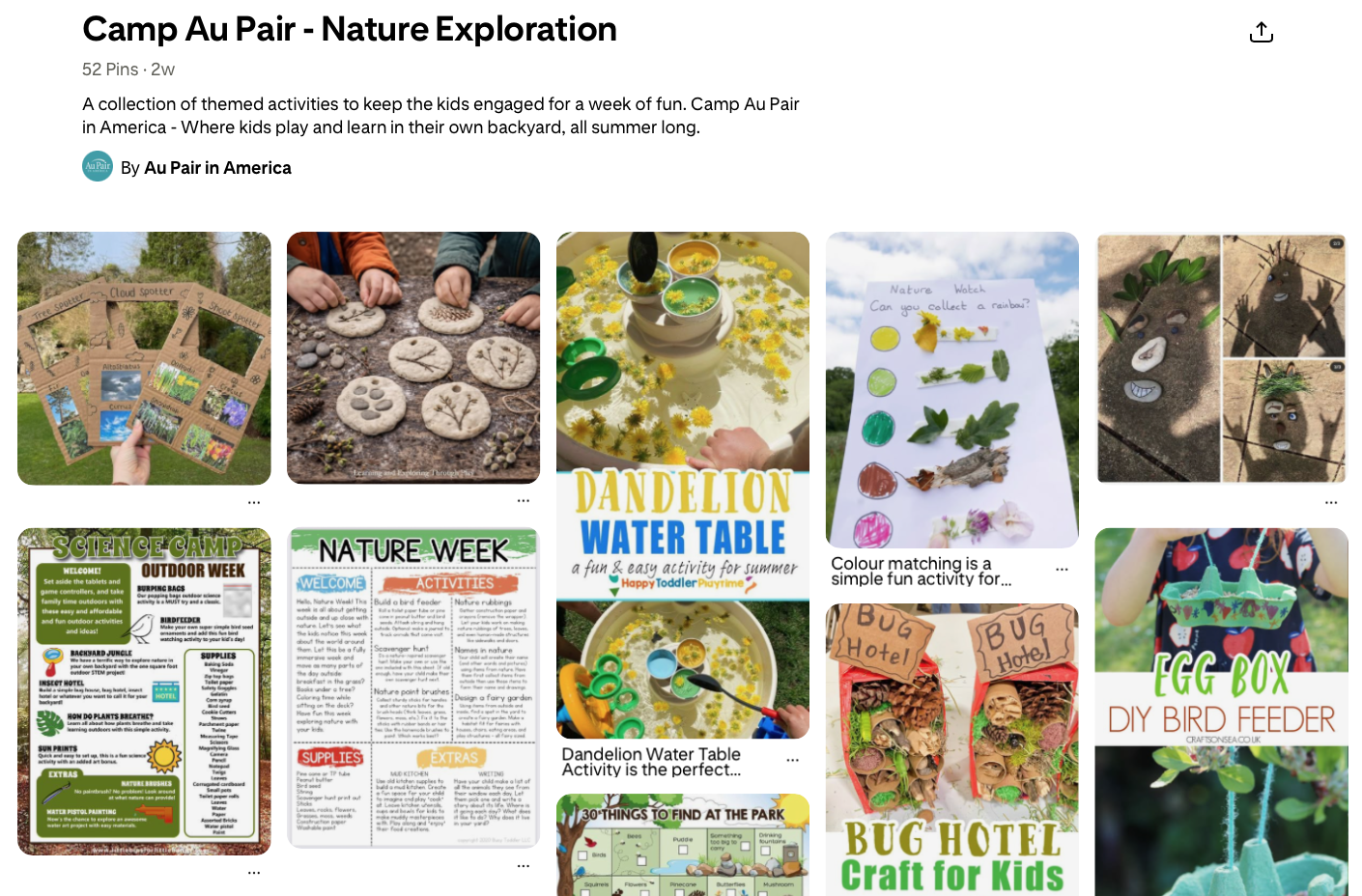
  • Nature Exploration
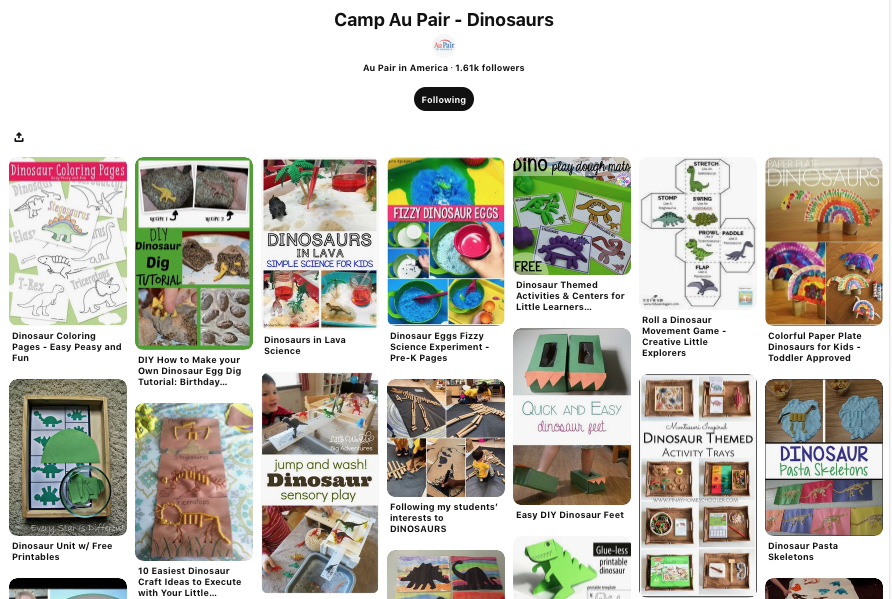
  • Dinosaurs
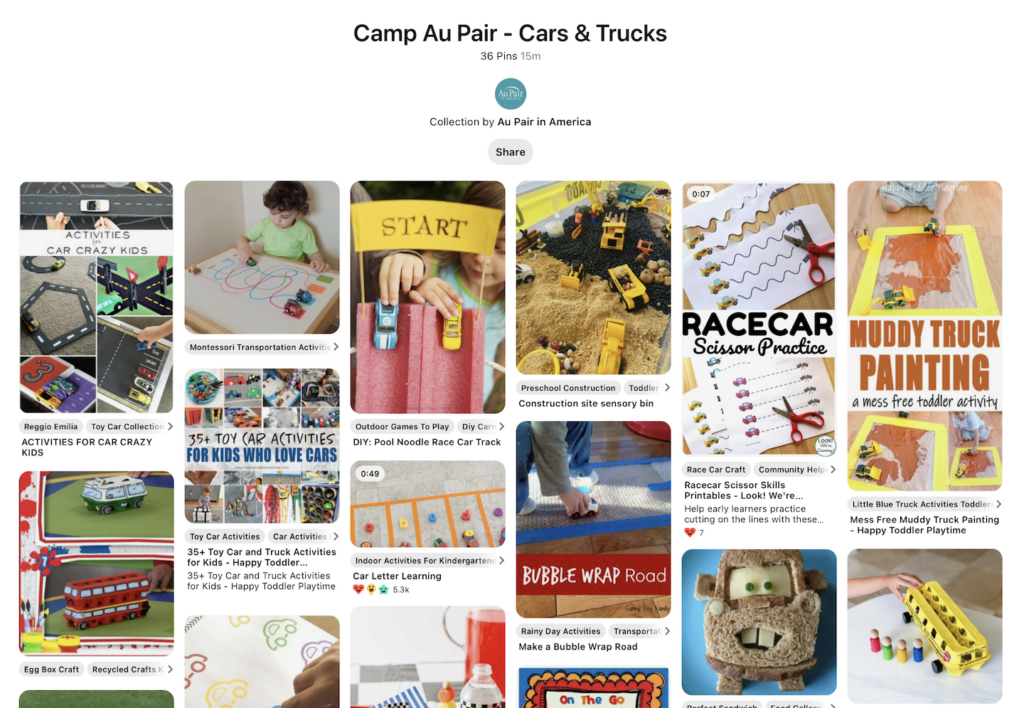
  • Cars and Trucks
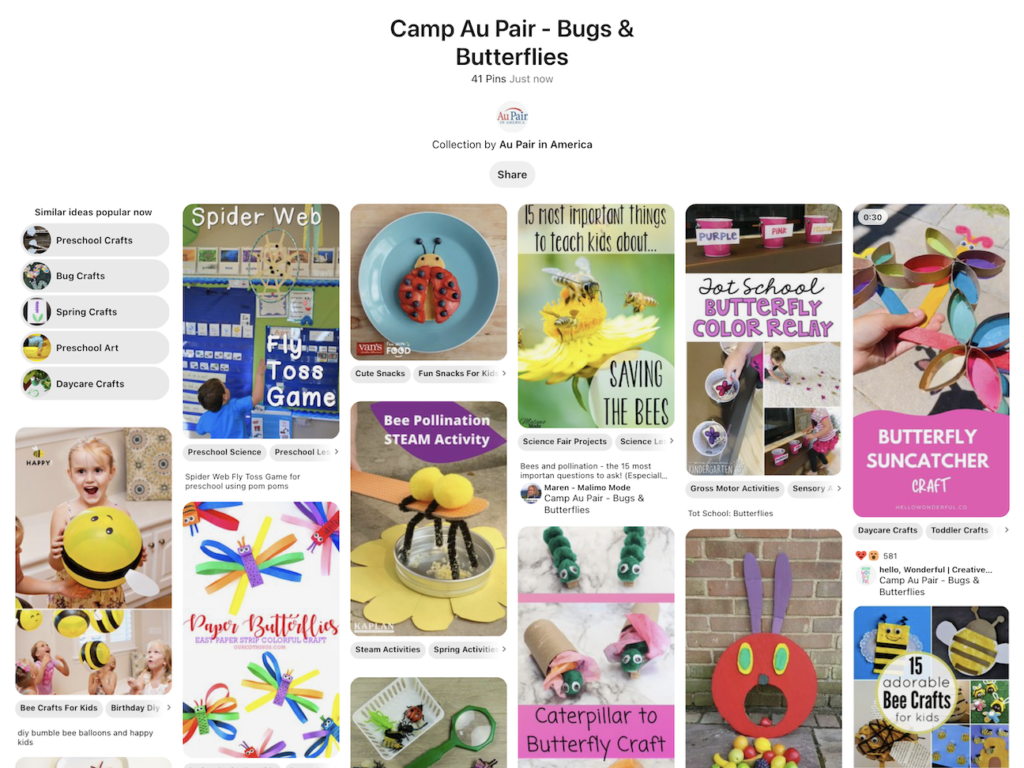
  • Bugs & Butterflies
  • Science (STEM)
  • Backyard Safari
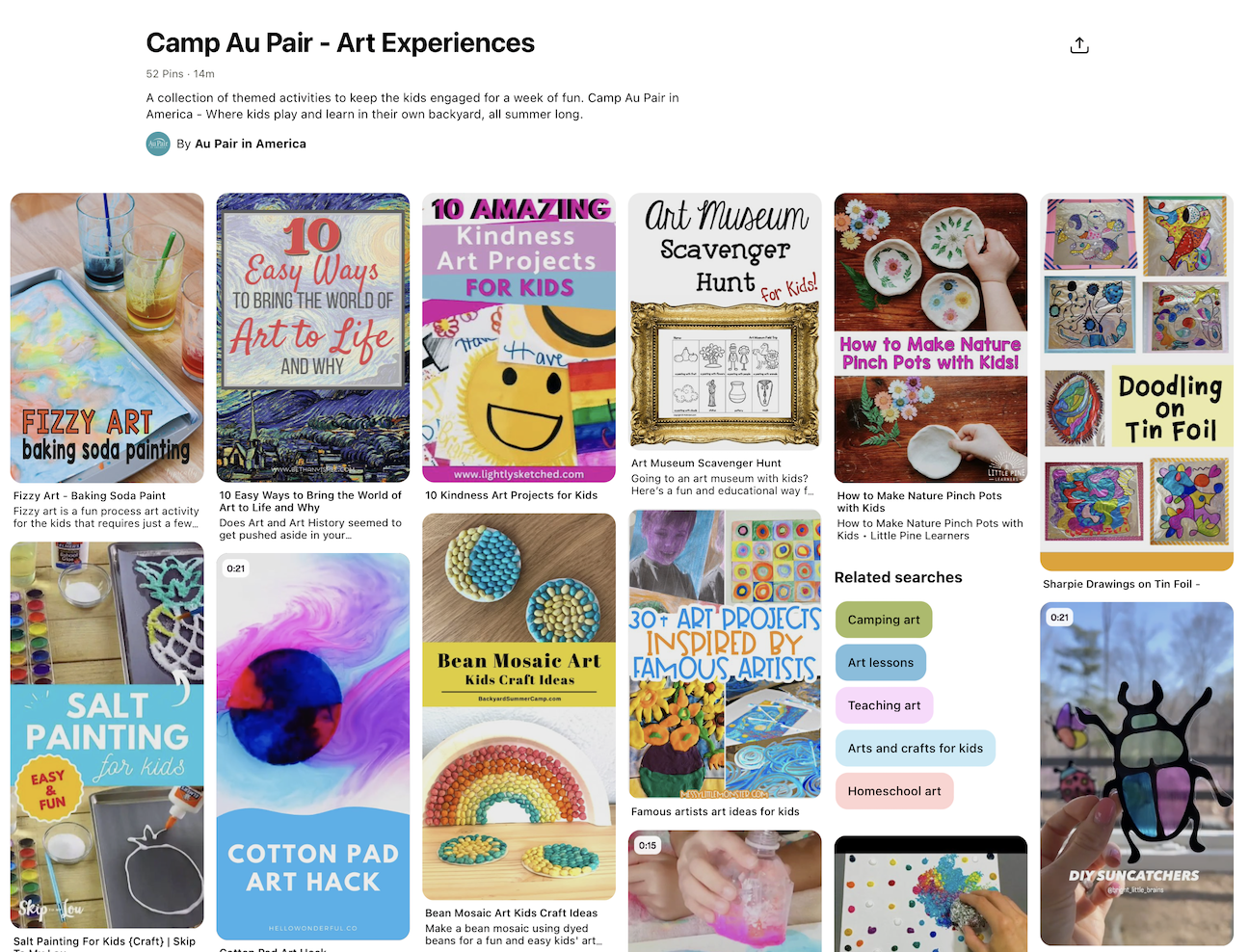
  • Art Experiences

Check out Summer Fun & Summer Holidays pin boards for even more ideas.

If you get some great pictures doing these activities with your host kids, please send those to your community counselor. We love to share your accomplishments and inspire other au pairs!

Let’s make this an amazing summer!

Tornado Safety For Au pairs and Host Children

Tornado Safety For Au pairs and Host Children

Use the guide below to discuss tornado safety with your host family. Request a meeting to discuss where you would go inside their home and what they expect from you when a warning or a watch is given in your area.

What you need to know about Tornadoes:

What is a Tornado?

tornadoes-5306

A tornado is a violently rotating column of air extending between, and in contact with, a cloud and the surface of the earth. Tornadoes are generally spawned by thunderstorms, though they have been known to occur without the presence of lightning. The stronger tornadoes attain an awe-inspiring intensity, with wind speeds that exceed 200 mph and in extreme cases may approach 300 mph.

The United States has the highest incidence of tornadoes worldwide, with about 1,000 occurring every year. Tornadoes touch down in the Atlanta area each year.

According to Stu Ostro, a Senior Weather Specialist at The Weather Channel, this is due to the unique geography that brings together polar air from Canada, tropical air from the Gulf of Mexico, and dry air from the Southwest to clash in the middle of the country, producing thunderstorms and the tornadoes they spawn.

Tornadoes can come one at a time, or in clusters, and they can vary greatly in length, width, direction of travel, and speed. They can leave a path 50 yards wide or over a mile wide. They may touch down for only a matter of seconds or remain in contact with the ground for over an hour.

How do I know if a tornado will touch down where I live?

The National Weather Service broadcasts severe weather conditions on radio, TV, or on phone apps.   Every host family should have a weather alert app on the  Au Pair phone or another way to know about dangerous weather in their area.  Ask your host parents to make sure you have this app. Some areas of Atlanta have outside warning sirens. This is a very loud siren sound outside. The siren is activated when a tornado has been sighted in a specific area.

iWit_FtWorthClouds_980x551

How does an au pair in your home know there is a watch or warning?

A tornado WATCH means conditions are right for a tornado to occur.  A tornado WARNING means a tornado has been sighted in the posted area or is visible on radar.  The location of the sighting is normally given along with its projected movement.

Become familiar with your specific area. What part of Atlanta do you live?  North Forsyth or East Cobb what is the area called? What is the county that you live in? What is the closest major highway or street?  During a tornado warning, listen out for info about your area on television or through Alexa, Siri, or on your phone app.

A Tornado watch has been issued. What Do I do?

723586main1_GOES-20130130-1825UTC-6_980x551satellite picture of a tornado

FOR TORNADO WATCHES:

Stay tuned to a local radio or television station or your phone app.  Local news stations on CBS, ABC, and NBC all have very sophisticated technology used by the weather person to give information about the potential for a tornado in a specific area. The technology can pinpoint the exact street that a tornado watch or warning is affecting.  Call your host parents for advice about picking up children who are not at home.

Bring all children inside.

DO NOT SEEK SHELTER UNDER A TREE OUTSIDE.

Bring Pets to their safe place.

Secure any loose objects outdoors, or move them inside

Survey local structures for the most suitable shelter

Stay in communication with the host parents to help you decide if the warning will become more serious.    Be alert to changing weather conditions. Look for approaching storms. Look for the following danger signs:

Dark, often greenish sky

Large hail

A large, dark, low-lying cloud (particularly if rotating)

Loud roar, similar to a freight train.

A Warning Is Issued. What Do I need to do?

When a tornado warning has been issued, you may have very little time to prepare. How you respond now is critical. OBEY ADVISORIES PROMPTLY! ACT QUICKLY!

In A Frame Home

Seek shelter in the lowest level of your home (basement or storm cellar). If there is no basement, go to an inner hallway, a smaller inner room, or a closet. Keep away from all windows.

Make sure you have a portable radio for information while you are in the safe room. Cover your head and eyes with a blanket or jacket to protect against flying debris and broken glass. Instruct the children to do the same. If you have a bicycle helmet this is ideal!  You can cover yourself with a mattress, but don’t waste time moving mattresses around.

Keep your pet on a leash or in a carrier.

Multiple tornadoes can emerge from the same storm.

If a tornado has hit your area,  do not go out until officials say it is safe. Most injuries from tornadoes occur due to flying debris or down gas or electric connections.

Keep yourself and the children calm. Sing or talk to keep young children distracted. The storm will pass by soon!

If you are outside:

Try to get inside and seek out a small protected space with no windows.

Avoid large-span roof areas such as school gymnasiums, arenas, or shopping malls.

If no inside protection is available, get into a vehicle, buckle your seat belt and try to drive to the closest sturdy shelter.

Stay in the car with the seat belt on. Put your head down below the windows; cover your head with your hands and a blanket, coat or other cushion if possible.

If you can safely get noticeably lower than the level of the roadway, leave your car and lie in that area, covering your head with your hands

If you cannot get inside a car, crouch for protection beside a strong structure, or lie flat in a ditch or low-lying area and cover your head and neck with your arms or a piece of clothing.

Do not get under an overpass or bridge. You are safer in a low, flat location.

Never try to outrun a tornado in urban or congested areas in a car or truck. Instead, leave the vehicle immediately for safe shelter.

Watch out for flying debris. Flying debris from tornadoes causes most fatalities and injuries.

If you are in a car:

Ideally, you should avoid driving when tornadoes or other kinds of dangerous weather threaten you, as a vehicle is a very unsafe place to be. If, however, this is not possible, stay as calm as possible, and assess the situation.

The best choice is to take shelter immediately in a nearby building.

If your vehicle is hit by flying debris while you are driving, pull over and park.

If no building is near, one option might be to get out of the car and lie flat in a ditch or other low-lying area that is of sufficient depth to provide protection from the wind If you do so, beware of water runoff from heavy rain that could pose a hazard, get as far away from the vehicle as possible, and shield your head from flying debris.

Do not leave a building to attempt to “escape” a tornado.

If you are already in a sturdy building, do not get in a vehicle to try to outrun a tornado.

This information was obtained from a website. For more information, go to:  http://www.ready.gov/tornadoes