Category Archives: Uncategorized

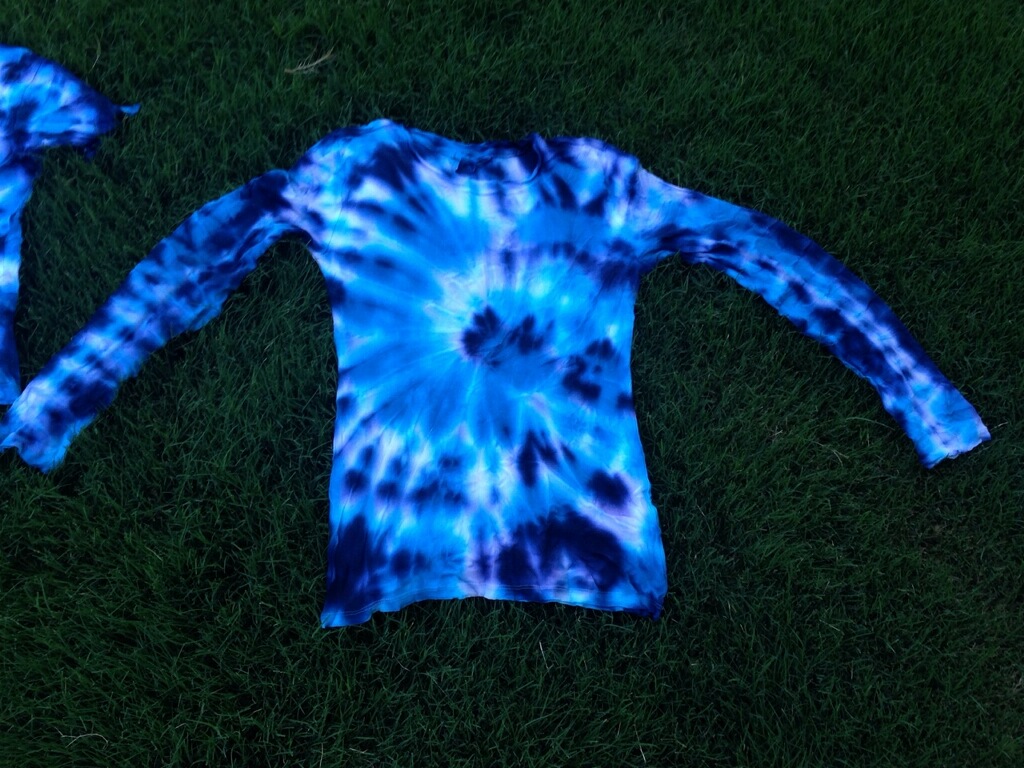
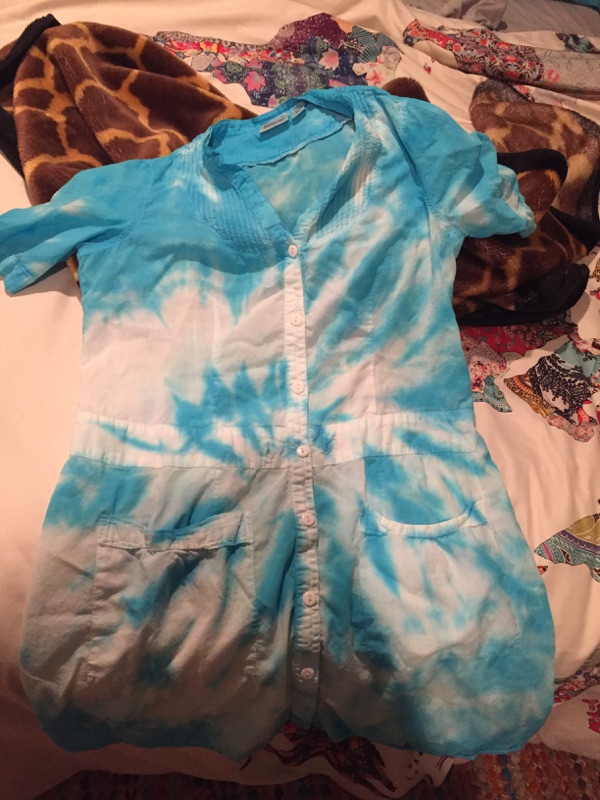
Tie Dying is fun for groovy Au pairs! 

 Tie Dying is fun for groovy Au pairs!

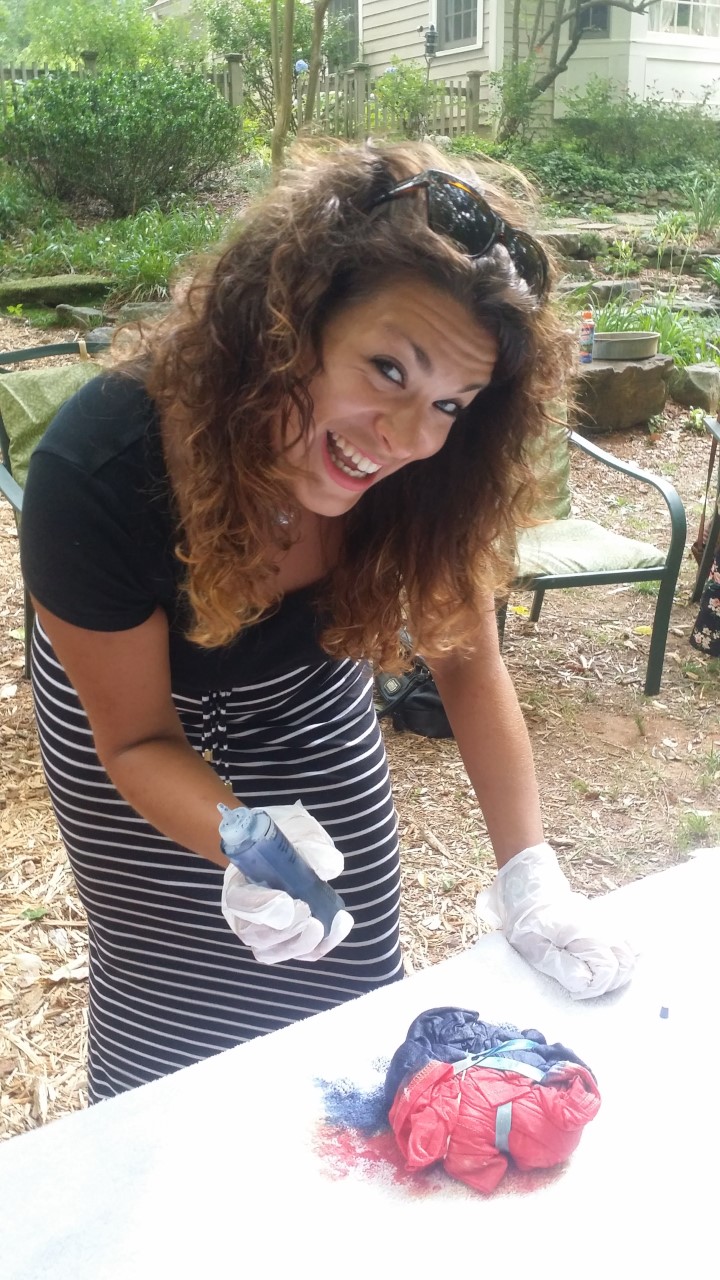
 This is a very fun activity to share with your preschool and up age host children, just remember to wear gloves. This is best done outside. PRO TIP : The dye will change the color of anything it touches, even skin so use caution! 

  1. All items must be made of 100% cotton. Check the label and confirm 100% cotton. You can use worn items that have a stain or need a new life! Pale colors can be tie-dyed if you choose coordinating colors. Pillowcases, t-shirts, hoodies, tote bags- All great choices!
  2. Wash your item before tie-dying it. The item can be wet or dry for the dye.
  3. Check out this web site for details about creating specific patterns on your garment. https://www.pinterest.com/pin/293226625713649961/?autologin=true&lp=true 
  4. Make a place to tie dye– A  table with a plastic table cloth or large trash bag works great. Lay a couple of paper towels directly under the item to absorb the run off dye.
  5. Make your pattern by folding, twisting, or wrapping the item and rubber band it together very tightly. Use a lot of rubber bands.  Remember that inside the folds will be left white.
  6. Use two or three coordinating colors for the best results. If you use more colors it will bleed together and make a brown color.  Wear plastic gloves or you will be tie-dyed too!
  7. Place in a zip lock bag and leave for 24 hours.
  8. Take out of the bag ( wearing plastic gloves) and lay in the grass or hang in some way off the ground and wash off the excess dye with a garden hose. The dye will change the color of most porous hard surfaces- like driveways, so grass is best.
  9. Wash the item by itself once using cold water. After one or two times of wearing and washing by itself,  you can wash along with other clothes. The item will not bleed onto other clothes.
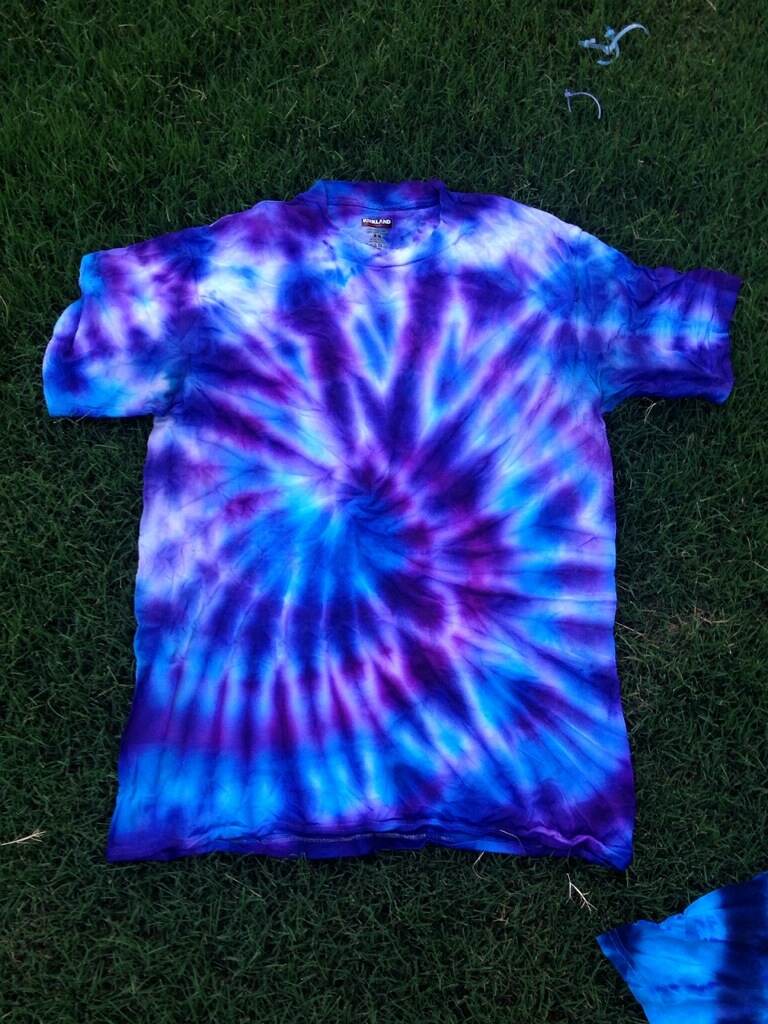
  10.  Enjoy your creation for years to come!   * For our projects we used Tulip brand tie-dye kits  that can be found at many retail stores or on-line.

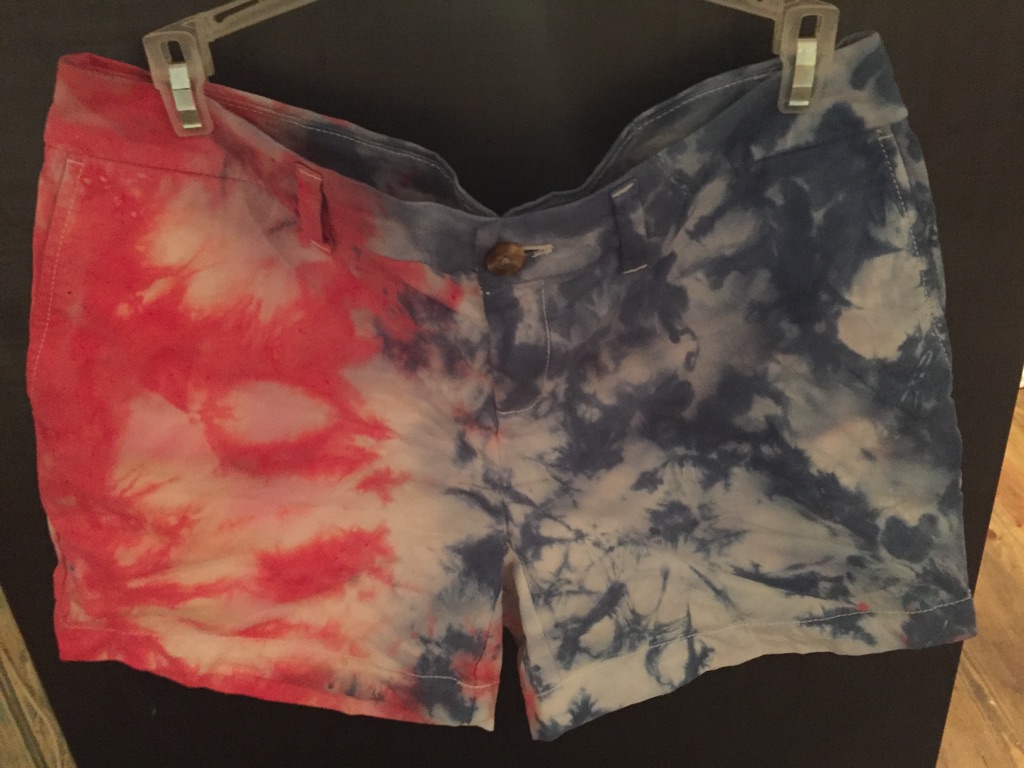
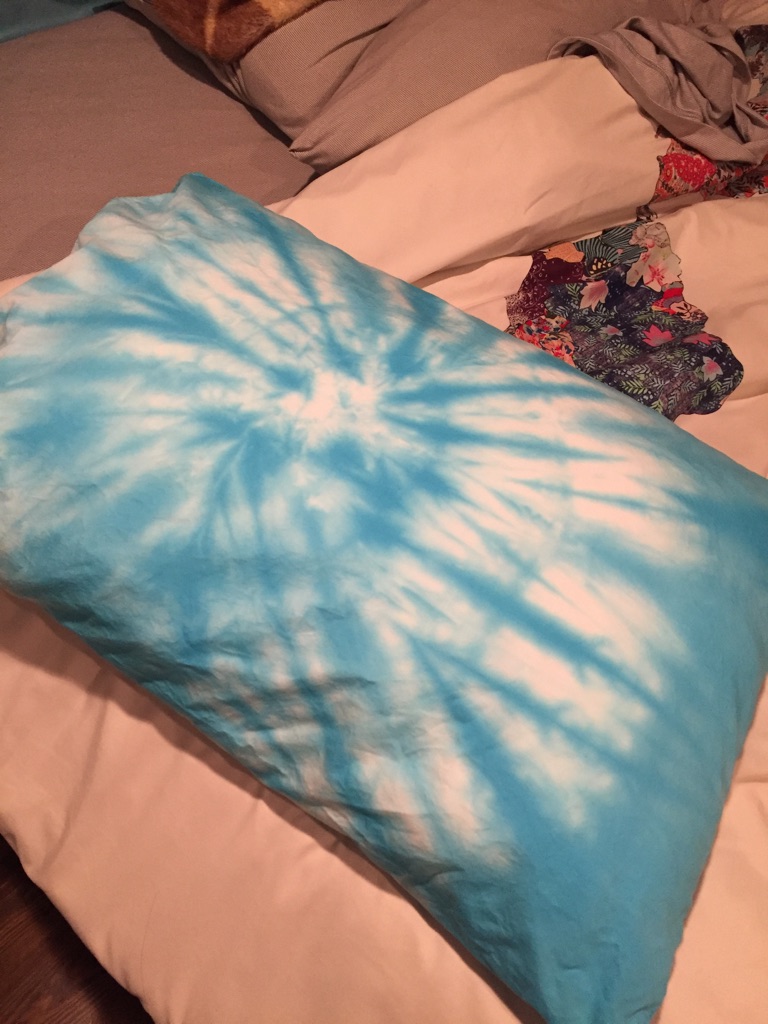
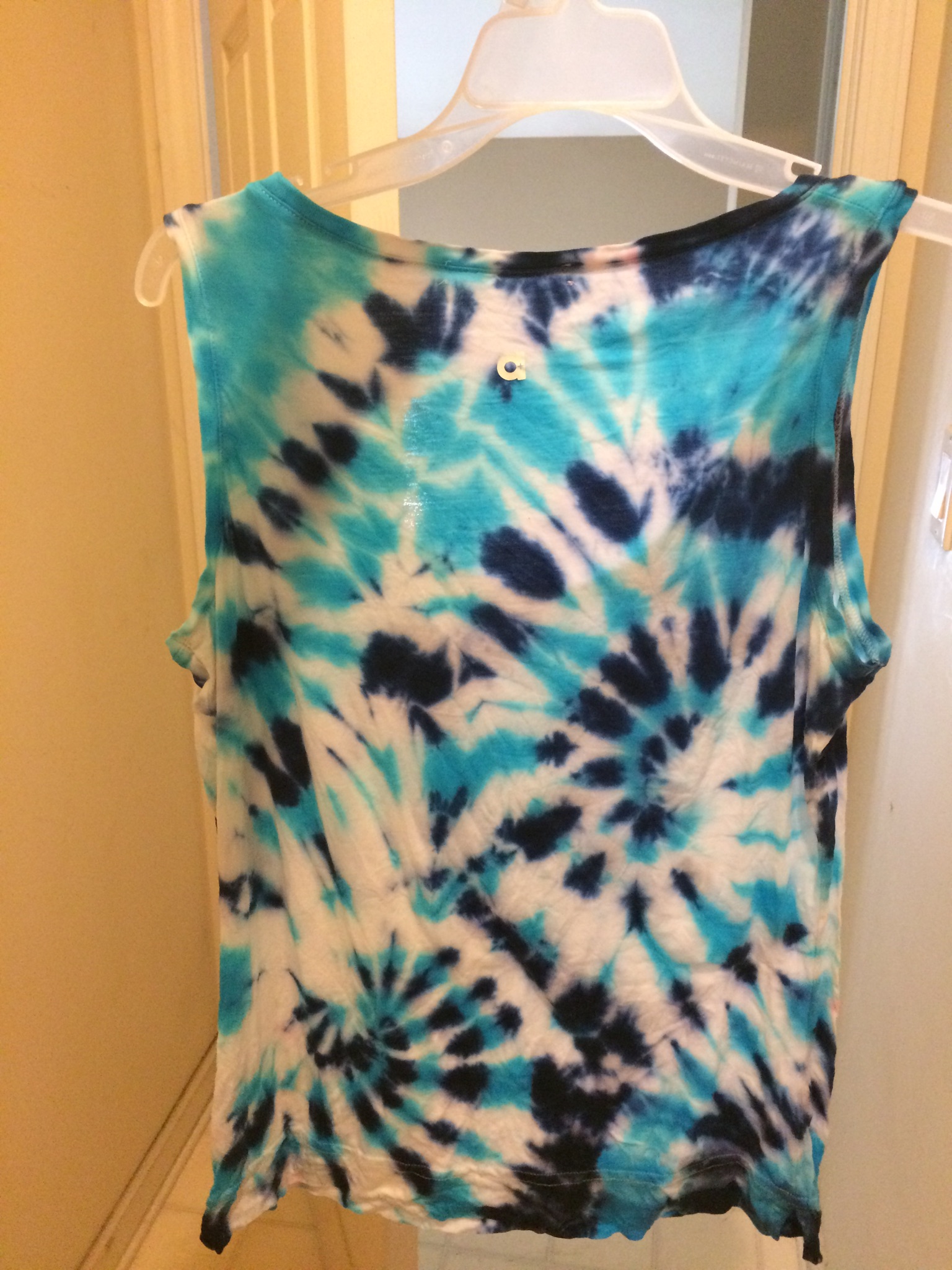
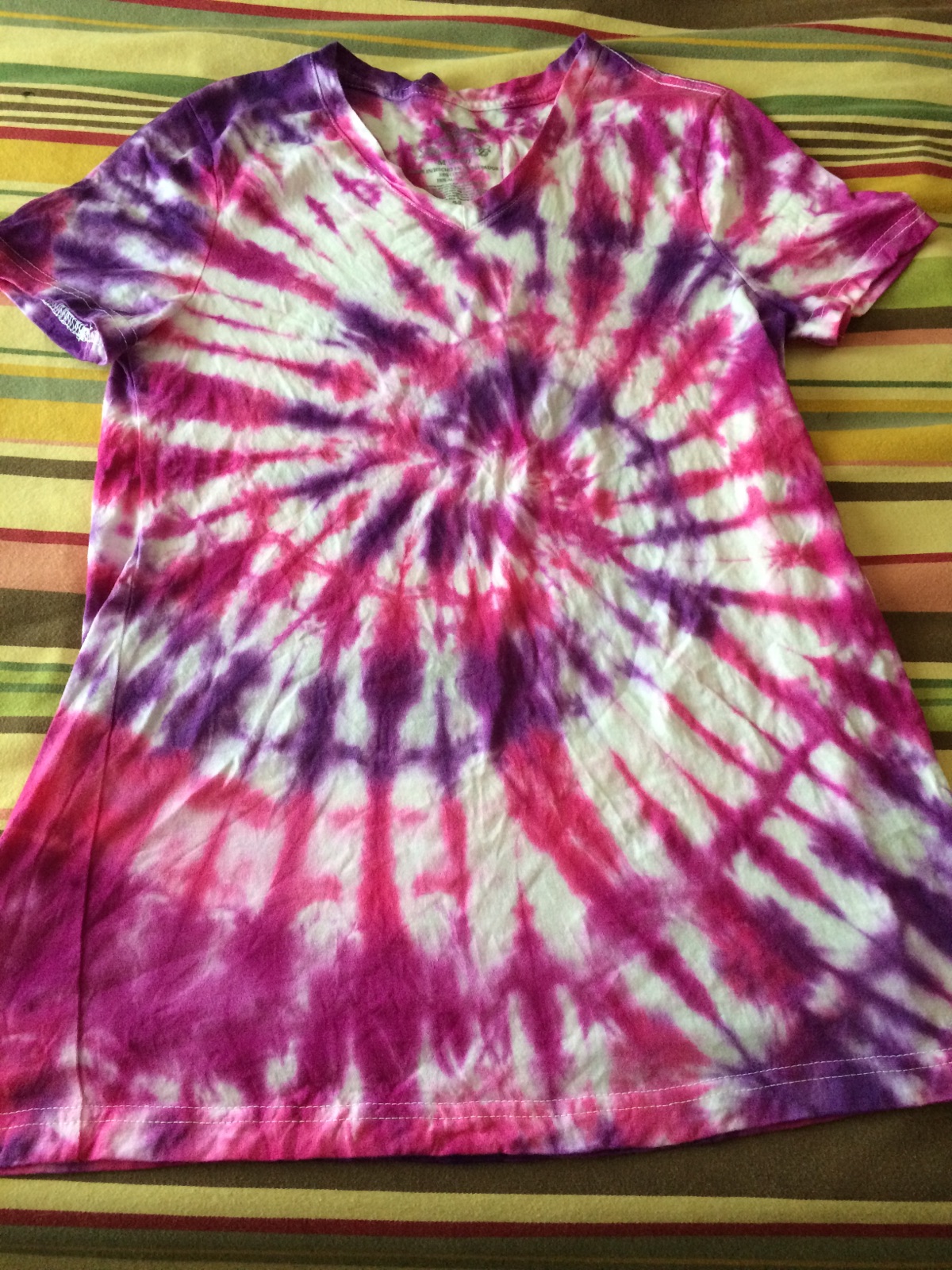
Here are a few of the Au Pair projects!

Tie dyeIMG_4142 IMG_4144 IMG_9486 IMG_9489imagejpeg_0IMG_4145

Au Pair Favorite Free Online Courses!

A Few of our favorite On-line Courses for FREE!!!

1.Yale University: The Science of well-Being.

This course challenges you to be happy and let go of ideas that keep us from being our best!

https://www.coursera.org/learn/the-science-of-well-being?recoOrder=10&utm_medium=email&utm_source=recommendations&utm_campaign=pe_VgN6AEeqBo8m8_7foAg

2. Georgia Institute of Technology: Improve your English Communication Skills.                           This is a four-part course that will give about 15 hours for each course, If you finish all of them, it is 60 hours.

https://www.coursera.org/specializations/improve-english?recoOrder=3&utm_medium=email&utm_source=recommendations&utm_campaign=pe_VgN6AEeqBo8m8_7foAg

3.The University of Pennsylvania: English For Career Development. This is a 40 hour FREE course! 

https://www.coursera.org/learn/careerdevelopment?recoOrder=11&utm_medium=email&utm_source=recommendations&utm_campaign=pe_VgN6AEeqBo8m8_7foAg

4.The University of Californa at Irvine: The pronunciation of American English Specialization.

This is a four-part course that gives about 20 hours per course. 80 hours for the total specialization.

https://www.coursera.org/specializations/american-english-pronunciation?

5. Yale University: Introduction to Psychology. This course provides 15 hours.

https://www.coursera.org/learn/introduction-psychology?recoOrder=10&utm_medium=email&utm_source=recommendations&utm_campaign=pe_VgN6AEeqBo8m8_7foAg


Rainy Day Activities!

Rainy days and cold winter days can be hard for Au Pairs who are home with little kids all day. Here are a few tips from the APIA website that can be helpful to fill the time and fun for everyone. For more ideas try these great links below.

Fishing at home (for children over 3)

Look around the house and spend some time with the child finding things that will stick to a magnet. Tie a piece of string to a stick. At the other end of the string tie a magnet. Put paper clips and other things that are magnetic in the “pond.” Or cut out paper fish and put a paper clip on each one.


Make a life-size paper doll (for children over 3)

Have the child lie down on a large piece of brown wrapping paper and draw an outline around the child. Let the child use crayons, markers or paint to put clothes and a face on the “doll.” It can also be a collage by cutting out fabric pieces for the clothes and yarn, string or even styrofoam pieces for the hair. In warm weather go outside and trace the child on the sidewalk with chalk and then color in clothes and hair.


Paper Butterflies: Fold a piece of paper in half. Open the paper and drop small amounts of paint on half of the paper. Fold the paper in half again and rub your hand across the paper to spread the paint colors that are inside the folded paper together. With the paper still folded, cut out the shape of one side of a butterfly. Unfold the paper to see both sides of the butterfly. Allow the paint to dry, then draw the body and add antennae if you wish.


Children as young as three would love a Secret Hideout. This can be created out of a corner of the playroom, under the dining room table or in a large appliance box, or by constructing a hiding place with blankets. Eat lunch in the hideout for a special treat. Imagine you are being discovered by pirates, or that your hideout is on a desert island. The same structure can be used in many different ways. School-age children might enjoy building a hideout themselves (with your help). Cut a swinging door and windows into a large box from a refrigerator or a stove. Decorate with paint or markers. Furnish with small furniture or pillows. If there’s some extra fabric around you could even add curtains.

https://video.search.yahoo.com/yhs/search?fr=yhs-symantec-ext_onb&hsimp=yhs-ext_onb&hspart=symantec&p=indoor+tents+for+kids+to+make+with+blankets#id=1&vid=671c345f4246880e8fc1e41df7449244&action=click

https://www.aupairinamerica.com/resources/activities/

https://www.pinterest.com/aupairinamerica/


It is important to talk each month with your Community Counselor.

Communication with your Community Counselor

It is very important to stay in communication with your counselor. Without at least monthly conversations, it is impossible for your counselor to know what is going well for you or what you need help with. The State Department of our Government sets the rules for which APIA must follow. One of those rules is that you must have at least one communication with your counselor per month. Most of our communication will take place at our monthly meetings. If you do not attend a cluster meeting, it is important that you talk with your counselor that month and discuss how your year is going.

Cluster meetings are mandatory. This is part of your contract with APIA. You will not always be able to attend. The following are reasons that you might not attend a cluster meeting:

  • You are sick.
  • You have an education class.
  • Your host family has a conflict in the schedule.
  • You are concerned about the cost of the meeting.

These are the only acceptable excuses. If you must miss a meeting for one of the above reasons, please call and let your CC know. If you miss more than three meetings during your year, Your counselor may not be able to give you a good recommendation about your participation with APIA.

There are other times you MUST call and talk with your counselor:

  • When you go on vacation with your family or on your own.
  • To report any accidents: car, personal, in the home, with host children.
  • If you are involved in an incident in which the police or firemen are present: fire, accident, robbery, etc.
  • If there are any concerns with the host family which harm you in any physical or emotional way.
  • If any incident occurs with you which may compromise your completion of the year.

Many common questions can be answered without calling your counselor.

The official web site for Au Pair in America ( www.aupairinamerica.com then scroll to the bottom and click ” current Au pair”) is a great place to search for interesting facts or important information. Our cluster blog site is also a great place to find the answer you are looking for. The following are examples of questions you can answer on the web site or on our blog.

  • Where can I go to the doctor?
  • What do I need to get my driver’s license?
  • What do I need to travel to another country?
  • How do I pay my USA taxes?
  • What activity can I do with my host children?                                                                              Your counselor is always glad to communicate with you. You are always welcome to contact your counselor. Here are some things to remember:
  • It might not be possible for her to speak to you or to respond to your text at the exact time you want.
  • If your counselor does not answer the phone, she may be in a meeting or talking with someone else. If this is the case, you will reach her voice mail. Voice mail in the USA is an important way businesses operate.
  • Your Counselor will not know that you called if you do not leave a message. Please call once and leave a message.
  • Do not call or text multiple times. It is only necessary to leave one voice mail or text message within a 24 hour time.
  • Please don’t feel shy about your English skills. Your counselor is in the habit of listening to au pair messages and she will be able to understand you.
  •  If you have an emergency, your counselor will call you back as soon as she receives your message. If you cannot wait on your counselor with an immediate emergency, call the after-hours emergency number for Au pair In America and follow the prompts for emergency assistance.
  • If you are calling to say hi or with a question, she will return your call within 24 hours.
  • Most counselors have set office hours. If you call or text outside of these hours, and you do not have an emergency, she will call you back on the next business day.
  • Resist texting after hours or on the weekend. Send an email and your counselor will answer this when she returns to work on the next business day.     


Counselors love talking with au pairs and look forward to hearing how your year is going!  Counselors also love hearing about ideas for cluster meetings. So, call soon!!

Are you feeling a little homesick?

Feeling homesick is a normal feeling when you first arrive as an Au pair. YOU CAN GET THROUGH IT! It just takes a little time and some effort on your part. Know that you can live with being uncomfortable for a short time. Trust yourself that you made the right decision. Trust me when I say it will get better and your whole year is ahead of you. Fun times and lifetime friends await you. GO GET THEM!

Here are some things to do if you are feeling a little blue:

  • Be a tourist, get to know where you live, visit the local sights and explore just as you would if on vacation.  Start a list of favorite places.
  • Plan a trip with a friend, a day trip or a weekend, get excited about doing something new with a new friend and before you know it you will be excited and chatting about the trip instead of talking about what you are missing at home. 
  • Go to your cluster meeting, This will definitely help you.
  • Not everything has to change.  If you loved jogging at home, do it here.  There are some habits you love that you can keep.
  • Create a routine.  Having a routine will help  you feel at home and settle into life here.
  • Do not stay home.  Get out and about, go to the gym, the park, a coffee shop, a movie, staying home alone will not help homesickness.
  • Ask your counselor to connect you with another au pair who was also homesick, there’s nothing better than talking to someone who has been in your shoes.
  • Start planning a digital memory book. Collect pictures and mementos from your year in a special online folder. Online sites like Shutter Fly and  Social Print Studios offer great deals on photo books.It will give you something to work on when you  have quiet time alone and as your year progresses you will be able to see what an amazing experience you are having.  You’ll have a wonderful keepsake to take home with you.  You’ll feel so proud of your memory book! 
  • Most importantly, talk to someone, if you feel sad or homesick.  Being part of a cluster enables us to help and support each other. 

A little inspiration from a former au pair… https://www.youtube.com/watch?v=H3IBmRWGnwA

 Have a great year, this is your dream, make the most of it! 

FOURTH OF JULY IN THE USA!

fireworks


Known  as the Fourth of July and Independence Day, July 4th has been a federal holiday in the United States since 1941, but the tradition of Independence Day celebrations goes back to the 18th century and the American Revolution (1775-83). In June 1776, representatives of the 13 colonies then fighting in the revolutionary struggle weighed a resolution that would declare their independence from Great Britain. On July 2nd, the Congress voted in favor of independence, and two days later its delegates adopted the Declaration of Independence, a historic document drafted by Thomas Jefferson. From 1776 until the present day, July 4th has been celebrated as the birth of American independence, with festivities ranging from fireworks, parades, family gatherings and barbecues.peachtree race

This weekend you can count on enjoying traditional favorites such as hamburgers and hot dogs, chicken, ribs, potato salad, chips and watermelon.  

eating watermelon

No other holiday can provide such a uniquely American experience. Being in the USA on Fourth of July can be wonderful and exciting anywhere. Here in the south, be sure to experience The Fourth in our tradition! A couple of things you will want to accomplish to be sure!

Watch the Peachtree Road Race!

Eat Watermelon

See fireworks

Hold a sparkler

Have a picnic with fried chicken

Sit on a porch decorated with red, white and blue bunting

Run in a potato sack race with your host children

Ask what the fourth of July means to Americans you have met in your Au pair year.

On this night with fireworks soaring and families gathered on red and white checkered blankets, you will see in their eyes a sense of pride and respect. Pride in a country where being free is everything…… and respect for all those who give themselves to protect that freedom.

A few facts about this Holiday!

  • Fourth of July is the federal holiday marking the Colonies’ adoption of the Declaration of Independence on July 4, 1776,
  • The Fourth of July was not declared a national holiday until 1941.
  • The oldest, continuous Independence Day celebration in the United States is the 4th of July Parade in Bristol, Rhode Island; it began in 1785.
  • The Pennsylvania Evening Post was the first newspaper to print the Declaration of Independence.
  • Benjamin Franklin proposed the turkey as the national bird but was overruled by John Adams and Thomas Jefferson, who wanted the bald eagle.
  • The “Star Spangled Banner” was written by Francis Scott Key during the War of 1812 and not decreed the official national anthem of the United States until 1931.
  • In 1776, there were 2.5 million people living in the new nation. (Today there are over 311 million.)
  • There are more than 30 towns nationwide that have the word “Liberty” in their names.
  • Approximately 150 million hot dogs are consumed on this day. It’s the biggest hot dog holiday of the year.


Have fun with the children too, visit the link below for fun coloring pages, craft ideas, puzzles and games to celebrate the 4th of July holiday

http://www.apples4theteacher.com/holidays/fourth-of-july/

house with bunting

Have a wonderful 4th of July Weekend!

Stay Safe in Sun and Water!

Sun and Water Safety Tips

quickpoolfun3.bmp

Sun and Water Safety Tips


Keep your family safe this summer by following these tips from the American Academy of Pediatrics (AAP).

Click here for the Spanish Version.

FUN IN THE SUN

Babies under 6 months:

  • The two main recommendations from the AAP to prevent sunburn are to avoid sun exposure, and to dress infants in lightweight long pants, long-sleeved shirts, and brimmed hats that shade the neck to prevent sunburn. However, when adequate clothing and shade are not available, parents can apply a minimal amount of sunscreen with at least 15 SPF (sun protection factor) to small areas, such as the infant’s face and the back of the hands. If an infant gets sunburn, apply cool compresses to the affected area.

For All Other Children:

  • The first, and best, line of defense against harmful ultraviolet radiation (UVR) exposure is covering up. Stay in the shade whenever possible, and limit sun exposure during the peak intensity hours – between 10 a.m. and 4 p.m.
  • Wear a hat with a three-inch brim or a bill facing forward, sunglasses (look for sunglasses that provide 97% -100% protection against both UVA and UVB rays), and clothing with a tight weave.
  • On both sunny and cloudy days use a sunscreen with an SPF 15 or greater that protects against UVA and UVB rays.
  • Be sure to apply enough sunscreen — about one ounce per sitting for a young adult.
  • Reapply sunscreen every two hours, or after swimming or sweating.
  • Use extra caution near water and sand (and even snow!) as they reflect UV rays and may result in sunburn more quickly.


HEAT STRESS IN EXERCISING CHILDREN

  • The intensity of activities that last 15 minutes or more should be reduced whenever high heat or humidity reach critical levels.
  • At the beginning of a strenuous exercise program or after traveling to a warmer climate, the intensity and duration of outdoor activities should start low and then gradually increase over 7 to 14 days to acclimate to the heat, particularly if it is very humid.
  • Before outdoor physical activities, children should drink freely and should not feel thirsty. During activities less than one hour, water alone is fine. Kids should always have water or a sports drink available and take a break to drink every 20 minutes while active in the heat.
  • Clothing should be light-colored and lightweight and limited to one layer of absorbent material to facilitate evaporation of sweat. Sweat-saturated shirts should be replaced by dry clothing.
  • Practices and games played in the heat should be shortened and there should be more frequent water/hydration breaks. Children should promptly move to cooler environments if they feel dizzy, lightheaded or nauseous.


HEAT STRESS IN INFANTS

Infants and small children are not able to regulate their body temperature in the same way that adults do. Every year, children die from heat stroke from being left in a hot car, often unintentionally, with the majority of these deaths occurring in children 3 and under. Here are a few tips for parents when traveling in a car with infants or young children:

  • Always check the back seat to make sure all children are out of the car when you arrive at your destination.
  • Avoid distractions while driving, especially cell phone use.
  • Be especially aware of kids in the car when there is a change from the routine, ie. someone else is driving them in the morning, you take a different route to work or child care.
  • Have your childcare provider call if your child has not arrived within 10 minutes of the expected arrival time.
  • Place you cell phone, bag or purse in the back seat, so you are reminded to check the back seat when you arrive at your destination.

POOL SAFETY

  • Never leave children alone in or near the pool or spa, even for a moment; close supervision by a responsible adult is the best way to prevent drowning in children.
  • Whenever children under age 5 are in or around water, an adult – preferably one who knows how to swim and perform CPR – should be within arm’s length, providing “touch supervision.”
  • Install a fence at least 4 feet high around all four sides of the pool. The fence should not have openings or protrusions that a young child could use to get over, under, or through.
  • Make sure pool gates open out from the pool, and self-close and self-latch at a height children can’t reach. Consider alarms on the gate to alert you when someone opens the gate. Consider surface wave or underwater alarms as an added layer of protection.
  • The safest fence is one that surrounds all 4 sides of the pool and completely separates the pool from the house and yard. If the house serves as the fourth side of the fence, install an alarm on the exit door to the yard and the pool. For additional protection, install window guards on windows facing the pool. Drowning victims have also used pet doors to gain access to pools. Keep all of your barriers and alarms in good repair with fresh batteries.
  • Keep rescue equipment (a shepherd’s hook ­– a long pole with a hook on the end — and life preserver) and a portable telephone near the pool. Choose a shepherd’s hook and other rescue equipment made of fiberglass or other materials that do not conduct electricity.
  • Avoid inflatable swimming aids such as “floaties.” They are not a substitute for approved life vests and can give children and parents a false sense of security.
  • Children over age 1 may be at a lower risk of drowning if they have had some formal swimming instruction. However, there is no evidence that swimming lessons or water survival skills courses can prevent drowning in babies younger than 1 year of age.
  • The decision to enroll a child over age one in swimming lessons should be made by the parent based on the child’s developmental readiness and exposure to water, but swim programs should never be seen as “drown proofing” a child of any age.
  • Avoid entrapment: Suction from pool and spa drains can trap a swimmer underwater. Do not use a pool or spa if there are broken or missing drain covers.  Ask your pool operator if your pool or spa’s drains are compliant with the Pool and Spa Safety Act. If you have a swimming pool or spa, ask your pool service representative to update your drains and other suction fitting with anti-entrapment drain covers and other devices or systems. See PoolSafely.gov for more information on the Virginia Graeme Baker Pool and Spa Safety Act.
  • Large, inflatable, above-ground pools have become increasingly popular for backyard use. Children may fall in if they lean against the soft side of an inflatable pool. Although such pools are often exempt from local pool fencing requirements, it is essential that they be surrounded by an appropriate fence just as a permanent pool would be so that children cannot gain unsupervised access.
  • If a child is missing, look for him or her in the pool or spa first.
  • Share safety instructions with family, friends and neighbors.

– See more at: https://www.aap.org/en-us/about-the-aap/aap-press-room/news-features-and-safety-tips/Pages/Sun-and-Water-Safety-Tips.aspx#sthash.dmJsgr9D.dpuf

Approved Weekend Classes for 2019

2019 Weekend classes

Important to note:

If the class is remote, Host Families pay for the class and what is included.   Au Pairs pay for any transportation, food, & lodging not included in the cost of the class.


Albany, NY                             College of St. Rose, at Silver Bay       http://silverbayaupaircourse.com/

AP chooses subjects, see course descriptions. Lodging and meals are included in the average cost of $285. Each weekend plus homework, provides an au pair with 3 credits.


Brookville, NY                       Long Island University                               http://liu.edu/aupair

Weekend classes focusing on one topic.  They offer transport from the train station at a certain times.  Please see course descriptions. Average class cost of $250 and is based on receiving up to 3 credits.   Lodging and meals are not included but can be purchased for $100.


New York City, NY               Cultural Hi-Ways/ Borough of Manhattan Community College (BMCC).

http://www.campusce.net/learningacrossamerica/category/category.aspx

Learning Across America.  Classes meet on three weekend days spread out for several weeks with a break before the travel portion of the class.  Class focus and tour locations include Niagara Falls, NYC, Montreal, Amish Country of PA, Boston, & Washington DC.  Au Pairs earn either 32 or 40 hours with attendance for all classes & the tour, and completing the homework assignments.  Prices range from $279 – $485 depending on number of classes and tour location.


New York City, NY               UCLA Extension                                https://www.aupairclasses.org/new-york

Performing Arts (Theater/ Broadway, Music) or Visual Arts (Art Architecture, Photography) class offerings.  36 hours per class, Friday -Sunday for 295 +100 in fees.  72 hours for both classes for $500 +215 in fees.  No housing or meals included.


White Plains, NY                    Pace University                   www.pace.edu/eli/westchester/j-1-au-pair-student

3 course offerings – American Studies through Film, Cross Cultural Communication, American Humor, Tourism.        20 credit hour class:  9-5 pm Sat & Sun for $200.  40 hour credit class:  weekend class & research essay requirement for $365.  No housing, but free parking.


Purchase, NY                          SUNY Purchase                                              www.purchase.edu/ell

Explorations in American Life and Language – courses focused on English language in business and culture classes.  Weekend options: 20 hours or 40 hours towards your U.S. government education requirement.  No housing available, but short-term parking available.


West Harrison, NY                Fordham University                                       www.fordham.edu/aupair

Classes focus on Psychology and Marketing presently.  Weekend classes with pre- assignment options for 20 hours ($225) or 40 hours ($375) if research paper is also submitted.  Free Parking.


New Rochelle, NY     Iona College               http://www.iona.edu/Student-Life/Student-Experience-Activities/International-Student-Services/ESL-General-Au-Pair-Program.aspx         

2 class offerings –American Pop culture and The Real You-Fulfilling Your Dreams.  Each class has a 2 or 3 credit option depending on completing a multipage assignment.  2 credit class costs $225, 3 credit course costs $350.  Lunch served both days, class runs from 9am – 5:45pm each day.   No housing available.


Boston, MA                Bunker Hill Community College                   https://www.aupairclasses.org/boston

2 classes offered – Discover Boston and Make a Difference.  Receive up to 45 hours for a 3 day course, $295 + $60 in fees.  Up to 90 hours for both classes for $500 +115 in fees.  No housing provided, however local recommendation listed on site with discount code.


Fairfield, CT              Cultural HiWays/ Borough of Manhattan Community College (BMCC).

http://www.campusce.net/learningacrossamerica/category/category.aspx

Learning Across America.  Classes meet on three weekend days spread out for several weeks with a break before the travel portion of the class.  Class focus and tour locations include Niagara Falls, NYC, Montreal, Amish Country of PA, Boston, & Washington DC.  Au Pairs earn either 32 or 40 hours with attendance for all classes & the tour and completing the homework assignments.  Prices range from $279 – $485 depending on number of classes and tour location.


Stamford, CT              Cultural HiWays/ Borough of Manhattan Community College (BMCC).

http://www.campusce.net/learningacrossamerica/category/category.aspx

Learning Across America.  Classes meet on three weekend days spread out for several weeks with a break before the travel portion of the class.  Class focus and tour locations include Niagara Falls, NYC, Montreal, Amish Country of PA, Boston, & Washington DC.  Au Pairs earn either 32 or 40 hours with attendance for all classes & the tour and completing the homework assignments.  Prices range from $279 – $485 depending on number of classes and tour location.


Morristown, NJ          Cultural HiWays/ Borough of Manhattan Community College (BMCC).

http://www.campusce.net/learningacrossamerica/category/category.aspx

Learning Across America.  Classes meet on three weekend days spread out for several weeks with a break before the travel portion of the class.  Class focus and tour locations include Niagara Falls, NYC, Montreal, Amish Country of PA, Boston, & Washington DC.  Au Pairs earn either 32 or 40 hours with attendance for all classes & the tour, and completing the homework assignments.  Prices range from $279 – $485 depending on number of classes and tour location.


New Brunswick, NJ                Rutger’s University                                http://www.cpe.rutgers.edu/aupair/

Classes tailored to Au Pairs.  Topics include American Food, Childcare topics etc.  8:30-4:30 on Saturday & Sunday.  $390 for 3 CEUs, includes materials, breakfast, and lunch.  Certificate upon completion.   No housing but onsite parking, free shuttle from NJ transit train station.  See website for full details.


Millersville, PA                      Millersville University

https://www.millersville.edu/internationalprograms/eli/short-term-english-programs/au-pair-weekend-program.php

Amish Culture studies in Lancaster County Pennsylvania.  36 hours of coursework from classroom discussion, field trip and pre and post work assignments.  $350 for tuition, registration, materials, and excursion fees.  Housing not available, but main office is open to contact for suggestions. Class runs from Friday at 3pm – 4pm on Sunday.


Massachusetts Bay Community College / East Coast Adventures                 http://www.massbay.edu/journey/  

“Journey through North America” class – class room learning and trip for 3 CEUs.

Montreal, Niagara Falls, Philadelphia, Quebec City & Washington DC.  APs responsible for visa/ passport requirements for any travel to Canada.  See site for dates & pricing.


Washington, DC        Cultural HiWays/ Borough of Manhattan Community College (BMCC).

http://www.campusce.net/learningacrossamerica/category/category.aspx

Learning Across America.  Au Pairs earn 36 hours Prices range from $279 – $485 depending on number of classes and tour location.  Classes meet at Trinity Washington University.  See website for more details.


Washington, DC        University of the Virgin Islands                      www.uviprogram.org

http://reg.abcsignup.com/reg/event_page.aspx?ek=0040-0016-856f3de29a2043ed8c7ded072bb2faf7

American History classes, Exploring DC with a walking tours, Sign Language, Personal/ Career Development, Movie making, Understanding politics etc.  Saturday & Sunday for 20 hours/ 2 CEUs for $275.  Class occurs at the Smithsonian Museums.  See website for details.  Additional classes in Maryland.


Washington, DC        Virginia International University        http://viu.edu/sels/programs/adult-esl.html#Museum

One day classes at Smithsonian Museums and private are galleries.  Classes typically run 10:30am – 3:30 pm.           The museum classes are $40/class, and students earn 0.5 CEUs. For new students, there is a one-time administration fee of $20. There is no textbook.  See website for details.


Washington, DC        George Washington University                     Http://www.WBLseminar.wordpress.com


Women’s Business Leadership. Focused on leadership, mentorship, professional communication, & goals.  Pre- and post-class assignments.  36 hours towards requirement.   $360 early registration price / $375 late registration price + $25 materials fee.


Washington, DC        University of the District of Columbia Community College   www.aupairclasses.org

Learning to live your American Dream.  45 hours for 3-day weekend class $295 + $60 (materials and registration fees).  Discount offered for enrolling in multiple classes during registration.  No housing or meals available through the school, but discount at local hostel with a discount code. Details on class website.


Towson, MD              Towson University                                         www.towson.edu/elc

Class options focus on Pop culture, English grammar, or the Baltimore area.  APs should sign up at least one week before the class as field trips tickets may need to be ordered in advance.  3 credit class, pre- class assignments approximately 16 hours’ worth of homework.  No lodging or meals provided.  $300 +$25 application fee.


Richmond, VA            University of Richmond

Under Language and Culture Studies:  http://spcs.richmond.edu/noncredit/language-culture/index.html  and Under Cultural Studieshttp://spcs.richmond.edu/noncredit/language-culture/culture.html

Under humanities-culturehttp://spcs.richmond.edu/noncredit/areas/humanities-culture/cultural-enrichment.html


Please see course descriptions. The average cost of $325 is based on 3 credits. Less expensive, shorter one day opportunities are available for less credits.  No lodging available but, website references to local hotels at a special rate.


Chapel Hill, NC    University of North Carolina at Chapel Hill         www.humanities.unc.edu

“Adventures in Ideas:  Weekend Seminars” Lectures and optional meal.  Several offerings focusing on Global Urban Life, American Christianity, African American Music, Mapping the Ancient World etc.  See website for more details.  Tuition by deadline $110 – $125, late registration $125 – $140.  Meals $15-20.  Discounts for multiple registrations.    No housing or transportation available.


Charleston, SC    Trident Technical College

http://www.tridenttech.edu/ce/programs/catalog/charleston-history-and-culture.htm

Southern culture, history, language, landmarks.  Learning takes place in and out of the classroom.  Includes graveyards (ghost stories).  Late Friday – Sunday.  30 hours, for $325.  Registration includes fees for events, but not food or lodging.  Hostel information available on site.


Tampa, FL              Hillsborough Community College                       www.aupairclasses.org

Multiple classes, see website for details.  40 hours each.  $295 Tuition + $50 materials fee.  Late registration penalty is $50.  Discount offered for enrolling in multiple classes during registration.  Housing is not included in price of tuition, but can be arranged as a convenience.  Housing cost depends on length of stay and accommodations chosen.  See site for details.


Nashville, TN             University of the Virgin Islands                     http://www.uviprogram.org/

Psychology: The power of Language and Thoughts.  This course will focus on control and mastery of emotions, impulses and actions to achieve personal goals through mind mapping and visualization.  Successful completion of the course requirements will earn the student 40 hours or 4 CEU’s.  $335 course fee for on time registration.


Chicago, IL    Cultural HiWays/ Borough of Manhattan Community College (BMCC).

http://www.campusce.net/learningacrossamerica/category/category.aspx

Learning Across America.  Classes meet on three weekend days spread out for several weeks with a break before the travel portion of the class.  Class focus and tour locations include Chicago and New Orleans.  Au Pairs earn either 32 or 40 hours with attendance for all classes & the tour, and completing the homework assignments.  Prices range from $279 – $459 depending on number of classes and tour location.    Classes take place in downtown Chicago at Loyola University.  Airfare to/from New Orleans is not included in cost of tuition.  See website for more details.


Chicago, IL                             UCLA Extension                 www.aupairclasses.org

Discover Chicago and Make a Difference class offerings.  Receive up to 45 hours for a 3-day weekend class for $295 + $50 food, materials and activity fee & $10 registration fee. Discount given for multiple class sign up at registration.  No lodging available, but website refers to local hotels.  Pre and post assignments required for completion certificate.


Chicago, IL                            Illinois Institute of Technology

https://www.kentlaw.iit.edu/news/2017/new-course-american-legal-system-in-popular-culture

The American Legal System in Popular Culture is a six-credit course offered to students seeking an introduction to the American legal system and how it is portrayed in modern media. The course is targeted at au pairs who are interested in a broad understanding of the nation’s legal system and its role in shaping American culture.  $500,       3-day weekend.  See site for details, no housing available.


New Orleans, LA                   Tulane University

http://myemail.constantcontact.com/Au-Pairs–Spring-Educational-Courses-in-San-Francisco-and-2-Other-Great-Locations-.html?soid=1101507129325&aid=3Ch9D6icIEA#nola

36 hours earned while learning about New Orleans.  Class and local transportation pass $289.  Class, local transportation pass, accommodations and breakfasts $459.  Class costs do not include transportation to New Orleans.


Boulder, CO               University of Colorado          http://iec.colorado.edu/aupairs see “course descriptions”

This intensive weekend course for au pairs focuses on the business of tourism. Participants explore tourist destinations and visit local businesses and attractions for analysis and discussion. As a final project, teams develop a tourism campaign promoting Boulder to people from their home countries.  $450 includes tuition, activity fees, Friday dinner, Saturday lunch, Sunday lunch, Saturday bus pass.  36 hours earned which includes pre-and post-assignments.  Class is held 6 -9pm Friday, 9-5 Saturday and 9-4 on Sunday.  Travel to/from airport and hotel package options available. See site for full details.


Salt Lake City, UT                 Utah Valley University                      https://www.aupairclasses.org/salt-lake-city

Make a Difference and Discover Salt Lake City.  Some au pairs have complained this class focuses heavily on the Mormon religion that is prevalent in Utah.  $500 tuition and $115 in fees.  Housing option available for additional fee – $120 per student for 3 nights in a shared bed or $180 per student for your own bed in a shared room.  Transportation information on site.


San Francisco, CA                  Cultural HiWays/ Borough of Manhattan Community College (BMCC)

http://myemail.constantcontact.com/San-Francisco-Educational-Course.html?soid=1101507129325&aid=e1eaQOs6D2Y

Learn about the history and culture of San Francisco in the class room and around town.  Classes take place at City College of San Francisco.  $299 includes course, materials and activity fees.   See site for details.


San Francisco, CA                  University of California         https://www.aupairclasses.org/san-francisco

50% class time / 50% city experience via museums etc.  Pre- class assignments as well as post class assignments required to receive certificate.  2 courses offered, up to 45 hours each- $295 for one discount for registering for multiple classes at the same time. No housing or meals available through the school.


San Francisco, CA                  University of the Virgin Islands         www.uviprogram.org

Photography class offered periodically.  Check site calendar for upcoming classes.


Los Angeles, CA                    UCLA Extension                                www.aupairclasses.org

American culture and history with a focus on entertainment and the arts focusing on either performing arts or visual arts.  Friday – Sunday class, $405 for class, materials/ activities, & registration fee.  No housing provided, but lodging locations recommended by school upon registration.


Los Angeles, CA                    University of the Virgin Islands         www.uviprogram.org

Sign language course, 4 CEUs.  Lodging available that includes a Saturday night hotel stay in the registration fee.  See site for more details.


San Diego, CA                        University of California                     https://www.aupairclasses.org/san-diego

50% class time / 50% city experience via museums etc.  Pre- class assignments as well as post class assignments required to receive certificate.  2 courses offered, up to 40 hours each – $295 for one. Discount for registering for multiple classes at same time.  This class involves more written assignments than San Francisco class.  Housing and meals available for an additional fee.


Big Island, HI                         UCLA Extension                    https://www.aupairclasses.org/hawaii

“Explore our Environment” pop up course offering 72 hours over a 6 day course offered in June 2019.   $975 to cover tuition, registration, shared accommodations, 5 breakfasts, 5 lunches, transportation and entry to sites during field trip, course materials, and supplies. Au Pairs responsible for their own airline flights. See site for complete details.


What Au pairs need to know about mosquitoes and their bites.

What Au pairs need to know about mosquitoes and their bites.

The happy days of sun also brings along the itchy bites of mosquitoes! Especially this summer, due to the large amount of rain we have experienced. Here is some information about mosquitoes and prevention of their bites that you may find helpful.

mosquito

Bites from mosquitoes carrying certain viruses or parasites can cause severe illness. Infected mosquitoes can transmit West Nile virus to humans. Other mosquito-borne infections include yellow fever, malaria and some types of brain infection (encephalitis). The prevalence of these diseases depends on the geographic location. Recently, caution has been given about Zika virus and the impact on young women of child bearing age. Some areas of the the USA carry a greater risk of contracting these diseases than others. Speak to your host family to discuss the danger of mosquitos in your local area.

Mosquito Bite Symptoms

After the bite occurs, humans require some sort of mosquito bite treatment in order to ease the symptoms that occur. A mosquito bite usually results in redness and minor local swelling around the mosquito bite site. Itching is also very common and tends to last longer than the swelling, which subsides after a few hours. The itching is caused by a skin reaction to the mosquito’s saliva. These symptoms usually occur soon after the mosquito bite has occurred.

After many bites, some people become rather insensitive to them and their skin barely reacts. However, for others the mosquito bite symptoms become more severe with more bites. In fact, some people are considered allergic to mosquito bites and these individuals would definitely benefit from a mosquito bite treatment.

Unlike allergic reactions to bee stings or wasp stings, where an allergic response can cause immediate death, this same response from a mosquito bite is very rare. Instead, symptoms of an allergic response to a mosquito bite involve more significant swelling of the skin with sometimes very large hives or welts forming, more redness at the bite site, and extreme itching. These symptoms tend to last much longer than in non-allergic individuals, sometimes lasting two or three days. In more severe cases, blistering and bruising may also be the response. Overall, it is a much more uncomfortable and painful situation for the victim and a bite treatment becomes important.

American Mosquito Control Association (AMCA), an international organization of nearly 2,000 public health professionals, formed in 1935. Recommends the following:


Mosquito Bite Prevention

Mosquito bites are annoying for individuals, but often no mosquito bite treatment is used. However, because of the possibility of contracting one of the above mentioned diseases, it is very important to avoid getting bitten as much as possible. Prevention is the best treatment.
In order to reduce the risk of being bitten:

  • Apply insect repellent containing DEET (N,N-diethyl-meta-toluamide) when outdoors during mosquito season. Read the precautions of the product carefully since these products can irritate the eyes, etc.
  • Wear shirts with long-sleeves, long pants, a hat, shoes, and socks when outdoors. Use of mosquito netting is also recommended in areas with higher concentrations of mosquitoes. Spray repellent on clothing because mosquitoes will bite through thin clothing.
  • Wear light colored clothing, since dark colored clothes attract more mosquitoes.
  • Avoid wearing scented products. Perfumes, etc. will attract mosquitoes.
  • Avoid times when these insects are more likely to bite such as early morning and evenings.
  • Reduce the number of mosquitoes in outdoor areas by emptying sources of standing water. Mosquitoes lay their eggs and breed in these areas.
  • Report dead birds found to authorities so that they can be checked for West Nile Virus.

Following these steps will go a long way to preventing bites and the subsequent need for a treatment.


Mosquito Bite Treatment

In order to get relief from the mosquito bite symptoms, a mosquito bite treatment is required. A treatment for mosquito bites involves washing the affected areas with soap and water to ensure no infections develop and to help reduce the itch. Applying soap directly to the bite has been suggested as an itch remover. Use a cold compress on the bite site to help alleviate the itch, swelling, and redness. A bite treatment may also involve some of the procedures listed below.

  • Making a paste of baking soda and water and spreading it over the bites.
  • Using calamine lotion or a topical anesthetic to help relieve the itch and pain.
  • Itching can also be relieved by using a one percent hydrocortisone cream.
  • Anti-inflammatory medication such as Ibuprofen will help with the swelling and pain.
  • The use of antihistamines is also a useful mosquito bite treatment because they will alleviate the itch and swelling.
  • Aloe vera gel is an effective all natural mosquito bite treatment. This compound reduces swelling and itching and soothes the affected area.
  • A mosquito bite treatment is also available in the form of commercial products specifically designed for this purpose.

Not scratching the mosquito bite area is an effective treatment for a mosquito bite. Scratching prolongs the swelling, itch, and discomfort, and can open the skin and cause an infection. If your mosquito bite becomes red and swollen and if the area around the bite feels warm to the touch, the bite may be infected. If this condition persists and does not respond to a standard mosquito bite treatment, then consult a physician

If unusual symptoms develop about five days after being bitten by a mosquito, then a standard mosquito bite treatment is ineffective and a visit to a physician should be a priority. Unusual symptoms can include severe headaches, fever, skin rashes, nausea and vomiting, disorientation, chills, and muscle pains.


http://www.bing.com/news/search?q=helpful+tips+to+prevent+mosquito+bites&qpvt=helpful+tips+to+prevent+mosquito+bites&FORM=NWRFSH

Springtime brings out the mosquitoes! What you need to know to stay safe.

What Au pairs need to know about mosquitoes and their bites.

The happy days of sunshine also brings along the itchy bites of mosquitoes! Especially this summer, due to the large amount of rain we have experienced. Here is some information about mosquitoes and their bites that you may find helpful.

mosquito

Bites from mosquitoes carrying certain viruses or parasites can cause severe illness. Infected mosquitoes can transmit West Nile virus to humans. Other mosquito-borne infections include yellow fever, malaria and some types of brain infection (encephalitis). The prevalence of these diseases depends on the geographic location. Recently, the USA has cautioned about the Zika virus and the danger for young women of child-bearing age.  Certain areas of the world and currently in the USA carry a greater risk of contracting these diseases than others. Ask your host family about the dangers that Mosquitos present in your local area.

Mosquito Bite Symptoms

After the bite occurs, humans require some sort of mosquito bite treatment in order to ease the symptoms that occur. A mosquito bite usually results in redness and minor local swelling around the mosquito bite site. Itching is also very common and tends to last longer than the swelling, which subsides after a few hours. The itching is caused by a skin reaction to the mosquito’s saliva. These symptoms usually occur soon after the mosquito bite has occurred.

After many bites, some people become rather insensitive to them and their skin barely reacts. However, for others the mosquito bite symptoms become more severe with more bites. In fact, some people are considered allergic to mosquito bites and these individuals would definitely benefit from a mosquito bite treatment.

Unlike allergic reactions to bee stings or wasp stings, where an allergic response can cause immediate death, this same response from a mosquito bite is very rare. Instead, symptoms of an allergic response to a mosquito bite involve more significant swelling of the skin with sometimes very large hives or welts forming, more redness at the bite site, and extreme itching. These symptoms tend to last much longer than in non-allergic individuals, sometimes lasting two or three days. In more severe cases, blistering and bruising may also be the response. Overall, it is a much more uncomfortable and painful situation for the victim and a bite treatment becomes important.

American Mosquito Control Association (AMCA), an international organization of nearly 2,000 public health professionals, formed in 1935. Recommends the following:


Mosquito Bite Prevention

Mosquito bites are annoying for individuals, but often no mosquito bite treatment is used. However, because of the possibility of contracting one of the above mentioned diseases, it is very important to avoid getting bitten as much as possible. Prevention is the best treatment.
In order to reduce the risk of being bitten:

  • Apply insect repellent containing DEET (N,N-diethyl-meta-toluamide) when outdoors during mosquito season. Read the precautions of the product carefully since these products can irritate the eyes, etc.
  • Wear shirts with long-sleeves, long pants, a hat, shoes, and socks when outdoors. Use of mosquito netting is also recommended in areas with higher concentrations of mosquitoes. Spray repellent on clothing because mosquitoes will bite through thin clothing.
  • Wear light colored clothing, since dark colored clothes attract more mosquitoes.
  • Avoid wearing scented products. Perfumes, etc. will attract mosquitoes.
  • Avoid times when these insects are more likely to bite such as early morning and evenings.
  • Reduce the number of mosquitoes in outdoor areas by emptying sources of standing water. Mosquitoes lay their eggs and breed in these areas.
  • Report dead birds found to authorities so that they can be checked for West Nile Virus.

Following these steps will go a long way to preventing bites and the subsequent need for a treatment.


Mosquito Bite Treatment

In order to get relief from the mosquito bite symptoms, a mosquito bite treatment is required. A treatment for mosquito bites involves washing the affected areas with soap and water to ensure no infections develop and to help reduce the itch. Applying soap directly to the bite has been suggested as an itch remover. Use a cold compress on the bite site to help alleviate the itch, swelling, and redness. A bite treatment may also involve some of the procedures listed below.

  • Making a paste of baking soda and water and spreading it over the bites.
  • Using calamine lotion or a topical anesthetic to help relieve the itch and pain.
  • Itching can also be relieved by using a one percent hydrocortisone cream.
  • Anti-inflammatory medication such as Ibuprofen will help with the swelling and pain.
  • The use of antihistamines is also a useful mosquito bite treatment because they will alleviate the itch and swelling.
  • Aloe vera gel is an effective all natural mosquito bite treatment. This compound reduces swelling and itching and soothes the affected area.
  • A mosquito bite treatment is also available in the form of commercial products specifically designed for this purpose.

Not scratching the mosquito bite area is an effective treatment for a mosquito bite. Scratching prolongs the swelling, itch, and discomfort, and can open the skin and cause an infection. If your mosquito bite becomes red and swollen and if the area around the bite feels warm to the touch, the bite may be infected. If this condition persists and does not respond to a standard mosquito bite treatment, then consult a physician

If unusual symptoms develop about five days after being bitten by a mosquito, then a standard mosquito bite treatment is ineffective and a visit to a physician should be a priority. Unusual symptoms can include severe headaches, fever, skin rashes, nausea and vomiting, disorientation, chills, and muscle pains.


http://www.bing.com/news/search?q=helpful+tips+to+prevent+mosquito+bites&qpvt=helpful+tips+to+prevent+mosquito+bites&FORM=NWRFSH