Author Archives: Christine Connally
The US Electoral Process
On November 8, Americans will cast their votes to elect their next President and Vice President. If you are wondering what the electoral process is like start by reading about the Electoral College linked below. If you’d like to do some fun election-oriented activities with your host kids, check out the Congress for Kids website. Today, take a mental snapshot of how democracy works in the US and take time to reflect on the ways this process is similar and different from the processes in your home country.
https://www.archives.gov/federal-register/electoral-college/links.html
http://www.congressforkids.net/Constitution_threebranches.htm
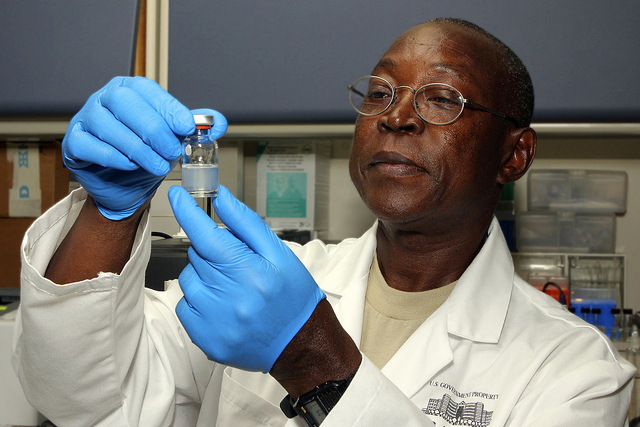
Vaccine Against Influenza (Flu Shots)
The U.S. Centers for Disease Control and Prevention (CDC) recommend everyone over the age of 6 months get a flu vaccine to avoid contracting certain strains of influenza (also know as the flu). Flu shots usually become available in the fall, from September to November. Some of your host families, including the children and adults, may get the flu shot every year. Au pairs may have questions in this regard, particularly if they are from countries where this is not standard practice. The most common questions I receive about the flu shot are:
Do I have to be vaccinated? No, it is up to you if you have the vaccine or not, but it is highly encouraged, especially for caregivers of children and the elderly.
Does my insurance pay for it? No, your medical insurance does not cover this expense.
Then who pays for this expense, the au pair or the host family? If I you to get vaccinated for yourself, you pay for it. If you host family wants you to get it because you are caring for their children, then they pay for it.
Additional ways to lower your risk of the flu
The CDC also states that: “With or without a flu shot, you can take steps to help protect yourself from the flu and other viruses. Good hygiene remains your primary defense against contagious illnesses.
- Wash your hands often and thoroughly with soap and water.
- Use an alcohol-based sanitizer on your hands if soap and water aren’t available.
- Avoid touching your eyes, nose or mouth whenever possible.
- Avoid crowds when the flu is most prevalent in your area.
- Practice good health habits. Get plenty of sleep, exercise regularly, drink plenty of fluids, eat a nutritious diet, and manage your stress.”
There are many resources on this topic, here are just a few:
Halloween Safety Tips
Halloween should be a fun time for you and your host family but it is also a time when safety should come first. A few tips from the DC Police.
Costume Safety
Children should:
– Wear clothing that is bright, reflective and flame-retardant; wear short clothing that prevents tripping.
– Wear sneakers or comfortable shoes.
– Use face paint (non-toxic, hypoallergenic) and avoid masks – especially if the eye holes obstruct the child’s vision.
– See well through facemasks, or use make-up.
– Don’t wear floppy hats or wigs that slide over the eyes. Also, children should not wear long, baggy, or loose costumes or oversized shoes.
– Avoid toy weapons – if desired, use costume knives and swords that are flexible, not rigid.
– Stay away from pets. The pet may not recognize the child and become frightened.
Pedestrian Safety
– Children should stay within familiar areas and surroundings. Parents should establish a route for children.
– Children should use flashlights and stay on sidewalks.
– Children should cross the street at corners / crosswalks and not between parked cars.
– Motorists should drive slowly and watch carefully for children.
General Safety
– Many police districts, community groups, business associations and others host Halloween parties. Parents should consider these as a safe alternative to door-to-door “trick-or-treating” for their children.
– Children should never go into homes – stay on the porch or stoop when asking for treats.
– Children should avoid homes that don’t have their outside lights turned on.
– Children should never talk to strangers or get into strangers’ cars.
– Children should travel in small groups and be accompanied by parents or an authorized adult chaperone.
– Children should know their home phone number and their parents’ cell phone numbers, when applicable. They should carry coins for emergency telephone calls or know how to make collect calls.
– Children should have their names and addresses attached to their costumes.
– Children should bring home treats before eating them so parents can inspect them. When children get home, parents should inspect all candy and other treats before they are eaten. Discard all unwrapped or loosely wrapped candy or fruit.
– If you have any questions about suspicious looking treats, call the police department.
– Parents and children should carve pumpkins on a stable, flat surface with good lighting. Small children should never carve pumpkins. Instead, they can help by drawing faces with markers, while a parent does the cutting. Older children carving pumpkins should always be supervised.
– Adults should only give and accept wrapped or packaged candy.
– Adults should keep porch lights on and their driveways illuminated.
– Homeowners should ensure that their walkways are cleared of debris on which children may trip and fall. http://mpdc.dc.gov/
Dial 9-1-1 for Fire, Police or Ambulance
Excerpt from Kids Health by Nemours
Emergencies don’t happen very often. But when they do, you want to get help fast. No one wants to spend time looking up the phone number. That’s why 911 was created — to make it easy. In the United States, dialing 911 on your phone is the fastest way you can get help for yourself or someone else.
Not too many years ago, people had to find the right phone number in an emergency. Today, it’s as simple as dialing 911. With those three numbers, you can reach the fire department, the police, or an ambulance. When you call 911, an emergency operator — called a dispatcher — immediately connects you to the person you need.
Speak slowly and clearly when you explain what’s happening. The 911 emergency dispatcher may ask you what, where, and who questions such as these:
- What is the emergency?
- What happened?
- Where are you?
- Who needs help?
- Who is with you?
- Are you safe where you are?
If you do have to call 911 in an emergency, be sure to stay on the phone. Do not hang up until the 911 operator tells you it’s OK to do so. That way, you can be sure that the operator has all the information to get help to you fast!
Top 10 Activities for Fall
By Gwen Remy
Summer is over, and in many places the air is turning colder. As the weather changes be sure to take advantage of what the fall season has to offer. Even if you don’t live in a place that sees a lot colorful leaves, there are fun family-friendly ways to get outdoors this fall:
• Go apple picking. Sure, most of us can get apples year-round from the grocery store, but there’s nothing quite like orchard fresh apples, picked straight from the tree during harvest season. That crunchy, tangy, sweet apple flavor is at its peak during this time of year. Many commercial orchards will let you pick your own. It’s not only fun, it’s also a great way to show kids where their food comes from. Get extras for canning applesauce, or making pies. When you’re done, warm up with a delicious mulled cider.
• Go on a nature hike. Bring along a field guide to identify different kinds of trees. Look for wildlife collecting food for winter. Explain to kids how animals are starting to fatten up and grow thick, protective winter coats. Watch for migrating birds.
• Collect fall leaves. Press them into books or preserve them in glycerin. Paste them onto handmade paper to create greeting cards, or glue them between two pieces of wax paper to make an attractive sun catcher. Go lightly on the glue, or substitute crayon shavings to add color; use a warm iron to melt the shavings and hold the paper together.
• Take a hayride. Many farms offer hayrides during the fall. This is a great way to kick back and enjoy nature with smaller kids who may not be up for a long walk.
• Visit the pumpkin patch. Don’t buy your Halloween pumpkin from the grocery store. Go straight to the source. Kids will love wandering around the patch to pick out the perfect pumpkin. Choose a couple of big ones for jack-o-lanterns, and grab a few smaller ones for painting or general household decorations. Smaller pumpkins make great additions to fall centerpieces. Roast the seeds in your oven with a sprinkling of tasty spices, and grab a few to make pumpkin pies.
• Visit a corn maze. Many farms earn extra income for the winter by turning their cornfields into large mazes. Test your directional sense, and get some fresh air in the process. Corn mazes are fun or all ages.
• Stuff a scarecrow. Dig out an old shirt and overalls, and stuff it with leaves until firm. Add a pumpkin head (from your trip to the pumpkin patch) and you’ve got a great fall decoration.
• Fly a kite. The gusty, brisk air makes autumn a great time for flying kites. Buy one from the store, or make your own from two long sticks, strong paper, and string.
• Have a bonfire. Invite some friends over for a backyard bonfire. The chill in the air makes fall the perfect time to sit together by the warmth of a blazing fire with a nice warm mug of cocoa or cider. Be sure to get any necessary permits from your town first.
• Make a leaf pile and jump in!
Volunteering in Washington, DC
By Catherine McEaddy Holmes
We encourage volunteering to be able to share your culture and learn more about American culture through the experience.
Au Pair in America’s Global Awareness Volunteer– is a program for APIA Au Pairs to volunteer in local classrooms to share your culture with American students.
General Volunteer Guidelines:
You can volunteer anywhere you like as long as it does not interfere with your work schedule.
Volunteer hours do not count towards education hours or credits (unless you are enrolled in the UCLA Extension course).
Ask your Host Family for opportunities in their children’s schools, their church, synagogue, or other house of worship, and neighborhood organizations.
Spanish-language volunteer opportunities:
Spanish Education Development Center
Teacher’s Aide Volunteer Description
CARECEN Latino Resource and Justice Center
Other volunteer opportunities:
Martha’s Table– provides healthy food and clothing for DC families
Dreams for Kids DC– activities for children with physical or mental disabilities
DC Central Kitchen– city food bank
Dress for Success– career development and professional clothing for women
KEEN (Kids Enjoy Exercise Now)
Citywide volunteer opportunities:
DC Government Service Opportunities and Resources
Rosh Hashanah
Rosh Hashanah begins at sundown on this Sunday October 2nd and ends in the evening of Tuesday October 4th.
The customs and symbols of Rosh Hashanah reflect the holiday’s dual emphasis on both happiness and humility. Customs observed on Rosh Hashanah include the sounding of the shofar (a musical horn) and eating special foods including round challah (bread), which symbolizes the circle of life, and sweet foods for a sweet New Year. It is also customary to extend wishes for a good year. In Hebrew, the simple form of the greeting is “L’shanah tovah!”
Here is a great site for children including information about the holiday traditions, games, word searches, Hebrew vocabulary and crafts.
http://www.akhlah.com/jewish-holidays/roshhashanah/
Want to try cooking for the holiday? Find out how to make Challah, Honey Cakes…and lots more here:
Going Unplugged During Work Hours
By Christine Connally
Au Pairs – Imagine for a moment that you went to the hospital and you were in the care of doctors and nurses. How would you feel if those doctors and nurses who were there to care for you were more interested in texting or using their personal computer than caring for you? How would that make you feel, about yourself and about them? Would you think that you were getting the treatment you deserved? Would you feel like paying the bill after your stay?
Life as an au pair, it is a fine balance between employee and family member. You live with your host family and participate with them as a member of the family, but you also have clear responsibilities as a childcare provider. Being a childcare provider is truly one of the most important jobs I can think of, because you are helping to shape our next generation. What message are you sending them when you would rather interact with a computer than with them? How will they feel about themselves and about you? Children feel as though everything is about them. They will see this as a rejection of them and they will be more likely to act out.
It also poses a safety concern when you are not paying enough attention to the children in your care. Accidents happen, but when an adult care giver is close by and appropriately supervising the chances of a major injury dramatically reduce.
During work hours, the following would not be considered acceptable:

-Texting
-Talking to friends on the phone
-Chatting with friends online
-Using Skype or FaceTime
-IMing
-Emailing
-Updating your status on Facebook
-Using Snapchat, WhatsApp or any other app or social media site
-Watching videos on YouTube
-Tweeting on Twitter
-Uploading photos on Instagram
-Anything else on the computer unless it is going to Nickjr.com together with your host children (and you have your host family’s permission to do so).
Think about this — even if you work 45 hours a week, that leaves you 123 hours per week for all of that other stuff, or about 70 hours (if you are getting the recommended 7-8 hours of sleep per night.)
Host Parents – You need to be clear about what you consider acceptable during work hours to avoid misunderstandings. Also, please understand that you are dealing with a new generation of people who are very accustomed to being plugged in at all times. Their intention is not to be rude, they don’t necessarily realize how their actions will be perceived. Please use this information as an opportunity to begin a dialogue on the issue.
Education Requirements for Au Pairs
By Catherine McEaddy-Holmes
Required Credits
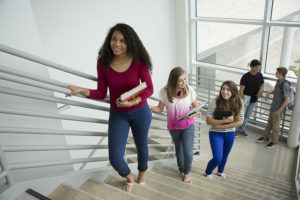
Au pairs are required earn at least six academic credits during their year by completing classes/courses at accredited US post-secondary colleges and universities.
6 academic credits = approximately 8 CEUs = approximately 80 classroom hours
Universities and colleges use several different systems for credits, and au pairs use any combination of academic credits, CEUs, or hours as long as they add up to the required number of hours. (The absolute minimum is 72 classroom hours.)
Accredited Schools
Choosing Classes
Be flexible. Remember that your childcare responsibilities come first. Class schedules need to be arranged with your host family and around your childcare duties. Your favorite class may not be available when you are. Schools vary in what they offer, but most offer a wide range of choices and offer day, evening, and Saturday classes.
The APIA Advantage UCLA Course is the only State Department approved class with an online component. No other online classes are accepted.
Tuition
Your host family will pay an education allowance of $500 to assist you in completing your education requirement. There are a few ways to get your credits for just your education allowance, but choices are limited. Normally au pairs will contribute some of their own money ($200+) towards their education.
Transportation
Your host family will provide transportation, including gasoline, parking, or public transportation costs, to and from your classes in your community until you complete your education requirement.
Travel Classes
Au pairs should only take one “weekend/travel” course for their education requirement. These courses usually meet for one or several weekends and involve travel. They are clearly marked on the Au Pair Education Options post. Using only “weekend/travel” courses to meet your education requirement could result in the denial of your extension application (should you decide to extend.).
Education Proof
Submit any of the following as proof of your education:
- Letter from the school on letterhead
- Completion certificate from the school
- School transcript
All proof of education must state your name, school attended, course title, start and end date of the course, and number of credits/hours earned. If your community counselor does not have proof that your education requirement has been completed, you will not receive a completion certificate upon your return to your home country and you forfeit the opportunity to extend.
Extending

Image: NEC Corporation of America (Flickr)
In order to extend, you must show proof that you have completed the education requirement no later than 30 days before the end of your first year.
If you are still in the process of completing your education, you must obtain proof from the school stating that the course(s) you are taking will conclude at least 30 days before the end of your year and the number of credits/hours/CEUs that you will earn.
All proof of education must state your name, school attended, course title, and number of credits/hours earned. Completed verification should be given to your community counselor. Your extension request will not be processed without this proof.