
Going trick-or-treating? Check out these tips from the CDC website.
 Swords, knives, and other costume accessories should be short, soft, and flexible.
 Avoid trick-or-treating alone. Walk in groups or with a trusted adult.
 Fasten reflective tape to costumes and bags to help drivers see you.
 Examine all treats for choking hazards and tampering before eating them. Limit the amount of treats you eat.
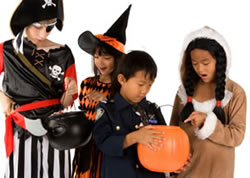
 Hold a flashlight while trick-or-treating to help you see and others see you. WALK and don’t run from house to house.
Always test make-up in a small area first. Remove it before bedtime to prevent possible skin and eye irritation.
 Look both ways before crossing the street. Use crosswalks wherever possible.
Lower your risk for serious eye injury by not wearing decorative contact lenses.
 Only walk on sidewalks whenever possible, or on the far edge of the road facing traffic to stay safe.
 Wear well-fitting masks, costumes, and shoes to avoid blocked vision, trips, and falls.
Eat only factory-wrapped treats. Avoid eating homemade treats made by strangers.
Enter homes only if you’re with a trusted adult. Only visit well-lit houses. Never accept rides from strangers.
 Never walk near lit candles or luminaries. Be sure to wear flame-resistant costumes.
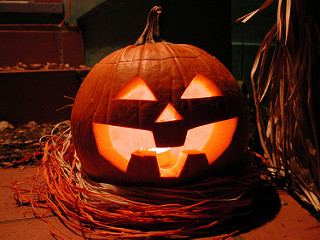 A carved or decorated pumpkin is called a jack-o-lantern. If you are carving your pumpkin, I recommend that you wait until no more than a week before Halloween, so it will be fresh for the big day. If you are doing this with your host kids, be very careful with the sharp objects.
 There are no regulations requiring host families to give au pairs any specific holidays off. In the spirit of the au pair program, many host families will give their au pair the day off on major holidays (Thanksgiving, Christmas, New Year’s Eve, July 4th). Most au pairs look forward to sharing holidays like Thanksgiving and Christmas with their host families to truly experience American family life.